| Canterbury Scene | Crossover Prog | Eclectic Prog | Extreme Prog Metal | Folk Rock | Heavy Prog | Jazz-Rock Fusion | Krautrock | Neo Prog | NON PROG | Northern Prog | Post Metal | Post Rock | Prog Related | Progressive Electronic | Progressive Metal | Psychedelic Rock | Rock Progressivo Italiano | Space Rock | Symphonic Rock | Zeuhl |
Progressive Rock World


662 Reviews - 379 Artists - 93 Detailed biographical profiles - 26 Prog Meteors - 22 Progressive Rock Subgenres
Maxophone's Refined Progressive Rock
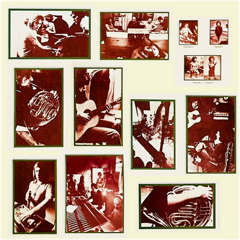
Maxophone is one of the most refined and technically accomplished bands on the Italian progressive rock scene of the 1970s. Formed in Milan in 1973, the band is a sort of supergroup of musicians with solid academic training. Six of the original members graduated from the Conservatory and have integrated instruments unusual for rock, such as the French horn, clarinet, and harp, into their sound.
The original lineup consisted of Sergio Lattuada (keyboards and vocals), Roberto Giuliani (guitars, piano, and vocals), Leonardo Schiavone (wind instruments) (clarinet, flute, saxophone), Alberto Ravasini (bass, acoustic guitar, and lead vocals), Maurizio Bianco (drums and percussion), and Sandro Colombini (vocals, present only in the early stages and as a lyricist).
Maxophone's goal was to break down genre barriers, and they succeeded. Their debut album and masterpiece demonstrates that classical training and the energy of rock can coexist without one overpowering the other. It's not "simply" rock with orchestral additions, but a fusion of genres in which the French horn and clarinet are as important as the electric guitar.
In 1975, they released their only self-titled album, Maxophone, on the Produttori Associati label, a perfect fusion of symphonic rock, jazz, classical music, and complex vocal harmonies.
Strongly believing in the project, the label also released the album in English for the international market, a rare occurrence for Italian bands at the time.
Despite their exceptional artistic quality, the group failed to achieve the commercial success they deserved, and after a final single in 1977, Maxophone disbanded, with its members pursuing careers as session musicians or music teachers. They reunited many years later, releasing a live album and a new studio album, La fabbrica delle nuvole, in 2017.
Their style is a fusion of genres that few other groups of the time could achieve, a refined sound featuring splendid classical wind instruments, French horn, clarinet, and flute. Their arrangements were not simple accompaniments, but orchestral scores integrated into the rock sound. They also boasted a great vocal complexity, featuring polyphonic vocal interweavings, multi-part choirs, and extremely complex vocal counterpoints.
The influences of classical symphonic music are evident, with majestic openings and jazz-rock influences, with syncopated rhythm sections and improvisations by wind instruments and keyboards. There are also reminiscences of sacred music, with solemn and choral atmospheres, extensive use of the organ, and a strong, typically Italian melodic component.
Maxophone sought an almost crystalline purity of sound; each instrument was clear, audiophile-level.
The Discography and the Reviews
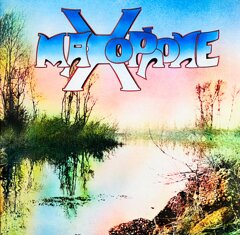
Maxophone - 1975 - ESSENZIALE
Maxophone (English lyrics) - 1975 - Coming Soon
La Fabbrica Delle Nuvole - 2017 - Coming Soon