

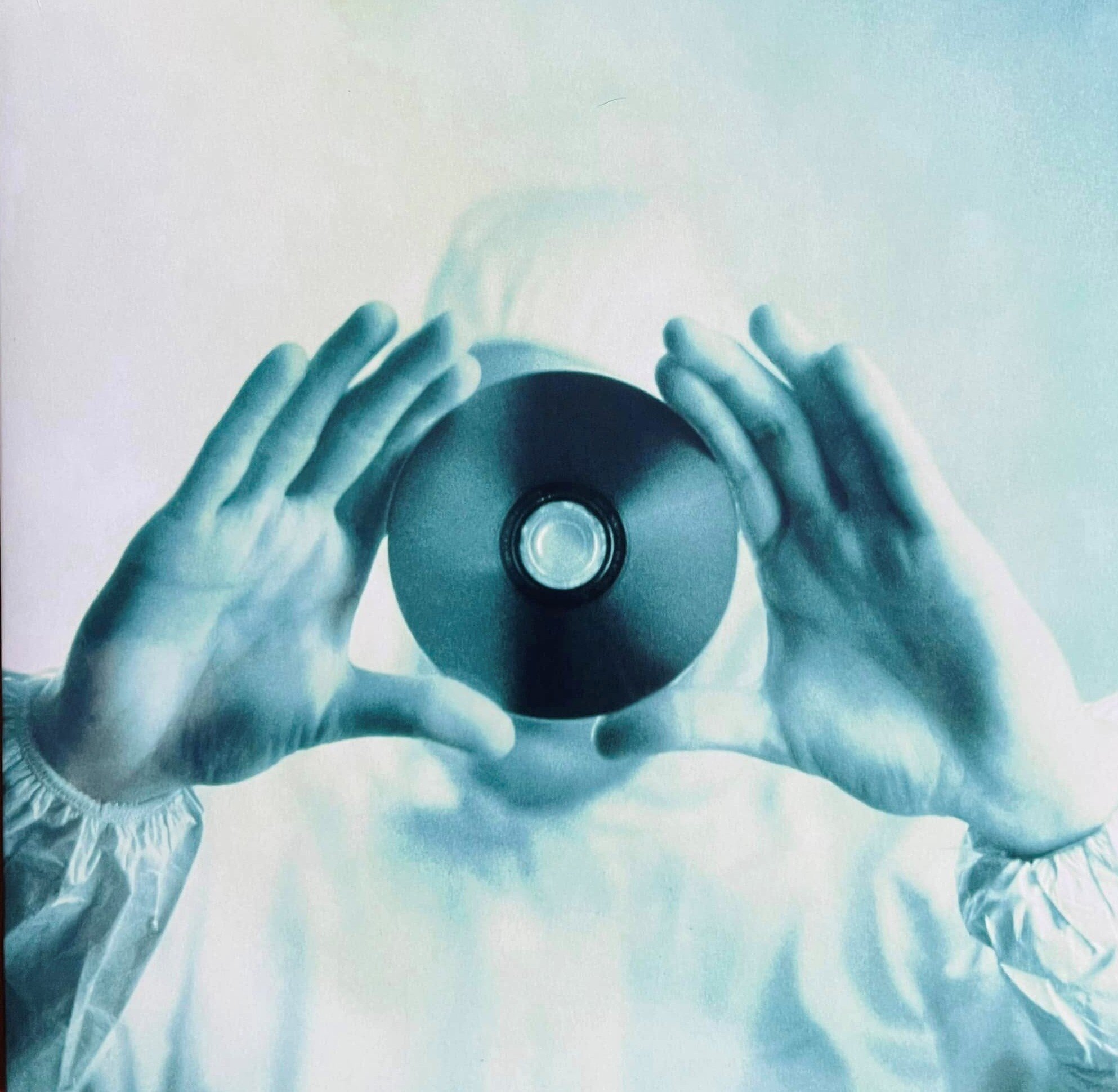
Stupid Dream by Porcupine Tree, a 1999 album.
Stupid Dream is the breakthrough album for the Porcupine Tree, a move away from experimentation and psychedelic atmospheres, heading toward rock, without giving up its progressive and atmospheric character.
There’s a stronger leaning toward the melodic side and the tracks take on a song-like structure, with a suspended, melancholy mood.
The title “Stupid Dream” (Stupid Dream) contains a cynical, autobiographical idea from the leader Steven Wilson. It refers to the teenage illusion of becoming a rockstar and living only off music. Wilson said the record is mainly about the frustration of having to “sell” and promote your own music after creating it. The “dream” becomes stupid when art has to adapt to market rules, advertising, and sales.
On this album, Porcupine Tree work like a real band, with Wilson, Richard Barbieri, Colin Edwin and Chris Maitland. Compared to earlier records, the songs are shorter and focus on melody and personal lyrics. Wilson blends progressive rock with sounds recalling British singer-songwriter pop and late-’90s alternative rock.
The album makes heavy use of pianos, acoustic guitars, wind instruments and full orchestral arrangements, handled by the East of England Orchestra.
Even if the band shifted toward more melodic sounds, the psychedelic influence is far from gone—if anything, it has transformed. Richard Barbieri doesn’t just play synth solos, but builds real soundscapes, with ambient textures, electronic loops and samples moving under the surface. This sound-design work wraps the songs in an ethereal, dreamy and sometimes even claustrophobic atmosphere.
The tracks manage to be catchy and deep and complex at the same time. We’re talking about twelve top-quality songs that keep the band’s signature sound and are only the beginning.
Beautiful melodic works would follow, amazing ones, like Lightbulb Sun and the masterpiece In Absentia, but speaking of Steven Wilson it should be noted that the Blackfield project also had a melodic key.
So a record that contains both the melodic character and the complex prog side this band has accustomed us to.
Theo Travis, a giant of British jazz-rock and avant-garde, is the featured soloist on this album. In “Don’t Hate Me”, he makes you dream with his tenor sax and flute, while in “Tinto Brass”, an instrumental piece, he gives us a sumptuous transverse-flute solo. It’s worth spending a few words on his musical career, which is a triumph of fantastic collaborations: since 2006 he has been the official saxophonist and flautist of Soft Machine, a legendary band from the Canterbury scene. Although he was never an official studio member of King Crimson, Travis took part in the KC Stars project and played extensively with Robert Fripp, both live and in the studio, in the Travis & Fripp duo. Between 1999 and 2010, he was part of Gong, another iconic band of psychedelic space-rock. Travis is also a member of The Tangent, a leading band of modern British progressive rock. And finally, he contributed his horns to David Gilmour’s album “On an Island”, both in the studio and live.
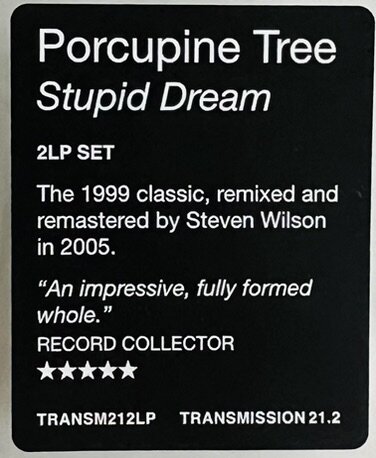
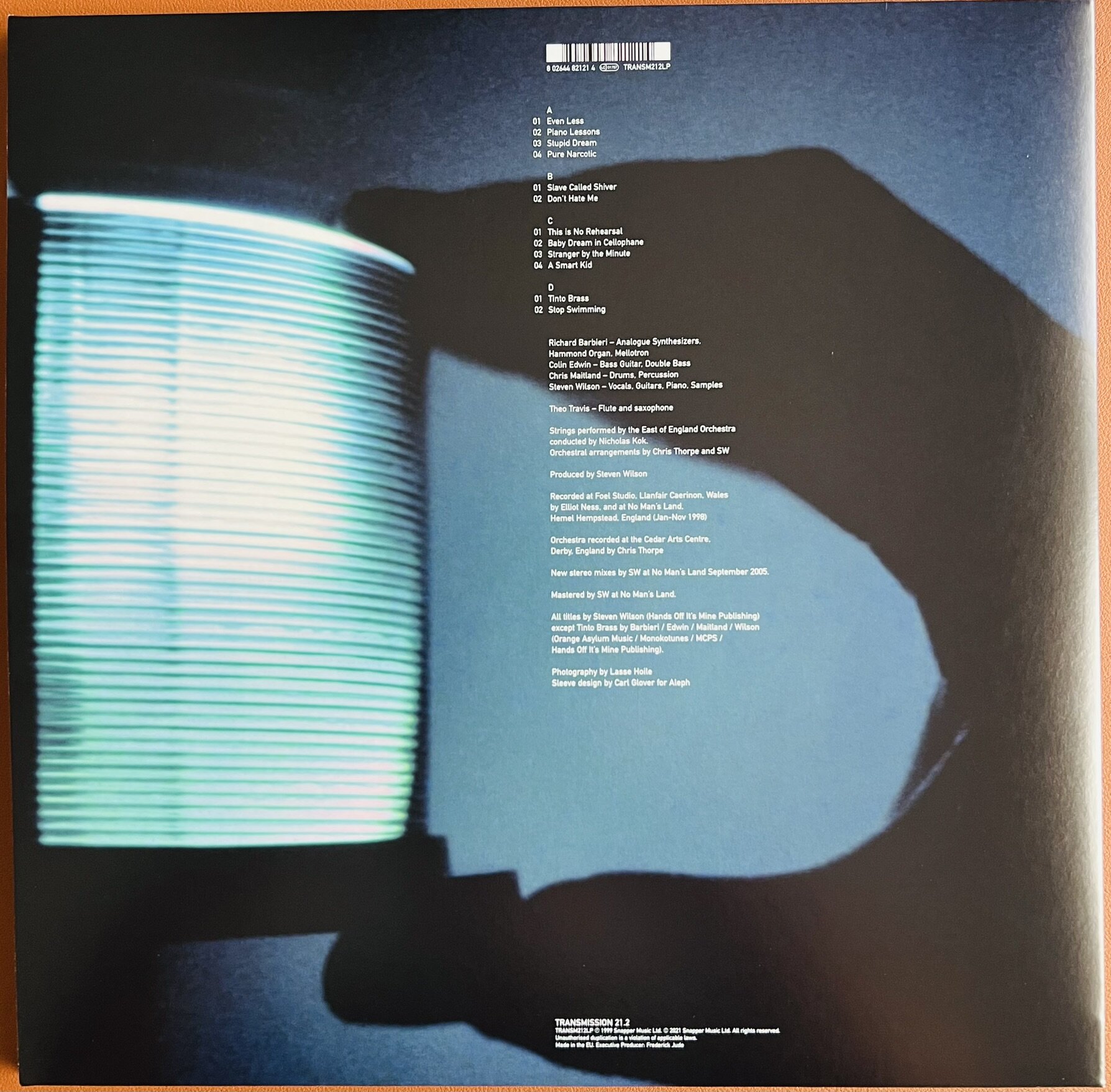
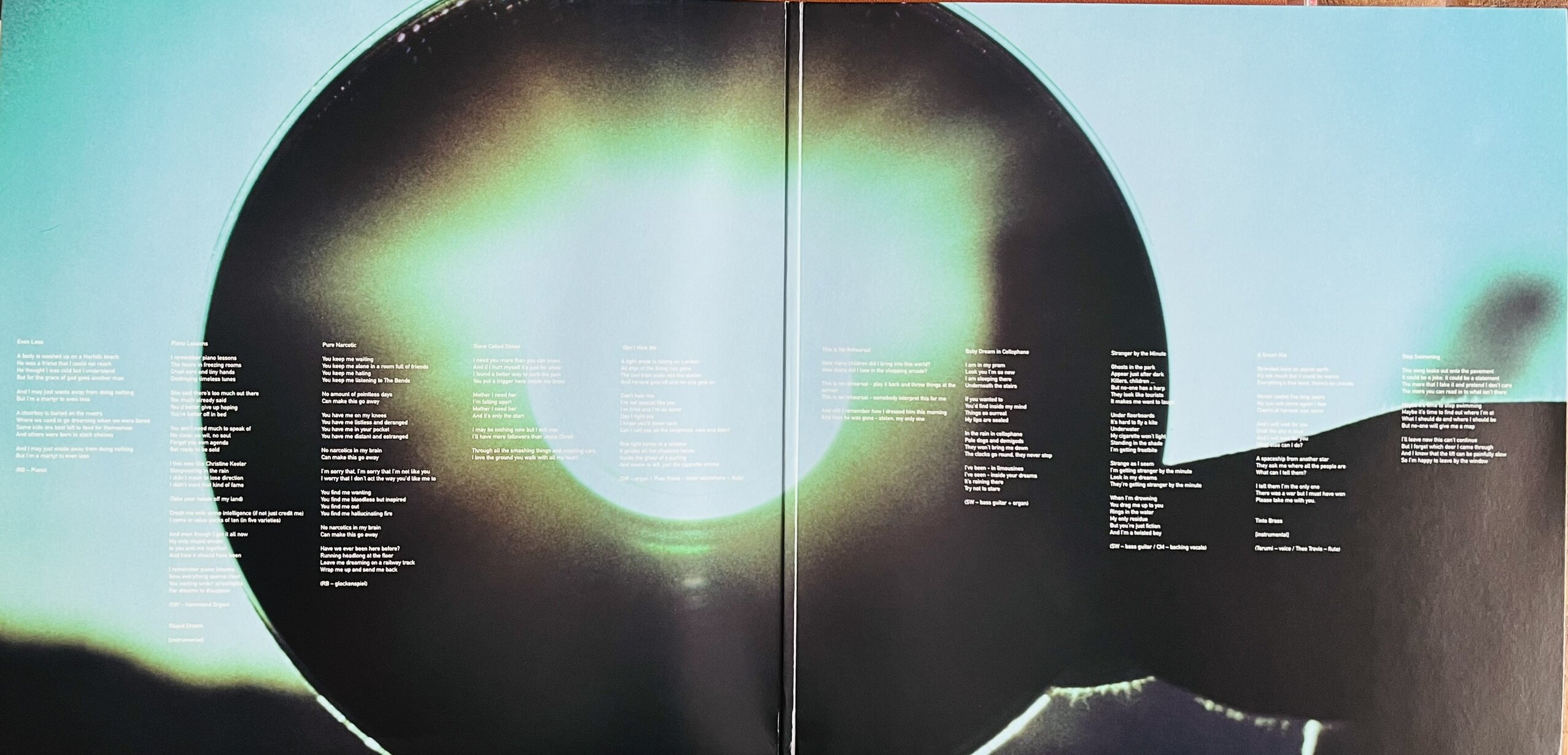
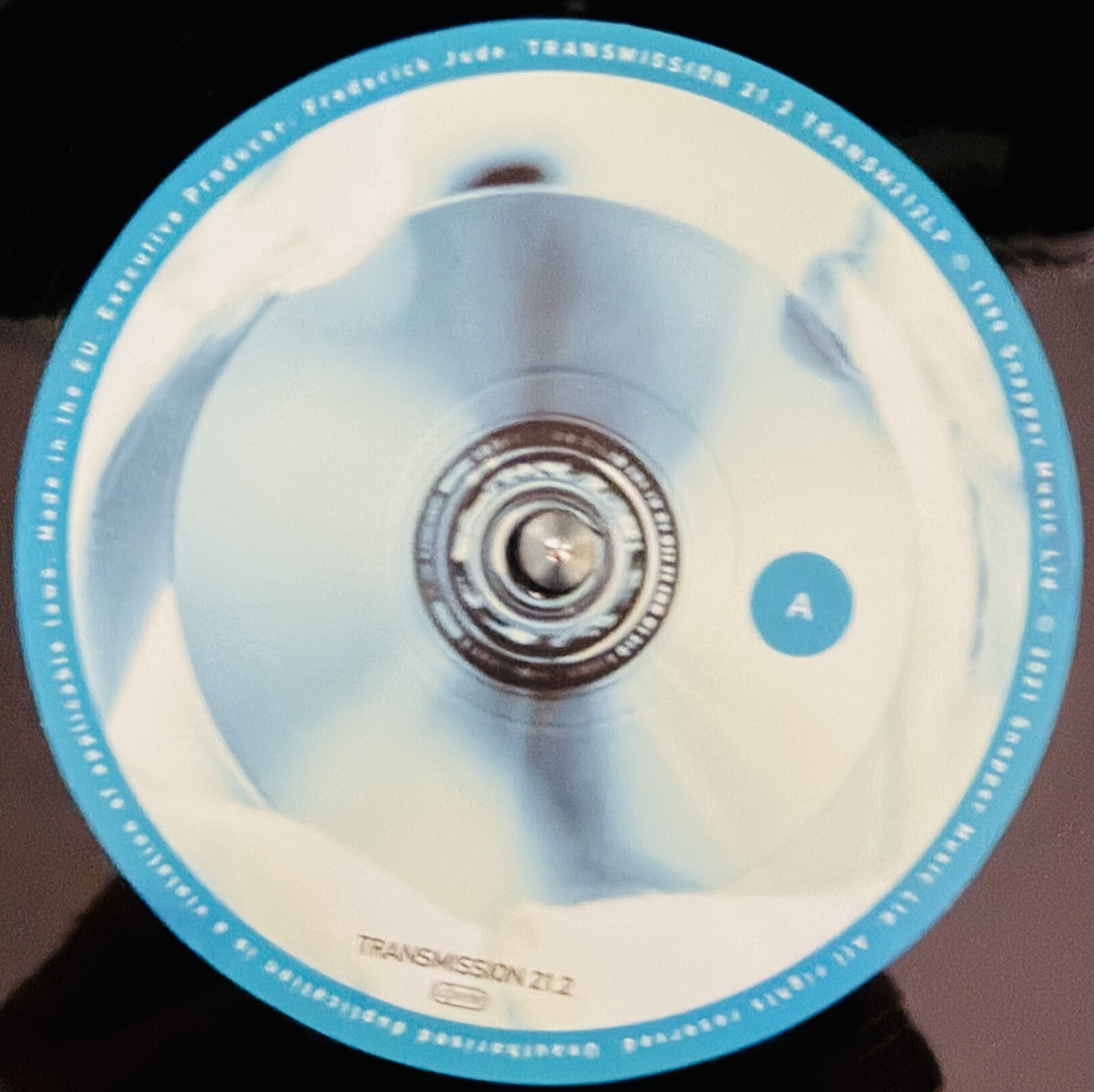
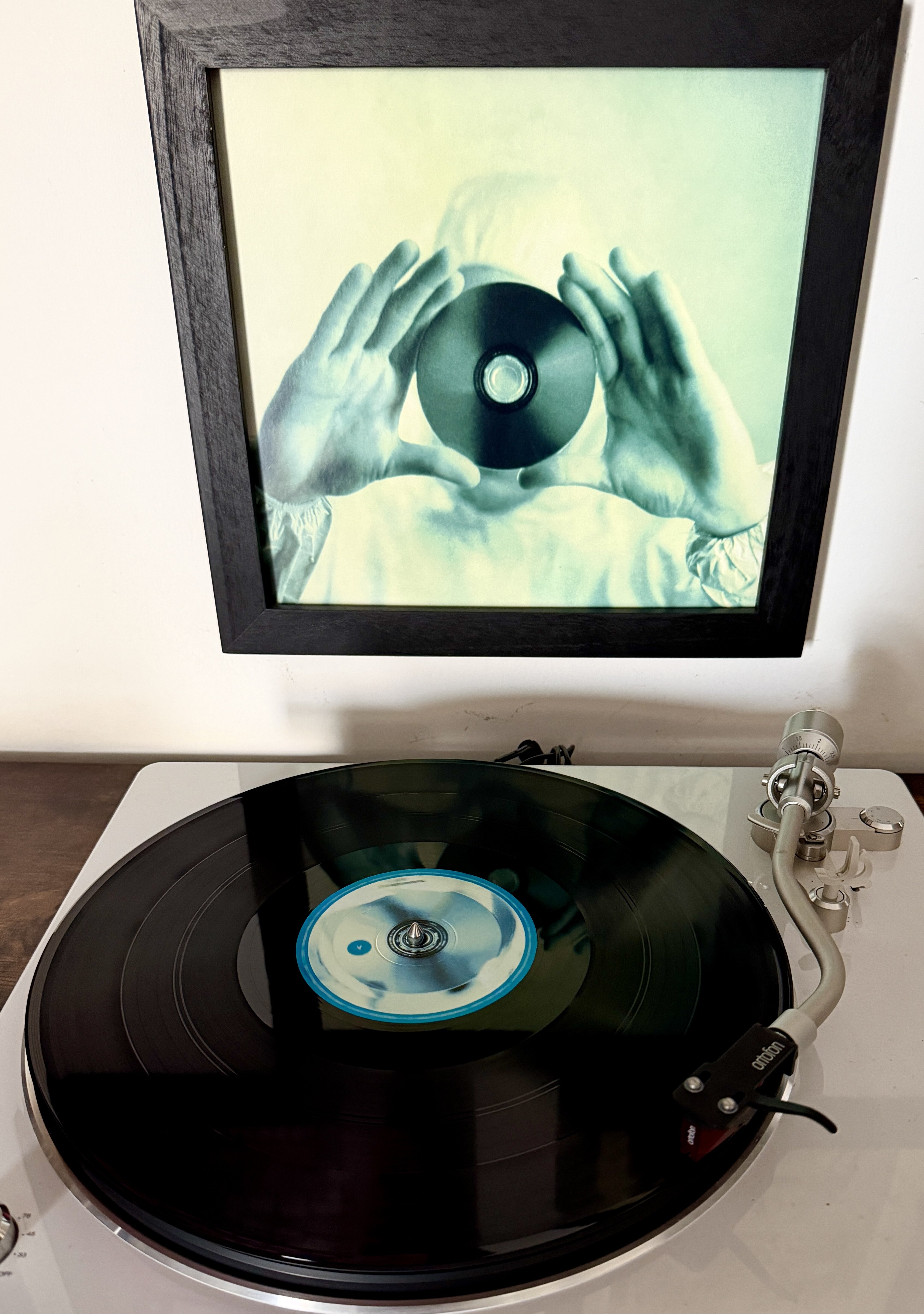
I have the reissue in the 140g double-vinyl version (code TRANSM212LP).
“Even Less” blends atmospheric art-rock and progressive rock into a truly unique musical experience, an imposing suite that alternates acoustic, intimate moments with powerful electric explosions. The ethereal opening arpeggio and the energetic guitar-led ending are among the most memorable moments. Steven Wilson creates intricate vocal and guitar weaves, while the rhythm section of Edwin and Barbieri builds a hypnotic sound-bed that fully envelops you. A listen that takes you on an engaging, nuanced sonic journey.
“Piano Lessons” is in a psychedelic pop-rock style. It’s the album’s most accessible, radio-friendly track, with a catchy melody that sticks in your head. The sophisticated, emotional arrangements further enrich the song, and the hypnotic piano riff that gives it its title is surely one of the highlights. The mellotron and piano work blends a vintage feel with the band’s typical sound, creating a truly immersive sonic experience.
“Stupid Dream” opens with a short ambient instrumental interlude, an atmospheric passage that acts as a sonic thread, enhanced by delicate electronic shades. The suspended harmonies create a sense of anticipation and dreamlike lightness, a perfect introduction to the album.
“Pure Narcotic” moves into acoustic pop / folk-rock territory, an intimate, nostalgic track dominated by acoustic guitars and reflective lyrics about the illusions of success. The enveloping chorus and the sweetness of the arrangement make this piece especially evocative. Chris Maitland’s fluid, minimal drumming supports the vocal without overpowering it, creating a perfect balance between voice and instruments.
“Slave Called Shiver” introduces alternative-rock shades with electronic influences. Very rhythmic, the track has a tenser, more neurotic atmosphere, with almost whispered vocals. The pulsing bassline and electronic loops enrich the sound, while Colin Edwin’s bass emerges as the real protagonist, steering the melody toward darker drifts.
“Don’t Hate Me” is the absolute masterpiece of the record. A melancholic ballad that evolves into long, jazzy, dreamy instrumental tails. The central sax solo, blending with the electric guitars in the finale, lifts the track to incredible emotional peaks. Theo Travis’s sax contribution, together with masterful percussion work, makes this piece an unforgettable experience.
“This Is No Rehearsal” marks the return of heavier, guitar-driven rock, with sharp riffs and odd time signatures. The lyrics are dark and reflective, while the sudden tempo change and complex electric-guitar lines create an atmosphere of tension and drive. Richard Barbieri on keyboards colors the song with spacey sounds that contrast the weight of the guitars, adding a touch of psychedelia to the track.
“Baby Dream In Cellophane” is an eccentric track, marked by a surreal, claustrophobic yet very melodic atmosphere. The orchestral arrangements curated by collaborator Dave Stewart help create a dreamy, evocative mood.
“Stranger By The Minute” is another extremely melodic, catchy track, but with a complex, elaborate rhythmic backbone. The layered vocal section and bright chorus make this piece immediately recognizable. Chris Maitland’s drumming is a metronome that interlocks perfectly with Barbieri’s keyboards, creating a hypnotic, compelling groove.
“A Smart Kid” is one of the album’s most evocative tracks, featuring anti-militarist, melancholic lyrics. The structure grows slowly until it bursts into a dramatic crescendo in the second half, enriched by an orchestral opening. Steven Wilson creates a cinematic atmosphere with slide guitar, carrying the listener on an intense emotional journey.
“Tinto Brass” is a fully instrumental track, built on an obsessive groove and packed with electronic textures and effects. Dedicated to the well-known Italian director, the piece stands out for its acidic, experimental sound. All the musicians show great technique and interplay, with excellent work by Colin Edwin and Barbieri’s sonic manipulations adding further depth to the track.
“Stop Swimming” is the ideal closing track, a sad, reflective lullaby that leaves the listener in a state of deep introspection. Wilson’s intimate voice and the minimalist arrangement create an atmosphere of melancholy and self-reflection. Piano and synths give a celestial aura that closes the circle of “Stupid Dream”, leaving an indelible mark.
Production as always TOP, like all Steven Wilson projects.
A key album for the band’s evolution, a change driven by live successes, chosen to reach a wider international audience, yet it remains a concrete, rock-solid album of refined prog and beautiful rock. In my opinion, an album that’s far too underrated considering its importance for the band and the later works.
Great album!
My Version
Label: Transmission Recordings – TRANSM212LP
Format: 2 x Vinyl, LP, Album, Reissue, Remastered, Repress, 140g
Country: Europe
Released: 2021
The Tracks
1. Even Less (7:11)
2. Piano Lessons (4:21)
3. Stupid Dream (0:28)
4. Pure Narcotic (5:02)
5. Slave Called Shiver (4:41)
6. Don't Hate Me (8:30)
7. This Is No Rehearsal (3:27)
8. Baby Dream in Cellophane (3:15)
9. Stranger by the Minute (4:31)
10. A Smart Kid (5:22)
11. Tinto Brass (6:17)
12. Stop Swimming (6:53)
Length 59:58
The Line-up
- Steven Wilson - vocals, guitars, piano, Hammond, sampler, bass (8, 9), orchestral arrangements, producer
- Richard Barbieri - synthesizers, Hammond organ, Mellotron, piano (1), glockenspiel (4)
- Colin Edwin - bass, double bass (2, 12)
- Chris Maitland - drums, percussion, backing vocals (9)
With:
- Terumi - vocals (11)
- Theo Travis - flute (6, 11), tenor saxophone (6)
- East of England Orchestra - strings
- Nicholas Kok - conductor
- Chris Thorpe - orchestral arrangements
Note: All links to the musicians’ works are in the TAGs under the article title or on the "Artists" page
.jpeg "The Sky Moves Sideways by Porcupine Tree")

.jpeg "4 ½ by Steven Wilson")