.jpeg "whatsapp-image-2025-09-15-at-18.35.31-(4).jpeg")
The Origins of the Canterbury Scene, The Wilde Flowers:
- Wilde Flowers by The Wilde Flowers, Vinyl, Compilation, 2018
- Wilde Flowers by The Wilde Flowers, CD, Compilation, 2014
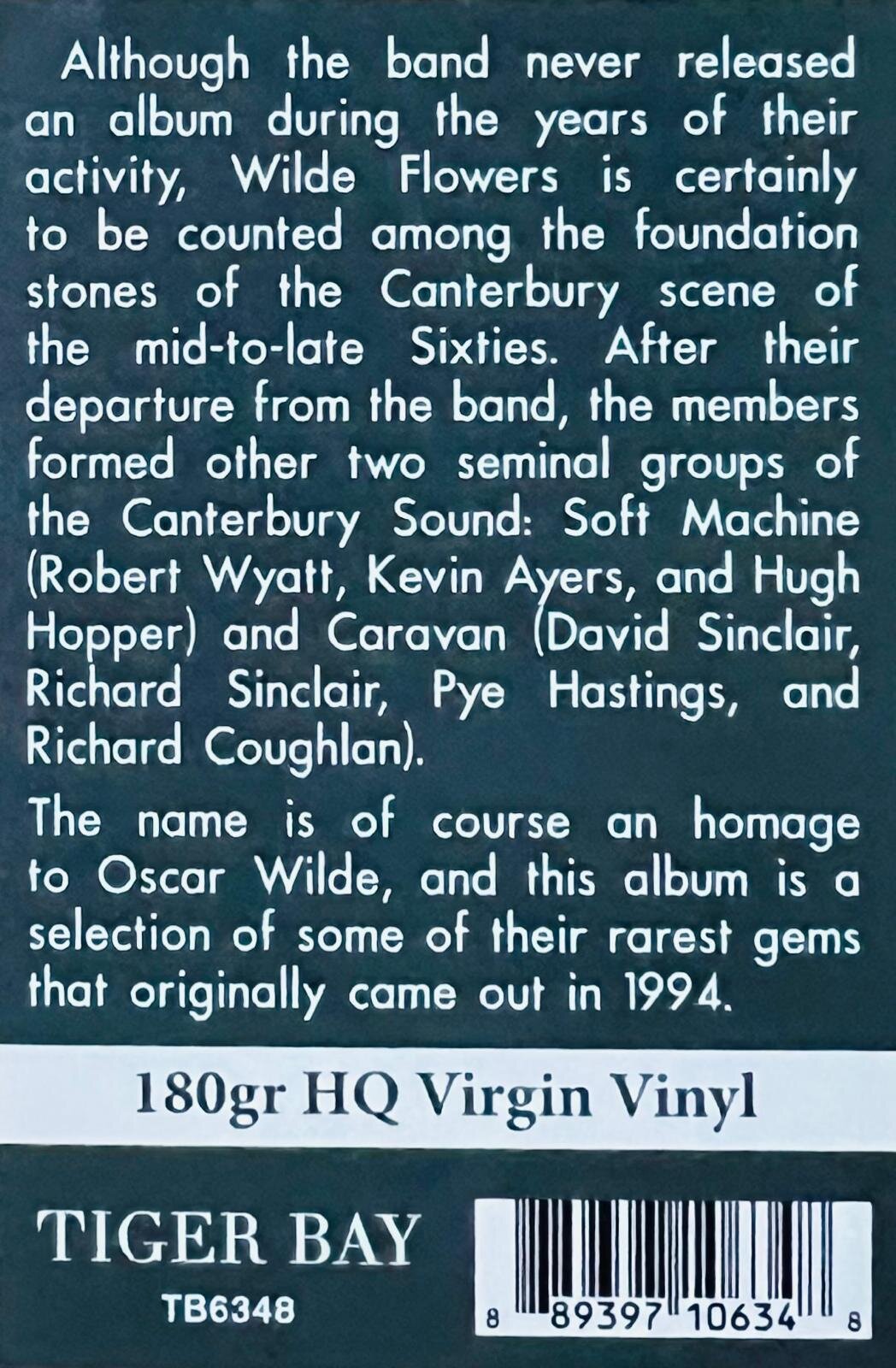
The Wilde Flowers are a band I'm passionate about, not only, or not so much, for their record production, which was nil—no official albums as long as the band was active—but for what this group of young friends, artists, and musicians represented for progressive rock, particularly for the Canterbury scene, which without them would never have existed. Perhaps it was the era, perhaps their talent, perhaps the excitement of the music emerging at that time, beyond classical standards, perhaps also a little because of Miles Davis, who had released albums that were considered already masterpieces at the time, or perhaps because psychedelic music was also just beginning to take its first steps, but... something happened.
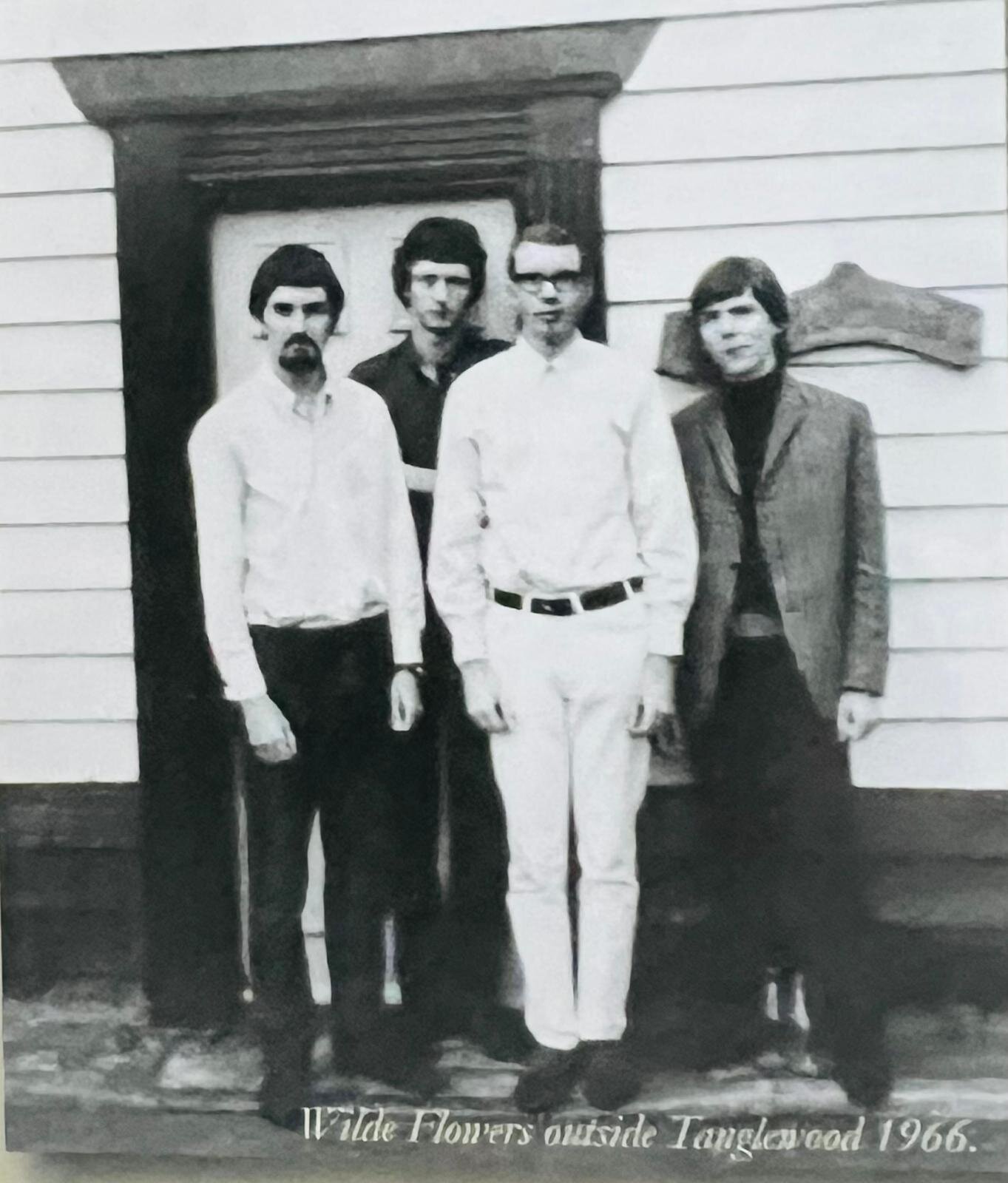
In the mid-1950s, a group of students from Simon Langton Primary School in Canterbury met. This group included brothers Hugh and Brian Hopper, Robert Wyatt, Dave Sinclair, and Mike Ratledge, and their friendship developed around music, spending entire afternoons at Robert Wyatt's house listening to jazz and playing his most famous songs.
In 1960, an Australian boy named Daevid Allen rented a room in Wyatt's house. He had a nonconformist lifestyle and a huge passion for jazz, which immediately influenced the other boys and roommates.
At the end of 1962, still at the Wyatt house, the first recordings of what would become the core of the group began, featuring the two Hoppers, Brian on guitar and saxophone, Hugh on bass, Wyatt on drums, and Ratledge on piano.
Allen, who had meanwhile moved to London, invited Wyatt to join him in 1963, and after a while, Hugh Hopper joined them: together, they formed the Daevid Allen Trio, which performed in England, alternating free jazz with readings of Beat poetry.
Ratledge occasionally joined the trio's concerts as a guest, such as the June 1963 date at the Marquee Club in London, a recording of which was released in 1993 by Voiceprint Records as Live 1963. The lack of bookings caused the group to lose confidence, and they disbanded after a few weeks.
Daevid moved to Deià on the island of Mallorca, where a community of Beat Generation artists had been living for years, and where many of the Canterbury musicians would often stay as well, so much so that it can be considered the birthplace of Gong and Soft Machine.
Here, he was joined by Wyatt and Ayers, with whom he spent a busy summer filled with musical evenings. Around the same time, Hugh, his brother Brian, and fifteen-year-old Richard Sinclair officially formed the Wild Flowers, which, with the return of Wyatt and Ayers, took the name Wilde Flowers in homage to the Irish writer Oscar Wilde.
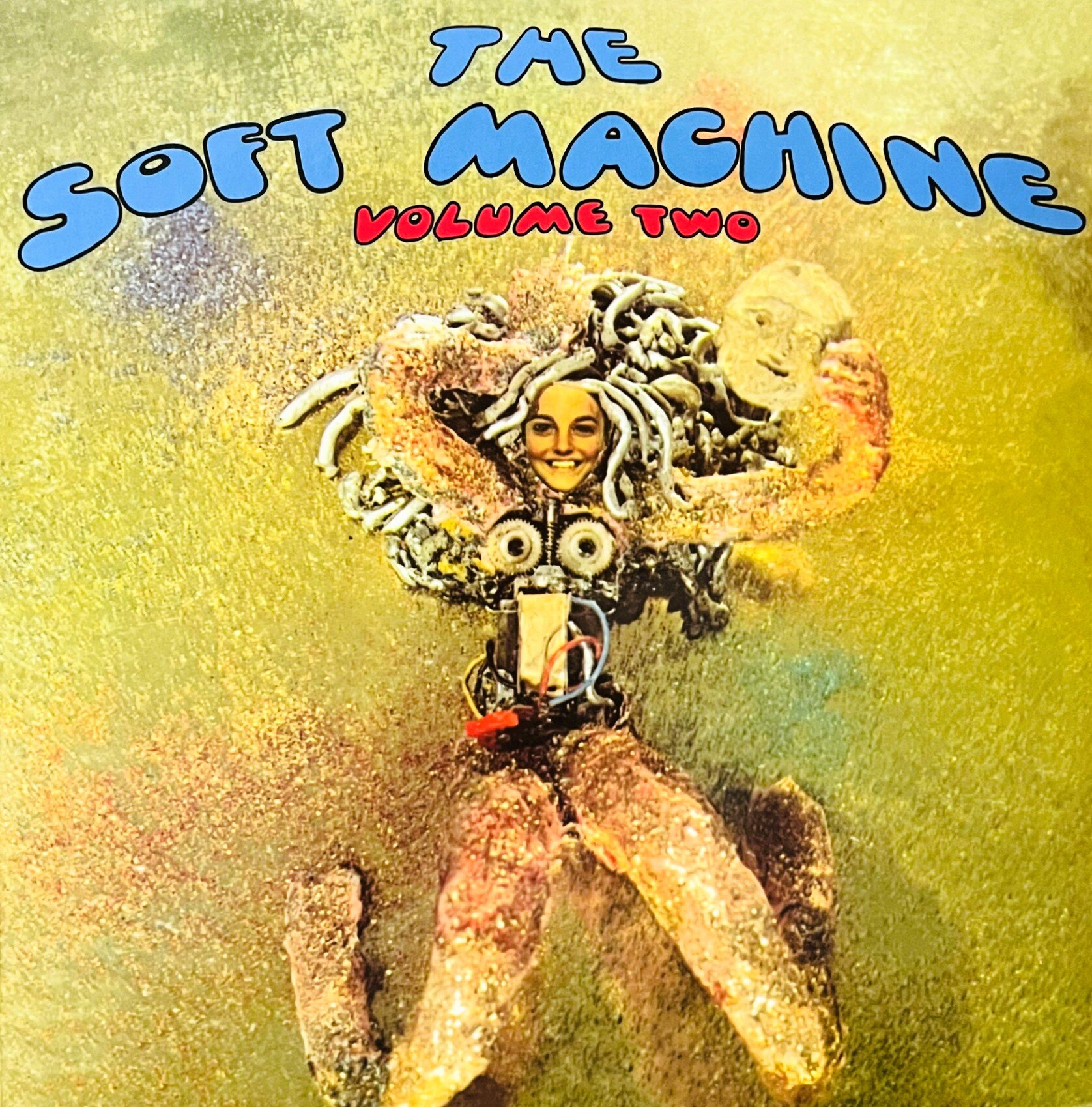
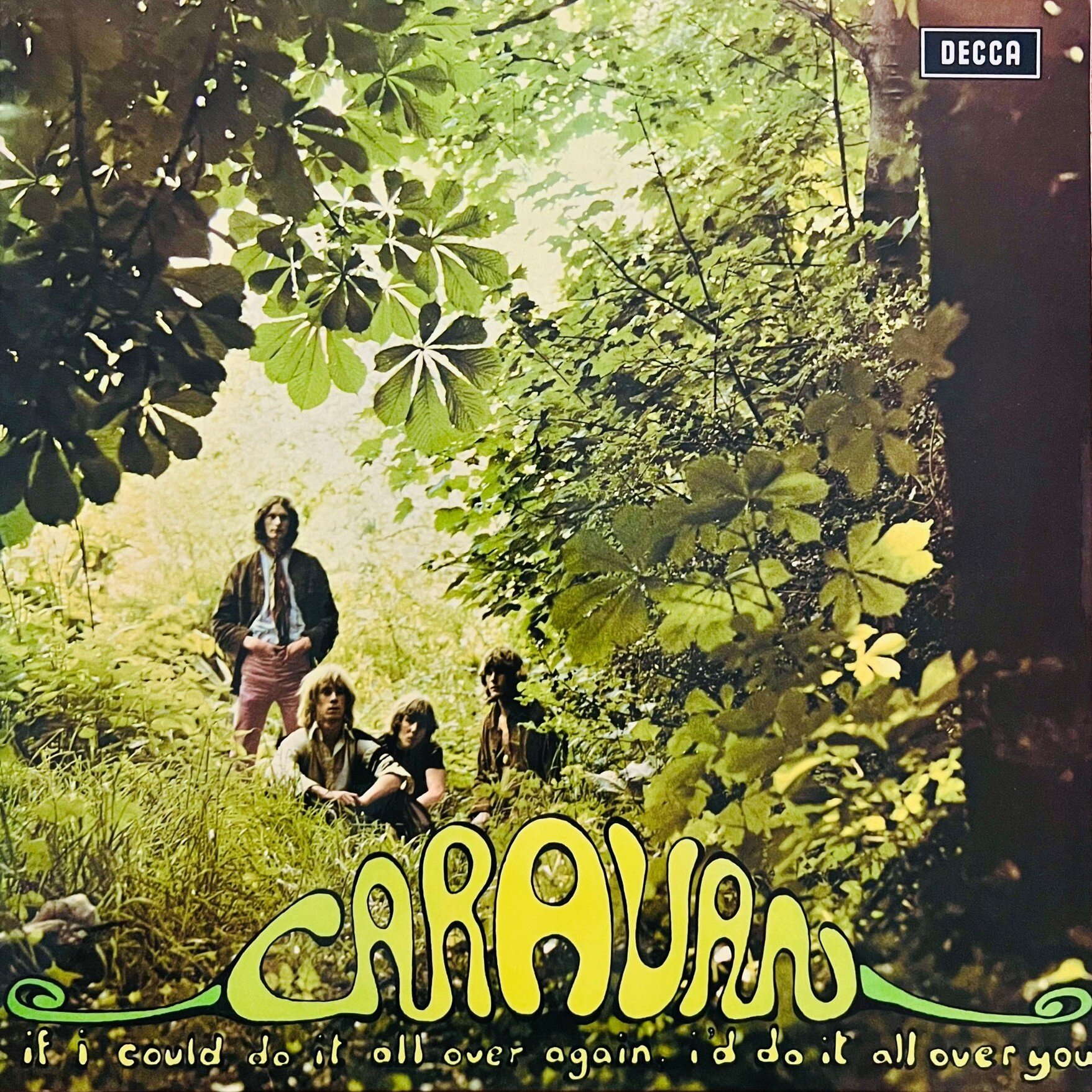
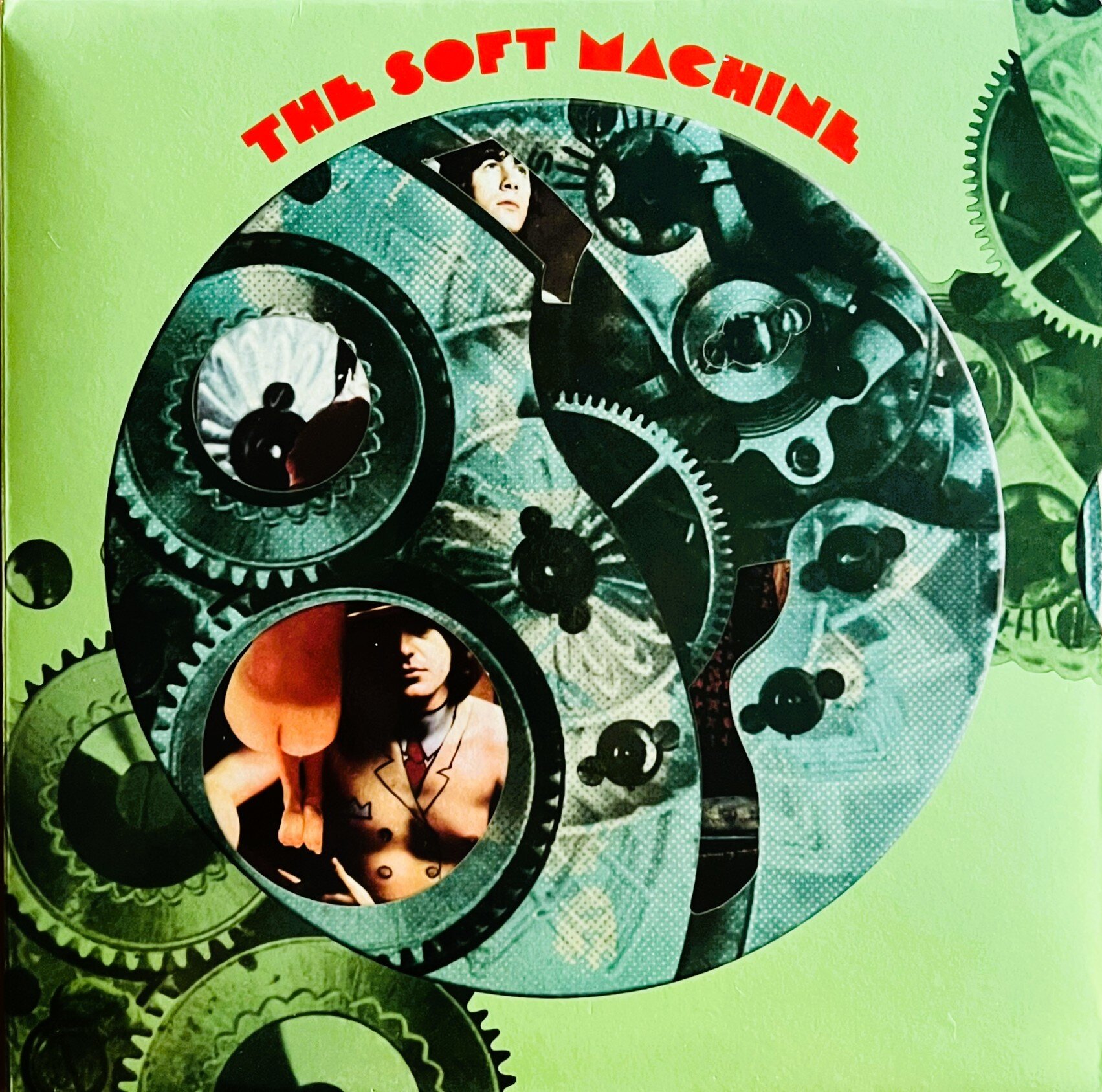
The Wilde group's recordings became increasingly frequent and involved more and more musicians. They remained active until 1969, and their only album to be released was not until 1993, titled The Wilde Flowers. With the departure of Ayers, followed by that of Wyatt, who went on to form Soft Machine in 1966, the Wilde Flowers were dominated by the members who left in 1968 to form Caravan.
History has it that the Wilde Flowers are a group formed in Canterbury, Kent (UK) in the early 1960s, and their name is a tribute to the Irish writer Oscar Wilde.
Despite their short existence and although they never released any records, they were the cradle of musicians who later became key figures. The band was a fertile ground for the development of future leaders of the Canterbury scene, creating a core group of musicians who would later join other key projects. Let's see them:
(All links to the musicians' works are in the TAGS at the beginning of the article.)
Daevid Allen
- guitar, vocals
- Wilde Flowers, Gong, Daevid Allen Trio, Soft Machine
Robert Wyatt
- drums, vocals, keyboards, trumpet, percussion
- Daevid Allen Trio, Wilde Flowers, Soft Machine, Matching Mole, a successful solo career
Kevin Ayers
- vocals, bass guitar, guitar, piano
- Wilde Flowers, Soft Machine
Hugh Hopper
- bass guitar
- Wilde Flowers, Soft Machine, Robert Wyatt
Brian Hopper
- saxophone, vocals, guitar, flute
- Jazzmatazz, Happy Accidents, Wilde Flowers, Zobe, Beggars Farm
Richard Coughlan
- drums
- Caravan, Wilde Flowers
Richard Sinclair
- electric bass, bass
- Wilde Flowers, Caravan, Hatfield and the North, Caravan of Love, Camel, Sinclair and the South, Caravan of Dreams
Pye Hastings
- Guitar, Vocals
- Caravan, The Wilde Flowers
Mike Ratledge
- piano, electric piano, organ, synthesizer
- Wilde Flowers, Soft Machine
Along with the birth of the Canterbury scene, this movement had a significant influence on the development of progressive rock as a whole, fusing psychedelic rock, jazz, avant-garde, and electronic music, and employing lyrics with strong surreal overtones—characteristics we'll later find in the band that originated with the band's founders.
This album is a true Progressive Rock METEOR. Visit the PROG METEOR section for more information.
Note: All links to the musicians' works are in the TAGS under the article title or on the "Artists" page.
Their works, which are two historical documents:
.jpeg "whatsapp-image-2025-09-15-at-18.06.33-(1).jpeg")
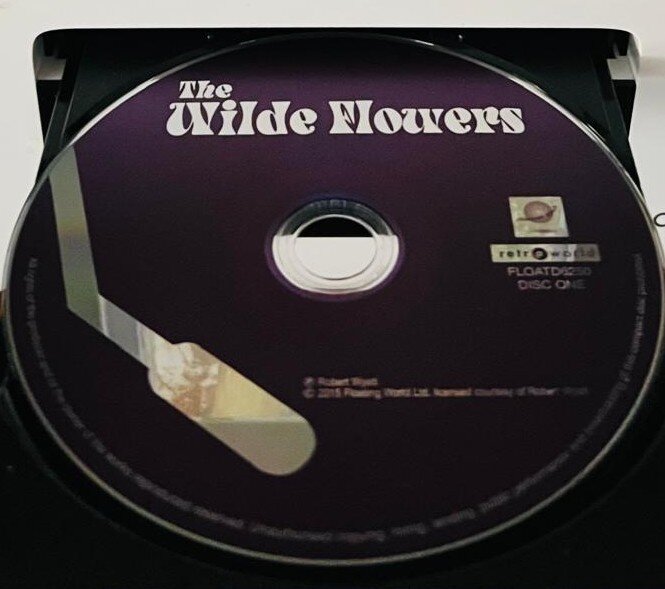
Wilde Flowers by The Wilde Flowers, CD, Collection, 2014
A beautiful compilation of the works of The Wilde Flowers, released in 2014, a record that clearly and distinctly captures the origins of the Canterbury Scene. The second CD features rare tracks by the same members along with new material by Brian Hopper, including a reworking of the legendary Soft Machine classic "Hope For Happiness," recorded in 2003.
Track on CD Version
1. Impotence (2:10)
2. Those Words They Say (2:40)
3. Memories (1:35) *
4. Don't Try To Change Me (2:26)
5. Parchman Farm (2:18)
6. Almost Grown (2:50)
7. She's Gone (2:13)
8. Slow Walkin' Talk (2:26)
9. He's Bad For You (2:49)
10. It's What I Feel (A Certain Kind) (2:19)
11. Memories (Instrumental ) (2:08)
12. Never Leave Me (2:36)
13. Time After Time (2:45)
14. Just Where I Want (2:10)
15. No Game When You Lose (2:53)
16. Impotence (1:16) *
17. Why Do You Care (Zobe) (3:13)
18. The Pieman Cometh (Zobe) (3:15)
19. Summer Spirit (Zobe) (3:28)
20. She Loves To Hurt (3:12)
21. The Big Show (4:12)
22. Memories (3:03)
Durata: 57:59
Bonus CD from 2015 expanded reissue:
1. Rating Length 1 The Pieman Cometh (6:24)
2. Mummie (4:33)
3. That's Alright Mama (2:15)
4. Orientasian (4:05)
5. Frentica (4:23)
6. ¾ Blues Thing In F (4:19)
7. Slow Walkin? Talk (3:04)
8. Man In A Deaf Corner (5:07)
9. Summertime (4:26)
10. Belsized Parked (9:17)
11. Where But For Caravan Would I (12:01)
12. Hope For Happiness (9:23)
Durata 69:17
.jpeg "whatsapp-image-2025-09-15-at-18.06.33-(2).jpeg")
.jpeg "whatsapp-image-2025-09-15-at-18.06.33-(3).jpeg")
.jpeg "whatsapp-image-2025-09-15-at-18.06.33-(4).jpeg")
.jpeg "whatsapp-image-2025-09-15-at-18.06.33-(5).jpeg")
.jpeg "whatsapp-image-2025-09-15-at-18.06.34-(1).jpeg")
.jpeg "whatsapp-image-2025-09-15-at-18.06.34-(2).jpeg")
.jpeg "whatsapp-image-2025-09-15-at-18.06.34-(3).jpeg")
.jpeg "whatsapp-image-2025-09-15-at-18.06.34-(4).jpeg")
.jpeg "whatsapp-image-2025-09-15-at-18.06.34-(5).jpeg")
.jpeg "whatsapp-image-2025-09-15-at-18.35.31-(1).jpeg")
Wilde Flowers by Wilde Flowers, Vinyl, 2018
A stunning collection with incredibly clear audio that retraces Wilde Flowers' songs with the taste and pleasure of vinyl.
Tracks on Vinyl Version
A1 - Impotence
Bass, Written-By – Hugh Hopper
Drums, Voice, Written-By – Robert Wyatt
Guitar – Pye Hastings
A2 - Those Words They Say
Bass – Hugh Hopper
Drums – Richard Coughlan
Guitar, Backing Vocals, Written-By – Brian Hopper
Voice, Tambourine – Robert Wyatt
A3 - Don't Try To Change Me
Bass, Written-By – Hugh Hopper
Drums, Percussion, Written-By – Robert Wyatt
Guitar [Lead] – Brian Hopper
Guitar [Rhythm] – Richard Sinclair
Voice, Written-By – Graham Flight
A4 - Parchman Farm
Bass – Hugh Hopper
Drums, Percussion – Robert Wyatt
Guitar [Rhythm] – Richard Sinclair
Saxophone [Alto] – Brian Hopper
Voice – Kevin Ayers
Written-By – Booker White*
A5 - Almost Grown
Backing Vocals – Kevin Ayers
Bass – Hugh Hopper
Drums, Backing Vocals – Robert Wyatt
Guitar [Lead], Vocals – Brian Hopper
Written-By – Chuck Berry
A6 - She's Gone
Bass – Hugh Hopper
Drums – Robert Wyatt
Guitar [Lead] – Brian Hopper
Guitar [Rhythm] – Richard Sinclair
Voice, Written-By – Kevin Ayers
A7 - He's Bad For You
Bass – Hugh Hopper
Guitar [Rhythm] – Richard Sinclair
Saxophone [Alto] – Brian Hopper
Voice – Graham Flight
Voice, Drums, Written-By – Robert Wyatt
A8 - It's What I Feel (A Certain Kind)
Bass, Written-By – Hugh Hopper
Drums, Backing Vocals – Robert Wyatt
Guitar, Backing Vocals – Brian Hopper
Voice, Guitar – Richard Sinclair
A9 - Never Leave Me
Bass, Written-By – Hugh Hopper
Drums – Richard Coughlan
Guitar, Backing Vocals – Brian Hopper
Voice, Tambourine – Robert Wyatt
A10 - Just Where I Want
Bass, Written-By – Hugh Hopper
Drums – Richard Coughlan
Guitar – Brian Hopper
Voice – Robert Wyatt
A11 - Time After Time
Bass, Written-By – Hugh Hopper
Drums – Richard Coughlan
Guitar – Brian Hopper
Voice – Robert Wyatt
B1 - No Game When You Lose
Bass, Written-By – Hugh Hopper
Drums – Richard Coughlan
Guitar – Brian Hopper
Voice, Tambourine – Robert Wyatt
B2 - Slow Walkin' Talk
Bass – Hugh Hopper
Drums, Percussion – Robert Wyatt
Guitar [Rhythm] – Richard Sinclair
Lead Guitar, Written-By – Brian Hopper
Voice – Graham Flight
B3 - She Loves To Hurt
Bass, Written-By – Hugh Hopper
Drums, Backing Vocals – Robert Wyatt
Voice, Guitar [12 String] – Pye Hastings
B4 - The Big Show
Bass – Hugh Hopper
Flute – Mike Ratledge
Soprano Saxophone, Guitar, Written-By – Brian Hopper
Voice, Drums – Robert Wyatt
B5 - Memories
Bass, Acoustic Guitar, Written-By – Hugh Hopper
Piano, Organ – Mike Ratledge
Voice, Drums – Robert Wyatt
B6 - The Pieman Cometh
Drums – Bob Qilleson*
Guitar, Backing Vocals – John Lawrence (20)
Tenor Saxophone, Backing Vocals, Written-By – Brian Hopper
Voice, Bass – Dave Lawrence (2)
B7 - Summertime
.jpeg "whatsapp-image-2025-09-15-at-18.35.31-(7).jpeg")
.jpeg "whatsapp-image-2025-09-15-at-18.35.31-(6).jpeg")
.jpeg "whatsapp-image-2025-09-15-at-18.35.31-(5).jpeg")
.jpeg "whatsapp-image-2025-09-15-at-18.35.31-(3).jpeg")
.jpeg "whatsapp-image-2025-09-15-at-18.35.31-(2).jpeg")