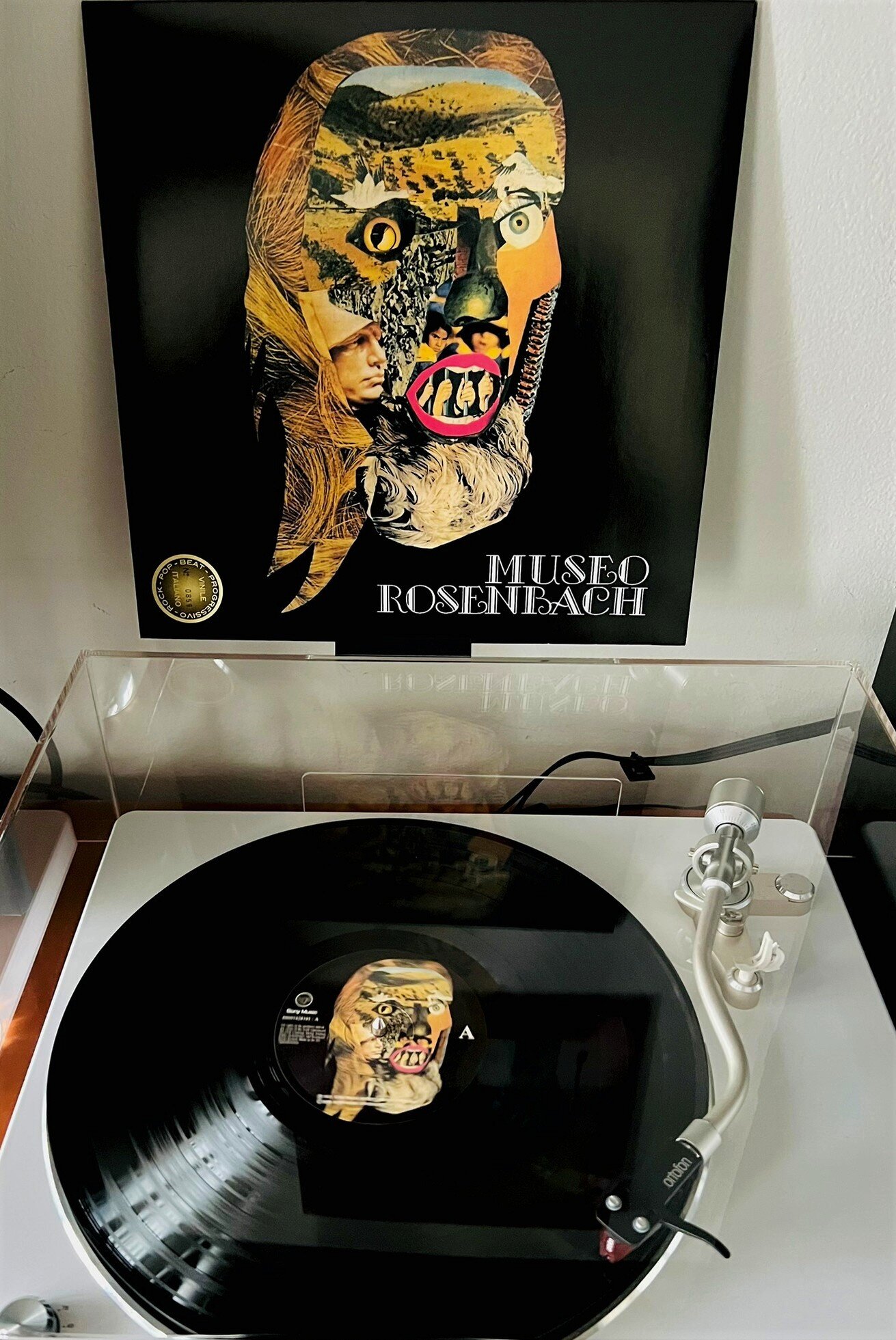

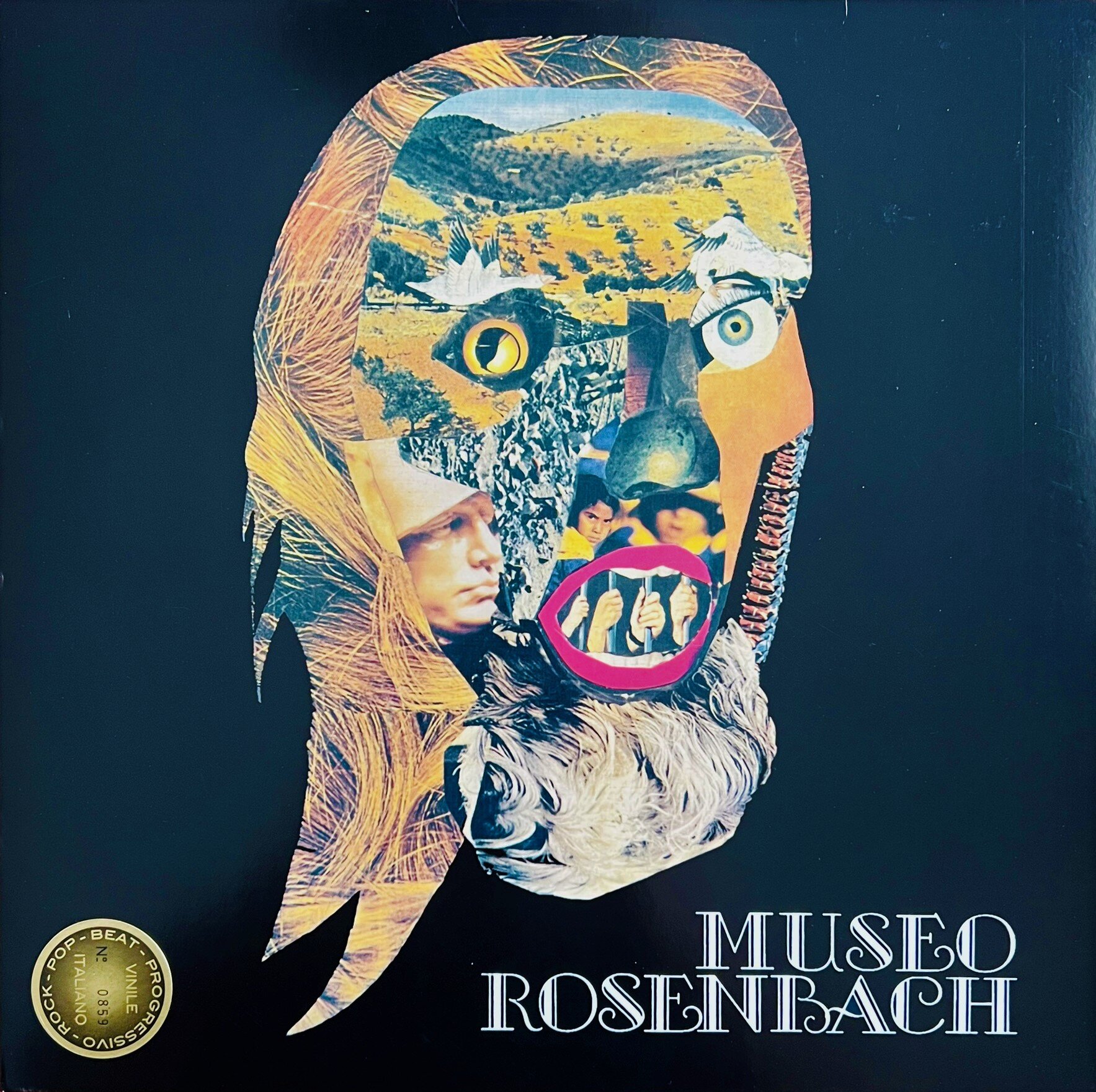
Zarathustra, the first album by the band Museo Rosenbach, released in 1973, a fantastic album of Italian Progressive Rock, based on Nietzsche's work "Thus Spoke Zarathustra."
Museo Rosenbach are an Italian progressive rock band famous for their 1973 album, Zarathustra. The band was formed in 1971 from the merger of two groups, La Quinta Strada and Il Sistema.
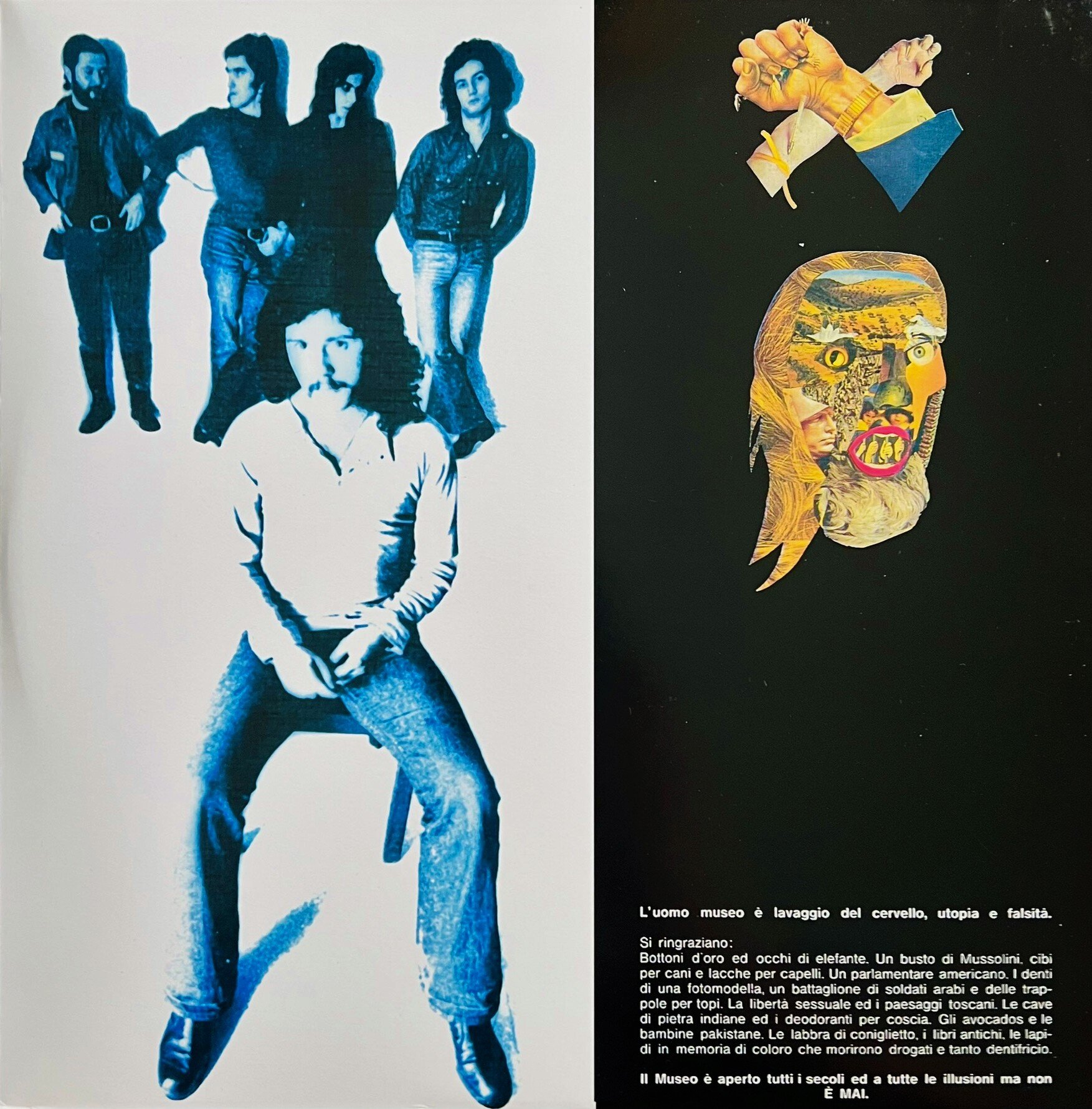
The original group disbanded in 1974 following the album's lack of commercial success despite critical acclaim, mainly due to a real boycott perpetrated by the mass media because of the images in the cover collage, which sparked false prejudices about the band's political orientation. However, the album was reissued and became highly sought after by collectors. A real masterpiece
Side A is occupied by the suite "Zarathustra," while side B includes three tracks that connect to the first part; it is a concept album.
When the record was released, it was a failure due to a boycott by Rai, which censored the album because of its themes and cover images, choices that were later considered questionable for the time and that left too much room for misinterpretation, preventing the album from being distributed and objectively evaluated.
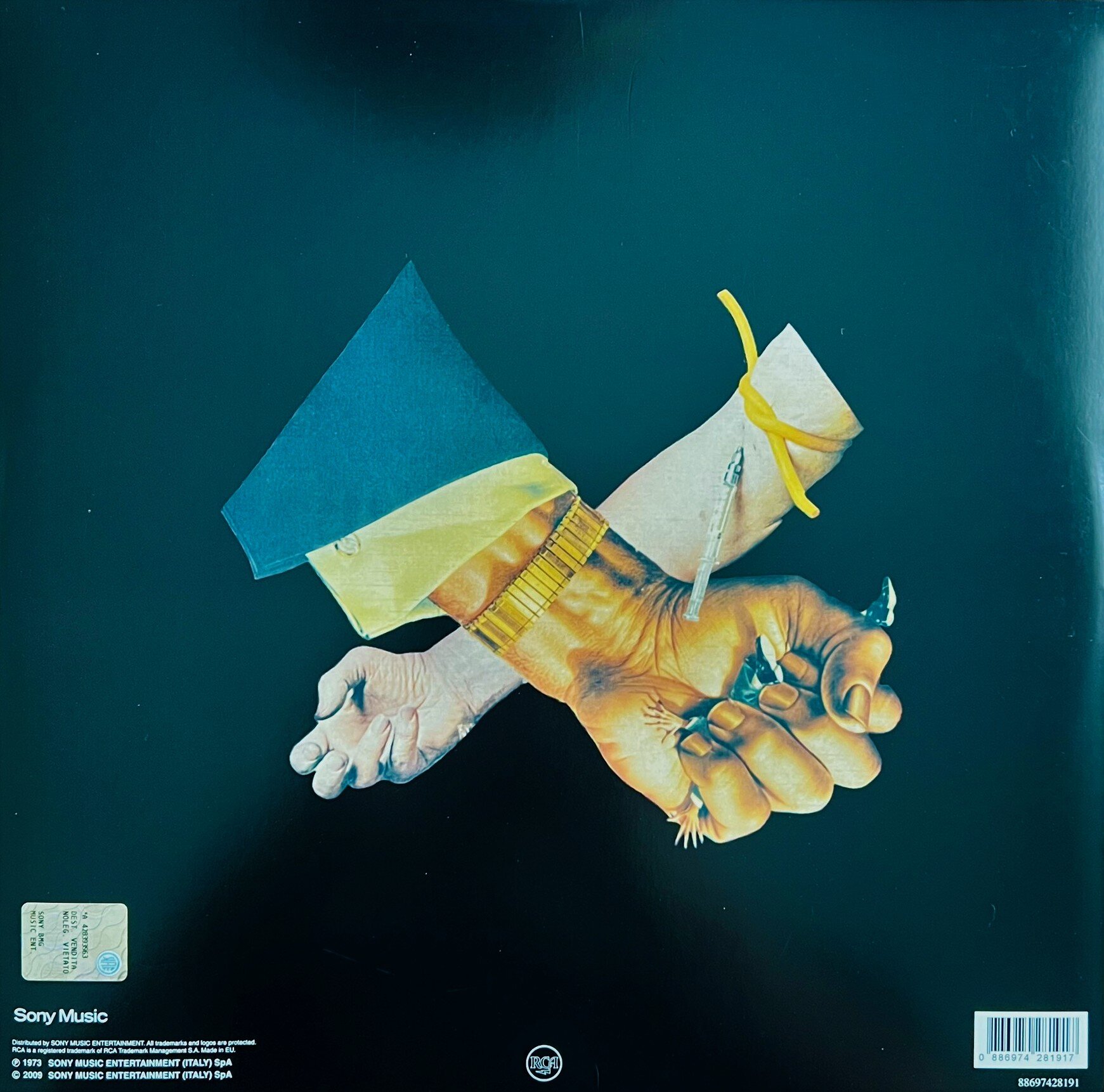
Alberto Moreno on the subject says during an interview: "I would like to shift the attention to the back of Zarathustra, which is rarely focused on and which, if it had been observed carefully, would have dispelled all doubts" ... "there are two crossed arms depicted, one with a syringe stuck in a vein and the other representing power crushing the weakest. That is a strong message that accompanied the collage forming the head on the cover, where there were images of prison bars, of poor children ..."
In reality, therefore, Museo Rosenbach were an apolitical group, who in the credits, for example, mentioned Guccini, who had been their "support act": RAI apologized many years later, but the "Museo" was already over and Zarathustra brought no luck to its authors.
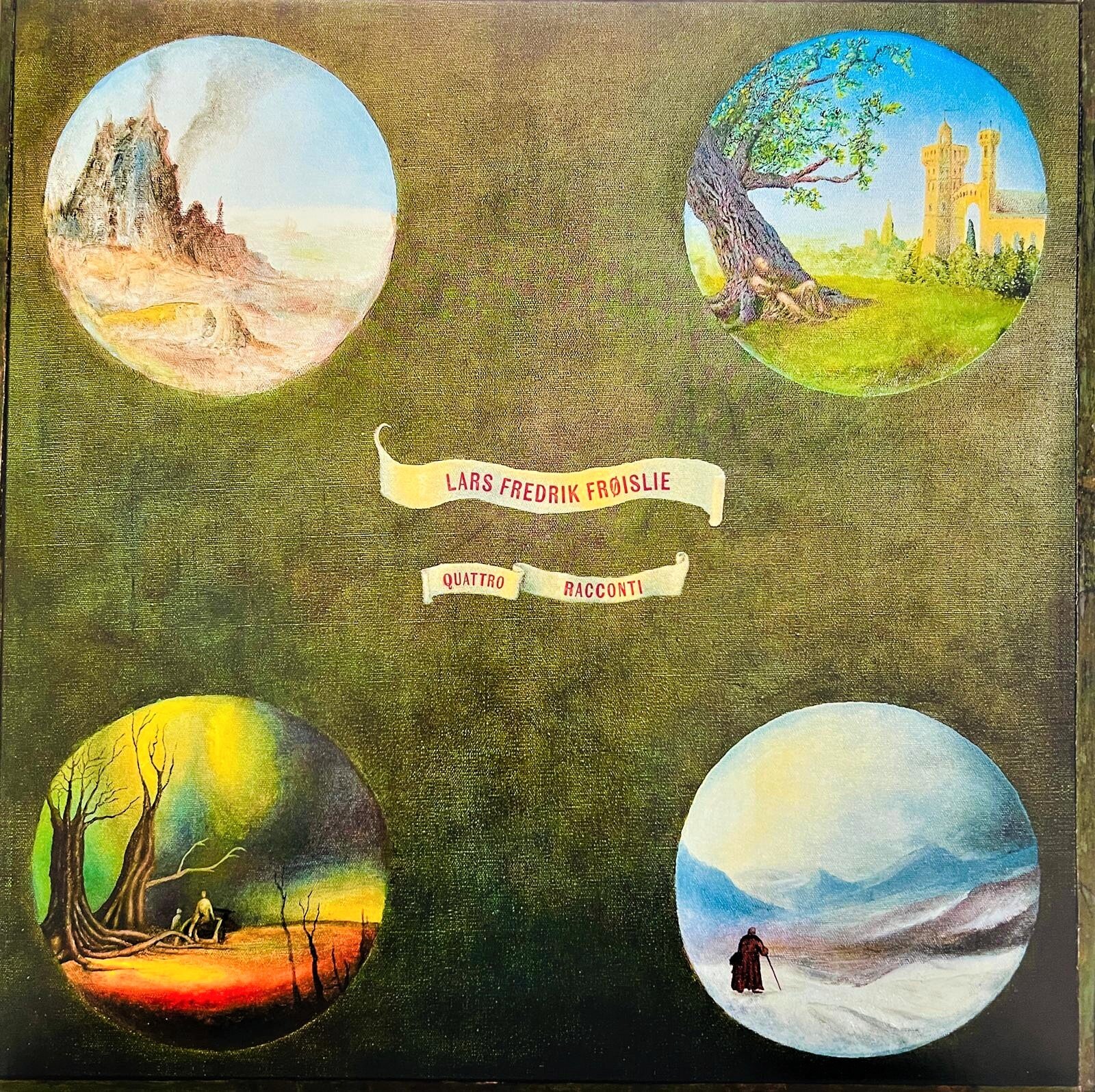
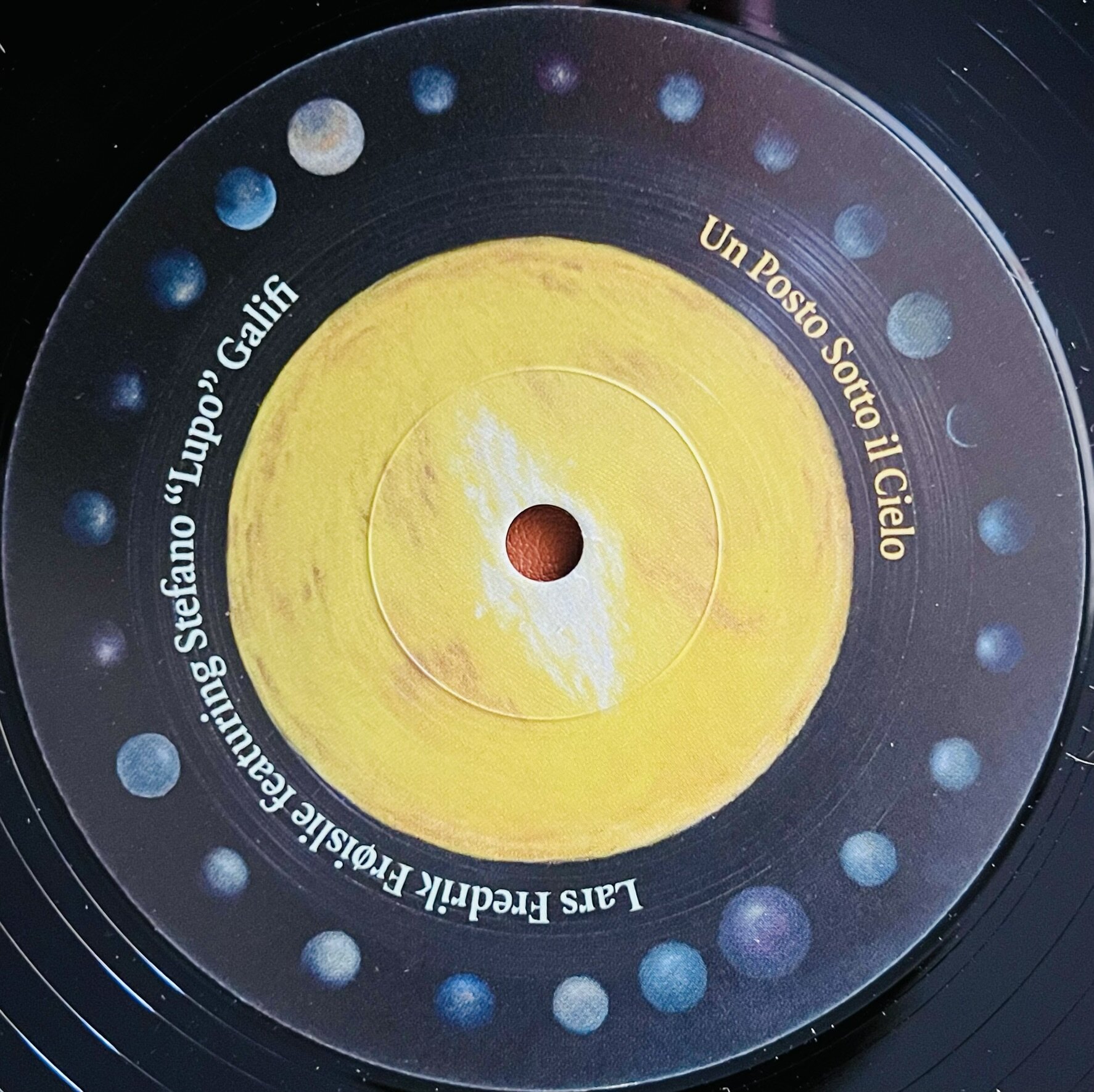
Musically, a record made of music and pauses of silence, of light notes but also drum rolls, of epic tones, of the intense voice of Stefano “Lupo” Galiffi (I recently published an article about his latest work with “Un Posto Sotto il Cielo”with Lars Fredrik Frøislie) of Mellotron and Hammond, of guitar arpeggios but also explosions of sound, of piano, of dreamy atmospheres, of syncopated rhythms and of great drum work by Giancarlo Golzi, of distorted guitars and the Vibraphone of Pit Corradi.
For this reason, I consider it one of the most beautiful Prog albums of all time, a masterpiece from the first to the last track, an album that absolutely must be in your collection.
Tracklist
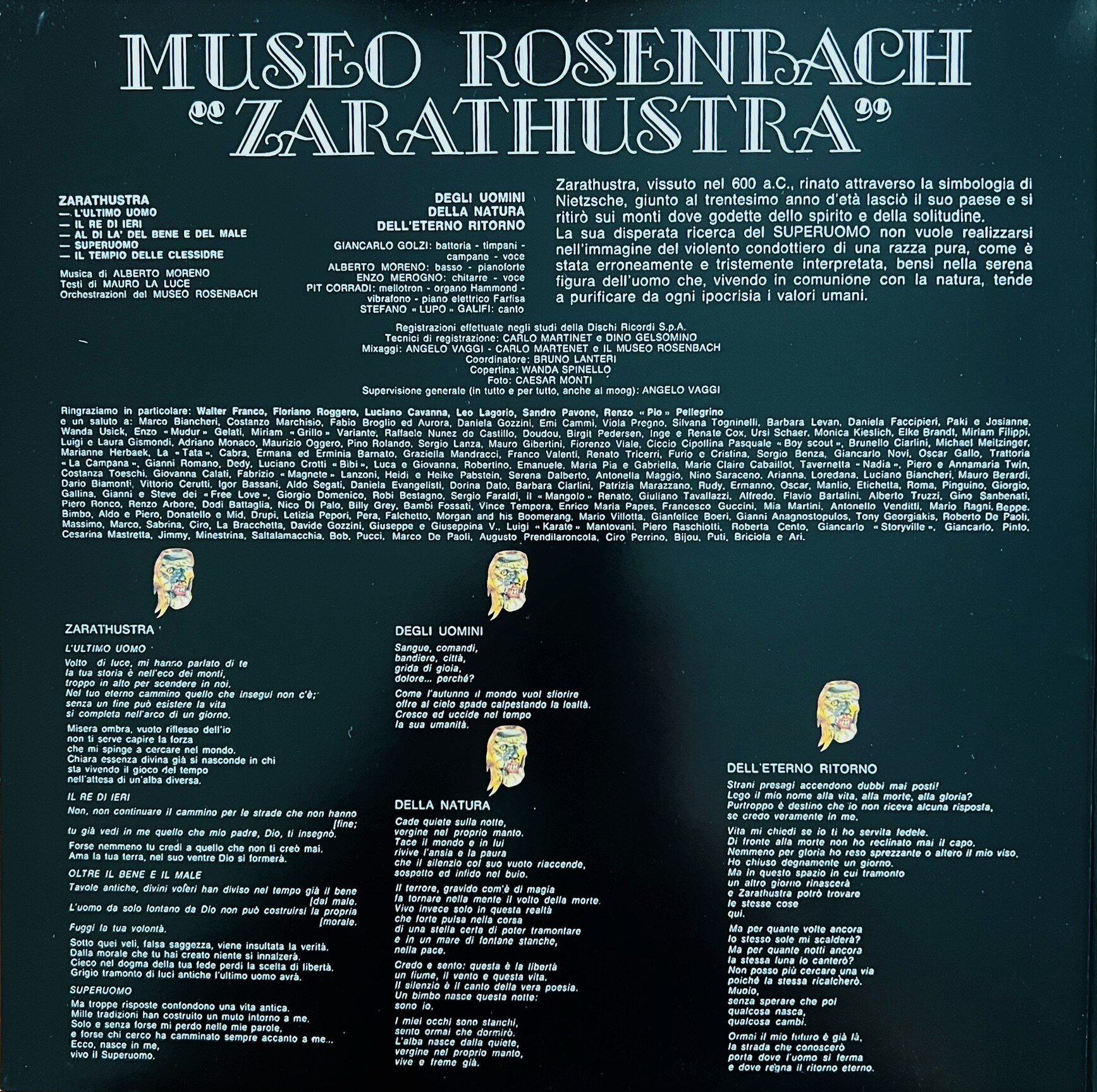
1. Zarathustra (20:49) :
- a. L'Ultimo Uomo
- b. Il Re Di Ieri
- c. Al Di La Del Bene E Del Male
- d. Superuomo
- e. Il Tempio Delle Clessidre
2. Degli Uomini (4:05)
3. Della Natura (8:31)
4. Dell'Eterno Ritorno (6:19)
Duration 39:44
LineUp
- Stefano "Lupo" Galifi - vocals
- Enzo Merogno - guitar, vocals
- Pit Corradi - Mellotron, Hammond organ, vibraphone, Farfisa electric piano
- Alberto Moreno - bass, piano
- Giancarlo Golzi - drums, timpani, bells, vocals
This album is a true Progressive Rock METEOR. Visit the PROG METEOR section for more information.
Note: All links to the musicians' works are in the TAGS under the article title or on the "Artists" page.