Peter Hammill's Chameleon in the Shadow of the Night, 1973.
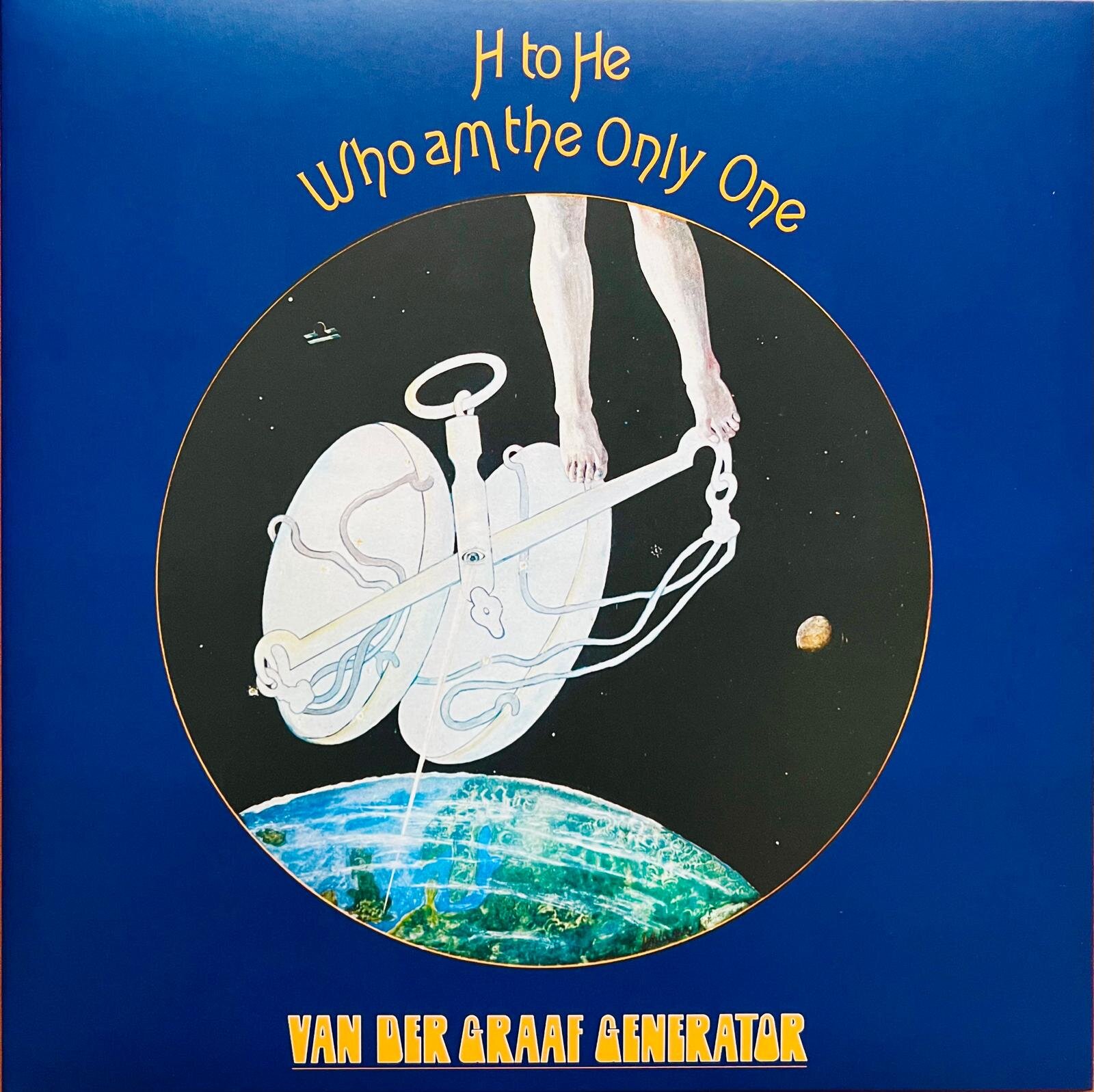
I've already discussed Peter Hammill at length in reviews of Van der Graaf Generator's albums, of which he was a founder, and in the article dedicated to them, "The Unique Style of Van der Graaf Generator: Prog Rock Between Obscurity and Philosophy."
He is an English musician, singer-songwriter, and producer with a career spanning over five decades.
Born in London on November 5, 1948, he formed Van der Graaf Generator in 1967 while attending Manchester University, and immediately left his mark on the band: intense, complex music, a dramatic vocal style, and introspective lyrics that explored themes of existence, love, and faith.
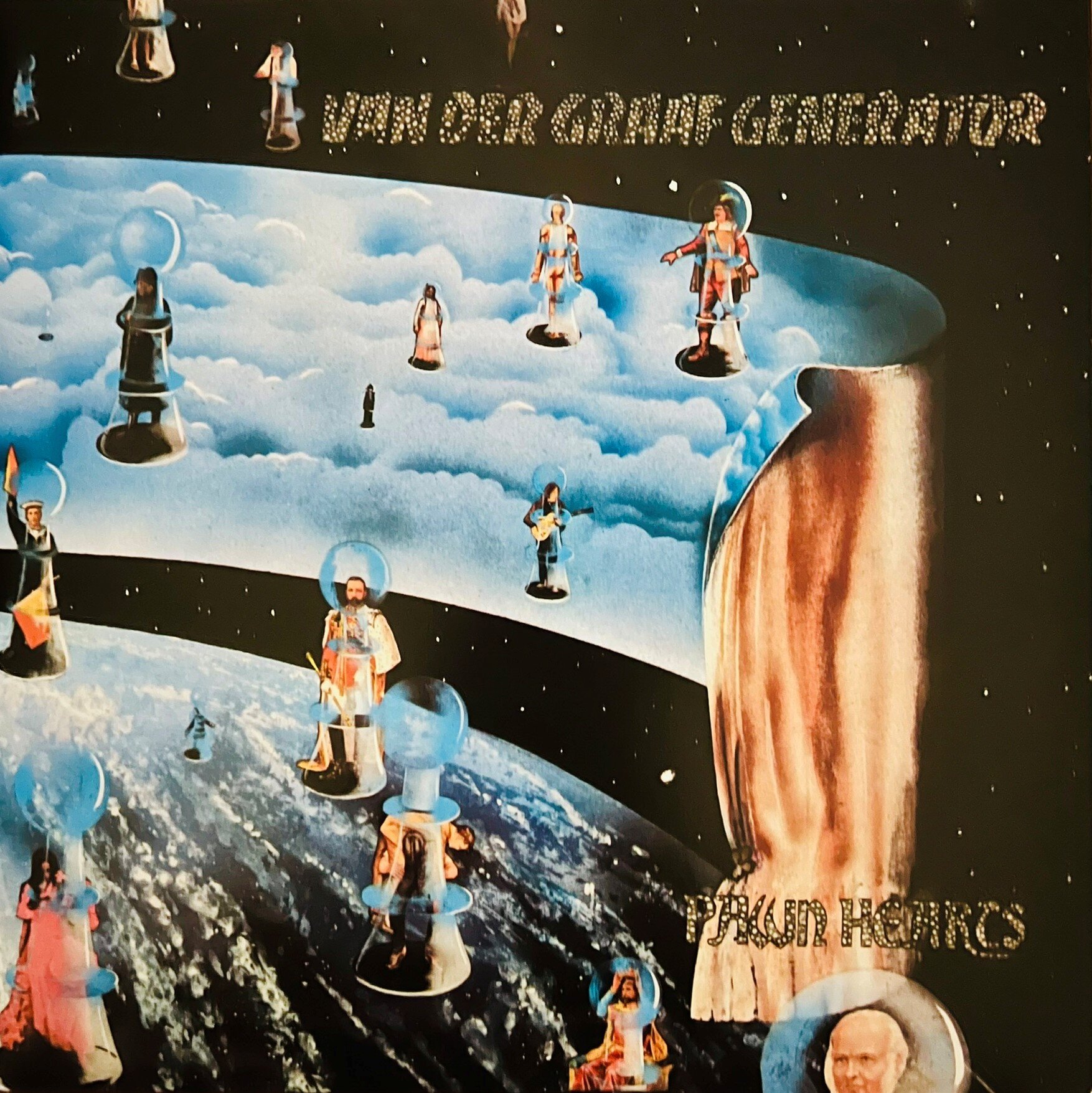
With him, the band composed immense albums, masterpieces of progressive rock, including Pawn Hearts and Godbluff, before disbanding for the first time in 1978.
His solo career developed alongside the band's activities starting in 1971, with a vast discography of over forty solo albums, spanning genres from piano ballads to experimental electronic music and "proto-punk."
In 2004, he received the prestigious Tenco Prize for songwriting, and in 2012, he was awarded the Visionary Award at the first Progressive Music Awards.
He has collaborated with several artists, including Robert Fripp, Peter Gabriel (backing vocals on "Shock the Monkey"), and Italian singer Alice, when Hammill wrote and sang with her on the duet "Now and Forever" for Alice's album "Il sole nella pioggia."
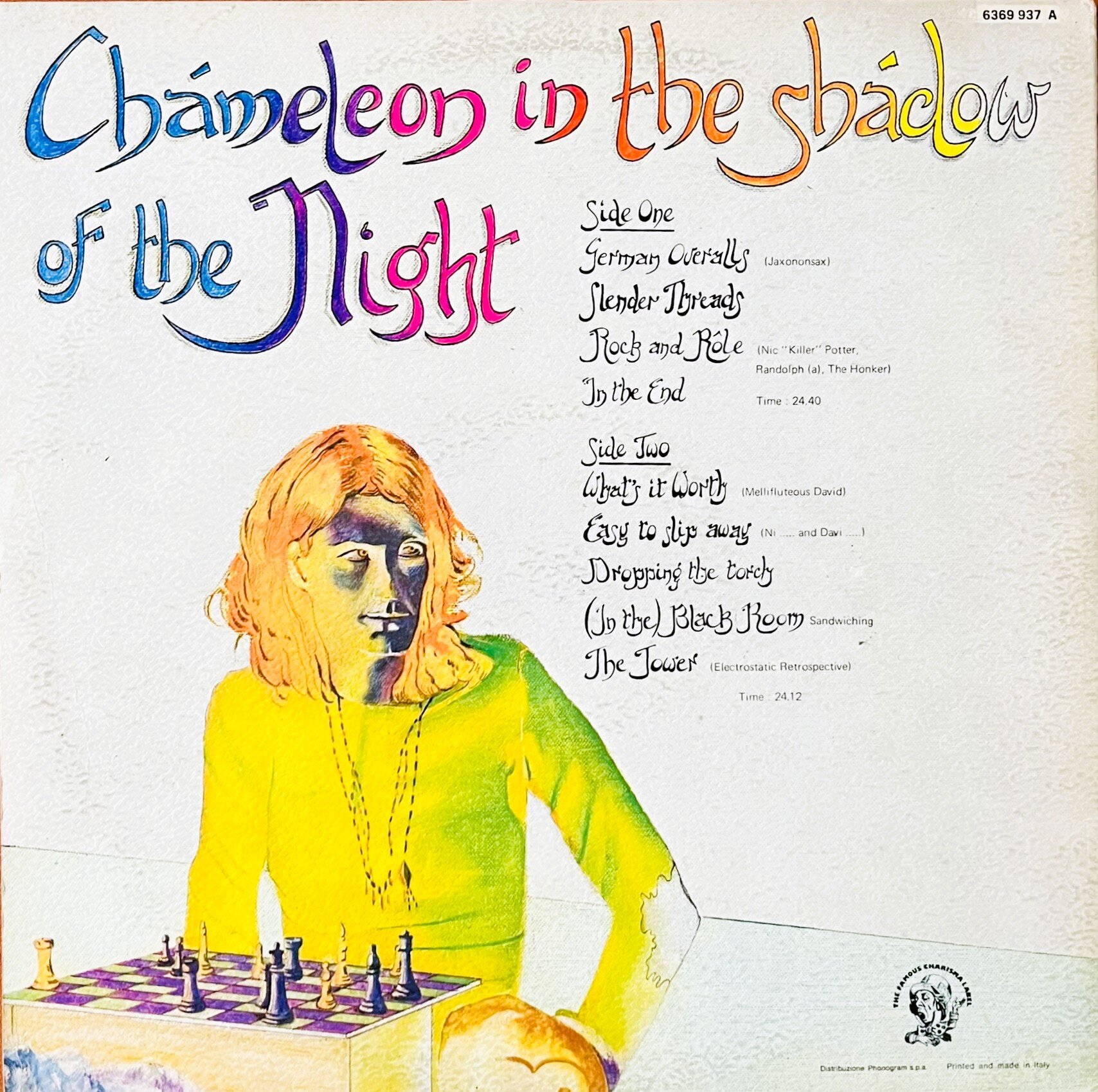
Chameleon in the Shadow of the Night, more than any other, captures Hammill's anxiety at the moment of separation from his bandmates, the uncertainty, and the emotions. In my opinion, it's a fundamental document in his journey and, more than any biography, captures his feelings at that moment. It's an intense and emotional album, embodying the characteristics of Hammill's "confessional" works—it's a very introspective album—and the progressive rock style of Van der Graaf Generator, whose full lineup is an integral part of the album's lineup.
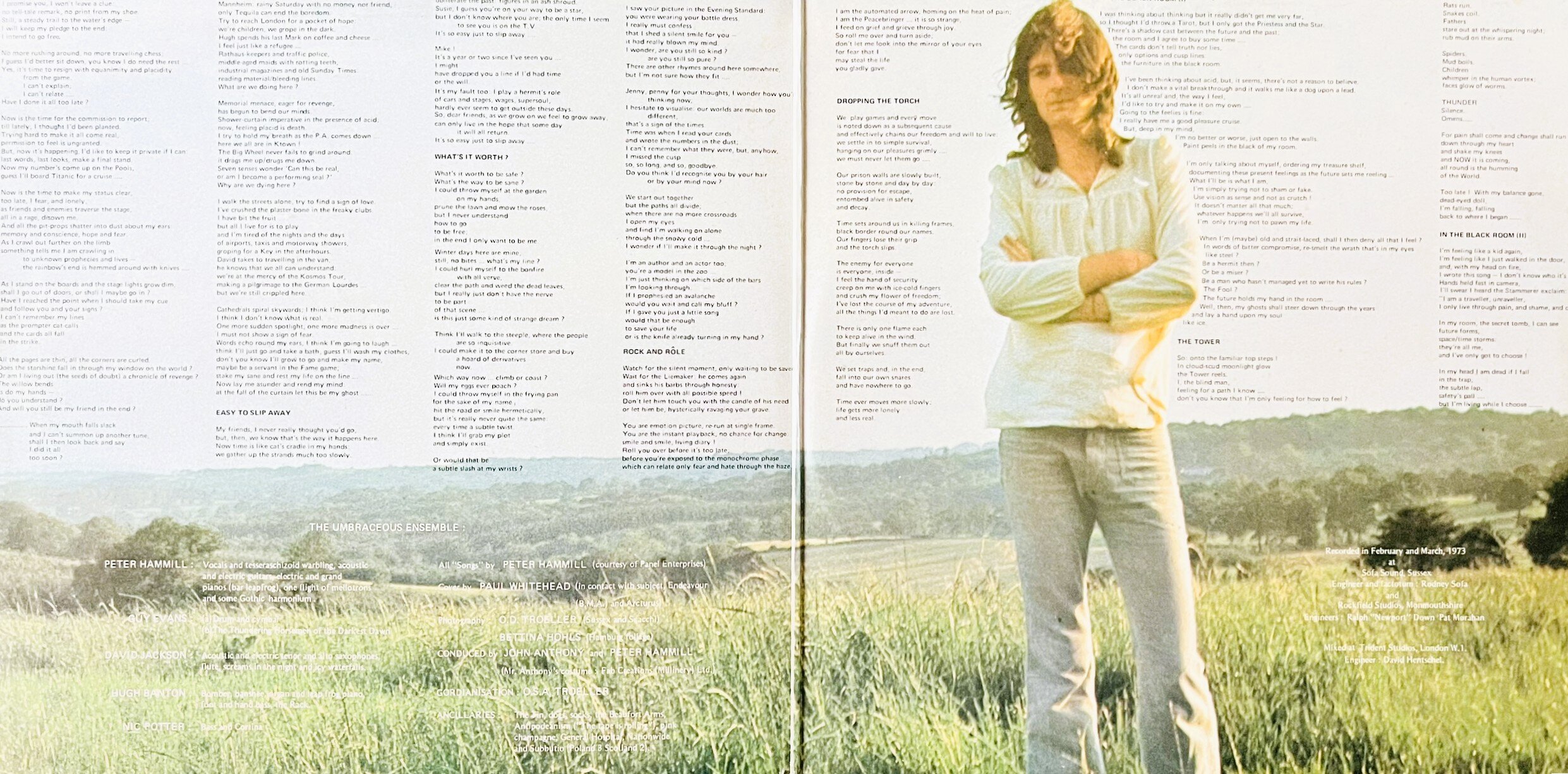
Peter Hammill is predominantly solo on acoustic guitar or piano, and his voice and lyrics are central to the work. However, the album contains two tracks, "Rock and Rôle" and the epic closing track "(In the) Black Room/The Tower," which feature the full lineup of Van der Graaf Generator and can be considered part of their discography.
The lyrics are complex, philosophical, personal, and challenging, addressing identity, the nature of the self, and mortality, with an extraordinary vocal performance rich in passion, theatricality, and emotion.
It's not a concept album, but there's a coherence in the themes addressed. Hammill explores himself and his life during a period of significant change, particularly after the breakup of his band a year earlier, with a sense of great disillusionment. "German Overalls," for example, explicitly mentions his bandmates and describes the grueling and demoralizing realities they faced on tour, contrasting the artistic and idealistic expressions in the studio with the harsh reality of the road during their most recent tour.
Hammil reflects on who he is outside of the band. The album's title references the chameleon, and the cover photo references Scorpio, his star sign. These two concepts represent his volatile nature, set against a backdrop of concern for the future. The chameleon is immersed in a world of uncertainty, in the shadow of the night. These feelings are perfectly reflected in the songs' atmosphere, which helps define a sense of intimacy and introspection with beautiful acoustic arrangements.
- "German Overalls" opens the album, an autobiographical song that recounts the difficult days of Van der Graaf Generator's tour before their breakup. A powerful acoustic guitar and vocals begin, transforming into an aggressive track with harmonium and electric guitar.
The song features "Jaxononsax" in the liner notes, a nickname that refers to David Jackson, flautist and saxophonist of Van der Graaf Generator, and is also part of a beautiful, moving line, “...To where Jaxononsax with a grin is making down a track, with a grin upon his face...”, an affectionate way for Hammill to refer to his longtime collaborator and friend, David Jackson.
- "Slender Threads" is a song characterized by light acoustic guitar, beautiful, complex, philosophical lyrics, and a more intimate vocal.
- "Rock and Rôle" is a powerful, energetic song played by the full band with an aggressive sound and “dirty” saxophone work that anticipated the punk rock sound with an off-beat rhythm, emphasizing what are commonly known as off-beats and falling on beats 2 and 4 of common time (4/4), in a manner that was unconventional at the time.
Nic Potter's funky moments on bass are truly remarkable, as is David Jackson's driving saxophone work. TOP Track
The liner notes for the song read "(Nic "Killer" Potter, Randolph (a), The Honker)," which are nicknames for bassist Nic Potter, Randolph (a), and The Honker, referring to the band's flautist and saxophonist, David Jackson.
"The Honker" is an affectionate onomatopoeic nickname that refers to his often loud and raucous saxophone sound ("honking," from the sound of a horn). "Randolph" is a reference to Boots Randolph, the writer and famous performer of the instrumental "Yakety Sax" (the theme song to The Benny Hill Show), with which Hammill ironically connects Jackson's energetic saxophonist style to that driving song.
- "In the End" is a very emotional piano ballad, one of Hammill's finest vocal performances, revealing a sense of anguish. The melodies and saxophone part by David Jackson are beautiful.
- "What's It Worth" is a great acoustic piece with a prominent flute part by Jackson.
The song's liner notes feature the phrase "(Mellifluteous David)" to indicate its sweet and pleasant sound, combining "melli-" (from honey) and "fluere" (flow), emphasizing the fluidity of Jackson's flute in contrast to his more aggressive style in his more "honking" rock songs.
- "Easy to Slip Away" is a powerful piece, featuring great piano and emotional Mellotron and saxophone, with a touching atmosphere.
The song features the phrase "(Ni..... And Davi.....)" in the liner notes, referring to Nic Potter (bass) and David Jackson (saxophone/flute) by their nicknames; their contributions to the song are significant.
- "Dropping the Torch" is a short solo piece featuring acoustic guitar and vocals, a pause that heralds the album's epic conclusion.
- "(In the) Black Room" / "The Tower" are two tracks with a total running time of 11 minutes. This epic piece was originally intended for Van der Graaf Generator's unreleased fifth album, when they were still in their pre-breakup lineup.
- "(In the) Black Room" features a fantastic saxophone riff and a huge piano part, a complex, driving, and aggressive piece.
The song features the phrase "Sandwiching" in the liner notes, referring to the track's arrangement, with intense, chaotic sections surrounding a theatrical, calm, and narrative vocal, a sort of instrumental "sandwich" that begins with the piano and Hugh Banton's driving organ and David Jackson's saxophone riff, then suddenly descends into a more atmospheric section in which Hammill narrates a "descent into madness" with theatrical vocals, spoken or sung with haunting flute parts, before returning to a high-intensity, instrumental, and powerful section.
- "The Tower" is a song dominated by flute, piano, and strong vocals, with a powerful finale. Immense progressive rock.
The song features the term "(Electrostatic Retrospective)" in the liner notes, which combines the concept of "Electrostatic" to indicate nervous and tense atmospheres, the aggressive organ and saxophone parts, a general tension that pervades the entire song, a sense of unstable energy, with the concept of "Retrospective," a revision of past events that characterizes not only the song, but the entire album.
This second solo album features instrumental parts played by the group on all tracks and It is therefore a fundamental document for the career of both Hammill and the band.
An album dominated by emotions and feelings of friendship and affection, a sort of affectionate "caress" that Hammill bestows on his band and himself, as he contemplates the uncertainties of the future, a sublime way of facing a great change. One of Peter Hammill's best albums, he performs here predominantly acoustically (piano and guitar) with a voice that reaches heights of intensity and great interpretations. A great album. A must-have.
Note: All links to the musicians' works are in the TAGS under the article title or on the "Artists" page.
Tracklist
1. German Overalls "Jaxononsax" (7:05)
2. Slender Threads (5:01)
3. Rock and Rôle (6:41)
4. In the End (7:24)
5. What's It Worth (4:00)
6. Easy to Slip Away (5:21)
7. Dropping the Torch (4:11)
8. (In the) Black Room / Tower (10:56)
Durata 50:39
LineUp
- Peter Hammill - acoustic and electric guitars, acoustic and electric pianos, Mellotron, harmonium, vocals
With:
- Hugh Banton - organ, pianos, bass, bass pedals
- David Jackson - alto and tenor saxophones, acoustic and electric saxophones, flute
- Nic Potter - bass
- Guy Evans - drums and percussion