

Leftoverture by Kansas, 1976 album.
Kansas is an American progressive rock band founded in Topeka, Kansas, in 1973, but its roots date back to local Topeka bands that merged in the late 1960s and early 1970s.
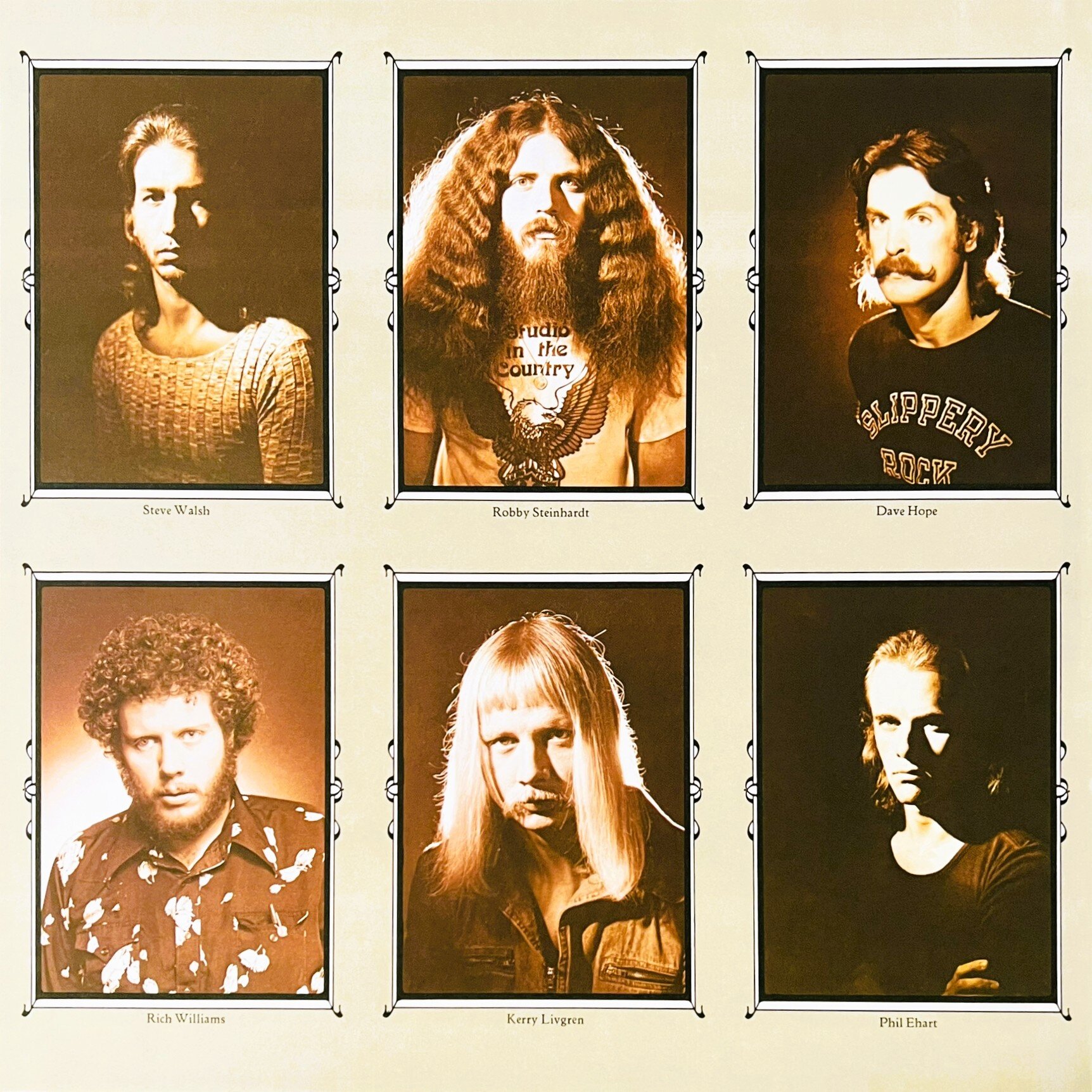
The original lineup from 1973 consisted of Phil Ehart (drums), Dave Hope (bass), Kerry Livgren (guitar, keyboards, primary songwriter), Robby Steinhardt (violin, co-lead vocals), Steve Walsh (lead vocals, keyboards), and Rich Williams (guitar).
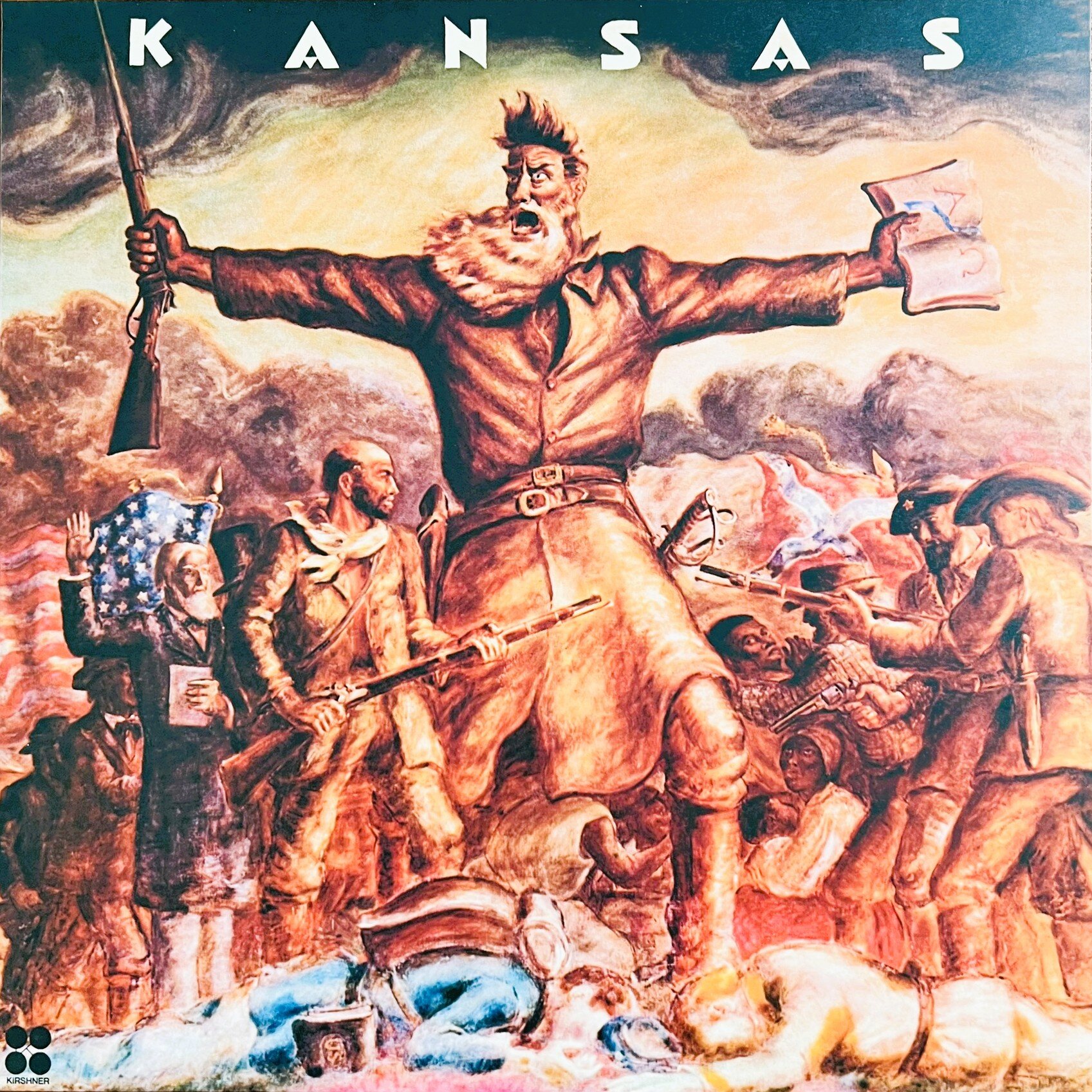
The band was discovered by Wally Gold, assistant to Don Kirshner, a prominent American music publisher, music consultant, rock producer, talent manager, and songwriter. Thanks to Gold, the band signed a contract and released their self-titled debut album in 1974.
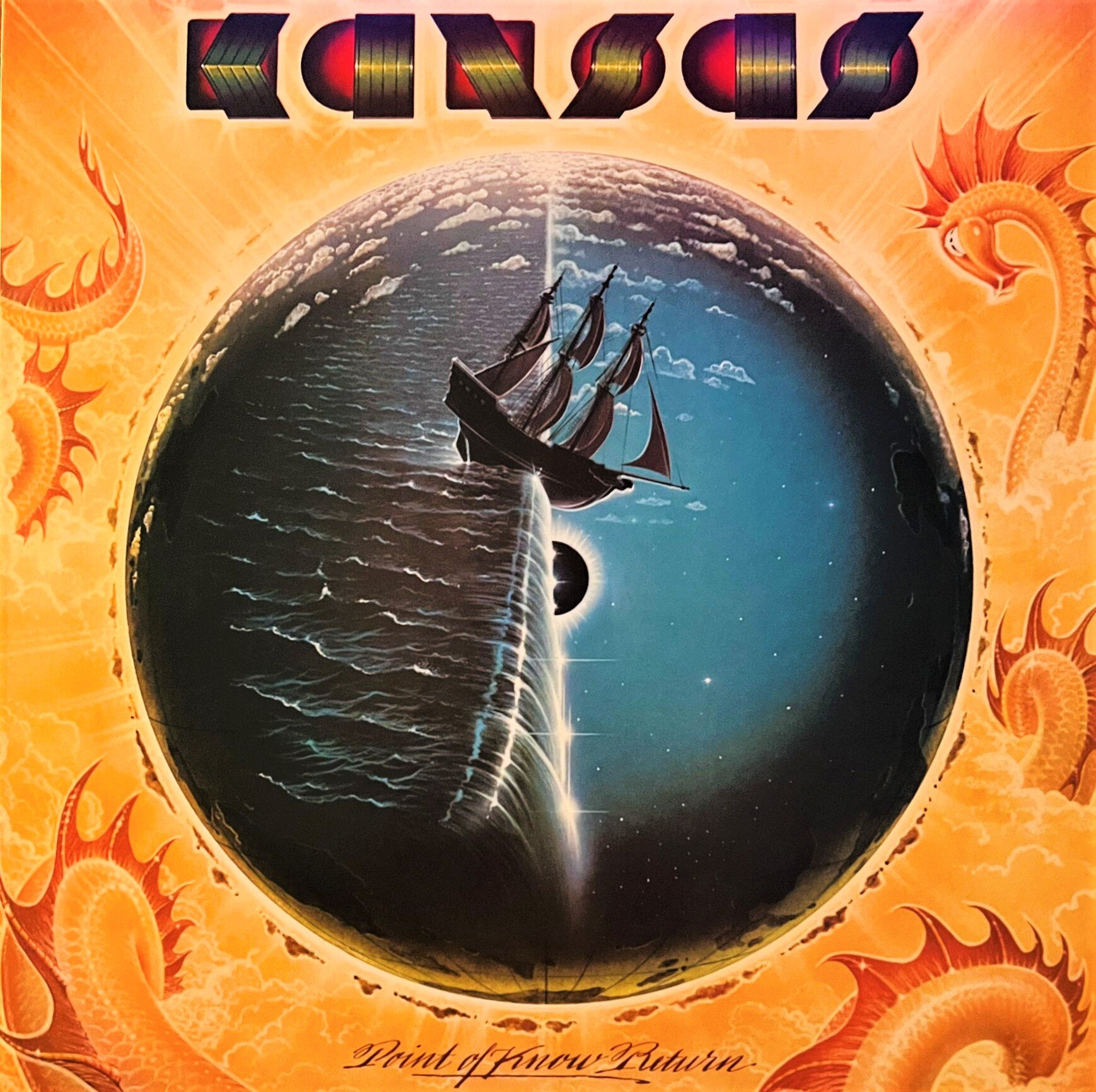
Their first albums quickly gained cult status thanks to extensive promotional tours, but it was their fourth album, Leftoverture (1976), that expanded their international fame and success, driven by the hit single "Carry On Wayward Son." Their next album, Point of Know Return (1977), achieved even greater commercial success thanks to the splendid ballad "Dust in the Wind."
The band has experienced many lineup changes over the decades, with 24 different members contributing in its fifty-year history. There have also been significant changes in the band's artistic lineup, including a change in the lyric sheet after Livgren's conversion to Christianity in the early 1980s, which led to Steve Walsh's departure in 1981, replaced by John Elefante. Walsh later returned in a mid-1980s reunion that included guitarist Steve Morse.
Original members Phil Ehart (drums) and Rich Williams (guitar) have been the most consistent, appearing on nearly every album and tour.
Kansas is an iconic band, having sold over 30 million albums worldwide. Their music is a benchmark of classic rock and progressive rock, with their unique, hybrid sound, uncommon in other progressive rock bands. It blends the compositional complexity of British prog with the energy and power typical of American hard rock and boogie rock, with notable blues, art rock, and folk rock influences. It features complex symphonic arrangements, frequent tempo changes, and multi-vocal "epic" themes, featuring the magnificent violin played by Robby Steinhardt for many years, and later by Joe Deninzon and David Ragsdale as a lead instrument, often alternating with solos on electric guitars and keyboards.
Another unique feature is the presence of two co-vocalists, initially with Steve Walsh and Robby Steinhardt, and also predominantly Hammond organ, piano, and synthesizers.
Their lyrics address philosophical and spiritual themes, emphasized by the epic nature of their music.
Leftoverture is a milestone in progressive rock, an album I consider essential for any prog collection.
After the poor sales of their previous album, Kansas really shines on this album and reaches artistic maturity, combining complex arrangements with a powerful yet catchy sound featuring extraordinary performances from guitarist Kerry Livgren (who wrote most of the songs) and singer/keyboardist Steve Walsh, as well as Robby Steinhardt's exceptional violin playing. Thanks to these ingredients, they achieved great commercial success; the album was a huge success, reaching #5 on the US charts and selling over 5 million copies.
The album doesn't have a narrative concept, but is a collection of songs. The title itself is a portmanteau of "leftover" and "overture": the band needed material for their fourth album and assembled various scraps and musical ideas from previous sessions, which were originally intended to be titled "Magnum Opus," and which became the title of the final suite.
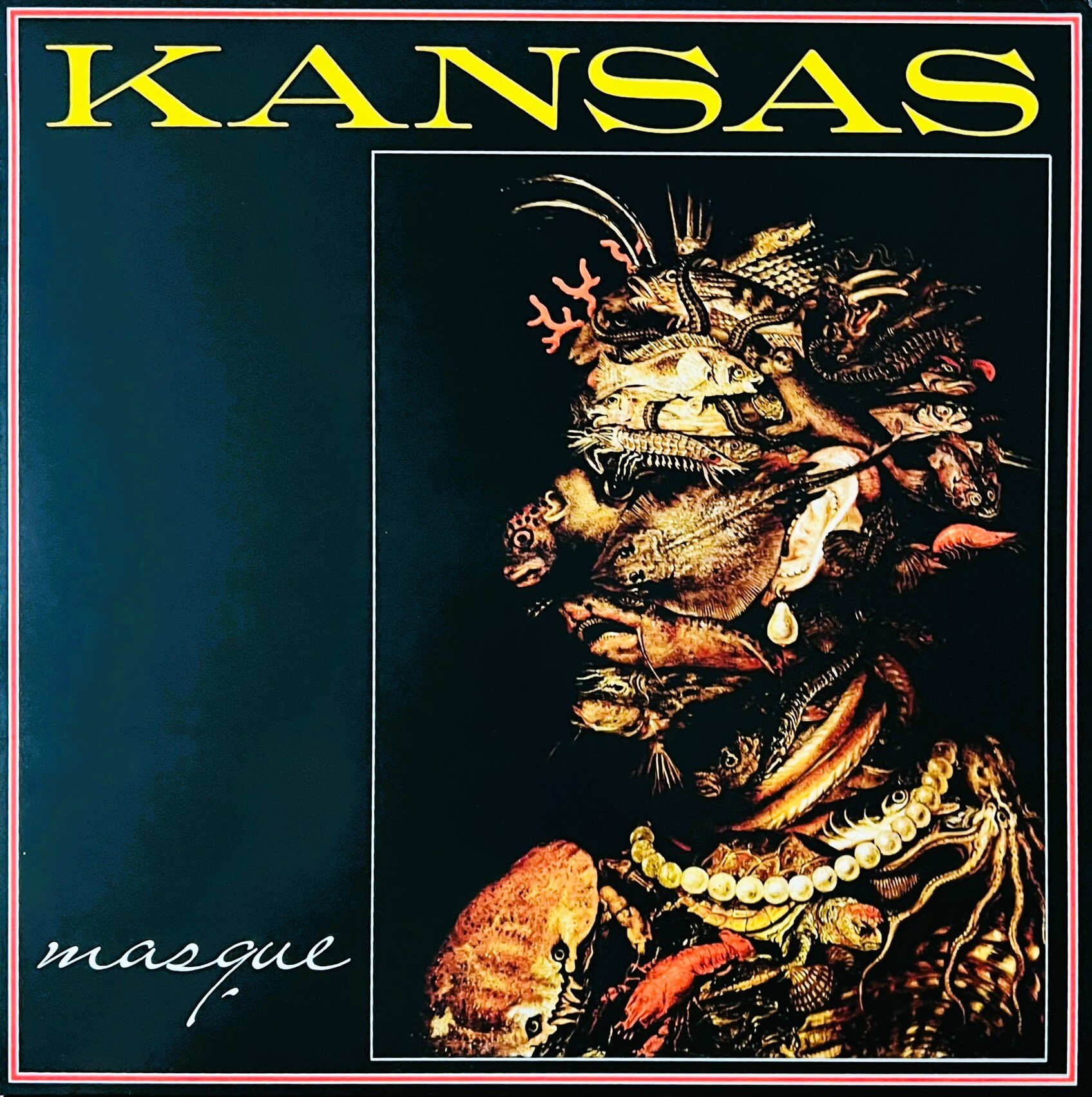
- "Carry On Wayward Son" opens the album and is a track very representative of the album's sound, with a cappella choirs, heavy guitars, beautiful piano parts, and tremendous energy. It follows the final track from their previous album, Masque.
- "The Wall" is a song of great melody and emotional charge, with great organ and violin parts.
- "What's on My Mind" is a catchy rock song, the least prog-sounding track on the album, with excellent guitar work.
- "Miracles Out of Nowhere" is a beautiful song with splendid alternating violin and guitar solos.
- Opus Insert is a track featuring gorgeous acoustic and electric guitars, along with great keyboards and a great vibraphone part by Steve Walsh.
"Questions of My Childhood" features a great bass riff by Dave Hope and a mood that blends hard rock and melody, with an exceptional violin part by Robby Steinhardt.
"Cheyenne Anthem" is an atmospheric piece with folk influences and a beautiful children's choir.
"Magnum Opus" is the album's closing suite, almost entirely instrumental, a complex piece with tempo changes and virtuoso solos, the album's true masterpiece.
Alternating typical rock pieces with progressive rock-inspired tracks, masterfully combining the complexity of English prog-rock with a quintessentially American sound, this album became a worldwide success and remains, in my opinion, a masterpiece of progressive rock. A must-have. An essential album.
Note: All links to the musicians' works are in the TAGS under the article title or on the "Artists" page.
Tracklist
1. Carry On Wayward Son (5:13)
2. The Wall (4:47)
3. What's on My Mind (3:27)
4. Miracles Out of Nowhere (6:29)
5. Opus Insert (4:26)
6. Questions of My Childhood (3:38)
7. Cheyenne Anthem (6:50)
8. Magnum Opus (8:27) :
- a. Father Padilla Meets the Perfect Gnat
- b. Howling at the Moon
- c. Man Overboard
- d. Industry on Parade
- e. Release the Beavers
- f. Gnat Attack
Duration 43:17
LineUp
- Steve Walsh - lead vocals and backing vocals, organ, piano, vibraphone, synthesizers
- Rich Williams - acoustic and electric guitar
- Kerry Livgren - electric guitar, piano, clavinet, Moog, Oberheim, and ARP synthesizers
- Robby Steinhardt - violin, viola, lead vocals (4.7) and backing vocals
- Dave Hope - bass
- Phil Ehart - drums, percussion