Melos by Cervello, a 1973 album.
This is an absolute and essential masterpiece of Italian progressive rock, a unique work by Cervello, a band to whom I dedicated a detailed biography entitled "Cervello, Pioneers of 'No-Keys' Prog." In it, I describe the band's history and style, with its unique and atypical approach to progressive rock, devoid of keyboards and centered on flutes, vibraphone, and guitars.
Their sound is a fusion of Mediterranean, jazz-rock, and avant-garde sounds with Greek mythological themes, resulting in a sophisticated, intimate, and dreamy blend of classic Italian progressive with jazz influences and Mediterranean nuances, often compared to Osanna, but with a more intimate and less aggressive edge.
The absence of keyboards is compensated for by an extraordinary use of four flutes, vibraphone (played by Corrado Rustici), and guitars, creating acoustic, bucolic, and yet enveloping atmospheres.
The album's concept is a symbolic journey into ancient Greece and its myths.
The title, which in ancient Greek means "chant" or "poetry," underscores the band's intent to create a work that is a hymn to classical Mediterranean culture. The album unfolds through mythological scenes and ritual atmospheres, rather than following a linear narrative. The lyrics evoke figures such as the muse Euterpe, protector of lyric poetry and the flute, and bucolic deities, alternating moments of idyllic peace with Dionysian explosions. The opening track, "Canto del Capro," evokes an archaic, "pagan" world of magical dances and dark rituals, with extensive use of wind instruments replacing the traditional prog keyboards. The concept blends the band's sunny Neapolitan roots with the unease of Greek tragedies.
The album features a prominent wind section, with flutes and saxophones often distorted or doubled, contributing to a jazz-rock and orchestral sound that ranges from pastoral to haunting. A young Corrado Rustici, experimenting with effects, feedback, and complex arpeggios, blends jazz-rock fusion with influences from Italian music. The complex structures, enriched by time shifts, broken rhythms, and dissonant harmonies, make for a challenging yet extremely stimulating listen for fans of prog and experimental music. Finally, Gianluigi Di Franco's theatrical singing, which alternates Mediterranean melodies with experimental vocals, creates an intense and engaging atmosphere, making the album a unique listening experience.
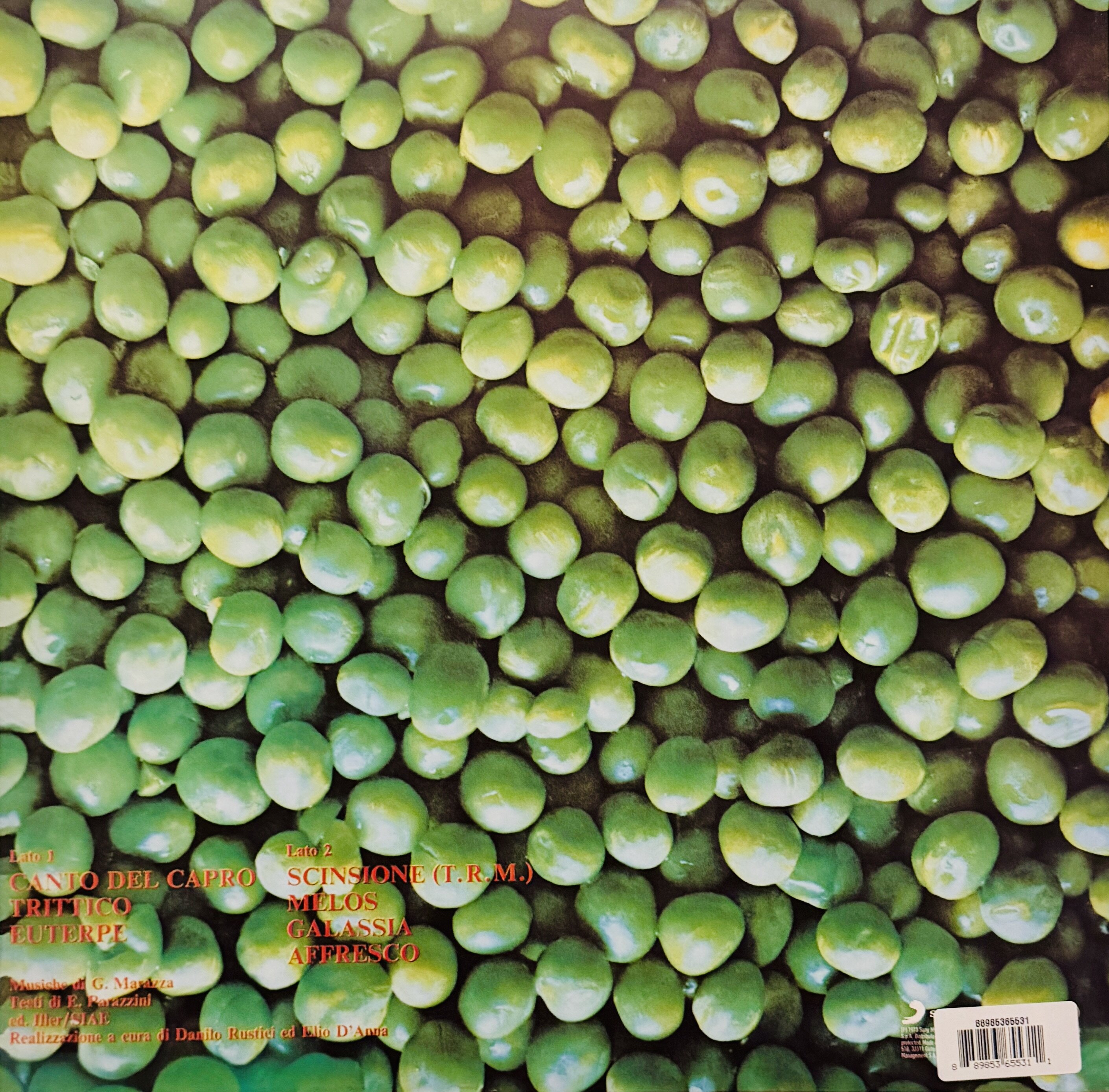
The album runs for approximately 36 minutes and features seven splendid tracks:
"Canto del Capro" opens the album with pastoral flutes that create a tense atmosphere, which then explodes into an aggressive sax and guitar riff. The absence of keyboards is compensated for by echo effects and distortions on the wind instruments. The lyrics explore the "Tragos," the goat, a symbol of the origins of Greek tragedy and a representation of the Dionysian rite, the transition from the silence of nature to the frenzy of sacrifice.
"Trittico," a song divided into three sections, opens with an acoustic guitar arpeggio before erupting into frenetic jazz-rock, characterized by odd time signatures and a stunning drum performance. The song explores the complexity of the human soul, torn between bucolic serenity and the chaos of the modern mind.
"Euterpe," the album's most melodic track, boasts a stunning guitar part by Corrado Rustici that sublimely interacts with the chamber-style flutes. Dedicated to the Muse of music and lyrical poetry, from which it takes its title, "Euterpe" is a tribute to artistic beauty, departing from the rock tone and atmosphere that characterize the rest of the album.
"Scinsione (T.R.M.)" is the darkest track, characterized by heavy, insistent riffs reminiscent of eclectic British prog, accompanied by an edgy sax and the theatrical vocals of Gianluigi Di Franco. One song contrasts sharply with the classical atmospheres of the previous tracks.
"Melos," the title track, blends Neapolitan folk atmospheres with symphonic progressive rock, featuring splendid counterpoints between the wind instruments. This track, in my opinion, is the most representative of the album and the band.
"Galassia" is a predominantly instrumental piece that evokes a spacey, psychedelic atmosphere, despite not using keyboards. Its unique sounds are created with electronic effects expertly applied to the wind instruments.
"Affresco," the album's final track, is a serene conclusion featuring vocals, flutes, and acoustic guitars. An ethereal flute leads the piece, creating a calm atmosphere that contrasts pleasantly with the energy of the previous track.
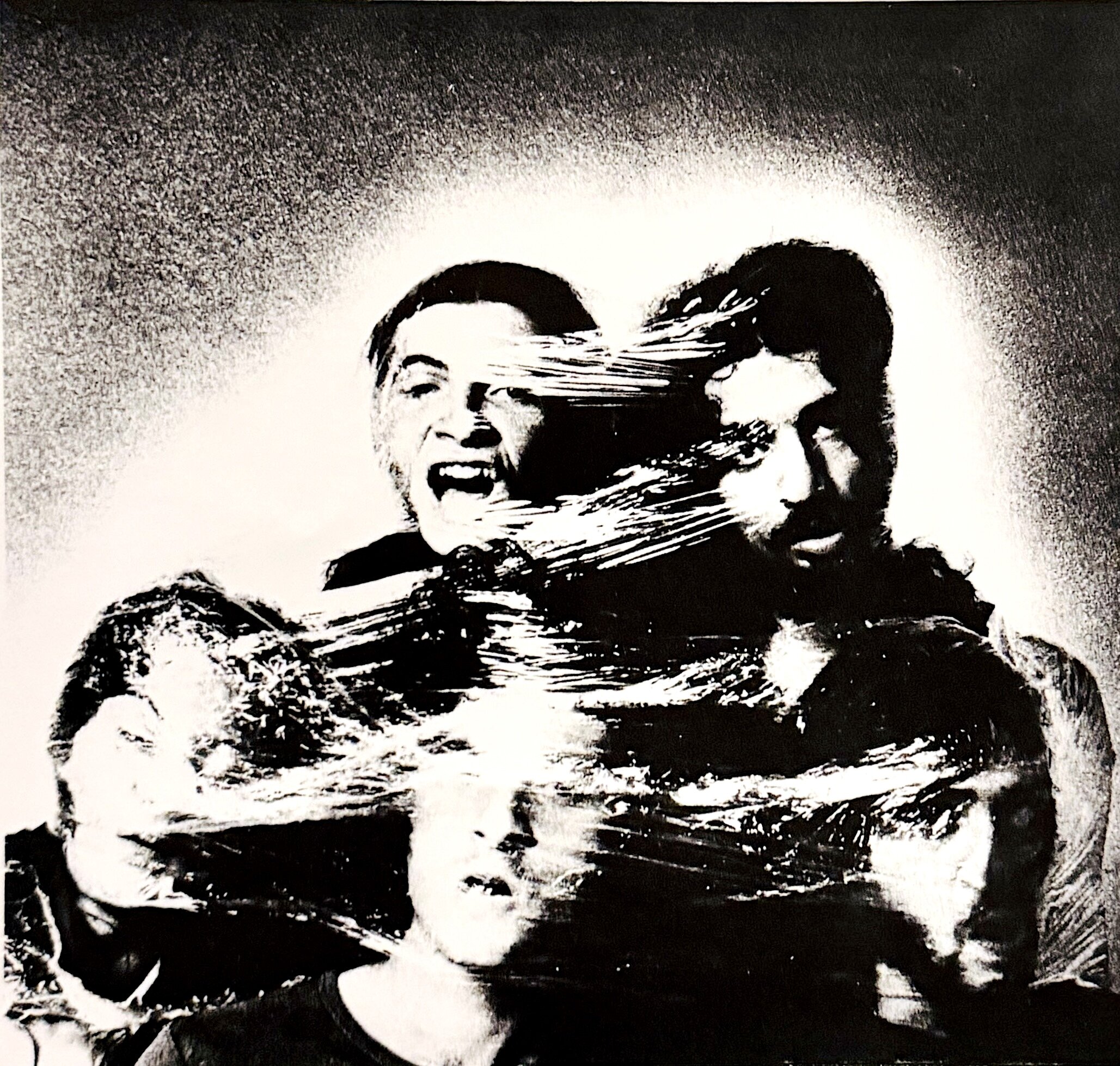
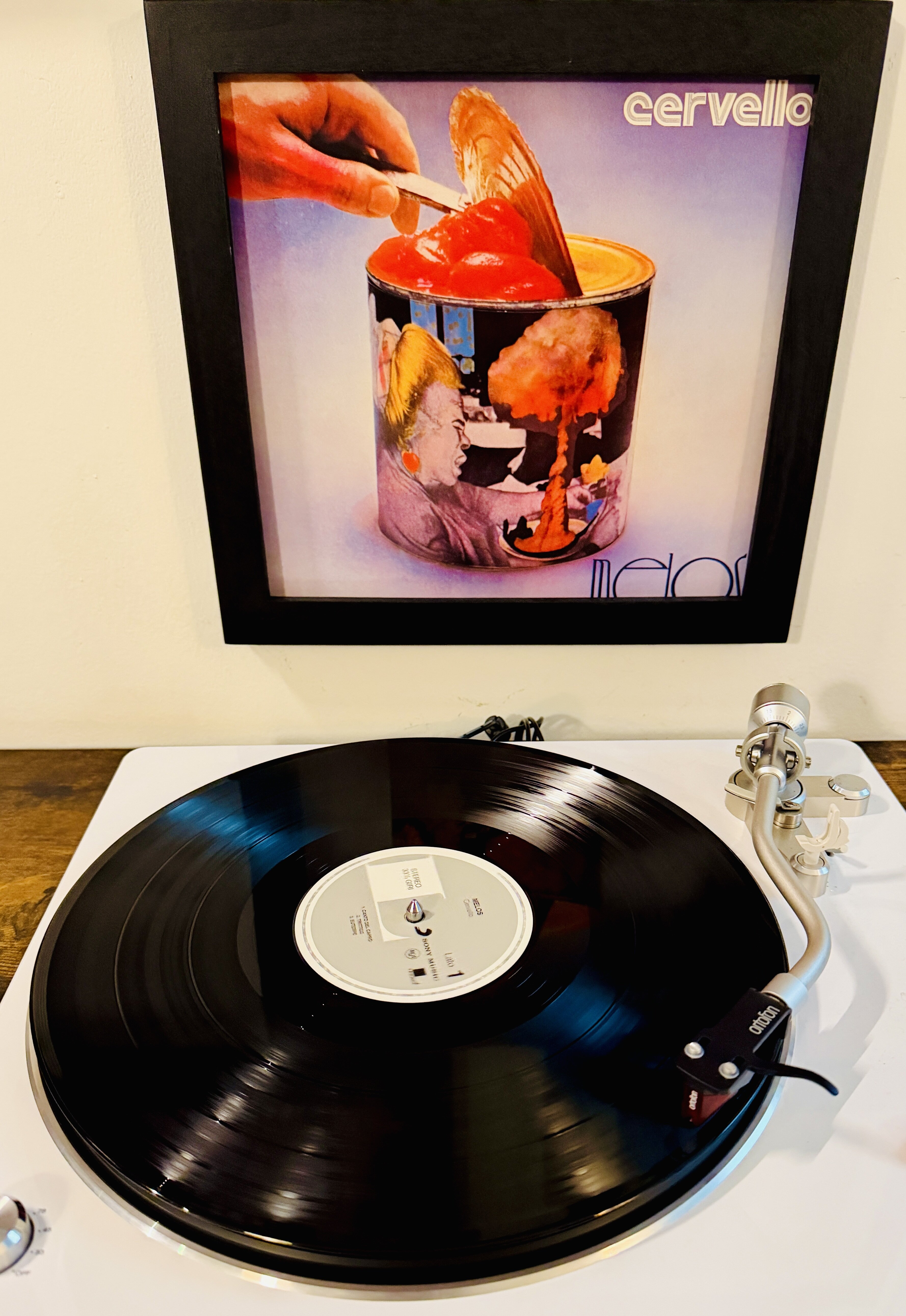
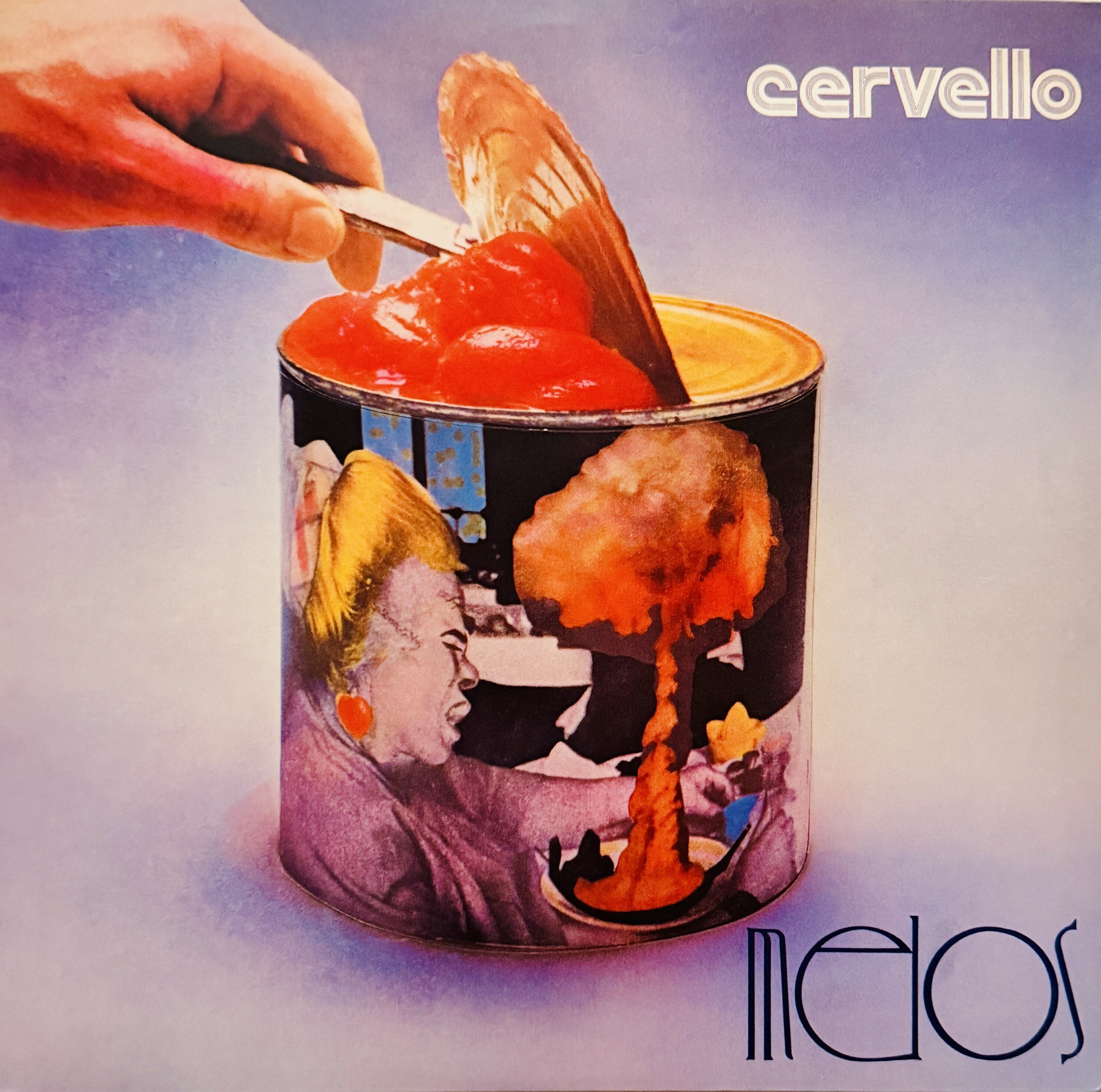
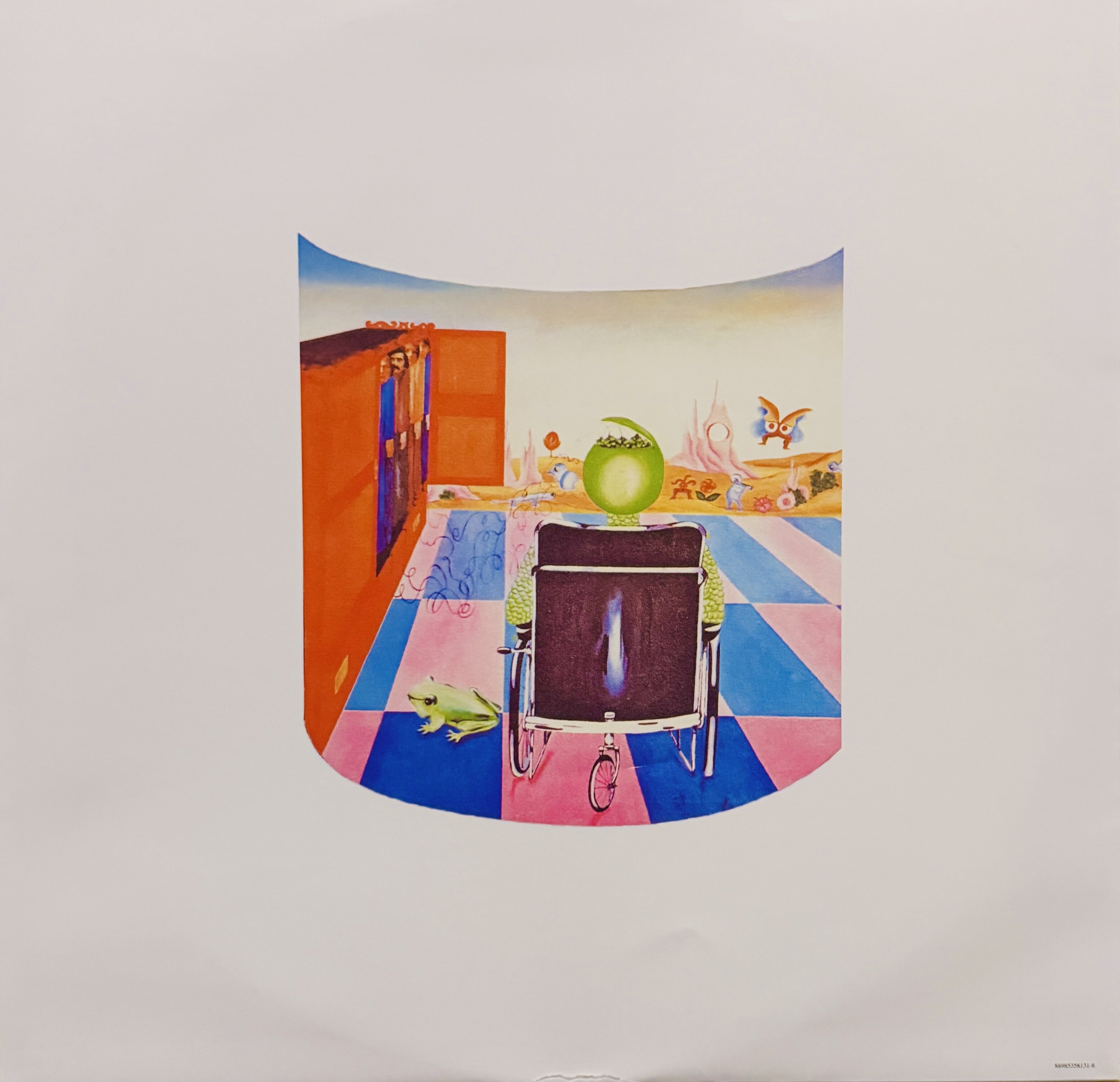
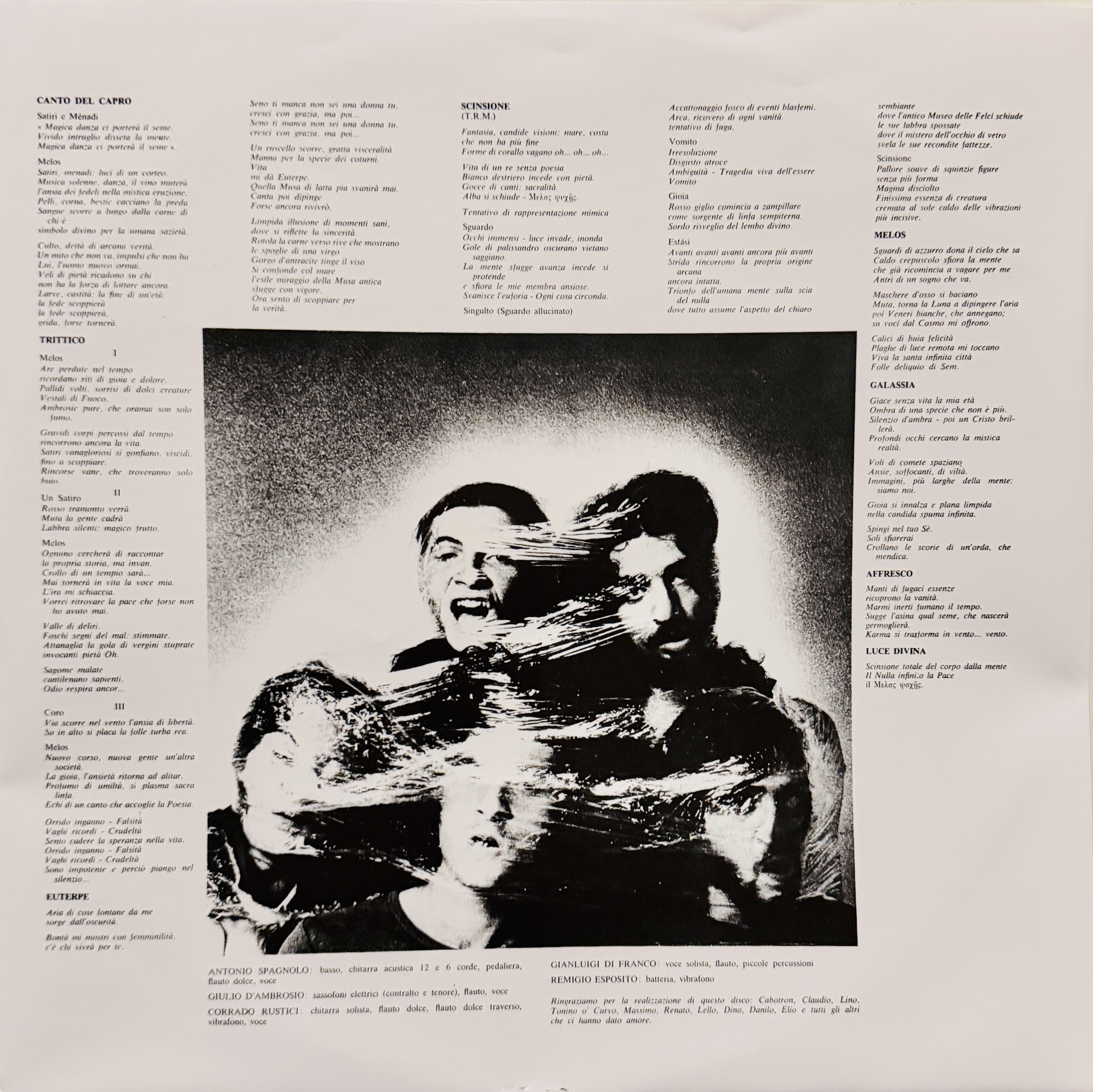
The artwork is truly unique, with a cover depicting an open can of peeled tomatoes. In my opinion, it represents one of the aesthetic pinnacles of Italian Prog, created by photographer and graphic designer Cesare Montalbetti, better known as Caesar Monti. The image is rich in symbolism and criticizes consumerism. The choice of canned tomatoes, a symbol of mass production, represents a critique of the commodification of art and music. The musicians themselves are wrapped in transparent film, assimilating them to "products" ready to be consumed by the music industry, a metaphor highlighting the creative prison created by convention.
An avant-garde masterpiece, one of the pinnacles of Italian Prog Rock, which, over fifty years later, retains an incredible freshness and impact. The work of Corrado Rustici, then seventeen, and drummer Giulio Capiozzo, who contributed to the band, is extraordinarily precise.
An essential album, a gem of 1970s Italian prog.
Tracklist
Canto del capro (6:40)
Trittico (7:27)
Euterpe (4:36)
Scinsione (T.R.M.) (5:50)
Melos (5:03)
Galassia (5:55)
Affresco (1:12)
My copy:
Label: Legacy – 88985365531, RCA – 88985365531, Sony Music – 88985358131-8
Format: Vinyl, LP, Album, Reissue, 180 Gram
Country: Italy
Release: 2016
Lineup
Gianluigi Di Franco: Vocals, flute, and percussion.
Corrado Rustici: Guitar, flutes, vibraphone, and vocals.
Giulio D'Ambrosio: Saxophones, flute, and vocals.
Antonio Spagnolo: Bass, guitar, recorder, and vocals.
Remigio Esposito: Drums and vibraphone.
Produced by Danilo Rustici and Elio D'Anna
Melos - Cervello Live in Tokyo 2017
Note: All links to the musicians' works are in the TAGS under the article title or on the "Artists" page.