| Canterbury Scene | Crossover Prog | Eclectic Prog | Extreme Prog Metal | Folk Rock | Heavy Prog | Jazz-Rock Fusion | Krautrock | Neo Prog | NON PROG | Northern Prog | Post Metal | Post Rock | Prog Related | Progressive Electronic | Progressive Metal | Psychedelic Rock | Rock Progressivo Italiano | Space Rock | Symphonic Rock | Zeuhl |
Progressive Rock World

662 Reviews - 379 Artists - 93 Detailed biographical profiles - 26 Prog Meteors - 22 Progressive Rock Subgenres
Pain of Salvation: The Pain of Salvation and the Path of Remedy
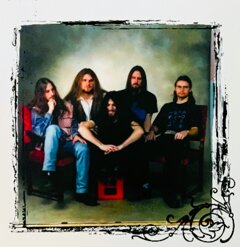
Pain of Salvation is a Swedish band founded by Daniel Gildenlöw in 1984 (originally under the name "Reality"), whose name was changed by leader and founder Gildenlöw to Pain of Salvation in 1991, symbolizing the balance of life's duality (good/evil, light/darkness).
Their style is characterized by powerful guitar work, vocals with great range, syncopation, polyrhythms, and unexpected transitions between heavy and intense atmospheres and calm, atmospheric passages for an extraordinary fusion of heavy metal, progressive rock, and alternative, always marked by complex rhythms.
Their concept albums are endowed with great emotional depth and explore themes such as war, existence, and the human experience.
The band's vision is fundamentally that of Gildenlöw both musically and narratively, pushing beyond the musical boundaries known up to that point with each release, systematically stepping out of the "comfort zone" and alternately provoking mixed opinions from critics.
The ever-present member in the lineup is Daniel Gildenlöw (vocals, guitar, main composer), with constantly evolving lineups but with long-standing members such as Fredrik Hermansson (keyboards) and Johan Hallgren (guitar).
Their albums have musically evolved from technical metal to prog-fusion, touching on phases with acoustic and orchestral or experimental sounds, and even phases with blues and electronic music influences.
The debut studio album, Entropia (1997), was a concept album about a family in a society destroyed by war. This was quickly followed by One Hour by the Concrete Lake (1998), which dealt with the arms industry and environmental disasters. Then two masterpieces, The Perfect Element, Part I (2000) and the semi-autobiographical Remedy Lane (2002), which are, in my opinion, their creative peak so far. Afterwards, the band experimented with different styles, releasing the complex and philosophical album BE (2004), performed live with an orchestra. Scarsick (2007) continued the concept of Perfect Element, but explored a more accessible alternative/nu-metal sound. The two-part albums Road Salt (One in 2010 and Two in 2011) shifted drastically towards a '70s-inspired blues and hard rock style. Following a life-threatening illness contracted by Daniel Gildenlöw in 2014, the band returned to a more traditional progressive metal sound with In the Passing Light of Day (2017), an album reflecting on his experience in hospital. Their latest album, Panther, was released in August 2020, focusing on themes of alienation and social anxiety.
The Discography and the Reviews
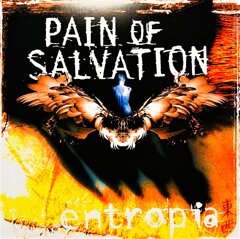
Entropia - 1997 - ECCELLENTE
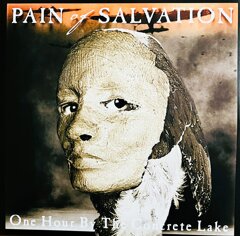
One Hour By The Concrete Lake - 1998 - OTTIMO
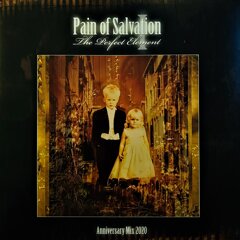
The Perfect Element - Part 1 - 2000 - ECCELLENTE
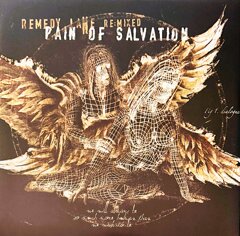
Remedy Lane - 2002 - ESSENZIALE
Be - 2004 - OTTIMO
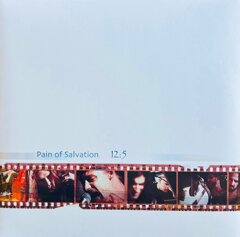
12:5 - 2004 - ECCELLENTE
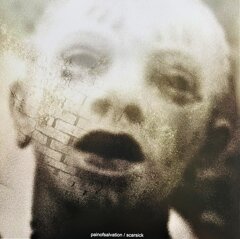
Scarsick - 2007 - BUONO
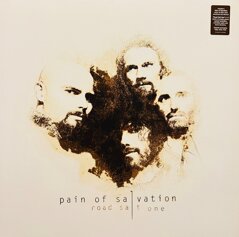
Road Salt One - 2010 - BUONO
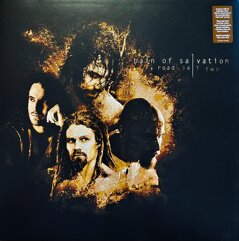
Road Salt Two - 2011 - BUONO
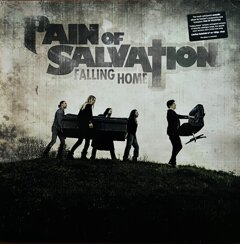
Falling Home - 2014 - BUONO
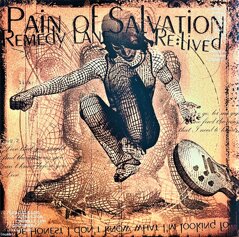
Remedy Lane Re:Lived - 2016 - ESSENZIALE
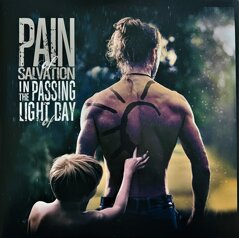
In the Passing Light of Day - 2017 - OTTIMO
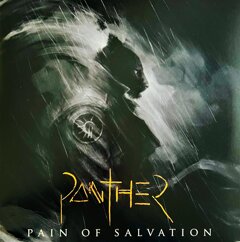
Panther - 2020 - BUONO
Note: the links to the pages of the artists and bands mentioned here and their albums are available on the"Artists" page or using the TAG Pain Of Salvation