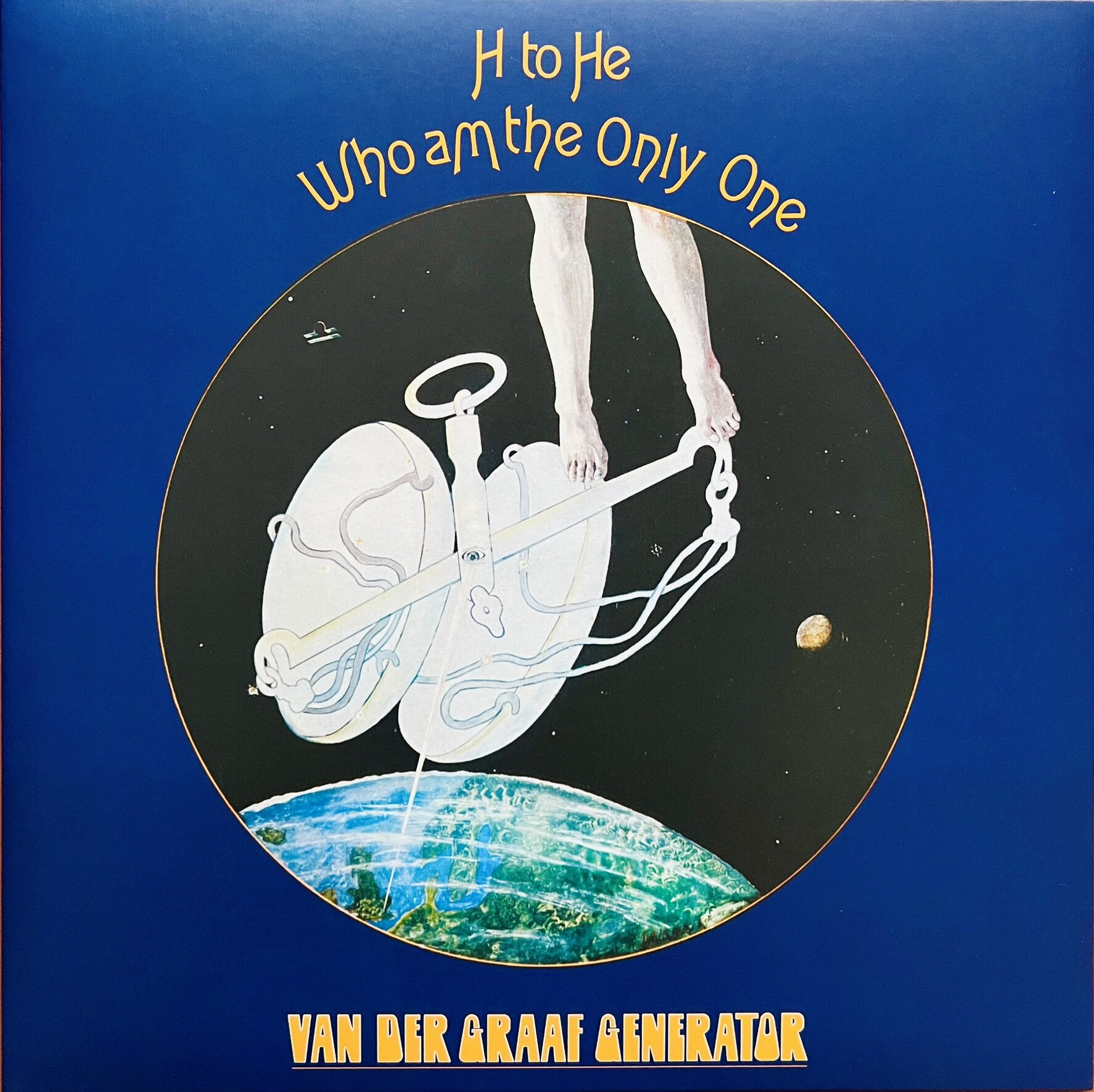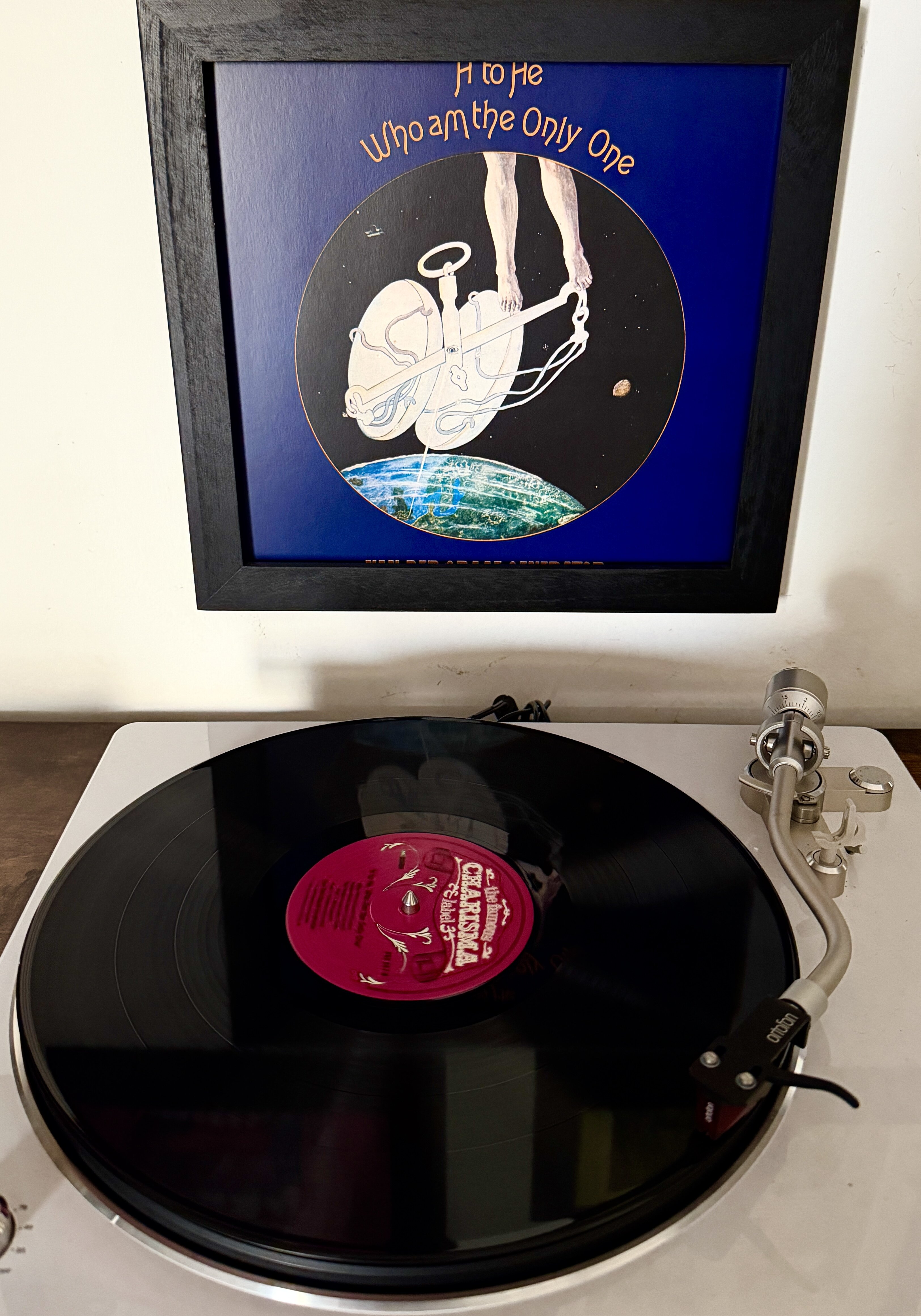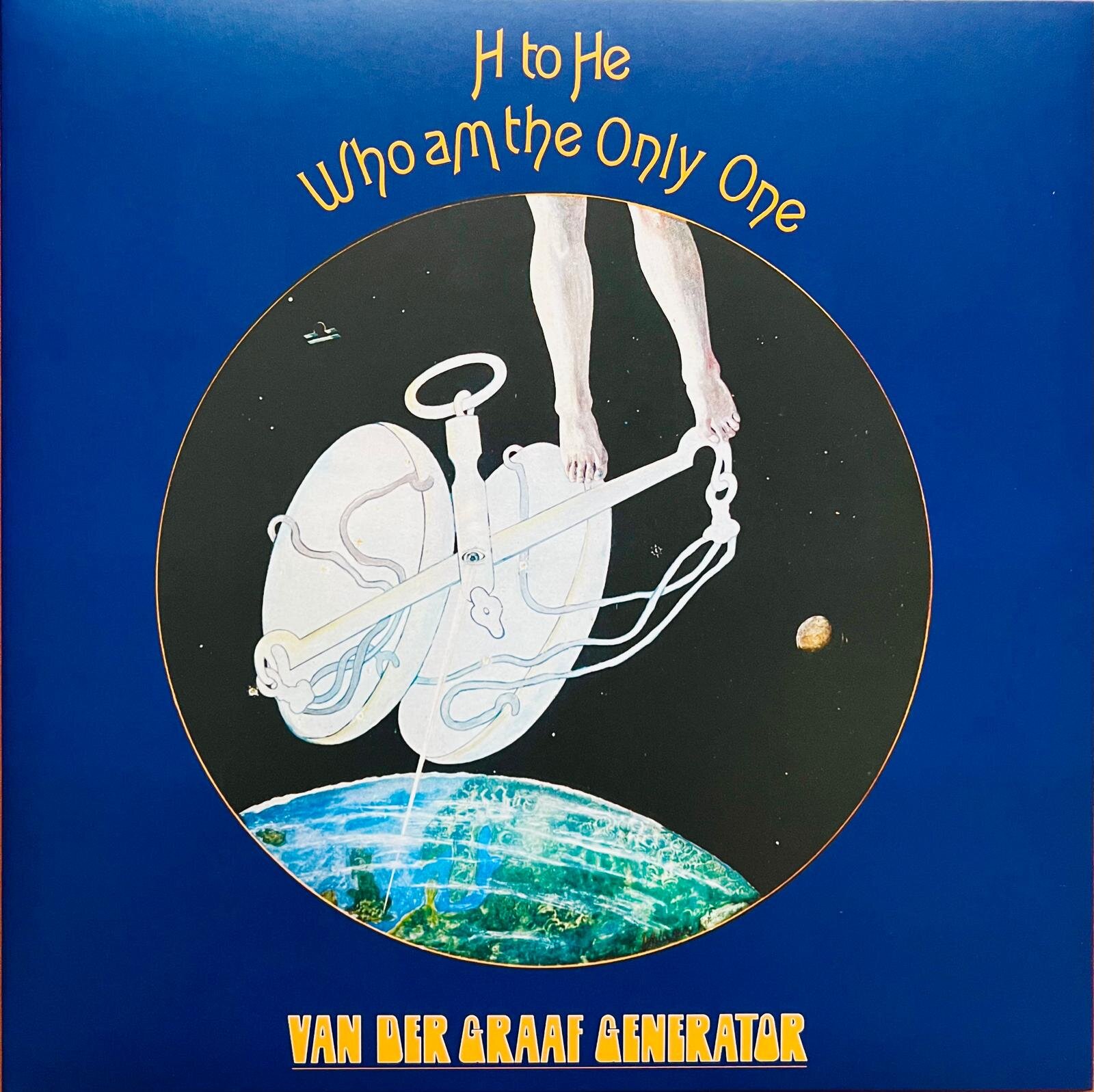
H to He, Who Am the Only One dei fantastici Van der Graaf Generator, del 1970
Album essenziale per il progressive rock, un capolavoro di una band della quale ho lungamente parlato nella scheda a loro dedicata.
È un disco fondamentale del rock progressivo e uno dei capolavori di questa grandissima band, molto atmosferico, con fasi epiche, carico di tensione, una sorta di incubo in musica e caratterizzato da un grande, innovativo e magistrale uso dell'elettronica e dei sintetizzatori, con brani dalle complesse strutture e da evidenti influenze jazz.
La formazione di questo album vede Peter Hammill alla voce, alla chitarra acustica e al pianoforte, Hugh Banton all’organo Hammond, all’organo Farfisa, al pianoforte, all’oscillatore e alla pedaliera dei bassi, David Jackson ai sassofoni (alto, tenore e baritono) e al flauto, e Guy Evans alla batteria e alle percussioni.
Durante le registrazioni, il bassista Nic Potter abbandonò la band a metà sessioni, suonando solo in “Killer”, “The Emperor in His War-Room” e “Lost”. Da quel momento, Hugh Banton si occupò delle linee di basso utilizzando i pedali del suo organo, contribuendo a definire il sound caratteristico del gruppo.
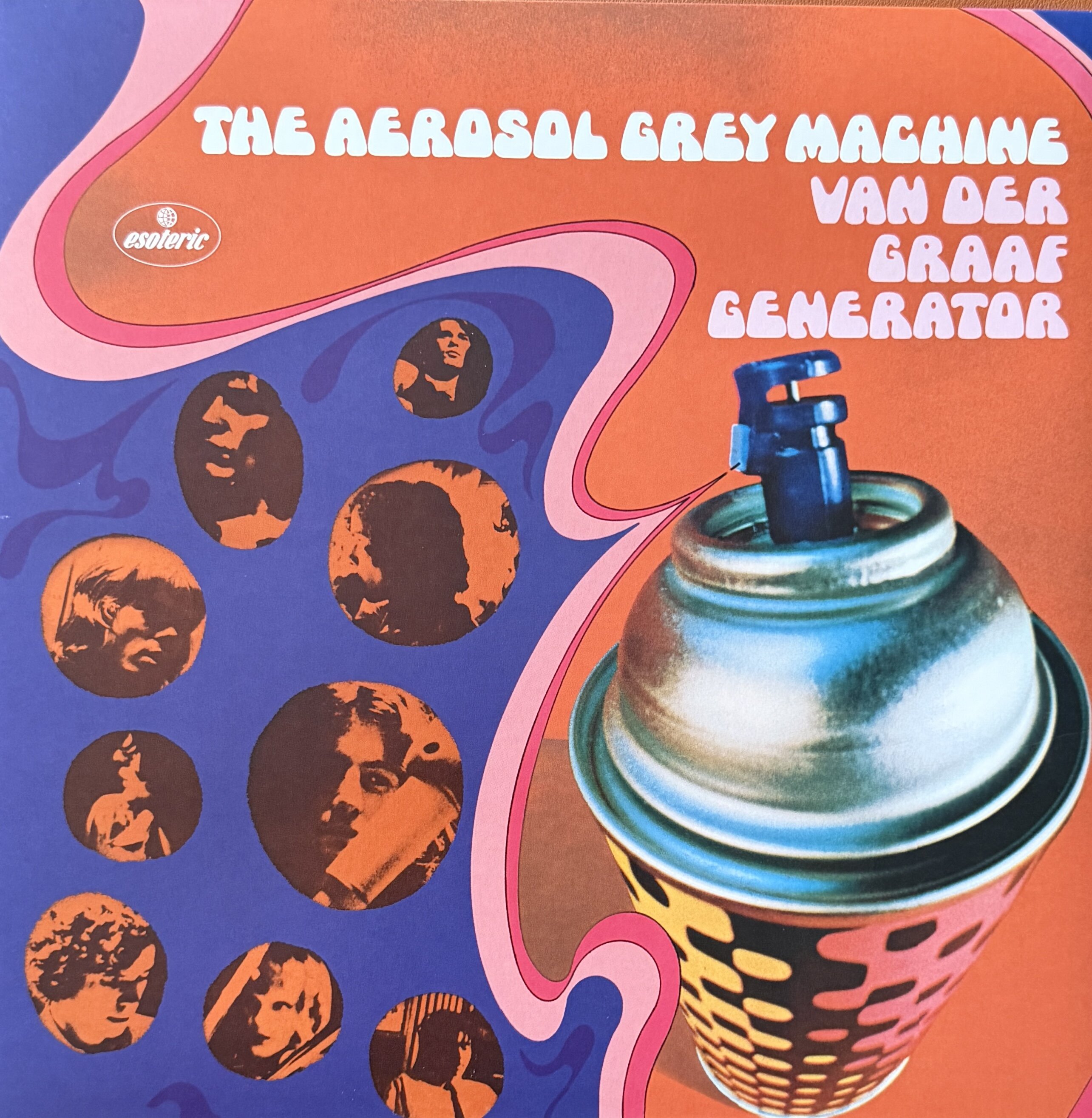
È interessante notare che il loro primo album, “The Aerosol Grey Machine” del 1969, fu registrato da Hammill, Banton, Evans e Keith Ellis (al basso), mentre David Jackson partecipò come ospite esterno.
Robert Fripp, il mitico leader e chitarrista dei King Crimson, appare in questo album come ospite speciale in un solo pezzo. Il suo contributo si concentra interamente su “The Emperor in His War-Room”. Fripp sfoggia un assolo di chitarra elettrica magnifico e tagliente nella seconda parte del brano, chiamata “The Emperor”.
I Van der Graaf Generator, nel loro quartetto classico, non avevano un chitarrista elettrico fisso. L’arrivo di Fripp aggiunge una nota acida, distorta e minacciosa che si adatta perfettamente al clima cupo della canzone.
Entrambe le band erano sotto contratto con la rinomata etichetta d’avanguardia Charisma Records e condividevano lo stesso produttore, John Anthony. Fu proprio Anthony a invitare Fripp in studio per dare un tocco diverso a quella specifica traccia.
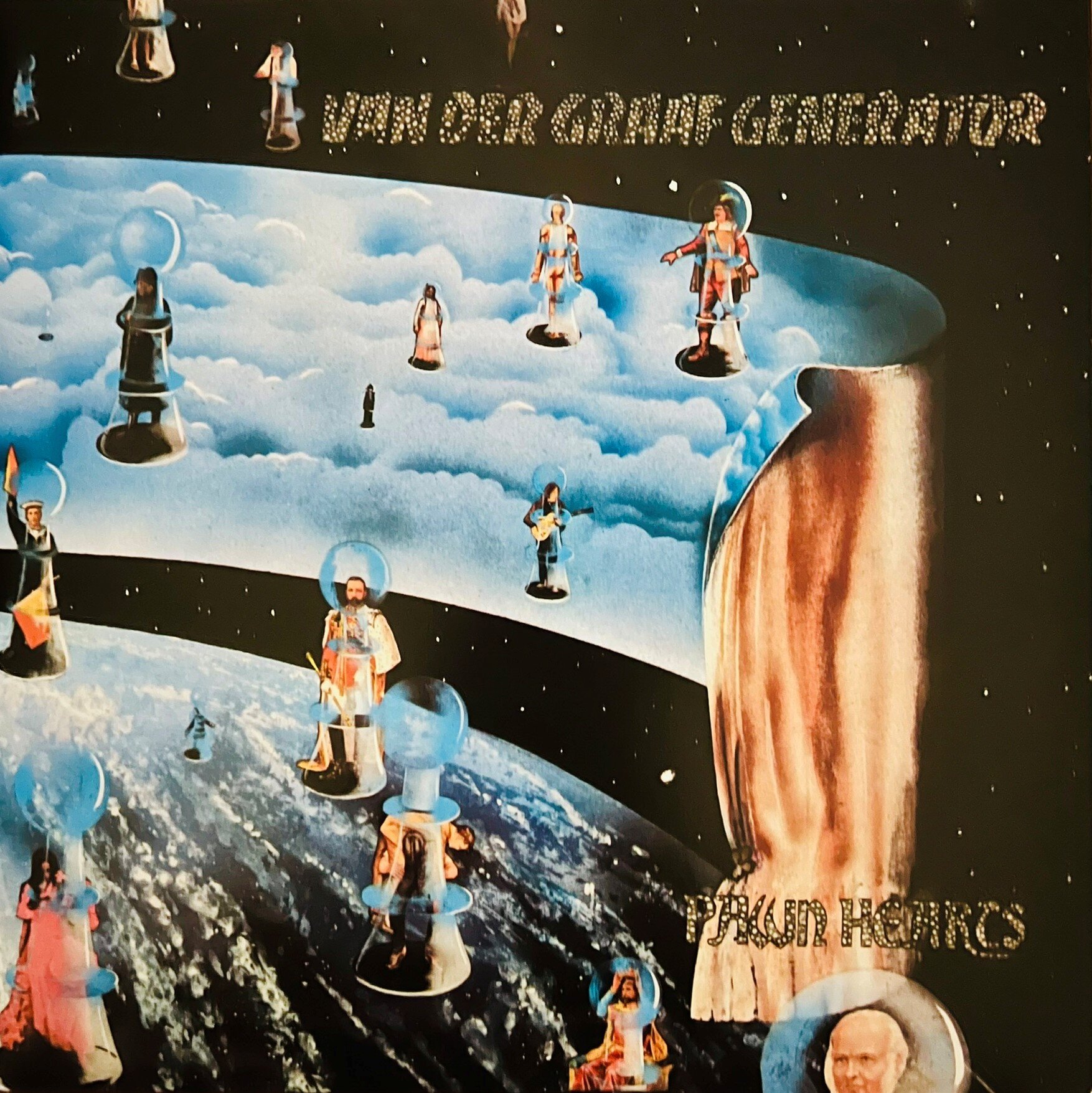
Fripp si trovò così a suo agio con il gruppo e con Peter Hammill che tornò a suonare come ospite anche nel loro album successivo, il capolavoro “Pawn Hearts” (1971).
“H to He, Who Am the Only One” del 1970 è il primo in cui si consolidò il leggendario quartetto (Hammill/Banton/Jackson/Evans) che avrebbe poi dato vita ai loro capolavori successivi.
L’album si concentra sull’isolamento totale, la solitudine esistenziale e la perdita di sé. Il titolo stesso, “H to He, Who Am the Only One”, racchiude la metafora scientifica e filosofica che pervade l’intero disco.
Il passaggio dall’idrogeno (H) all’elio (He) rappresenta la fusione nucleare che avviene nel cuore delle stelle, un processo che genera un’energia immensa ma consuma la materia stessa, lasciando la stella sola nello spazio.
La seconda parte del titolo (“Who Am the Only One”) sottolinea la tragica condizione di essere l’unico sopravvissuto o l’entità suprema e completamente isolata nell’universo.
Ogni brano esplora la solitudine da una prospettiva diversa:
Solitudine Biologica (Killer): Un predatore marino preistorico, come uno squalo o un mostro marino, è condannato dalla sua natura a uccidere chiunque gli si avvicini. La sua ferocia lo imprigiona in una solitudine affettiva totale.
Solitudine Psicologica (House with No Door): Una metafora della mente depressa o autistica. Il protagonista si paragona a una casa senza porte né finestre: desidera il contatto con gli altri, ma è strutturalmente incapace di aprirsi agli altri.
Solitudine Storica e Morale (The Emperor in His War-Room): Un tiranno crudele siede solo nella sua stanza della guerra, tormentato dai fantasmi delle sue vittime. Capisce che il potere assoluto lo ha privato di umanità e legami.
Solitudine Esistenziale (Lost): Il dramma psicologico della fine di un amore. La separazione porta al crollo dell’identità del protagonista, che si ritrova “perduto” e incapace di riconoscersi.
Solitudine Cosmica (Pioneers Over C): Alcuni astronauti viaggiano oltre la velocità della luce (“C”). Rompendo le leggi della fisica, escono dal tempo e dallo spazio conosciuti, rimanendo intrappolati in un limbo eterno, fluttuando come “fantasmi viventi”, tagliati fuori per sempre dall’umanità.
L’album è un concept d’avanguardia che non racconta una storia lineare, ma esplora i lati più oscuri della psiche umana, dove l’individuo si scopre tragicamente solo di fronte all’universo, alla storia o a se stesso.
Il suo sound è un mix di intricate strutture jazz, avanguardia e musica classica che crea un’atmosfera densa e quasi soffocante. Una delle caratteristiche più distintive è l’assenza totale di chitarre, sostituite da un organo Hammond minaccioso, un sax elettrico potente e una sezione ritmica che spacca.
Questo album spesso viene definito “heavy metal senza chitarre”, perché la pesantezza e il volume provengono proprio dall’organo Hammond oscuro e potente di Hugh Banton. Il sax di David Jackson è trattato con effetti pesanti e serve sia come strumento melodico che come elemento caotico e dissonante. I suoi virtuosismi jazz aggiungono un tocco di imprevedibilità.
Peter Hammill è l’anima emotiva del gruppo. La sua voce è teatrale, passando da sussurri inquietanti e malinconici a grida disperate, esplorando temi psicologici, solitudine e fantascienza.
I brani sono lunghe suite epiche con continui cambi di tempo, alternando momenti di calma apparente a esplosioni caotiche e cacofoniche.
Guy Evans alla batteria e percussioni, spesso usando i timpani, e Nic Potter al basso creano trame fluide e jazzate, ma che sanno sostenere alla grande le parti più pesanti.
L'album è considerato insieme a Pawn Hearts una delle pietre miliari della loro discografia ed è composto da 5 brani, due dei quali divisi in due parti, per una durata totale di circa 46 minuti.
Killer, magnifico, con splendide parti di sassofono di Jackson e un lavoro grandioso di Evans, brano con un sound psichedelico, apertura impressionante del disco.
House with No Door è una ballata, col pianoforte in primo piano e una grande parte di flauto, chitarre e basso.
The Emperor con tastiere e il cantato di Hammill a fare la differenza. Bellissimo!
The Emperor In His War-Room con un assolo Robert Fripp eccezionale.
Lost con un mood jazz è uno dei pezzi migliori non solo del disco ma dei Van der Graaf Generator in generale con un Hammill grandioso.
Pioneers Over C diverso dagli altri, orientato nel mondo dello space rock è il brano forse meno suggestivo del disco.
Un MUST in collezione, un capolavoro senza tempo, che suona nuovo e grandissimo ancora oggi dopo oltre mezzo secolo.
La Mia Versione
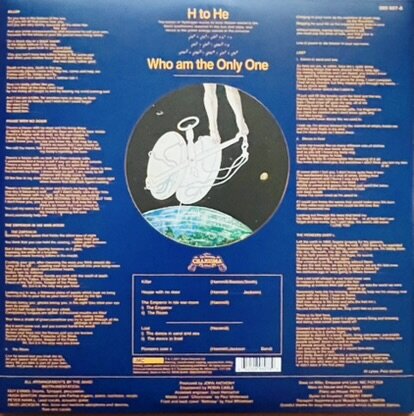
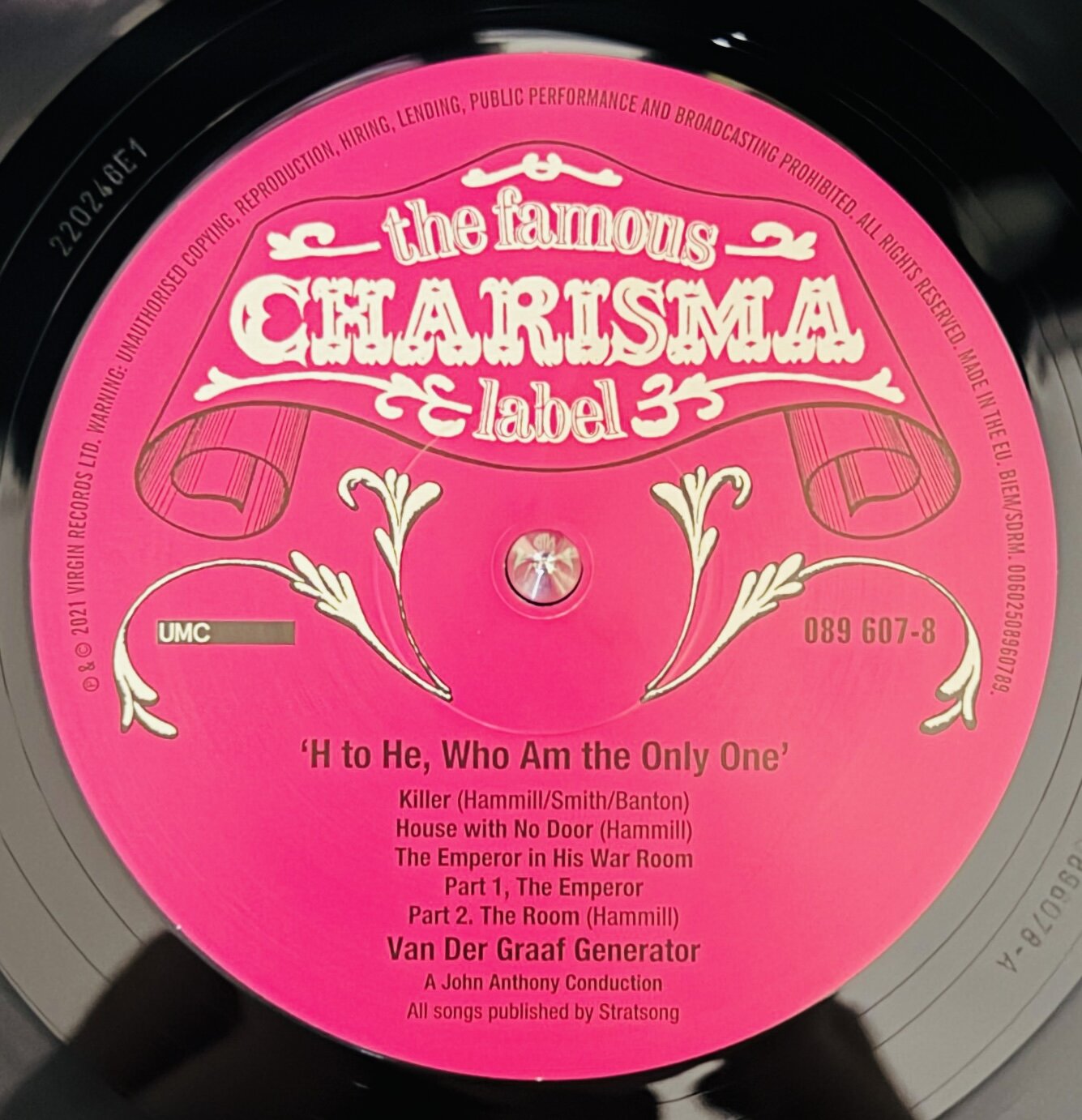
Etichetta: UMC – 089 607-2, Charisma – 089 607-8
Formato: Vinile, LP, Album, Reissue, Remastered, Gatefold
Paese: Europe
Uscita: 8 apr 2022
I Brani
1. Killer (8:07)
2. House With No Door (6:03)
3. The Emperor In His War-Room (9:04)
- a) The Emperor
- b) The Room
4. Lost (11:13)
- a) The Dance In Sand And Sea
- b) The Dance In The Frost
5. Pioneers Over C. (12:05)
Durata 46:32
La Formazione
- Peter Hammill - voce solista, chitarra acustica, pianoforte (2)
- Hugh Banton - organi Hammond e Farfisa, pianoforte, oscillatore, basso (2,5), voce
- David Jackson - sassofoni contralto, tenore e baritono, flauto, effetti, voce
- Guy Evans - batteria, timpani, percussioni
Con:
- Nic Potter - basso (1,3,4)
- Robert Fripp - chitarra elettrica (3)
Nota: Tutti i link ai lavori dei musicisti sono nei TAG sotto il titolo dell'articolo o nella pagina "Artisti"