
Van der Graaf Generator (VdGG) are a key, enigmatic and innovative band in British progressive rock, formed in Manchester in 1967.
Led by the charismatic singer-songwriter and multi-instrumentalist Peter Hammill, they stood out for a dark sound, marked by keyboards and saxophones, existential lyrics and a total aversion to commercial compromise.
Their story is marked by constant breakups, reunions, and radical shifts in their sound. The Van der Graaf Generator lineup has undergone continual changes.
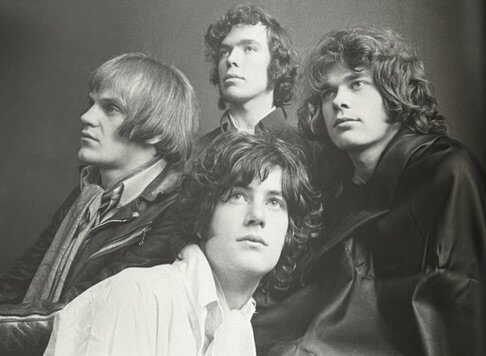
Initially, Peter Hammill (vocals and guitar) and Nick Judge (bass) form the group. Soon after, Hugh Banton (organ) and Guy Evans (drums) join. This first lineup falls apart quickly, leading to a temporary breakup as early as 1969, after the release of the debut album.
The stable core forms with the arrival of saxophonist and flautist David Jackson. The Hammill-Banton-Evans-Jackson lineup (with no fixed bassist, replaced by Banton’s organ pedals) records the band’s true masterpieces.
Banton and Jackson leave the group. Bassist Nic Potter and violinist Graham Smith come in. The name is shortened to Van der Graaf.
After a historic four-piece reunion in 2005, David Jackson leaves the band for good. From 2006, the group operates steadily as a trio: Hammill, Banton, and Evans.
VdGG have always stood out from their contemporaries (like Genesis or Yes) for the near-total absence of lead electric guitar and for decidedly claustrophobic, dramatic atmospheres.
In 1969, they release their debut album, “The Aerosol Grey Machine”. The record is still rooted in the psychedelic pop typical of the late ’60s, but Peter Hammill’s theatrical voice and the first more complex musical structures are already visible.
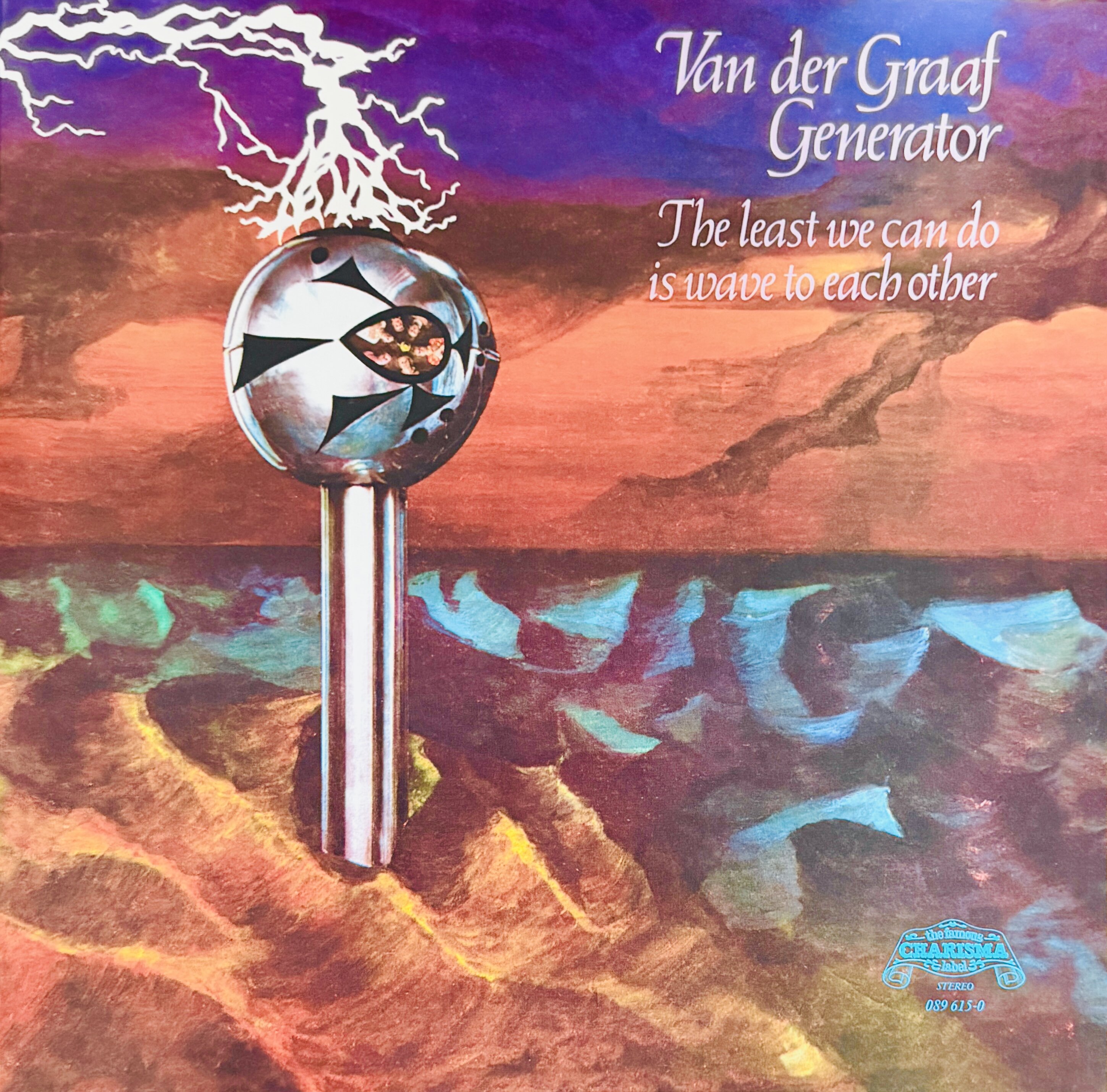
Between 1970 and 1976, the band reaches its creative peak with a run of albums that are essential to the progressive rock genre: “The Least We Can Do…”, “H to He, Who Am I?”, “Pawn Hearts” and “Godbluff”. This period represents the height of their style, marked by a dark, intellectual, dissonant progressive rock. Hugh Banton’s distorted organ and David Jackson’s electrified, doubled saxophones create an aggressive, almost expressionist wall of sound. The lyrics tackle deep themes such as loneliness, madness, dystopian science fiction, and philosophy.
From 1977 to 1978, with the album “The Quiet Zone/The Pleasure Dome”, the band’s sound changes radically. Organ and horns are removed, giving rise to a more minimal, jagged, nervous music, driven by Jackson’s electric violin and Hammill’s bass. This new approach anticipates the tensions of New Wave and Post-Punk, earning the band the respect of punk artists such as John Lydon of the Sex Pistols.
From 2005 to today, with the albums “Present” and “Do Not Disturb”, the band, reduced to a trio, drops the long avant-garde suites to focus on a minimal art rock, strongly influenced by jazz, improvisation, and more geometric structures. This new phase is marked by the very strong technical rapport among the three remaining historic members: Hammill, Banton, and Jackson.
This band has at least 4 absolute progressive rock masterpieces:
H To He Who Am The Only One - 1970, Pawn Hearts - 1971, Godbluff - 1975 and Still Life - 1976
.jpeg "discovers_francescoprog-(1).jpeg")