
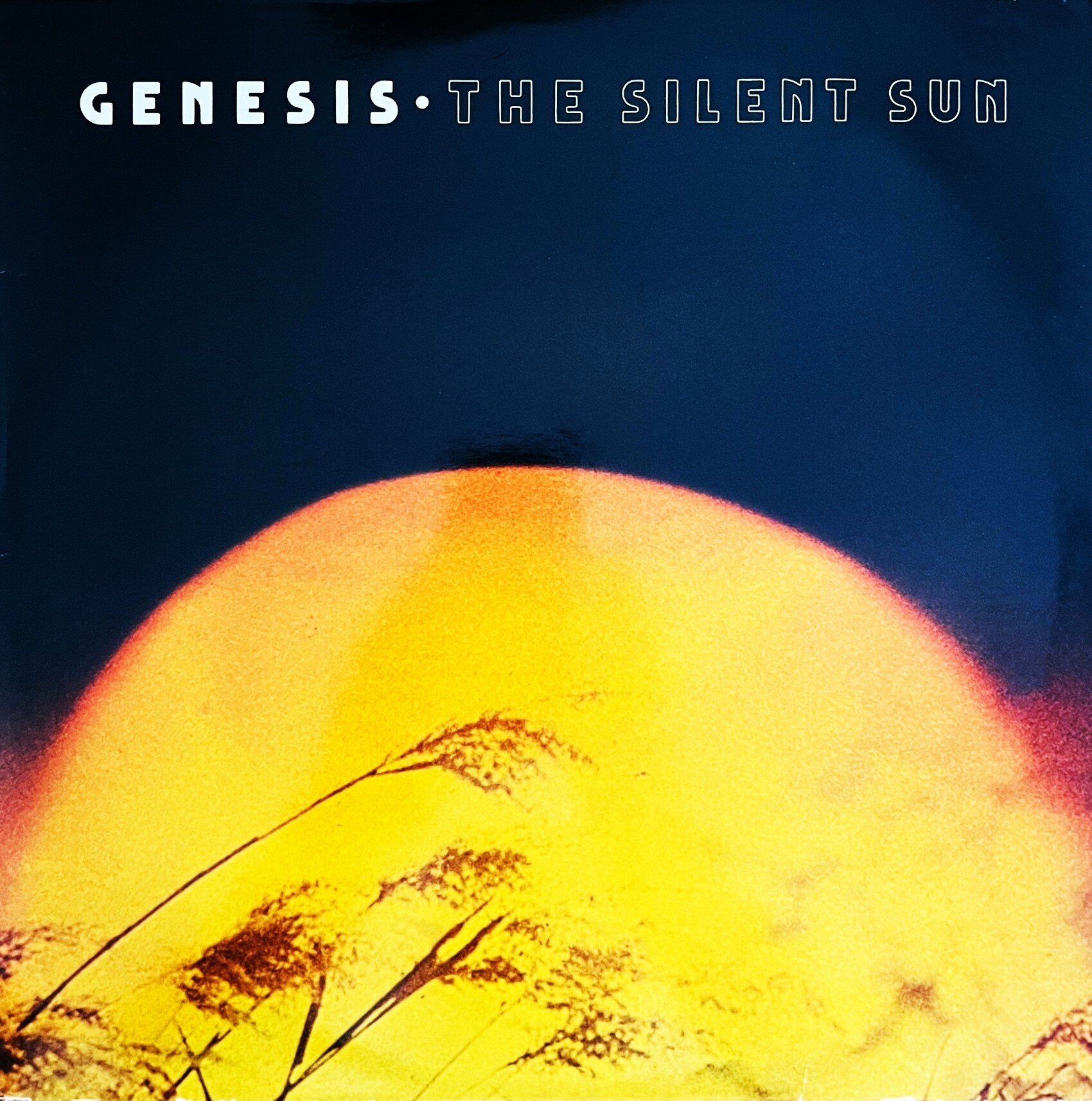
Trespass, by the immense Genesis, from 1970. After the strong start of From Genesis To Revelation, which already contained songs like Silent Sun and Where the Sour Turns to Sweet, which in my opinion are great pieces, this first masterpiece was released.
The album was recorded by a record label that had only been released a year earlier, Charisma, making it one of its first albums.
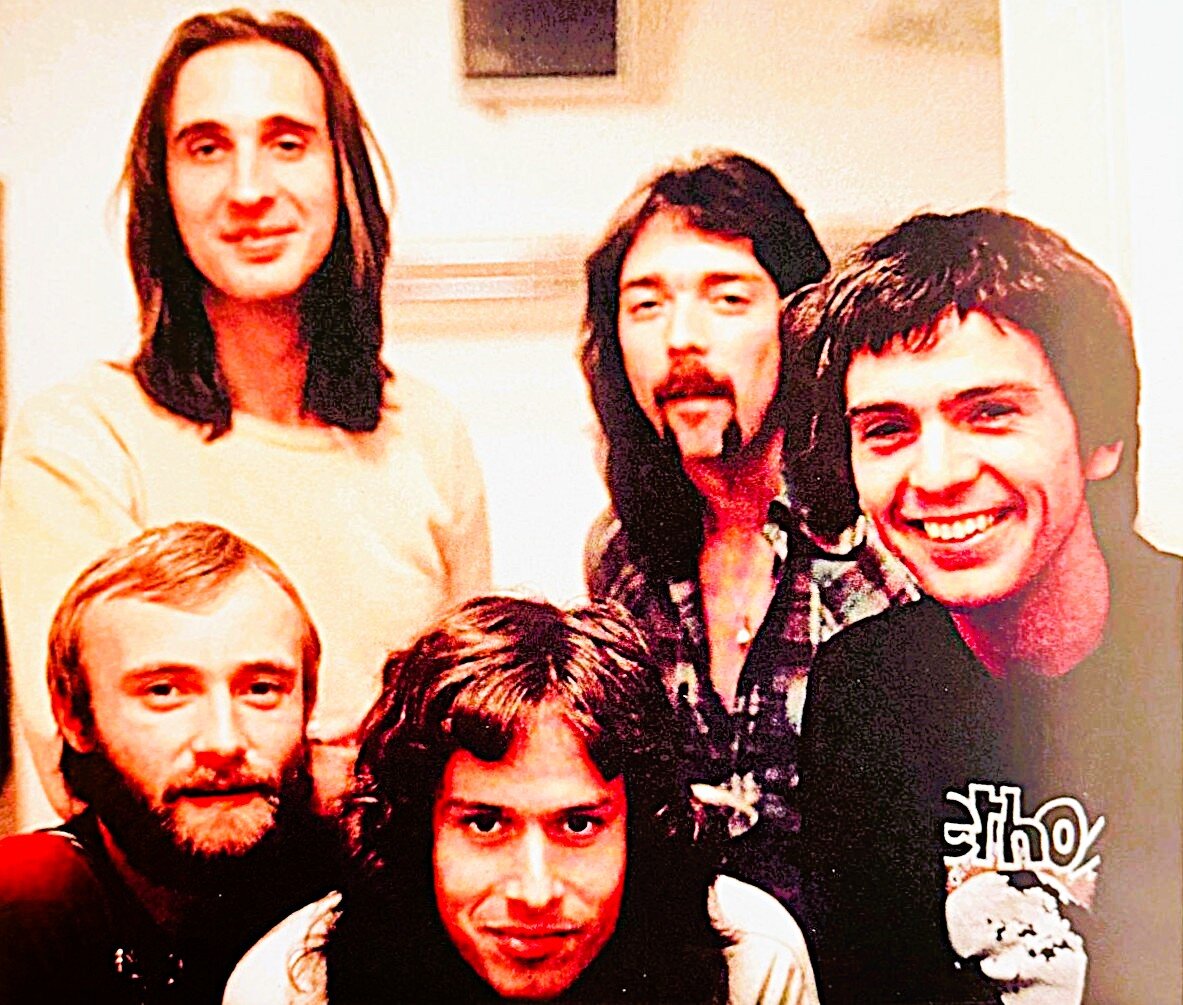
The lineup consisted of Peter Gabriel, Anthony Phillips, Mike Rutherford, Tony Banks, and John Mayhew. New drummer John Mayhew replaced Chris Stewart and left the band shortly after the recording of this album, as did the great Anthony Phillips, guitarist and co-founder, who would later go on to have a successful solo career.
There were huge differences from the first album: the style shifted from pop-rock to songs unrelated to song form, with extended instrumental sections that blended rock and symphonic music.
The Mellotron was introduced, recalling the sound of In the Court of the Crimson King, a sound Genesis themselves later declared. Essentially, Genesis fully embraced progressive rock.
Trespass, in addition to containing tracks that would make history for the band, marked the beginning of a unique era for Genesis and for music.
Stagnation and The Knife are two masterpieces, and the final theme of Stagnation would also be featured in concerts from 1977 onward, as part of the song "I Know What I Like" on the live album Seconds Out.
Looking for Someone is a song that combines the sweetness of the opening intro, the epic ride of the middle section, a riot of bass that would recur in future productions, and above all Gabriel's dense and enveloping voice, in a memorable performance, in my opinion, from a young man who already had a stratospheric voice.
The fantastic "White Mountain" and "Visions of Angels," originally discarded from "From Genesis to Revelation," are now historic songs.
Even the acoustic track "Dusk" appears to have been written as early as 1967-68.
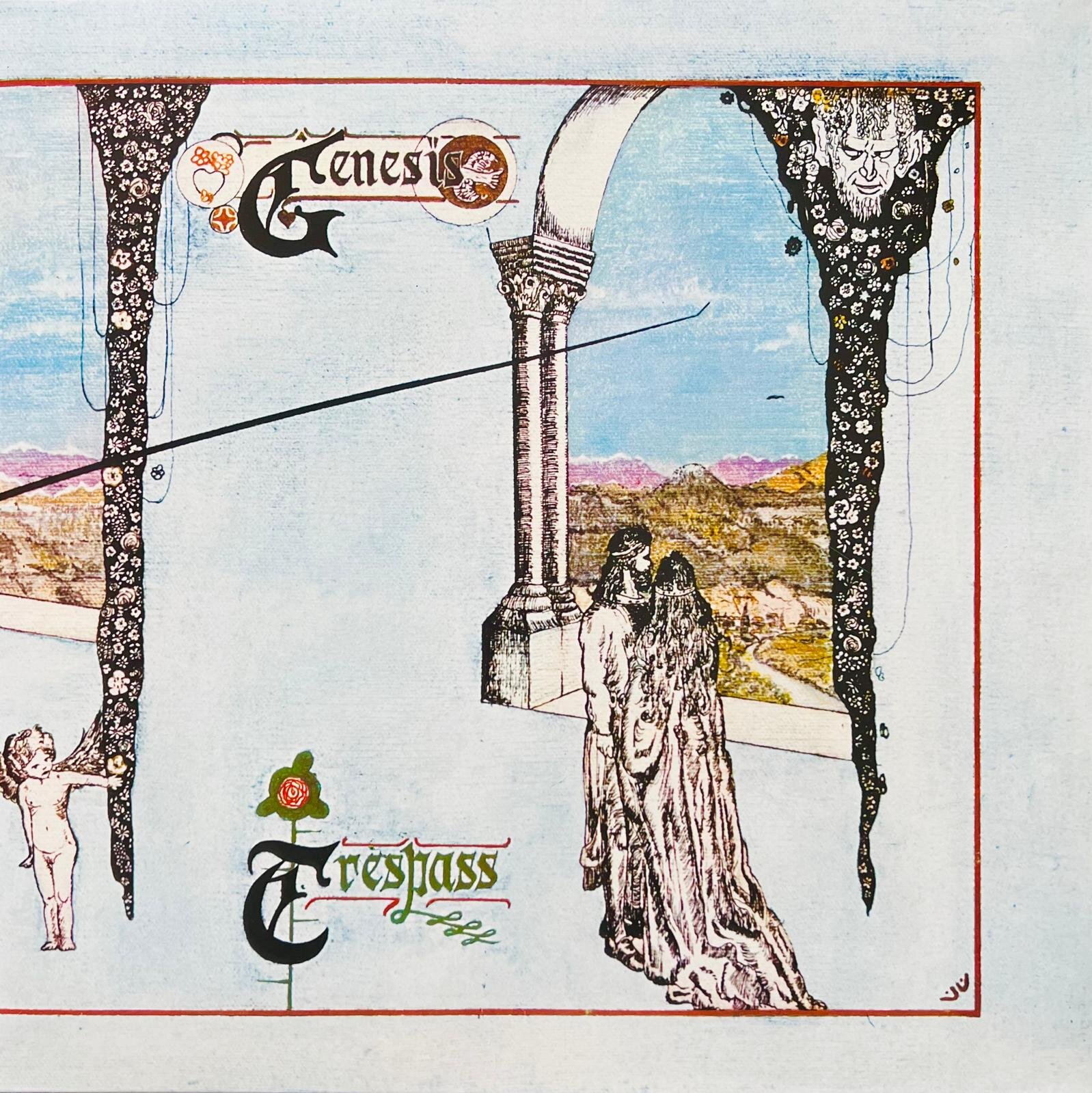
The now iconic cover is by Paul Whitehead, who, in addition to "Trespass," also designed the covers for "Nursery Cryme" and "Foxtrot" (and also produced artwork for Van der Graaf Generator, Peter Hammill, and Le Orme, to name a few).
Peter Gabriel came up with the idea that the cover design appears to have been slashed by a knife, alluding to "The Knife." The final artwork is Whitehead's original drawing photographed, including a real knife embedded in the back.
The album's pinnacle is reached by the oft-cited "The Knife," with its guitar, organ, and exciting rhythmic interplay: it can be considered Genesis's first masterpiece.
The story of much of the music I listen to, considering the enormous influence this band had in the decades that followed and continues to have on countless bands that drew inspiration from it.
An essential album for any Prog collection. Immature perhaps, but already wonderful.
The Tracks
Looking for Someone – 7:00
White Mountain – 6:44
Visions of Angels – 6:50
Stagnation – 8:45
Dusk – 4:15
The Knife – 8:55
Running Time 42:43
The Lineup
Peter Gabriel – vocals, flute, accordion, bass drum, tambourine
Anthony Phillips – 12-string acoustic guitar, lead electric guitar, dulcimer, backing vocals
Mike Rutherford – 12-string acoustic guitar, electric bass, nylon guitar, cello, backing vocals
Tony Banks – organ, mellotron, piano, guitar, backing vocals
John Mayhew – drums, percussion, backing vocals
.jpeg "whatsapp-image-2025-08-28-at-13.09.18-(5).jpeg")
.jpeg "whatsapp-image-2025-08-28-at-13.09.18-(4).jpeg")
.jpeg "whatsapp-image-2025-08-28-at-13.09.18-(3).jpeg")
.jpeg "whatsapp-image-2025-08-28-at-13.09.18-(2).jpeg")
.jpeg "whatsapp-image-2025-08-28-at-13.09.18-(1).jpeg")
.jpeg "From Genesis to Revelation (Box Set) by Genesis")