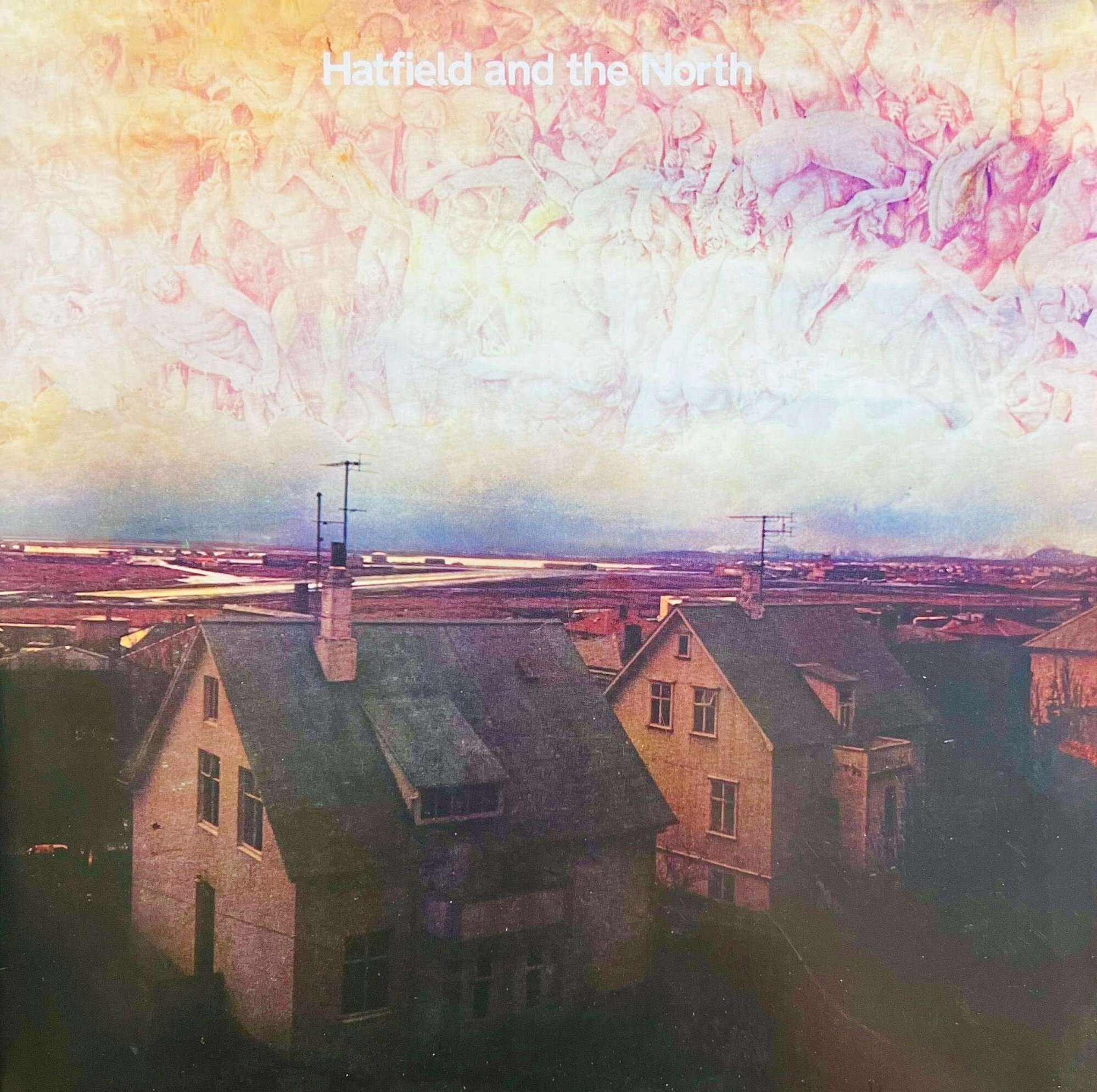
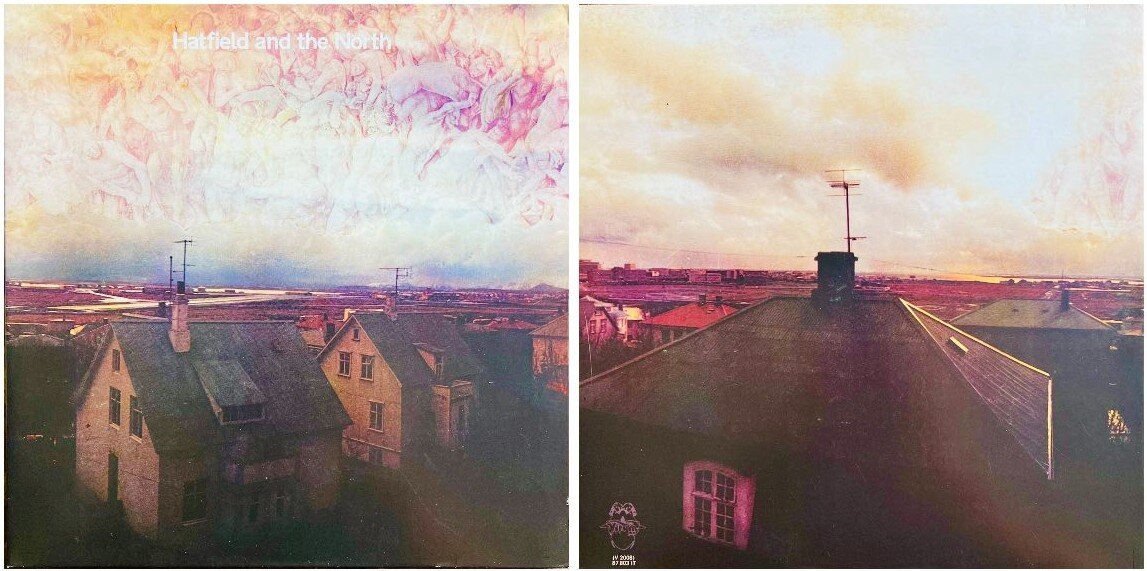
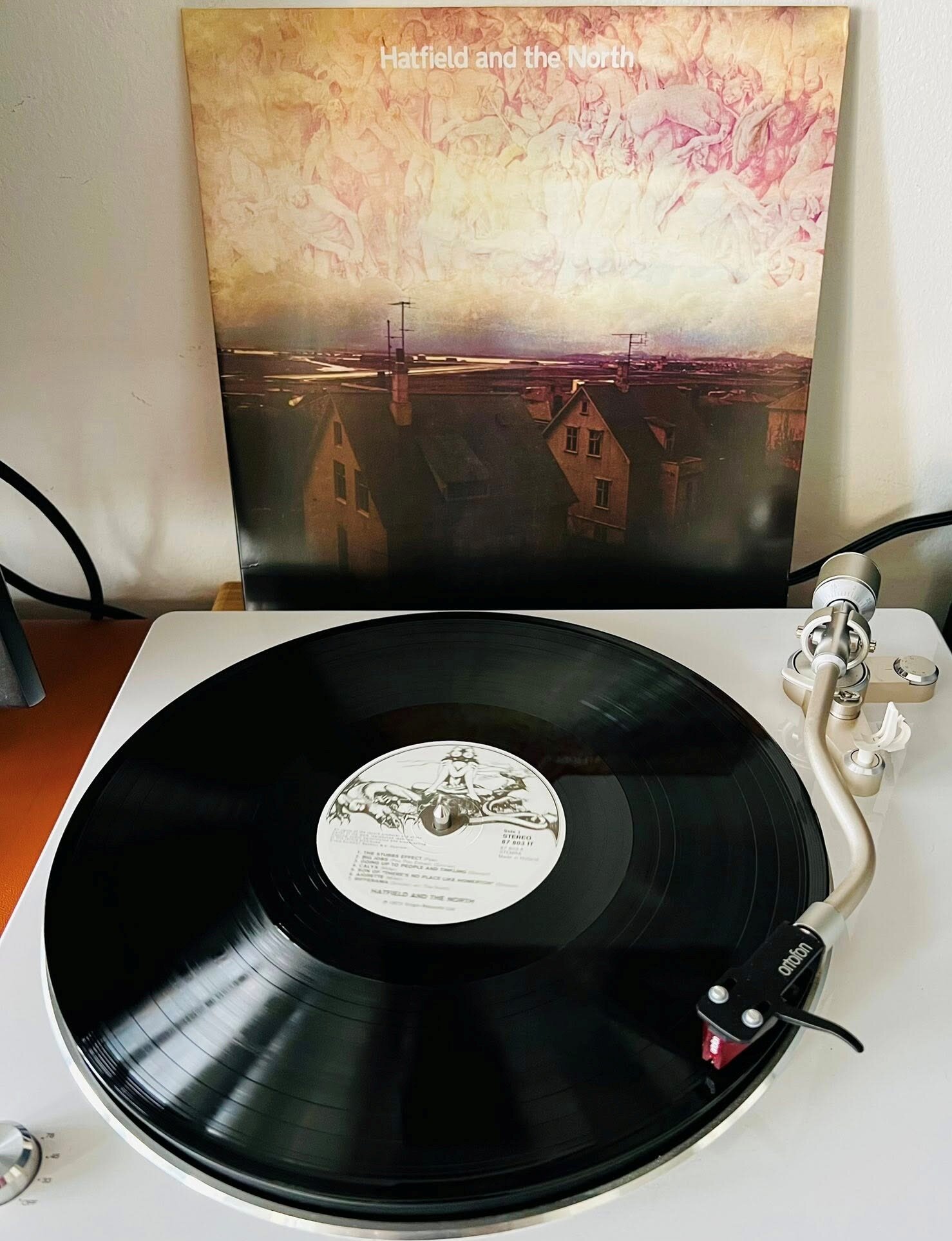
Hatfield and the North, 1974, l'album di debutto dell'omonimo gruppo britannico.
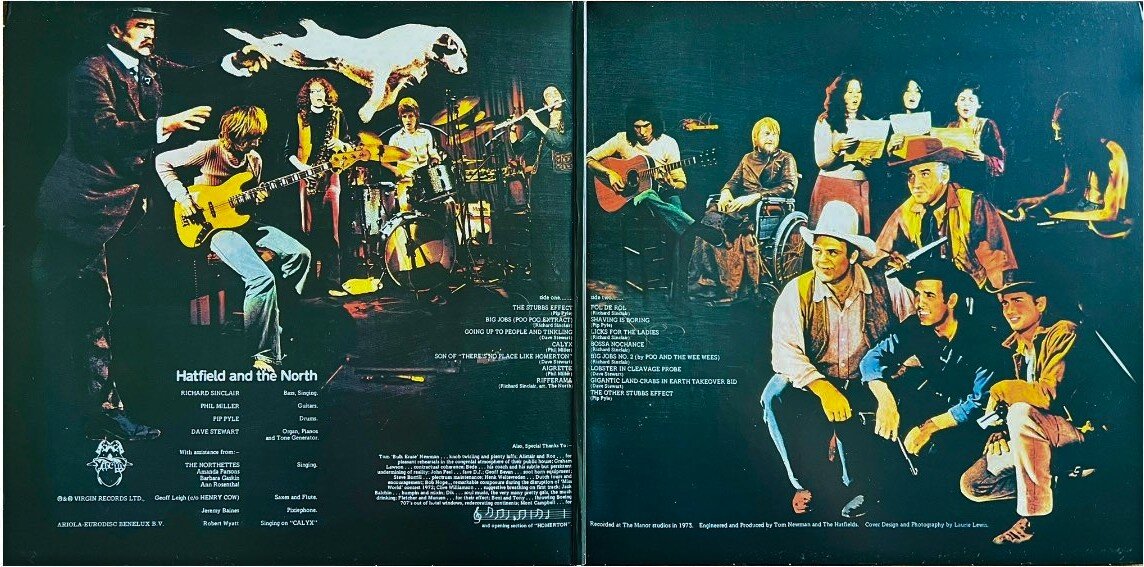
La line up e' composta da Phil Miller alle chitarre, Dave Stewart all'organo Hammond piano, Minimoog e Synth, Richard Sinclair al basso e alla voce e Pip Pyle alla batteria e percussioni, supportati da un ampio set di fiati , voci fra le quali figura Robert Whyatt e una serie di eccellenti backing vocals alle armonie vocali, le "Northettes".
L'origine di questi grandi musicisti e' ben nota e ne parlo lungamente nella scheda "The Wilde Flowers: le origini della Scena di Canterbury"
Un classico del progressive rock e l'esempio per eccellenza della della scena di Canterbury, dal sound complesso e sperimentale e nel contempo melodico, un capolavoro di creatività sofisticata e positiva, a tratti umoristica, che fonde i talenti individuali della band in un insieme perfetto, che e' come fondere la tendenza alle melodie dei Caravan con la complessità e la sperimentazione di Egg e Soft Machine, la somma delle esperienze precedenti dei componenti della band.
Si tratta di una suite composta da 15 parti, con lunghe sezioni strumentali intervallate dal canto di Robert Wyatt, dall'eccellente canto delle Northettes (vocal trio composto da Amanda Parsons, Barbara Gaskin e Ann Rosenthal) e, naturalmente, dalla voce di Richard Sinclair.
Stilisticamente e' jazz-rock con sezioni di rock progressivo vero e proprio. Nello specifico, c'è un complesso (e a volte pesante) modo di suonare d'insieme che enfatizza le progressioni di accordi utilizzate nella musica classica, passaggi al limite del rock avanguardistico e sezioni spaziali come in Shaving Is Boring che evoca lo spacerock psichedelico dei Gong, atmosfere dominate da parti di chitarra tranquille e sobrie, organo da chiesa, pianoforte elettrico e le superbe armonie vocali a tre voci delle Northettes che funzionano come un "mini coro". L'esecuzione di tutti i musicisti è semplicemente fantastica.
Bellissimo il brano Son of "There's No Place Like Homerton" e la traccia psichedelica Shaving Is Boring, influenzata dallo spacerock, i brani piu' belli a mio avviso del disco.
Un album assolutamente eccellente e forse una delle migliori registrazioni della scena di Canterbury.
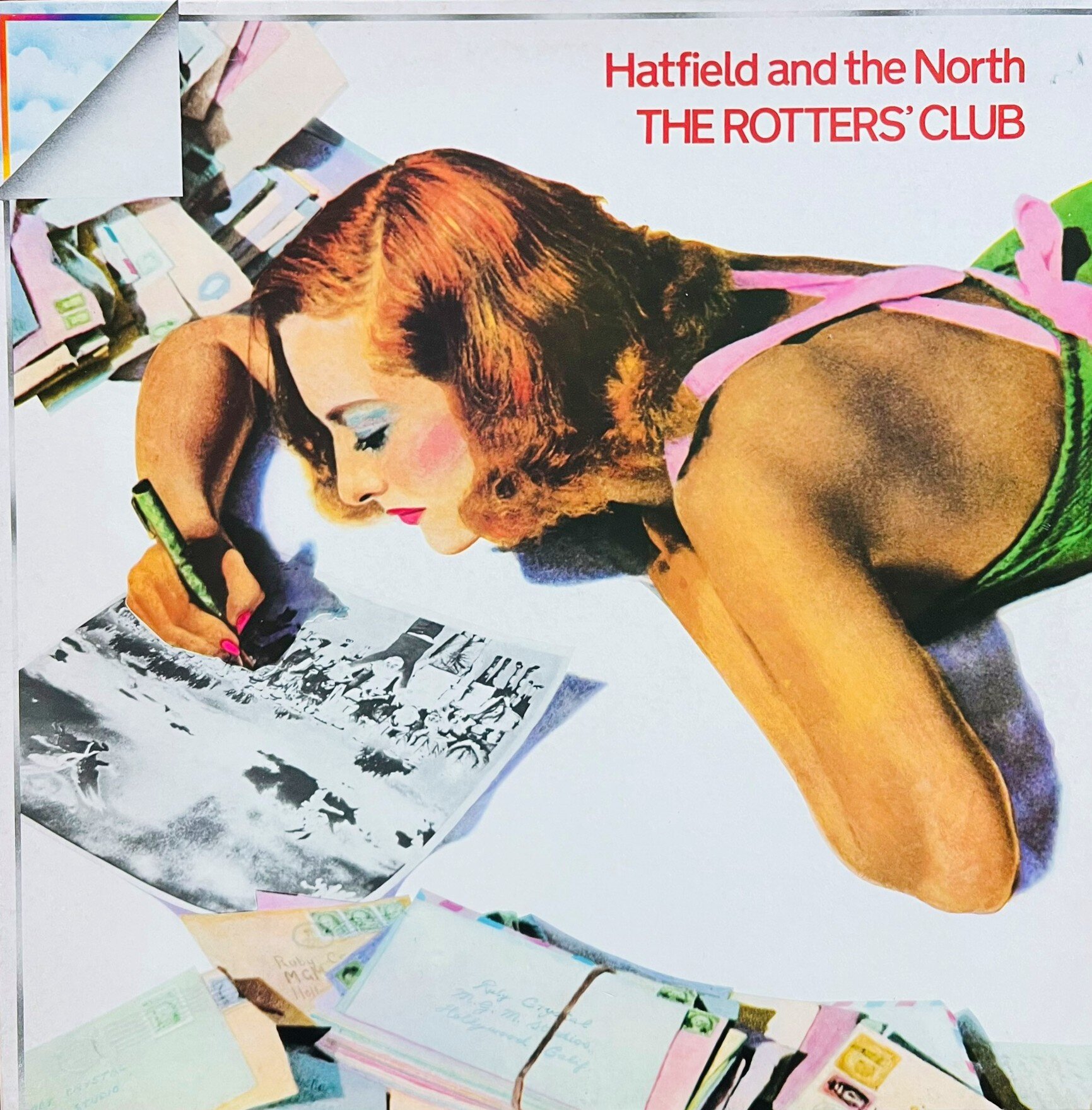
Opera seminale, seguita dal secondo e ultimo album di questa band "The Rotters' Club", stavolta senza il contributo vocale di Robert Whyatt.
Consigliatissimo!
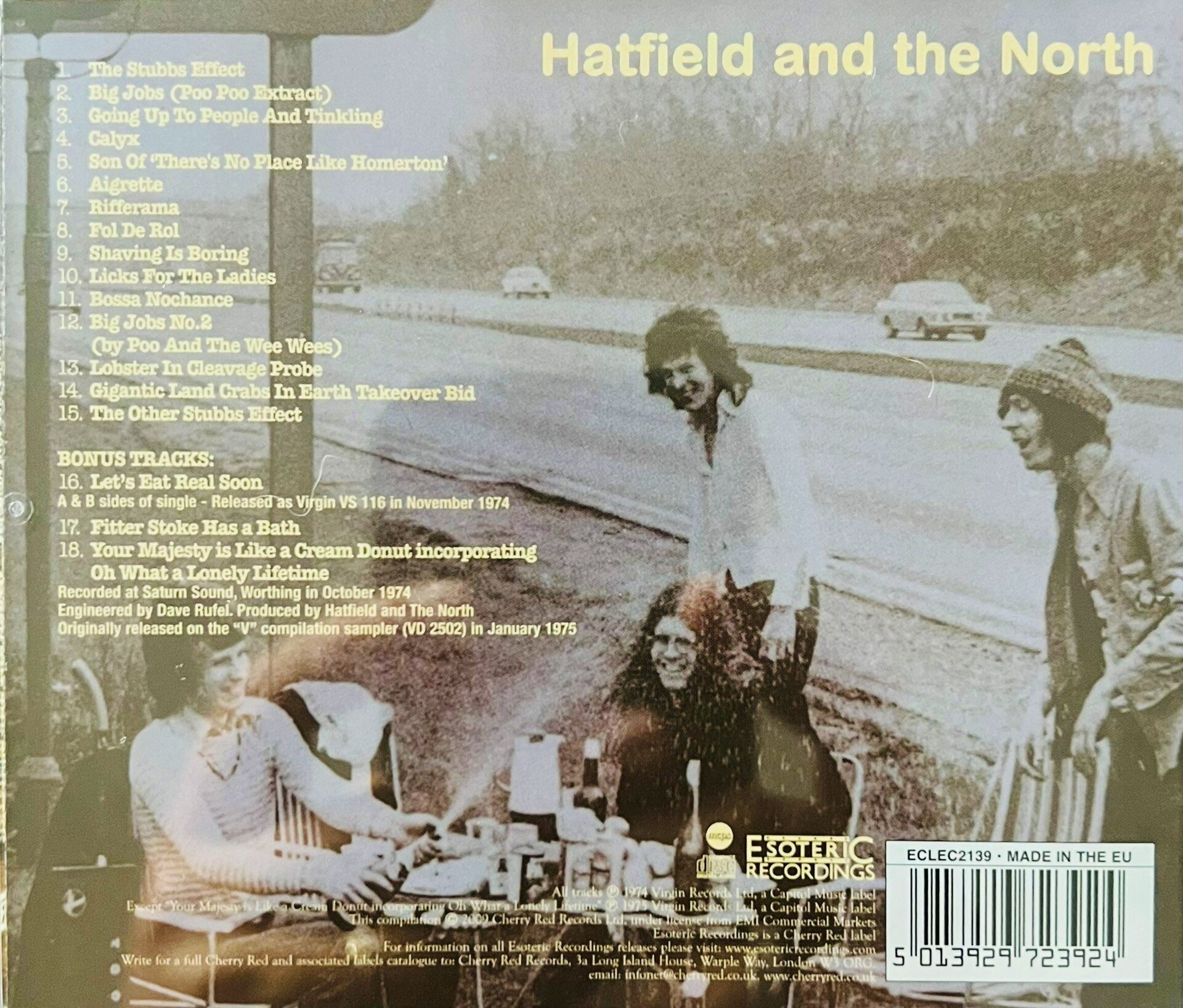
Tracklist
1. The Stubbs Effect (0:23)
2. Big Jobs (Poo Poo Extract) (0:36)
3. Going Up to People and Tinkling (2:25)
4. Calyx (2:45)
5. Son of "There's No Place Like Homerton" (10:10)
6. Aigrette (1:38)
7. Rifferama (2:56)
8. Fol De Rol (3:07)
9. Shaving Is Boring (8:45)
10. Licks for the Ladies (2:37)
11. Bossa Nochance (0:40)
12. Big Jobs No 2 (by Poo and the Wee Wees) (2:14)
13. Lobster in Cleavage Probe (3:57)
14. Gigantic Land-Crabs in Earth Takeover Bid (3:21)
15. The Other Stubbs Effect (0:38)
Durata 46:12
LineUp
- Phil Miller - chitarra elettrica e acustica (6)
- Dave Stewart - Hammond, pianoforte, Fender Rhodes, Hohner Pianet, Minimoog (9), generatore di suoni
- Richard Sinclair - basso, voce
- Pip Pyle - batteria, percussioni, effetti (7, 9, 11)
Con:
- Jeremy Baines - pixiephone (5), flauto (13?)
- Geoff Leigh - sassofono tenore (5), flauto (5, 13-non accreditato)
- Didier Malherbe - sassofono tenore solista (7-non accreditato)
- Robert Wyatt - voce (4)
- Cyrille Ayers - voce (8?)
- Barbara Gaskin - cori (5)
- Amanda Parsons - cori (5)
- Ann Rosenthal - cori (5)
- Sam Ellidge - voce (7?)
Nota: Tutti i link ai lavori dei musicisti sono nei TAG sotto il titolo dell'articolo o nella pagina “Artisti”
.jpeg "SCHEDA - The Wilde Flowers: le origini della Scena di Canterbury")