
.jpeg "whatsapp-image-2025-10-22-at-10.01.07-(1).jpeg")
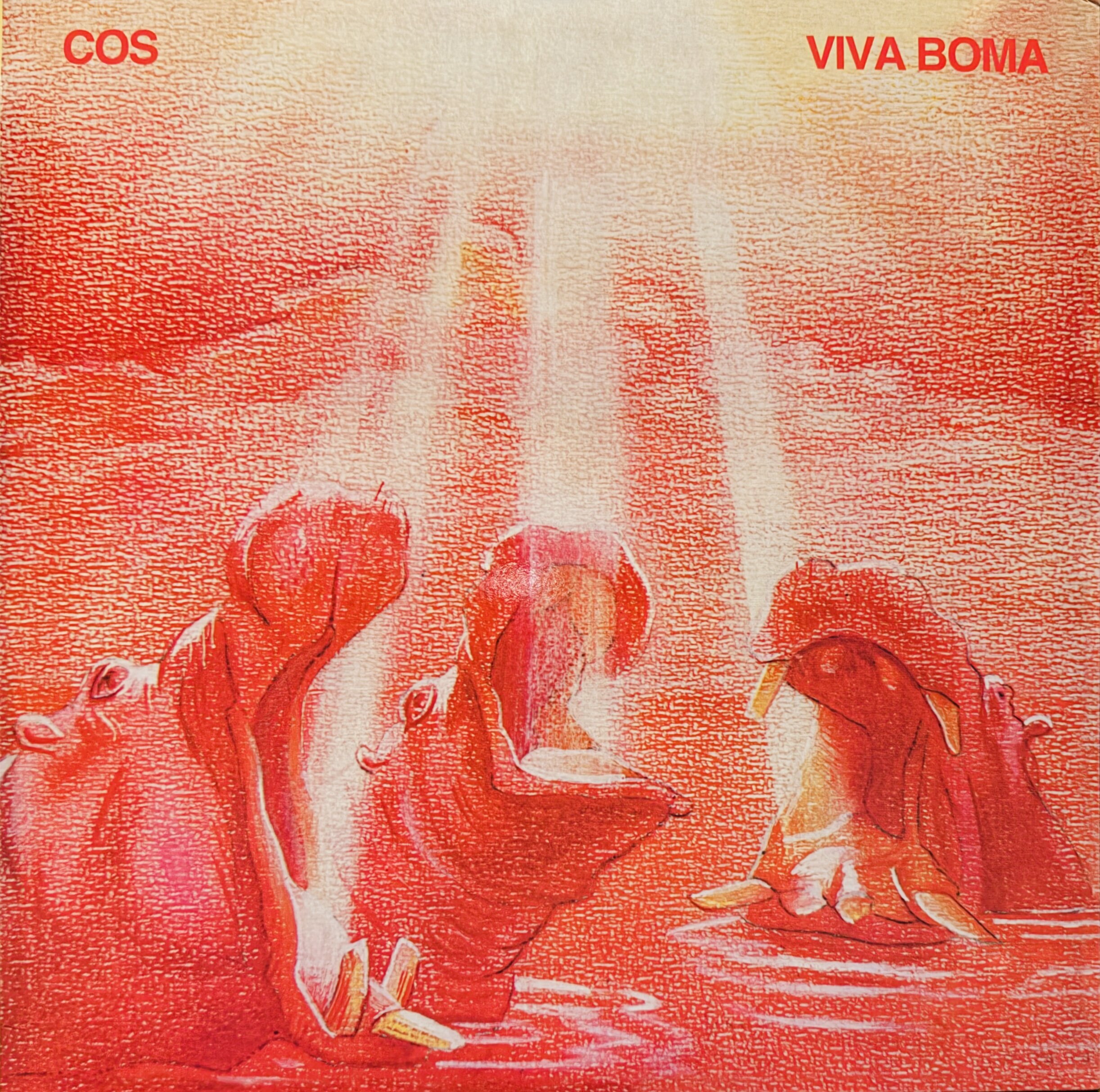
Postaeolian Train Robbery, COS's 1974 debut album, is here in a beautiful limited edition of 500 copies featuring extensive photographic material and posters, all of which are photographed below.
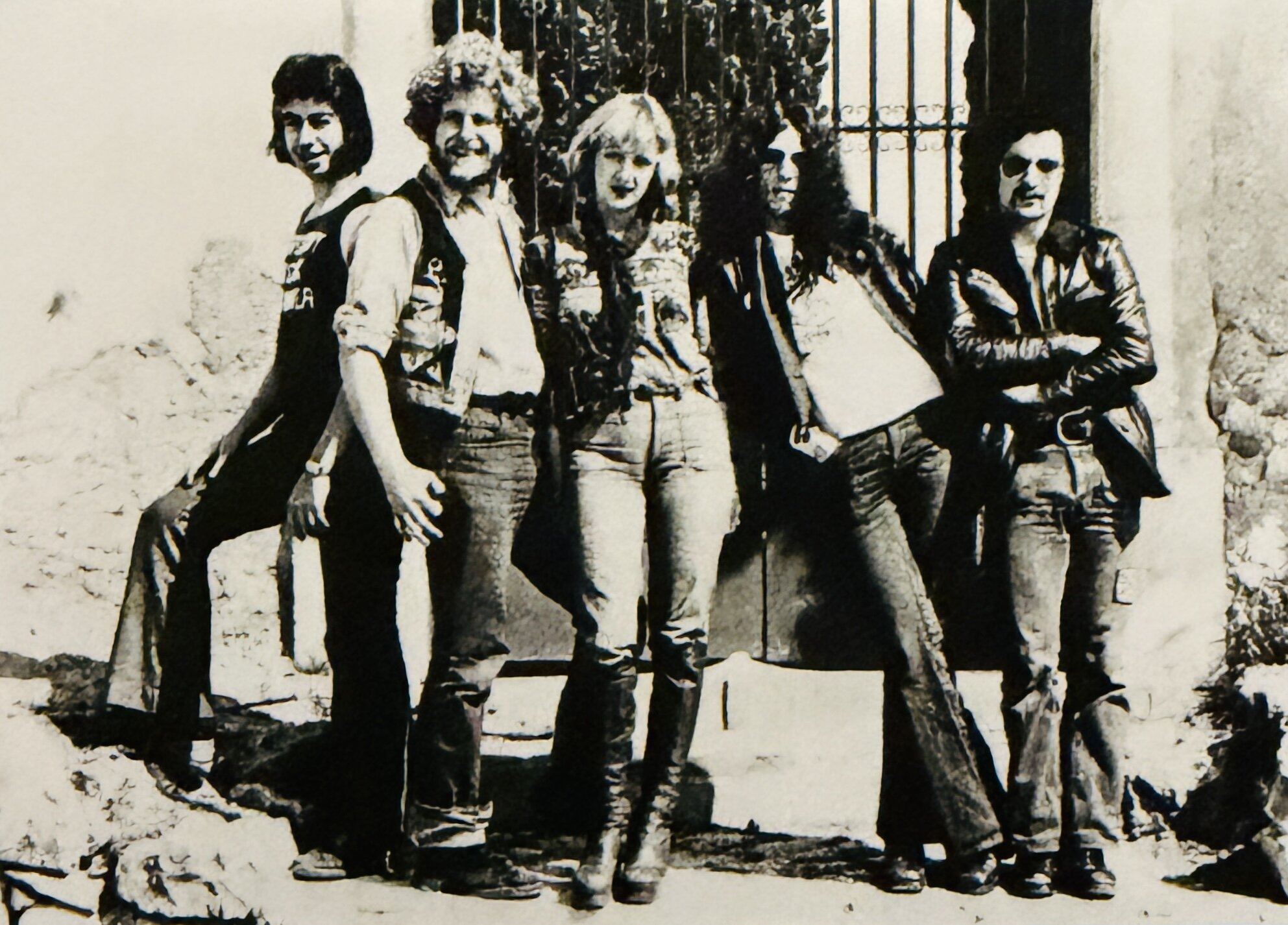
COS is a Belgian band founded in 1973 with strong jazz-rock influences and was part of a notable scene of Belgian rock bands active at the time.
This stunning debut is a progressive rock album that blends Canterbury-style jazz-rock with avant-garde elements and Zeuhl-style music, with electronic influences. It features complex arrangements that include flutes, synthesizers, large drums, and Pascale Son's distinctive vocals.
Daniel Schell's compositions are particularly creative, and his arrangements are highly complex, employing a unique use of musical modes, including the Locrian and Dorian modes, on several tracks.
For the uninitiated (like me), I researched and verified that the Locrian mode is known for its instability, due to the fact that its diminished fifth creates a tritone interval (an interval containing three tones). It's rarely used as a principal mode because it's considered disharmonious. The Dorian mode is a minor mode with a sad but not gloomy atmosphere. Its main characteristic is the major sixth degree, which makes it more "bright" and interesting than the natural minor scale.
This complex explanation, which unfortunately doesn't help me understand more than listening to the tracks themselves, tells me first of all that the compositional style and complexity arise from great knowledge and admirable application of technique, which is not trivial.
The album features a refined jazz feel thanks to the unique sound of Bob Dartsch's plexiglass drums, as well as the bass flute, synthesizers, and Mellotron. Beautiful atmospheric shifts see the album begin gently before developing into more energetic and complex sections.
Some notes on the tracks
- "Postaeolian Train Robbery" opens the album like an intro, with flute arpeggios and a jazz-fusion sound.
- "Cocalnut" is a beautiful track with a great performance by keyboardist Charles Loos and the splendid vocals of singer Pascale Son.
- "Amafam Mosyra" is a highly talented piece by drummer Robert Dartsch, who delivers an impressive performance.
- "Populi" opens beautifully with a clavinet part that gives way to the other instruments and the vocals.
- "Halucal" is unique, with its flute arpeggios that launch a jazz chord progression.
Coloc closes the album with piano and a laugh from Pascale; this is where I begin to understand the "Locrian way."
In my opinion, it's an extraordinary album, a well-rounded work of art, a true journey through unique and engaging sounds from the first listen. The compositions are rich in sophisticated melodies and elaborate arrangements, executed with great technical mastery by the musicians.
A truly great album.
Tracklist
1. Postaeolian Train Robbery (4:13)
2. Cocalnut (7:20)
3. Amafam (8:24)
4. Karbok (3:30) - only on LP
5. Populi (3:30)
6. Halucal (3:50)
7. Coloc (9:47)
Duration 40:34
LineUp
- Pascale Son - vocals, oboe (1-7)
- Daniel Schell - guitar, flute, and sound effects (1-7)
- Charles Loos - keyboards (1-7), piano (7')
- Alain Goutier - bass (1-7)
- Robert Dartsch - drums (1-7)
- Steve Leduc - percussion (1-7)
- Adrian Stoop - introductory vocals (1)
Featuring:
- Jean-Paul Musette - bass (7'-10)
- Jean-Luc Van Lommel - drums (7')
- Robert Pernet - drums (8-10)
- Jean-Pierre Destrée - vibraphone (8-10)
Note: All links to the musicians' works are in the TAGS under the article title or on the "Artists" page
.jpeg "whatsapp-image-2025-10-22-at-10.01.07-(2).jpeg")
.jpeg "whatsapp-image-2025-10-22-at-10.01.07-(6).jpeg")

.jpeg "whatsapp-image-2025-10-22-at-10.01.07-(3).jpeg")
.jpeg "whatsapp-image-2025-10-22-at-10.01.07-(4).jpeg")
.jpeg "whatsapp-image-2025-10-22-at-10.01.07-(5).jpeg")
.jpeg "whatsapp-image-2025-10-22-at-10.01.07-(7).jpeg")
.jpeg "whatsapp-image-2025-10-22-at-10.01.07-(8).jpeg")
.jpeg "whatsapp-image-2025-10-22-at-10.01.07-(9).jpeg")