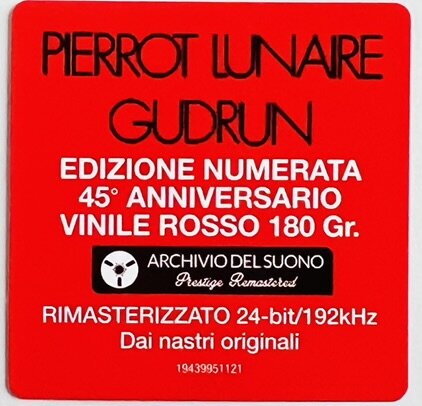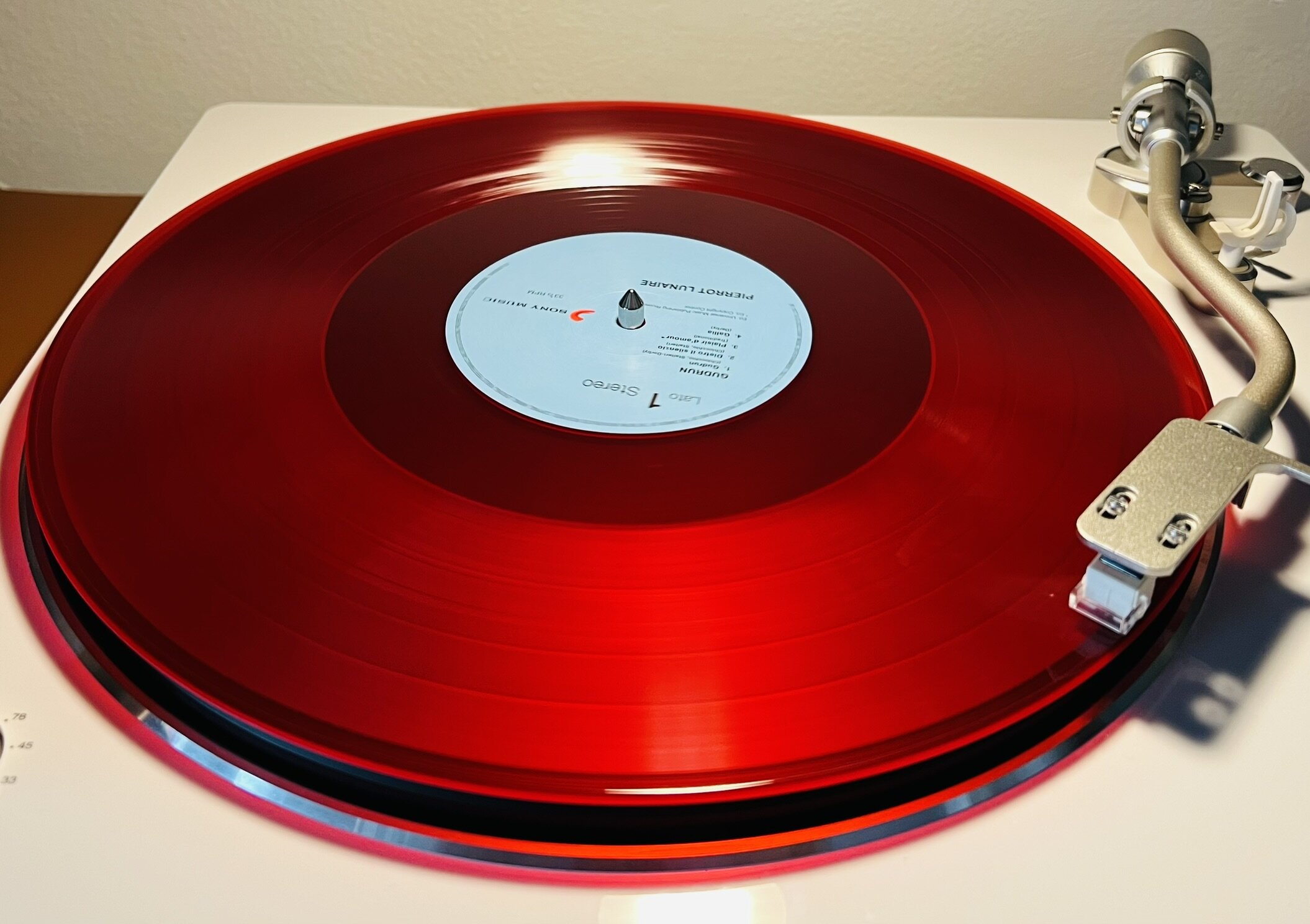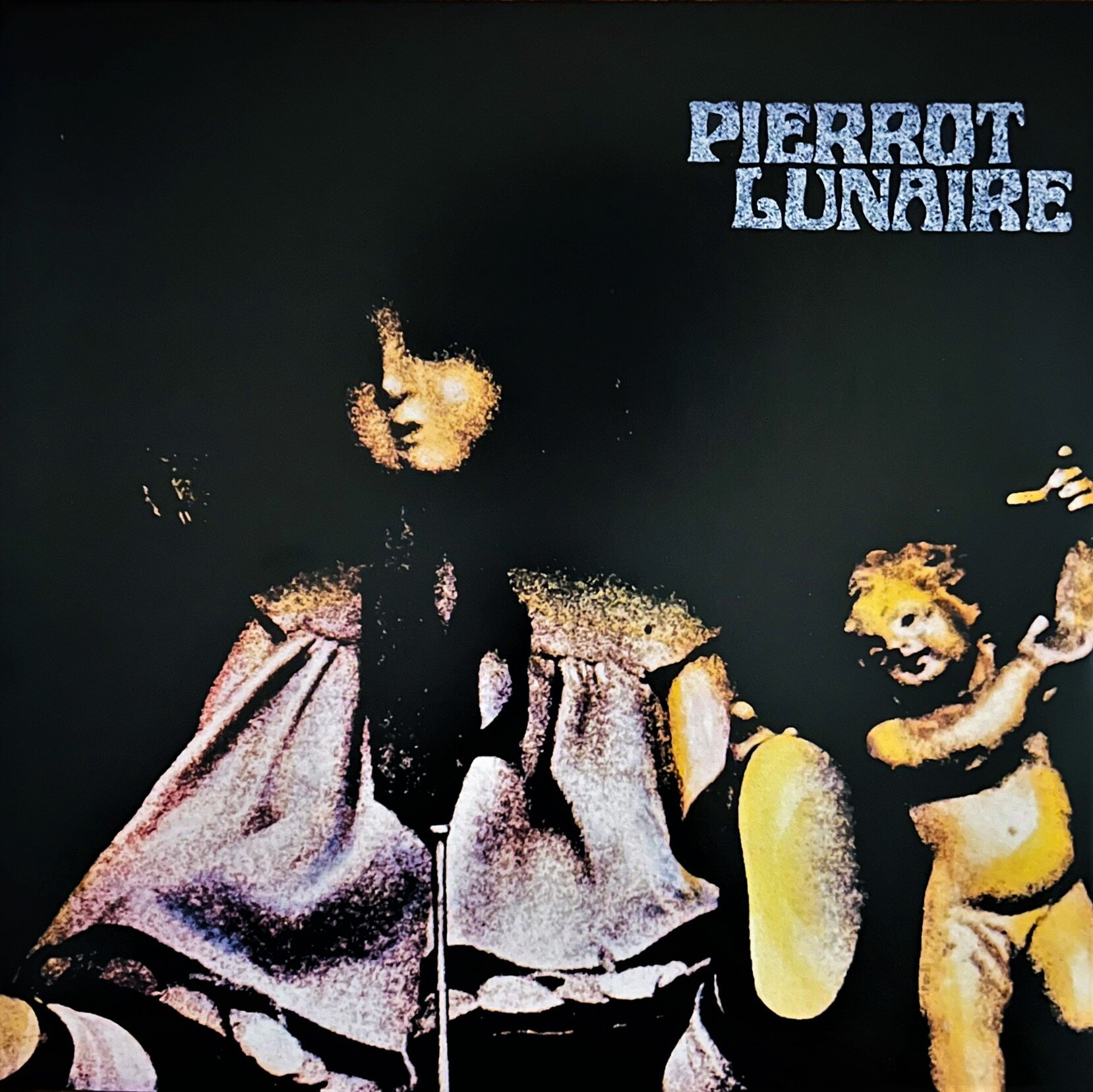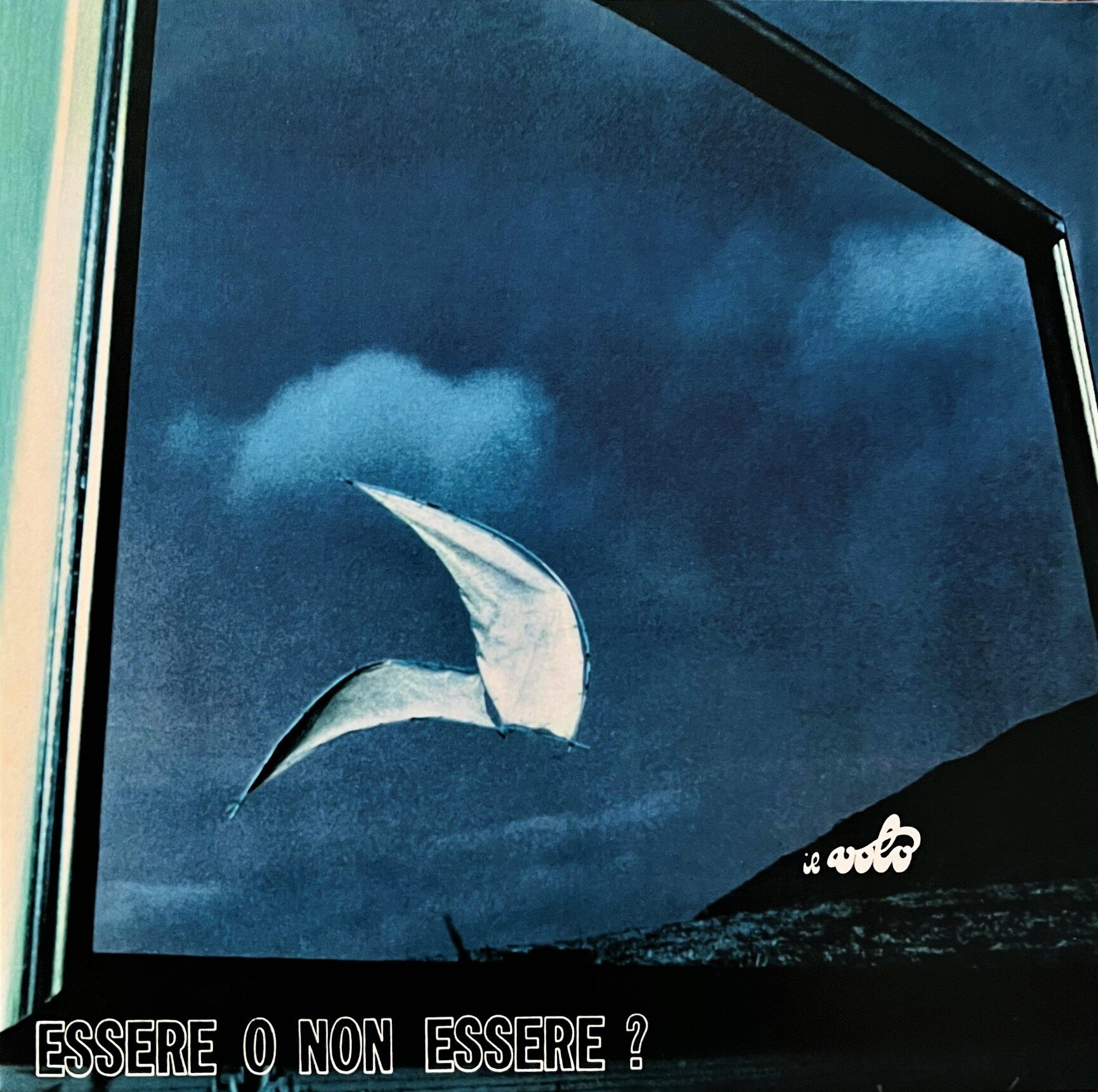

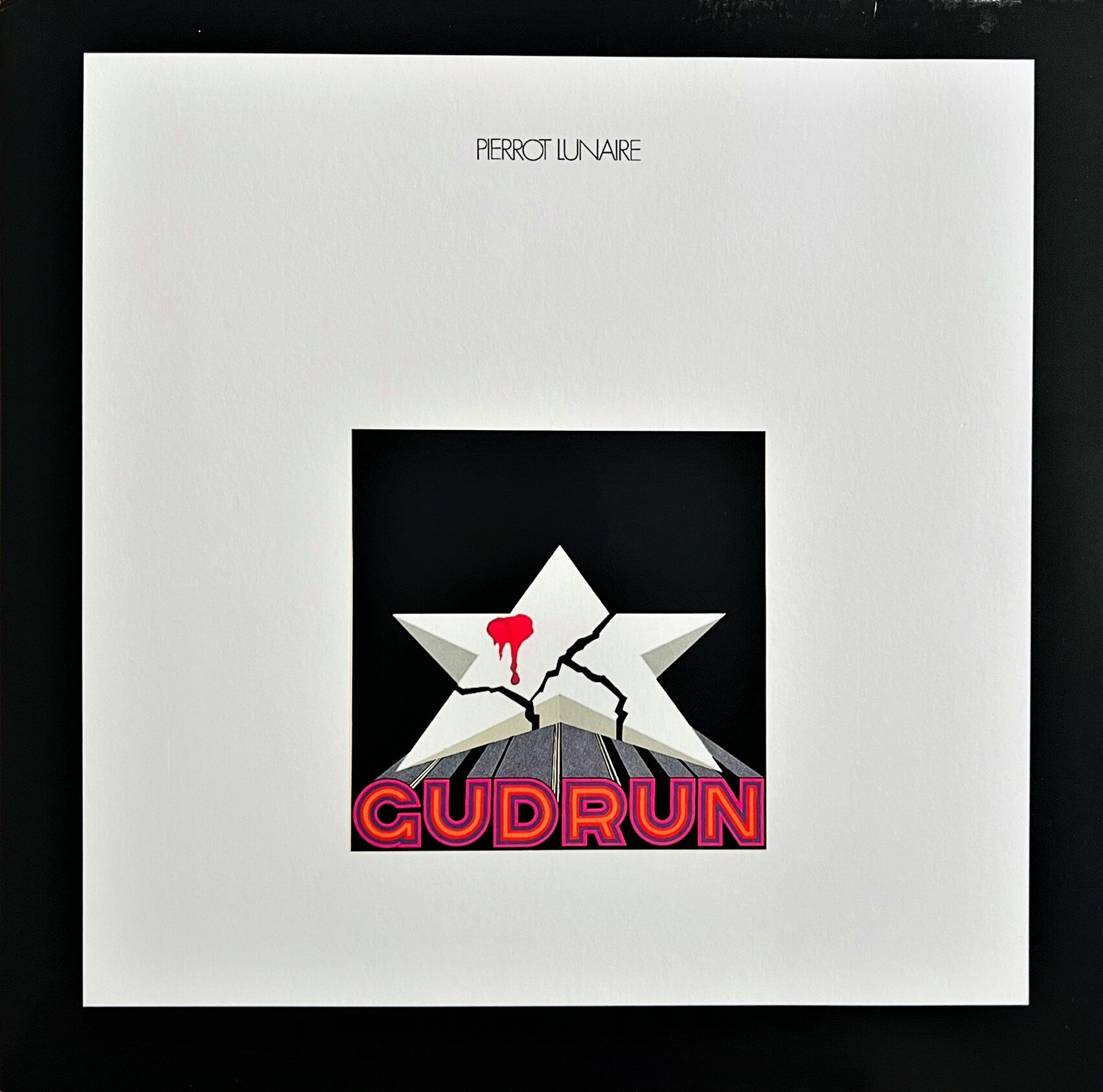
Gudrun, by Pierrot Lunaire, from 1976.
Pierrot Lunaire was an Italian progressive rock band formed in Rome in 1974 and active until 1977. Their sound was a unique fusion of progressive rock, avant-garde, and folk, with influences ranging from Italian prog to composers like Debussy and groups like Faust. The original lineup consisted of Gaio Chiocchio, Vincenzo Caporaletti, and Arturo Stalteri, all classically trained. Caporaletti left the group in 1976 and was replaced by Jacqueline Darby. The band released two albums, Pierrot Lunaire in 1974 and Gudrun in 1977, and while they were not very successful in Italy, their unique sound made them highly prized among international progressive music collectors.
The band broke up due to different creative directions, particularly guitarist Arturo Stàlteri, who left the group in 1978 to devote himself to classical music and focus on his musical career, while the other members went their separate ways. Their works are excellent albums, must-have in your collection.
Gudrun is an experimental and avant-garde progressive rock album, a sophisticated blend of classical, rock, and electronic elements, blending themes of romanticism with atonality alongside complex instrumentation such as piano, organ, and sitar.
The album beautifully combines diverse influences, including symphonic rock, classical music, medieval music, minimalism, and even ethnic music, with a wide range of instruments, including piano, organ, harpsichord, and vocals. These often contrast classical sounds with more modern or experimental electronic compositions, creating surreal atmospheres.
The vocals are typically in Italian and sung by a soprano, lending the album a theatrical feel.
A psychedelic album, made of synthesizers, orchestral moments, piano solos, childlike voices, lyrical parts, distortions and noises, and oscillator sequences, tabla solos, distorted piano... sometimes simultaneously, yet without losing any structure. These are finished pieces, not pure exercises or experiments, a very complex and far ahead of its time for 1976, when it was recorded.
It's one of the best albums of the Italian avant-progressive scene and is highly recommended to the genre's most passionate listeners.
I recommend it to you, just as it was recommended to me online. I took the advice, and (this time...) I was right.
This album is a true Progressive Rock METEOR. Visit the PROG METEOR section for more information.
Note: All links to the musicians' works are in the TAGS under the article title or on the "Artists" page.
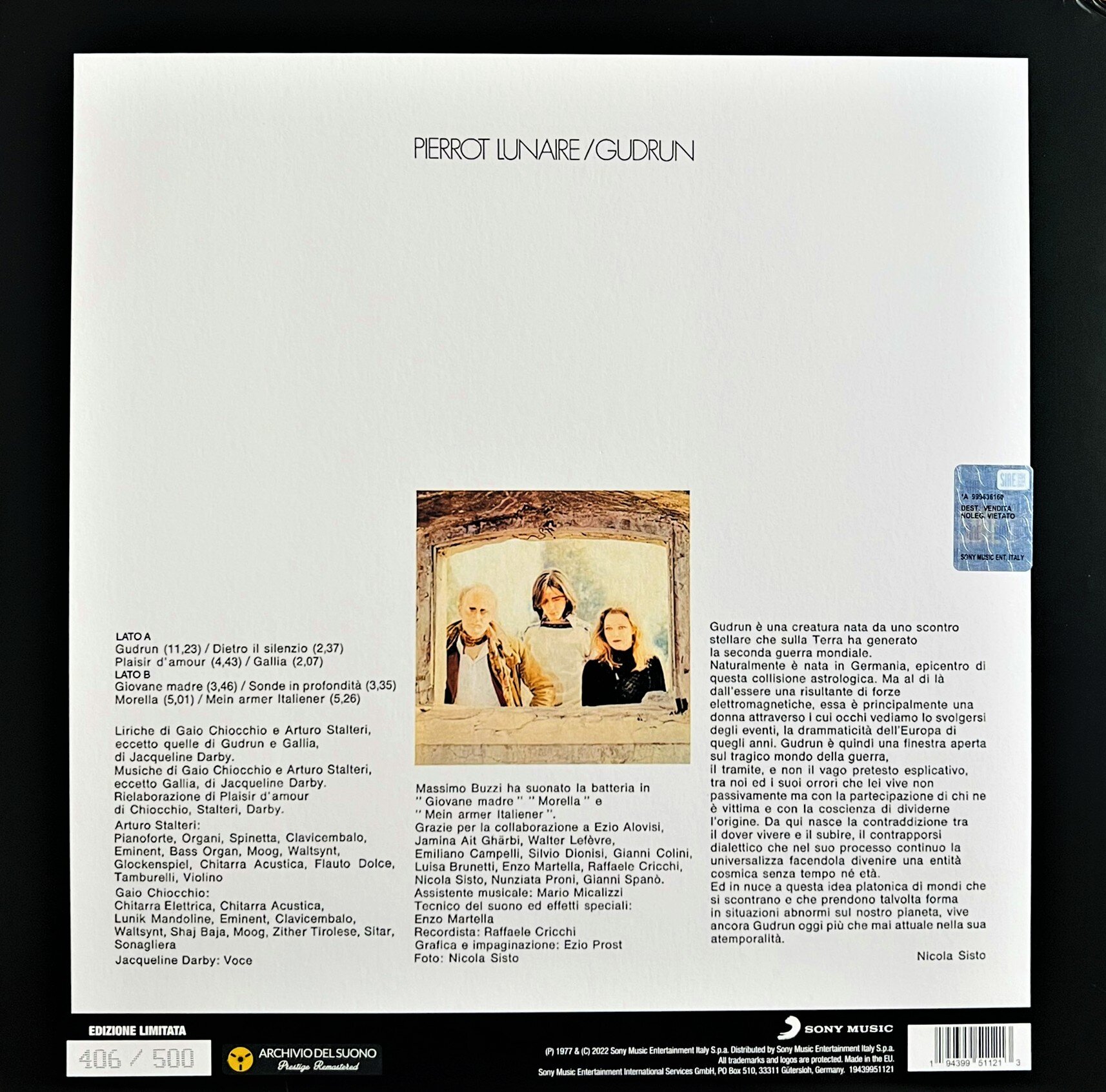
Tracklist
1. Gudrun (11:27)
2. Dietro il silenzio (2:35)
3. Plaisir d'amour (4:43)
4. Gallia (2:11)
5. Giovane madre (3:47)
6. Sonde in profondit (3:33)
7. Morella (5:01)
8. Mein Armer Italiener (5:15)
Duration 38:32
LineUp
- Arturo Stalteri - piano, organ, spinet, cembalo, synth, glockenspiel, acoustic guitar, recorder, tambourine, violin
- Gaio Chiocchio - electric & acoustic guitar, mandoline, harpsicord, synth, Shaj Baja, zither tirolese, sitar, bell
- Jacqueline Darby - voice
- Massimo Buzz - drums (5,7,8)