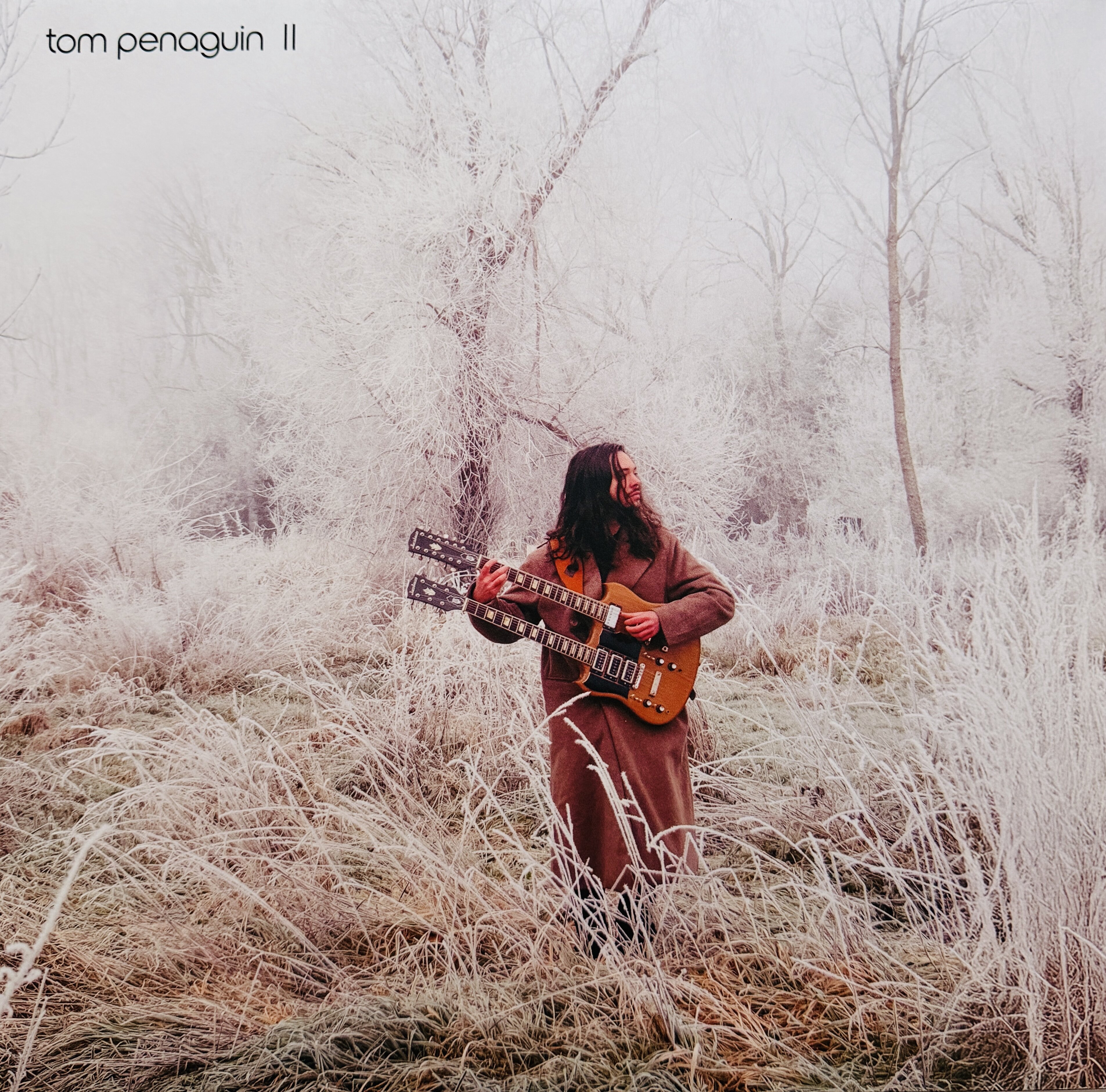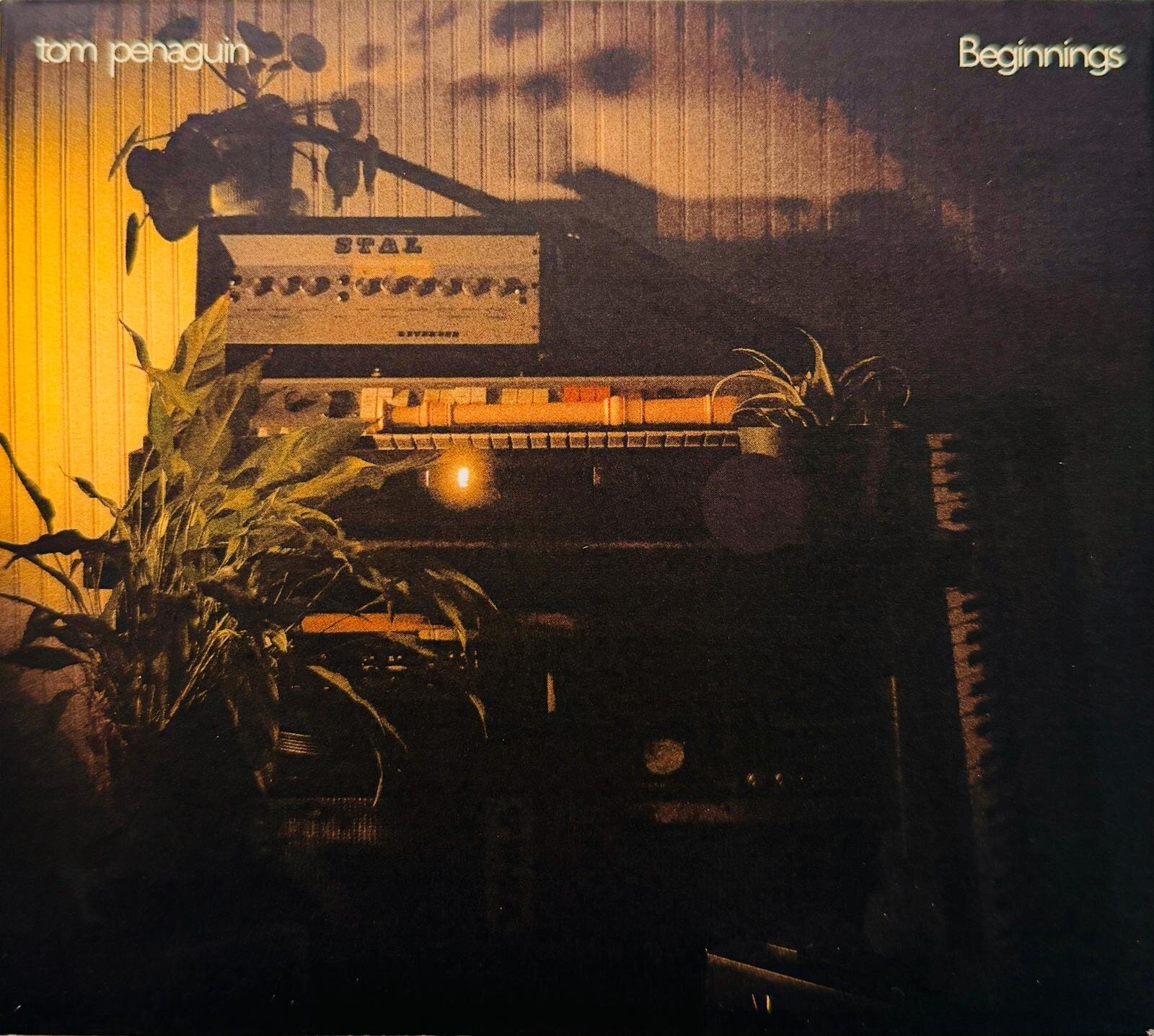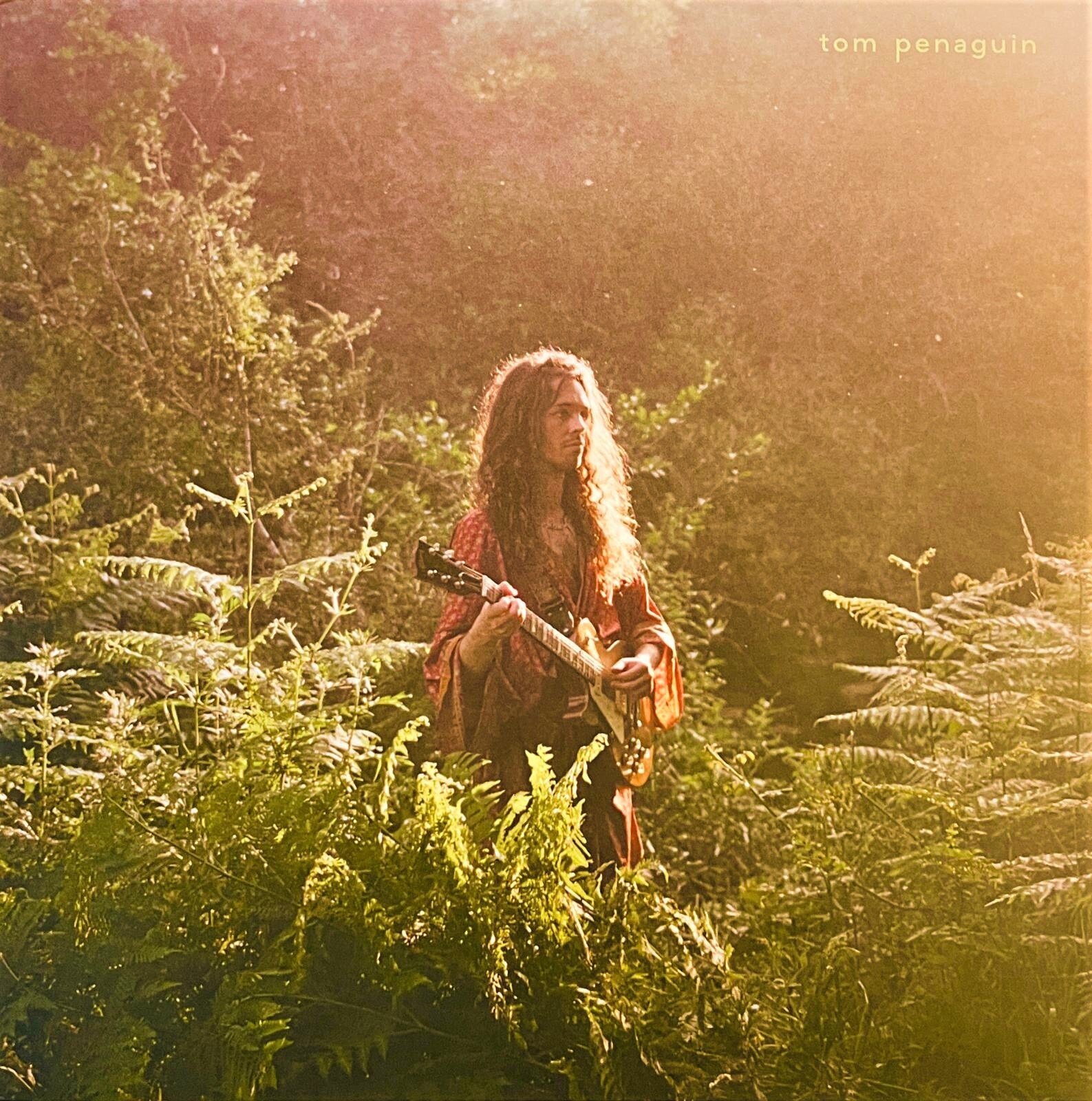
Tom Penaguin album omonimo, del 2024.
In questa recensione descrivo un percorso alla scoperta di un nuovo artista, iniziato leggendo quanto in rete disponibile del suo lavoro, anche con un certo spocchioso scetticismo, e concluso nel modo migliore, con una profonda ammirazione nei suoi confronti.
Leggo nella biografia ufficiale di questo artista quanto segue: "Tom Penaguin e' un polistrumentista e compositore francese, chitarrista dei Djiin ed ex tastierista degli Orgöne, ha iniziato a suonare la chitarra all'età di 6 anni e in seguito ha imparato a suonare la batteria, il pianoforte e l'organo a livello professionale all'età di 15 anni. Influenzato da artisti del calibro di Frank Zappa e della scena di Canterbury, Tom ha deciso di costruire uno studio di registrazione analogico nella sua casa nel 2020, dove ha registrato l'intero album utilizzando una pletora di hardware e attrezzature da studio vintage. Il risultato è un'ode magistrale a band come Egg e National Health. I brani hanno una struttura complessa, con pattern ispirati a Stravinsky e melodie gloriose, pur lasciando spazio a lunghe improvvisazioni simili alla scena fusion dei primi anni '70. L'album presenta alcuni dei suoni progressive rock più impressionanti della scena di Canterbury dagli esordi del genere negli anni '70."
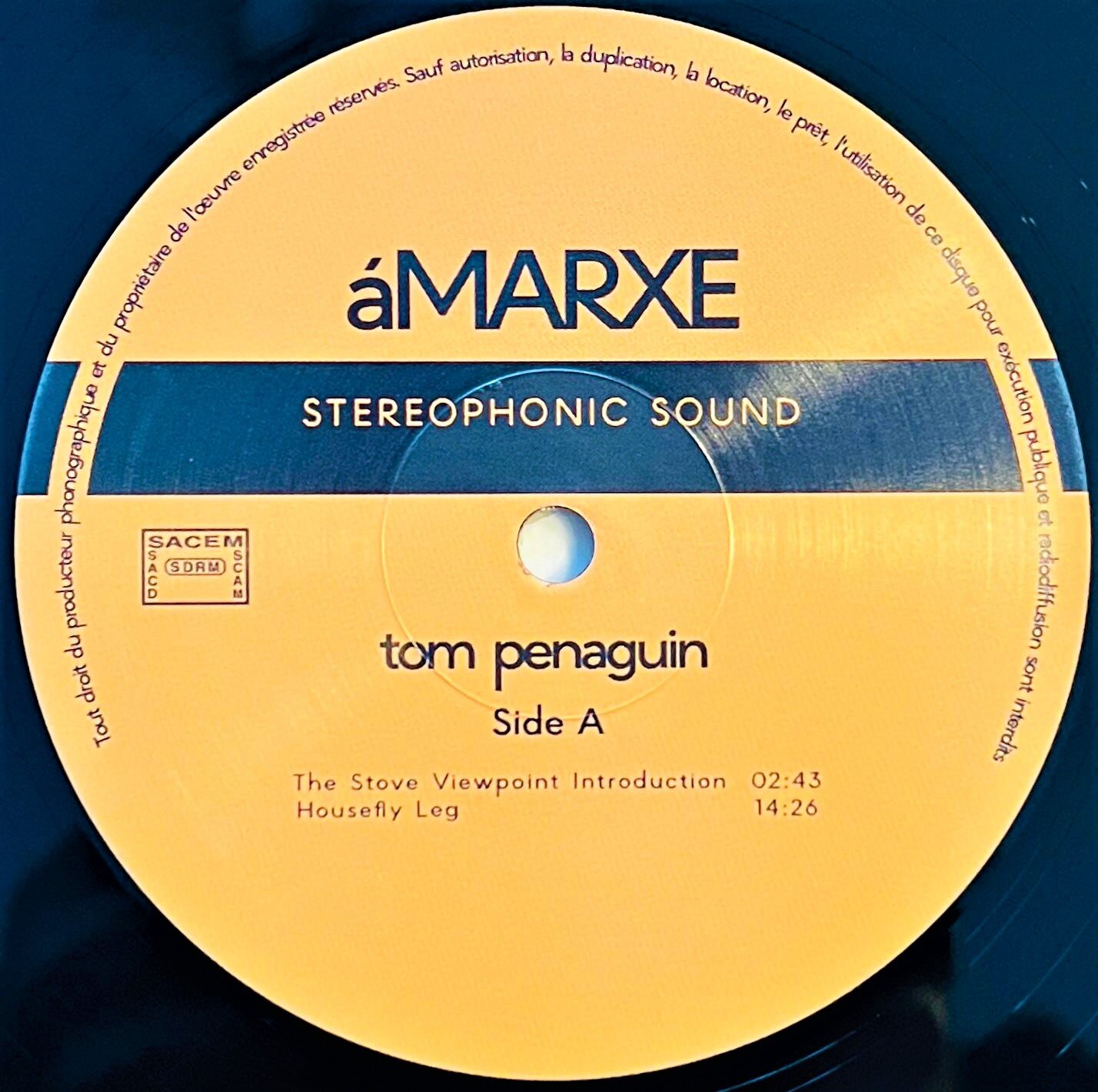
Vediamo prima l'aspetto musicale, cinque tracce per circa 38 minuti, tre di queste della durata di circa 14, 7 e 9 minuti, riporto le mie impressioni e i dettagli forniti da Tom traccia per traccia sul disco stesso.
- The Stove Viewpoint Introduction apre con suoni ambientali e atmosfere eteree che si prolungano e poi parte una bella fase strumentale con una bellissima melodia con mood jazzy interrotta solo dalla partenza del brano successivo
Questo ci dice Tom di questa traccia:
"The Stove Viewpoint Introduction nasce da un collage di nastri (Uher 4000 Report Monitor) composto da suoni che ho registrato in una casa condivisa in cui vivevo. La maggior parte dei nastri non viene riprodotta alla velocità a cui è stata registrata, quindi la maggior parte è intonata e accelerata/decelerata. Un accordo d'organo si insinua da dietro e poi passa al brano successivo.
Brillant Rodrich: bicchieri rallentati
Marie Le Pohon: risate in cucina
Ki: flauto echeggiato
Inkus: cane"
- Housefly Leg è una traccia che parte brillante e con un mood positivo e solare che lascia presto spazio ad un tema teso, elettrico e con notevoli dissonanze e intermezzi, numerosi e complessi stacchi. Bello il pianoforte elettrico in una tesa cavalcata densa di controtempi e dissonanze quasi disturbanti che viene seguito da una bellissima sezione atmosferica con grande interazione tastiera batteria molto leggera, brano entusiasmante con un delicato assolo di chitarra e una notevole parte di batteria. Questa bellissima fase si chiude con una apertura notevole del brano, il tempo rallenta e le tastiere disegnano suoni lunghi fino ad arrivare ad una nuova fase del brano più ritmata in stile caravan, movimentata e di bella melodia e con una grandissima parte di basso quando cresce e lo fa decisamente, in modo quasi epico, sopra un tappeto di tastiere che formano un substrato ipnotico prima della chiusura di nuovo brillante e solare del brano. Un lavoro enorme di composizione ed arrangiamento con un filo logico continuo e atmosfere mai scollegate tra loro intorno al tema centrale.
Questo ci dice Tom di questa traccia:
“Housefly Leg potrebbe essere il brano più vecchio di questo album, essendo stato registrato per la prima volta su un registratore a nastro Tascam MSR16 a 16 tracce nel dicembre 2020. Ho poi acquistato un Fender Rhodes MK2 nel 2022, quindi ho sostituito la traccia Hohner Pianet T con quella e ho aggiunto alcune sezioni. Questa volta ho registrato l'intero brano al computer, consentendo un mixaggio e una spaziatura più accurati dei vari strumenti, ma sia l'organo che gli assoli di chitarra sono stati mantenuti molto vicini agli originali della versione su registratore, poiché li ho trovati molto buoni fin dall'inizio. C'è un concetto musicale in questo brano che emerge durante gli assoli (e in tutta The Stove Viewpoint Introduction, ma sono stati composti e registrati come un'unica traccia): selezionando solo i drawbar da 2 2/3', 2' e 1 3/5' del mio organo Yamaha YC20, potevo suonare un intero accordo di triade usando un solo dito. Quindi, usando due dita, potevo facilmente suonare complessi accordi di 6 note e costruire una progressione di accordi senza soluzione di continuità.”
- Aborted Long Piece No. 2 apre il lato B del disco, subito eccellente con un giro inquietante di tastiere e un ritmo incalzante e sincopato di batteria. Un mood che cambia verso un complesso straordinario giro di basso che fa da base per variazioni di tastiere e batteria. Sullo stesso tema le tastiere entrano decise con una parte sincopata potente e predominante, che fa crescere il brano coralmente in una progressione che sfocia in un giro di pianoforte elettrico e poi di organo in un lento inquietante assolo che è già l’inizio del brano successivo
Questo ci dice Tom di questa traccia:
"Il brano "Aborted Long Piece n. 2" era un tentativo di comporre l'intera lunghezza del lato B con un numero minimo di strumenti e un approccio ritmico molto asimmetrico. Non ci riuscì, quindi ne restano solo tre minuti e mezzo."
- Arrival of the Great Hedgehog inizia con una atmosfera sospesa e intensa, con un grande lavoro ai synth prima che il brano si sposti verso una fase ritmata e animata da un basso gustoso e virtuoso. Il brano cresce di intensità con chitarre e tastiere che eseguono lo stesso giro all’unisono con leggere dissonanze verso successivi cambi di tempo e stacchi, sincopati e controtempi. Nuove fasi sognanti eteree si avvicendano, incursioni chitarristiche dal mood psichedelico ma sempre con la stessa sonorità acuta e quasi dissonante, per un assolo prolungato che continua la crescita in intensità del brano in un tripudio di virtuosismi alla batteria. Struttura del brano che si mantiene fino al brano successivo.
Questo ci dice Tom di questa traccia:
"Arrival of the Great Hedgehog è un gioco di composizione dinamica. Inizia in modo molto dolce e finisce in modo piuttosto duro, dopo un lunghissimo assolo di chitarra su una progressione di accordi in continua evoluzione."
- The Stove Packed Up and Left apre con al centro il dialogo fra tastiere, batteria e basso, una sorta di assolo a tre con una splendida sequenza di cambi di tempo e sovrapposizioni che lasciano a tratti spazio a complessi intermezzi soft prima di ripartire in fasi più accese e tese, intermezzi di pianoforte elettrico, fasi brillanti di chitarra con spazio alla melodia senza rinunciare alla complessità o a fasi nuovamente lente ed interlocutorie, a tratti citando il rock sinfonico degli anni 70 di genesiana natura, ma solo brevemente, magnifica citazione in cui suoni lunghi e melodici di tastiera fanno da substrato a gorgheggi di chitarra o piano. Il brano chiude e sfuma sui suoni della natura che hanno aperto questo magnifico disco.
Questo ci dice Tom di questa traccia:
"The Stove Packed up and Left" include un tema composto nel 2018. Ho provato diverse volte ad aggiungere temi e sezioni composti in precedenza a questo album, ma ogni volta non si adattavano bene, tranne questo. Finisce poi su un altro collage di nastri (Uher 4200 Report Monitor) composto da registrazioni di uccelli nel mio giardino (alcune delle quali accelerate)."
Inizialmente scettico considerando la grandezza dei riferimenti citati nella biografia ufficiale, dopo l'ascolto sono strafelice di confermare tutto.
Molto importante l'indicazione fornita da Tom che "In questo disco non sono stati utilizzati strumenti virtuali" con allegata la lista della strumentazione utilizzata, ad ulteriore valorizzazione del risultato finale e del grandissimo lavoro di produzione delle tracce stesse, come grandissima e' l'esecuzione, magistrale, di Tom in tutti gli strumenti.
Tom ha arricchito la copertina dell'album con numerose informazioni che riporto qui per completezza e perché ci danno maggiori dettagli e la vista dell'artista su questo lavoro e il suo significato.
Tom ci ricorda inoltre che ...
“Ho cercato di realizzare questo album da quando avevo 17 anni, ma non avevo mai avuto le conoscenze, gli strumenti o l'attrezzatura per farlo come si deve fino ad allora. Ci ho messo 10 anni, ma so che non ci sono compromessi e ora è a un livello musicale che mi soddisfa. Questo album è molto importante per me e spero che possa contribuire a impreziosire i momenti importanti della vostra vita.”
Bellissima la lista dei ringraziamenti che include quelli alla casa discografica, a Ryan degli Zopp, alle espressioni facciali di Maureen Piercy e soprattutto ai suoi genitori, le riporto integralmente.
"Vorrei ringraziare Rafa degli àMarxe per il suo aiuto, la sua onestà e per l'opportunità che mi sta dando con questo album.
Vorrei ringraziare i miei genitori per avermi concesso il tempo e la pazienza di formarmi per realizzare dischi come questo.
Vorrei ringraziare Ryan (Zopp) per avermi aiutato a ottenere un contratto e per tutti gli ottimi consigli che mi ha dato in termini di promozione. Senza di lui, non avreste un disco tra le mani!
Vorrei ringraziare Maureen Piercy per l'incredibile artwork e per avermi aiutato a finire questo album (ho spesso usato le sue espressioni facciali per valutare se una parte di una canzone fosse abbastanza buona)."
L'artwork riporta una foto di Tom immerso in una rigogliosa foresta, sue foto al lavoro nel suo studio "analogico" e un lungo testo che tratta delle tracce, strumentazione e i suddetti ringraziamenti.
Belle anche le stampe numerate e firmate allegate al disco, che riportano, la prima (credo) un momento di riparazione di un pianoforte, si vede uno schema elettrico disegnato su un foglio e viti sparse sulla tastiera e la seconda una simpatica tartaruga che guarda un microfono.
Le mie conclusioni potrebbero essere in realta' sintetizzate in una singola parola: Passione
La sua passione per il genere della scena di Canterbury, uno stile che ha appassionato Tom come molti di noi ma con una grande differenza: Tom con il supporto del contesto familiare, con la grande caparbieta' nello studio, nella preparazione di uno studio di registrazione adeguato e con gli strumenti adatti, curando ogni dettaglio, in un processo formativo e auto-formativo e di preparazione durato dieci anni, nato anche da un innato perfezionismo che si evince dalla insoddisfazione che lo ha portato ad una ricerca del sound "senza compromessi" che voleva, e' riuscito a concretizzare il suo sogno di realizzare questo album. Sono sinceramente ammirato dalla passione che ha spinto questo giovane musicista ad affrontare questo percorso ed aver ottenuto un successo di critica che lo premia.
Questo disco non e' solo un capolavoro dal punto di vista musicale, ma anche dal punto di vista umano. Un disco che considero Essenziale.
Nota: Tutti i link ai lavori dei musicisti sono nei TAG sotto il titolo dell'articolo o nella pagina "Artisti"
Tracklist
1. The Stove Viewpoint Introduction (2:44)
2. Housefly Leg (14:25)
3. Aborted Long Piece No. 2 (3:35)
4. Arrival of the Great Hedgehog (9:16)
5. The Stove Packed Up and Left (7:29)
Durata 37:29
LineUp
- Tom Penaguin - pianoforte elettrico, sintetizzatore, sintetizzatore d'archi, basso, batteria, chitarra elettrica, nastri
Con:
- Brillant Rodrich - bicchieri rallentati
- Marie Le Pohon - risate
- Ki - flauto echeggiato
- Inkus - suoni di cane
Altre Informazioni
Composto, suonato, registrato e mixato da Tom Penaguin
Masterizzato da Peter Deimel presso The Black Box Studio
Illustrazione di Maureen Piercy
Strumenti utilizzati:
Fender Rhodes MK2
Cembalet II
Yamaha YC20
Hohner Pianet T
Hohner String Melody
Moog Matriarch
Basso Squier Precision
Batteria Yamaha Rydeen
Goya Rangemaster nelle tracce 1 e 2
Gibson SG nella traccia 4
Gibson Les Paul Goldtop nella traccia 5
Questo album è stato registrato al computer tra ottobre 2022 e giugno 2023, mixato su una TAC Scorpion con outboard analogico e mixato su un registratore a nastro MCI JH110 rev B 1/2" a 2 tracce.
Nessuno strumento virtuale è stato utilizzato in questo disco
.jpeg "whatsapp-image-2025-10-22-at-12.55.59-(1).jpeg")
.jpeg "whatsapp-image-2025-10-22-at-12.55.59-(2).jpeg")
.jpeg "whatsapp-image-2025-10-22-at-12.56.00-(1).jpeg")