The Silent Corner and the Empty Stage di Peter Hammill, album del 1974.
Di Peter Hammill ho già lungamente parlato nelle recensioni dei dischi dei Van der Graaf Generator di cui è stato fondatore, nella scheda a loro dedicata "Lo stile unico dei Van der Graaf Generator: il Prog Rock fra oscurità' e filosofia" e nella scheda che racconta il suo bellissimo album “Chameleon in the Shadow of the Night e la grande inquietudine di Peter Hammill” che narra la sofferenza del distacco dalla sua Band.
Si tratta di un musicista, cantautore e produttore inglese, con una carriera, lunga oltre cinque decenni.
Nato a Londra, il 5 novembre 1948, diede vita ai Van der Graaf Generator nel 1967 mentre frequentava l'Università di Manchester, e diede subito il suo imprinting, musica intensa e complessa e il suo stile vocale drammatico, testi introspettivi che esploravano temi di esistenza, amore e fede.
Con lui la band compose album immensi, capolavori del progressive rock, tra cui Pawn Hearts e Godbluff, prima del primo scioglimento nel 1978.
La sua carriera da solista si è sviluppata parallelamente alle attività della band a partire dal 1971, questo è il suo terzo album, un capolavoro essenziale del progressive rock, opera gigantesca, registrata durante una pausa dei Van der Graaf Generator, un disco fondamentale nella carriera di Hammil.
L'album concettualmente che ruota attorno ai temi dell'identità, dell'isolamento e della ricerca interiore, mettendo a confronto l’uomo sul palco e la sua solitudine Interiore, come indicato dal titolo “L'angolo silenzioso e il palco vuoto".
“The Silent Corner” sta a rappresentare lo spazio privato, la psiche, il luogo dell'introspezione e della verità personale dove Hammill è veramente sé stesso, lontano dalle maschere imposte dalla società o dal mondo dello spettacolo.
“The Empty Stage” per rappresentare la vita pubblica, il palcoscenico dell'esistenza umana, le performances dell’artista e la ribalta da cui l'artista è temporaneamente assente, il senso di assenza, di inutilità alla fine di uno spettacolo.
Una profonda riflessione sulla vita del musicista, che deve costantemente negoziare tra l'espressione artistica autentica (l'angolo silenzioso) e la pressione del successo e del pubblico (il palco).
Peter Hammill si occupò della maggior parte della produzione e degli arrangiamenti, accreditandosi con lo pseudonimo "Ego" sulle note di copertina. Partecipano all’album tutti gli ex membri dei Van der Graaf Generator, Hugh Banton all'organo e al basso, David Jackson ai sassofoni e al flauto, Guy Evans alla batteria e percussioni oltre a Randy California (degli Spirit) alla chitarra solista nel brano "Red Shift".
Domina il disco la voce di Hammill, teatrale, viscerale, che spazia da sussurri a grida disperate e potenti. Ci sono brani basati su pianoforte o chitarra acustica in stile folk, introspettivi e lunghe tracce articolate e complesse, con cambi di tempo improvvisi, l'organo Hammond imponente di Hugh Banton e i sassofoni distorti di David Jackson. Grande l’uso di effetti sonori tramite oscillatori e mellotron che creano atmosfere claustrofobiche e di tensione, ma c’è anche spazio per lo space rock e hard rock psichedelico nella traccia Red Shift, grazie alla chitarra elettrica distorta di Randy California.
Non manca il virtuosismo ma non è mai affine a sé stesso, sempre al servizio dei testi e della struttura dei brani.
Musicalmente l’album è strutturato come un viaggio psicologico che alterna ballate dai toni oscuri a suite paranoiche:
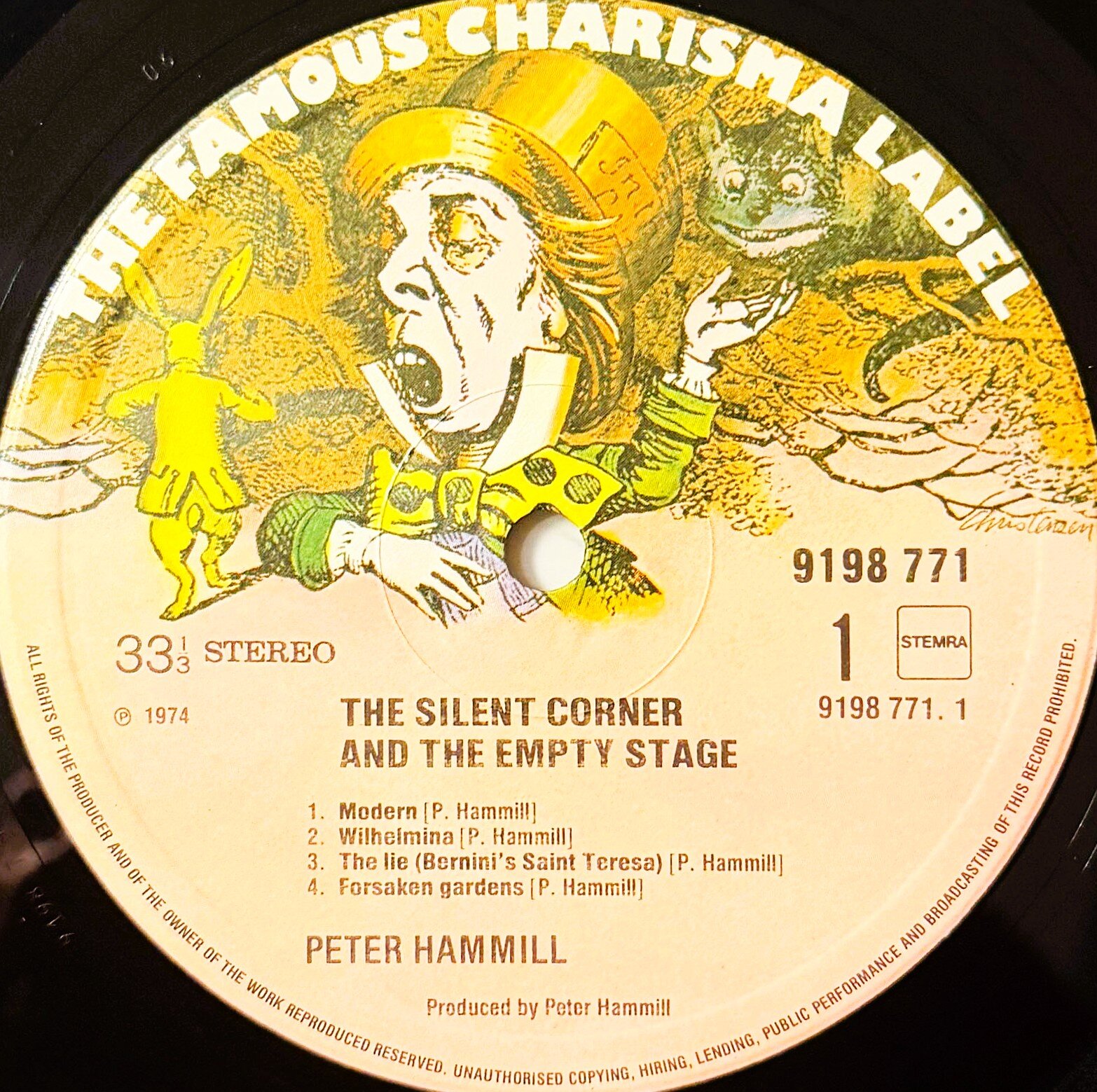
- Modern apre l'album con un’atmosfera tesa, con chitarra acustica ritmica con mood drammatico e con il sassofono di David Jackson che dialoga con contrasti stridenti.
- Wilhelmina è una ballata con una preponderanza del pianoforte, dedicata alla figlia appena nata del batterista Guy Evans.
- The Lie (Bernini's Saint Theresa) è uno dei brani più potenti dell’album dal punto di vista emotivo in cui Hammill utilizza un riverbero "cattedralizio" che dona al brano un'atmosfera sacra e allo stesso tempo blasfema. La traccia è ispirata alla scultura di Bernini. Interpretazione vocale intensa e teatrale spettacolare.
- Forsaken Gardens è un brano tipicamente progressive con un ritmo sostenuto con la band al completo e un eccellente lavoro di Hugh Banton all'organo, maestoso.
- Red Shift è un lungo brano sperimentale, di sapore space rock, con la chitarra solista distorta di Randy California.
- Rubicon è una ballata acustica breve, calmo con uno splendido arrangiamento di flauto e chitarra. Suggestivo.
- A Louse Is Not a Home è uno dei capolavori assoluti di Hammill, una lunga suite finale che rappresenta in musica paranoia e crisi d'identità, cambiando continuamente tempo e atmosfera, passando da sezioni pianistiche malinconiche a sezioni rock caotiche con grandi fiati. Brano Catartico.
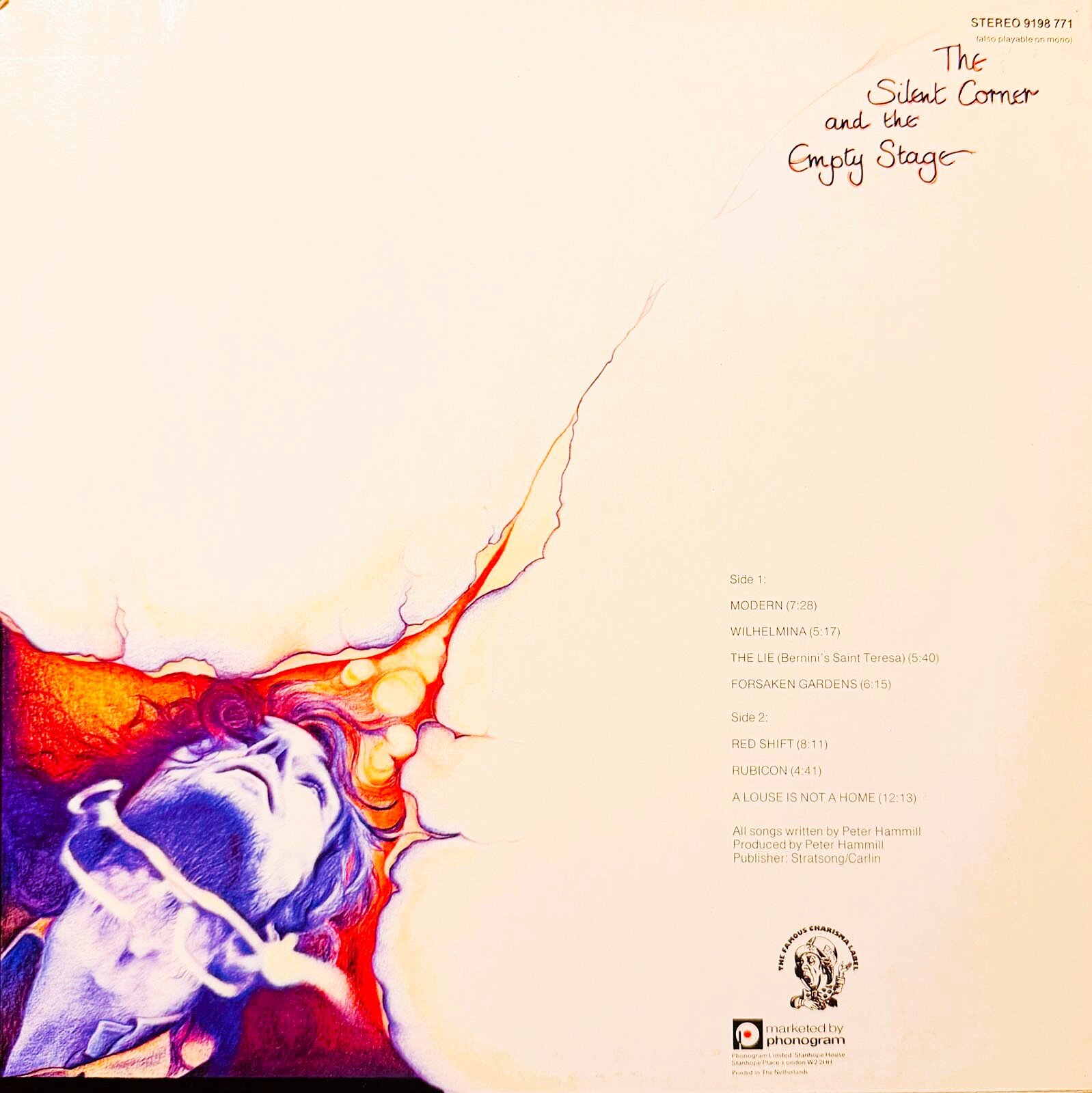
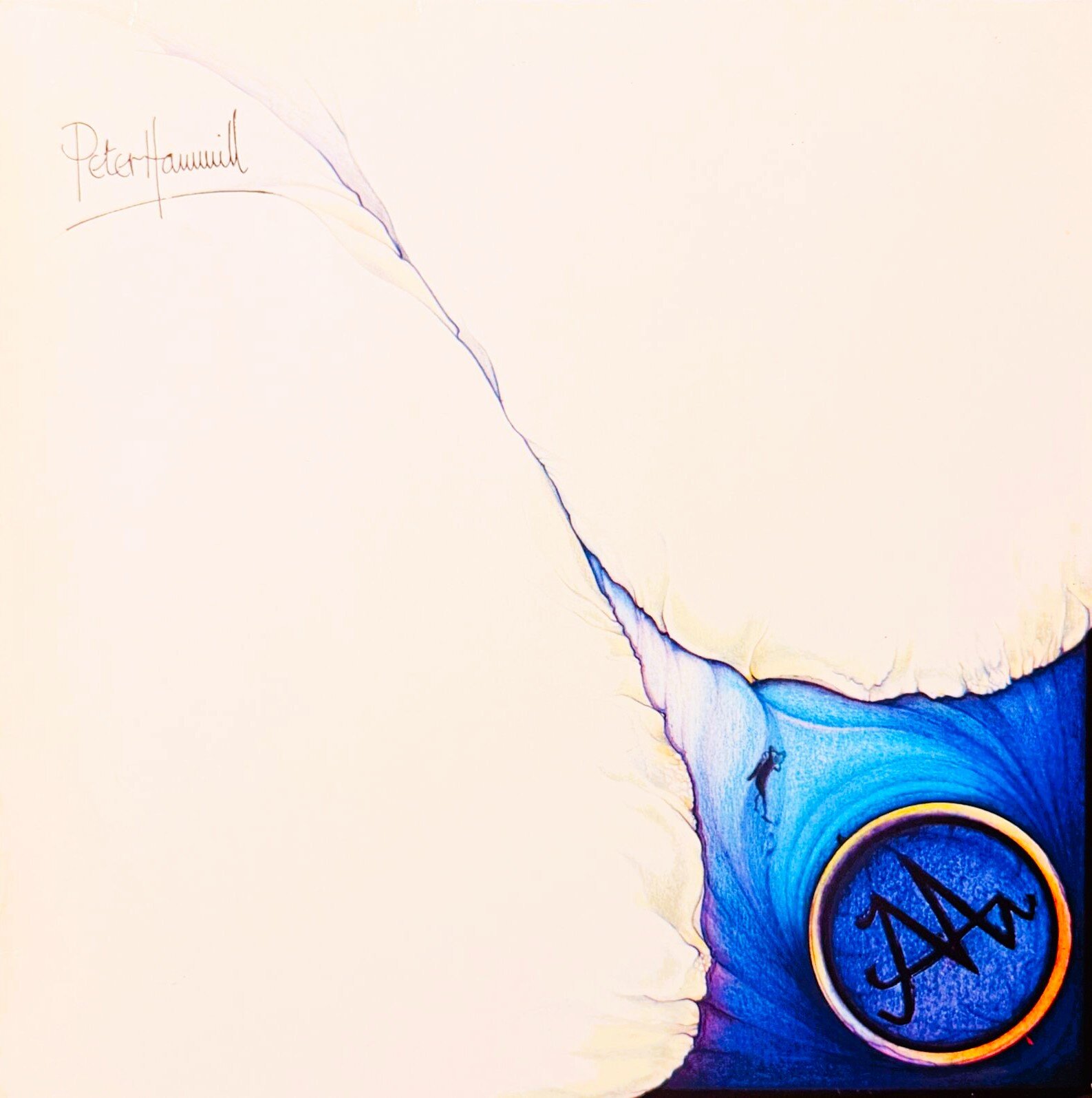
L'artwork è stato curato da Bettina Hohls, ex membro degli Ash Ra Tempel, che aveva già collaborato all'album precedente di Hammill, Chameleon in the Shadow of the Night.
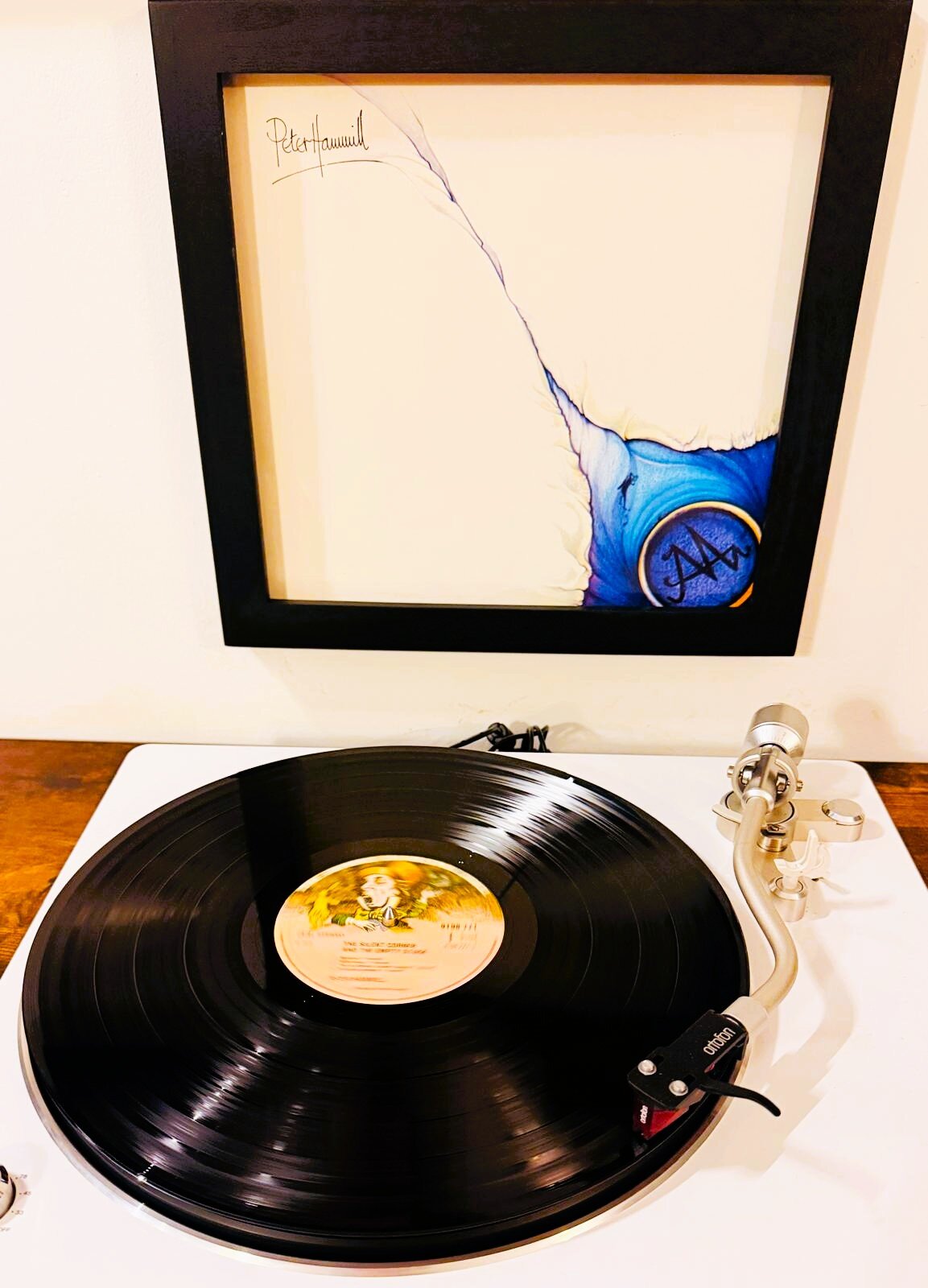
Il fronte della copertina è dominato da un ampio sfondo bianco che simboleggia il "vuoto" e l'assenza citati nel titolo e nell'angolo in basso a destra è presente il sigillo personale di Hammill
Sul retro, lo stesso angolo presenta un ritratto realistico di Hammill che guarda verso l'alto.
The Silent Corner and the Empty Stage è una delle pietre miliari non solo del rock progressivo, ma del cantautorato sperimentale moderno, che ha spostato i confini del progressive rock da mondi fantastici o virtuosismi tecnici all’esplorazione dell'abisso della psiche umana, a quello che alcuni definiscono il “Prog Psicologico”, in un disco "introspettivo-estremista”.
L'album è anche la testimonianza definitiva di come i membri dei Van der Graaf Generator fossero un unico organismo anche al di fuori del nome ufficiale della band. La suite A Louse Is Not a Home è ancora oggi analizzata nei conservatori e nelle scuole di musica moderna come un esempio perfetto di struttura narrativa applicata al rock.
Capolavoro assoluto. Essenziale.
Nota: Tutti i link ai lavori dei musicisti sono nei TAG sotto il titolo dell'articolo o nella pagina "Artisti"
Tracklist
1. Modern (7:28)
2. Wilhelmina (5:17)
3. The Lie (Bernini's Saint Theresa) (5:40)
4. Forsaken Gardens (6:15)
5. Red Shift (8:11)
6. Rubicon (4:11)
7. A Louse Is Not A Home (12:13)
Durata 49:45
LineUp
- Peter Hammill - voce, chitarra acustica ed elettrica, basso (1, 2, 6), pianoforti, Mellotron, oscillatore, armonium, co-produttore
Con:
- Randy California - chitarra solista (5)
- Hugh Banton - organo, basso e pedali per basso (3, 4, 7), cori (4)
- David Jackson - sassofono contralto, tenore e soprano, flauto
- Guy Evans - percussioni, batteria