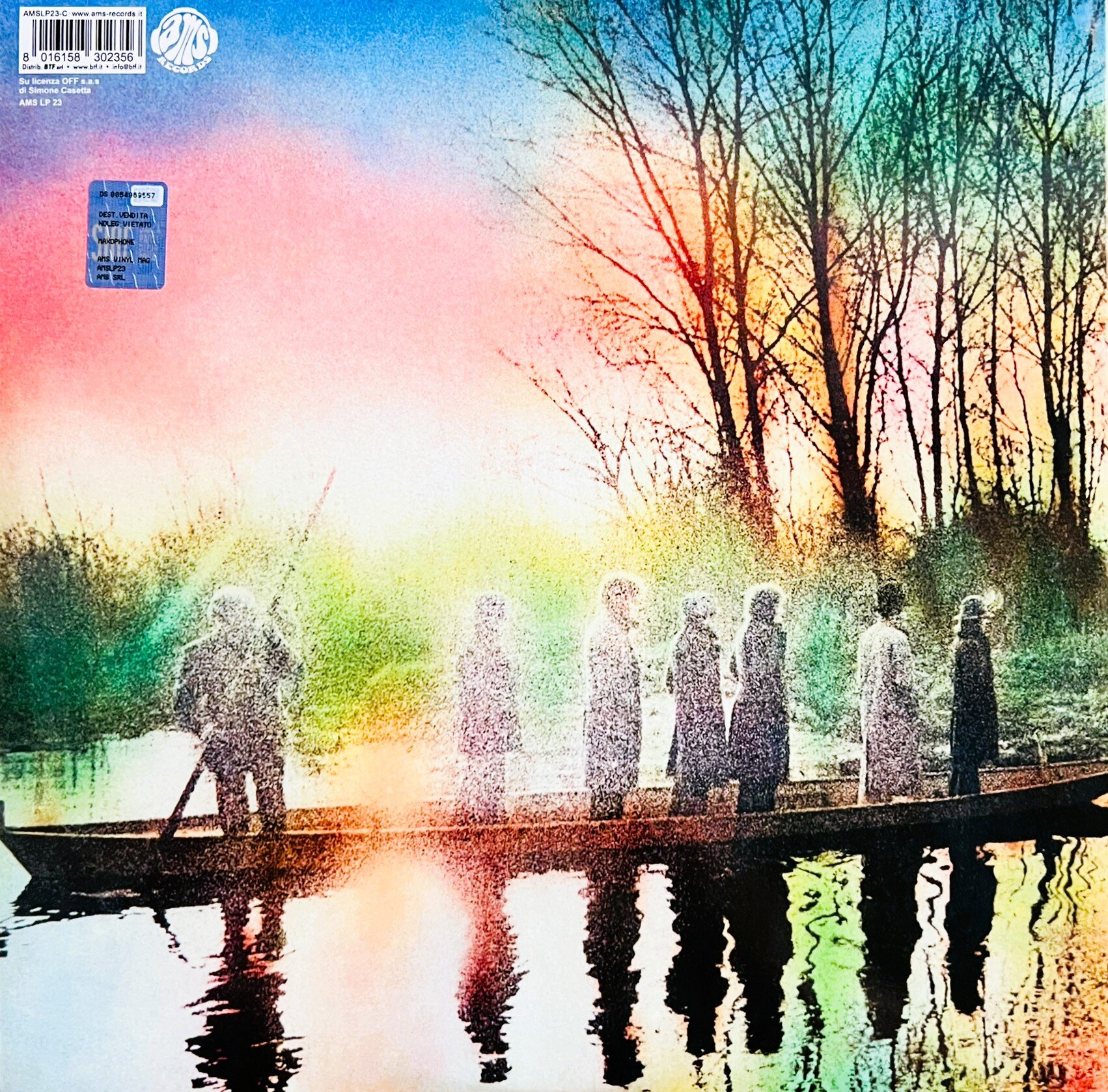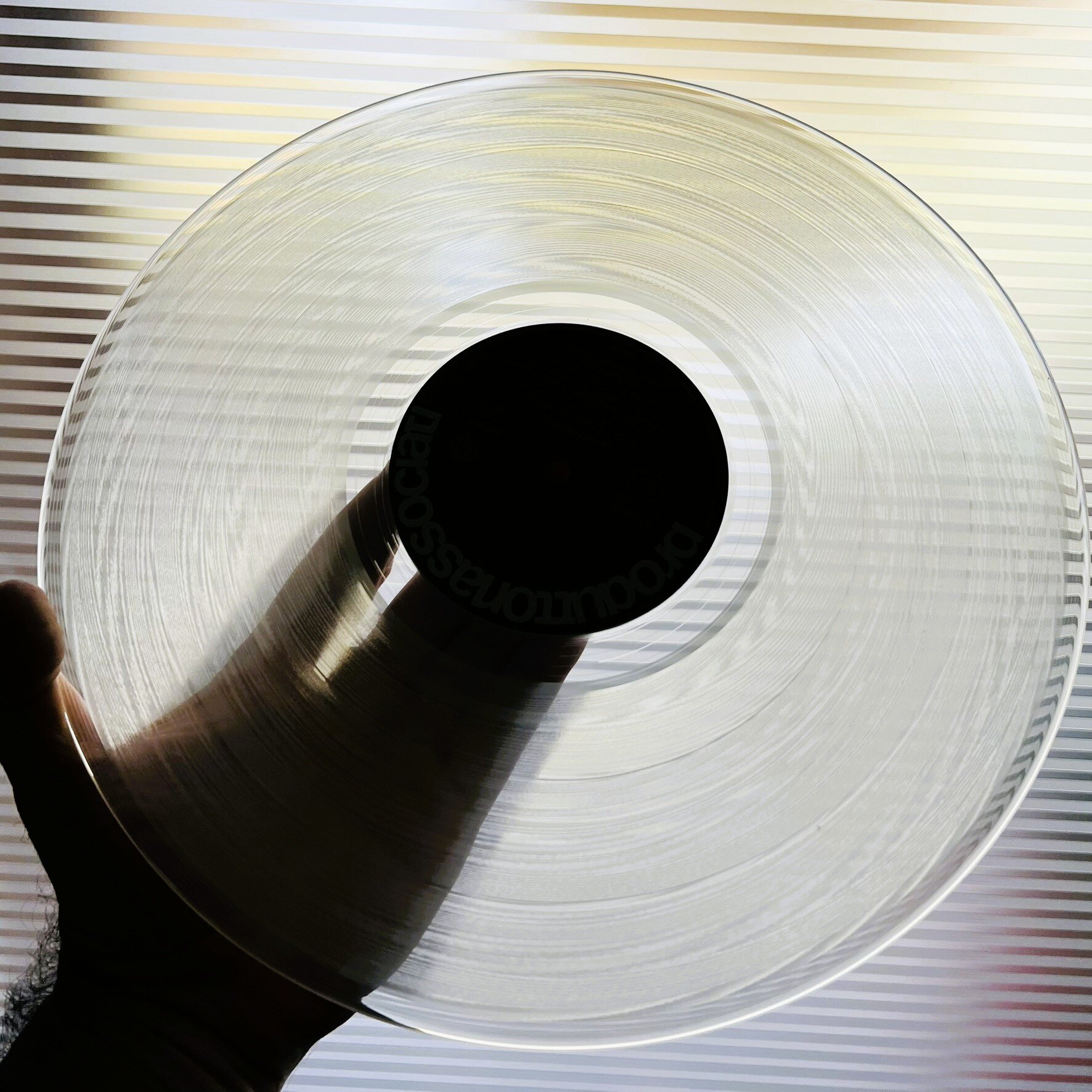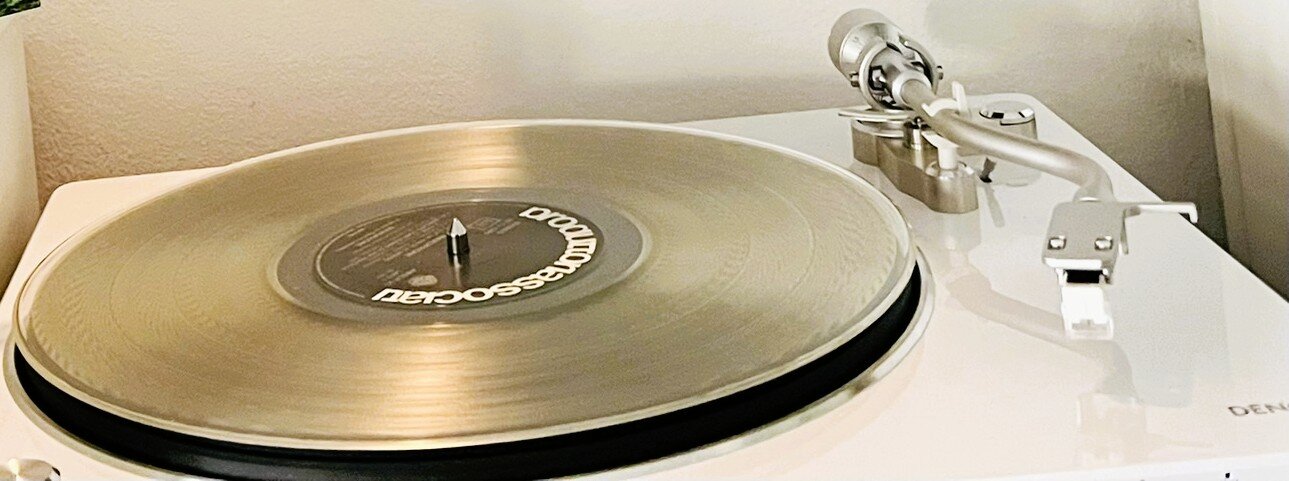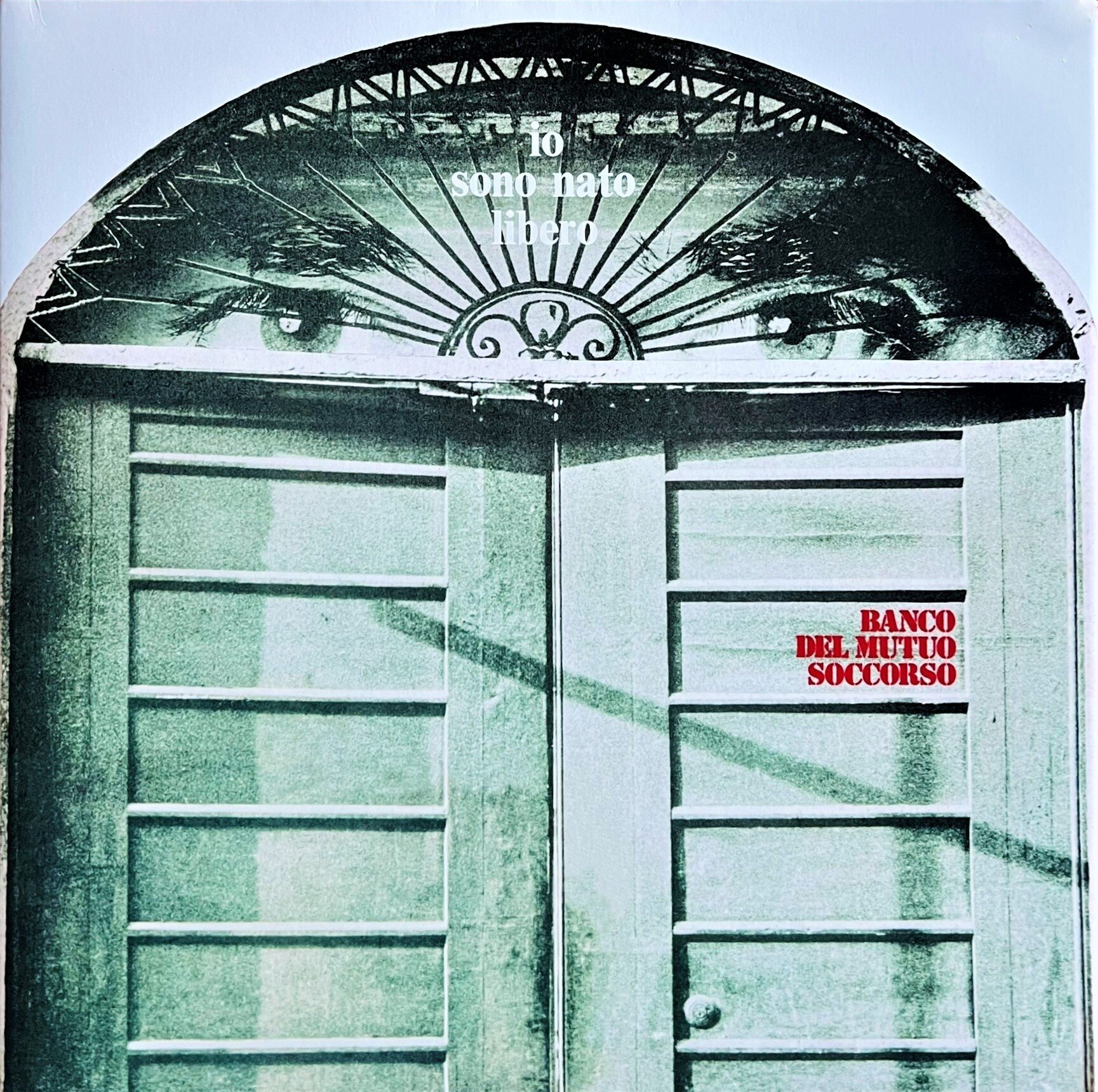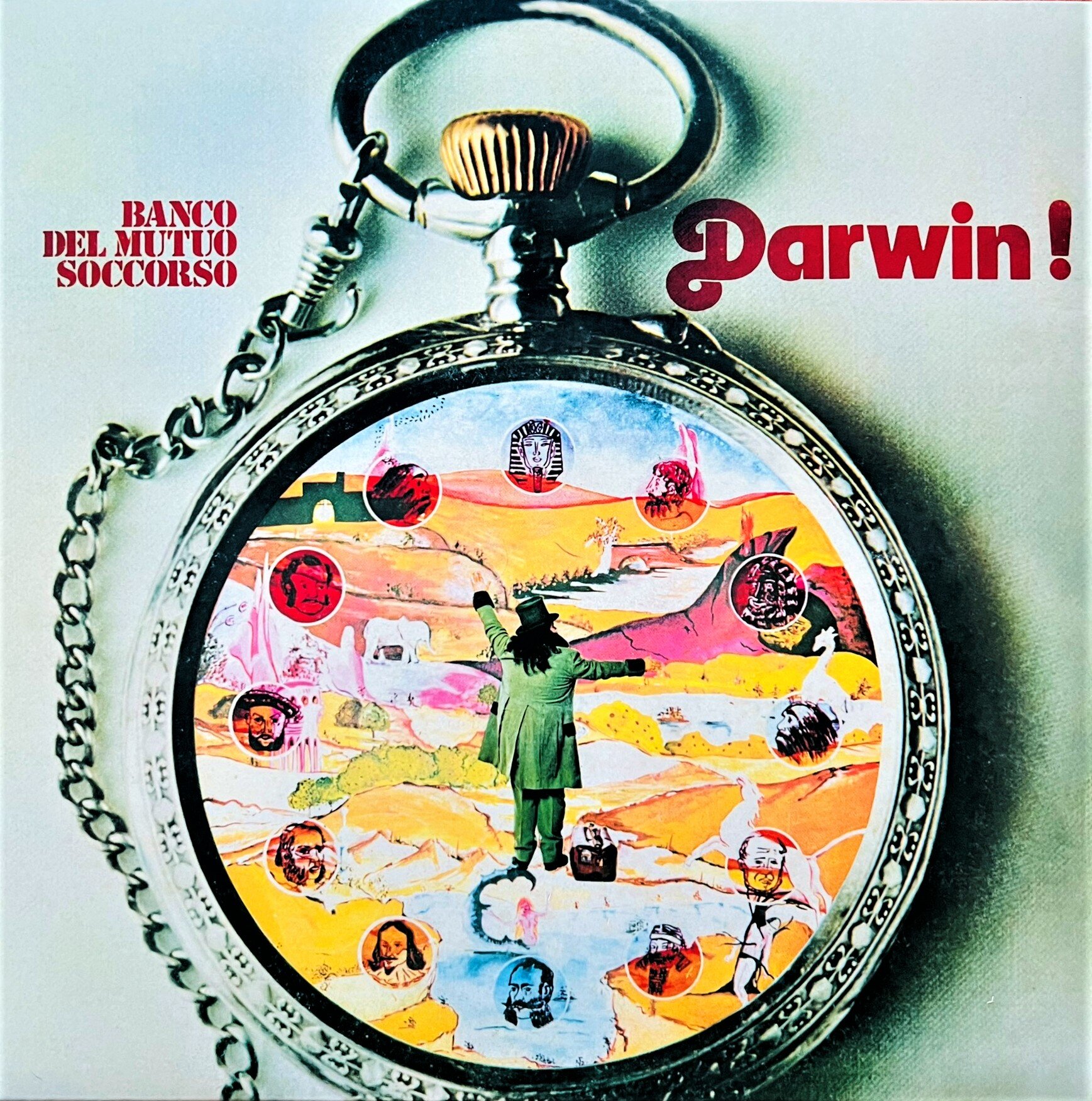

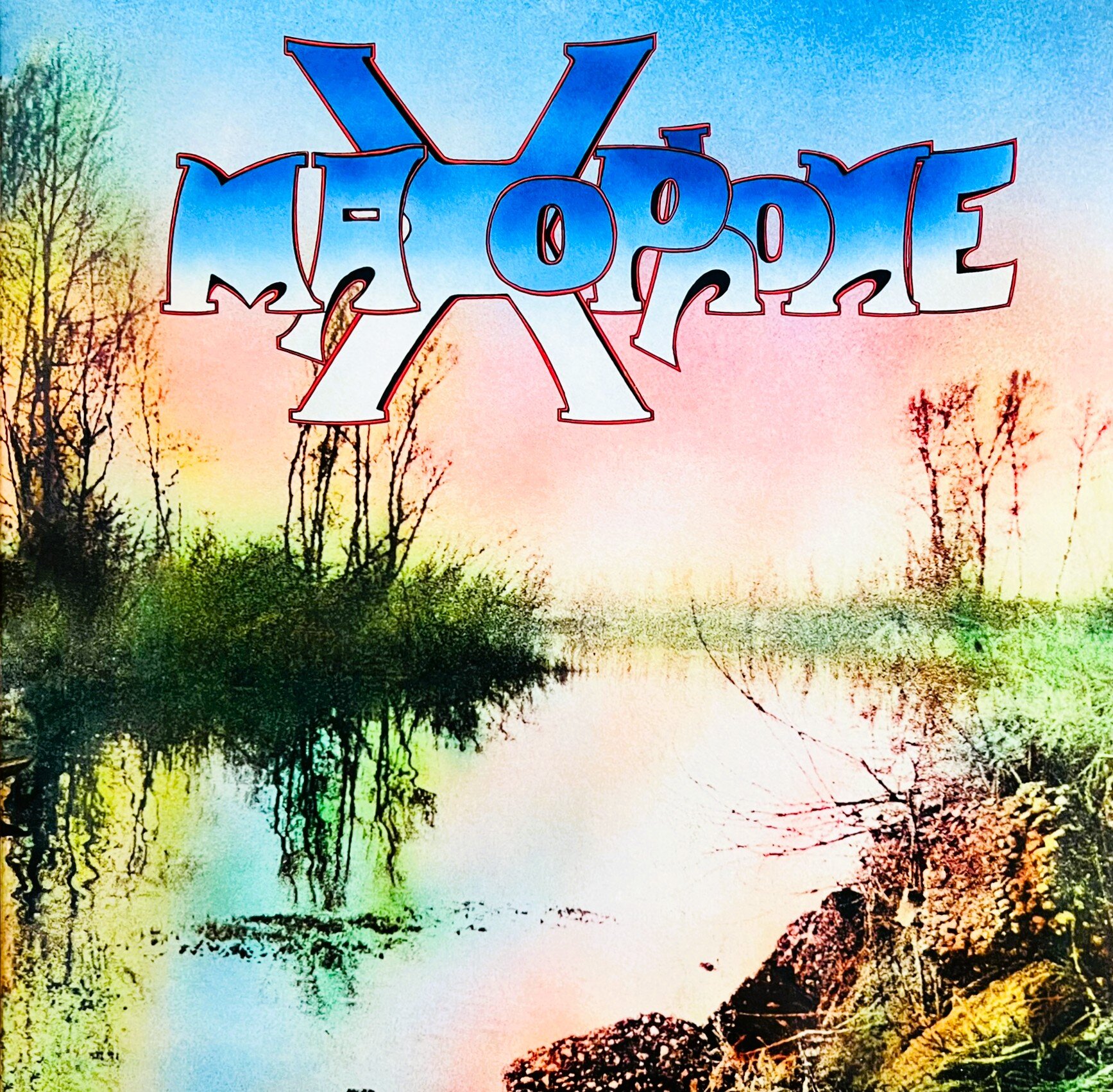
Maxophone Album Omonimo di Esordio del 1975.
I Maxophone sono uno dei gruppi più raffinati e tecnicamente preparati del panorama Rock Progressivo Italiano degli anni '70. La band si è formata a Milano nel 1973 e si tratta di una sorta di supergruppo di musicisti con una solida preparazione accademica con sei dei componenti originali diplomati al Conservatorio che hanno integrato nel loro sound strumenti inusuali per il rock come il corno francese, il clarinetto e l'arpa.
La formazione originale era composta da Sergio Lattuada (Tastiere e voce), Roberto Giuliani (Chitarre, pianoforte e voce), Leonardo Schiavone ai Fiati (clarinetto, flauto, sassofono), Alberto Ravasini (Basso, chitarra acustica e voce solista), Maurizio Bianco (Batteria e percussioni), Sandro Colombini (Voce, presente solo nelle prime fasi e come paroliere)
L'obiettivo dei Maxophone era abbattere le barriere tra i generi e ci sono riusciti. Il loro disco di esordio e loro capolavoro è la dimostrazione che la formazione accademica classica e l'energia del rock possono coesistere senza che l'una prevalga sull'altra. Non si tratta "semplicemente" di rock con aggiunte orchestrali, ma di una fusione di generi in cui il corno francese o il clarinetto hanno la stessa importanza della chitarra elettrica.
Nel 1975 pubblicano per l'etichetta Produttori Associati il loro unico album omonimo, Maxophone, una perfetta fusione tra rock sinfonico, jazz, musica classica e complesse armonie vocali.
Credendo fortemente nel progetto, la casa discografica pubblica l'album anche in lingua inglese per il mercato estero, un evento raro per le band italiane dell'epoca.
Nonostante l'altissima qualità artistica il gruppo non ottenne il successo commerciale meritato e dopo un ultimo singolo nel 1977, i Maxophone si sciolsero, con i membri che proseguirono carriere come turnisti o insegnanti di musica, per poi tornare con una reunion molti anni dopo, che ha portato alla pubblicazione di un album dal vivo e di un nuovo album in studio, La fabbrica delle nuvole del 2017.
Il loro stile è una fusione di generi che pochi altri gruppi dell'epoca potevano permettersi, un sound raffinato con l’uso di splendidi fiati classici, il corno francese, il clarinetto e il flauto traverso con arrangiamenti che non erano semplici accompagnamenti, ma partiture orchestrali integrate nel rock ed una grande complessità vocale, con intrecci vocali polifonici, cori a più voci, contrappunti vocali estremamente complessi.
Evidenti le influenze della musica sinfonica classica con aperture dei brani maestose e l’influenza del Jazz-Rock con sezioni ritmiche sincopate e improvvisazioni di fiati e tastiere, ma anche reminiscenze di musica Sacra, con le atmosfere solenni e corali con grande uso dell'organo, con una forte componente melodica tipicamente italiana.
I Maxophone ricercavano una purezza del suono quasi cristallina, ogni strumento era nitido, a livello audiofilo.
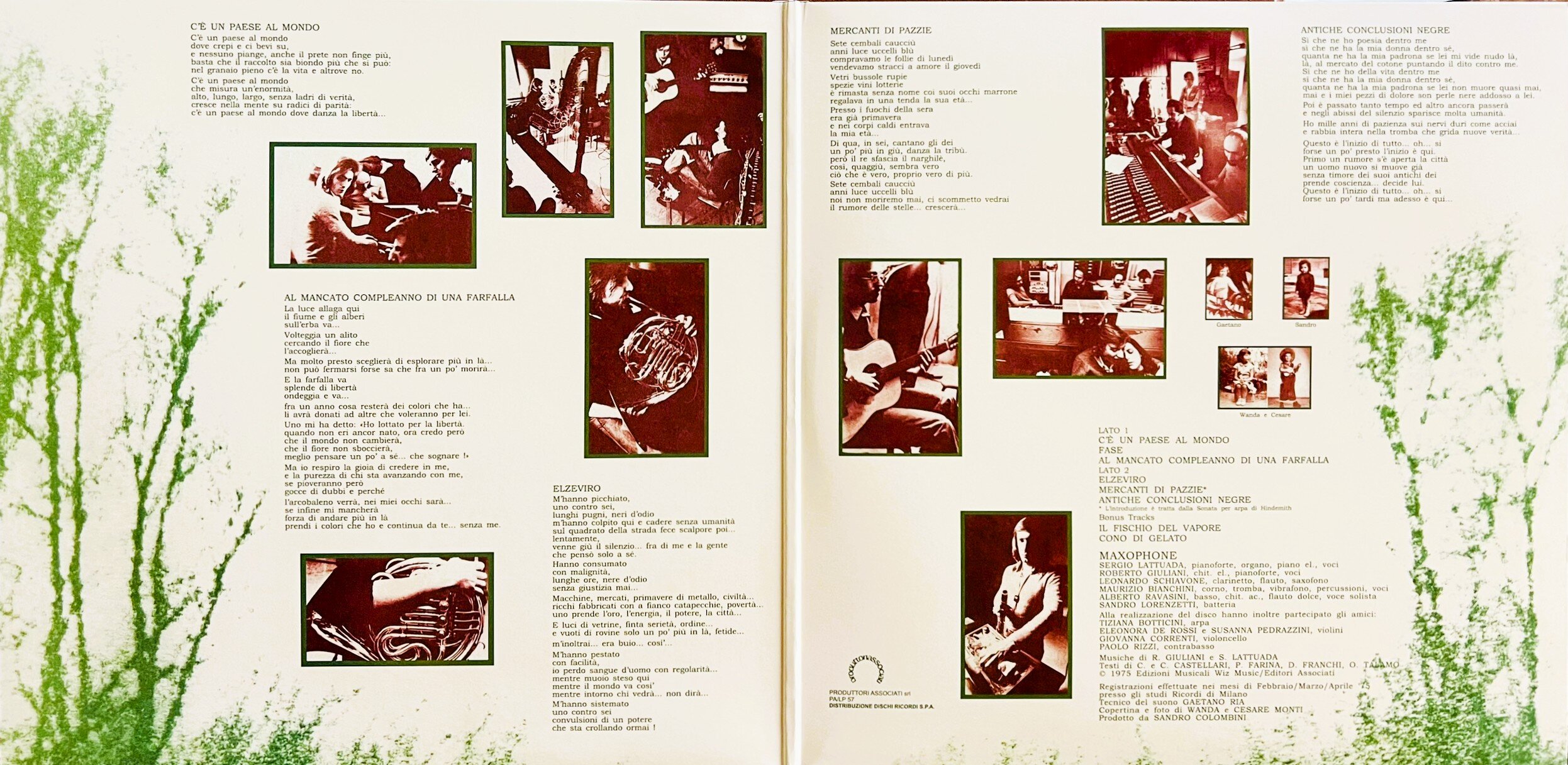
“C'è un paese al mondo”, è un vero manifesto del gruppo e inizia con un coro a cappella di rara bellezza che segue con una splendida interazione fra fiati e tastiere, alternando momenti sinfonici ed esplosioni rock, una delle composizioni più importanti del Rock Progressivo Italiano.
“Fase” è un brano strumentale con ritmi sincopati e influenze jazz-rock, con uno splendido dialogo tra il clarinetto di Leonardo Schiavone e la chitarra elettrica di Roberto Giuliani, complesso ed eseguito con tecnica magistrale.
“Al mancato compleanno di una farfalla” è un brano malinconico e delicato con una atmosfera sognante generata dalle parti di corno francese e flauto, con una splendida melodia in una struttura comunque complessa.
“Elzeviro” è un brano con un bellissimo pianoforte dinamico e una sezione ritmica incisiva e con un grande lavoro di fiati.
“Antiche conclusioni negre” è un lungo brano sperimentale che inizia con un'atmosfera di m istero e si evolve in complesso jazz-fusion, con grandi intrecci vocali e un crescendo strumentale con grandissimi virtuosismi.
“Mercanti di pazzie” è un brano potente e solenne che chiude l’album con un organo maestoso e una parte di chitarra elettrica eccellente, che chiude con un tema sinfonico grandioso.
Un album con al centro musicisti colti e dotati di tecnica impressionante, che nonostante l’unico album in studio nel periodo d'oro, hanno lasciato un'impronta nella musica d'avanguardia, uno dei dieci album più belli e importanti del Rock Progressivo Italiano per complessità e arrangiamenti. Un Must per il genere. Essenziale
Nota: Tutti i link ai lavori dei musicisti sono nei TAG sotto il titolo dell'articolo o nella pagina "Artisti"
Tracklist
1. C'è Un Paese Al Mondo (6:39)
2. Fase (7:04)
3. Al Mancato Compleanno Di Una Farfalla (5:52)
4. Elzeviro (6:47)
5. Mercanti Di Pazzie (5:21)
6. Antiche Conclusioni Negre (8:54)
Durata 40:37
LineUp
- Alberto Ravasini - voce solista e cori, basso, chitarra acustica, flauto dolce
- Roberto Giuliani - chitarre elettriche, pianoforte, cori
- Sergio Lattuada - pianoforte, piano elettrico, organo, voce solista e cori
- Maurizio Bianchini - corno, tromba, percussioni, vibrafono.
- Leonardo Schiavone - clarinetto, flauto, sax contralto e tenore
- Sandro Lorenzetti - batteria
Con:
-Tiziana Botticini - arpa
- Eleonora de Rossi - violino
- Susanna Pedrazzini - violino
- Giovanna Correnti - violoncello
- Paolo Rizzi - contrabbasso