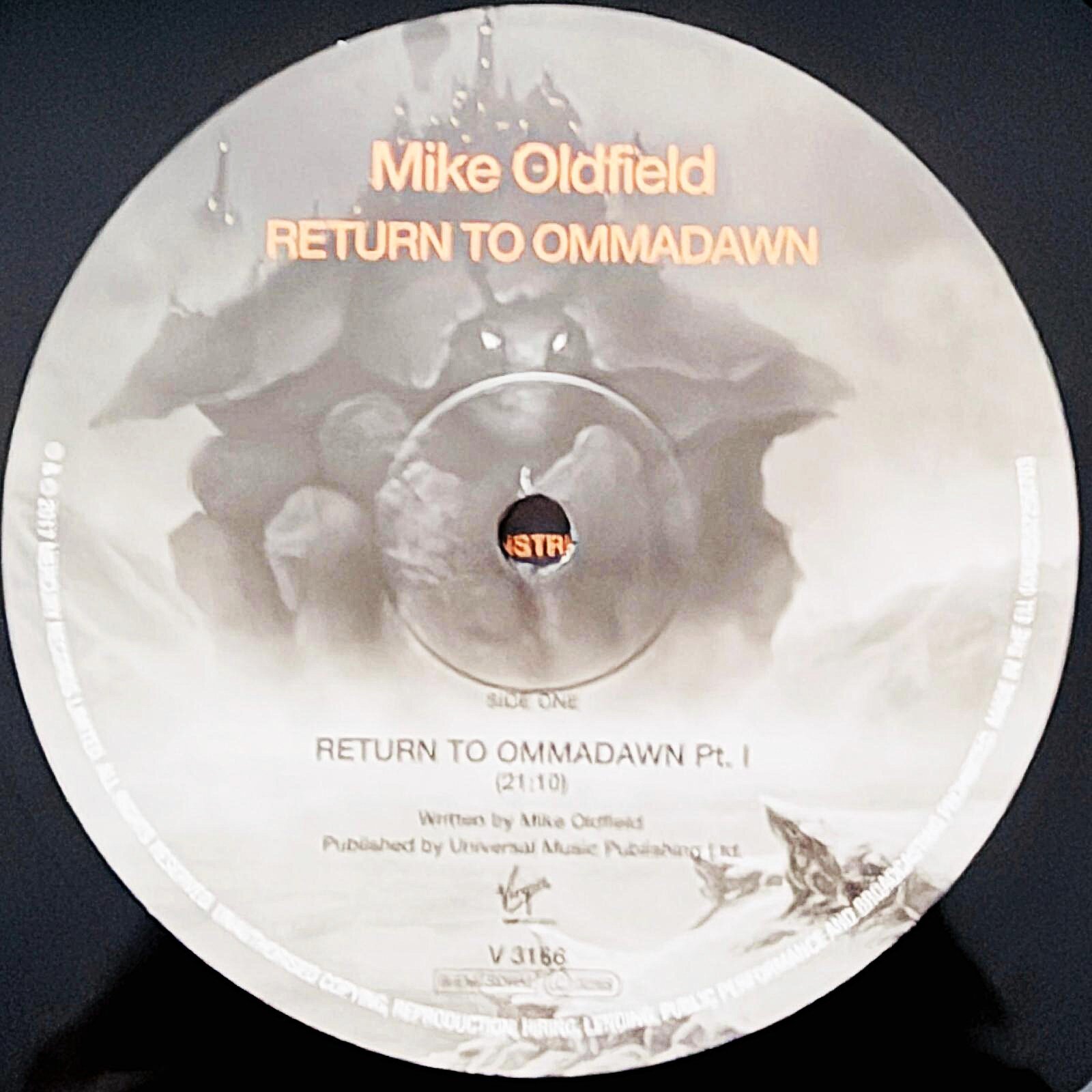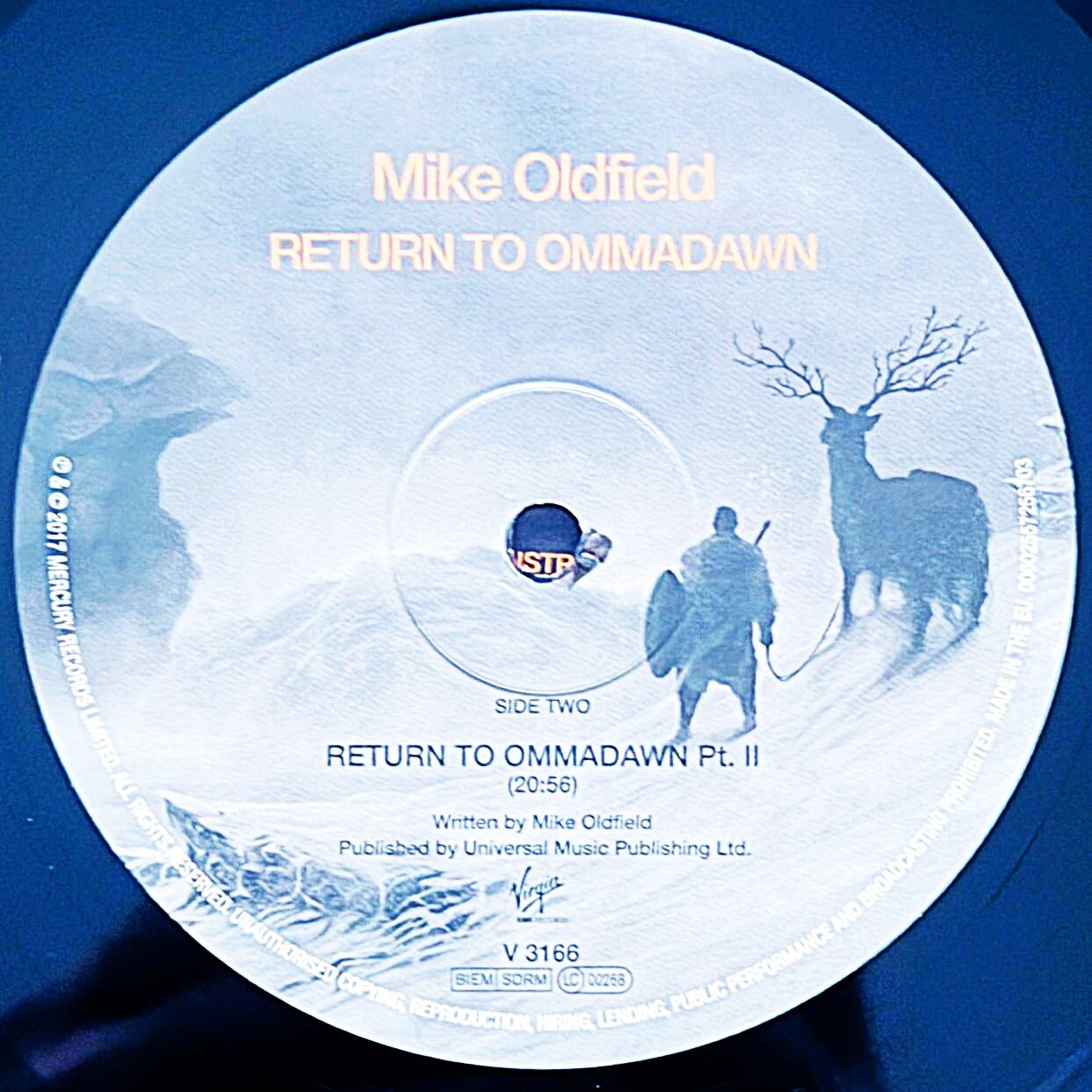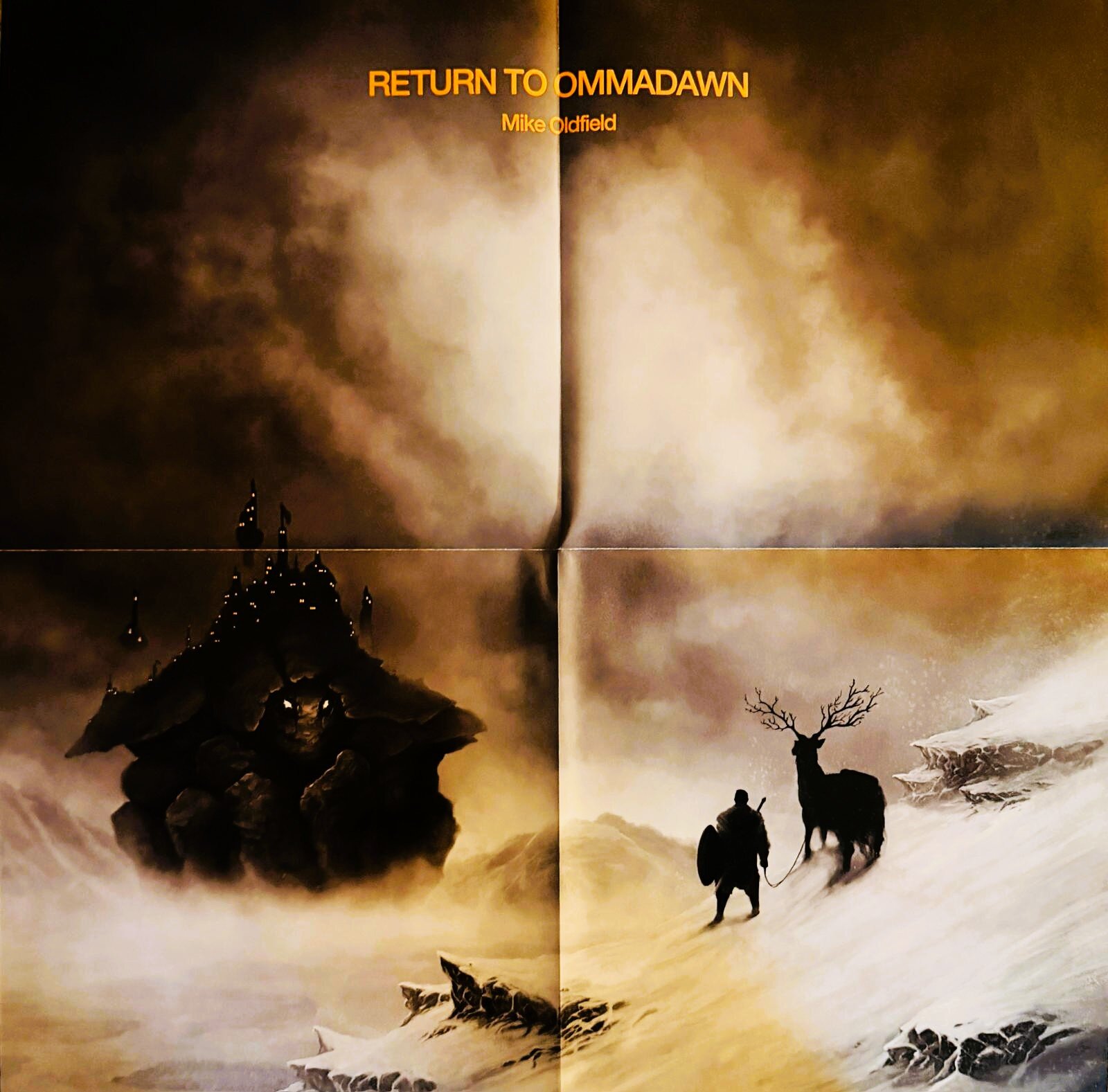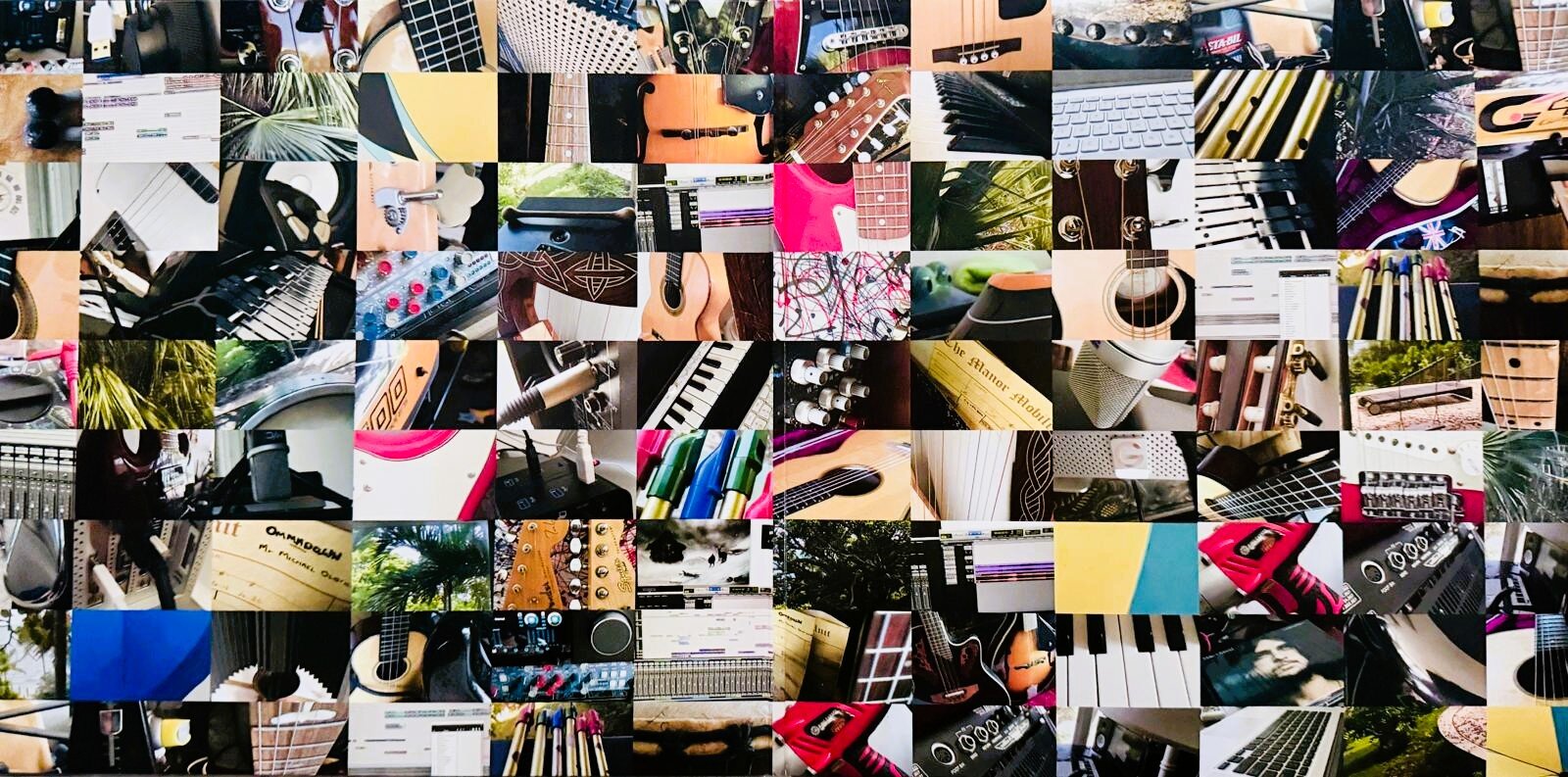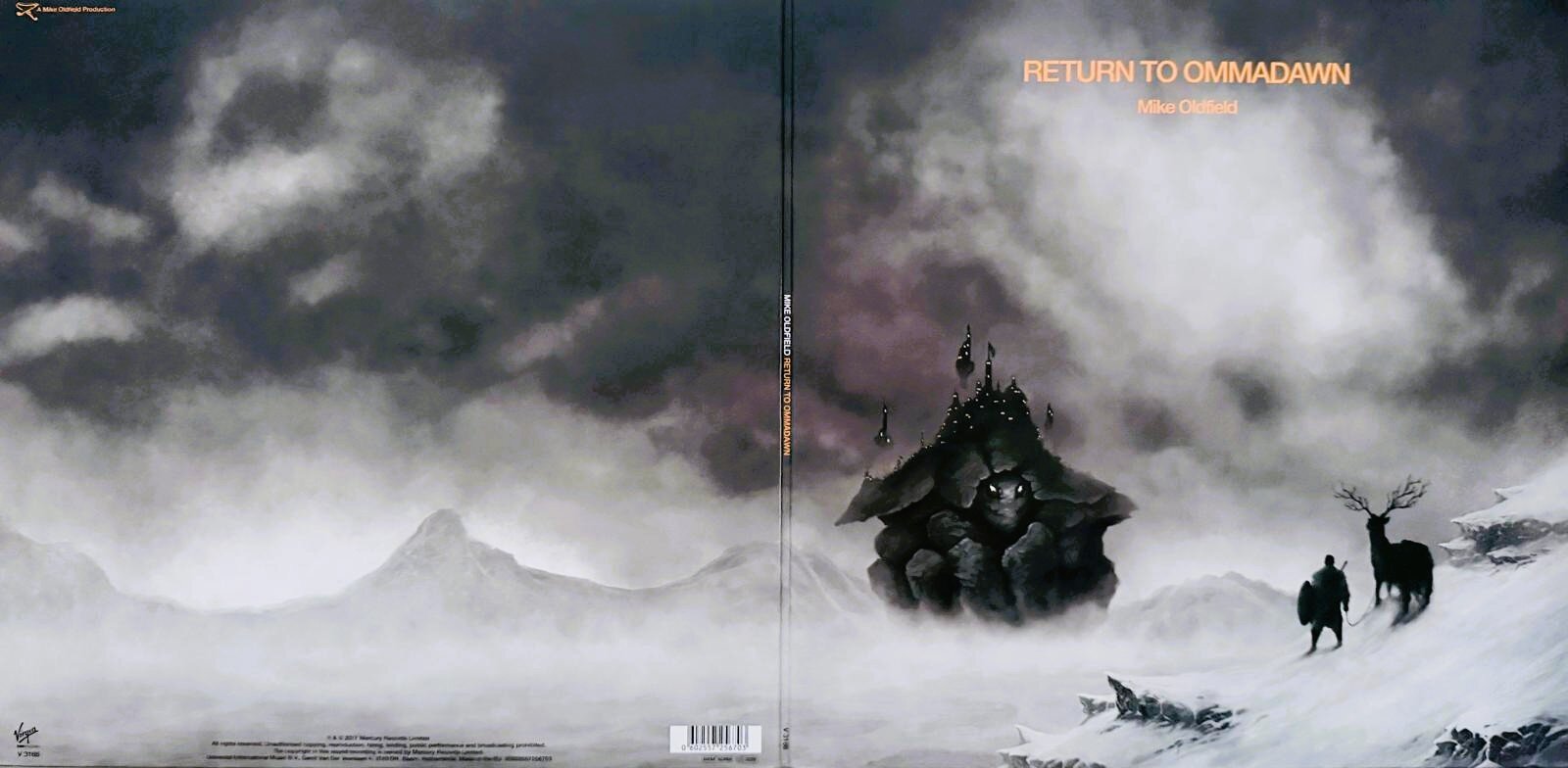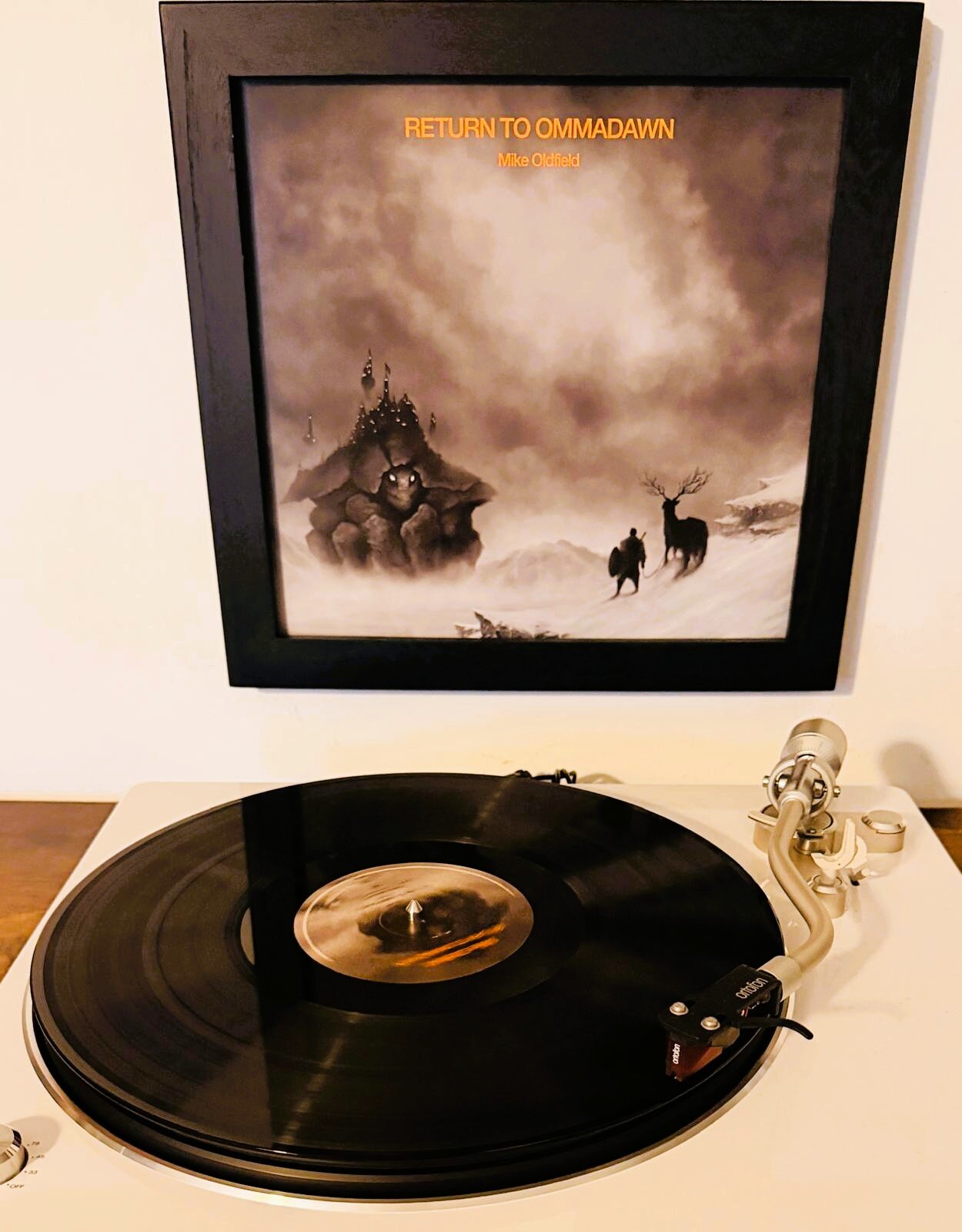

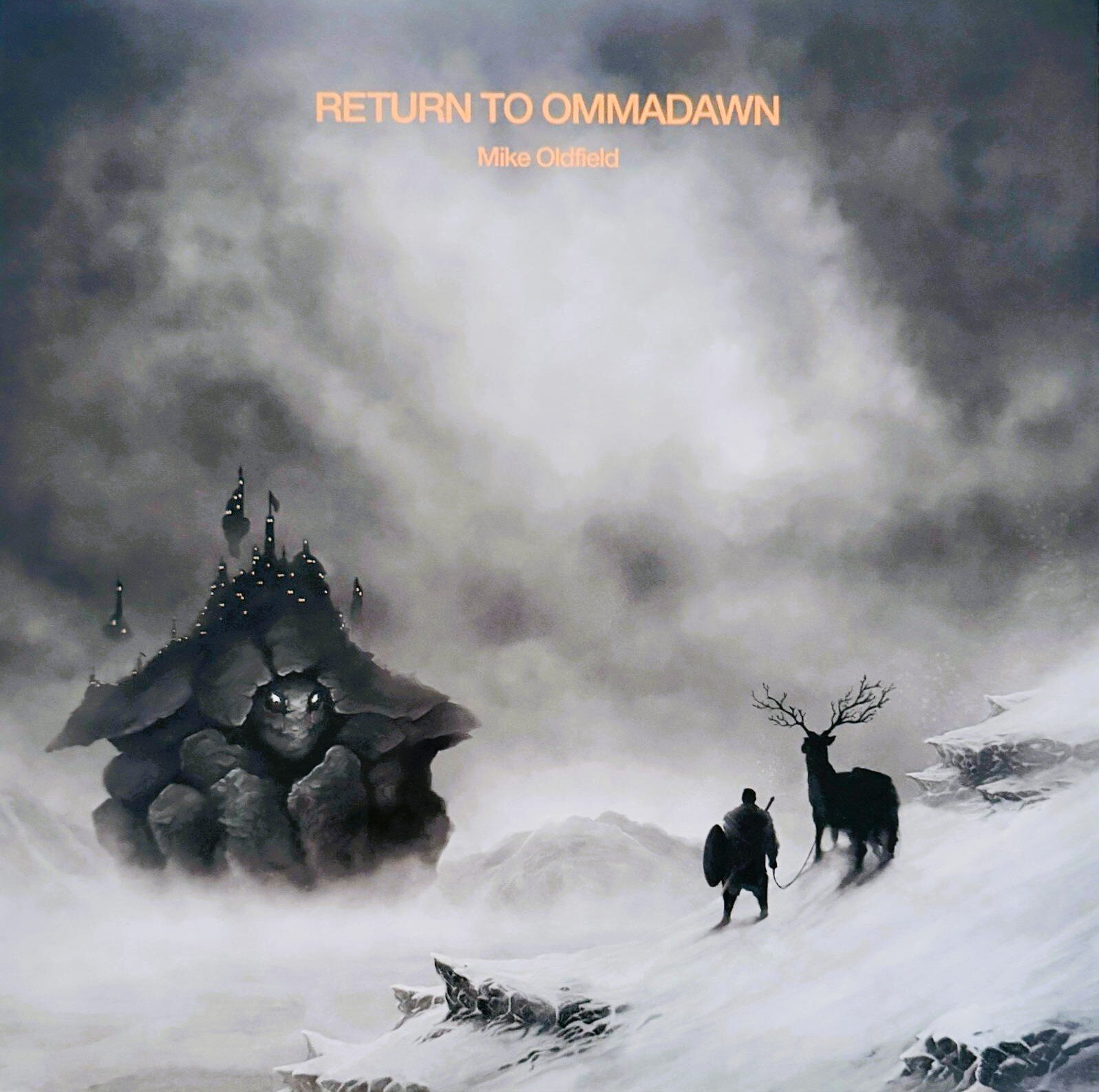
Return to Ommadawn Mike Oldfield, from 2017, his latest album.
It is the concluding album of a great career and a return to origins for Mike Oldfield, who once again embraces the acoustic and pastoral style of his early masterpieces from the '70s, a true closing of the circle, a circle lasting almost fifty years and nearly 30 albums.
It is a return to the choice of personally playing all 22 instruments present on the album (including mandolin, Celtic harp, bodhrán, and bouzouki), recovering that “craftsmanlike” approach that made the original 1975 album unique.
The structure is also the “classic” one, with the album divided into two instrumental suites of about 21 minutes each ("Part 1" and "Part 2"), a format typical of the “vinyl era” and the same as his first four records.
It is a tribute to the first Ommadawn, with bright and melancholic melodies that blend progressive rock, Celtic folk, and African influences, with references to the past, such as vocal samples from the original track and a brief final nod to "On Horseback".
It is the spiritual sequel to 1975's Ommadawn but with notable differences in various aspects.
In Ommadawn, Oldfield played most of the instruments but had collaborators such as Paddy Moloney (Chieftains) on uilleann pipes, the African percussion group Jabula, and the live vocals of Clodagh Simonds and Bridget St John.
Return to Ommadawn is a completely solo work; Oldfield played all 22 instruments in his studio without external guests. The vocal sections are not new recordings, but samples and manipulations of voices taken from the original album.
The original was recorded on 24-track magnetic tape, with all the limitations and warmth of analog. The sequel was made entirely digitally.
In 1975, every sound was real. In 2017, while physically playing many string and percussion instruments (such as mandolin and bodhrán), Oldfield used "virtual-reality" (plug-in) versions for many vintage keyboards and organs for technical simplicity.
The original, at the end of Part 1, is driven by the African drums of Jabula, with a tribal sound. In the sequel, the percussion is played by Oldfield himself and is less virtuosic, while the acoustic guitars (nylon, Spanish, and 12-string) dominate the entire work.
Ommadawn was dense with experimental sounds. Return to Ommadawn is more essential with a cleaner sound.
It is a Pastoral Progressive Folk-Rock album, almost completely acoustic with a strong emphasis on string instruments and natural percussion. Unlike other works by Oldfield, here the acoustic guitar (steel and nylon strings) is the absolute protagonist. The playing style is characterized by complex fingerpicking, with textures of mandolin, bouzouki, and Celtic harp, with the layering of dozens of guitar tracks, creating an orchestral effect without the use of an actual orchestra.
Electric guitar solos are Oldfield's trademark, but they are not mere displays of virtuosity; instead, they follow melodic lines that sometimes resemble human voices.
Notable are the Ethnic and World Music influences, in the Celtic tradition with the Irish whistle and typical structures of Northern European music, and in the African tradition, with the use of the bodhrán and other hand percussion that recall tribal rhythms.
He does not use electronics as much as he could and would know how to; the keyboards are relegated to a background role and are mainly vintage organs to fill the spaces, but it is the physical instruments that lead the narrative.
Return to Ommadawn is one of the peaks of his post-70s production. For decades, the public asked Oldfield to return to the "pastoral" style of those years after years of pop, new age, and electronic experimentation, and this album was the answer, demonstrating that he could still master over 20 different instruments with the same skill as when he was twenty.
Note: All links to the musicians' works are in the TAGS below the article title or on the "Artists" page
Tracklist
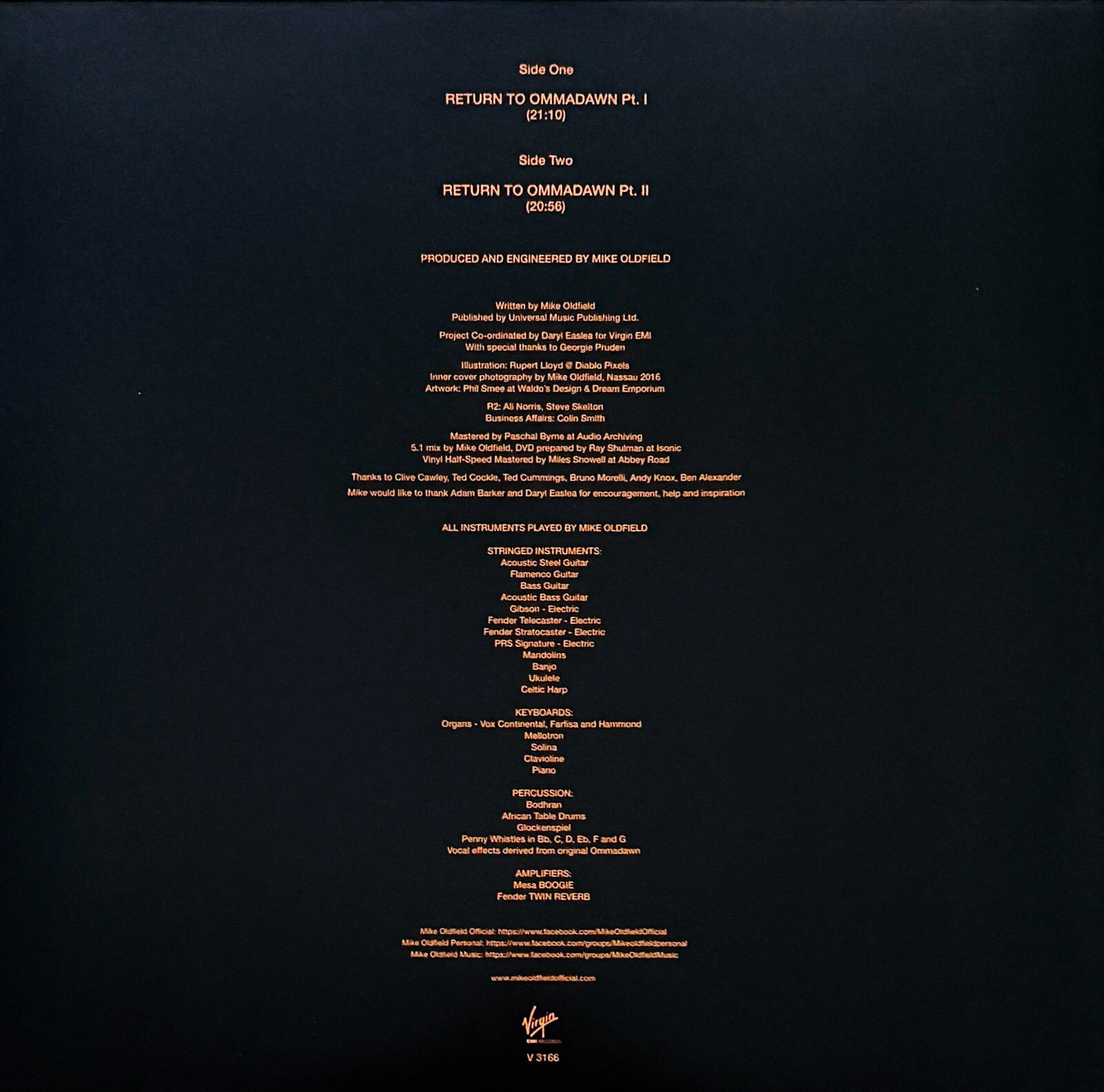
1. Return To Ommadawn, Part I (21:10)
2. Return To Ommadawn, Part II (20:57)
Duration 42:07
LineUp
Mike Oldfield - acoustic, classical, 12-string and electric guitars, acoustic and electric basses, mandolins, banjo, ukulele, Celtic harp, bouzouki, grand piano, spinet, Farfisa organ, ARP 2600 and Solina synthesizers, bodhran, glockenspiel, accordion, marimba, gong, tubular bells, African table drums and producer.