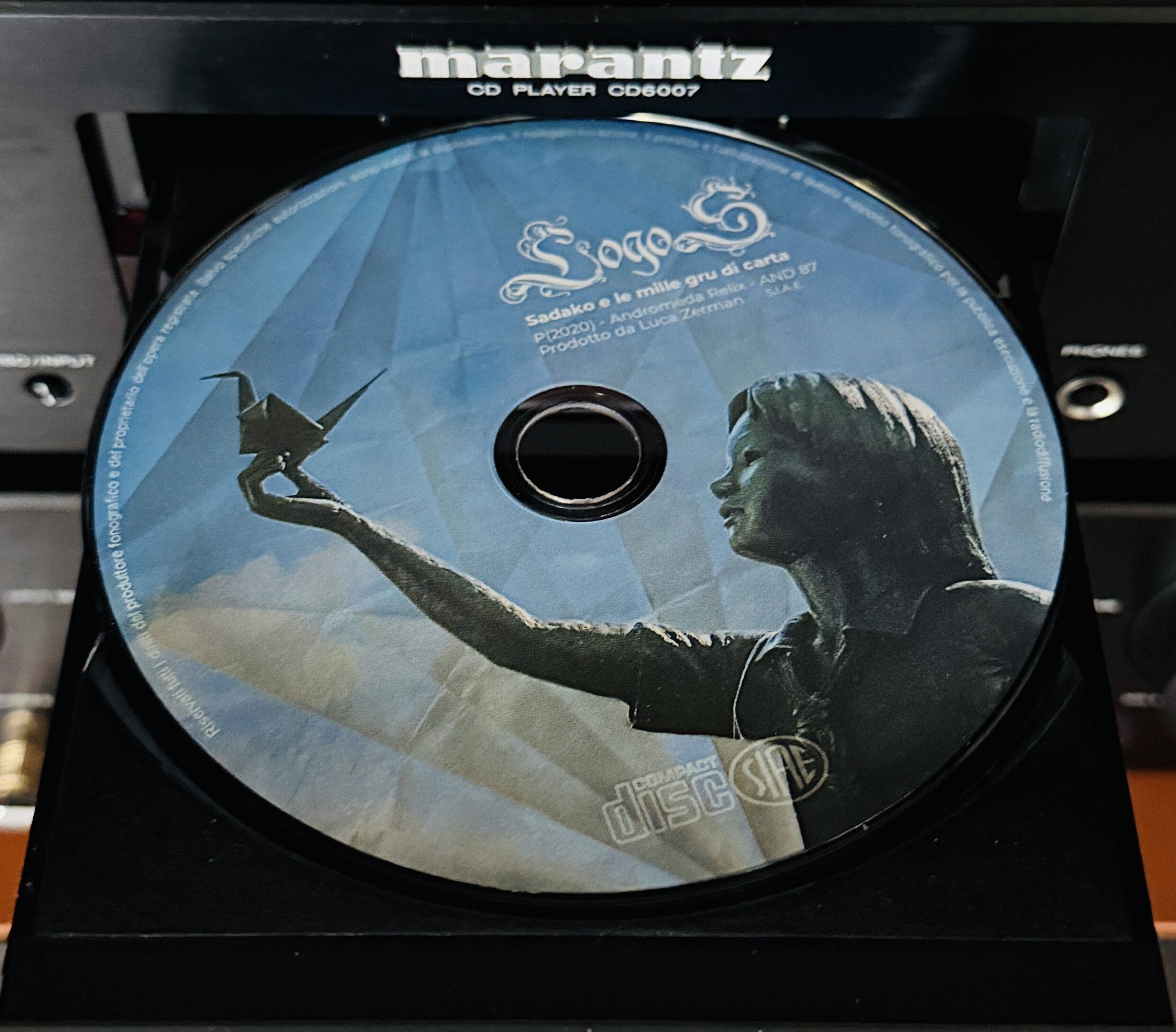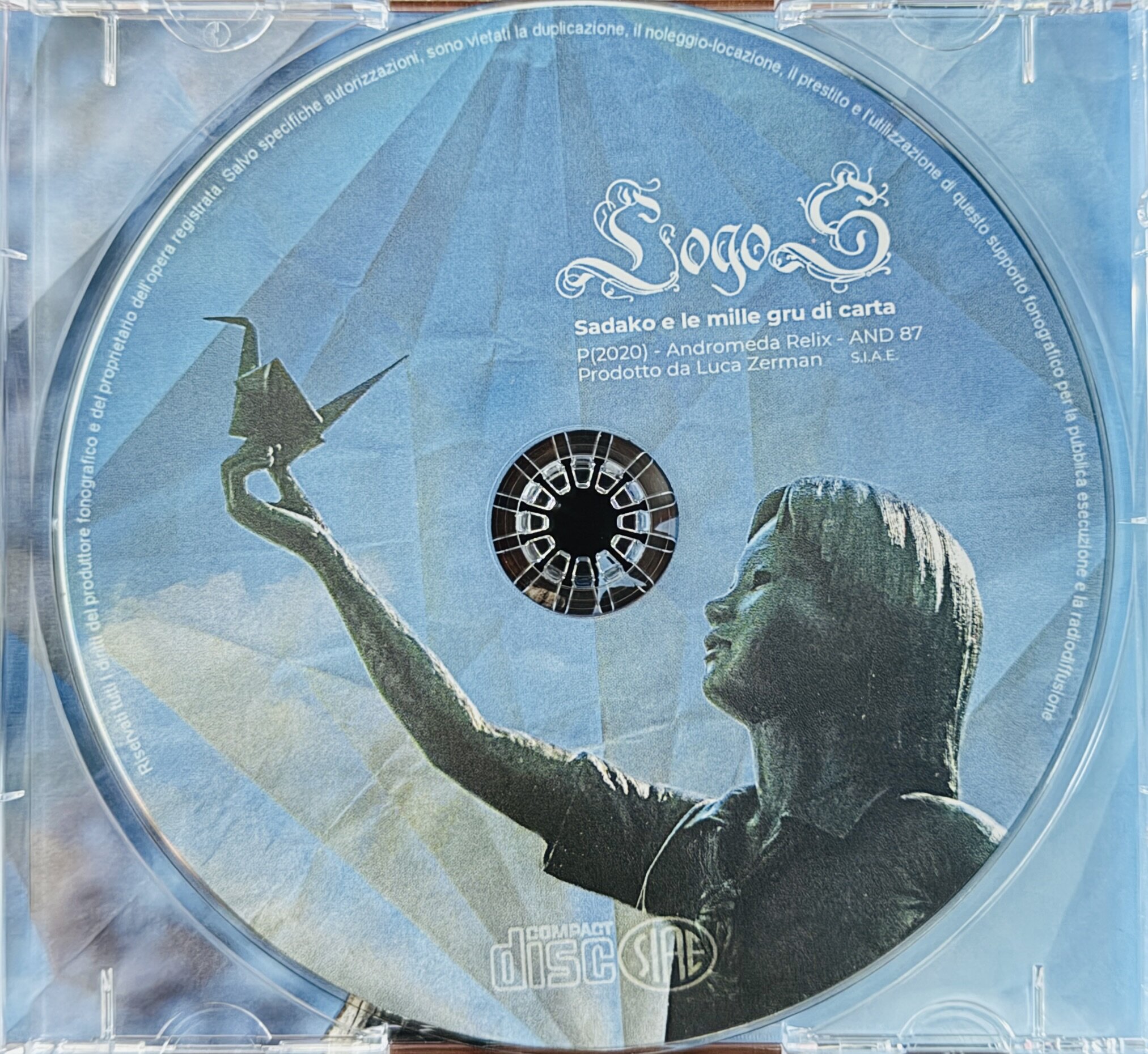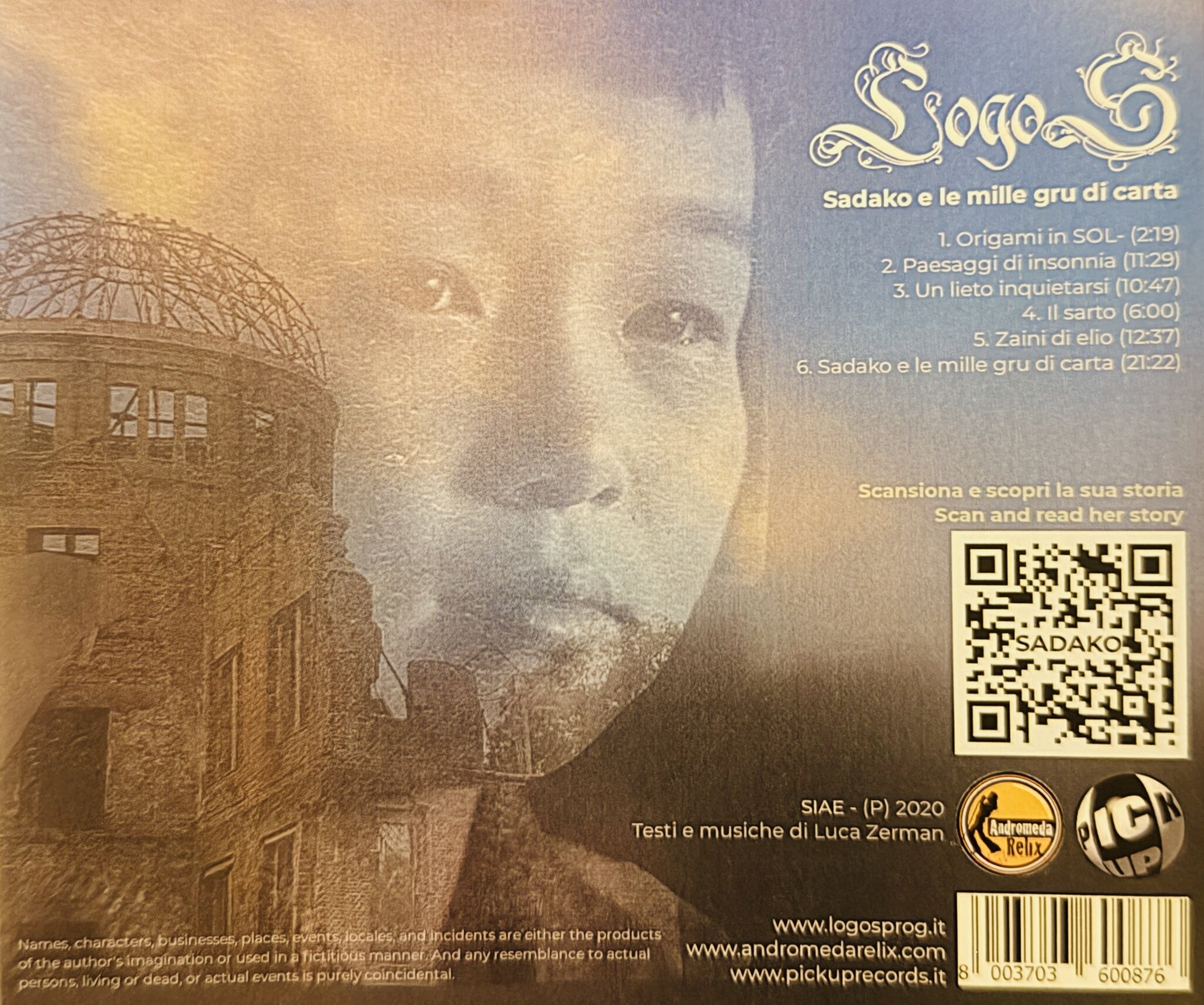
Sadako e le mille gru di carta dei LogoS, pubblicato nel 2020.
Di questa importante band del Rock Progressivo Italiano ho parlato nella scheda biografica a loro dedicata e in occasione della recensione di quello che io considero il loro capolavoro, L’enigma della vita, del 2014.
L’attualità di questi giorni, le sconcertanti notizie di una revisione dei trattati sulla non proliferazione nucleare e le continue minacce di fare uso di tali armamenti che provengono ormai da diverse direzioni, rendono di nuovo purtroppo attuale il tema e riportano alla luce il ricordo di quella prima grande tragedia nucleare che ha sconvolto non solo un paese ma l’intera umanità e ha cambiato la storia.
Questo album affronta la tragedia di Hiroshima dal punto di vista delle conseguenze sulle persone comuni, come modo di tenere sempre alta l’attenzione e viva quell’esperienza nella memoria, per non dimenticare cosa l’uomo è stato ed è capace di fare. Per la mia generazione, quelli nati negli anni 60’, quell’evento è storia lontana. Per le generazioni successive un capitolo di un libro studiato a scuola e forse la trama di un film o un documentario. E questo, nel bene e nel male, aveva un aspetto positivo: non vivevamo in un mondo in cui il ricorso agli armamenti atomici era percepito come un rischio reale ma piuttosto come un monito, ma anche come una conquista, quella di una umanità che con tutti i suoi innegabili difetti, abolisce tali forme di conflitto. Quello che accade oggi lo smentisce. Non è più vero che quella atomica è una minaccia scomparsa, che appartiene ad un film del passato o ad un film di fantascienza su un futuro distopico che mai si realizzerà. È una minaccia concreta. Dichiarata. Per alcuni accettabile se non addirittura auspicabile. E la riflessione dietro il concept di questo disco aiuta a considerarla come dovrebbe essere percepita da tutti: assurda e inaccettabile.
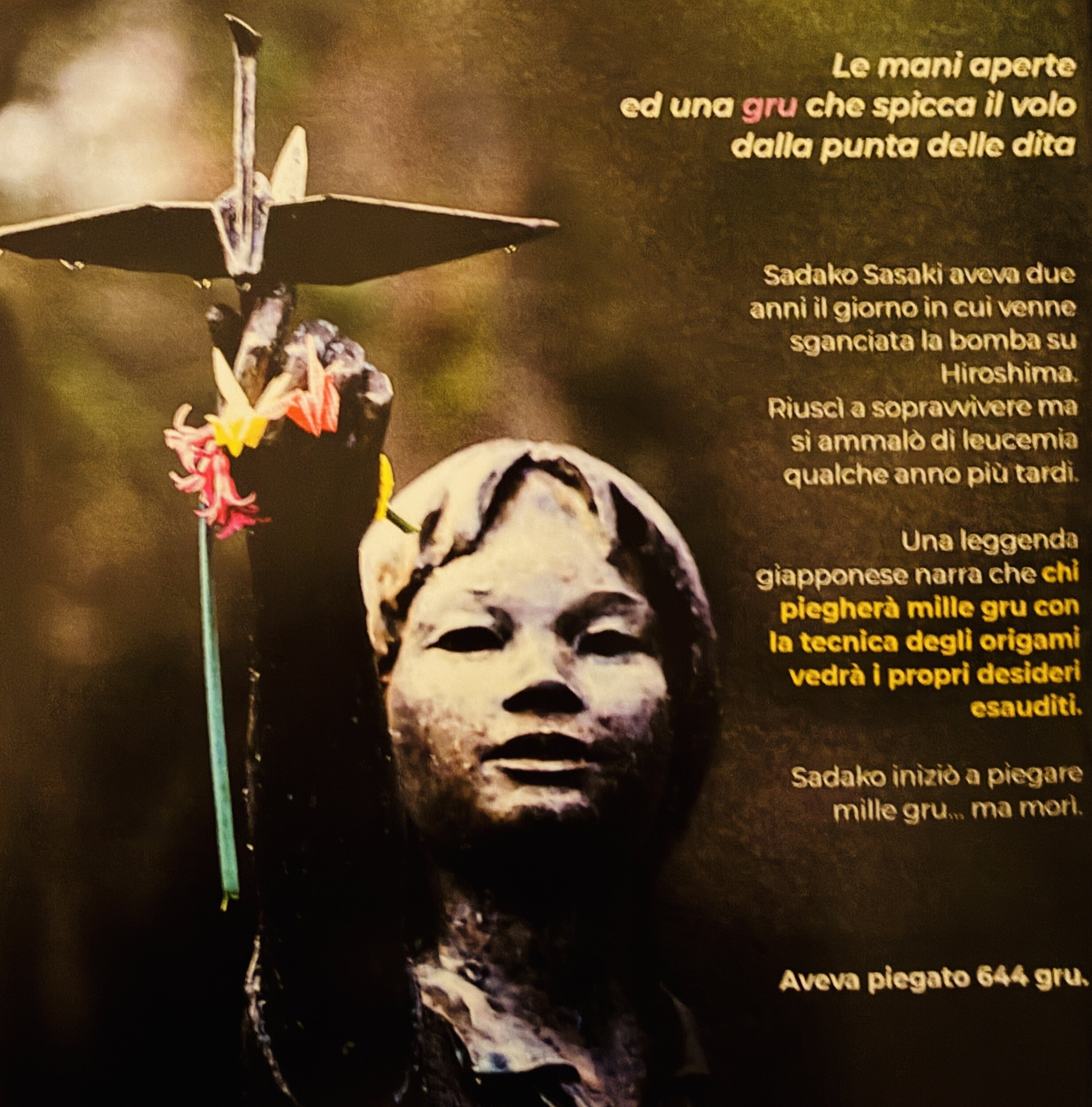
Sadako e le mille gru di carta, è infatti un concept album ispirato e dedicato alla vera storia di Sadako Sasaki, una bambina sopravvissuta alla bomba di Hiroshima ma colpita anni dopo da leucemia. L'opera esplora temi di poesia, memoria e speranza attraverso la leggenda giapponese dei mille origami.
Nell'agosto del 1945, all'età di quattro anni, Sadako Sasaki sopravvisse all'esplosione della bomba atomica su Hiroshima. Anni dopo, all'età di undici anni, le venne diagnosticata la leucemia, una conseguenza delle radiazioni. Mentre era ricoverata in ospedale, un'amica le parlò di un'antica leggenda giapponese: chiunque avesse piegato mille gru di carta (origami) avrebbe potuto esprimere un desiderio, che si sarebbe avverato. Sadako, mossa dalla speranza di guarire, iniziò a piegare le sue gru.
Sadako non riuscì a completare tutte le mille gru prima di morire, nell'ottobre del 1955, all'età di dodici anni. I suoi compagni di classe, commossi dalla sua storia, completarono le gru mancanti e proposero di costruire un monumento a lei dedicato e a tutti i bambini vittime della bomba atomica. La storia di Sadako e le gru di carta sono diventate un simbolo globale di pace mondiale e di rifiuto della guerra.
I LogoS hanno scelto questa potente e tragica vicenda come nucleo tematico per il loro quarto album in studio.
L'album, pubblicato nel 2020, è un'opera che mescola poesia e memoria per riflettere sull'orrore della guerra e sul desiderio universale di pace.
Il sound progressive rock della band (con un uso predominante di Hammond e sintetizzatori) accompagna attraverso le emozioni e gli eventi della storia, culminando nella lunga suite finale, che rappresenta il cuore del disco. La band ha avuto la capacità di tradurre in musica la delicatezza, la speranza e la tragedia della storia di Sadako
Le sonorità fondono il prog classico degli anni '70 con influenze elettroniche moderne. Spiccano l'uso intenso di Hammond e sintetizzatori, ritmiche complesse e atmosfere che spaziano da momenti dolci al pianoforte a suite strumentali complesse.
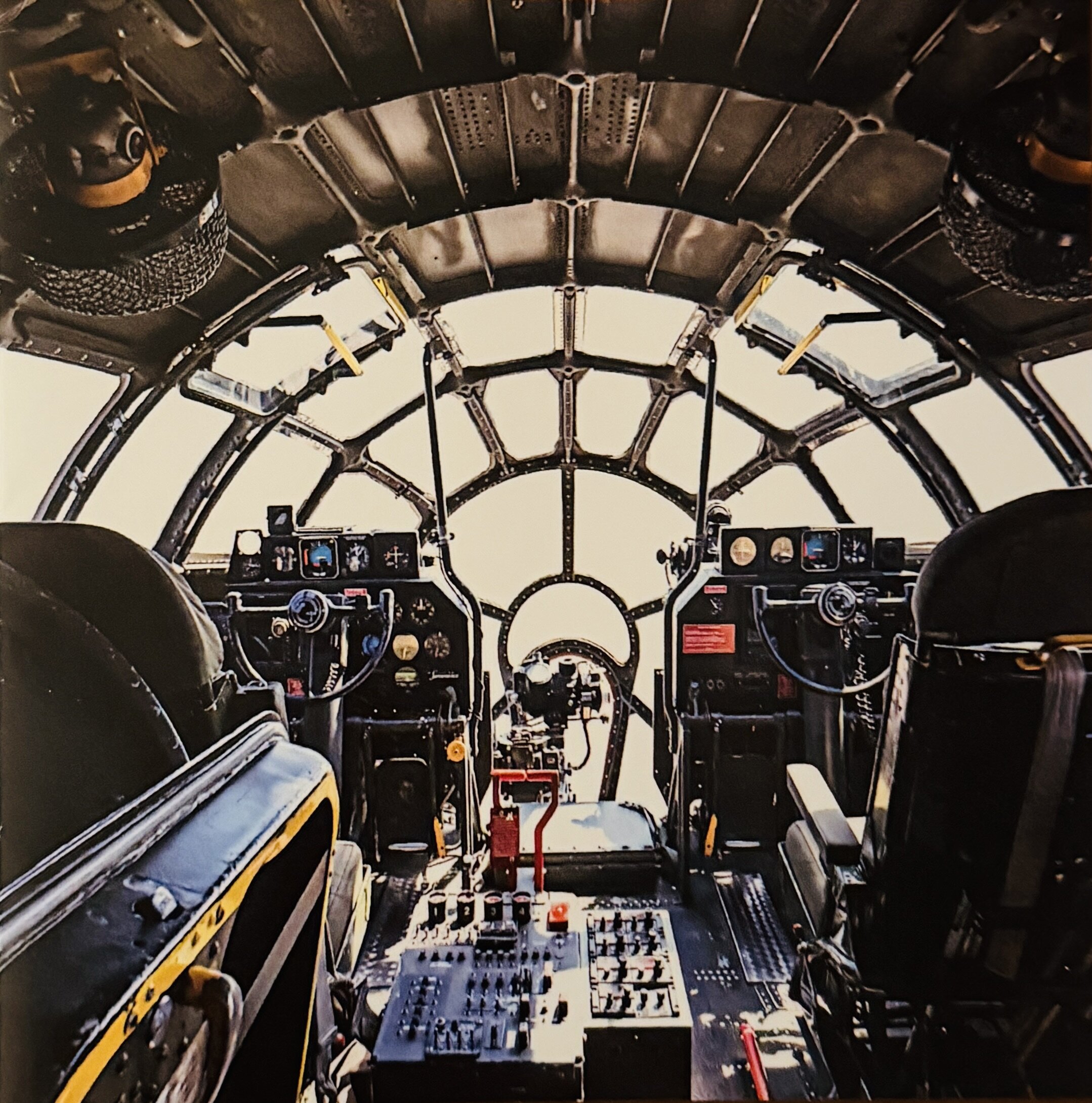
Origami in SOL è un brano di apertura strumentale che inizia con un pianoforte dal tono malinconico e suoni ambientali di giochi di bambini interrotti dal frastuono dei motori di un bombardiere B-29, bella intro delicata e coinvolgente.
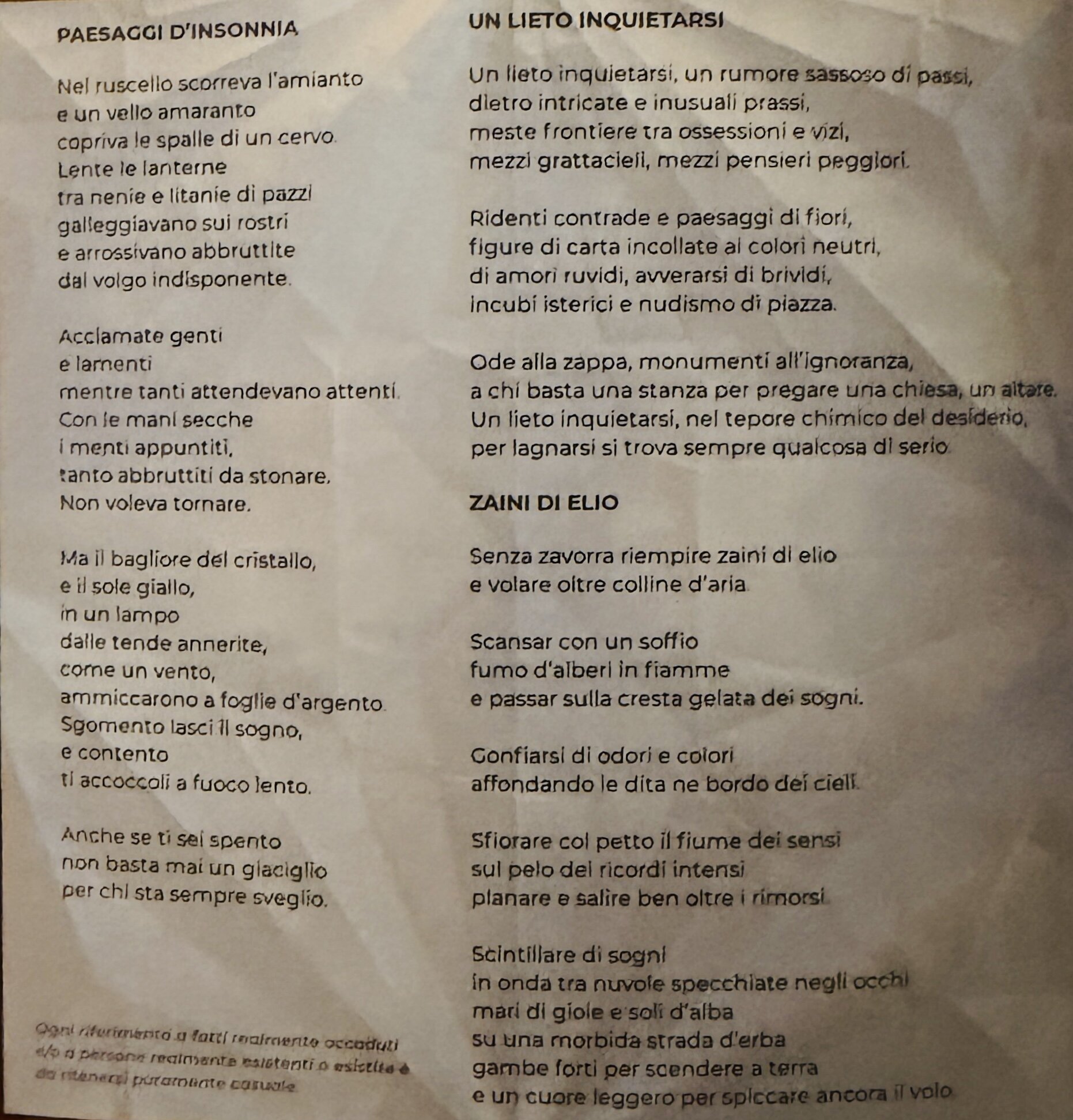
Paesaggi di Insonnia è un brano complesso che unisce al sound sinfonico un mood aggressivo e deciso con continui cambi di tempo e un uso preponderante e splendido dei sintetizzatori per un clima e atmosfera inquietante.
Un Lieto Inquietarsi alterna fasi più tese a momenti melodici. Grandissima esecuzione.
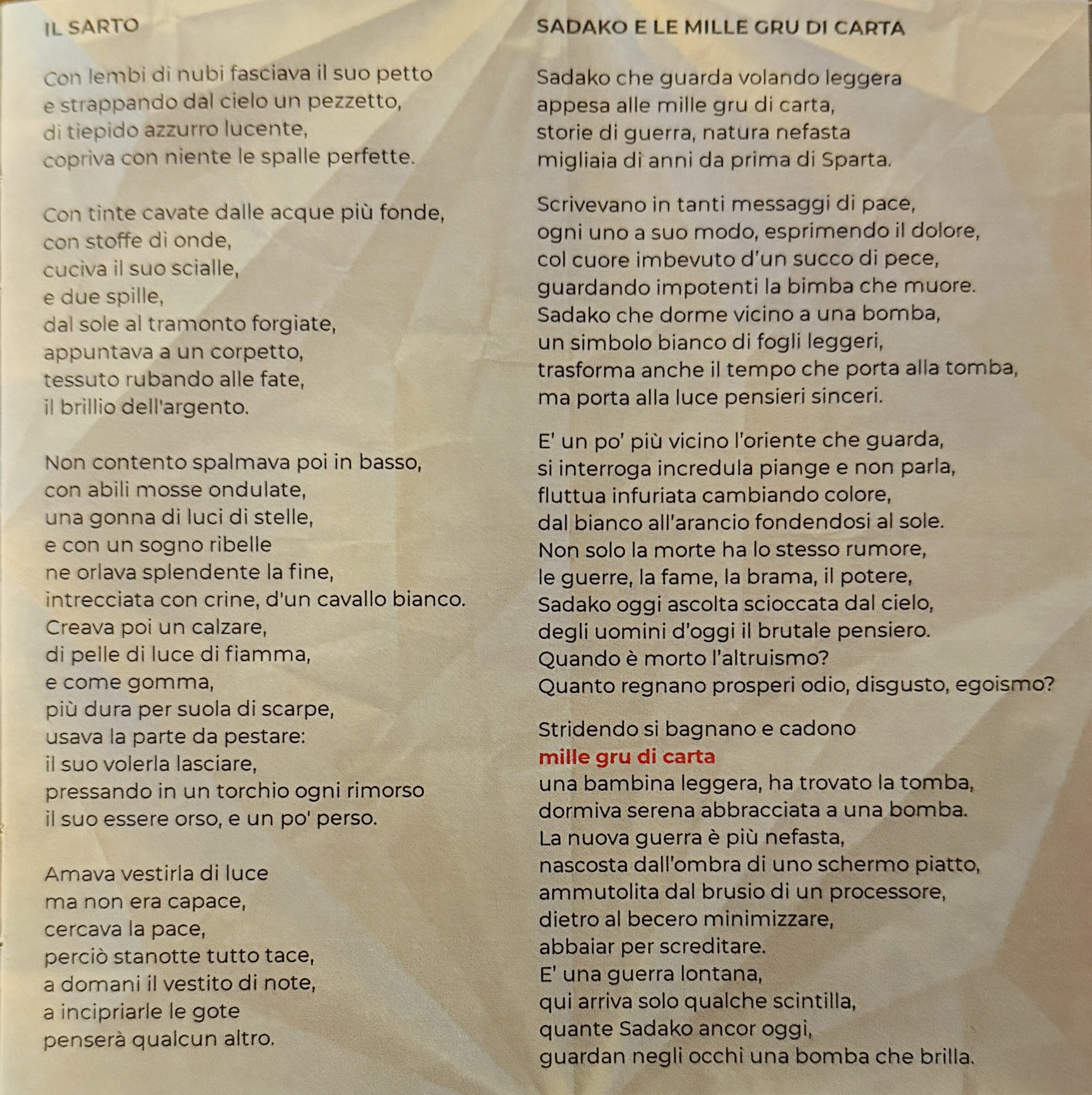
Il Sarto è il brano più breve, un momento di calma e speranza nella tristezza della storia che si riflette nella atmosfera del brano. Bellissimo sound del rock progressivo italiano anni '70 con le bellissime armonie vocali di Elisa Montaldo.
Zaini di Elio ha una bellissima apertura in stile Genesis, una delle tracce più belle del disco con testi toccanti scritti da Marco Zuffo.
Sadako e le mille gru di carta è la suite finale, traccia epica che riassume l'intero concept del disco, dai suoni ambientali iniziali a esplosioni maestose e atmosfere solenni, lunga oltre 21 minuti, è la traccia che preferisco, capace di evocare immagini di grande impatto emotivo.
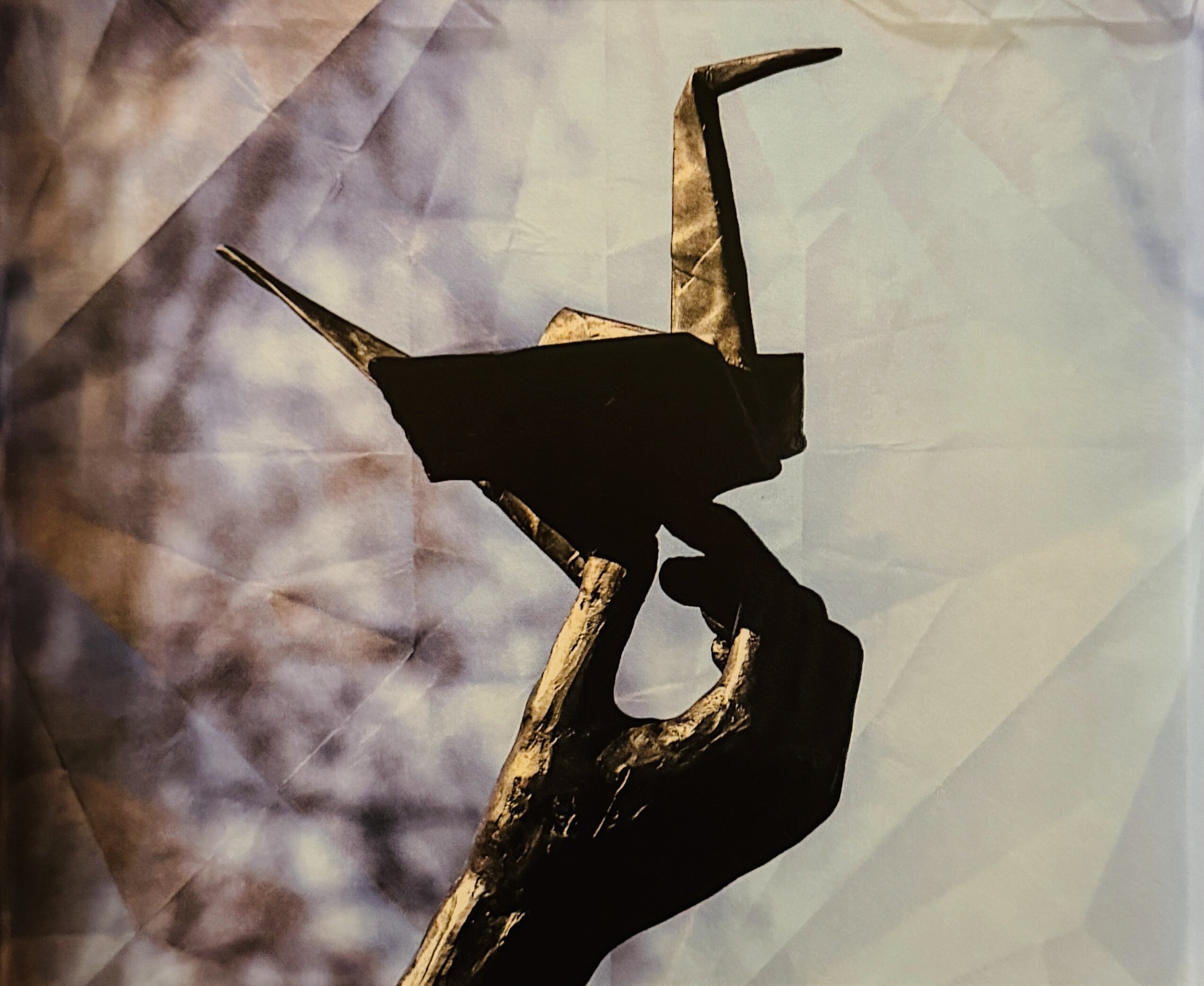
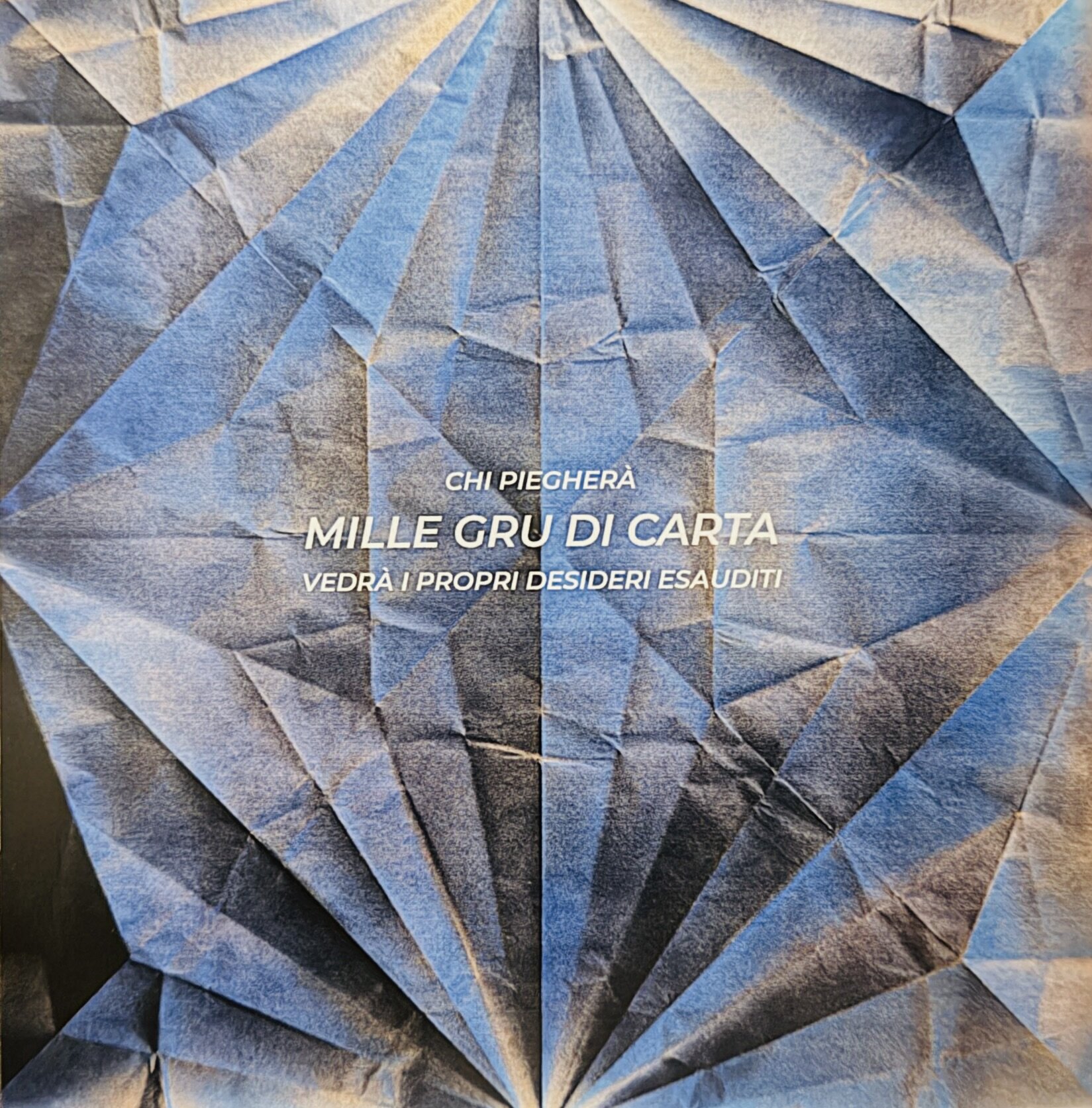
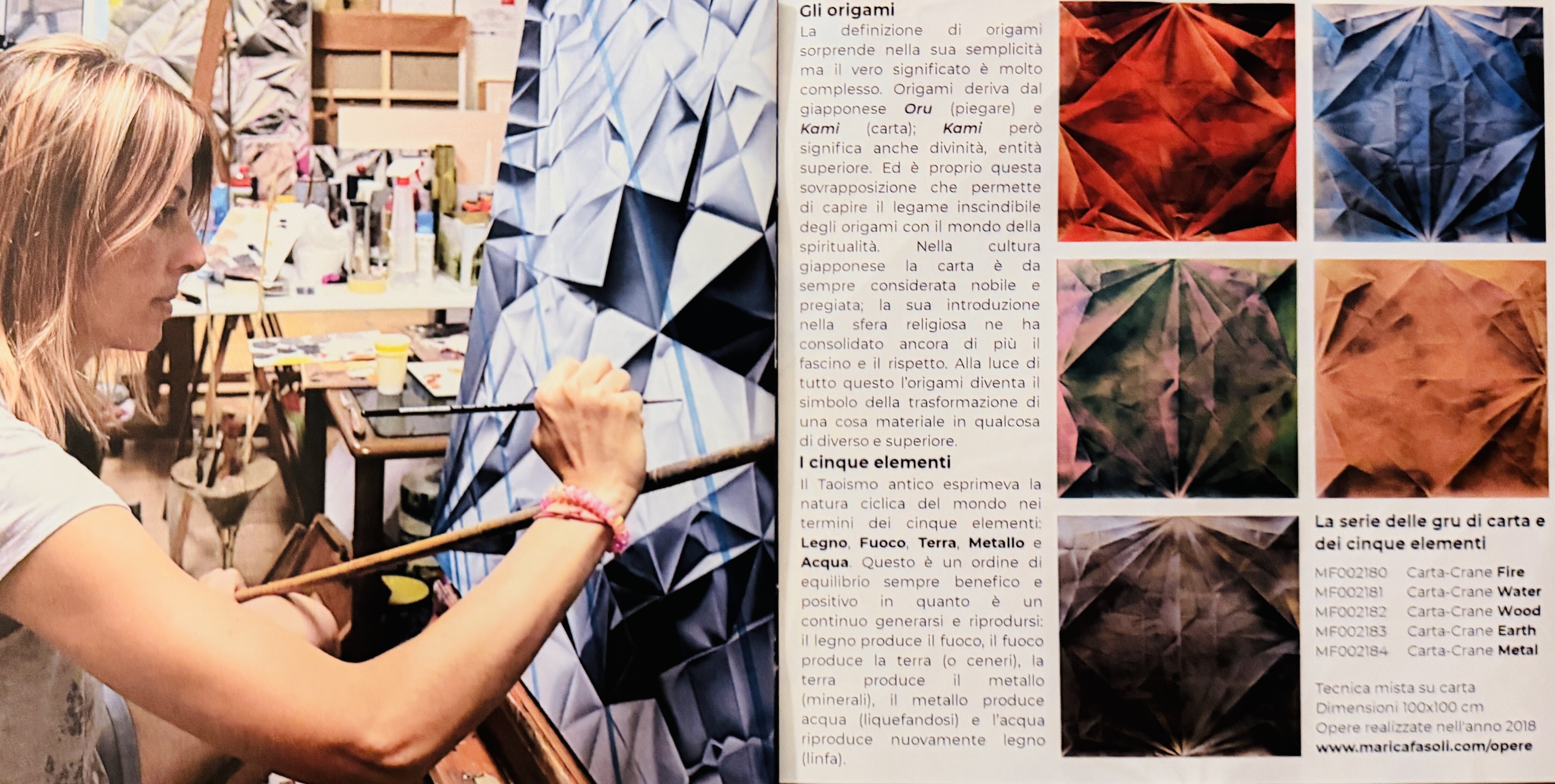
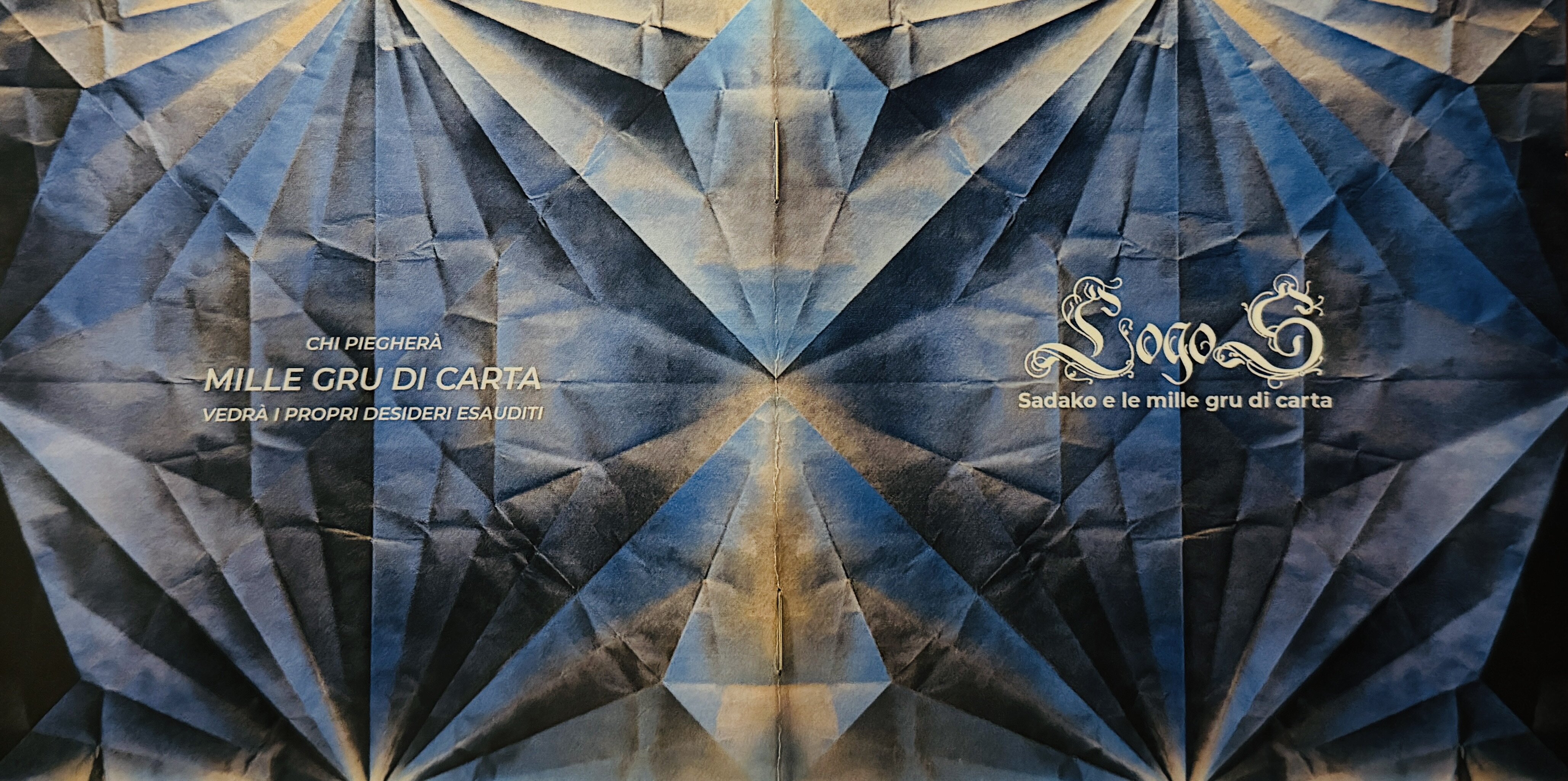
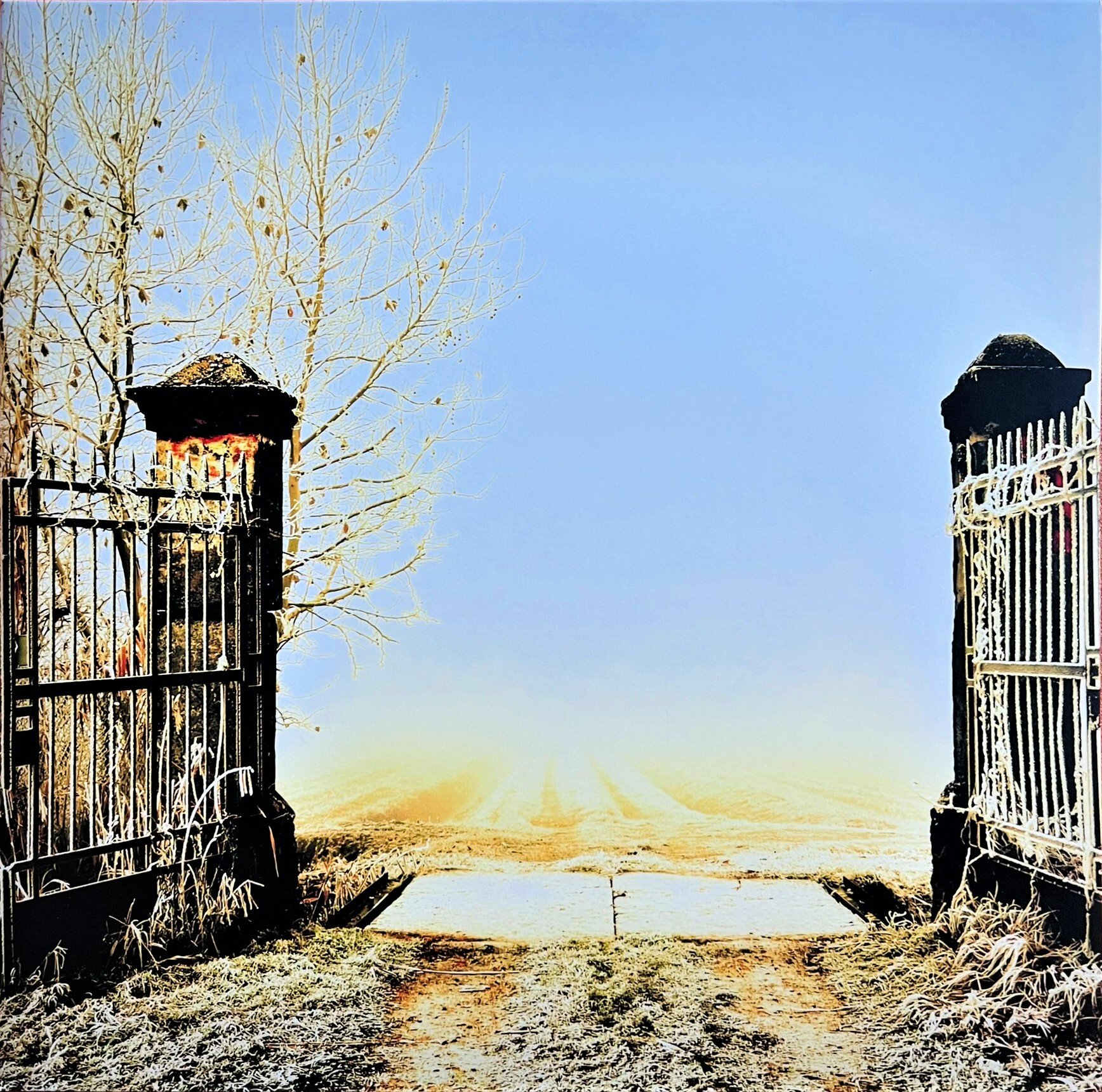
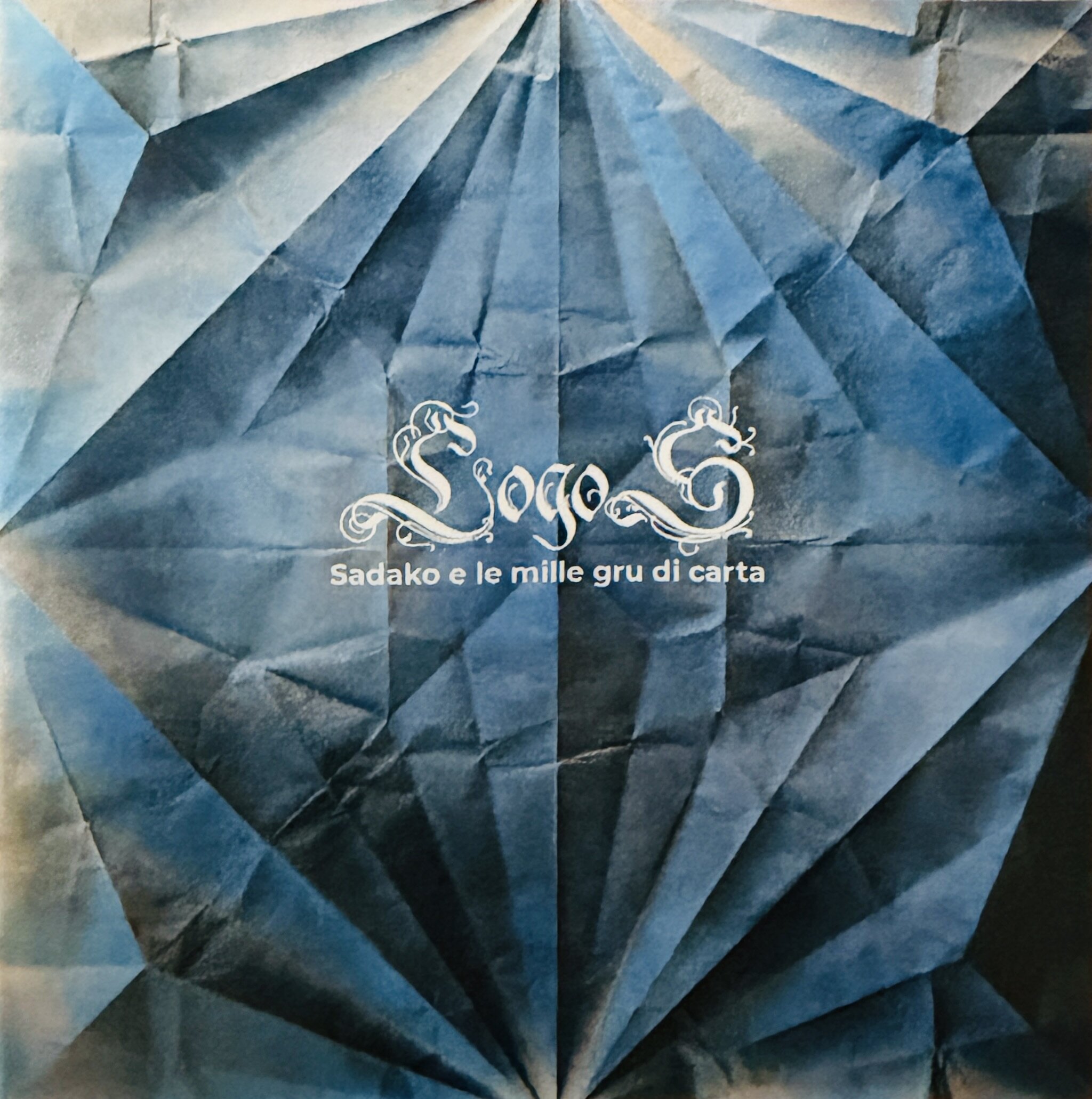
L'artwork dell'album è parte integrante del disco, un'opera di Marica Fasoli, che ha utilizzato l'origami come forma d'arte centrale, in linea con la leggenda giapponese. L'immagine di copertina mostra il foglio che risulta dal dispiegamento di un'unica, grande gru di carta e l'artwork si estende a un booklet che include ulteriori immagini e testi, un’esperienza artistica a più livelli.
Un album splendido che tratta un tema tragico con estrema delicatezza e grande tecnica esecutiva e compositiva. Assolutamente consigliato!
Nota: Tutti i link ai lavori dei musicisti sono nei TAG sotto il titolo dell'articolo o nella pagina "Artisti"
Tracklist
Origami in SOL- (2:19)
Paesaggi di insonnia (11:29)
Un lieto inquietarsi (10:47)
Il sarto (6:00)
Zaini di elio (12:37)
Sadako e le mille gru di carta (21:22)
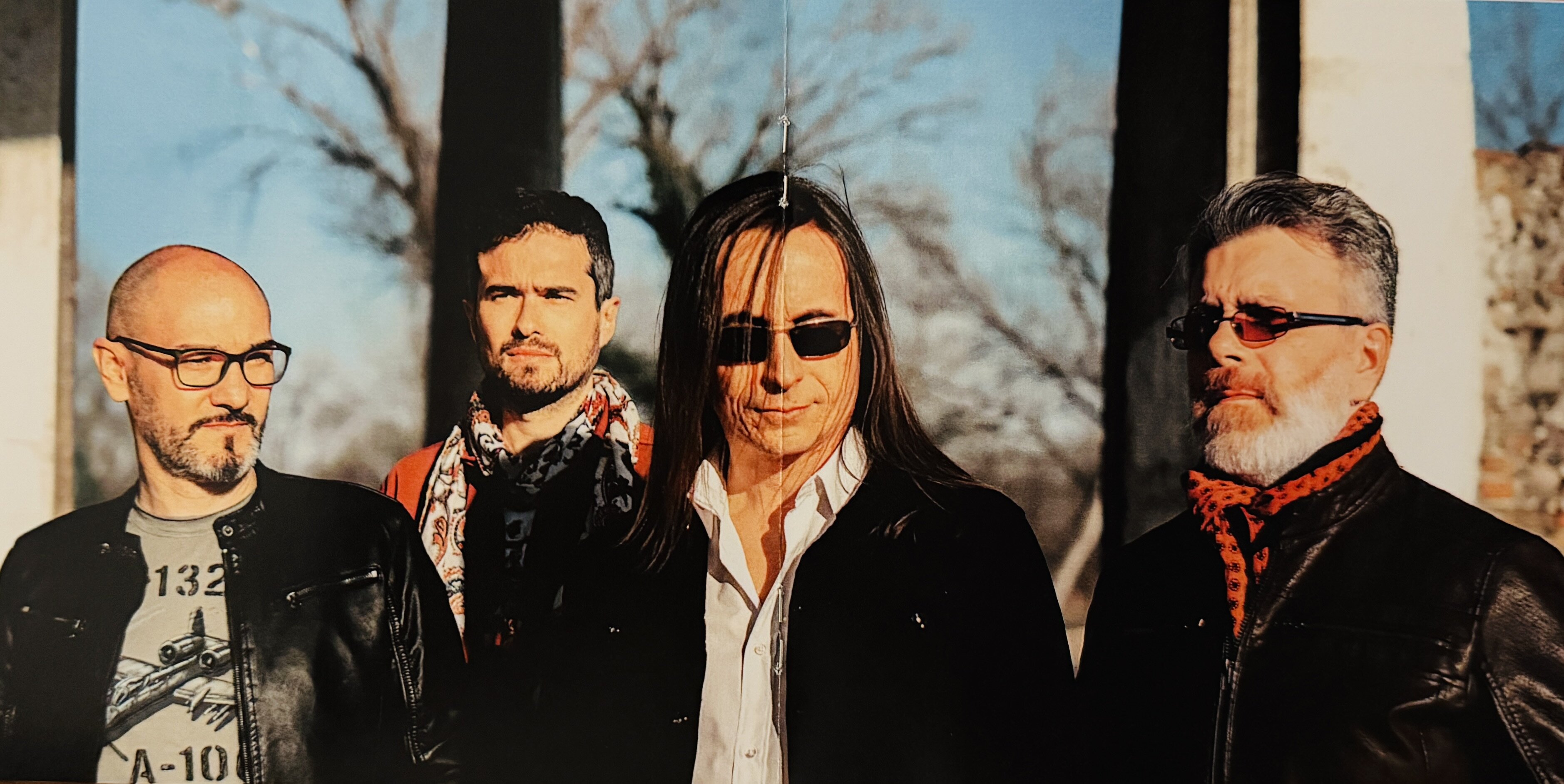
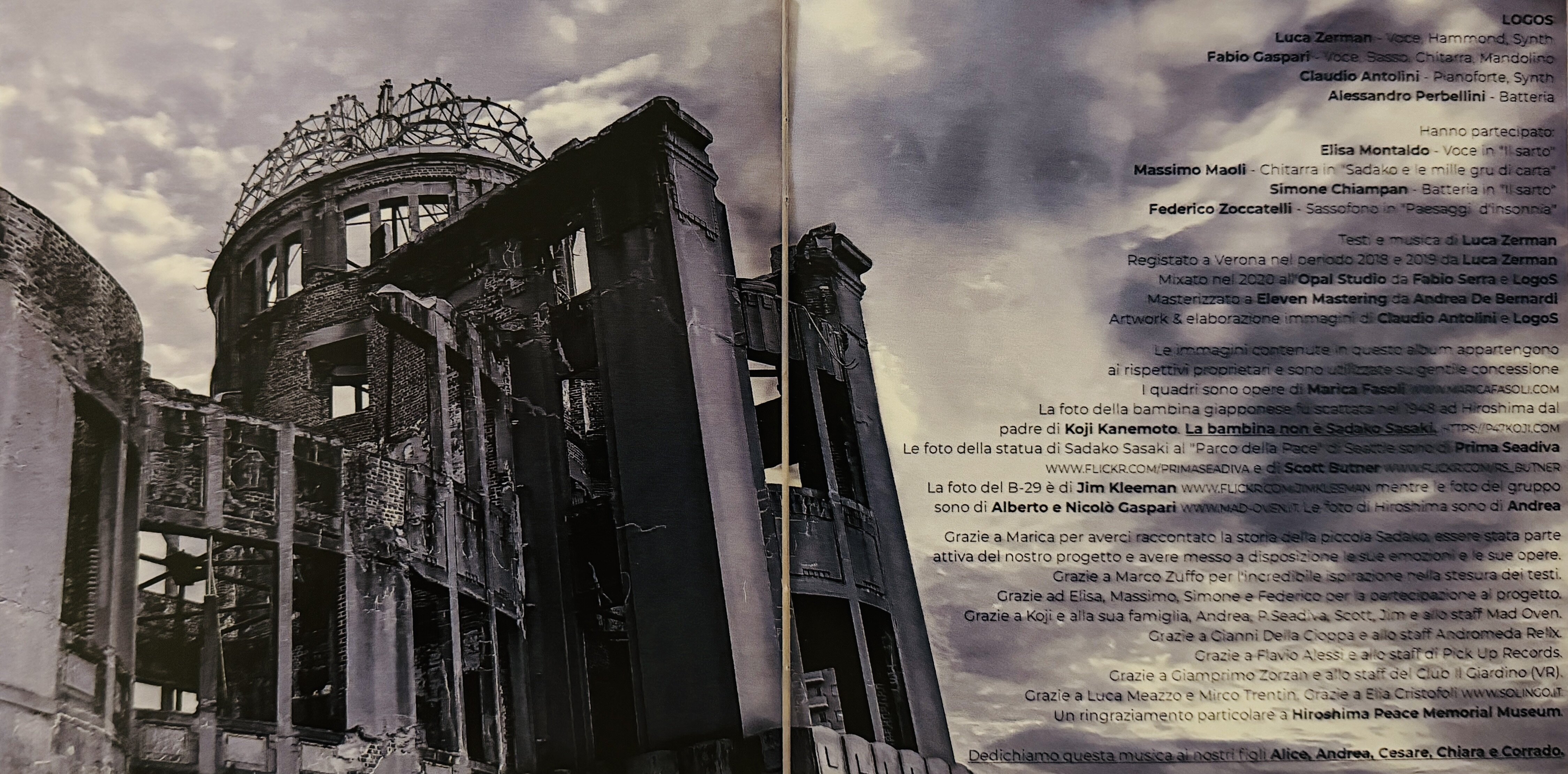
LineUp
Luca Zerman - Voce, Hammond, Synth
Fabio Gaspari-Voce, Sasso, Chitarra, Mandolino
Claudio Antolini - Pianoforte, Synth
Alessandro Perbellini - Batteria
Hanno partecipato:
Elisa Montaldo - Voce in "Il sarto"
Massimo Maoli - Chitarra in 'Sadako e le mille gru di carta"
Simone Chiampan - Batteria in "Il sarto"
Federico Zoccatelli - Sassofono in "Paesaggi d'insonnia'
Test e musica di Luca Zerman
Link per l’ascolto:
Alcune tracce dal Canale ufficiale Youtube LogoS