

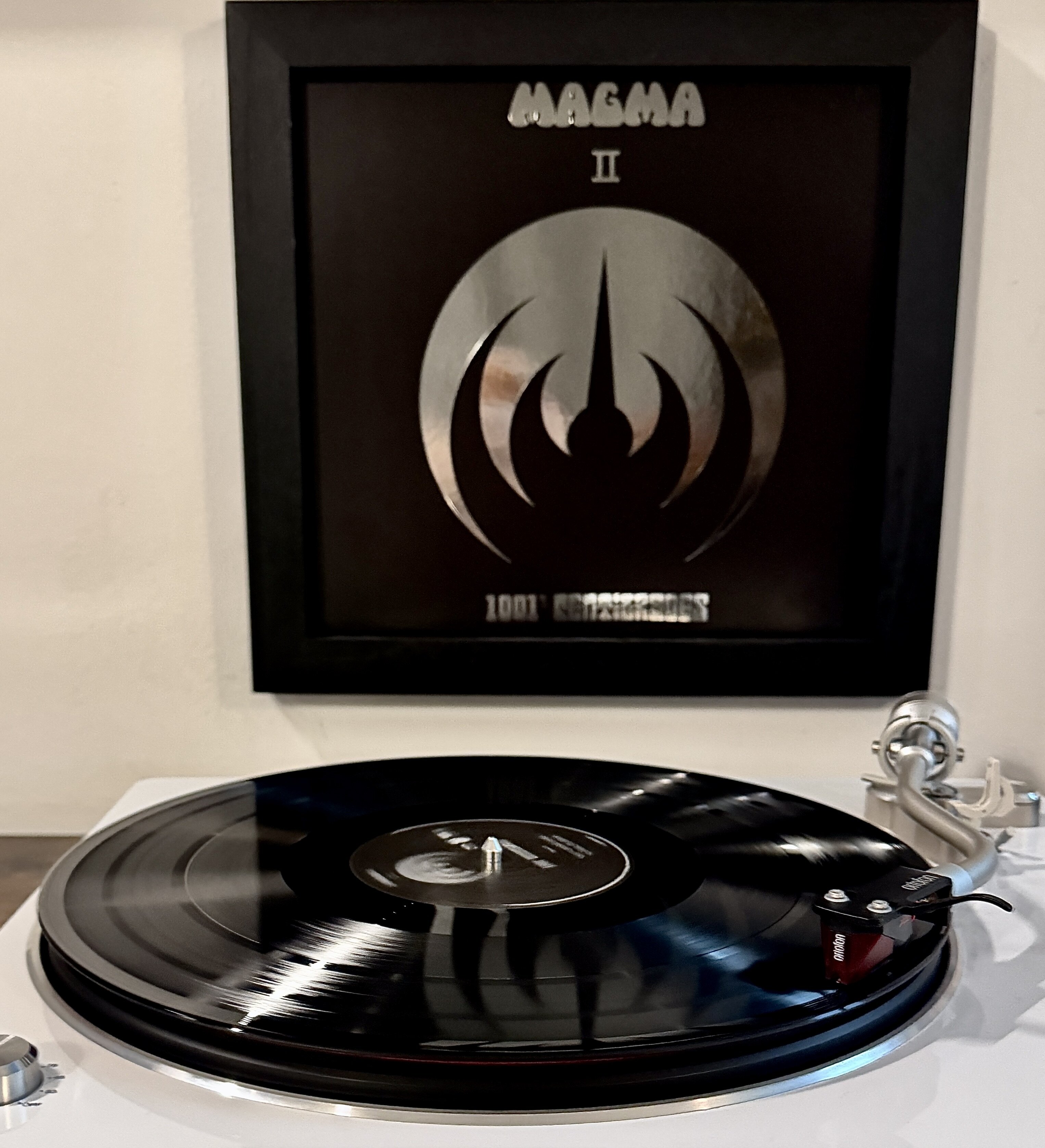
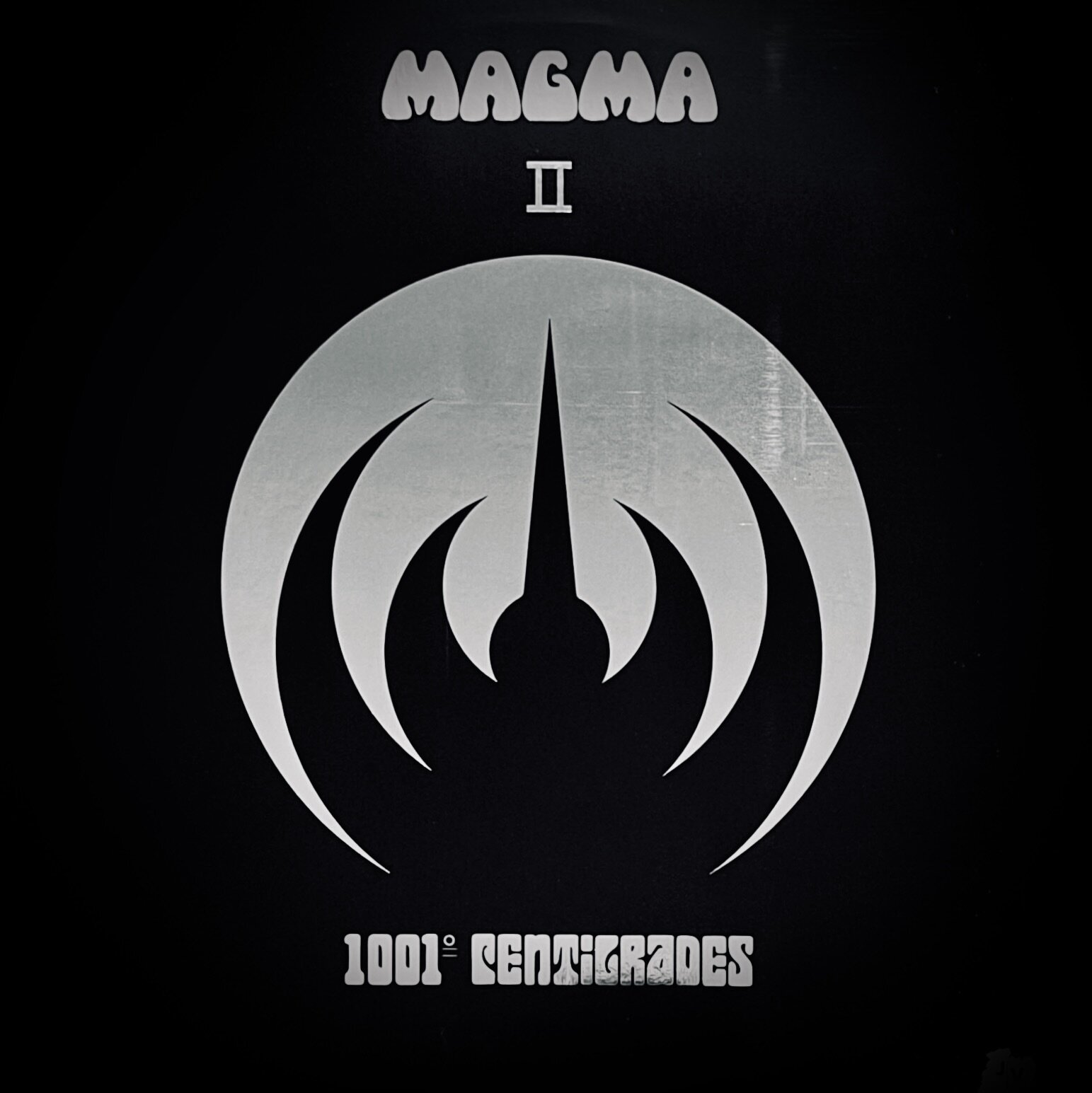
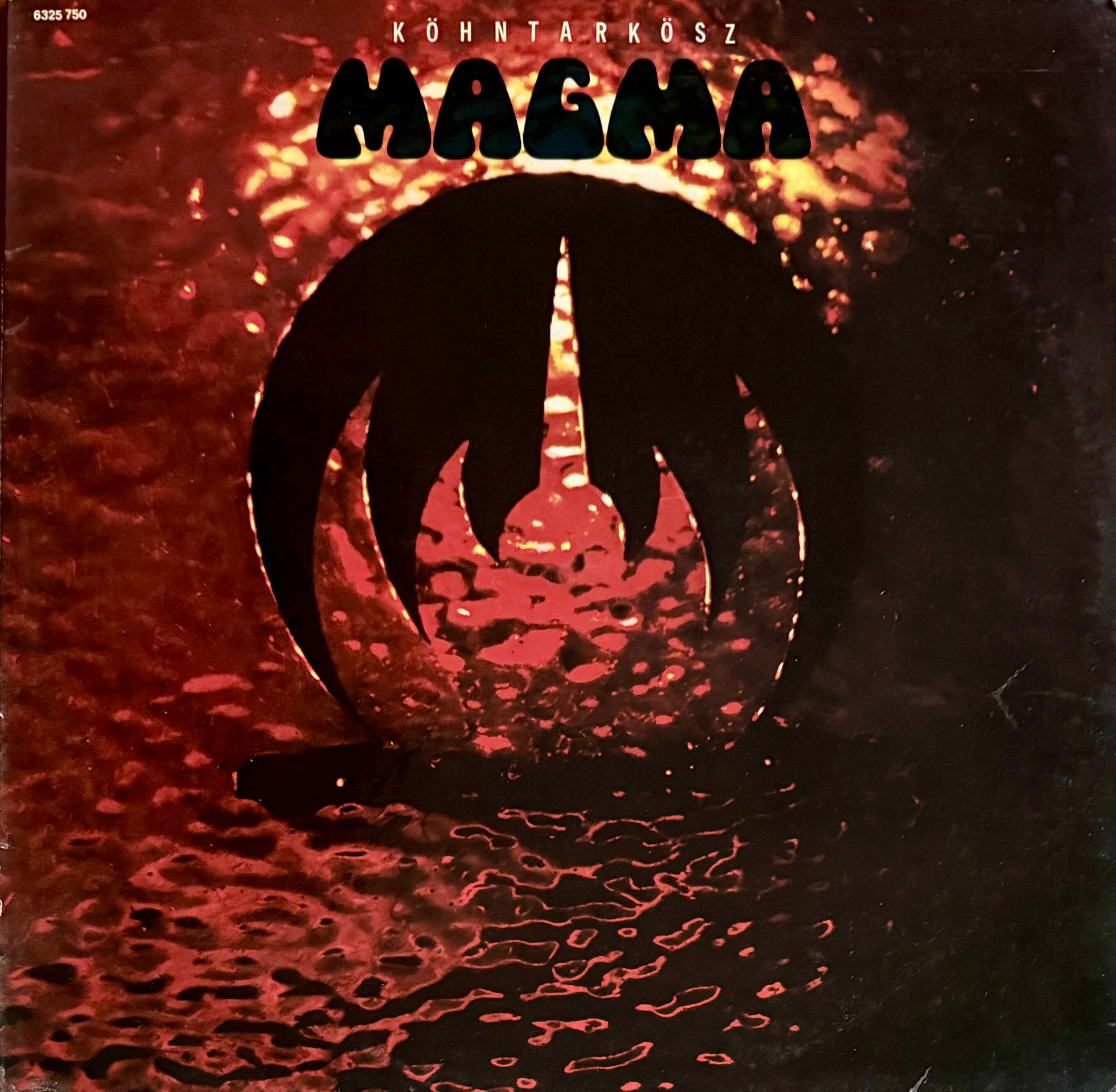
1001° Centigrades by Magma, released in 1971.
A band I love and have spoken about extensively in reviews of their masterpieces and in the dedicated article "Magma and the Kobaïan Saga," in which I retrace their history and the characteristics of their unique sound.
Originally titled simply 2 or Magma 2, this album represents a crucial transitional work that refines the Zeuhl style introduced on their debut, while retaining strong jazz-fusion influences. Compared to their first album, it is less frenetic but more structured and mature, marking a crucial chapter in the consolidation of the Kobaïan saga and the transition towards a purer Zeuhl sound.
The album also marks the end of Magma's first, classic lineup. Shortly after its release, several members, including Seffer and Cahen, left the band due to disagreements over Vander's increasingly extreme musical direction, later forming Zao.
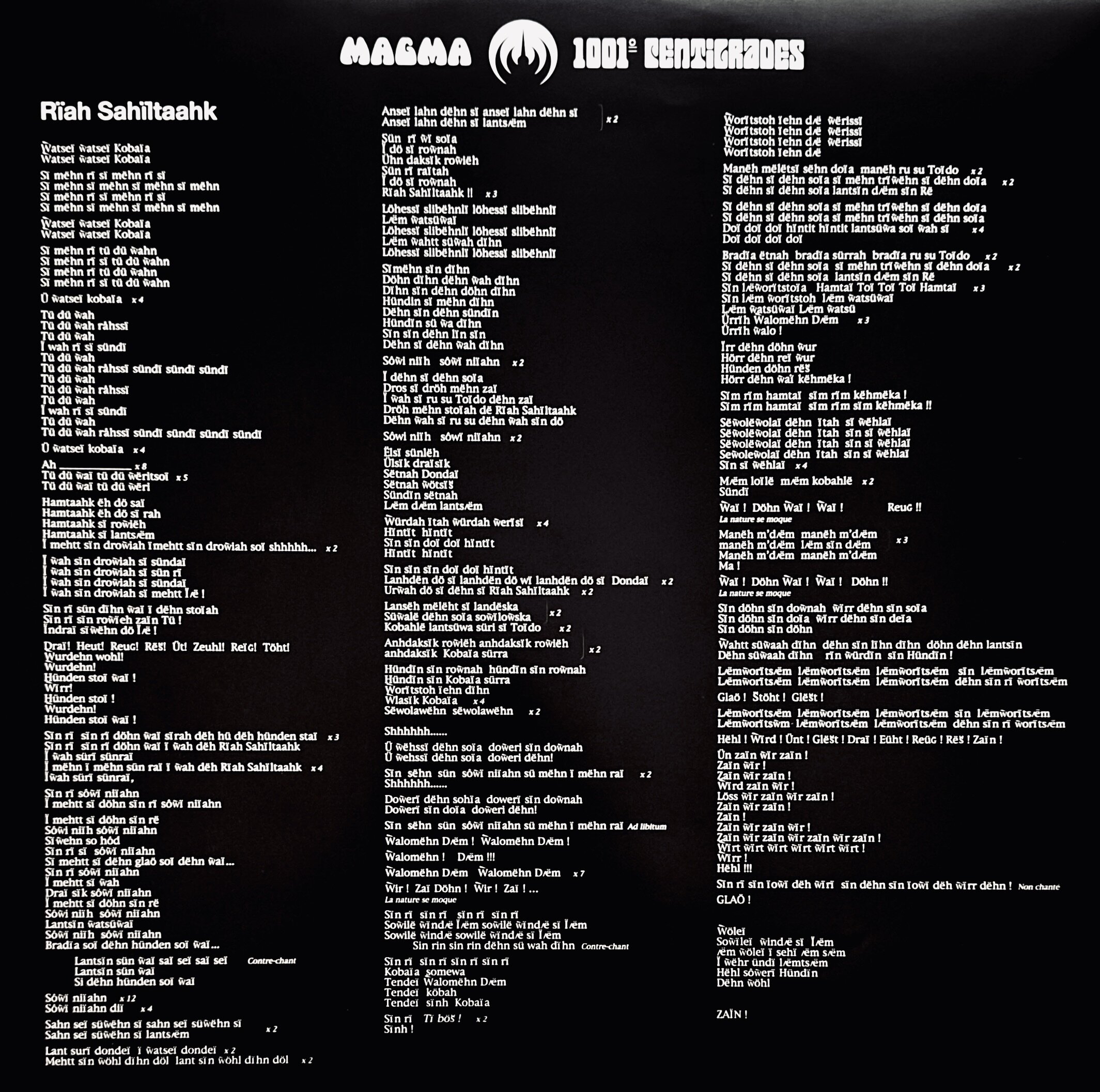
The album's narrative continues the sci-fi concept begun on their debut album, recounting the return to Earth. The mission of the colonists who fled to Kobaïa is to share their philosophy and save humanity from destruction. Instead of being welcomed as saviors, the Kobaïans encounter resistance and hostility from Earth's authorities, leading to ideological tensions and imprisonment. The main suite, "Rïah Sahïltaahk," tells the story of a character convinced he can convert the Earthlings single-handedly. However, he fails miserably and dies on the journey back to Kobaïa.
Since the first album, the lineup has undergone significant changes. Guitarist Claude Engel left the band before the recording sessions and was not replaced. This absence led to a denser sound, focused on horns and keyboards. To strengthen the horn section, Jeff Seffer on saxophone and Louis Toesca on trumpet joined the band.
After the release of their album and a performance at the Montreux Jazz Festival, Magma faced creative differences that led to a split. François Cahen and Jeff Seffer decided to leave the band to form Zao, pursuing a more jazz-fusion sound. Bassist Francis Moze later joined Gong. This split gave Christian Vander the opportunity to take the reins of the band, resulting in the birth of Magma's most iconic lineup.
The album is clearly divided between the epic suite on the first side and the jazzier pieces on the second. The suite "Rïah Sahïltaahk," which occupies the entire first side, is a dark and complex work that lays the conceptual foundation for the Kobaïa saga, characterized by the typical ritualistic chants and tribal rhythms that will become the band's trademark. "Iss Lanseï Doïa," a composition by Teddy Lasry, features a gorgeous bass groove and dreamy atmospheres that turn menacing. "Ki Ïahl Ö Lïahk," composed by François Cahen, is a decidedly jazzier piece with bold horns reminiscent of 1970s fusion.
1001° Centigrades occupies a crucial position in Magma's evolution, serving as an ideal bridge between their early jazz-fusion sound and their subsequent album, Zeuhl. This album, introducing martial rhythms, ritualistic choirs, and dark atmospheres, defined their unique sound.
With this album, Magma began to break away from conventional jazz-rock. The Kobaïan singing became more ritualistic and guttural, anticipating the style that would emerge in the masterpiece Mëkanïk Dëstruktïẁ Kömmandöh. A great album, highly recommended.
Tracklist
My Version
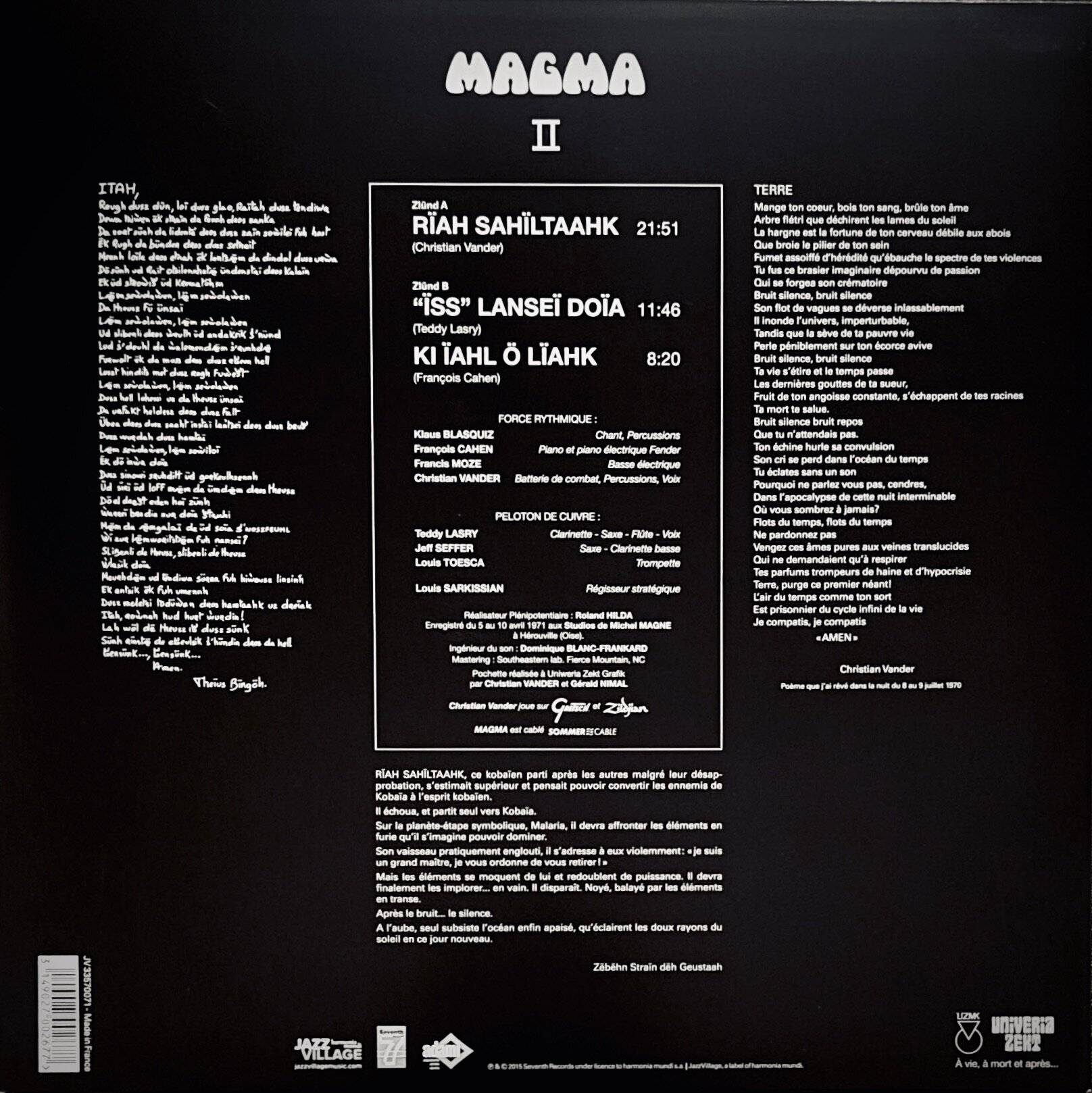
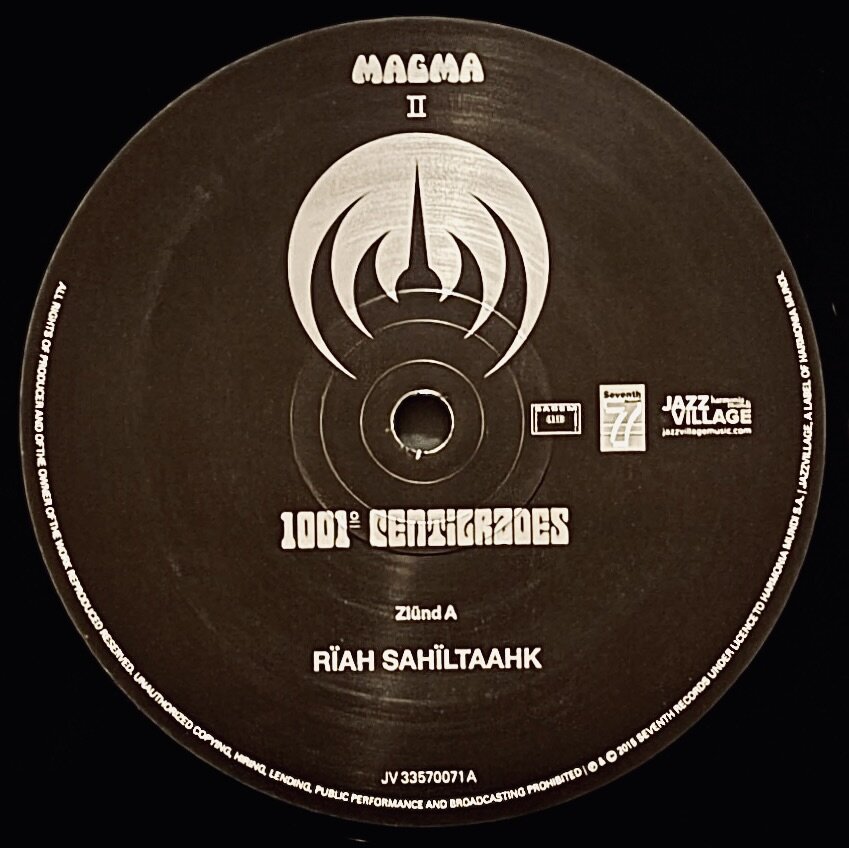
Label: Jazz Village – JV33570071
Format: Vinyl, LP, Album, Reissue, 180g
Country: France
Release: June 2015
Tracks:
RIAH SAHILTAAHK 21:51 (Christian Vander)
"ÏSS" LANSEÏ DOÏA 11:46 (Teddy Lasry)
KI AHL Ö LiAHK 8:20 (François Cahen)
LineUp
(as listed on the album)
RHYTHMIC FORCE:
Klaus BLASQUIZ Vocals, percussion
François CAHEN Fender piano and electric piano
Francis MOZE Electric bass
Christian VANDER Battle drums, percussion, vocals
CORPOR PLATOON:
Teddy LASRY Clarinet – Sax – Flute – Vocals
Jeff SEFFER Sax – Bass clarinet
Louis TOESCA Trumpet
Louis SARKISSIAN Strategic Director
Plenipotentiary Director: Roland HILDA

Note: All links to the musicians' works are in the TAGS under the article title or on the "Artists" page.
.jpeg "Mekanïk Destruktïw Kommandöh by Magma")