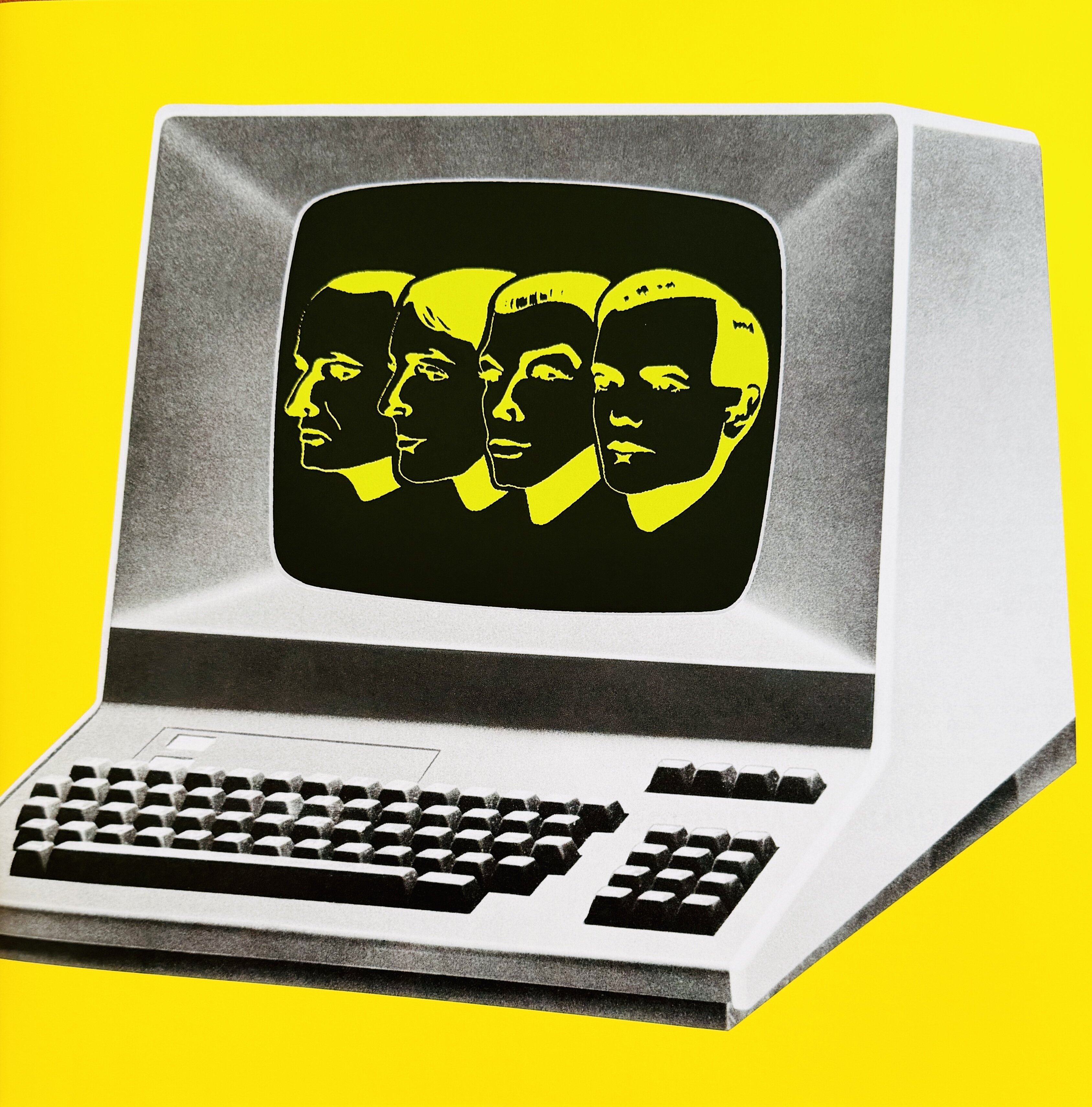

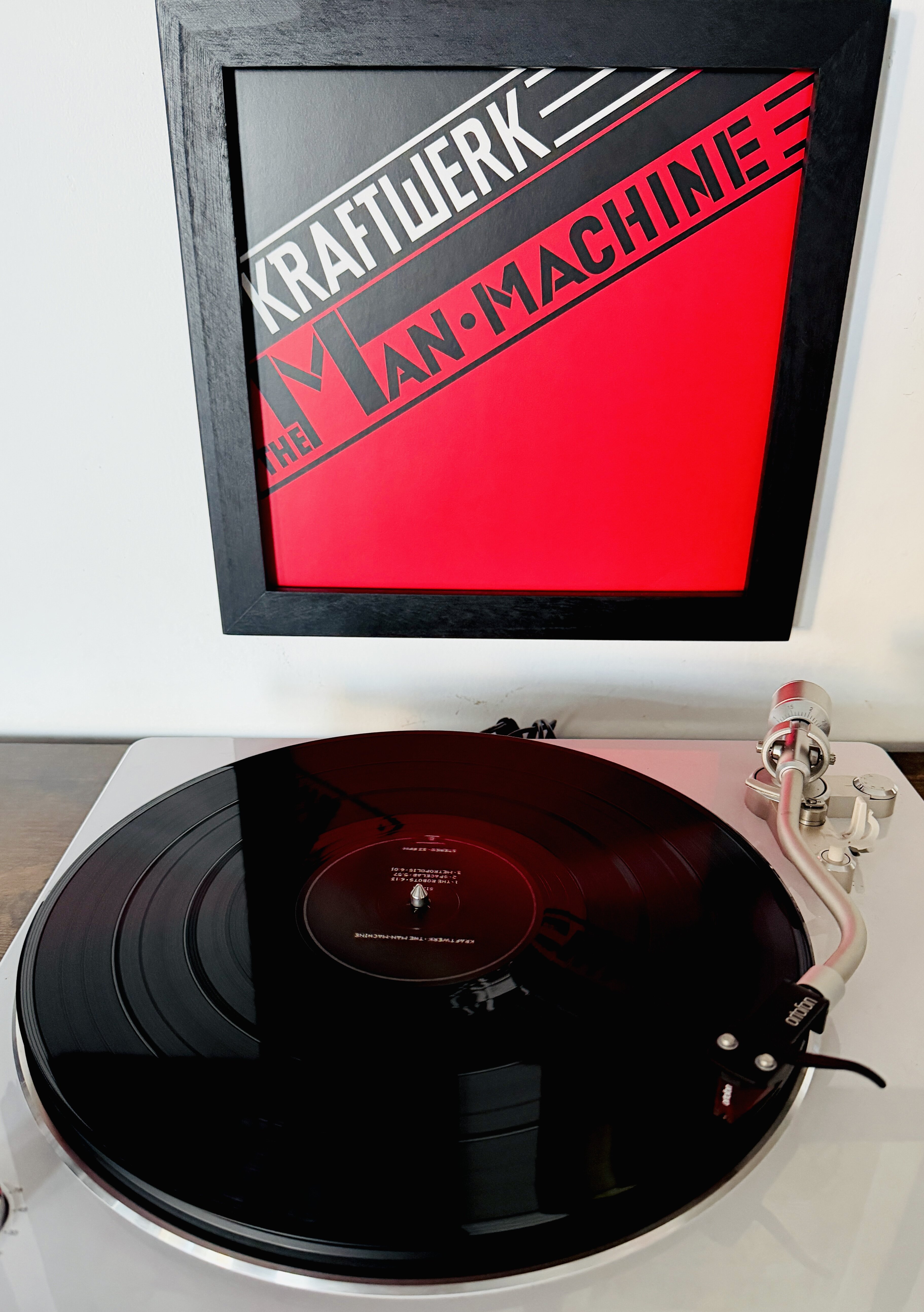
The Man-Machine dei Kraftwerk, del 1978.
Di questa band ho parlato in occasione della recensione di un altro disco di prima grandezza nella loro discografia, Trans Europa Express e nella scheda a loro dedicata intitolata “I Kraftwerk, padri fondatori della musica elettronica moderna”.
È il loro settimo album e il loro capolavoro. Qui i Kraftwerk si superano, esplorando al massimo il mondo del synth-pop e l’idea di un’armonia perfetta tra uomo e tecnologia. Un album che ha davvero segnato la storia della musica elettronica e pop.
Registrato nel loro mitico Kling Klang Studio, questo disco cementa lo stile “robotico” che li ha resi famosi: melodie semplici, ritmi particolari e l’immancabile vocoder.
Dopo il successo di Trans-Europe Express, i Kraftwerk si superano ancora, mescolando uomo e macchina come mai prima. E per la prima volta, Karl Bartos si unisce a Ralf Hütter e Florian Schneider come compositore. The Man-Machine è il punto più alto della filosofia dei Kraftwerk, un’esplorazione della fusione tra umanità e tecnologia. Più che un semplice album, è un vero e proprio manifesto artistico che ridefinisce il musicista come un “operaio del suono”.
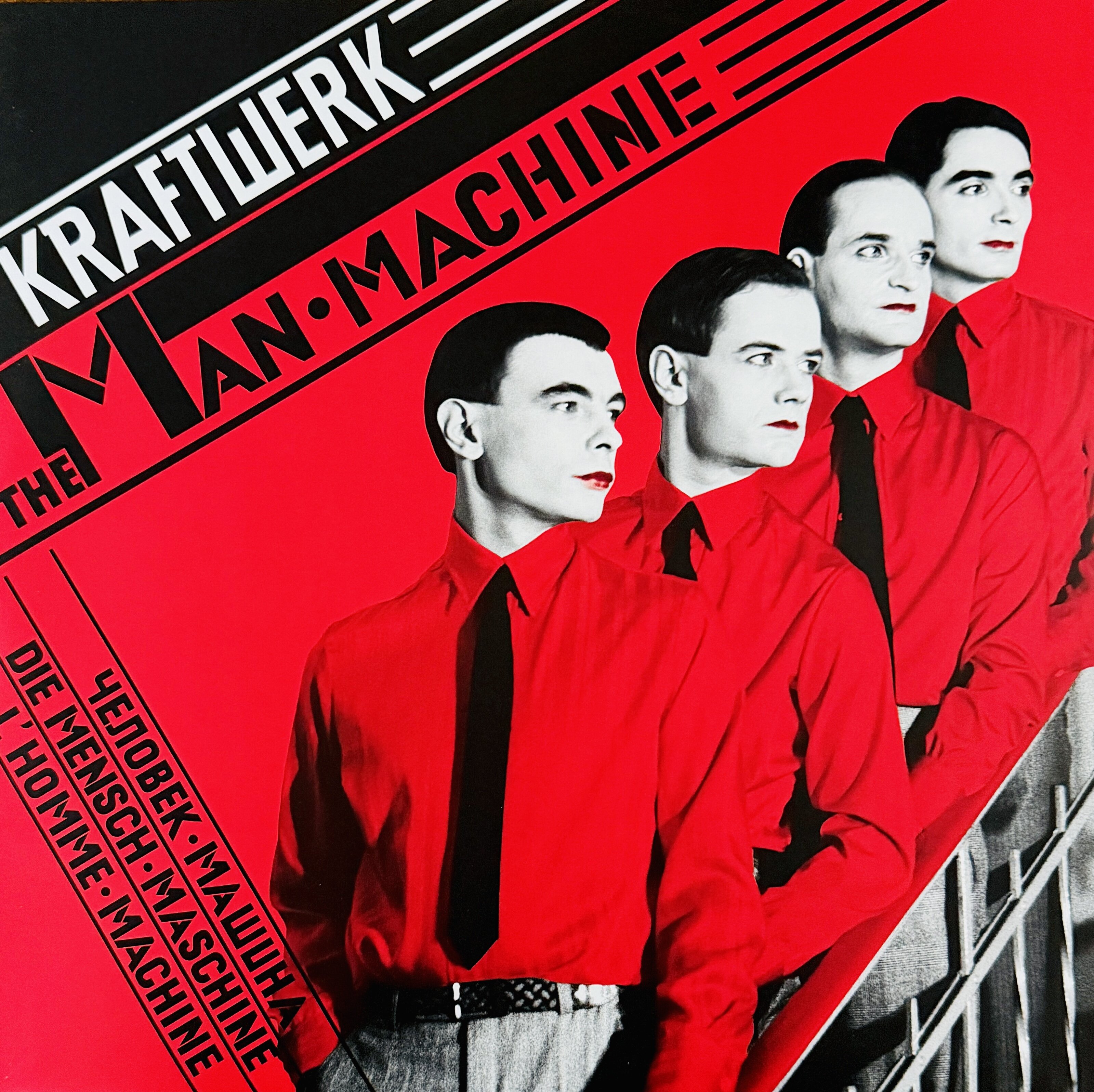
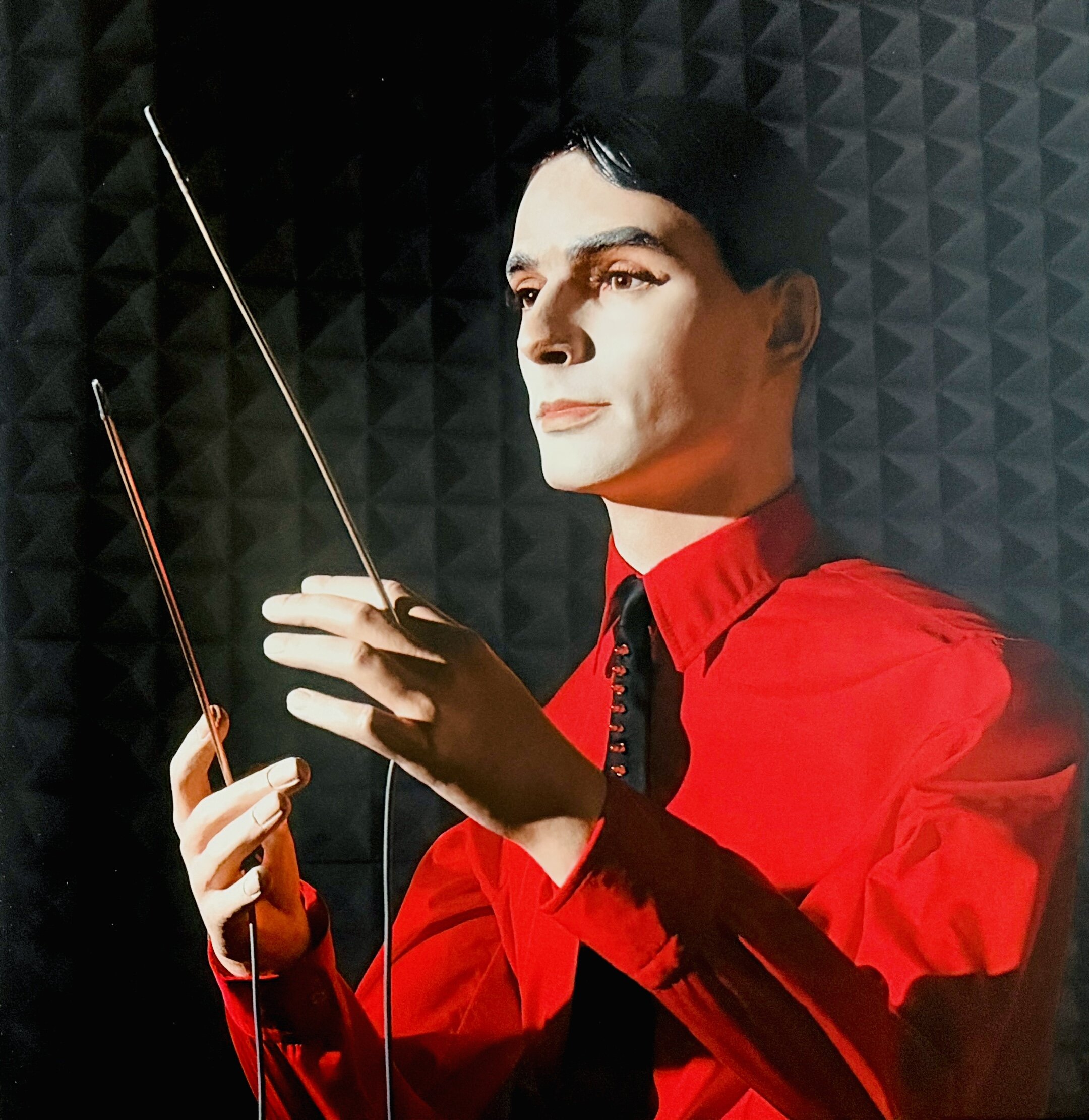
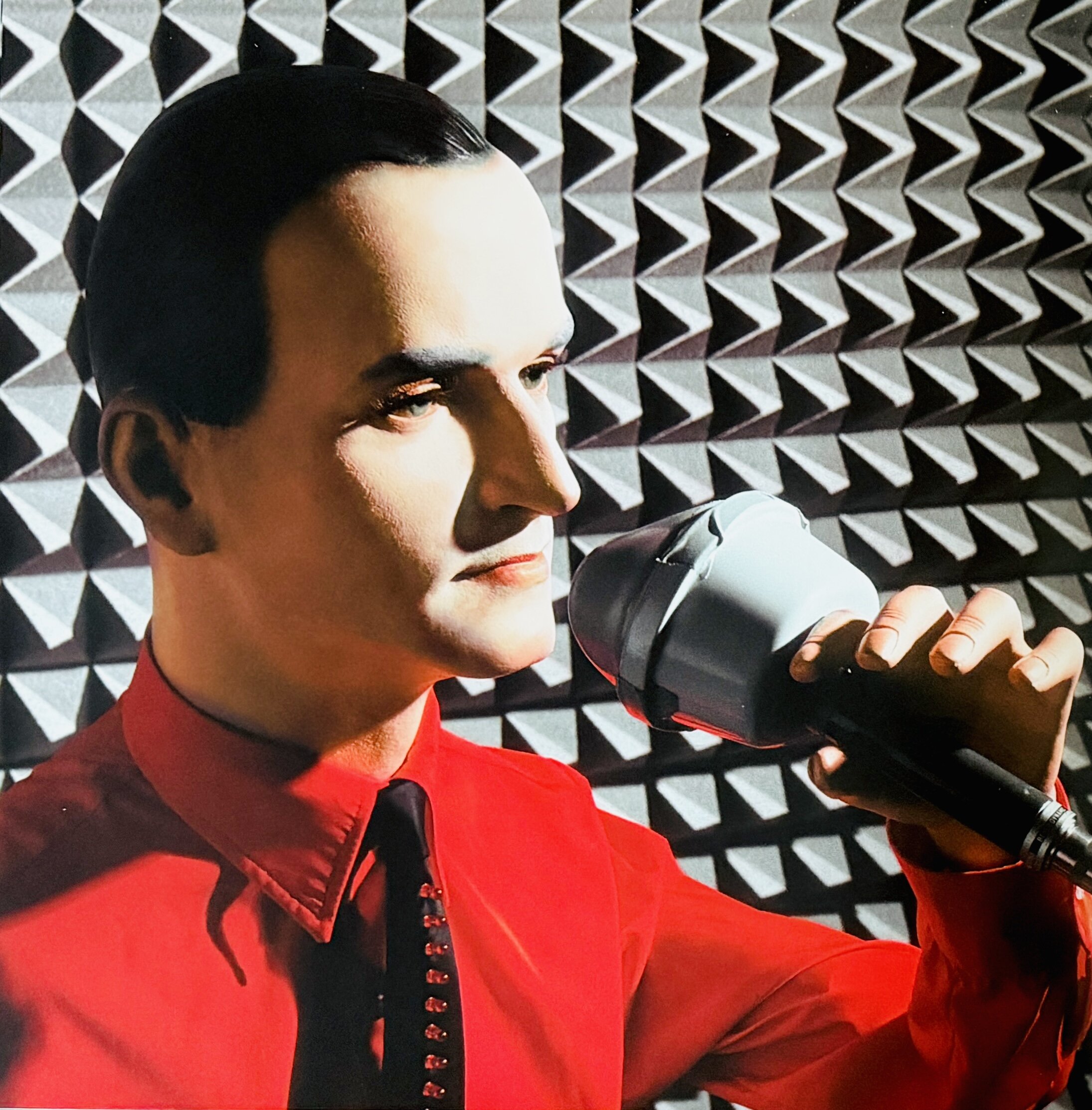
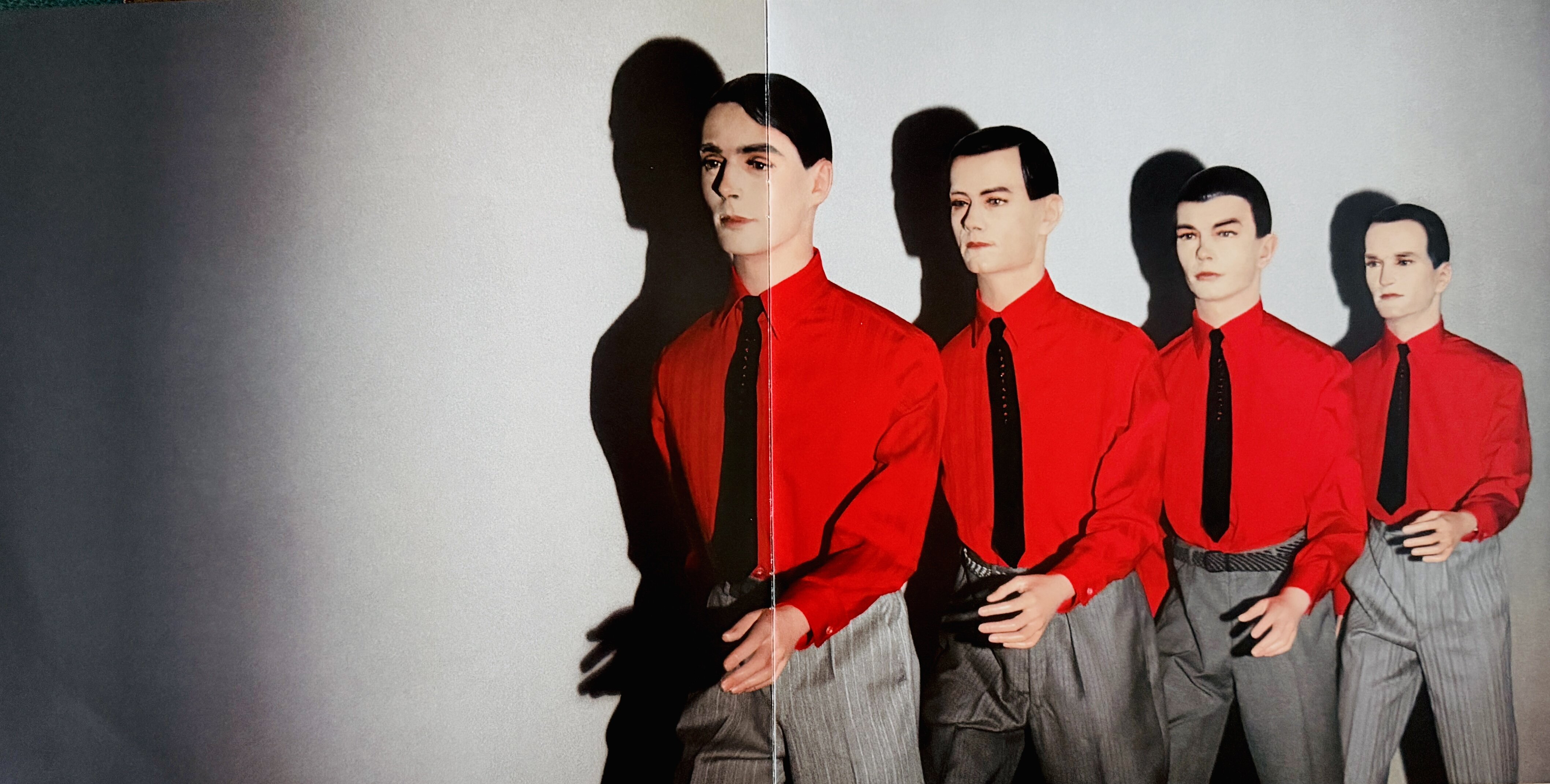
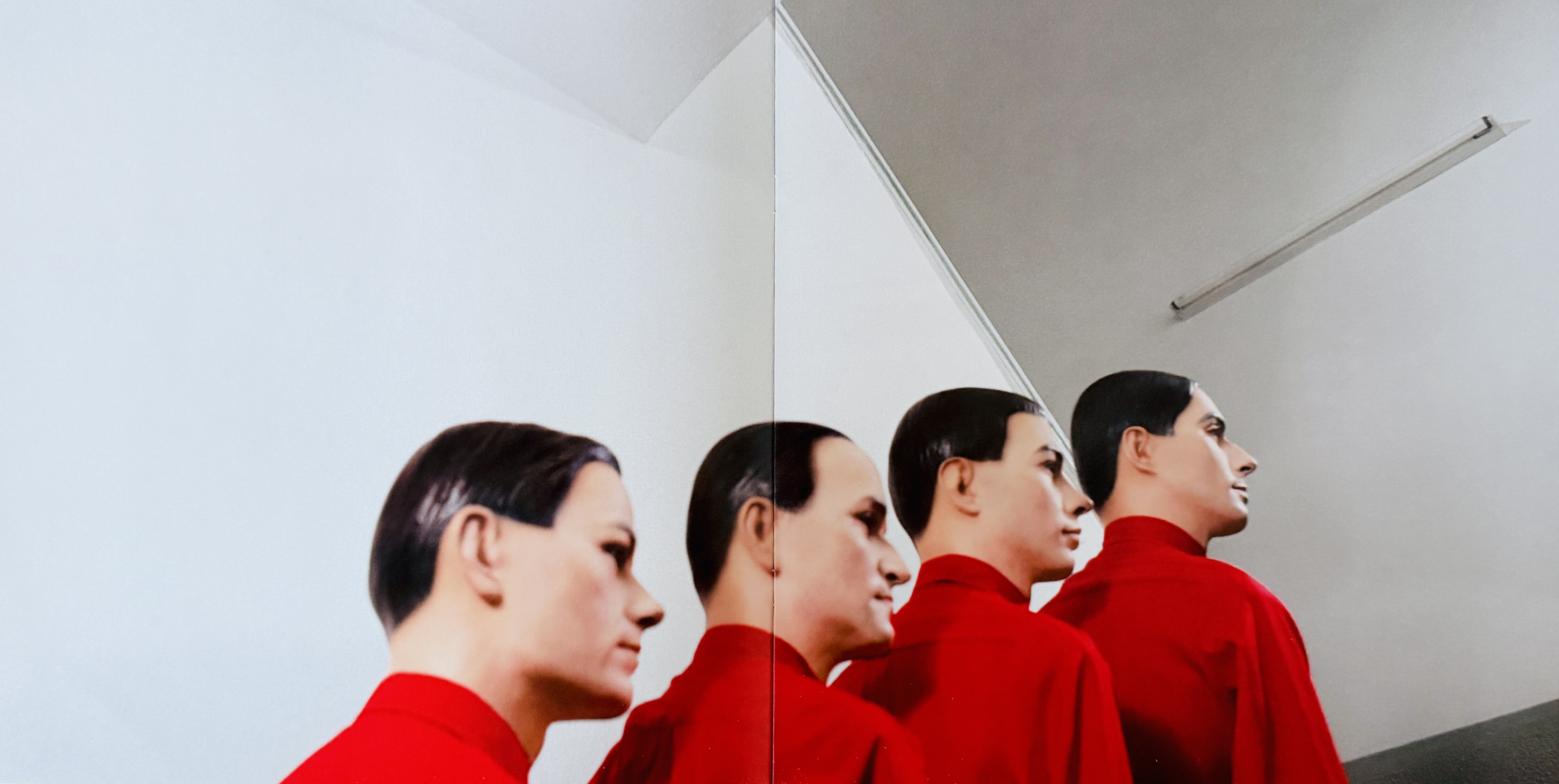
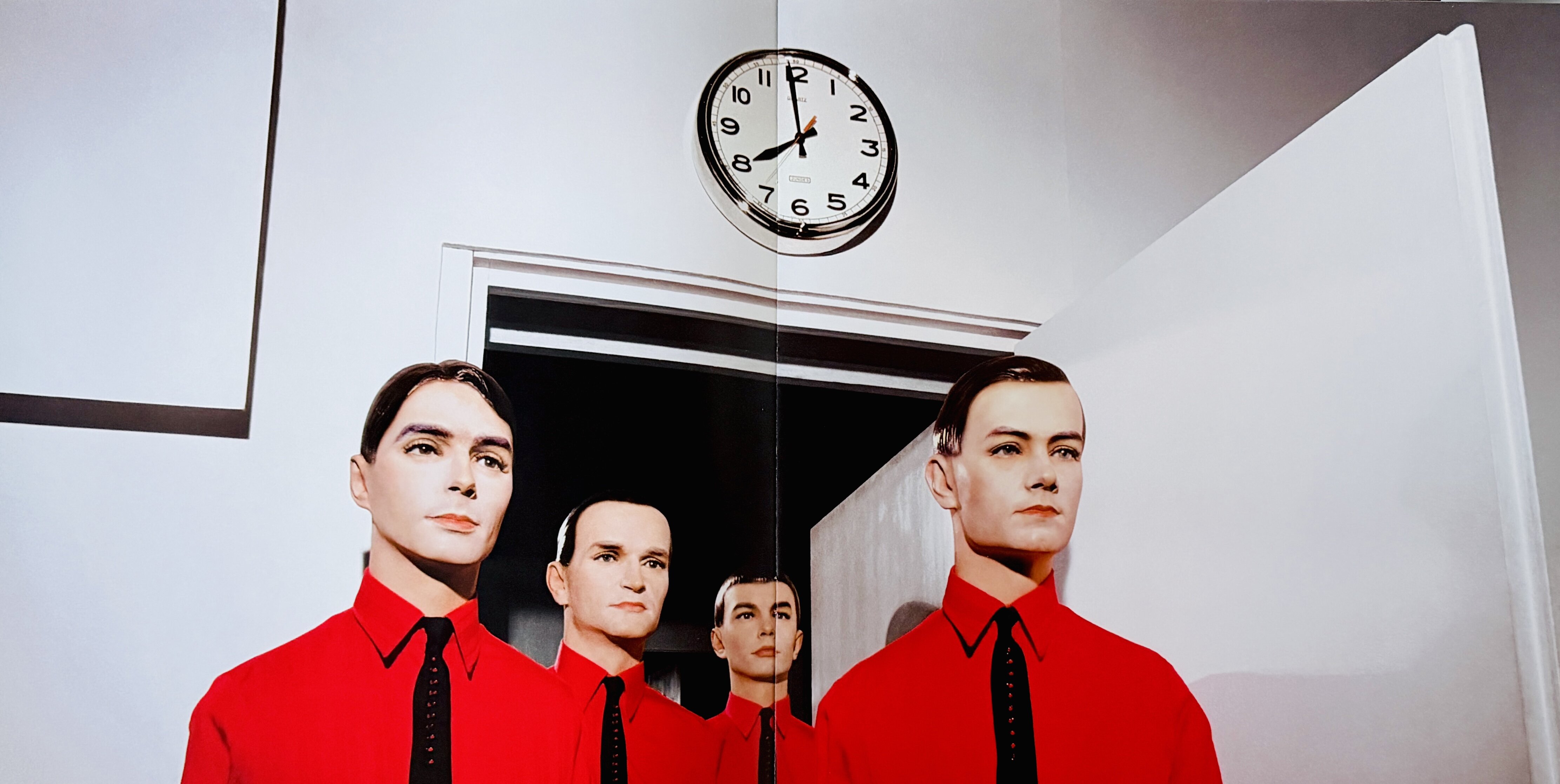
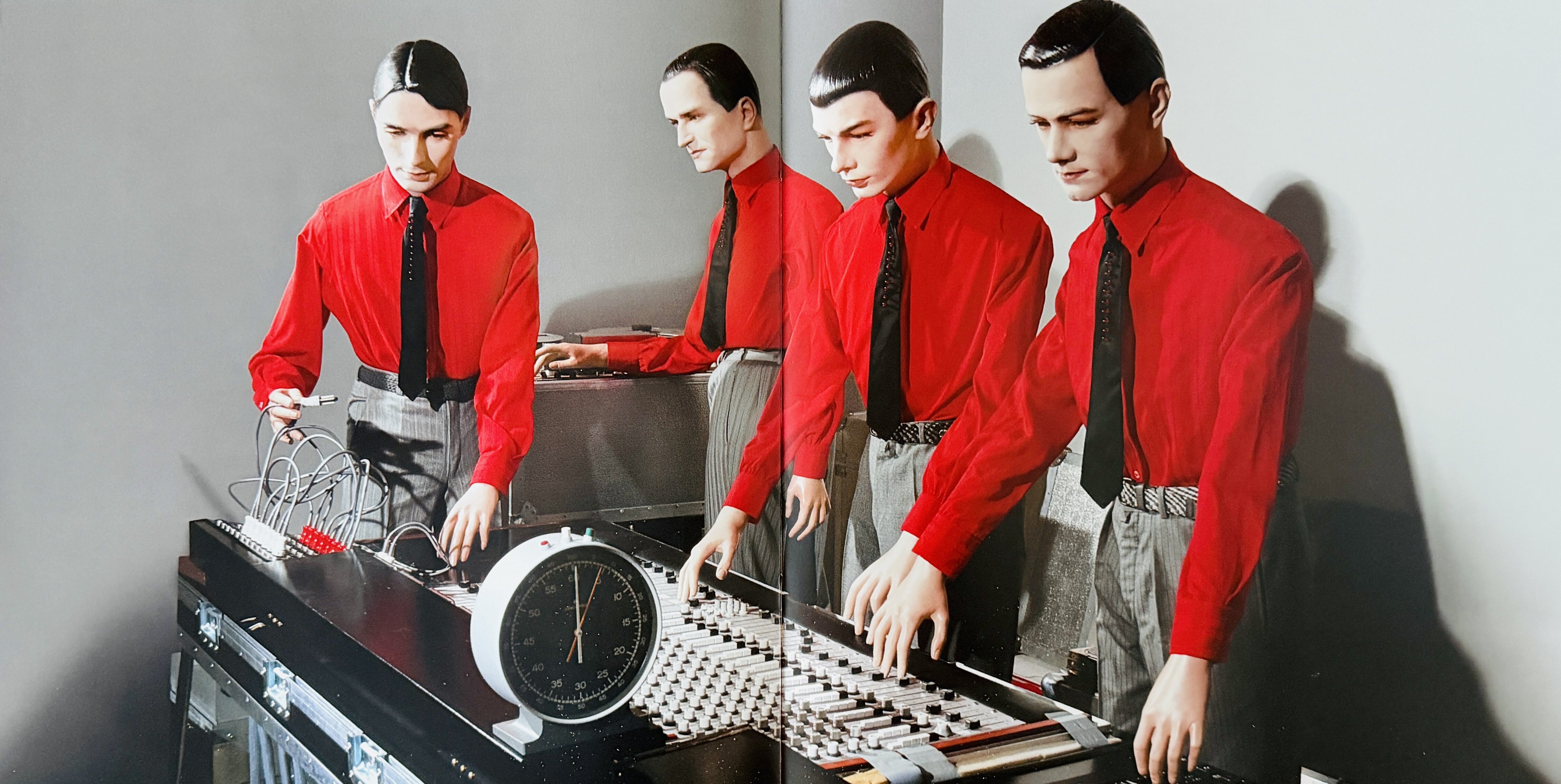
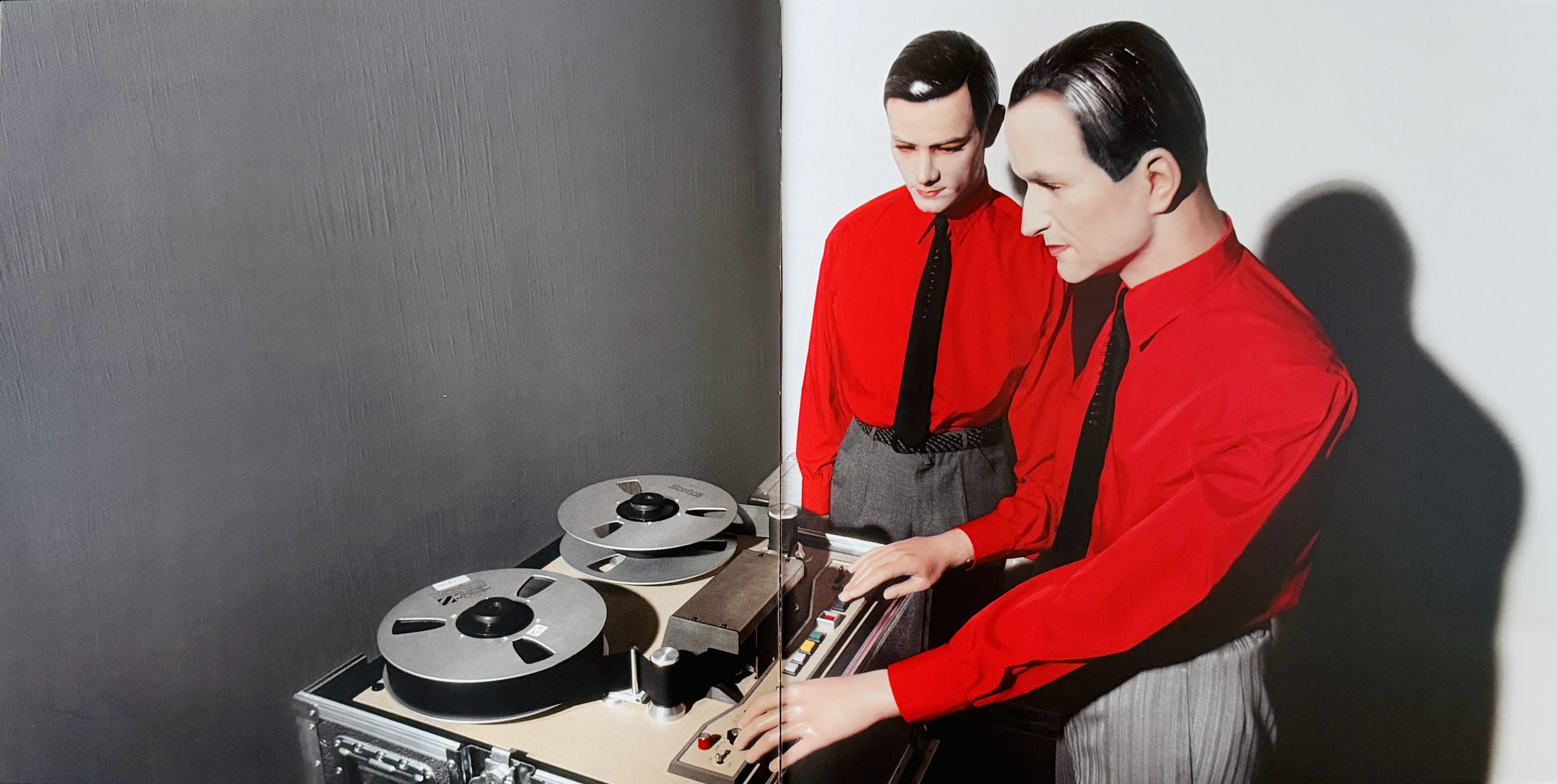
Il tema centrale è proprio questo: superare il confine tra uomo e macchina. In canzoni come “The Robots”, il gruppo canta: “Siamo i robot”, suggerendo che la tecnologia non è solo uno strumento, ma parte integrante di noi. E per dimostrarlo, usavano persino manichini personalizzati durante concerti e conferenze stampa. A differenza di chi vede la tecnologia come qualcosa di freddo e impersonale, i Kraftwerk volevano dare “anima” ai circuiti, creando melodie ed emozioni con i sintetizzatori. Un’idea davvero rivoluzionaria.
I Kraftwerk, veri e propri pionieri del “robot pop”, hanno saputo mescolare l’avanguardia elettronica con melodie semplici e orecchiabili, creando così il synth-pop moderno che conosciamo oggi.
La loro musica è caratterizzata da ritmi elettronici ripetitivi e precisi, quasi come il ticchettio di un metronomo, che ricordano il movimento di una catena di montaggio o di un ingranaggio in funzione. A differenza dei loro lavori precedenti, più sperimentali e legati al genere Krautrock, le melodie dei Kraftwerk sono chiare, piacevoli e lineari, come dimostra il successo planetario di “The Model”. Un altro elemento distintivo del loro stile è l’uso dei sintetizzatori vocali, i vocoder, che filtrano le voci umane per dare loro un timbro robotico e privo di emozioni, trasformando il canto in un vero e proprio strumento elettronico. I Kraftwerk hanno sempre preferito utilizzare strumenti costruiti su misura o modificati, come i due “Synthanoramas”, sequenziatori analogici a 16 step, e il vocoder, per creare voci robotiche e pad percussivi fatti in casa, che producevano suoni secchi e sintetici, diversi dai classici timbri di una batteria rock. Infine, la loro produzione è nota per la sua pulizia sonora estrema, che elimina qualsiasi imperfezione umana o distorsione tipica della musica dell’epoca, creando un suono pulito e moderno.
L’album è un viaggio musicale di sei tracce, per un totale di circa 36 minuti.
Si parte con “The Robots” (Die Roboter), il loro inno alla meccanicità. Un pezzo pop elettronico dal ritmo incalzante, con il vocoder che ripete frasi in russo e inglese, un vero marchio di fabbrica.
Poi arriva “Spacelab”, un brano strumentale che ci porta in viaggio tra le stelle con sintetizzatori fluttuanti e arpeggi elettronici. L’atmosfera è eterea, ma allo stesso tempo solida, grazie a una base ritmica che non ti lascia scappare.
“Metropolis” omaggia il film di Fritz Lang, dipingendo un’immagine futuristica della città. La musica sembra quasi disegnare la nebbia tra i grattacieli e la fredda, ma affascinante, precisione industriale.
“The Model” (Das Modell) è il pezzo che ha fatto impazzire tutti, arrivando primo nella classifica britannica nel 1982. Una satira divertente sul mondo della moda e del consumismo, con una melodia semplice e orecchiabile che ha influenzato tutto il synth-pop degli anni ’80.
“Neon Lights” (Neonlicht) è una suite elettronica, considerata la più bella composizione dei Kraftwerk. Sintetizzatori che creano melodie splendide, un vero gioiellino.
L’album si chiude con “The Man-Machine” (Die Mensch-Maschine), che dà il titolo al disco. Un loop ritmico che simula il battito di un cuore artificiale, perfetto per la loro “jam session meccanica”. Un pezzo che scivola dolcemente verso un futuro tecnologico.
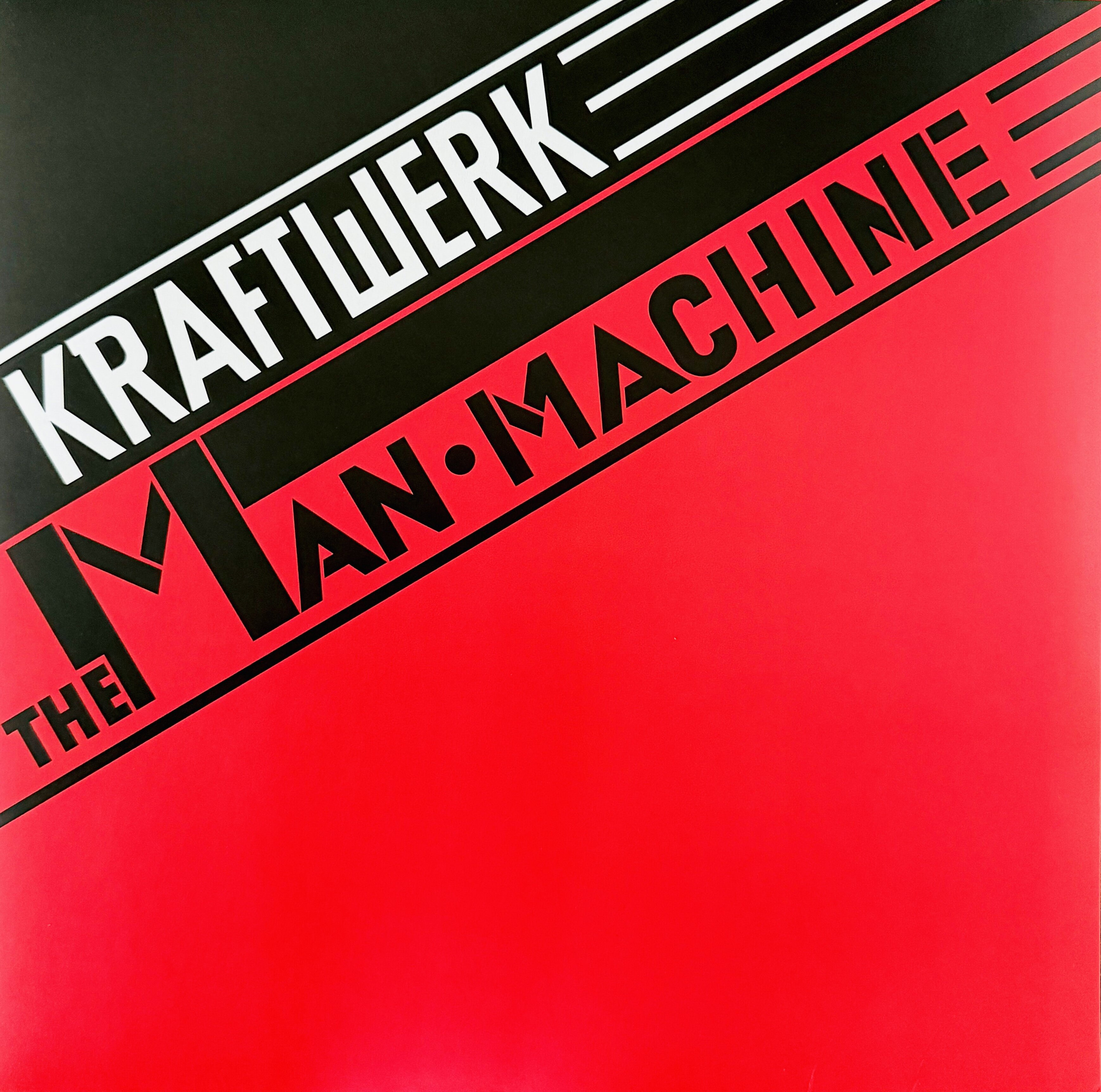
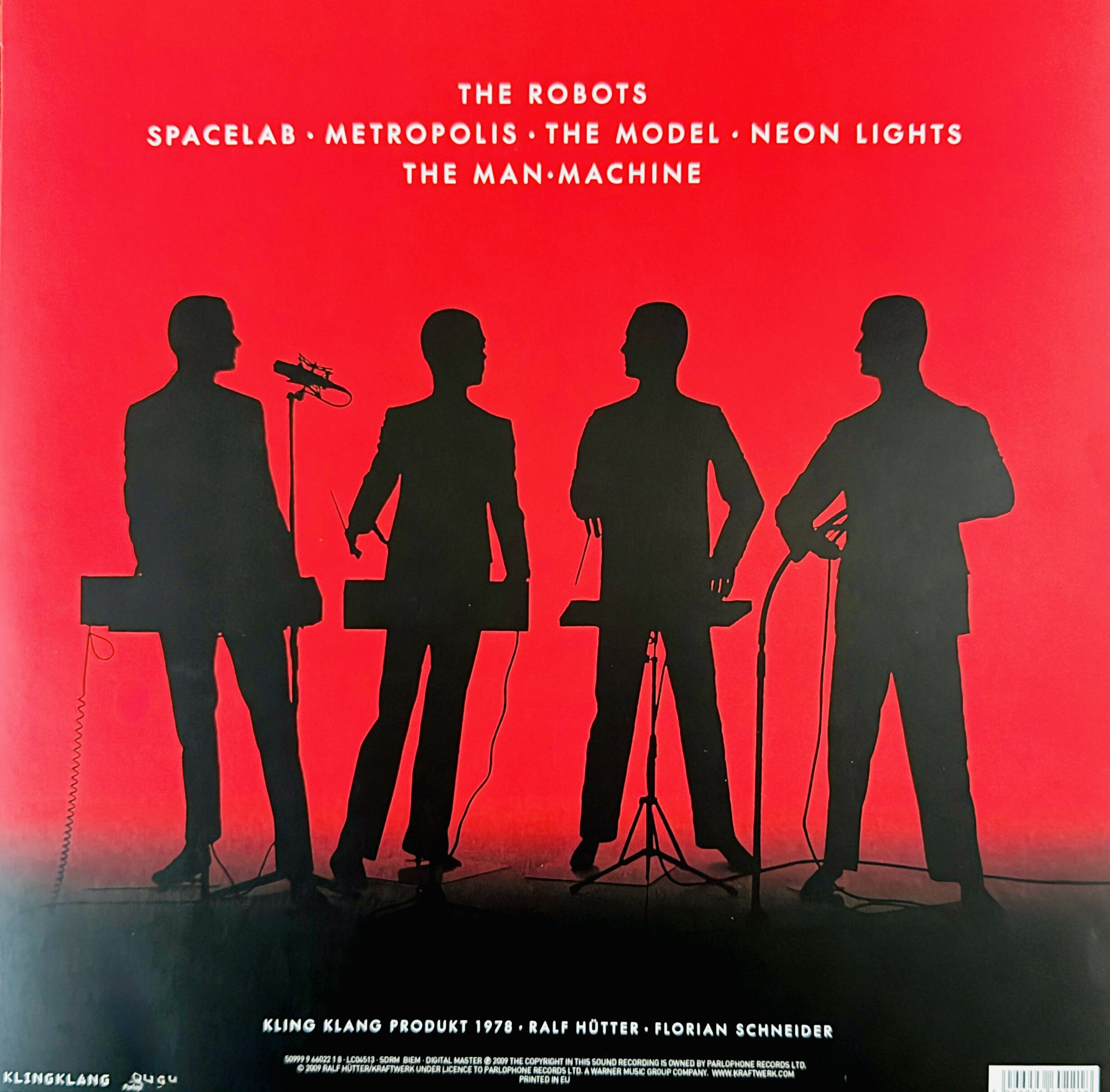
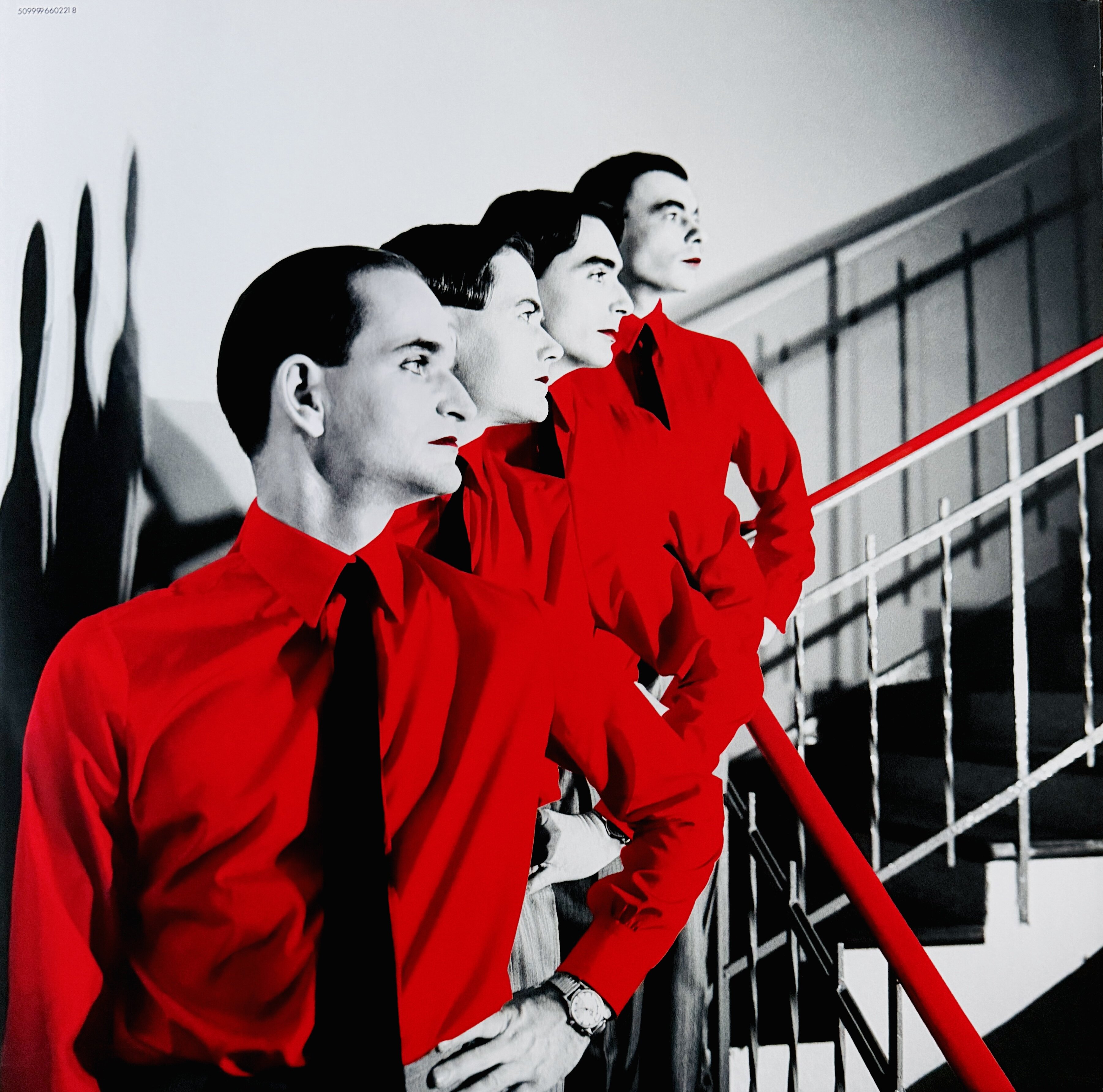
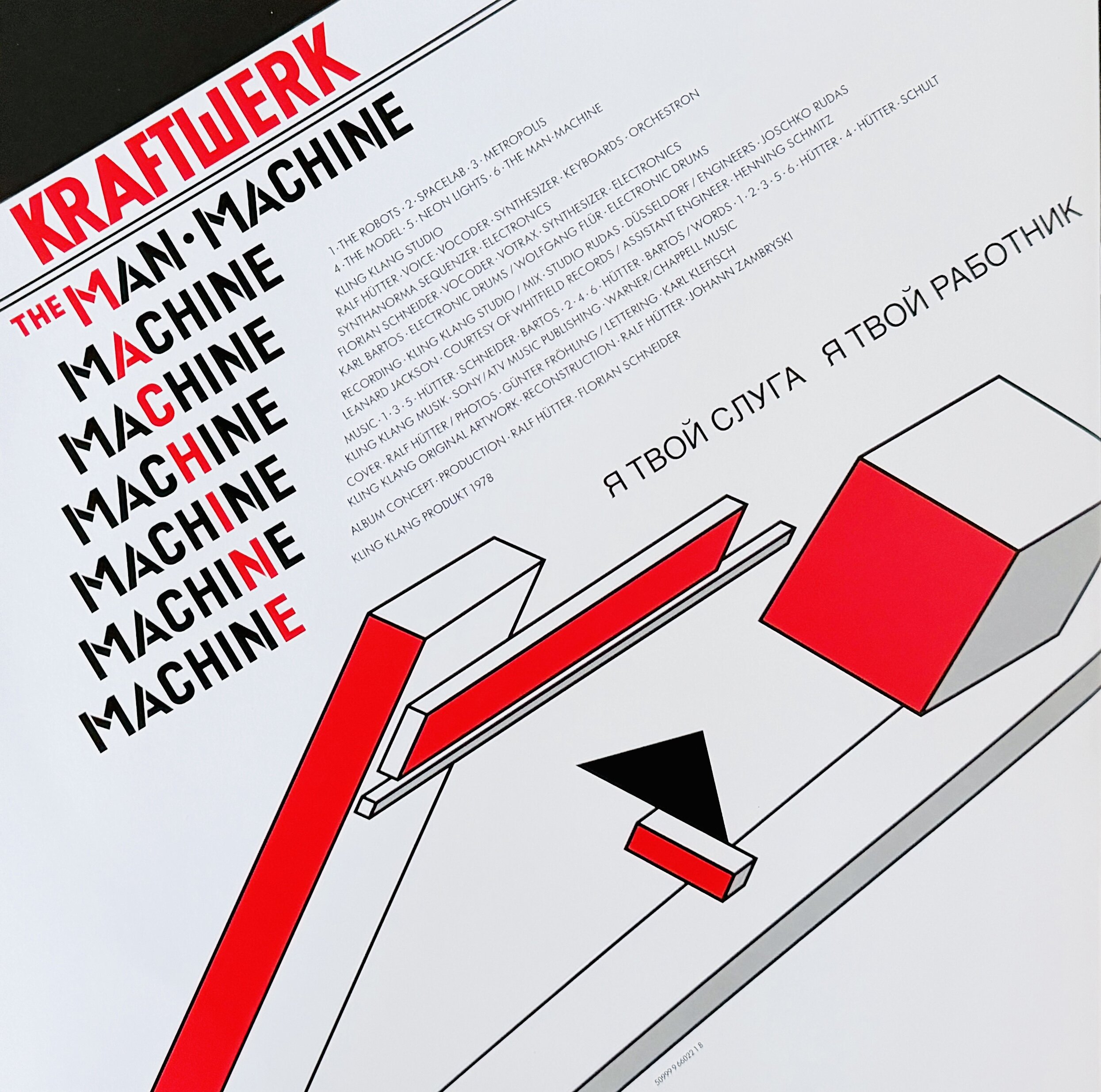
L’immagine dell’album è fondamentale per il suo concetto, ispirata alle avanguardie del primo Novecento. L’album è famoso per la sua estetica visiva, fortemente influenzata dal costruttivismo russo. La copertina e i video sperimentali contribuiscono a creare l’immagine dei membri del gruppo come “robot” o entità cibernetiche. La copertina, ideata da Emil Schult e fotografata da Günther Fröhling, si ispira all’avanguardia russa, in particolare a El Lissitzky. Ritrae i quattro membri in camicia rossa e cravatta nera, un’immagine che è diventata il loro simbolo visivo. Indossando camicie rosse e cravatte nere, i Kraftwerk hanno creato un’immagine di conformità meccanica, allontanandosi dall’individualità tipica delle rockstar tradizionali.
Uno dei loro lavori più importanti, una vera pietra miliare della musica moderna.
Nota: Tutti i link ai lavori dei musicisti sono nei TAG sotto il titolo dell'articolo o nella pagina "Artisti"
Tracklist
La mia versione:
Etichetta: Kling Klang – 50999 9 66022 1 8, Mute – STUMM 306
Serie: Kling Klang Digital Master
Formato: Vinile, LP, Album, Reissue, Remastered, Stereo, 180 g
Paese: UK & Europe
Uscita: 16 nov 2009
Lato A
The Robots (Die Roboter) – 6:11
Spacelab – 5:51
Metropolis – 5:59
Lato B
4. The Model (Das Modell) – 3:38
5. Neon Lights (Neonlicht) – 9:03
6. The Man-Machine (Die Mensch-Maschine) – 5:28
Durata totale: 35:59
LineUp
Ralf Hütter: Voce, elettronica, sintetizzatori, Orchestron, Synthanorma Sequenzer
Florian Schneider: Vocoder, elettronica, sintetizzatori, Votrax
Karl Bartos: batteria elettronica, percussioni
Wolfgang Flür: Batteria elettronica, percussioni
Link per l’ascolto:
Alcune Tracce dal Canale ufficiale Youtube Kraftwerk
.jpeg "img_1196-(1).jpeg")
.jpeg "img_1197-(1).jpeg")
.jpeg "Trans Europa Express dei Kraftwerk")