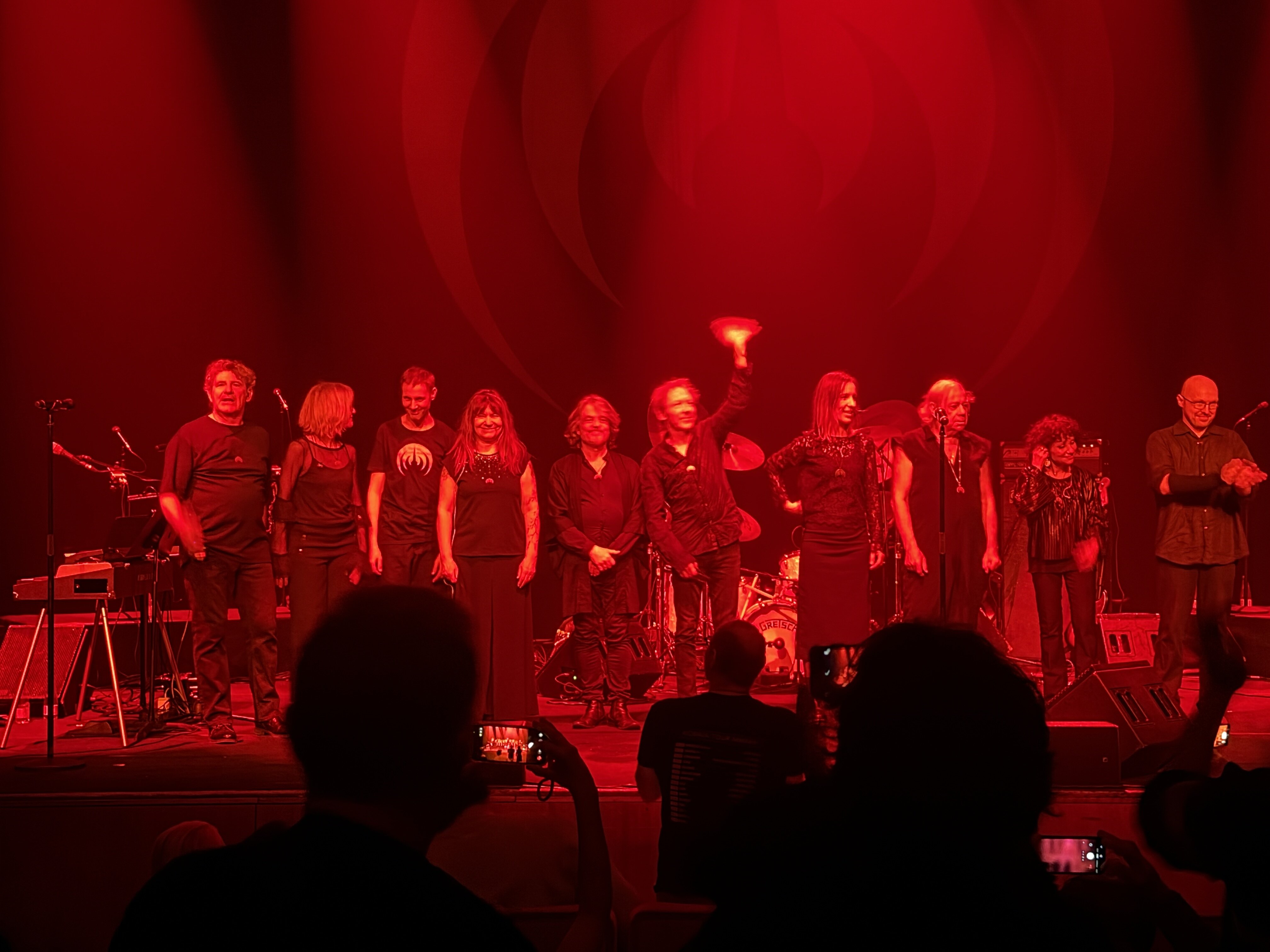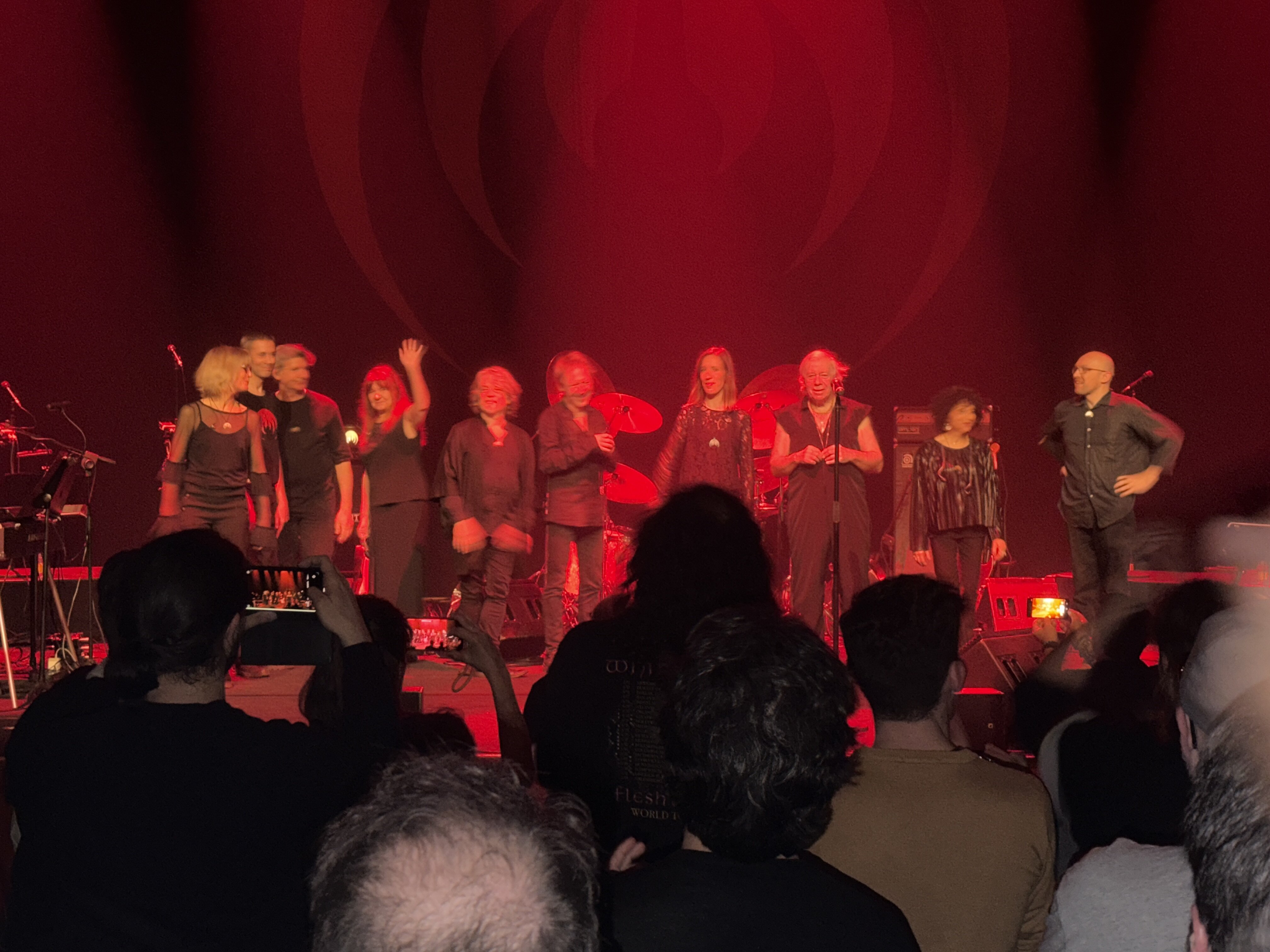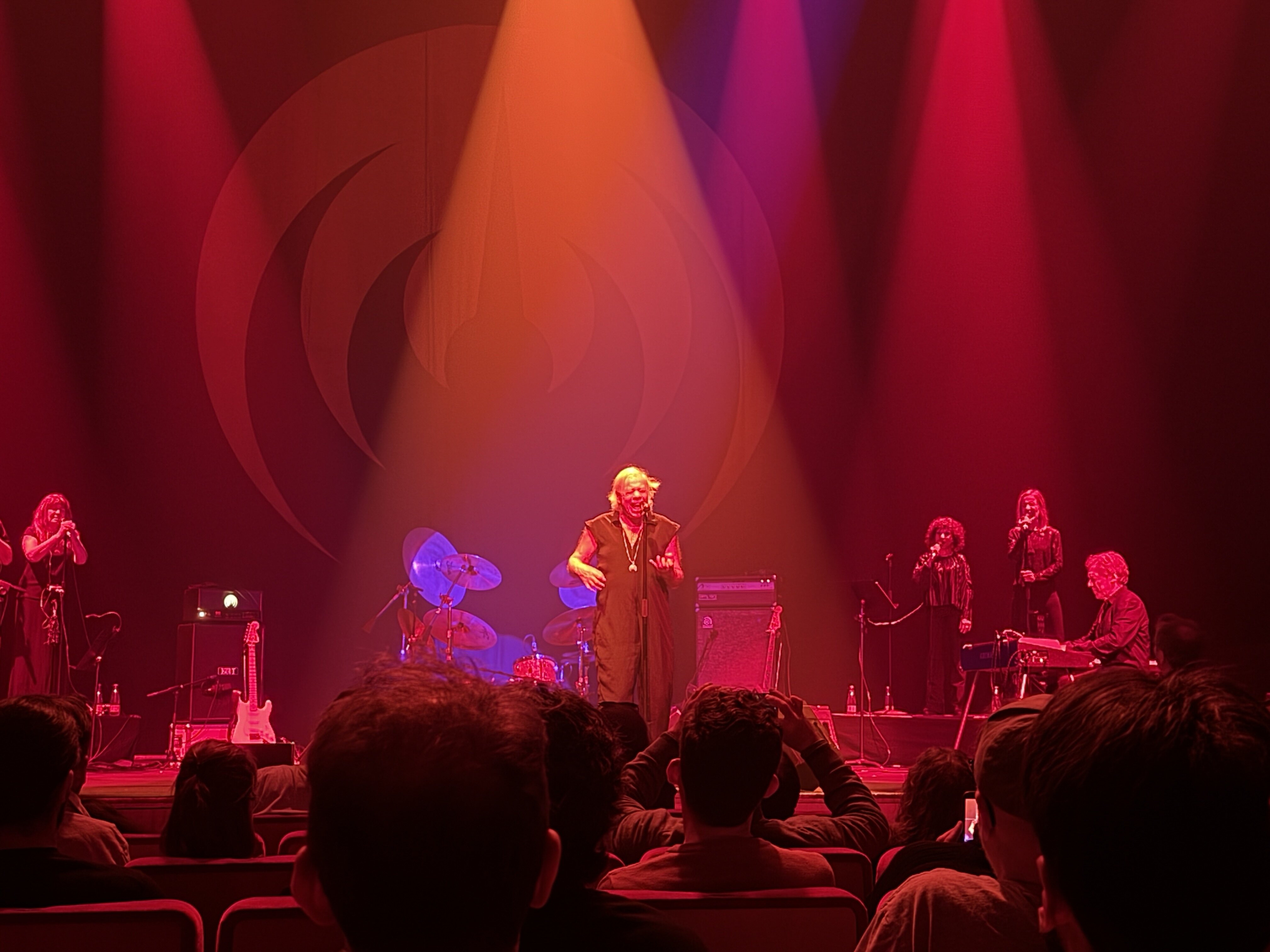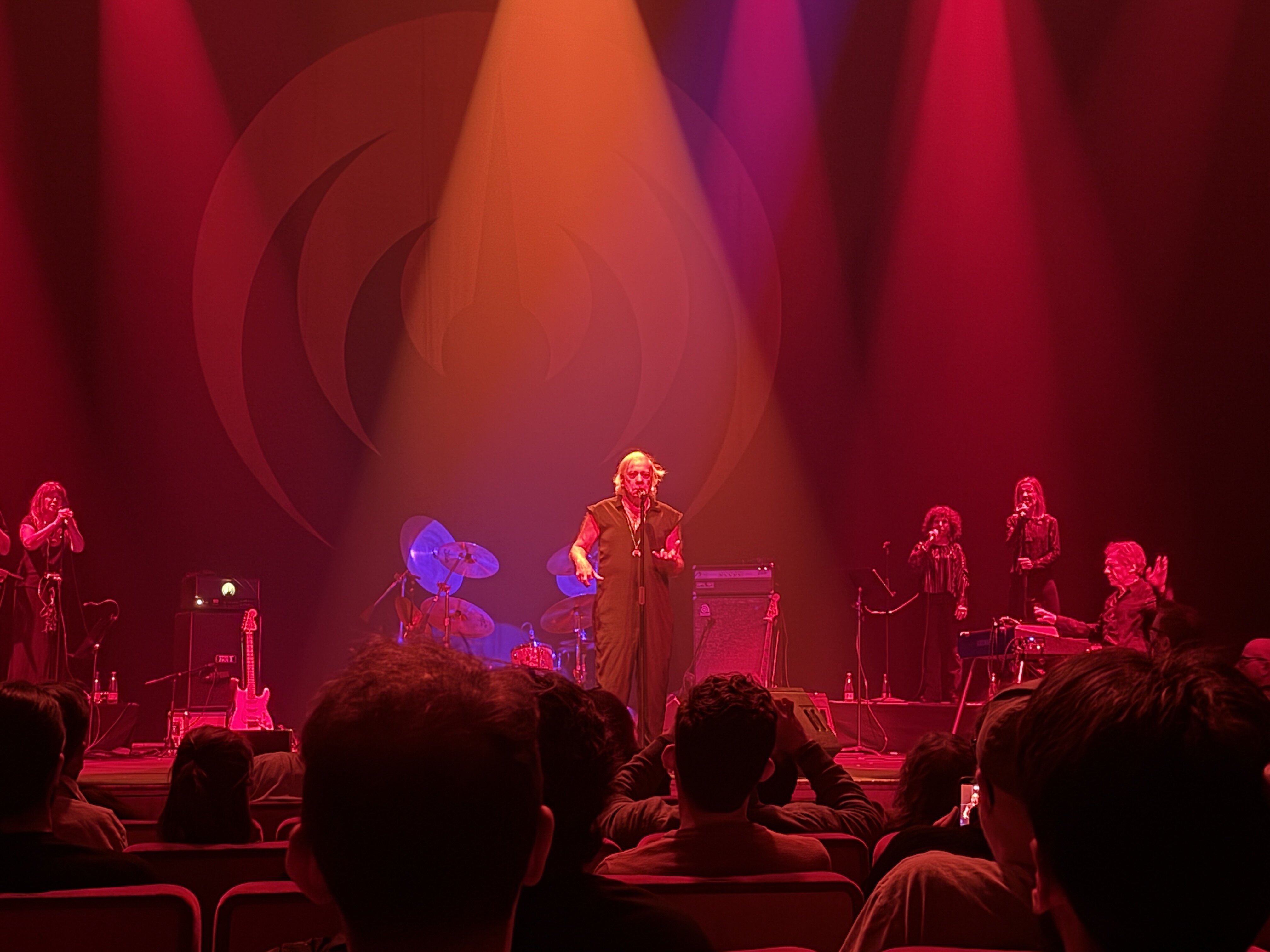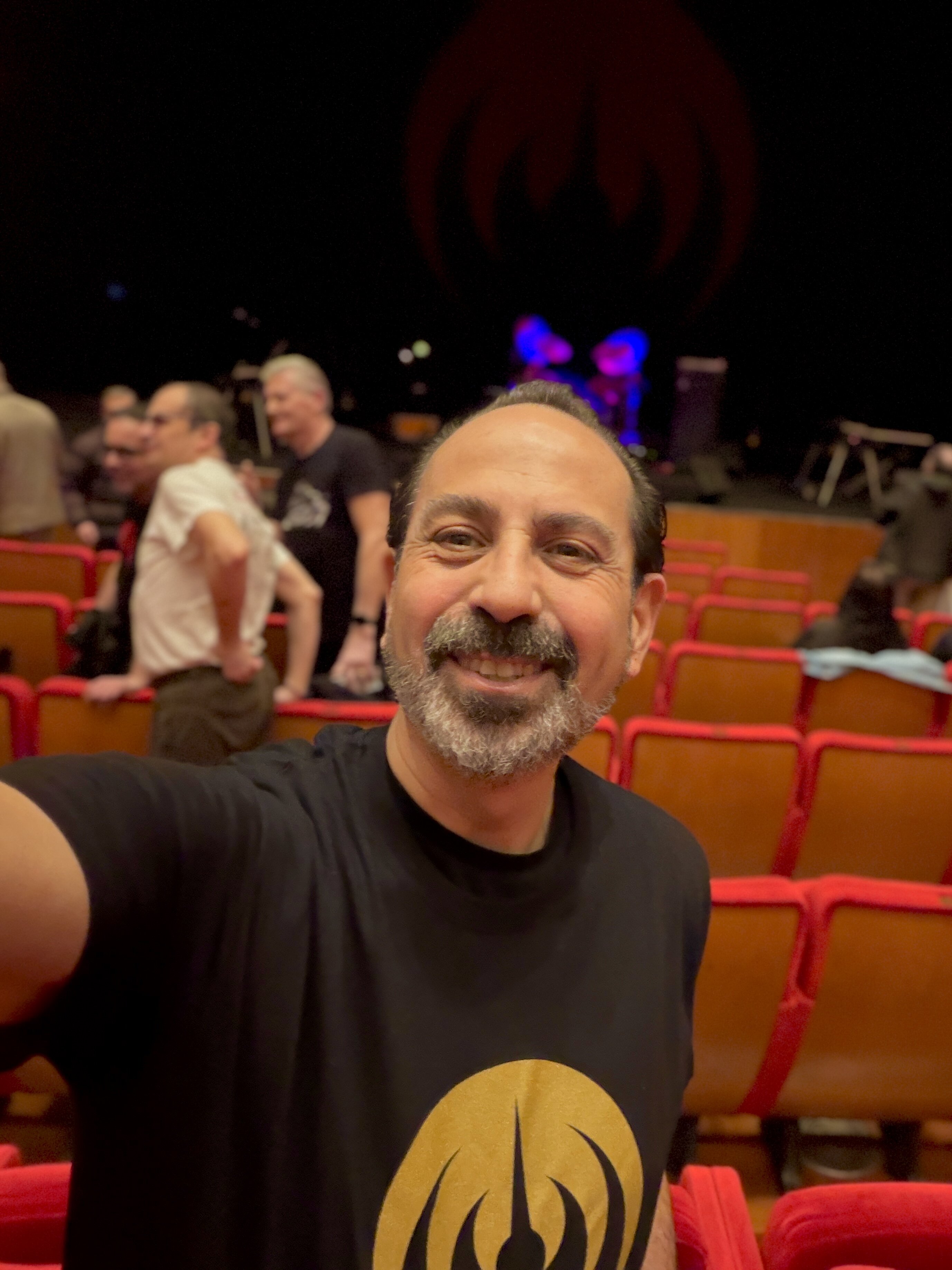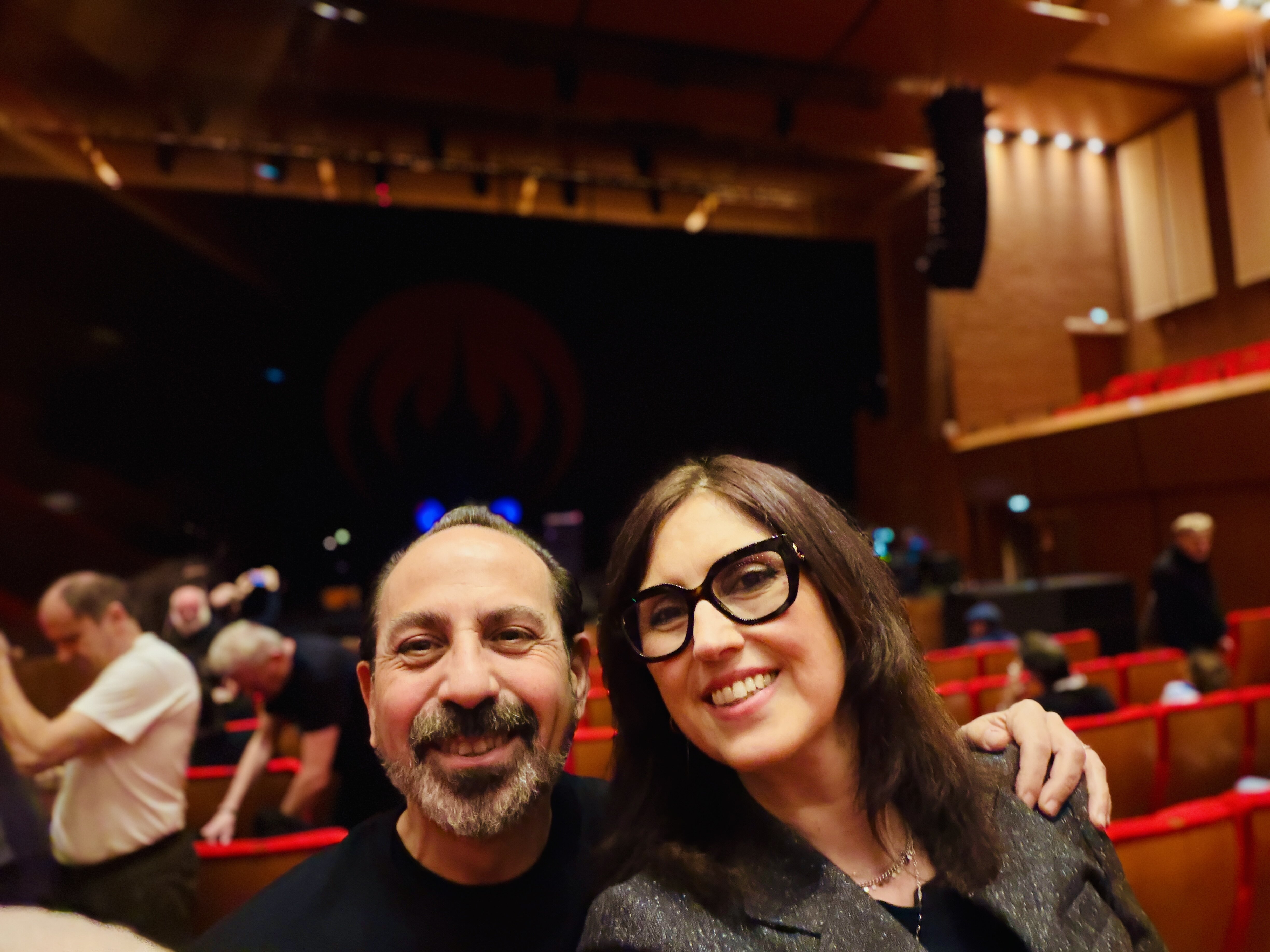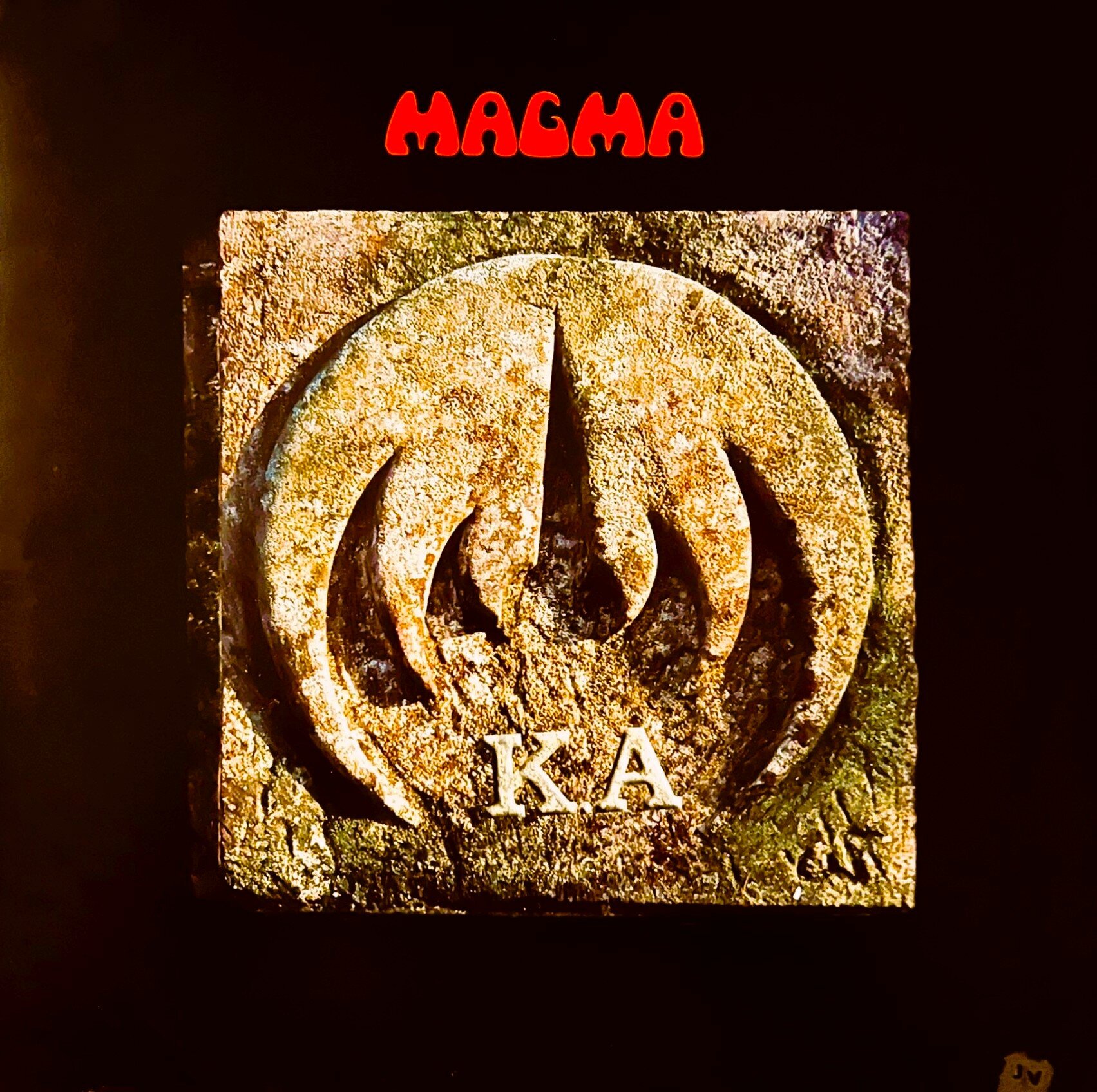

Venerdì 6 marzo 2026, la Sala Sinopoli dell’Auditorium Parco della Musica Ennio Morricone di Roma ha ospitato un evento storico: il ritorno dei Magma in Italia in formazione “full band” dopo ben 46 anni. Il concerto, iniziato alle 21:15, è durato circa due ore e mezza. A guidare l’ensemble, con un’energia incredibile nonostante i suoi 78 anni, è stato Christian Vander, che ha saputo riproporre fedelmente le complessità armoniche kobaïane grazie a una nutrita sezione vocale.
Dei grandissimi Magma ho lungamente parlato in occasione delle recensioni dei loro capolavori e nella scheda a loro dedicata intitolata “I Magma e la Saga di Kobaïan”.
L’unica data italiana del tour 2026 ha attirato fan da tutta Italia, con molti provenienti anche dalla Francia, per celebrare una leggenda e la sua visione musicale.
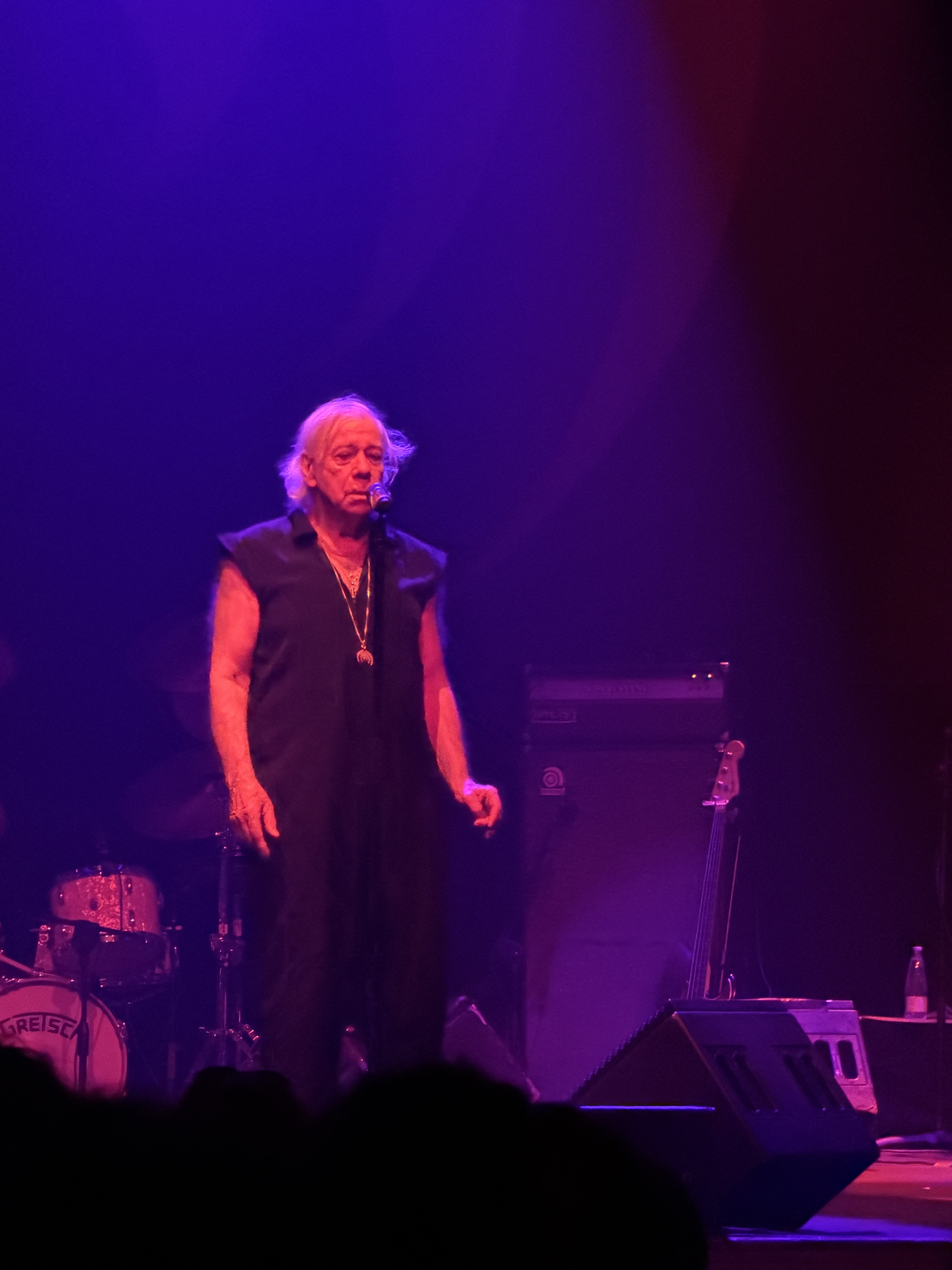
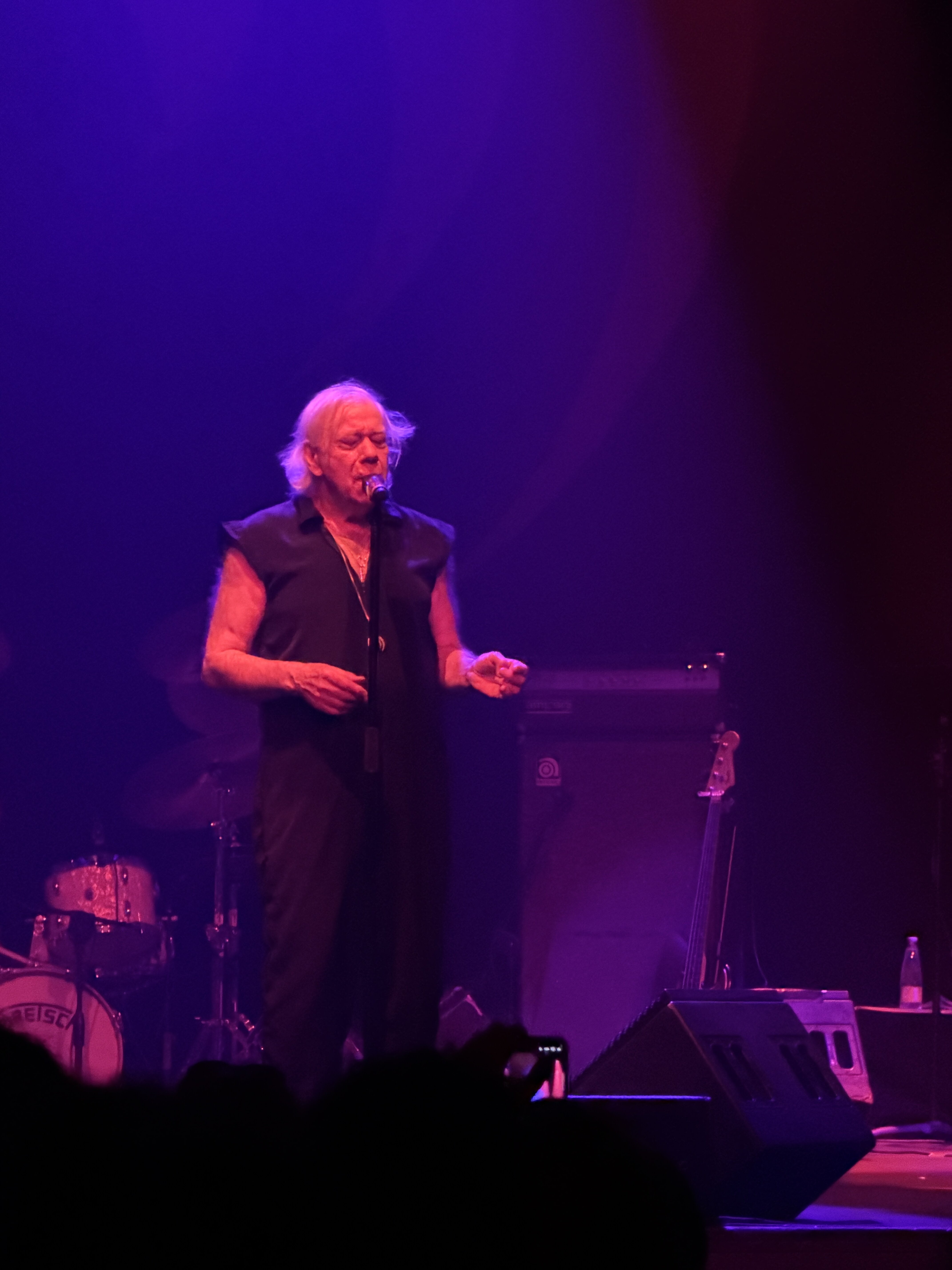
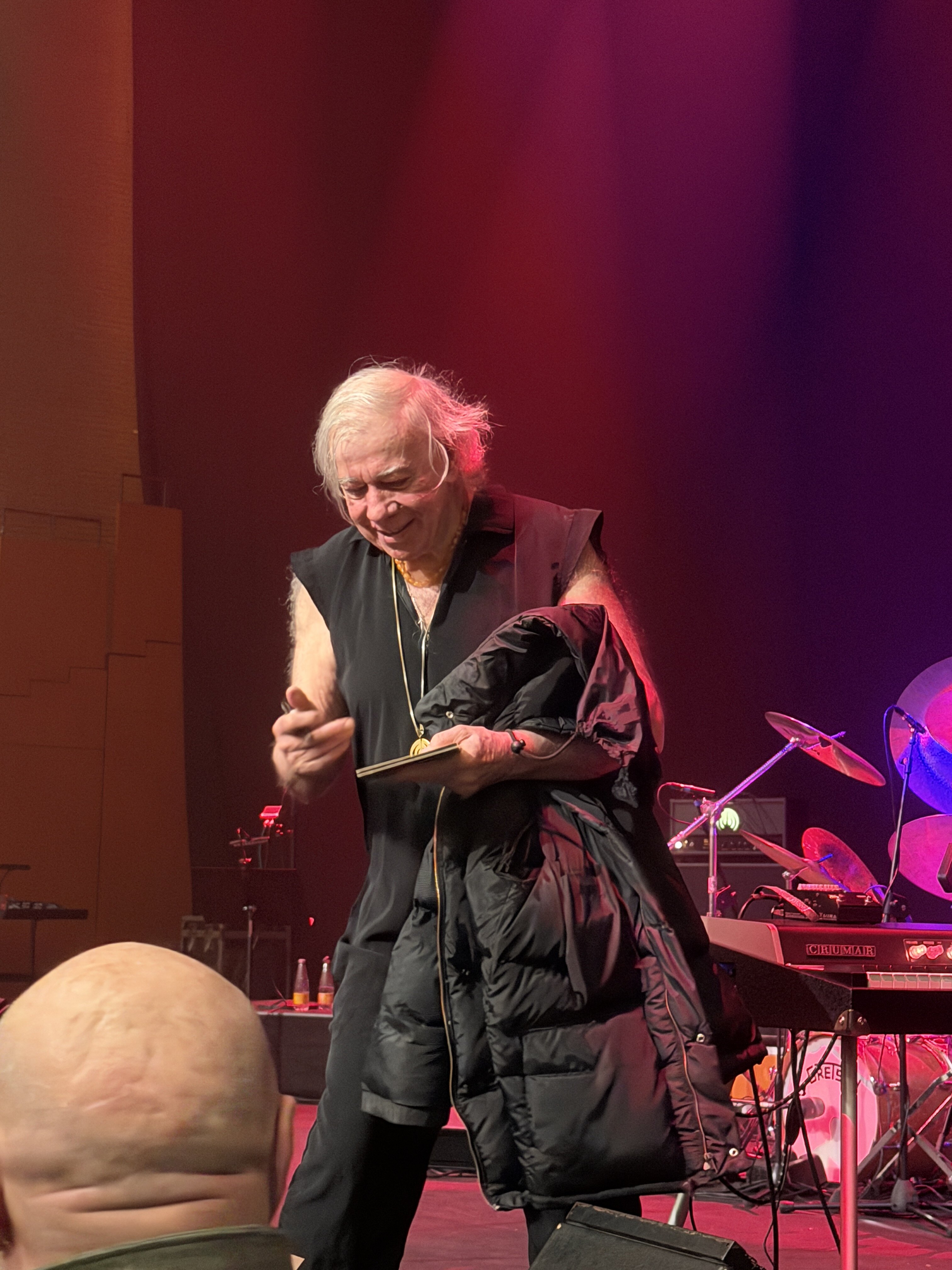
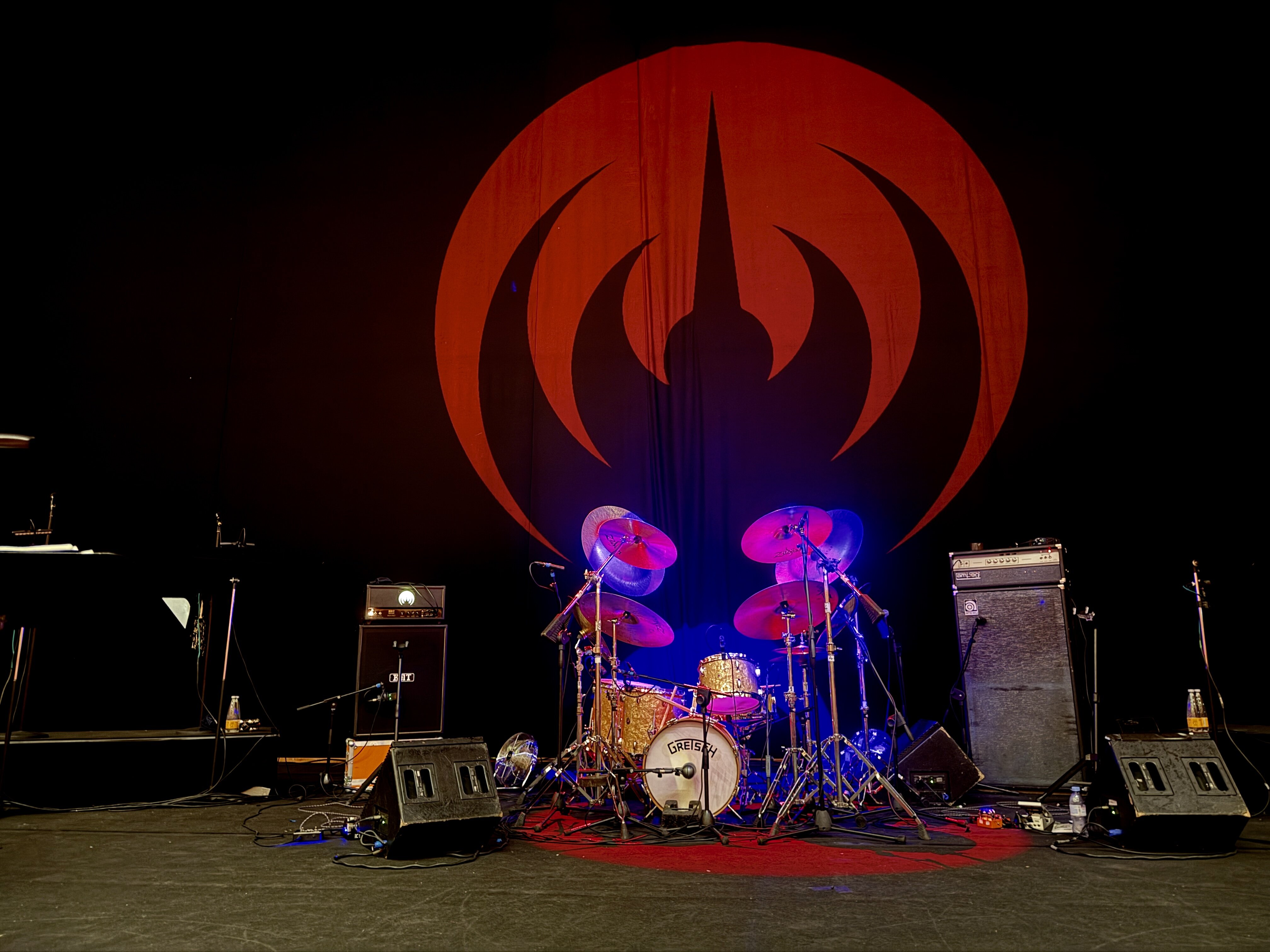
Christian Vander, il “Kobaïa” in persona, è il fondatore della band nel 1969, l’inventore del genere Zeuhl e della lingua Kobaïana. Batterista influenzato da John Coltrane, è il cuore pulsante e la mente visionaria del gruppo. L’età non è che un dettaglio anagrafico, un numero che svanisce di fronte alla sua incredibile performance. Alla batteria, la sua precisione è sorprendente. Il suo tocco è dinamico e potente quando serve, e la sua Gretsch sembra essere un’estensione di sé stesso, senza segreti. I quattro piatti anteriori, disposti come dischi volanti, lasciano intravedere il Maestro all’opera, diventando parte integrante della melodia. I due piatti alle sue spalle sono riservati ai momenti di maggiore impatto, suonati sempre contemporaneamente con colpi sincroni che lo portano a colpire senza guardare indietro, con una gestualità ipnotica. Il suo tocco è un mix di jazz e rock, una ritmica fatta di colpi sottili, improvvisi e raffinati. La sua abilità nei controtempi e nel mantenere una ritmica sostenuta è sopraffina.
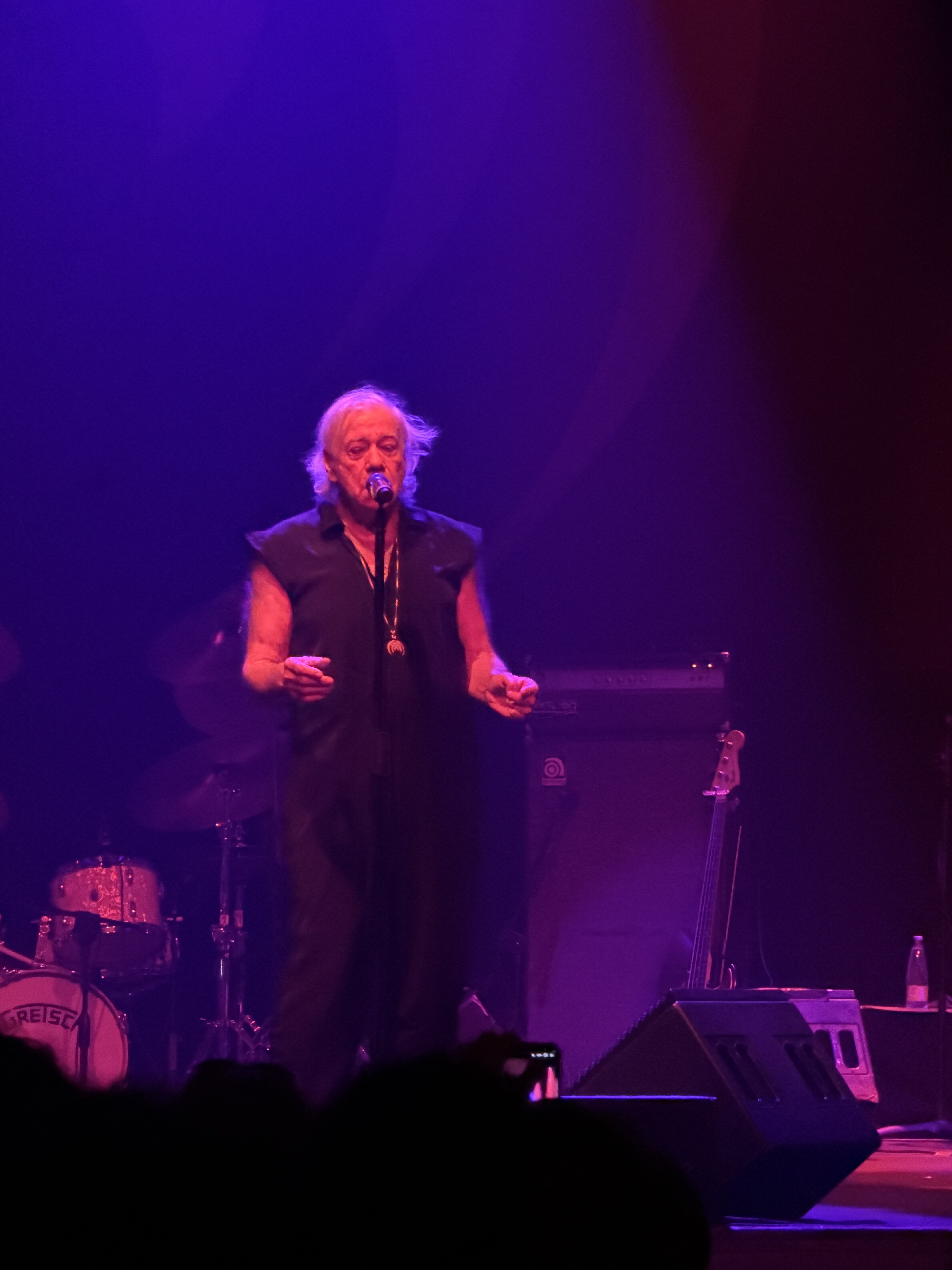
Alla voce, Vander è un attore del teatro greco prestato alla musica. Quando canta, si alza in piedi e il buio intorno gli fa da cornice. La sua teatralità è di enorme capacità interpretativa, guardarlo è partecipare a una lezione, apprendere per farne un modello. C’è la tragedia, la commedia e il dramma satiresco. Il cantato in kobaiano, con la sua espressività, diventa comprensibile. Il suo viso si trasforma e l’enfasi si accentua o si attenua mentre le sue mani si muovono nell’aria, schiaffeggiando i piatti a tratti nei momenti di impeto, o sollevandosi con l’indice che punta in alto come un sacerdote e profeta che narra una verità segreta.
Quando passa dal cantato alla batteria, mentre la mano sinistra impugna ancora il microfono, usa due bacchette nella destra e inizia subito a suonare, per poi tornare naturalmente a suonare con entrambe le mani. Mentre suona, dialoga con i musicisti. Li guarda, annuisce, sorride. Suona col corpo, col viso, con l’anima. Un condottiero che ha dedicato la sua vita a plasmare la sua visione musicale, si rivolge con gentilezza ai suoi musicisti, a chiunque lo circondi e persino al pubblico che lo osserva con ammirazione. Il suo volto è un riflesso di intensità e passione. Quando colpisce con forza i tom o i piatti, i suoi occhi si spalancano e digrigna i denti. Al contrario, quando il suo tocco è leggero, le sopracciglia si incurvano e gli occhi si socchiudono. Man mano che la musica si intensifica e il suo zeuhl ipnotico e trascinante prende il sopravvento, emette leggeri urli di incitamento. Non si limita a suonare; mima il suono della batteria. Non si limita a cantare; recita e vive la canzone, contagiando inevitabilmente chiunque lo ascolti e lo veda. Averlo visto suonare è stata per me un’esperienza unica, e mi considero fortunato. Un maestro, il cui volto è segnato dall’età ma che possiede un’energia che non trovo in musicisti molto più giovani di lui. Nelle sue mani, nelle sue braccia e nel suo volto risiede oltre cinquant’anni di storia della musica.
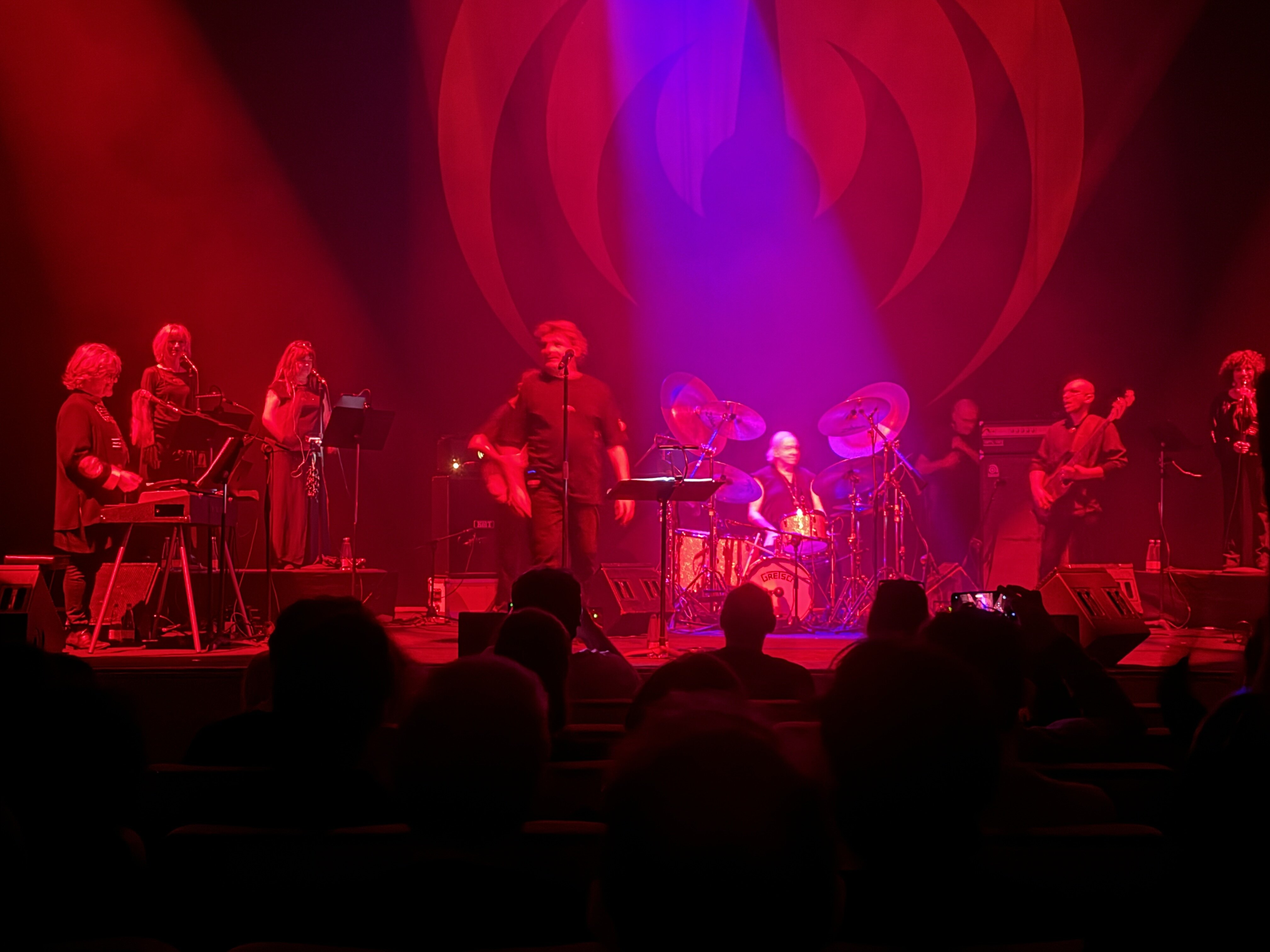
Sul palco con lui c’è Charles Lucas (Basso), con un suono di basso massiccio, distorto e tecnicamente impeccabile, che è la spina dorsale della spinta propulsiva dei nuovi live. Un paio di inconvenienti tecnici non lo hanno minimamente scalfito. Durante un momento di silenzio, il suo basso è andato temporaneamente in muto, ma lo staff è intervenuto prontamente per risolvere il problema.
Credo abbia avuto un crampo alla mano, durato un attimo, spero, perché poi ha ripreso a suonare alla grande dopo uno sguardo bonario di Cristian, il suo compagno alla sezione ritmica. Un vero virtuoso.
Rudy Blas, chitarrista entrato nel 2019, fonde rock progressivo e jazz con uno stile moderno. La sua chitarra aggiunge colori taglienti e assoli intensi che si integrano perfettamente nel muro sonoro della band. Strappa note con velocità e tecnica impressionanti, lasciandosi trasportare dall’energia dei suoi giri veloci e frenetici.
Thierry Eliez, tastierista e cantante, è un musicista eccezionale, noto anche nella scena jazz internazionale. Nei Magma, gestisce partiture orchestrali alle tastiere e contribuisce con una voce potente e versatile. Il suo contributo vocale e i tappeti sonori che crea con le tastiere sono fondamentali per il sound della band.
Simon Goubert, storico collaboratore di Vander da oltre 40 anni, è uno dei più grandi batteristi jazz francesi. Nei Magma, però, mette il suo genio al servizio del pianoforte elettrico e dei sintetizzatori. Il suo lungo assolo è stato uno spettacolo di virtuosismo appassionato e creativo, che ha contribuito a creare un’atmosfera esaltante.
Stella Vander, voce storica e colonna portante della band, non ha cantato durante il concerto, ma la sua presenza è stata comunque celestiale e iconica. Dal 1973 coordina l’ensemble vocale e gestisce la Seventh Records, l’etichetta storica della band.
Hervé Aknin, cantate solista di punta degli ultimi anni, è dotato di una voce potente, quasi baritonale a tratti, con un’estensione notevole che gli consente di interpretare con maestria le parti più epiche e drammatiche del repertorio. La sua presenza scenica e il suo contributo al mondo costruito dai Magma è grandioso.
Poi c’è quello che viene definito un coro, ma in realtà è un gruppo di voci soliste in perfetta armonia. Sylvie Fisichella ci ha regalato uno splendido dialogo acceso in Kobaiano con Vader. Anche se incomprensibile, ha dato la sensazione di una importante disputa tra loro, con toni accesi e determinati da entrambe le parti.
Isabelle Feuillebois, al fianco di Stella da decenni (è entrata negli anni ’90), ha una voce scura e profonda, essenziale per le armonie vocali intrecciate tipiche delle composizioni di Vander.
Laura Guarrato (Lora Yma) ha offerto un’interpretazione vocale straordinaria, rapendomi con i suoi vocalizzi acuti e impetuosi, gli accenti e le note impossibili. I momenti psichedelici e le atmosfere floydiane hanno aggiunto un ulteriore livello di profondità alla sua performance.
Caroline Indjein ha donato alla platea dei fan estasiati splendide parti da solista.
Insieme, tutte le voci hanno garantito la densità polifonica necessaria per eseguire i capolavori di questa band.
La setlist del concerto è stata semplicemente fantastica. Sotto un enorme logo dei Magma, a sovrastare un palco illuminato da luci scure, il concerto è iniziato con la splendida “Mekanïk destruktïw kommandöh”, che ha tenuto tutti noi incollati alla poltrona con stupore. Bellissima la parte di Christian Vander come solista durante “Nebëhr Gudahtt”.
Segue “Hhaï”, una composizione molto particolare perché, a differenza di quasi tutto il repertorio dei Magma, è un brano mai apparso originariamente su alcun album in studio. La sua prima apparizione ufficiale è sul disco “Magma Live” del 1975, seguito da una versione riarrangiata inclusa nell’album. Fantastico!
Il concerto continua con “Félicité Thösz”, la suite dall’album omonimo, una composizione di circa 28 minuti. E poi ben due Encore!
Il primo Encore è la splendida “Ehn deiss” (cover di Offering), che non proviene originariamente da un album dei Magma, ma dal progetto parallelo di Christian Vander chiamato Offering. La traccia è contenuta in “Offering I - II” (pubblicato nel 1986). La versione dei Magma dal vivo ne matiene invariate le sonorità acustiche, jazzistiche e cerimoniali, diverse dal tipico rock-Zeuhl della band.
Il secondo Encore è “The Night We Died”, che proviene dall’album in studio “Merci” (pubblicato nel 1984). Una delle composizioni più brevi, melodiche e “accessibili” della band, caratterizzata da un’atmosfera malinconica ed evocativa, lontana dalle consuete cavalcate Zeuhl. Il titolo è uno dei rari casi in cui i Magma utilizzano l’inglese, e il sound va verso sonorità più vicine al soul e al jazz-funk.
La genialità di Vader e la musica dei Magma dal vivo sono esperienze che appassionano e commuovono allo stesso tempo. Indimenticabile.