
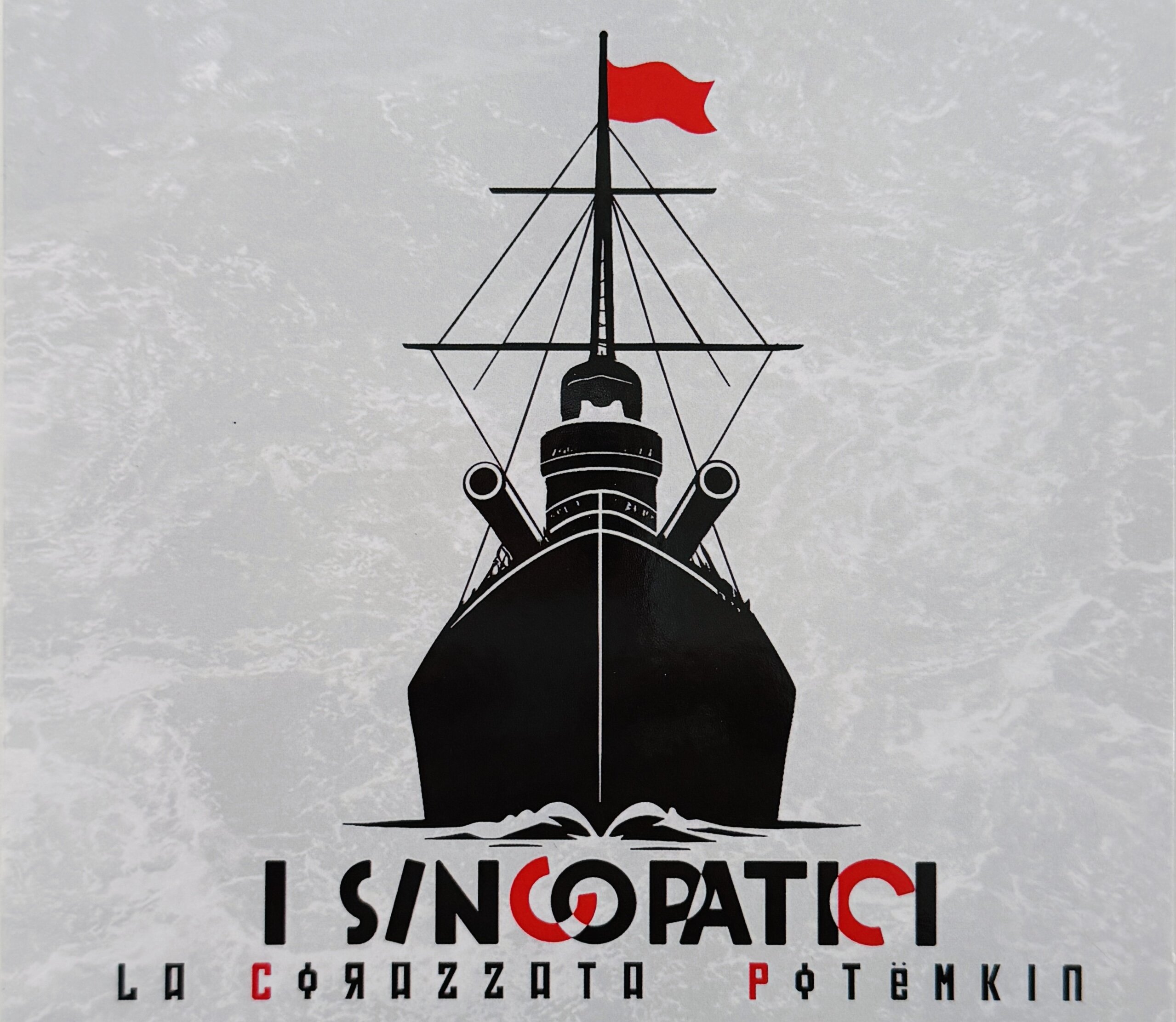
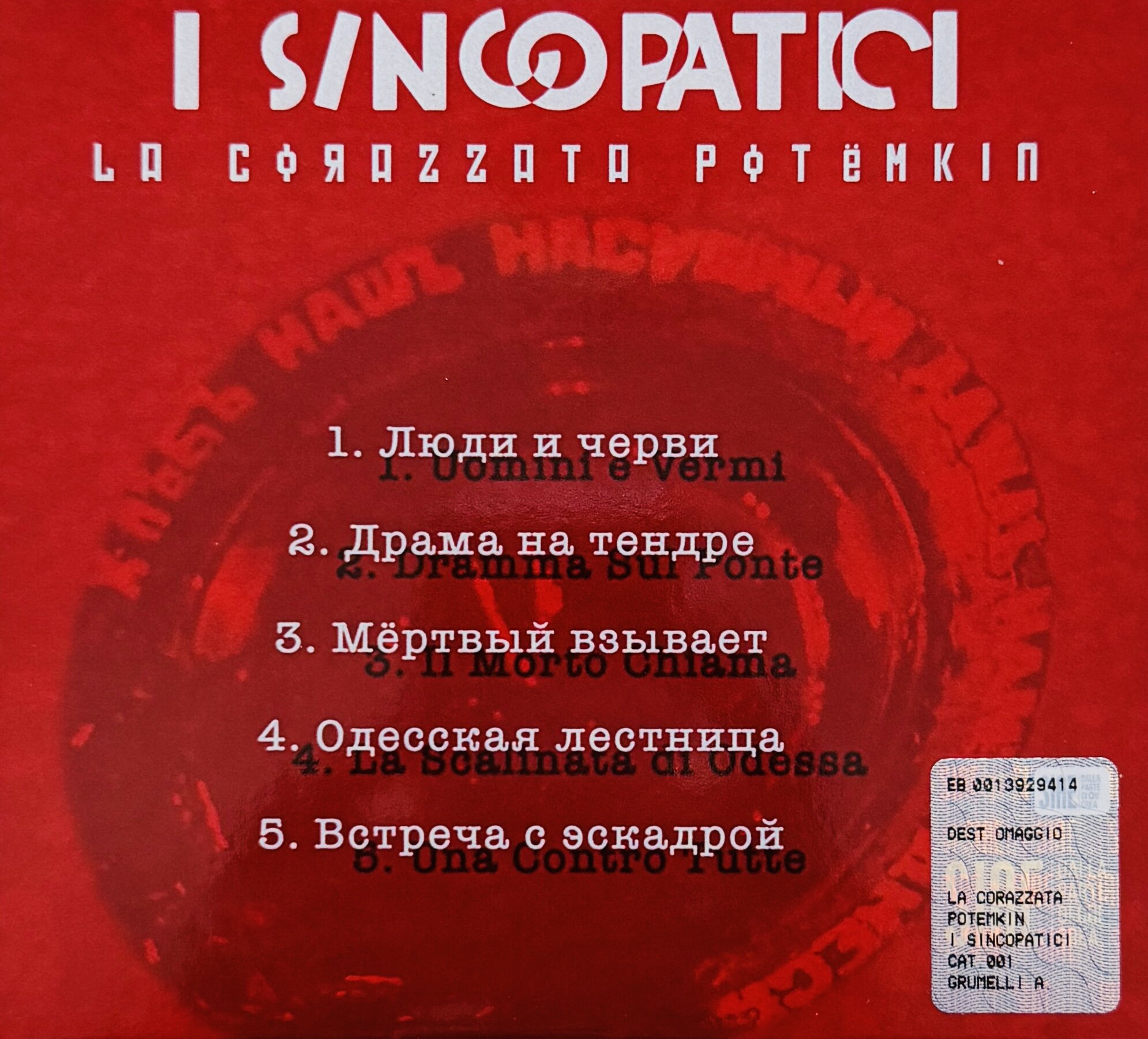
La Corazzata Potëmkin - The Battleship Potemkin of I Sincopatici, 2026 album.
This project and this album are very interesting and of great value, by a band that I did not know but that thanks to the exhaustive information provided by the same band, I now have the opportunity to appreciate.
Let's talk about the band first:
I Sincopatici, a Milanese ensemble founded by Francesca Badalini, re-music masterpieces of silent cinema from the early '900 with original music. Since 1999, Badalini has collaborated with the Cineteca Italiana, composing and performing live music for silent films, then reworked by the group. Their cine-concert combines the evocation of images with the suggestion of music, which ranges from Improvisation, Rock, Ambient and Classical, with piano, keyboards/synths, guitar, bass, drums, percussion and electronics. The repertoire includes famous silent films such as "Nosferatu".
The Sincopatici, for 10 years, have been bringing the magic of cine-concerts throughout Italy, playing in cinemas and theaters. In 2024 they released their first album, "Decimo Cerchio", for Snowdonia Records. The work, created for the 700th anniversary of Dante's death, sees the collaboration with Claudio Milano, who adds vocal experimentation to the 1911 film "L'Inferno". Highly appreciated by critics, the album offers a live performance at the Cinema Teatro Nuovo in Varese. The musical choices range from Early Music to Contemporary Classical Research and Progressive Rock, with a timbral research work that combines piano, ancient instruments, synth, electric bass, drums, vocal experimentation and reciting voice.
And now let's talk about the Original Film, The Battleship Potemkin
It is a masterpiece by Eisenstein from 1925, a revolutionary and influential film, despite the parody in Fantozzi for which it became famous in Italy.
It commemorates the Russian Revolution of 1905 in five acts:
1. Men and worms: Sailors rebel against rotten flesh.
2. Drama on deck: Vakulenko leads the uprising, and sailors take control of the ship.
3. The dead man calls: Vakulenko's body on the ground triggers solidarity in Odessa.
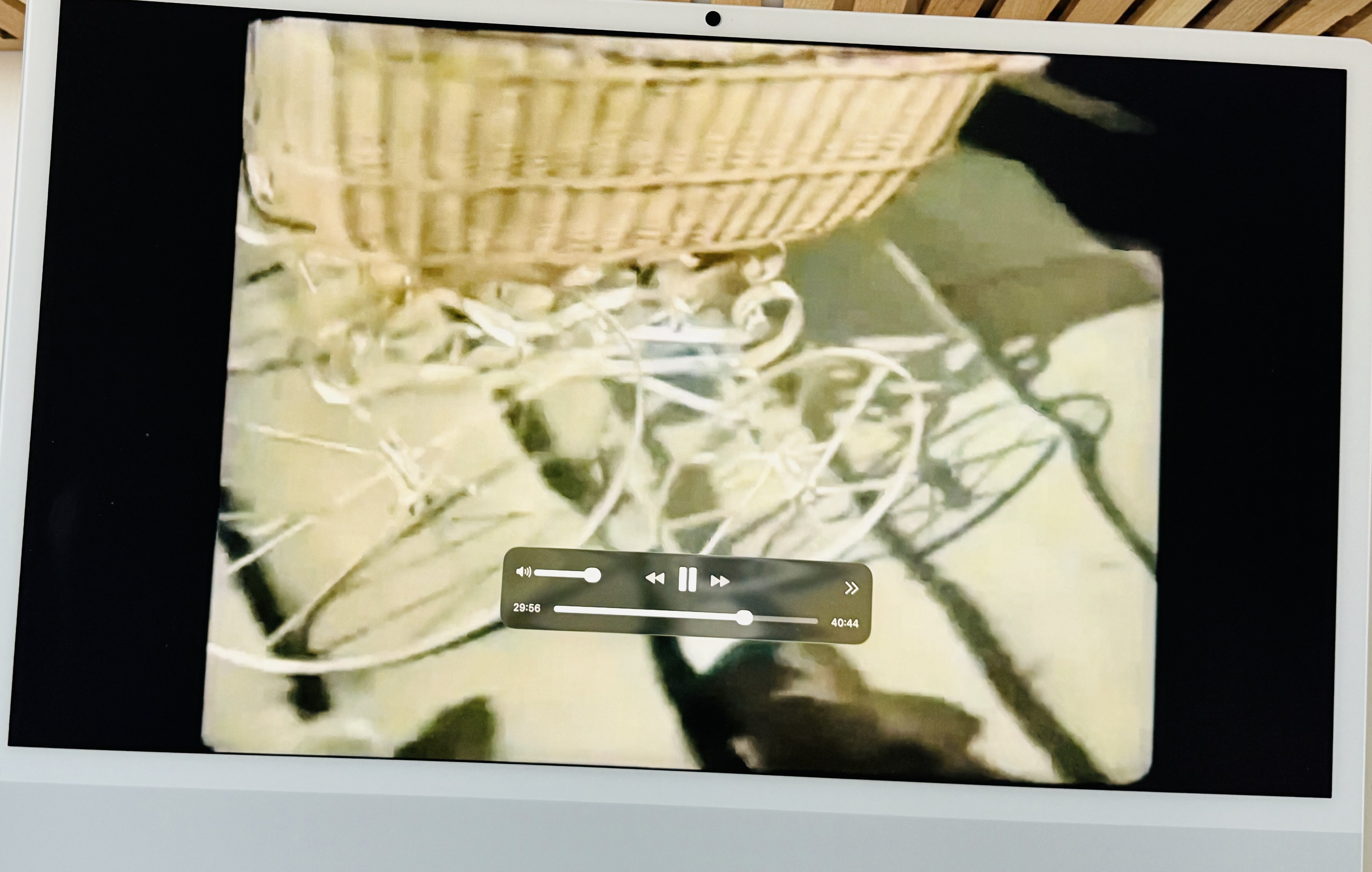
4. The Odessa Steps: The Tsarist police massacre the crowd.
5. Meeting the team: The Potemkin faces the tsarist fleet, but the sailors join the rebels.
The film is famous for its editing and Eisenstein's cine-fist theory, which uses contrasting images to arouse emotions. The scene of the wheelchair on the staircase is an example of rhythm and tension, paid homage to by De Palma in The Untouchables. Details such as the crushed eye and lion statues emphasize violence and revolutionary strength. In the original version, the red flag was painted frame by frame.
Born as Soviet propaganda, the film has become a universal work of art. In Italy, Paolo Villaggio, with his Fantozzi, called it a "crazy shit" for its alleged heaviness. International critics and the Cineteca di Bologna, on the other hand, consider it an essential and very modern visual experience.
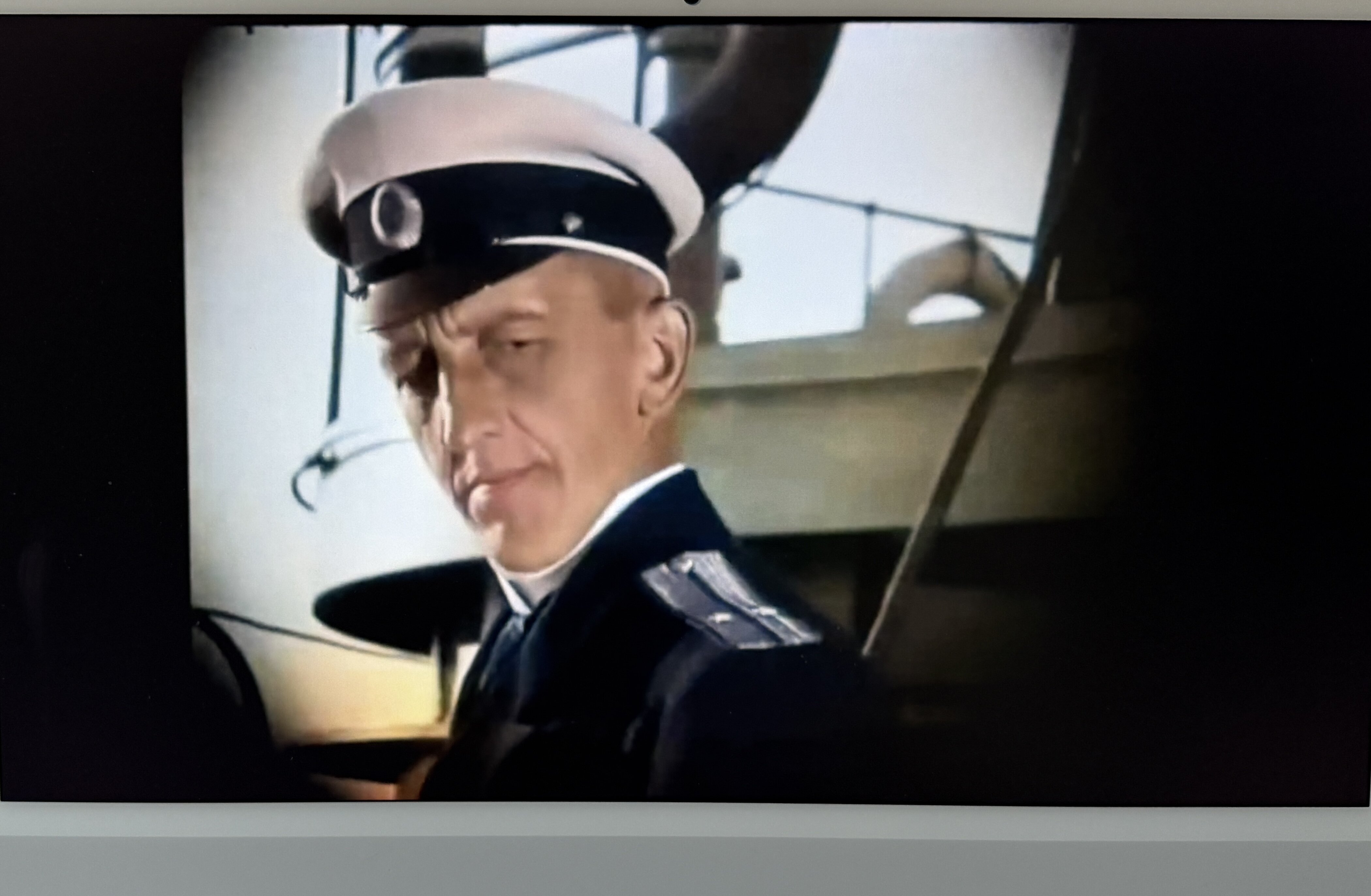
The music of the album accompanies a truly singular version of the film. The images have in fact been recolored with Artificial Intelligence, offering us a new and lively version of the film. The soundtrack blends the classical essence of the original 1925 film, with instruments such as piano and violin, with more contemporary elements, including electric guitar and bass, and acoustic and electronic drums.
The Music
A crucial question I asked myself is: is the music on the album of I Sincopatici identical to that of the film?
No, the music does not match that of the original 1925 film.
It is a new composition (or "re-music") created specifically to celebrate the centenary of Eisenstein's masterpiece. While the original score was entrusted to Edmund Meisel and, in later editions, symphonies by Dmitry Shostakovich were used, I Sincopatici have created an original work that combines modern and classical genres.
The album combines elements of progressive rock, electronic, ambient and classical music.
Traditional instruments (piano and violin) are used along with electric guitar, bass and synthesizers. (e.g., The Odessa Staircase, Drama on the Bridge).
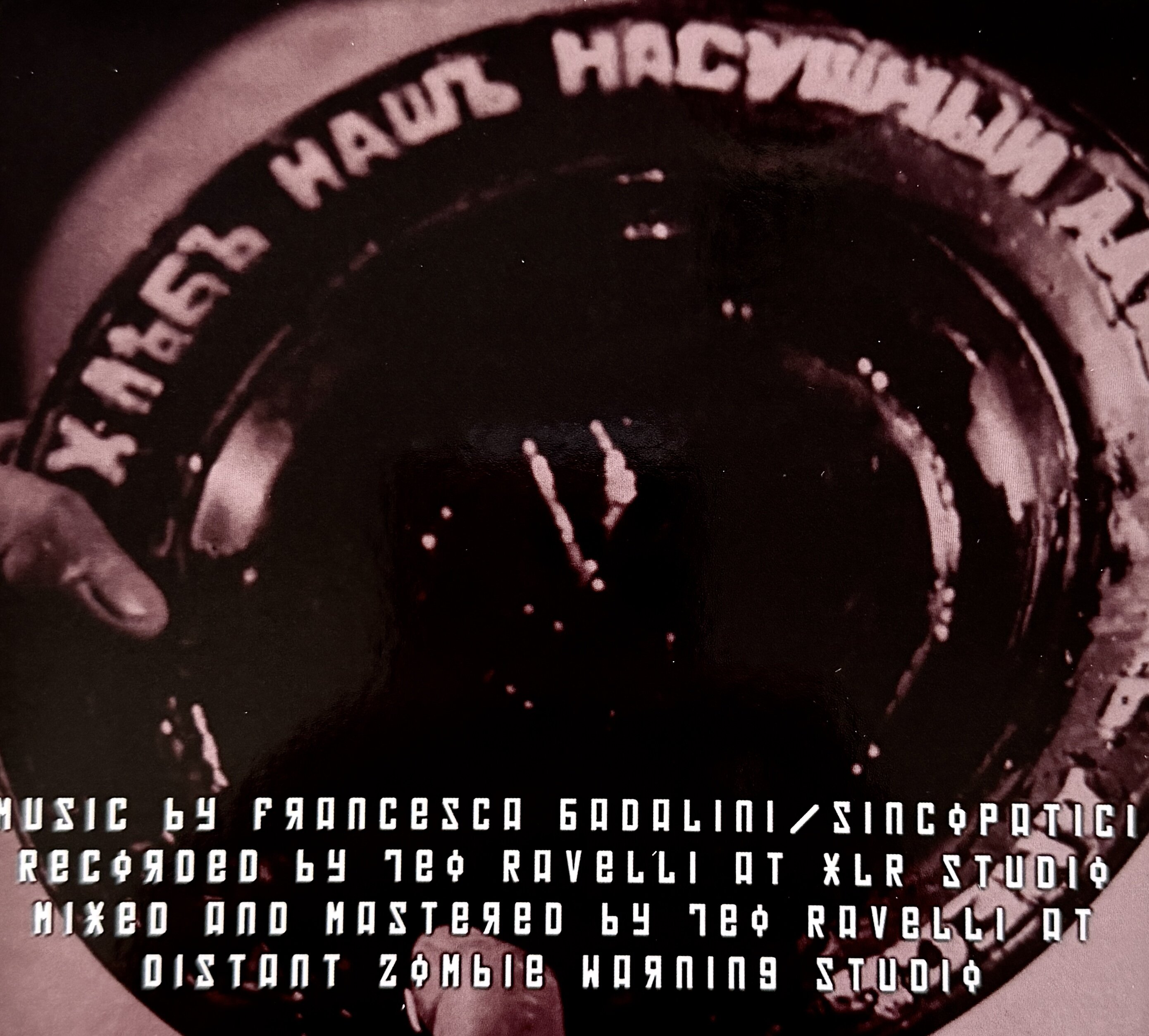
The music was conceived by Francesca Badalini with the decision not to restore period music, but to propose a contemporary and exciting "reinterpretation" designed for their live film concerts.
The album mirrors the five-act structure of the film, with songs titled like the original chapters. Just as the original film is divided into five acts, the music is divided into five tracks, offering a Post-Rock and Neoclassical experience that is a stark departure from the military marches typical of Soviet cinema.
The sound is a mix of contemporary Progressive Rock, cultured music and ambient electronics. The band exploits dynamic contrast to embody the theory of "montage of attractions": minimalist piano sequences alternate abruptly with explosions of electric guitar and distorted synths. The overall atmosphere is tense, epic, and complex.
Listening to the album is also enjoyable apart from the film: the album manages to transfer emotions in an absolutely consistent way with the epic and dramatic narration of the images, creating atmospheres that are often ambient, classic and very intense, but it is by watching the film that in my opinion you get the most out of it. The images take on a modernity that for such an outdated film are exceptional and with the music of the album they manage to convey emotions that in the clips of the original film that I had seen were not perceived (or I had not been able to perceive).
Great album that brought me closer to a world that I did not know and that I will explore without any doubt.
I conclude with the biographical notes of the band members
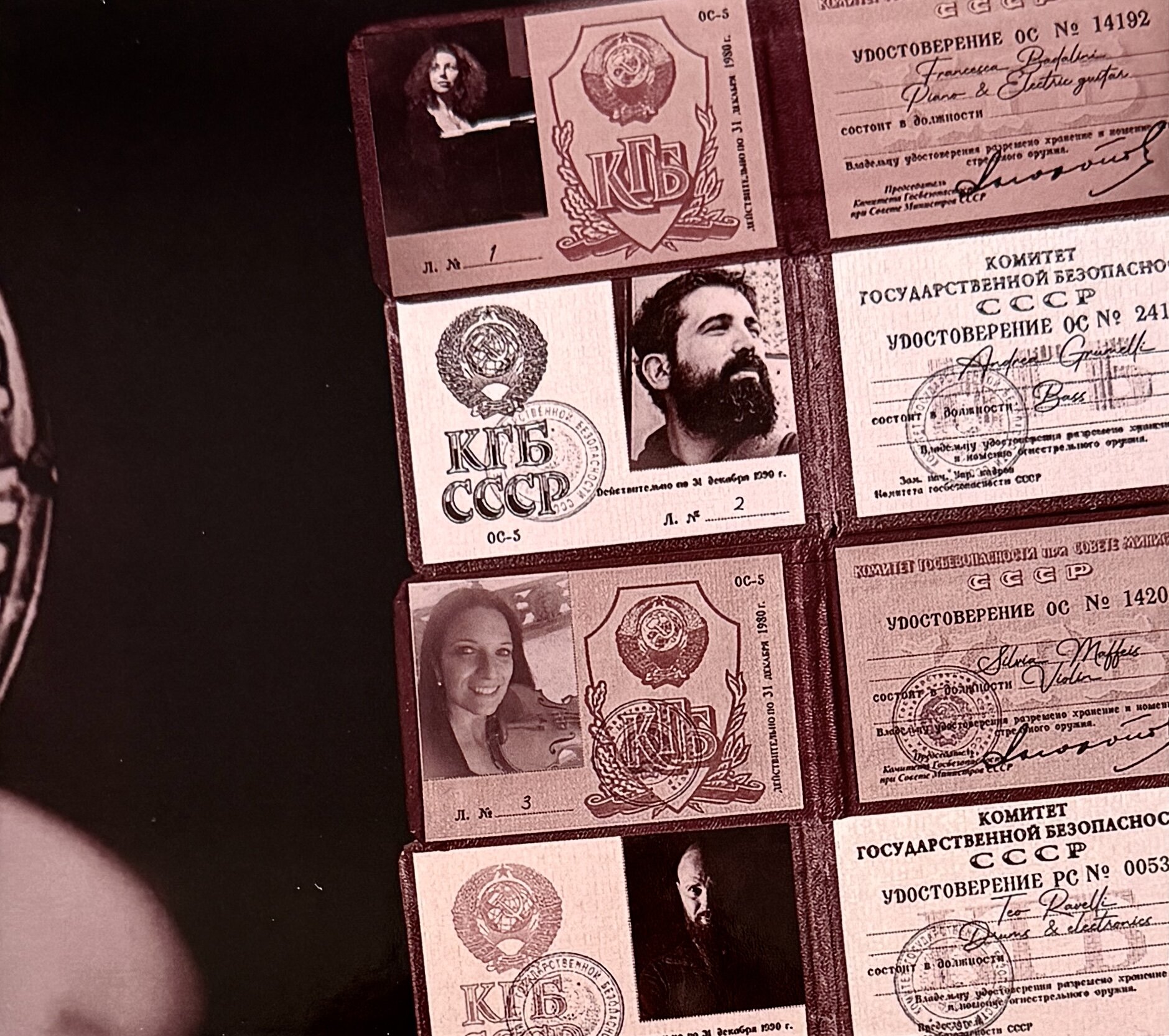
Francesca Badalini - Piano and Electric Guitar
Since 1999 she has been improvising, composing and performing live music for silent cinema throughout Italy, France, Switzerland, Tunisia and collaborates continuously with the Cineteca Italiana. He composes music for theatrical and cinematographic works, musicals, audiobooks, DVDs of restored silent films and animated films.
Silvia Maffeis - Violin
Violinist and arranger. She is the founder of the Ensemble Gocce d'Opera, with which she has had the honor of accompanying famous faces of opera such as: Leo Nucci and Anna Netrebko. Her eclecticism has led her to collaborate in the Pop field with Andrea Bocelli, in Jazz with Enrico Pieranunzi and recently with Ludovico Einaudi.
Andrea Grumelli - Fretless Bass
Active for some time in the Milanese scene with various collaborations ranging from Aether's Jazz-Rock, to Jazz (The Red Project, Luca Tagliabue Quarte), to Metal (Soul Takers, Winter Mist, Verde Lauro, Wake Arkane), to collaborations in the Avant-Garde/RIO field (NIchelOdeon), to cover-party bands (Sick Brain).
Teo Ravelli - Drums and Electronics
For twenty years he has been playing drums in various projects in Milan (Aether, King Bong, Drunk Monkeys Hospital, Hamelin, Pulverized Emotions, etc) ranging from Death Metal to Jazz, passing through Progressive, Psychedelia, Funk, Reggae and always emphasizing improvisation. Since 2021 he has also been active with the solo project borda, with which he explores electronics between Ambient, Glitch, Noise, Drone, Live Electronics and electroacoustic improvisation.
My Version
Label: Not On Label – EB0013929250
Format: CD, Stereo
Country: Italy
Release date: Jan 9, 2026
Tracklist
1. Uomini E Vermi [05:50]
2. Dramma Sul Ponte [09:54]
3. Il Morto Chiama [07:06]
4. La Scalinata Di Odessa [08:54]
5. Una Contro Tutte [09:00]
Duration 40:44
LineUp
Francesca Badalini - Piano and Guitars
Silvia Maffeis - Violin
Andrea Grumelli - Bass
Teo Ravelli - Drums and live electronics
Link for listening:
There are several opportunities to see the film on the big screen with live music, the group regularly holds cine-concerts in various cultural spaces. To listen to the album I recommend Bandcamp (Full album and digital purchase) where you can directly support the band, which is always good and right.
Social Media & Contact Information
https://www.facebook.com/l.Sincopatici/
Note: All links to the musicians' works are in the TAGS under the article title or on the "Artists"