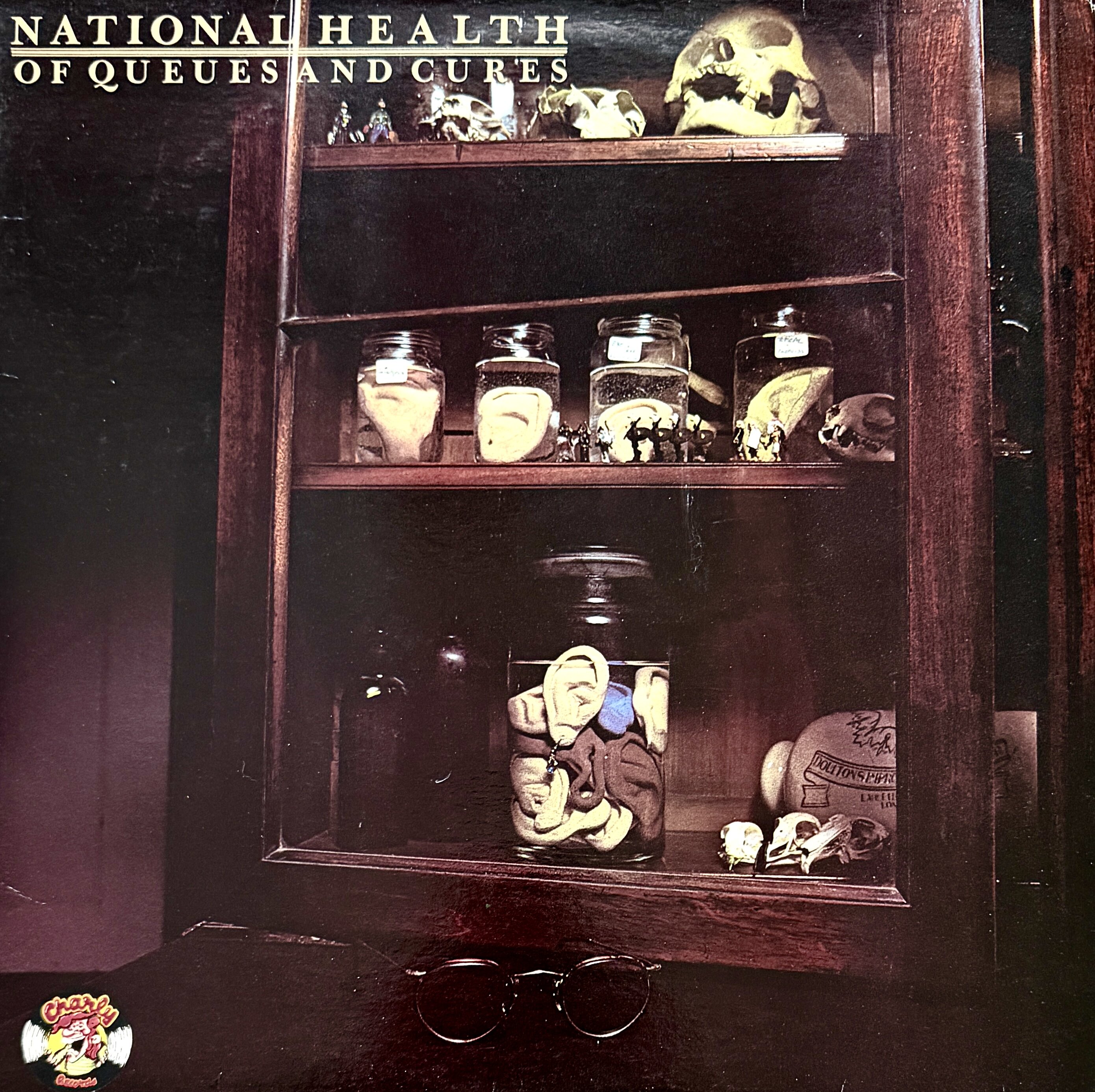
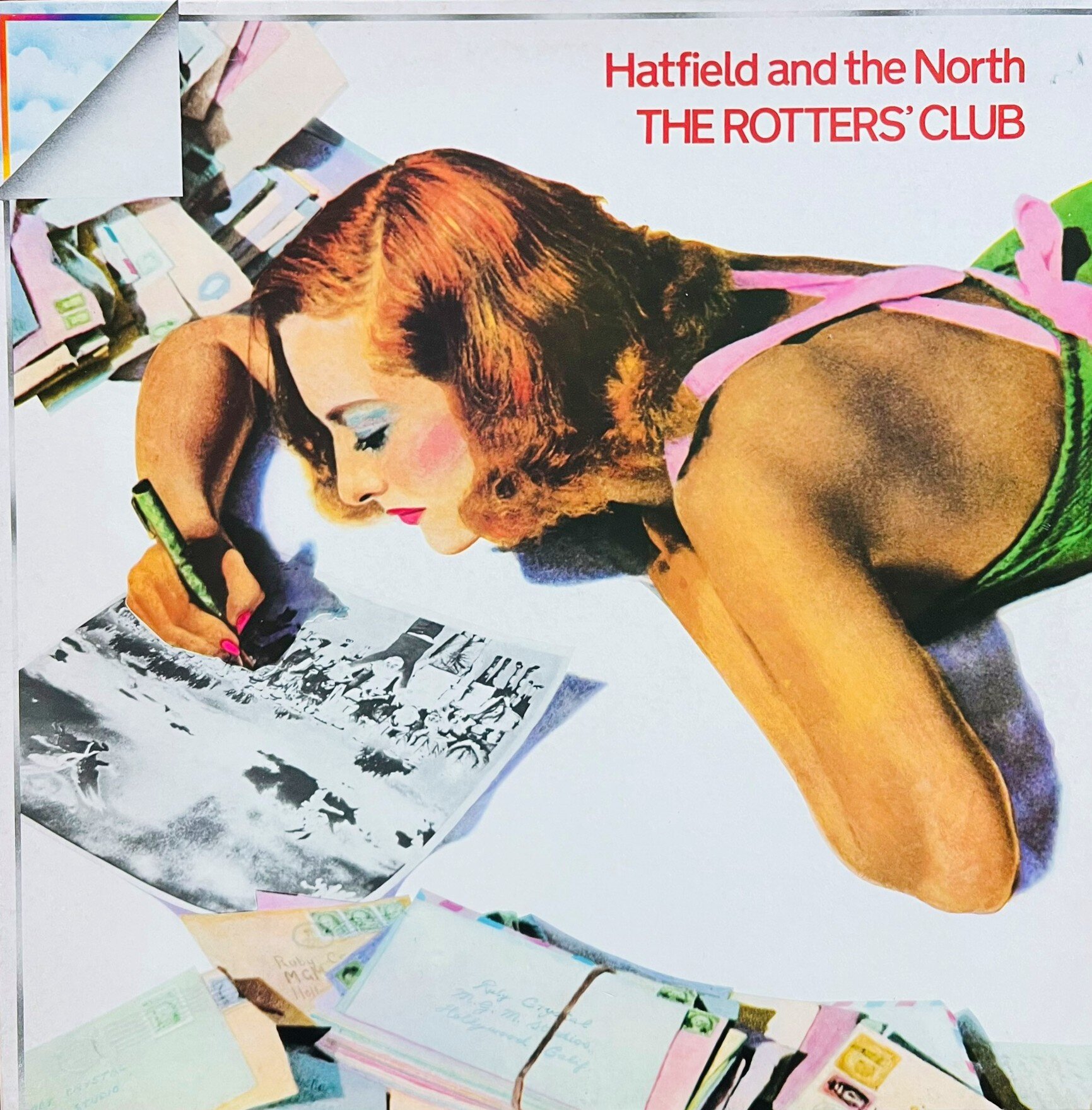
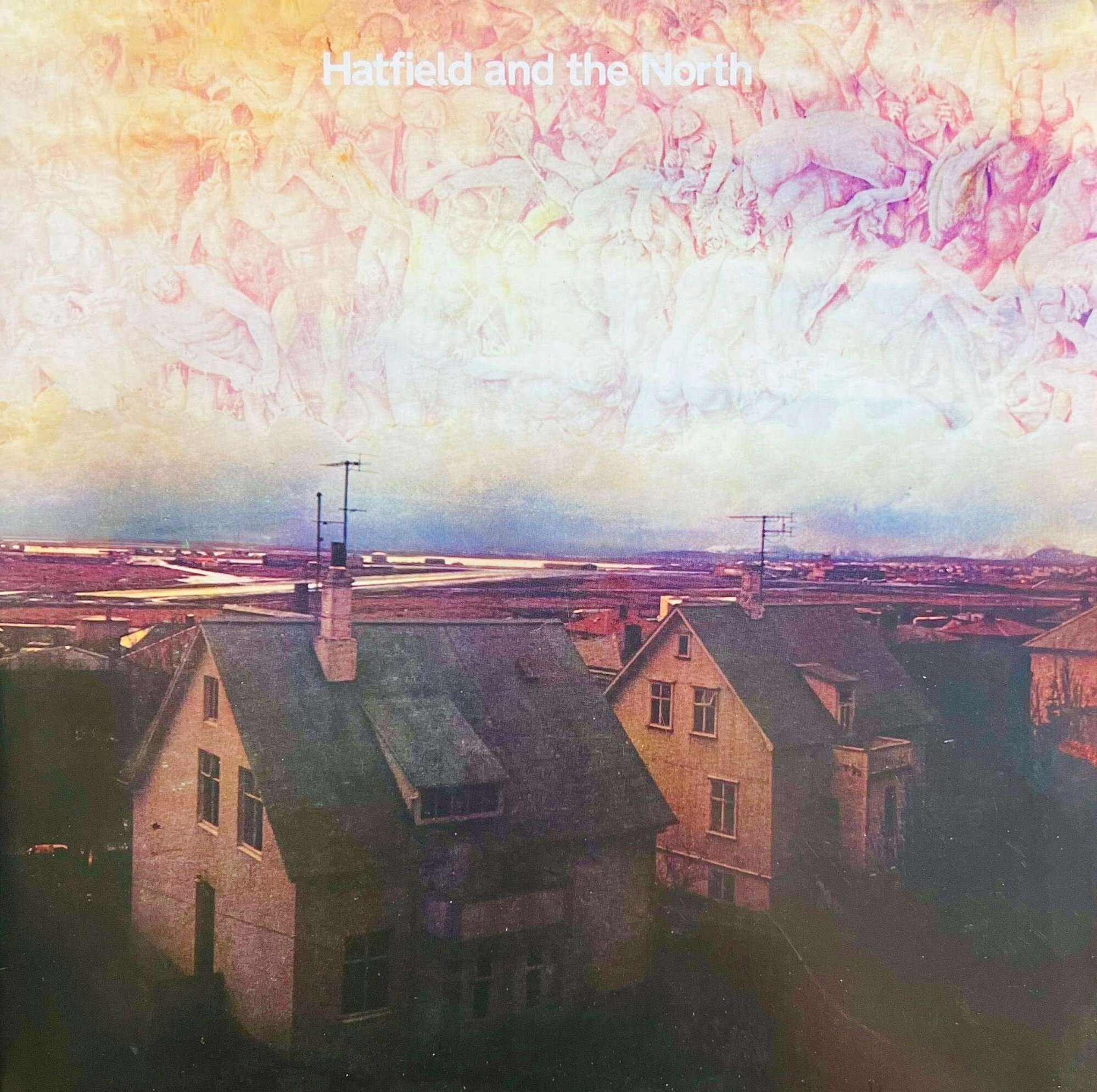
Of Queues And Cures dei National Health, album del 1978.
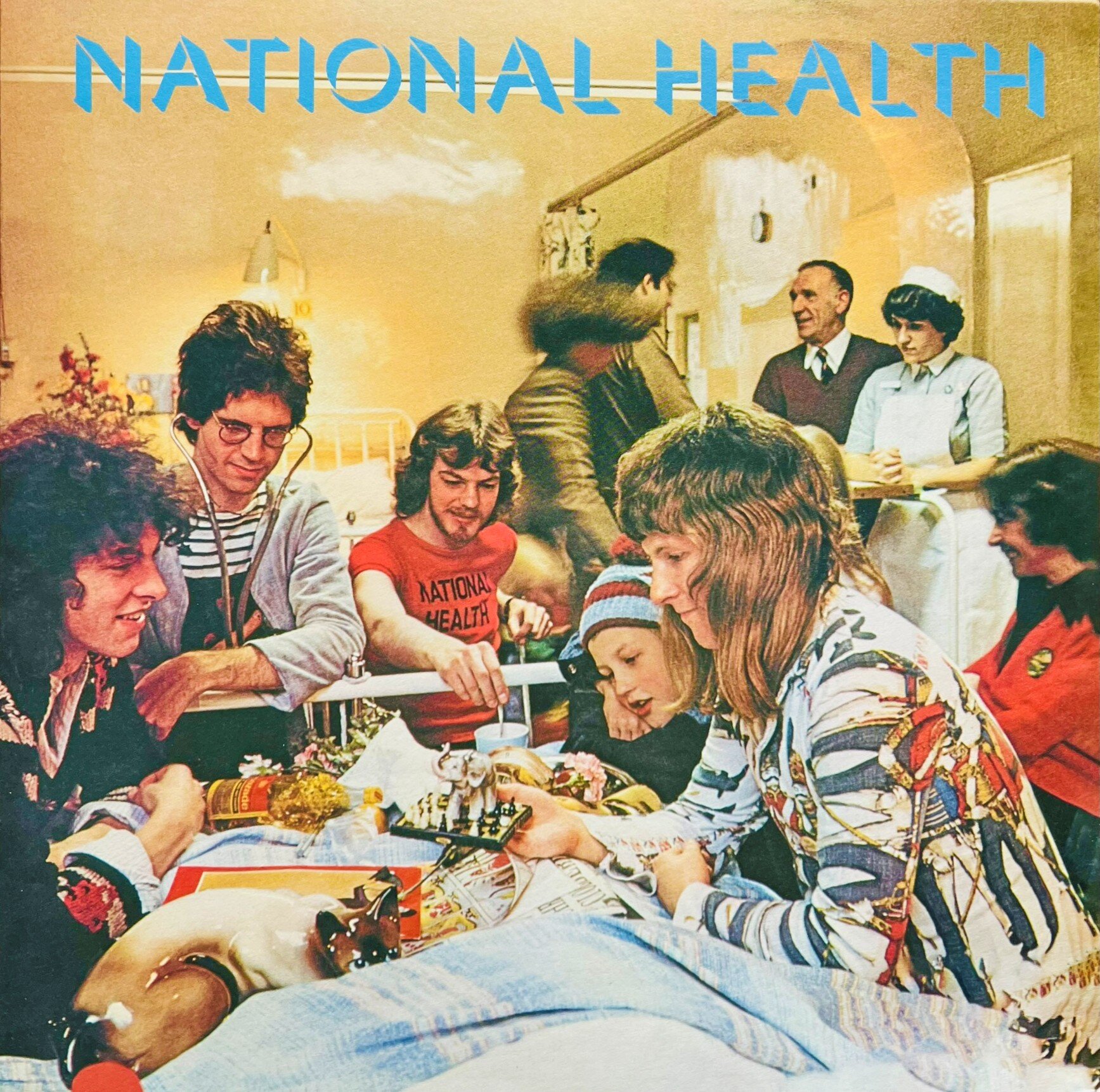
Su Progressive Rock World, i National Health sono celebrati come tra i più importanti esponenti della scena di Canterbury. Il loro album omonimo è considerato un punto di riferimento fondamentale del prog, in particolare per l’intreccio tra le tastiere di Dave Stewart e Alan Gowen.
Attivi tra il 1975 e il 1982, i National Health pubblicarono il loro secondo album in studio, “Of Queues and Cures”, nel 1978. Purtroppo, sono stati in gran parte dimenticati e raramente menzionati tra le band che hanno fatto la storia del rock. È probabile che non abbiano venduto molti dischi.
La formazione del primo album comprendeva Phil Miller (chitarra), Dave Stewart (tastiere), Neil Murray (basso) e Pip Pyle (batteria). Il cambiamento più significativo tra il debutto “National Health” e “Of Queues and Cures” riguarda il bassista e la cantante. Neil Murray fu sostituito da John Greaves, ex membro degli Henry Cow, il cui stile più sperimentale influenzò profondamente il suono del gruppo. Amanda Parsons, la cantante del primo disco con le sue linee vocali eteree in stile Northettes, lasciò la band prima delle registrazioni del secondo album.
Sebbene Alan Gowen fosse un membro fondatore, nel primo album appare tecnicamente come “ospite” (aveva già lasciato il gruppo ma tornò per le sessioni), mentre il titolare delle tastiere era Dave Stewart. Gowen rientrerà poi stabilmente in seguito per i tour del 1979-80.
Il titolo “Of Queues and Cures” (che si traduce in “Di code e cure”) è un esempio perfetto dell’ironia britannica e della scena di Canterbury, famosa per i suoi titoli surreali o legati alla vita di tutti i giorni, che contrastavano con la complessità della loro musica. Dato che la band si chiamava National Health (come il servizio sanitario britannico, l’NHS), il titolo fa subito pensare all’ambiente medico. “Code” e “cure” sono elementi tipici delle sale d’attesa degli ospedali pubblici inglesi, e il titolo è una sottile satira del sistema sociale britannico dell’epoca. Dave Stewart, il tastierista, scelse il nome della band perché portava gli occhiali “National Health” (quelli gratuiti forniti dallo stato), e il titolo dell’album continua questa estetica “ministeriale” e un po’ grigia.
“Of Queues and Cures” è un album strumentale che spicca come uno dei capolavori della scena di Canterbury e del progressive rock. L’album è ricco di incastri ritmici complessi, tempi dispari e una scrittura densa che lascia poco spazio all’improvvisazione, preferendo arrangiamenti curati nei minimi dettagli. Si alternano momenti di grande energia a sezioni più cupe e “spigolose” (in stile RIO - Rock In Opposition), intervallate da sprazzi di quel tipico umorismo surreale britannico che rende tutto ancora più interessante.
Ogni membro della band ha dato un tocco unico alle canzoni, creando un mix davvero interessante.
Dave Stewart alle tastiere è il vero cervello dietro l’album. Il suo modo di suonare l’organo “fuzz” e il Minimoog è potente e distorto, quasi animalesco in pezzi come “The Bryden 2-Step”, che danno un’atmosfera quasi rock-sinfonica.
John Greaves al basso e alla voce è stato fondamentale per cambiare direzione. Arrivato dagli Henry Cow, ha portato un approccio più grezzo e sperimentale. Ha scritto “Squarer for Maud”, una delle canzoni più complesse e virtuosistiche del genere.
Phil Miller alla chitarra tiene tutto insieme con il suo stile pulito ma intricato. La sua canzone principale è “Dreams Wide Awake”, che bilancia la densità dell’album con melodie più tipicamente canterburiane.
Pip Pyle alla batteria è tecnicamente perfetto. Oltre a suonare la batteria, ha scritto il testo e la musica di “Binoculars”, l’unica canzone con un testo strutturato.
Infine, gli ospiti ai fiati e agli archi, come Jimmy Hastings al clarinetto e flauto e Georgie Born al violoncello, aggiungono colori orchestrali e accenti quasi cameristici, rendendo l’album ancora più ricco.
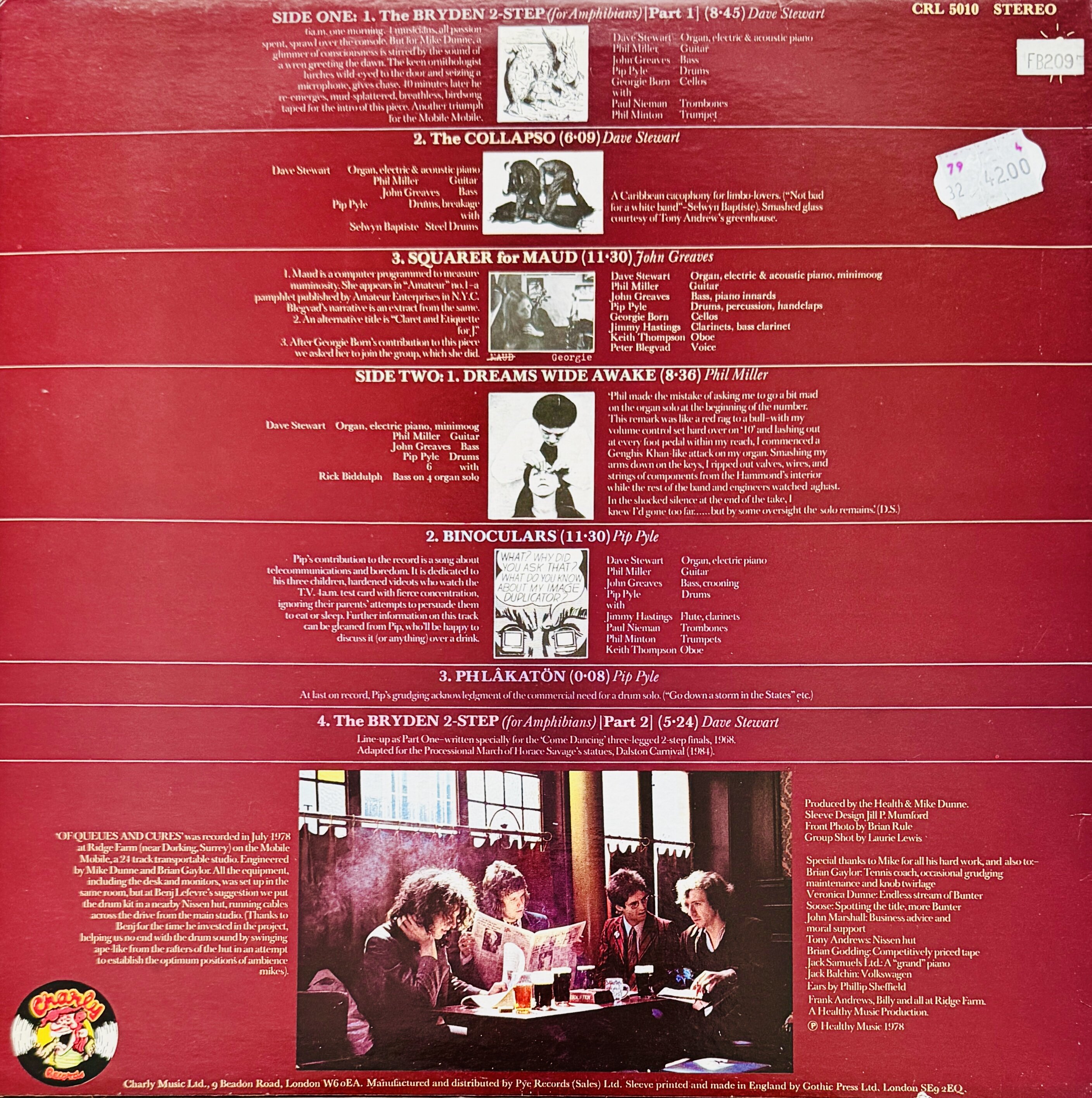
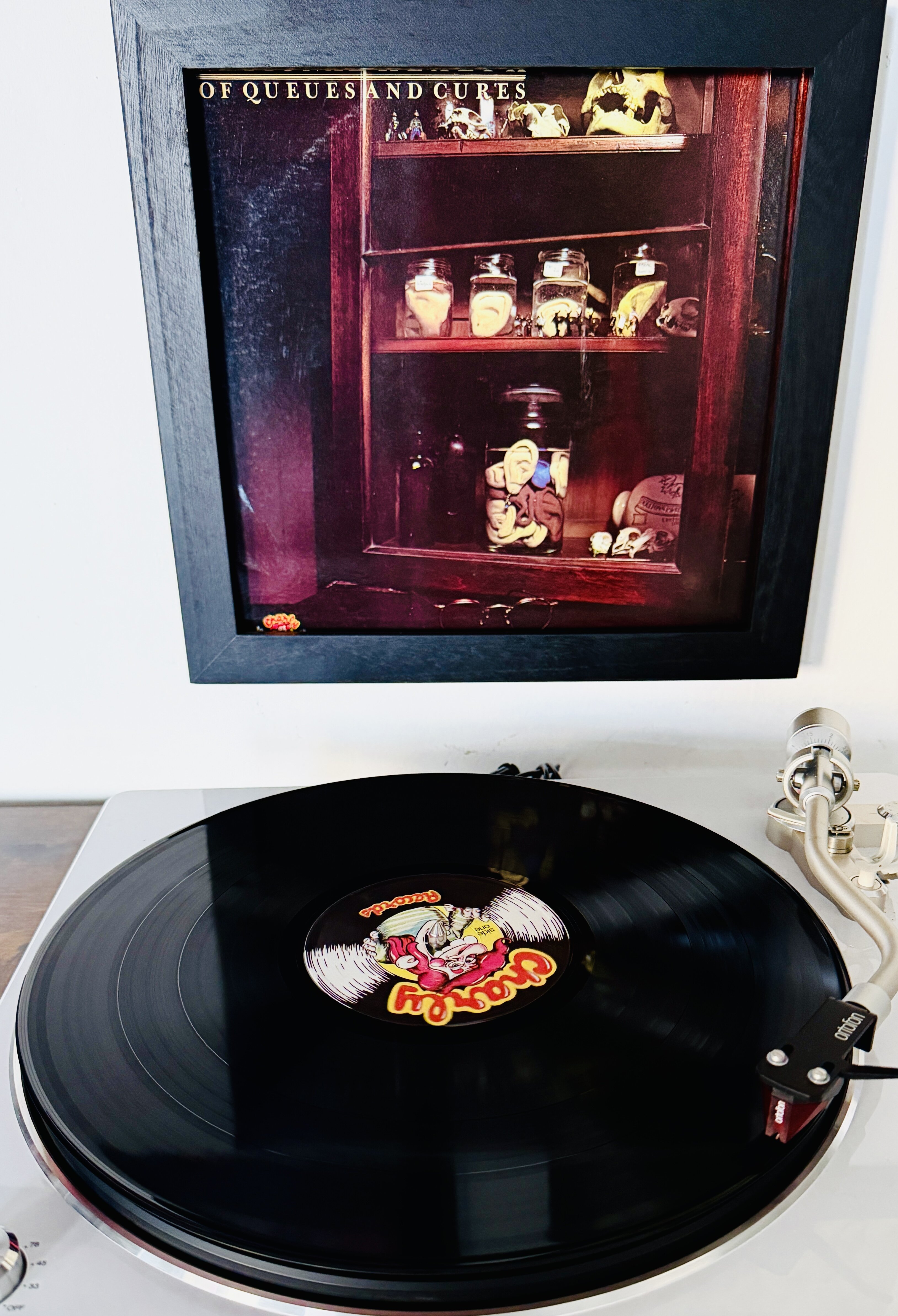
La mia è la versione Charly Records CRL 5010 originale in vinile del 1978, un vero gioiello per gli appassionati come me.
L’album si apre con “The Bryden 2-Step (For Amphibians) Pt. 1”, un brano strumentale lungo e complesso che fonde psichedelia, jazz e rock con richiami classici. I contrappunti sono semplicemente stupendi, di un’eccellenza rara.
“The Collapso” si distingue per l’uso delle steel drum, che danno un tocco quasi umoristico e tropicale, pur mantenendo un livello tecnico altissimo.
“Squarer for Maud” è il pezzo forte del disco, composto da John Greaves. Qui si sentono tutte le sue radici RIO (Rock in Opposition), con ritmiche frenetiche che sfiorano il free jazz e un finale che lascia un senso di inquietudine.
“Dreams Wide Awake” è il brano più potente e aggressivo dell’album, quasi al limite dell’hard prog. Inizia con un assolo di organo pazzesco di Dave Stewart, un’energia jazz-rock travolgente che non ti lascia scampo.
“Binoculars” è l’unico brano cantato, sempre di John Greaves. Una traccia epica che include un assolo di flauto di Jimmy Hastings che è un vero capolavoro, e sezioni di fiati che ricordano i King Crimson.
“Phlâkatön” è un brevissimo intermezzo di sillabe senza senso, tipico dello spirito surreale di Canterbury, un tocco di leggerezza in mezzo a tanta complessità.
“The Bryden 2-Step (For Amphibians) Pt. 2” riprende e conclude i temi della prima traccia, chiudendo l’album in modo circolare con un jazz-rock guidato dall’organo che ti lascia con la voglia di riascoltarlo subito.
Questo album si descrive semplicemente con una parola: Essenziale
Nota: Tutti i link ai lavori dei musicisti sono nei TAG sotto il titolo dell'articolo o nella pagina "Artisti"
La Mia Versione
Etichetta: Charly Records – CRL 5010
Formato: Vinile, LP, Album, Stereo
Paese: UK
Uscita: 1978
Tracklist
1. The Bryden 2-Step (for Amphibians) Part 1 (8:52)
2. The Collapso (6:16)
3. Squarer for Maud (11:30)
4. Dreams Wide Awake (8:48)
5. Binoculars (11:43)
6. Phlâkatön (0:08)
7. The Bryden 2-Step (for Amphibians) Part 2 (5:31)
Durata 52:48
LineUp
- Phil Miller - chitarra
- Dave Stewart - pianoforti acustici ed elettrici, organo, Minimoog (3,4)
- John Greaves - basso, interno del pianoforte (3), canto (5)
- Pip Pyle - batteria, percussioni e battiti di mani (3)
Con:
- Jimmy Hastings - clarinetti (3,5), flauto (5)
- Phil Minton - trombe (1,5,7)
- Paul Nieman - trombones (1,5,7)
- Keith Thompson - oboe (3,5)
- Georgie Born - violoncello (1,3,7)
- Rick Biddulph - basso (4)
- Selwyn Baptiste - tamburi d'acciaio (2)
- Peter Blegvad - voce (3)
Link per l’ascolto
suggerisco il canale ufficiale Youtube della band National Health