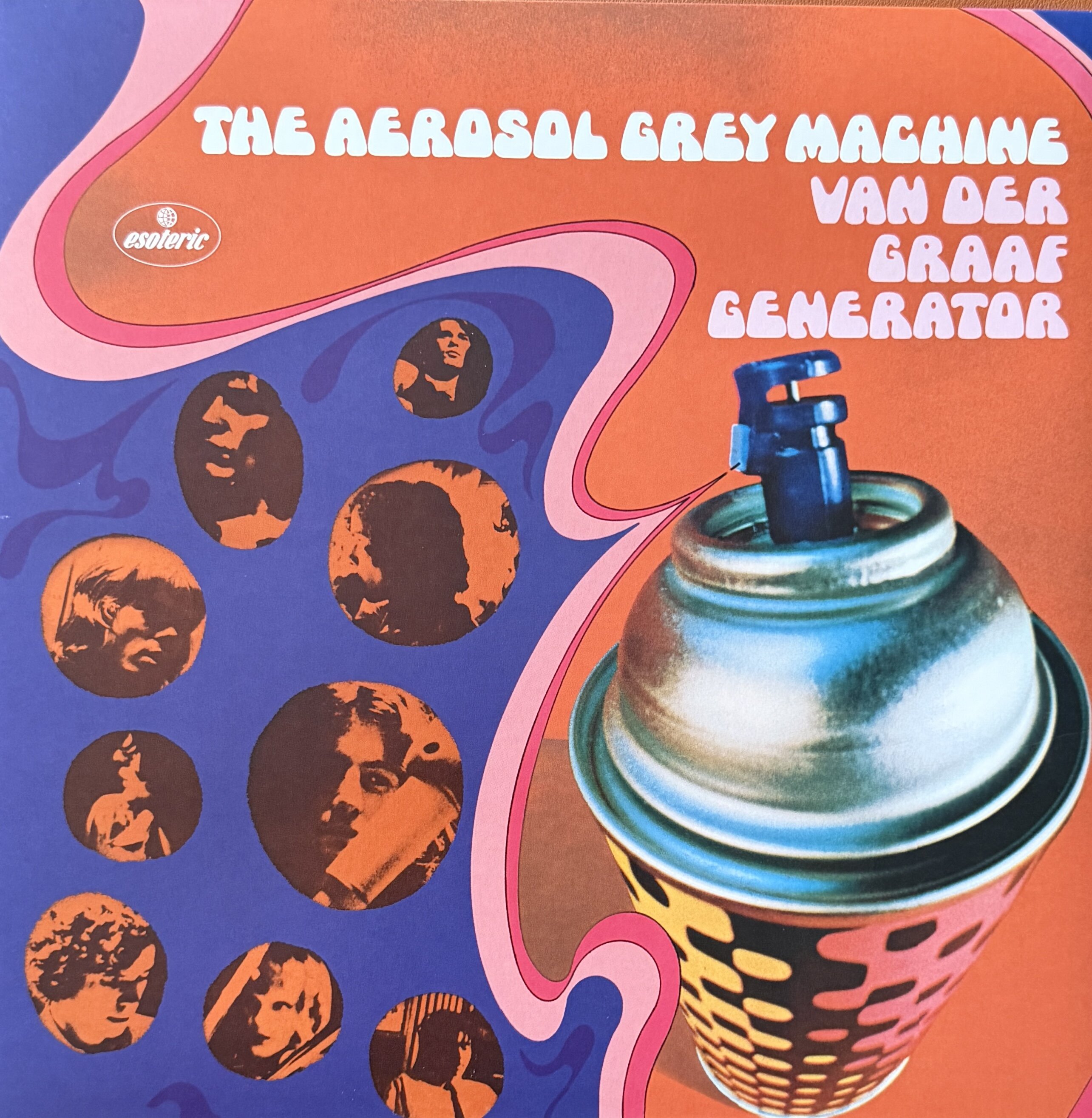
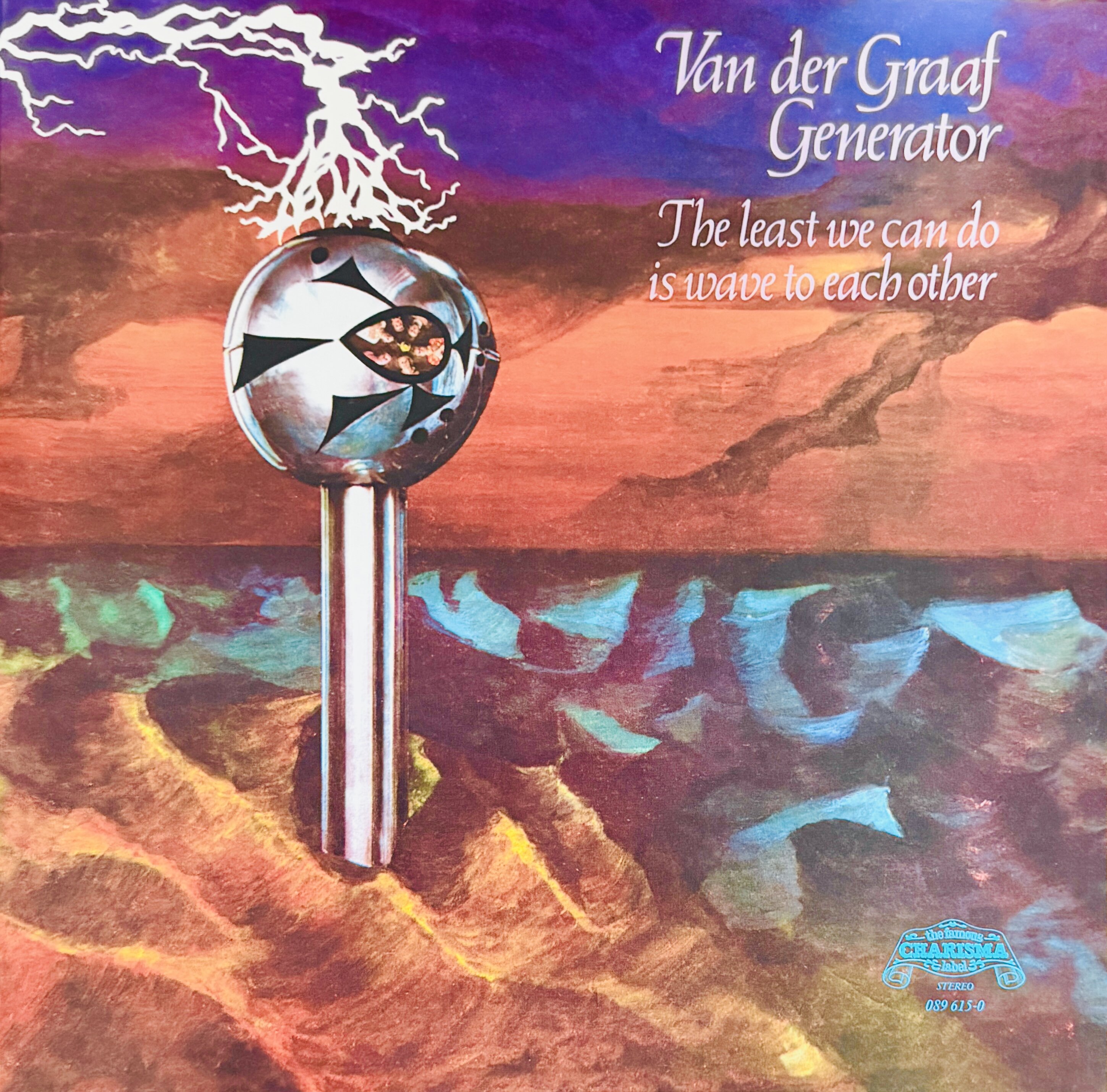
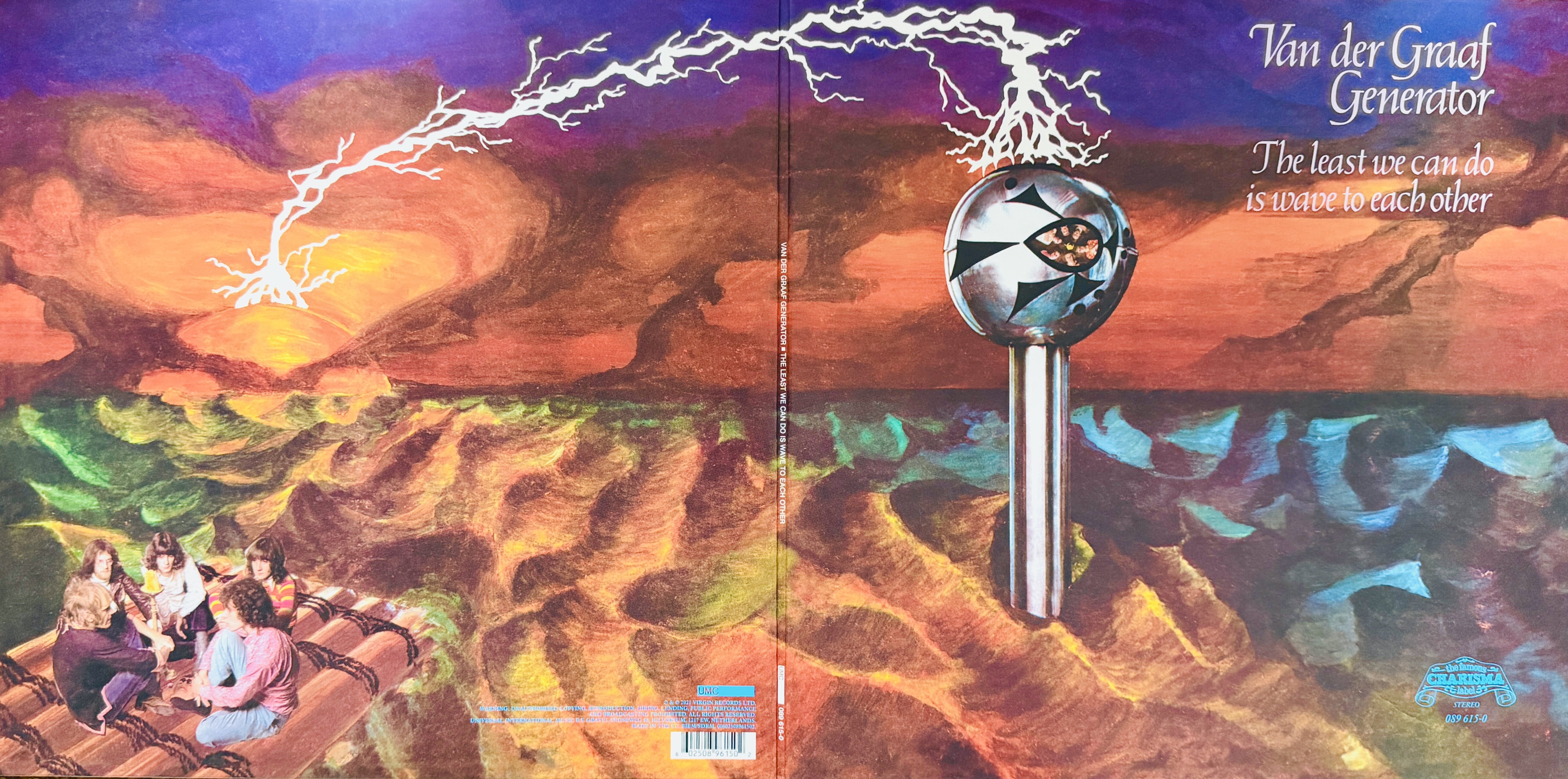
The Least We Can Do Is Wave to Each Other dei Van Der Graaf Generator, album del 1970.
Su Progressive Rock World, i Van der Graaf Generator (VDGG) sono celebrati come una band fondamentale dell'Eclectic Prog per il loro stile come unico, un mix di rock progressivo caratterizzato da atmosfere oscure, arrangiamenti essenziali e testi filosofici/esistenziali influenzati dal jazz e dalla musica classica, dedicando ampio spazio alla discografia e alla storia della band attraverso un profilo completo intitolato "Lo stile unico dei Van der Graaf Generator: il Prog Rock fra oscurita' e filosofia", che analizza la loro storia e la leadership di Peter Hammil.
Molte le recensioni e analisi degli album, oltre ad articoli su Peter Hammill, analisi dei suoi lavori solisti, come Chameleon in the Shadow of the Night e The Silent Corner and the Empty Stage, pietre miliari del "Prog Psicologico".
Il sito include anche gallerie fotografiche delle copertine e dettagli sulle formazioni e tracklist di ogni disco recensito.
“The Least We Can Do Is Wave to Each Other”, uscito a febbraio del ’70, è il loro secondo album ed è considerato il loro disco della svolta, quello che li ha portati a un sound più complesso, cupo e sperimentale, un vero e proprio precursore del progressive rock britannico degli anni ’70.
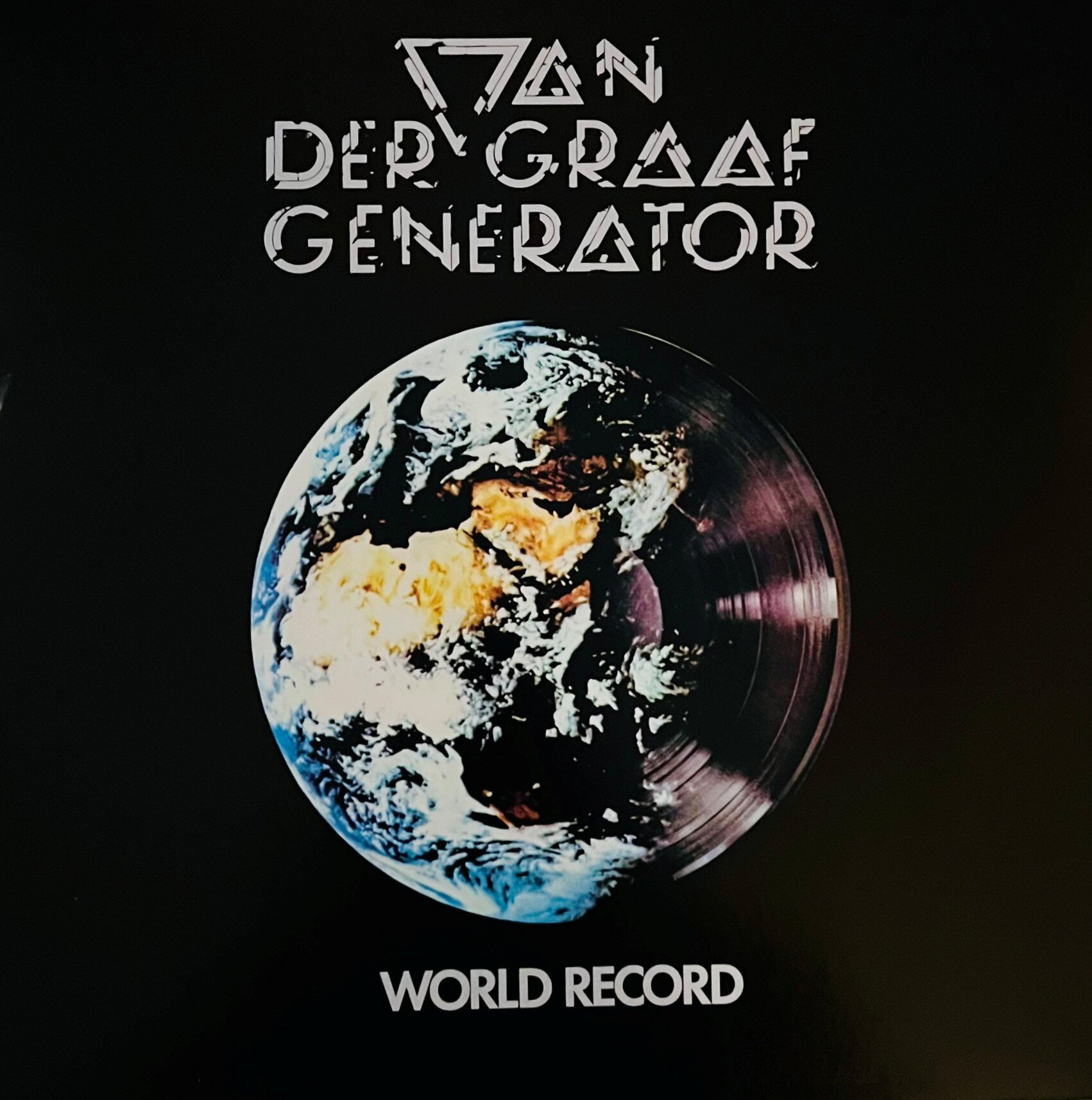
Anche se è il secondo album, è stato il primo a essere distribuito ufficialmente nel Regno Unito (il primo, “The Aerosol Grey Machine”, era uscito solo negli USA per problemi di contratto).
Registrato in appena quattro giorni (dall’11 al 14 dicembre del ’69) ai Trident Studios di Londra con il produttore John Anthony, è stato uno dei primi dischi pubblicati dalla nuova etichetta Charisma Records.
Con questo album arriva il sassofonista David Jackson, il cui stile unico è diventato un vero e proprio marchio di fabbrica per la band, in quella che è considerata la prima formazione “classica” dei Van der Graaf Generator, grazie anche all’arrivo di Nic Potter a completare il gruppo storico.
Ecco chi c’era nella band:
Peter Hammill: Voce solista, chitarra acustica e pianoforte (in “Refugees”).
Hugh Banton: Organo Hammond e Farfisa, pianoforte e cori.
David Jackson: Sax tenore e alto, flauto e cori.
Guy Evans: Batteria e percussioni.
Nic Potter: Basso elettrico e chitarra elettrica.
E cosa facevano prima di questo disco? Beh, ognuno aveva un percorso diverso, tra studi e prime esperienze nella scena psichedelica e jazz-rock:
Peter Hammill: Studente di scienze alla Manchester University, aveva fondato il gruppo nel ’67 con Chris Judge Smith. Prima di questo album aveva già registrato “The Aerosol Grey Machine” (1969), che era nato come suo progetto solista ma poi è uscito a nome della band per via di problemi di contratto.
Hugh Banton: Di formazione classica, ha iniziato a suonare il pianoforte a 4 anni e l’organo a 7. Prima di unirsi ai VdGG nel ’68, lavorava come tecnico televisivo per la BBC a Londra. Il suo background ecclesiastico e classico ha influenzato molto le atmosfere gotiche del gruppo.
David Jackson: Laureato in Psicologia ed Economia in Scozia, suonava in diverse band jazz-blues e rock locali. Prima di entrare nei VdGG, faceva parte degli Heebalob, un gruppo jazz-rock guidato da Chris Judge Smith (cofondatore dei VdGG).
Guy Evans: Con esperienze in band universitarie e psichedeliche, si era unito a Hammill e Banton già nel ’68, partecipando alle prime sessioni e al disco d’esordio.
Nic Potter: Il più giovane del gruppo, si è unito nel ’69, dopo lo scioglimento della prima formazione e l’uscita del bassista Keith Ellis (che è andato nei Juicy Lucy). Potter ha portato un sound più solido e rock alla sezione ritmica.
Una curiosità: David Jackson è stato invitato a unirsi alla band proprio perché Peter Hammill cercava qualcuno che potesse “riempire” il suono in modo più selvaggio rispetto a una chitarra normale. Un’intuizione geniale.
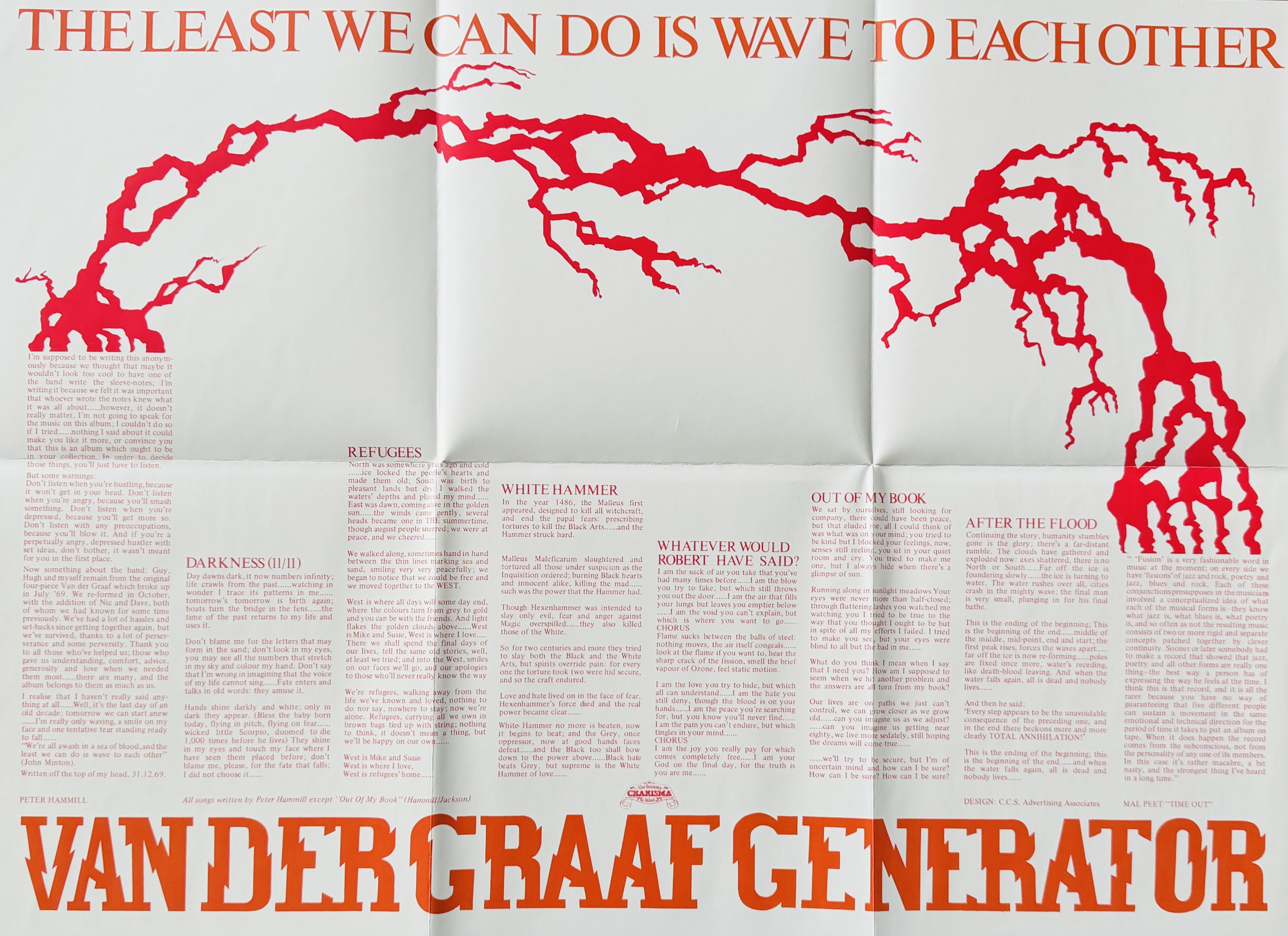
L’album e il suo titolo rispecchiano la visione esistenzialista e a volte apocalittica di Peter Hammill, un mix di pessimismo cosmico e un pizzico di solidarietà umana. Il titolo è una citazione del pittore e illustratore britannico John Minton, come spiega Hammill stesso nelle note di copertina.
La frase completa è: “Siamo tutti immersi in un mare di sangue, e il minimo che possiamo fare è farci un cenno di saluto l’un l’altro”.
Insomma, nonostante le sofferenze e il caos dell’esistenza (il “mare di sangue”), l’unico gesto importante che ci resta è riconoscerci e salutarci.
Anche se non è un concept album con una storia che si dipana dall’inizio alla fine, ci sono temi che tornano spesso, creando un’atmosfera omogenea. L’album tratta di catastrofi globali e del crollo dell’umanità (citando anche Einstein e le sue preoccupazioni sulle armi), passando dall’angoscia esistenziale alla malinconica speranza, ma analizza inoltre il contrasto tra la ricerca spirituale e la crudeltà della storia (citando il Malleus Maleficarum e la caccia alle streghe). Molte canzoni mostrano l’individuo come una figura fragile che cerca di capire un mondo illogico o sovrannaturale, un tema che diventerà portante per i Van der Graaf Generator.
Parliamo di un vero gioiello del Progressive Rock britannico, con un’anima tutta sua, diversa da Genesis o Yes. L’atmosfera è oscura, tesa, quasi gotica, un’esperienza unica. Niente chitarra solista, a differenza di quasi tutte le band rock dell’epoca, i VdGG non avevano un chitarrista solista. Il suono è dominato dall’organo Hammond distorto di Hugh Banton e dai sassofoni di David Jackson, che sono la star dello show.
Jackson, un vero genio, ha inventato uno stile unico collegando i suoi sassofoni ad amplificatori e pedali wah-wah (tipici della chitarra, per intenderci). Spesso suonava due sax contemporaneamente (tenore e alto), creando armonie dissonanti e potenti che sostituivano i riff di chitarra. Un “Muro di Fiati” pazzesco.
E poi c’è Peter Hammill, la voce. Non canta, si esibisce! Una performance teatrale, quasi operistica, che passa da sussurri confidenziali a urla disperate. I suoi testi sono densi, poetici, niente ritornelli “pop” scontati.
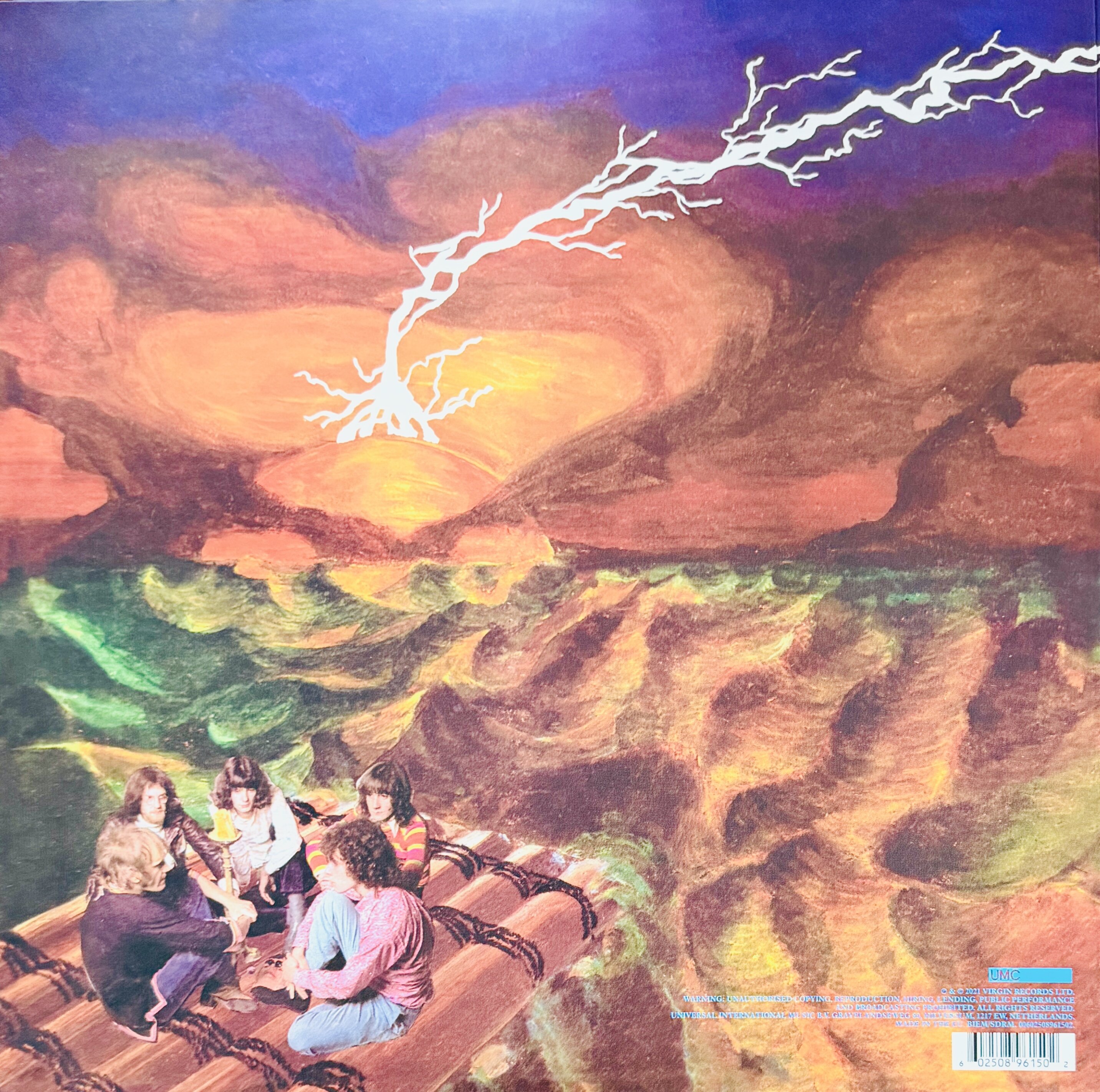
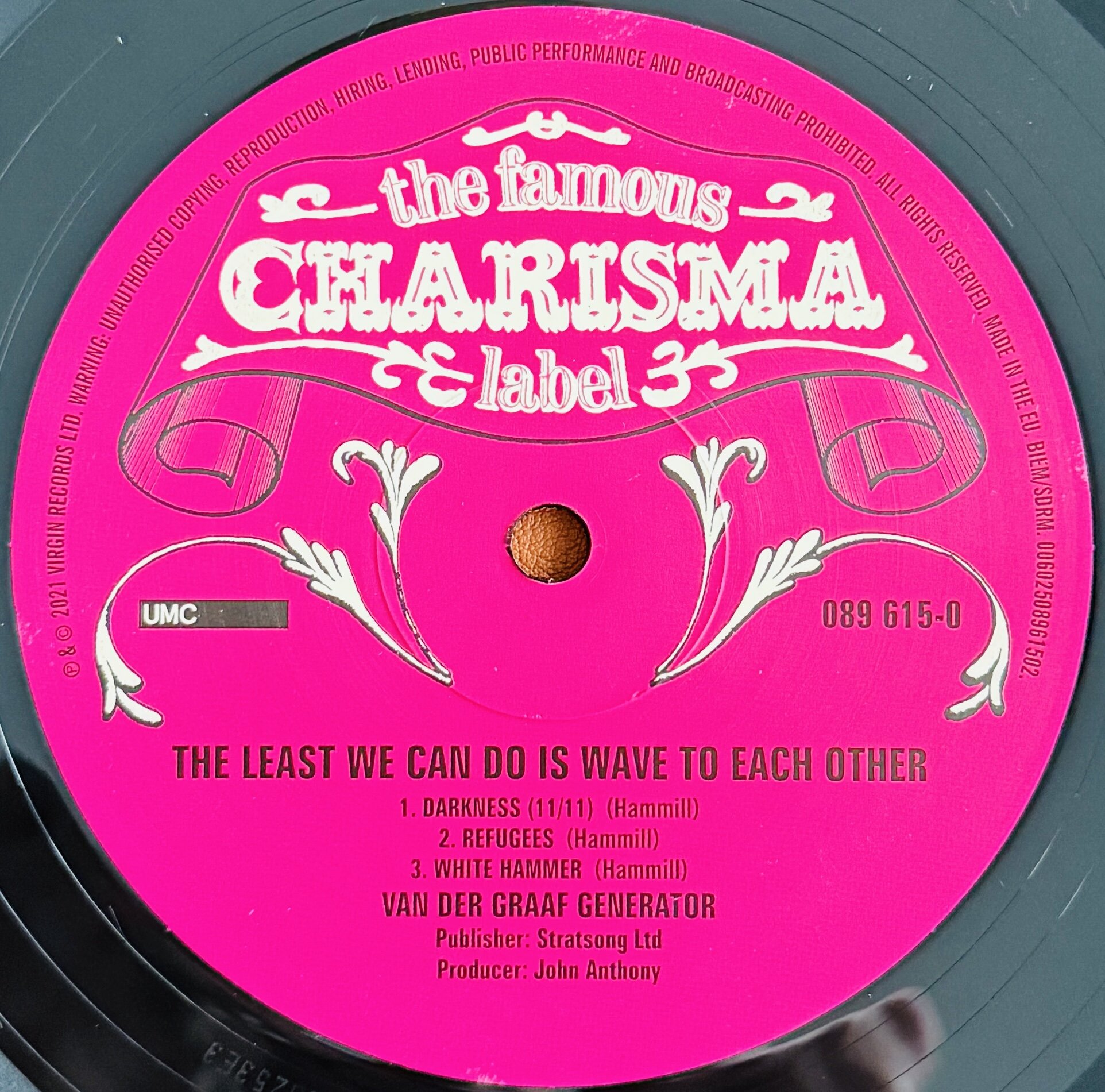
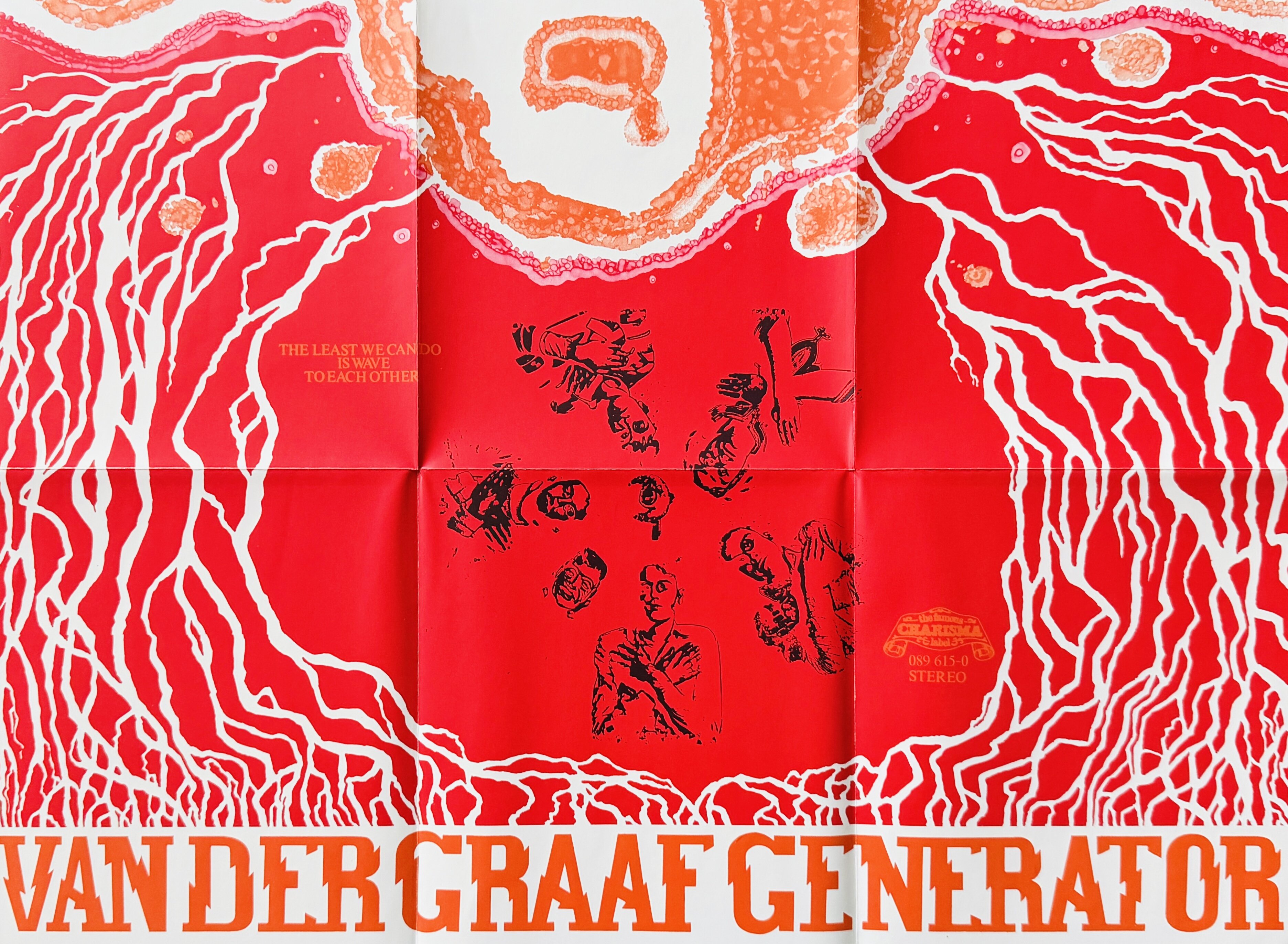
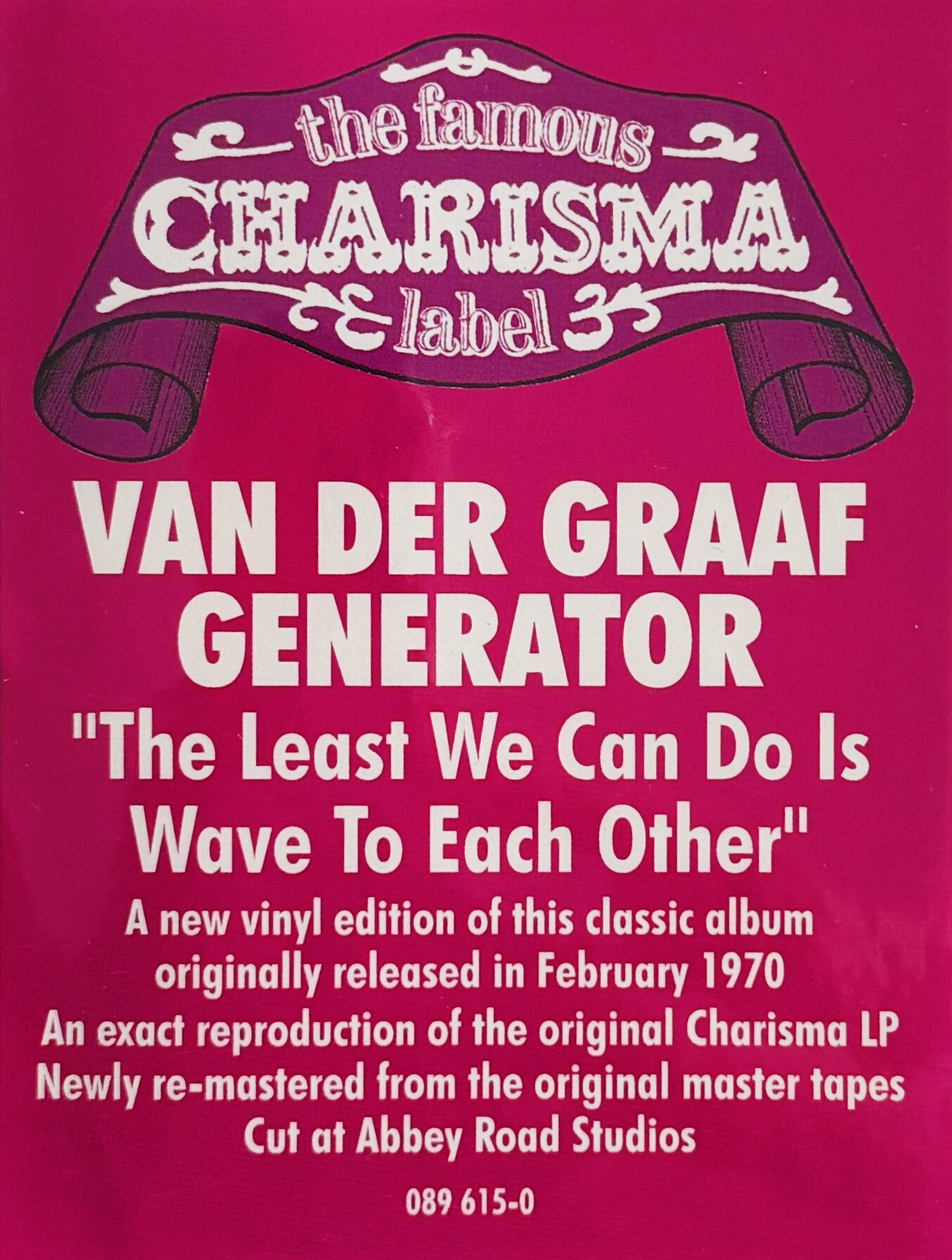
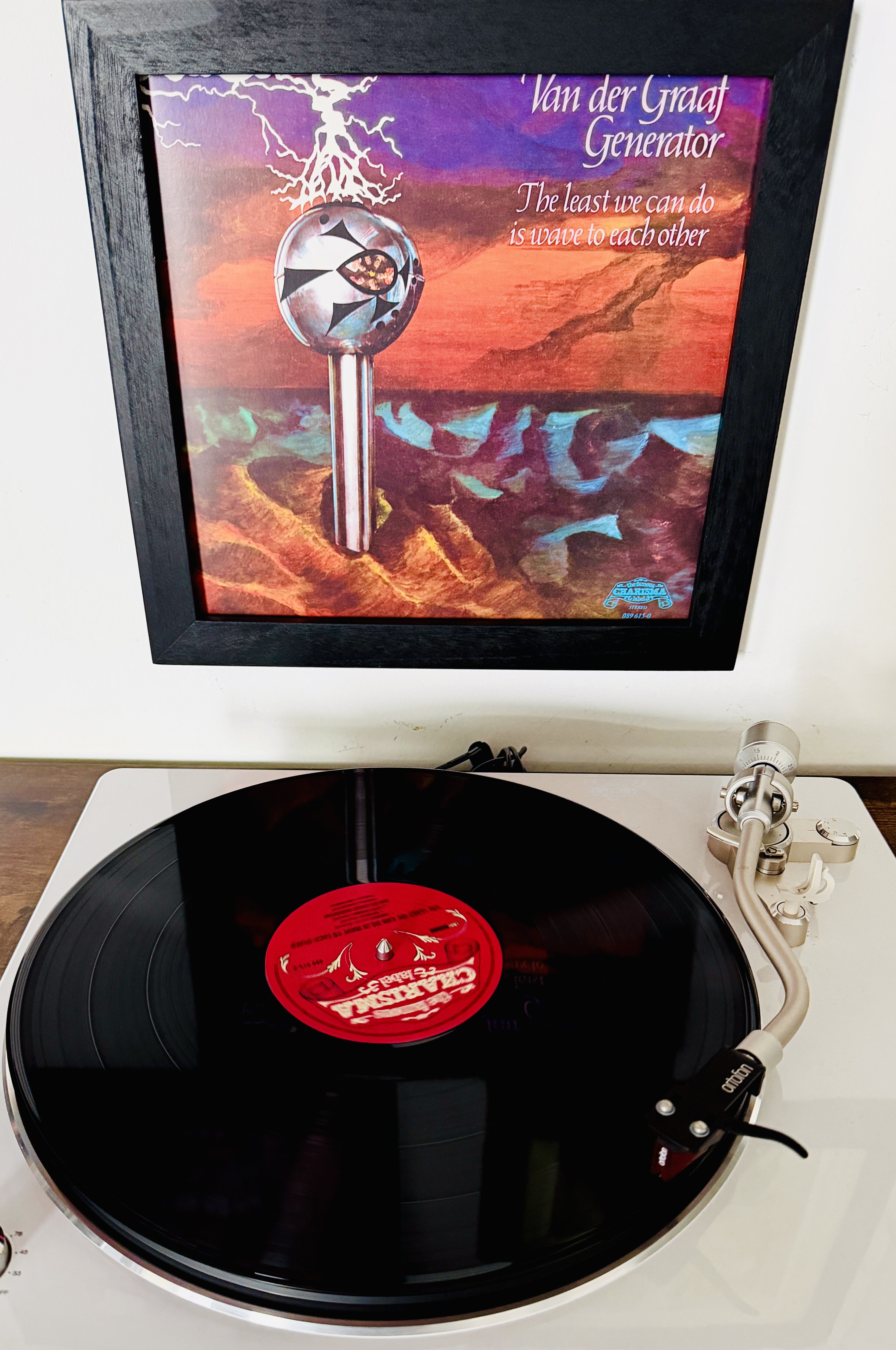
La mia versione è la UMC – 089 615-0, una ristampa in vinile pubblicata nel 2022 da Universal Music Group (UMC). Questa edizione si basa sulla nuova rimasterizzazione del 2021, realizzata a partire dai nastri master originali. Riproduce fedelmente l’LP originale della Charisma Records del 1970, permettendo finalmente di isolare con precisione il contributo di ogni singolo musicista, rivelando dettagli che nel mix originale del 1970 erano andati persi.
“Darkness (11/11)” è un thriller psichedelico, teso e claustrofobico, che rappresenta l’essenza del “Dark Prog”. David Jackson è il fulcro della canzone, con il suo sax tenore distorto che ricorda una chitarra elettrica grazie all’uso del pedale wah-wah. Hugh Banton crea un’atmosfera spettrale con l’organo, mentre Guy Evans alla batteria evita i tempi regolari, preferendo accenti jazzistici tesi. La voce di Peter Hammill è teatrale, passando dal sussurro al grido, rendendo il pezzo un’esperienza intensa e coinvolgente.
“Refugees” è una ballata delicata e malinconica, che mette in luce il lato più “romantico” e sensibile dei Van der Graaf Generator. Qui risalta la formazione classica di Hugh Banton, che cura gli arrangiamenti dei violoncelli e suona un organo imponente ma sobrio. Nic Potter al basso sostiene il brano con una linea melodica calda, mentre il flauto di Jackson aggiunge un tocco pastorale, rendendolo un vero e proprio classico del prog britannico. Capolavoro.
“White Hammer” è un pezzo narrativo che evolve da un jazz-rock quasi “antico” a un finale proto-heavy metal opprimente. Il finale è una vera e propria esibizione di potenza collettiva: Banton spinge l’organo Hammond verso una distorsione estrema (l’effetto “martello”), mentre Peter Hammill usa la voce come uno strumento di tormento. Guy Evans picchia sui piatti creando un senso di imminente disastro. Un esempio perfetto di come i VdGG sapessero usare il silenzio e il rumore per creare un’atmosfera particolare.
“Whatever Would Robert Have Said?” è il brano più tecnico e spezzettato, con continui cambi di tempo e riff spigolosi. Nic Potter e Guy Evans mostrano una coesione ritmica incredibile, gestendo stop-and-go complessi. Potter suona anche la chitarra elettrica con un suono graffiante, una cosa rara per il gruppo. Jackson inserisce riff di sax che si intrecciano con l’organo di Banton in modo quasi contrappuntistico, creando un’atmosfera intricata e interessante.
“Out of My Book” è un interludio acustico e onirico, che funge da “calma prima della tempesta” finale. Un’occasione per respirare e riflettere prima del ritorno alla forza del rock. Peter Hammill alla chitarra acustica ci offre un tocco folk leggero, mentre David Jackson si distingue con il suo flauto dolce e etereo. Banton completa l’atmosfera con tocchi delicati di piano elettrico, creando un’atmosfera sospesa e distensiva.
“After the Flood” è una suite apocalittica di 11 minuti, la traccia più sperimentale dell’album. Qui free-jazz, avanguardia ed elettronica si fondono in un connubio unico. Guy Evans è semplicemente imponente con il suo drumming frenetico, che rappresenta perfettamente il caos di un’alluvione. Banton aggiunge un tocco extraterrestre con gli oscillatori, mentre il grido di Hammill “Annihilation!” viene elaborato elettronicamente per un effetto disumano. Grazie alla qualità di questa edizione UMC, possiamo apprezzare ogni singola nota del sax baritono di Jackson che ruggisce nel finale.
I brani sono un viaggio tra contrasti estremi: da ballate acustiche e dolci (tipo “Refugees”) a sezioni caotiche, jazz-rock e quasi rumoristiche (come “After the Flood”). Un’esplosione continua di emozioni.
E le influenze? Musica classica e sacra (grazie alla formazione di Banton come organista di chiesa), jazz d’avanguardia e psichedelia più cupa. Un mix esplosivo.
Insomma, mentre altri gruppi prog cercavano la perfezione tecnica e solare, i VdGG in questo album esploravano l’inquietudine e il caos, creando un suono che molti critici oggi definiscono “proto-punk” per la sua intensità emotiva. Un album da ascoltare e riascoltare!
Eccellente!
La Mia Versione
Etichetta: UMC – 089 615-0
Formato: Vinile, LP, Album, Reissue, Remastered, Stereo, Pink Scroll Labels
Paese: Europe
Uscita: 8 apr 2022
Tracklist
A1 Darkness (11/11) 7:11
A2 Refugees 6:13
A3 White Hammer 8:08
B1 Whatever Would Robert Have Said ? 5:50
B2 Out Of My Book 3:58
B3 After The Flood 11:34
LineUp
- Peter Hammill - voce principale, chitarra acustica, pianoforte (2)
- Hugh Banton - Organo Farfisa, pianoforte, cori
- David Jackson - sassofoni tenore e alto, flauto, cori
- Nic Potter - basso, chitarra elettrica
- Guy Evans - batteria, percussioni
Con:
- Mike Hurwitz - violoncello (2)
- Gerry Salisbury - cornetta (3)
Link per l’ascolto sulle principali piattaforme di streaming ai seguenti link:
- Spotify: L'album completo è disponibile per lo streaming su Spotify.
- YouTube: Puoi trovare l'intero album raccolto in playlist dedicate o singoli brani rimasterizzati.
- Apple Music: Disponibile sia nella versione standard che nella versione Deluxe.
- Amazon Music: L'album è incluso nel catalogo di Amazon Music Unlimited.
Nota: Tutti i link ai lavori dei musicisti sono nei TAG sotto il titolo dell'articolo o nella pagina "Artisti"