In Absence of Velocity di Singlelito, album del 2026.
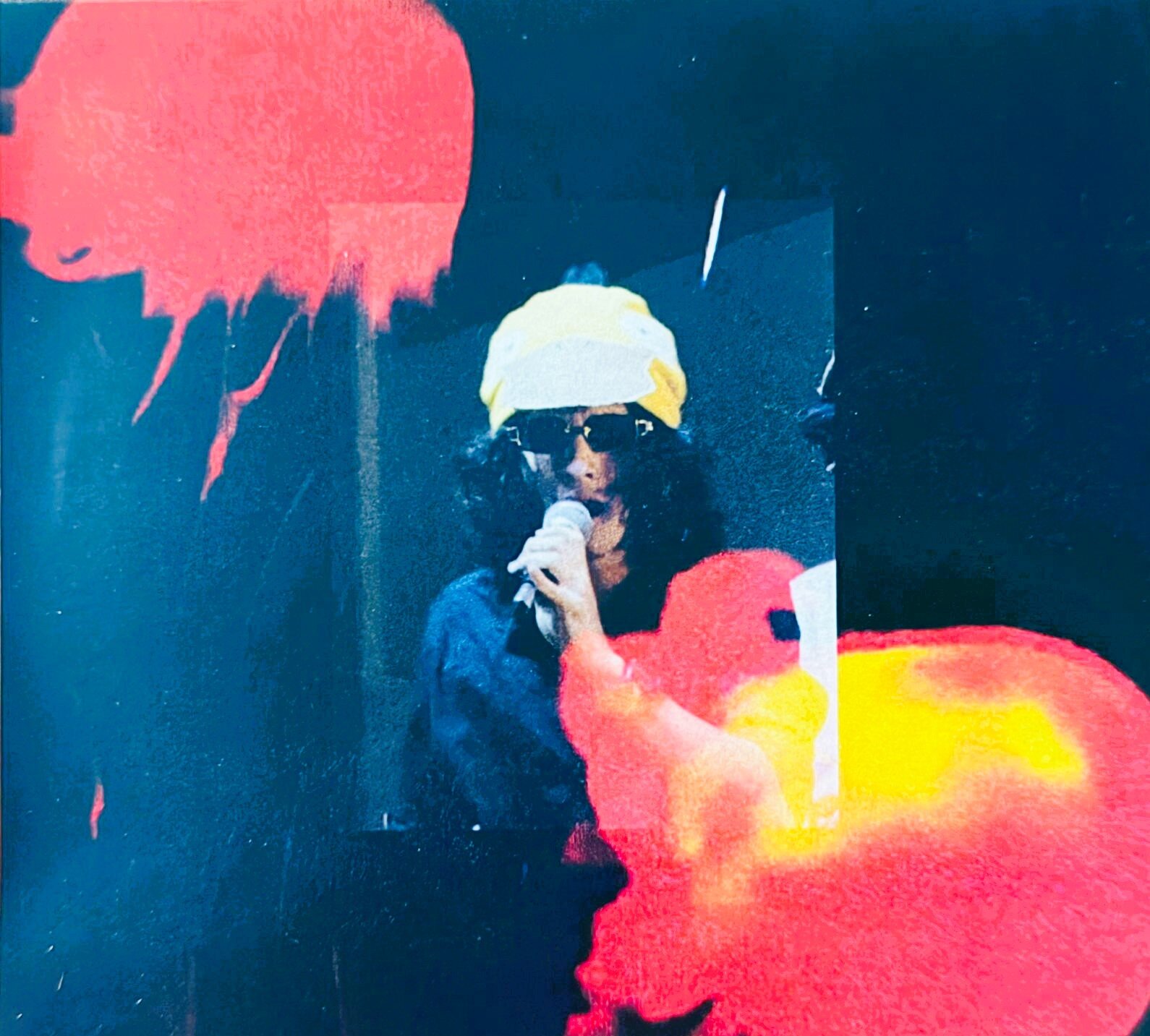
Su Progressive Rock World ho già parlato del progetto di Singlelito, esponente del Neo-Canterbury e Avant-Prog internazionale, caratterizzato da un approccio polistrumentale in cui l'artista gestisce autonomamente composizione, esecuzione e produzione.
La sua musica è un'esplorazione delle pressioni della società moderna.
Singlelito su questo blog è il protagonista di una scheda monografica dettagliata intitolata "Singlelito: Neo-Canterbury e Avant-Prog internazionale" nella quale ho descritto il suo profilo artistico, quello del polistrumentista colombiano Juan Pinto una delle voci più interessanti del panorama progressive contemporaneo con il suo stile che è una fusione tra il rock progressivo classico, la scuola di Canterbury (stile Hatfield and the North o National Health), il genere Zeuhl (ispirato ai Magma) e l'Avant-Prog.
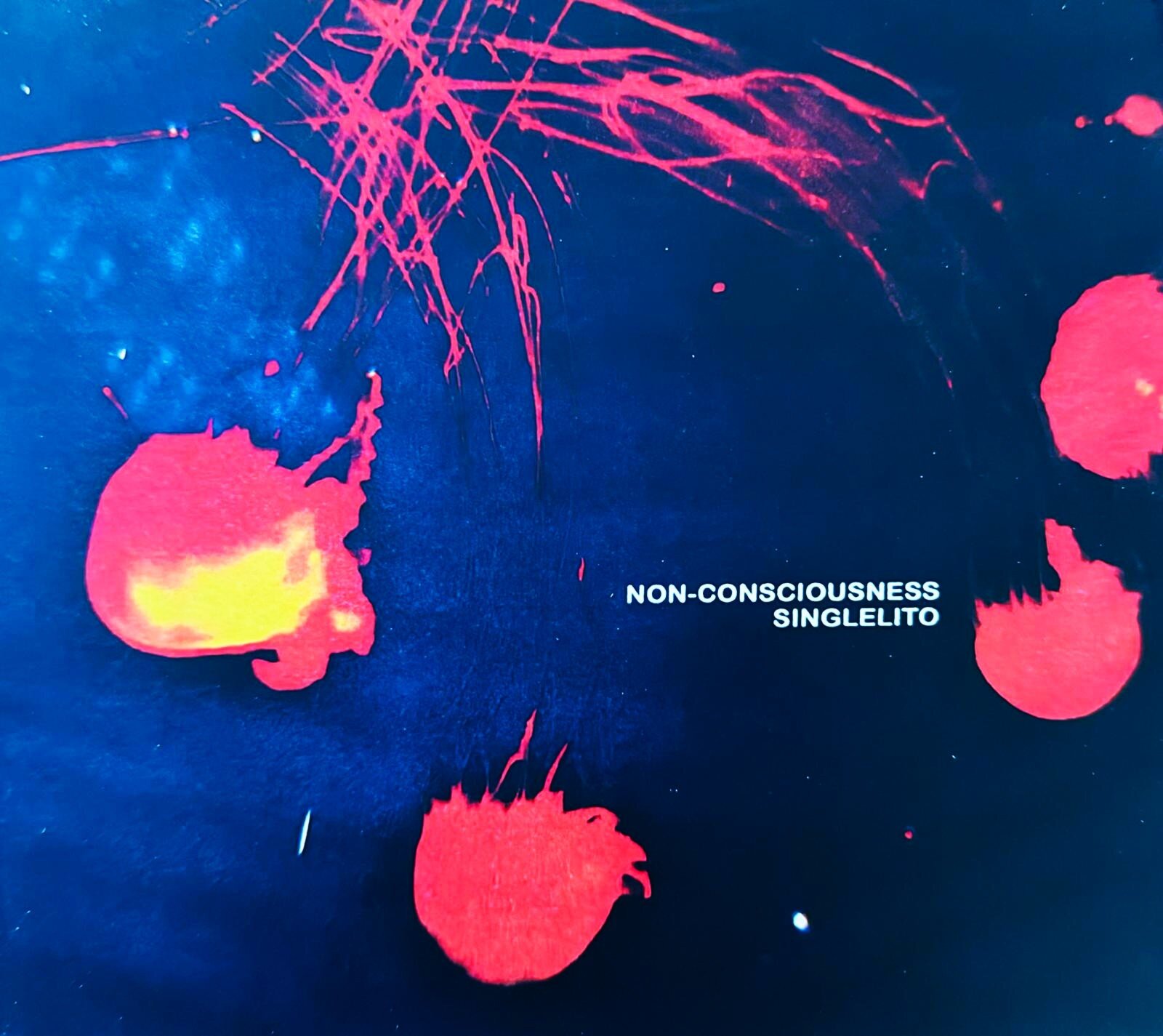
Ho anche parlato di Non-Consciousness (2025 un lavoro che mescola atmosfere psichedeliche, jazz-rock e strutture organiche complesse, caratterizzato da un uso di tastiere vintage e organi analogici.
Una delle figure chiave per comprendere il movimento Neo-Canterbury, dove un singolo musicista polistrumentista gestisce l'intera visione creativa.
Puoi trovare queste informazioni consultando la sezione Schede Artisti o l'elenco alfabetico nella pagina Artisti del sito.
“In Absence Of Velocity” è il suo secondo album, uscito ad aprile 2026 per áMARXE. Dopo il successo del debutto “Non-Consciousness” (2025), Pinto torna con un disco che si inserisce nel filone del rock progressivo eclettico, con influenze jazz-rock, psichedeliche e dello stile Canterbury.
Come nel primo album, Pinto ha scritto e suonato quasi tutto da solo: batteria, tastiere, chitarra, basso e voce, con l’aiuto di pochi musicisti esterni. In “In Absence of Velocity”, mantiene il suo stile da one-man band, suonando quasi tutti gli strumenti. Il suono è classico e stratificato, con tanto di tastiere vintage e chitarre elettriche.
Pinto si occupa di suonare praticamente tutto nell’album. Batteria e percussioni? Tutte sue, in ogni traccia. Organo e piano elettrico, essenziali per quel sound Canterbury che caratterizza il disco, sono sempre sotto le sue dita. Anche le chitarre, sia ritmiche che soliste, non lasciano scampo: Pinto le suona in ogni brano. Per il basso elettrico, invece, si è occupato delle tracce 1-4, mentre la voce, con tutte le parti soliste e i cori, è sempre sua.
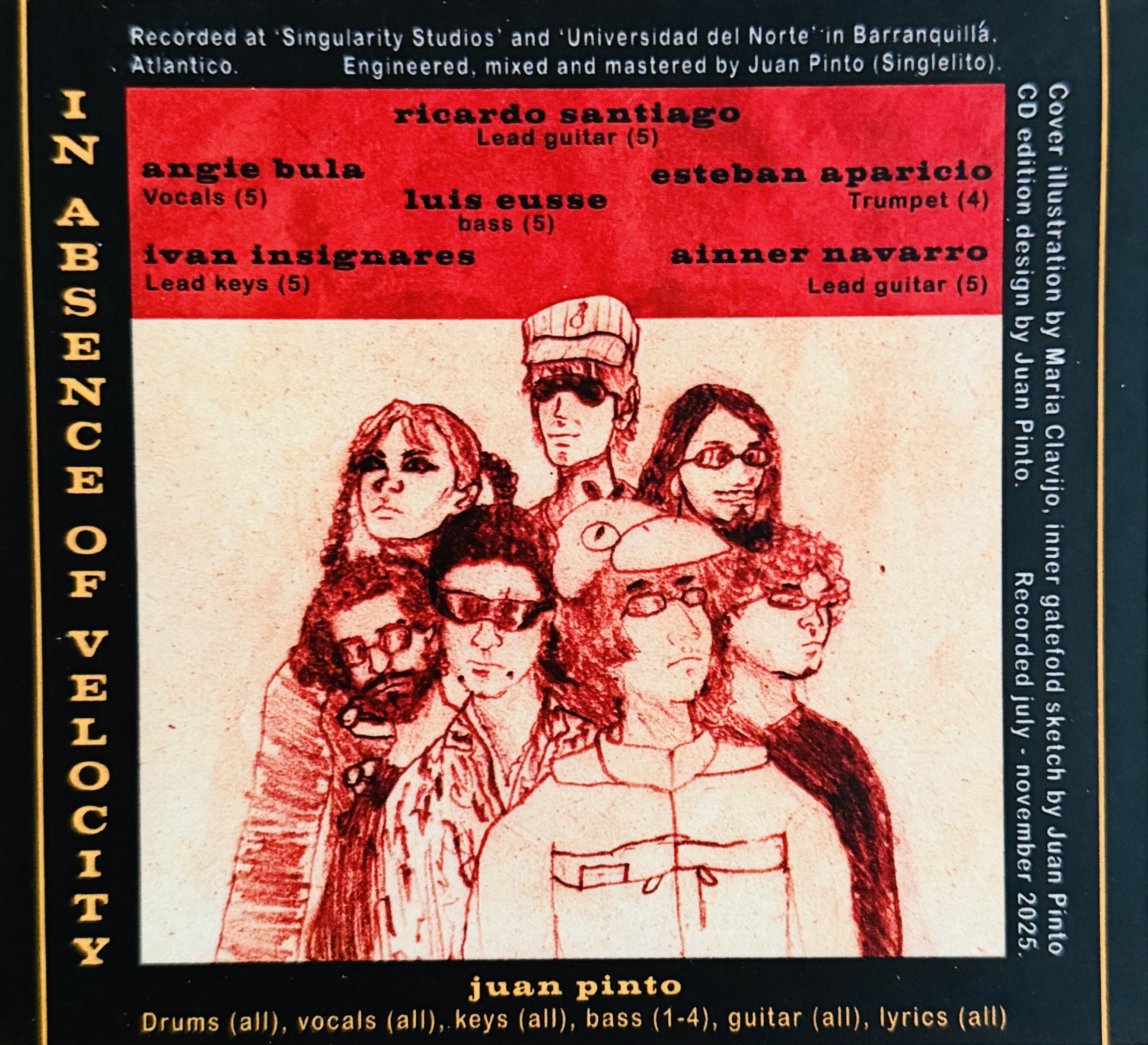
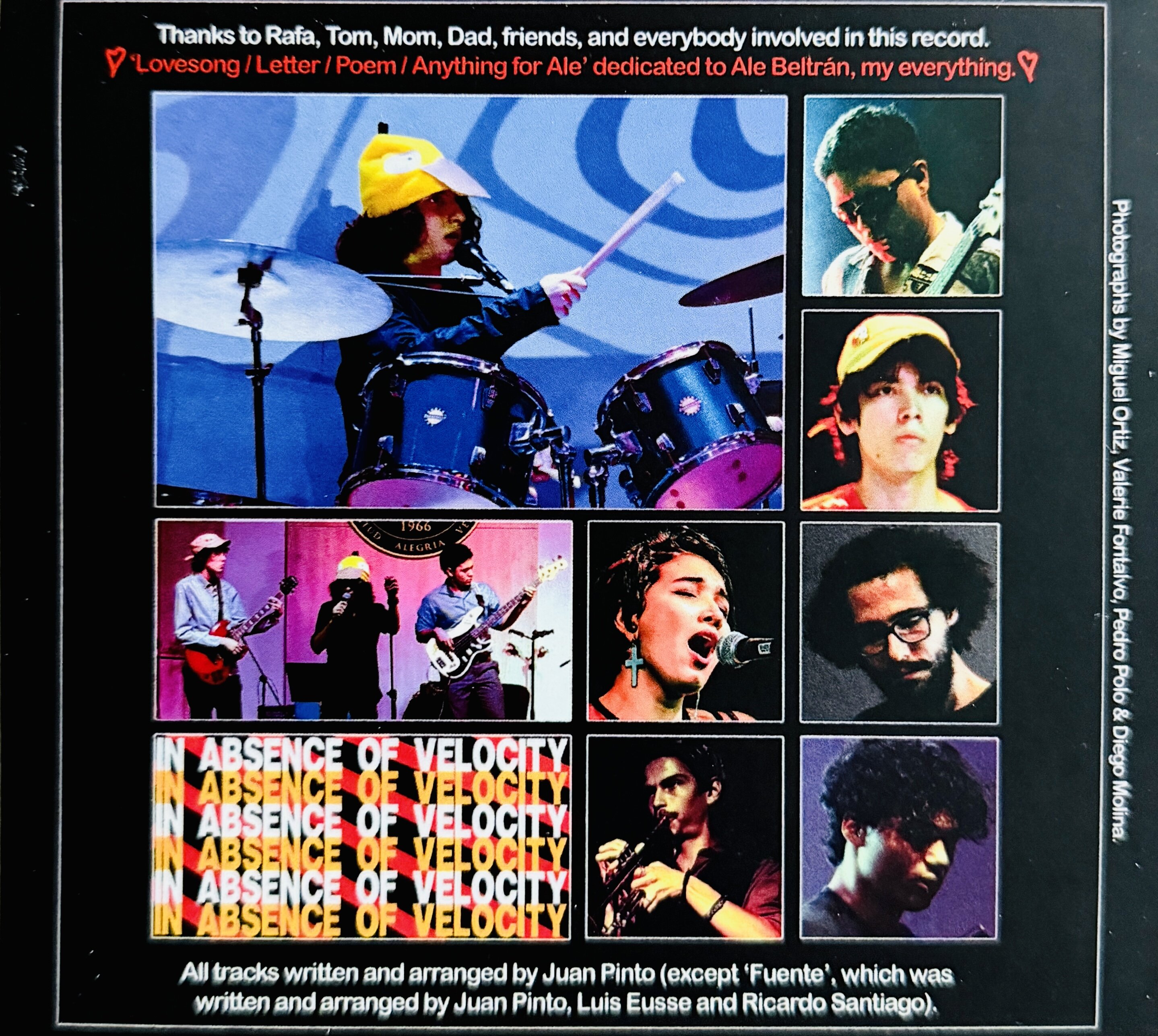
Per dare un tocco in più ad alcune tracce, Pinto ha chiamato in causa qualche amico musicista. Esteban Aparicio ci mette la tromba nella traccia 4, mentre Luis Eusse prende in mano il basso nella traccia 5. In questa stessa traccia, troviamo anche le chitarre soliste di Ricardo Santiago e Ainner Navarro, le tastiere soliste di Ivan Insignares e le voci aggiuntive di Angie Bula.
L’album è stato registrato tra il Singularity Studios, lo studio casalingo di Pinto, e l’Universidad del Norte a Barranquilla. Pinto ha utilizzato un mix di tecniche moderne che ha affinato nel tempo, creando un sound unico e personale.
Il titolo “In Absence of Velocity” (In assenza di velocità) è una metafora che racchiude perfettamente lo stato emotivo e creativo dell’autore. Immaginate un momento di “fermo biologico”, un’oasi di pace dove il rumore del mondo esterno si dissolve, lasciando spazio all’artista per guardarsi dentro. Juan Pinto lo descrive come un vero e proprio percorso di guarigione da ricordi dolorosi, dove la “mancanza di velocità” diventa il silenzio prezioso necessario per elaborare il passato e ritrovare la serenità.
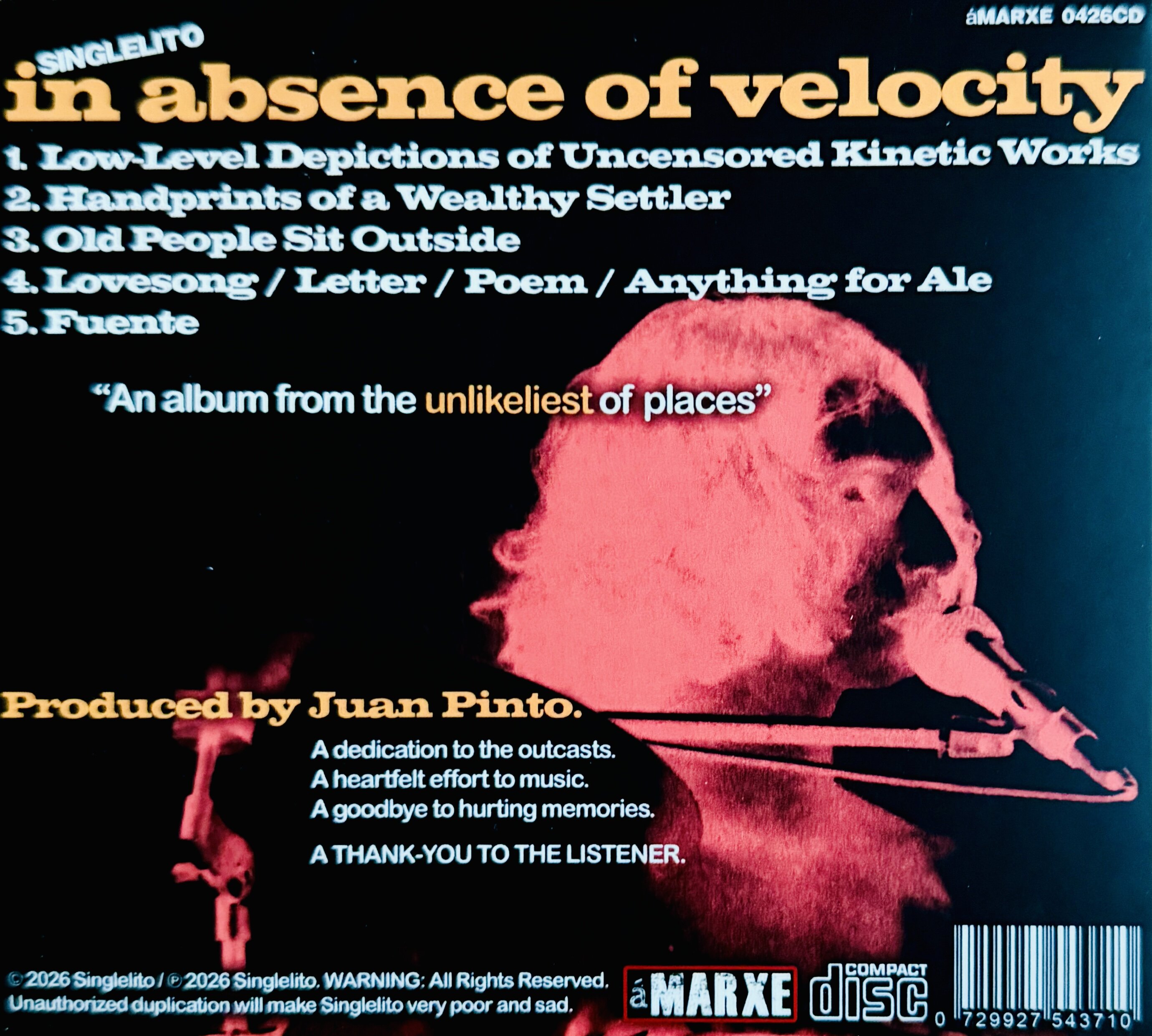
Ma c’è di più! Il titolo richiama anche la citazione “An album from the unlikeliest of places” (Un album dai luoghi più improbabili). Pensate a zone periferiche della Colombia come Magangué, lontane dal trambusto del rock internazionale. Lì, il tempo scorre diversamente, con una calma quasi surreale. La “velocità” manca a livello di infrastrutture e industria musicale, ma proprio in quel vuoto, in quella “assenza di velocità”, è nata un’opera complessa e stratificata, un vero gioiello musicale.
L’autore stesso descrive questo disco come una “dedica agli emarginati” (outcasts) e un “addio a ricordi dolorosi”. Ha spiegato che la musica è nata da momenti in cui si è sentito isolato o ha affrontato delle difficoltà personali.
In poche parole, il titolo celebra la pazienza e la tenacia creativa di un giovane artista che, partendo da una condizione di isolamento, ha saputo costruire un intero universo musicale. Un esempio di come la creatività possa fiorire anche nei luoghi più inaspettati, proprio grazie alla magia della “mancanza di velocità”.
Questo album è un mix pazzesco di stili europei storici con una sensibilità moderna e sudamericana. L’influenza più forte è la Scuola di Canterbury, con ritmi dispari, melodie vocali sognanti e un sacco di organo e piano elettrico che ti riportano subito ai Soft Machine o agli Hatfield and the North. Poi c’è il Jazz-Rock e la Fusion, con sezioni strumentali piene di improvvisazioni tecniche, giri di basso complessi e una struttura ritmica dinamica che ricorda il jazz elettrico degli anni ’70. E non dimentichiamoci della Sperimentazione e della Psichedelia: Pinto ci regala passaggi atmosferici e stratificazioni sonore che creano un senso di “vuoto” o introspezione, in linea con il concetto di “assenza di velocità”. La batteria è precisa e jazzistica, mentre le chitarre spaziano da arpeggi puliti a assoli distorti e taglienti.
“Low-Level Depictions of Uncensored Kinetic Works” apre il disco in modo grandioso, catturando l’essenza del Rock Progressivo Eclettico. È un viaggio attraverso cambi di tempo insoliti come il 5/4 e il 7/8, e include sezioni jazzistiche. L’organo e il piano elettrico ricordano i grandi della Scuola di Canterbury, tipo gli Egg o i National Health, ma con un tocco di ritmo moderno. Juan Pinto fa tutto da solo: batteria super energica, linee di basso melodiche, tastiere stratificate e la voce solista, che appare in momenti quasi onirici tra lunghe parti strumentali.
“Handprints of a Wealthy Settler” è un pezzo che fa da collegamento tra le varie atmosfere del disco. Si avvicina al Prog Psichedelico ed etereo, con un andamento più lineare ma ricco di texture sonore. I sintetizzatori tessono un tappeto spaziale su cui si adagiano melodie malinconiche. Il brano è interamente opera di Juan Pinto, che qui mette in mostra il suo talento da ingegnere del suono, curando con attenzione i riverberi e la stratificazione vocale.
“Old People Sit Outside” è un pezzo Jazz-Rock, con un tocco pastorale, che cattura perfettamente l’atmosfera di una scena quotidiana. Il titolo, “Old People Sit Outside”, suggerisce un’osservazione tranquilla, e la musica lo rispecchia con un giro di basso ipnotico e arpeggi di chitarra puliti. È il brano che incarna al meglio l’idea di “assenza di velocità”. Juan Pinto si è occupato di tutta la strumentazione, creando un’atmosfera intima grazie a una batteria meno aggressiva, con un focus su spazzole e piatti.
“Lovesong / Letter / Poem / Anything for Ale” è un viaggio musicale di 11 minuti che parte come una ballata progressive e poi si trasforma in una vera esplosione di Fusion. È il pezzo più lirico dell’album, una dedica speciale a una persona cara, “Ale”, dove la musica si snoda come una lettera, una confessione. Esteban Aparicio, con la sua tromba, è fondamentale: aggiunge un tocco di calore quasi milesiano, creando un dialogo tra rock e jazz che arricchisce il brano. Juan Pinto, invece, si occupa del resto della strumentazione e della voce. Questo pezzo è il cuore pulsante del disco. Non è una semplice canzone d’amore, ma un tentativo di esprimere qualcosa di profondo quando le parole non bastano (ecco perché nel titolo ci sono così tanti termini: canzone, lettera, poesia…). Il testo esplora la vulnerabilità e la dedizione totale a una persona che offre supporto (“Ale”). Musicalmente, la tromba di Esteban Aparicio fa da “seconda voce”, trasformando il brano in una conversazione malinconica ma piena di speranza. Il pezzo inizia come un ringraziamento intimo e poi si evolve in una suite complessa, mostrando come un sentimento semplice possa dare vita a una struttura artistica immensa.
“Fuente” (14:38) è il pezzo forte dell’album, una vera e propria suite che fonde Prog Sinfonico e Jazz-Rock corale. È il brano più ricco di contrasti, che alterna momenti di silenzio quasi assordante a finali orchestrali grandiosi. Il titolo, “Fuente” (Fonte), rappresenta proprio l’origine di tutto il processo creativo dell’artista. In questo pezzo, Pinto apre le porte dello studio ad altri musicisti per un finale da urlo: Luis Eusse, al basso elettrico, dà una mano a Pinto a liberarsi dalla batteria, così può concentrarsi al meglio. Ricardo Santiago e Ainner Navarro, alle chitarre soliste, si sfidano in assoli intrecciati nel finale. Ivan Insignares, alle tastiere soliste, duella con le chitarre in un botta e risposta mozzafiato. Angie Bula, con le voci aggiuntive, crea un tappeto corale per il climax finale.
Nonostante la struttura prog, con brani lunghi e cambi di tempo continui, l’album è sorprendentemente orecchiabile, grazie alla cura per la melodia che lo rende accessibile anche a chi non è un esperto del genere.
Insomma, è un disco che suona come un incontro tra la complessità tecnica europea e l’urgenza espressiva di un giovane polistrumentista colombiano. Assolutamente Consigliato!
La Mia Versione
Etichetta: áMARXE – 0426CD
Formato: CD, Album
Paese: Spain
Uscita: 2026
Tracklist
1. Low-Level Depictions of Uncensored Kinetic Works 09:29
2. Handprints of a Wealthy Settler 08:45
3. Old People Sit Outside 05:46
4. Lovesong - Letter - Poem - Anything for Ale 06:56
5. Fuente 06:02
LineUp
Juan Pinto - Batteria (tutte), voce (tutte), tastiere (tutte), basso (1-4), chitarra (tutte), testi (tutte)
Esteban Aparicio - Tromba (4)
Luis Eusse - Basso (5)
Ricardo Santiago - Chitarra solista (5)
Ainner Navarro - Chitarra solista (5)
Ivan Insignares - Tasti di guida (5)
Angie Bula - Voce (5)
Link per l’ascolto sulle principali piattaforme di streaming ai seguenti link:
- Bandcamp (Album intero): Pagina ufficiale di In Absence of Velocity. Su questa piattaforma è possibile ascoltare le tracce in streaming gratuito (con limitazioni dopo alcuni ascolti) o acquistare l'album in formato digitale e CD fisico.
- Profilo Artistico Bandcamp: Singlelito Music, dove trovi anche altri suoi lavori


Nota: Tutti i link ai lavori dei musicisti sono nei TAG sotto il titolo dell'articolo o nella pagina "Artisti"