
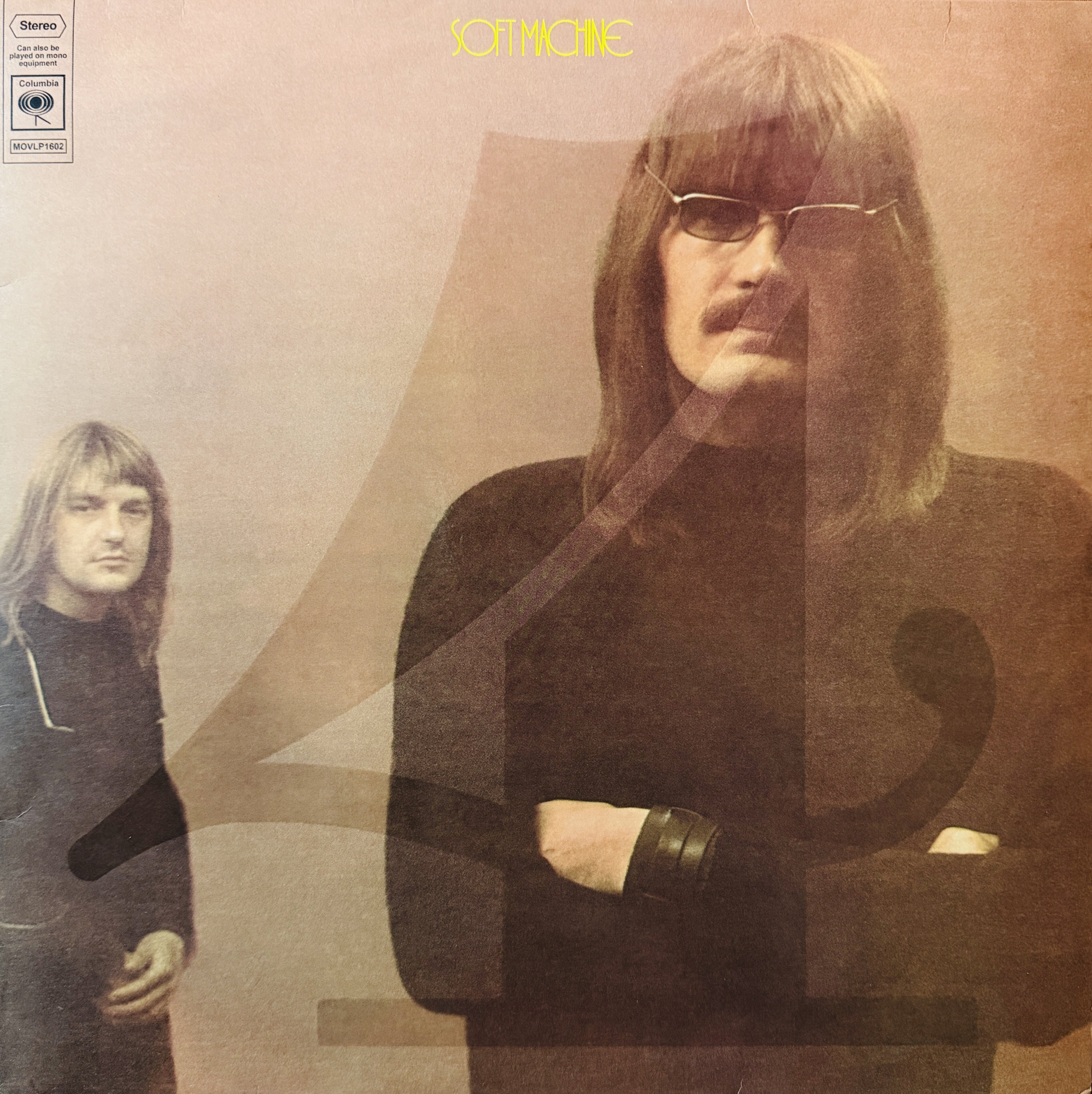
Fourth by Soft Machine, a 1971 album.
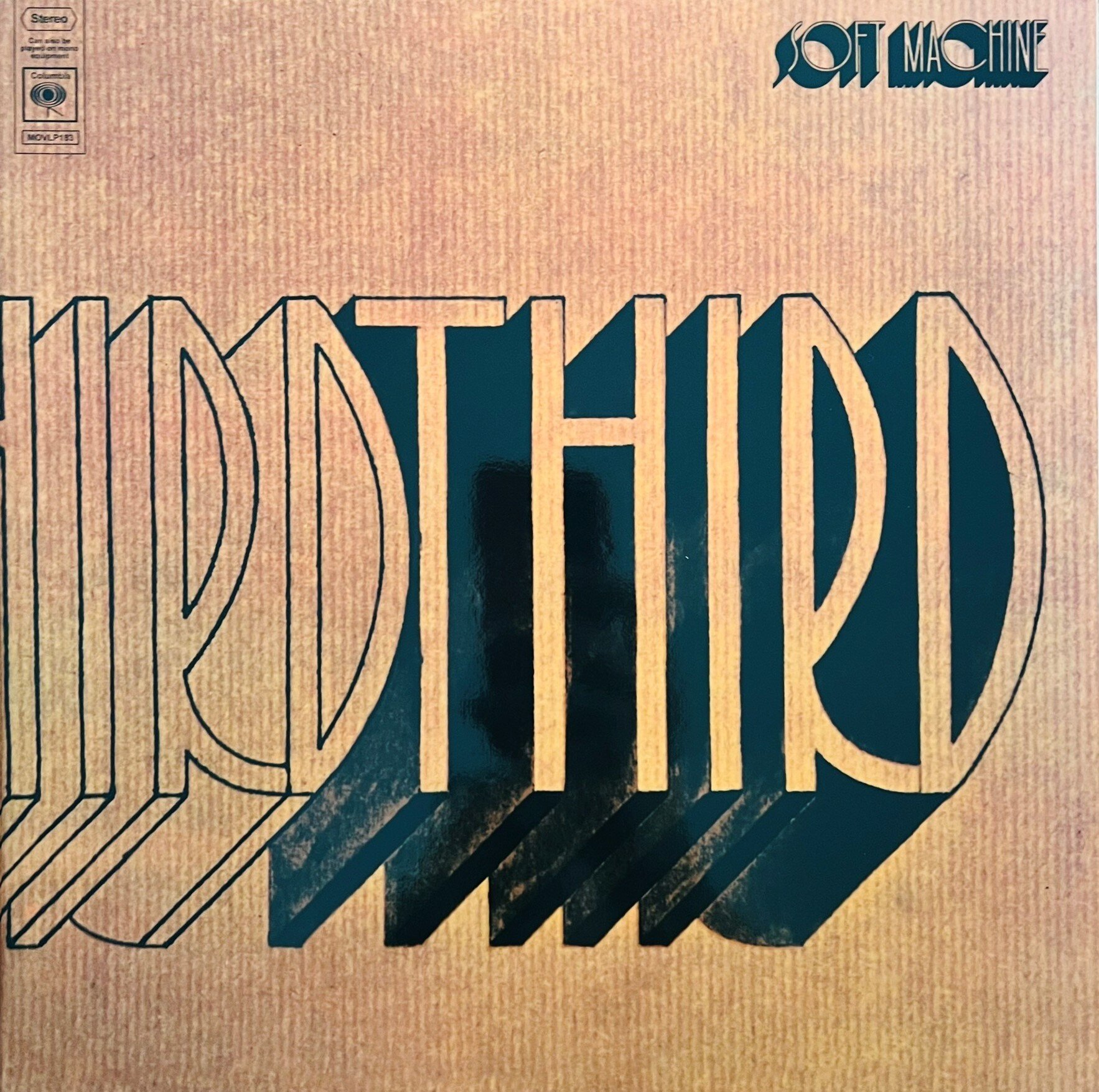
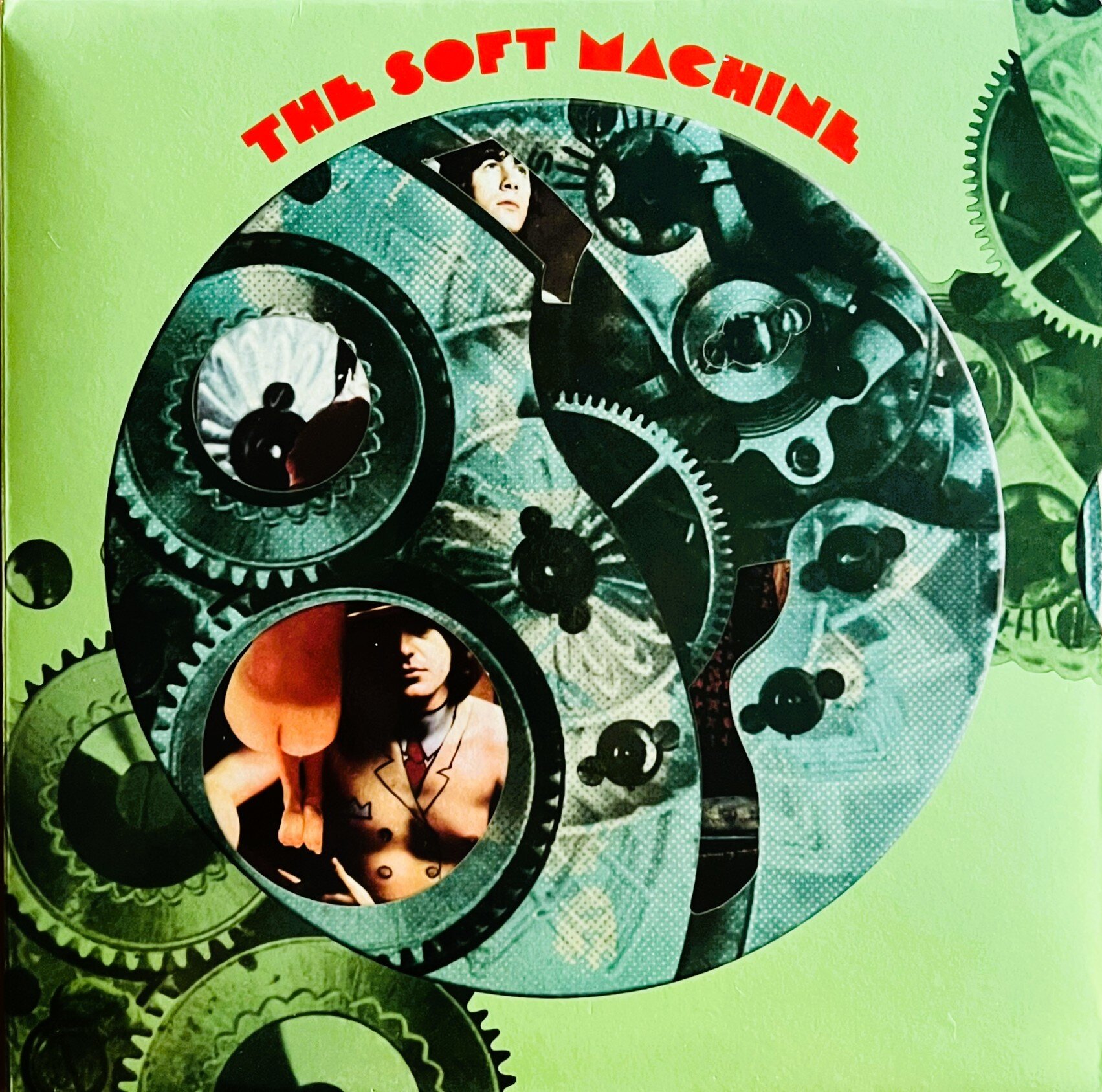
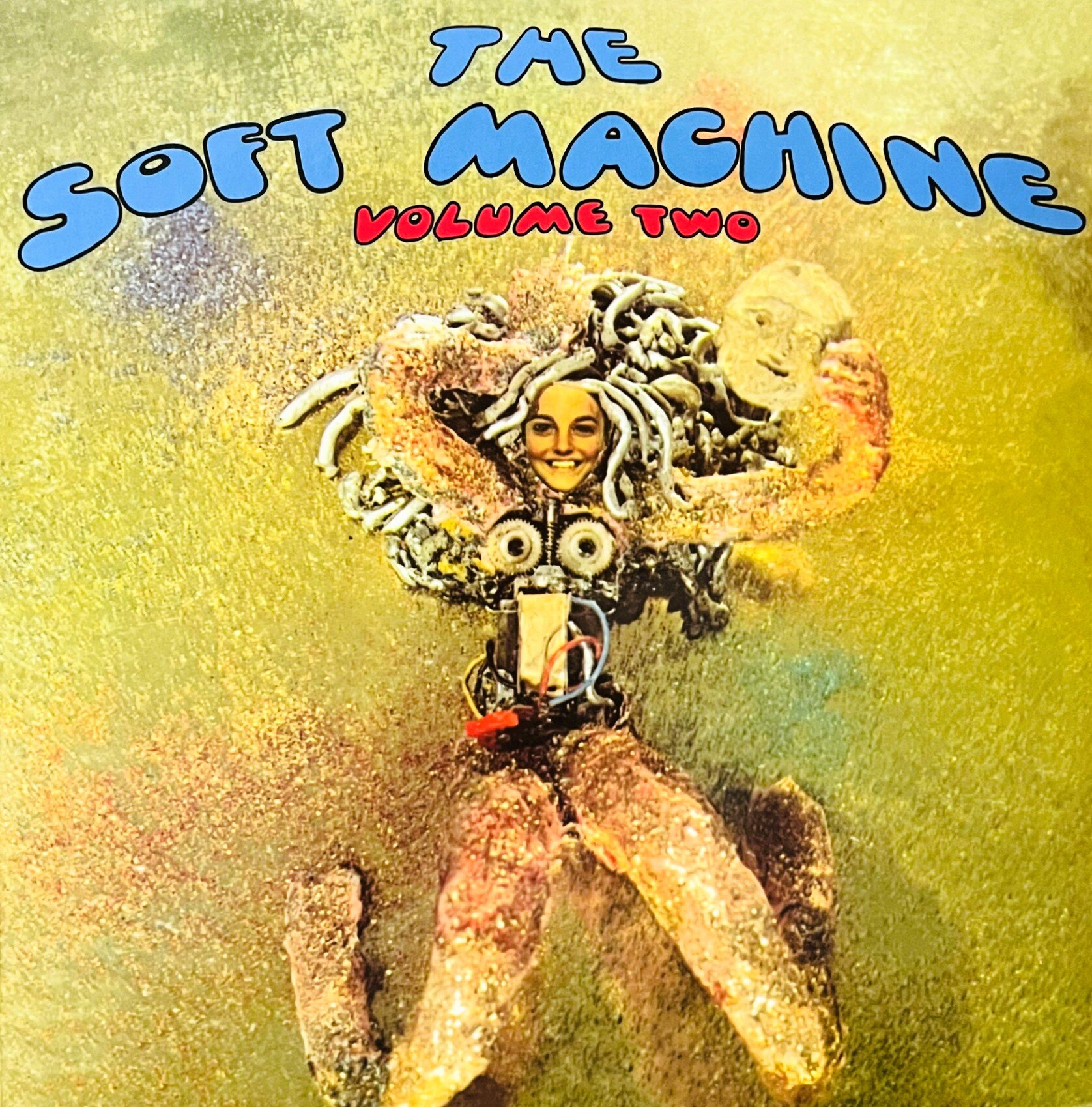
The Soft Machine on Progressive Rock World are a pillar of the Canterbury scene, managing to blend experimental progressive rock perfectly with the most refined jazz-fusion. I wrote several articles about their growth, showing the shift from early psychedelic pieces to more structured and powerful jazz-rock forms.
Fourth is a key album for Soft Machine and for the Canterbury scene. It marks their shift from the psychedelic rock of the early albums to an instrumental, experimental jazz-rock. It’s their first fully instrumental record, dropping the vocal experiments of the first works for a colder, stricter sound, typical of fusion and free jazz.
This album is also the last with drummer and founding member Robert Wyatt. Wyatt, unhappy with the jazz turn pushed by keyboardist Mike Ratledge (which left him little room as a writer or singer), left the band shortly after release to form Matching Mole. Despite being a founder and the group’s “voice”, Wyatt doesn’t sing on this record. He felt so shut out by the jazz direction of Ratledge and Hopper that, during the sessions, he apparently just did what he was told without much enthusiasm. When he left the band, he joked that Soft Machine had become so serious that “you even had to ask permission to do a drum roll”.
The core of the band was Mike Ratledge on Lowrey organ and electric piano, Elton Dean on alto sax and saxello, Hugh Hopper on bass, and Robert Wyatt on drums. They were joined by several British jazz musicians, including Roy Babbington on double bass (who later became a permanent member), cornetist Mark Charig, and trombonist Nick Evans. Even if only four names are on the cover, double bassist Roy Babbington is a crucial presence. He plays on almost every track with his acoustic double bass, often paired with Hugh Hopper’s distorted electric bass. This “double bass” gives the album that deep, warm, typically jazz sound that sets it apart from the earlier ones.
Fourth is the real turning point for Soft Machine. If the first two albums were psychedelic and the third an experimental mix, Fourth removes all the pop to become more learned and rigorous.
Most importantly, there are no more traditional songs or vocals. Mike Ratledge and Hugh Hopper wanted the music to speak through complex structures and improvisations, like a chamber jazz group, not a rock band.
The album plays with minimalism and repetition. Hugh Hopper uses hypnotic bass loops and Mike Ratledge keyboard patterns that build an almost mathematical base. Over these foundations, Elton Dean’s horns and the guests take free, dissonant solos, creating chaos within order. Unlike before, the horns (saxello, alto sax, cornet, trombone) aren’t just “guests”, but become the main melodic voice. It’s like a big avant-garde jazz orchestra, where the collective sound matters more than the individual players.
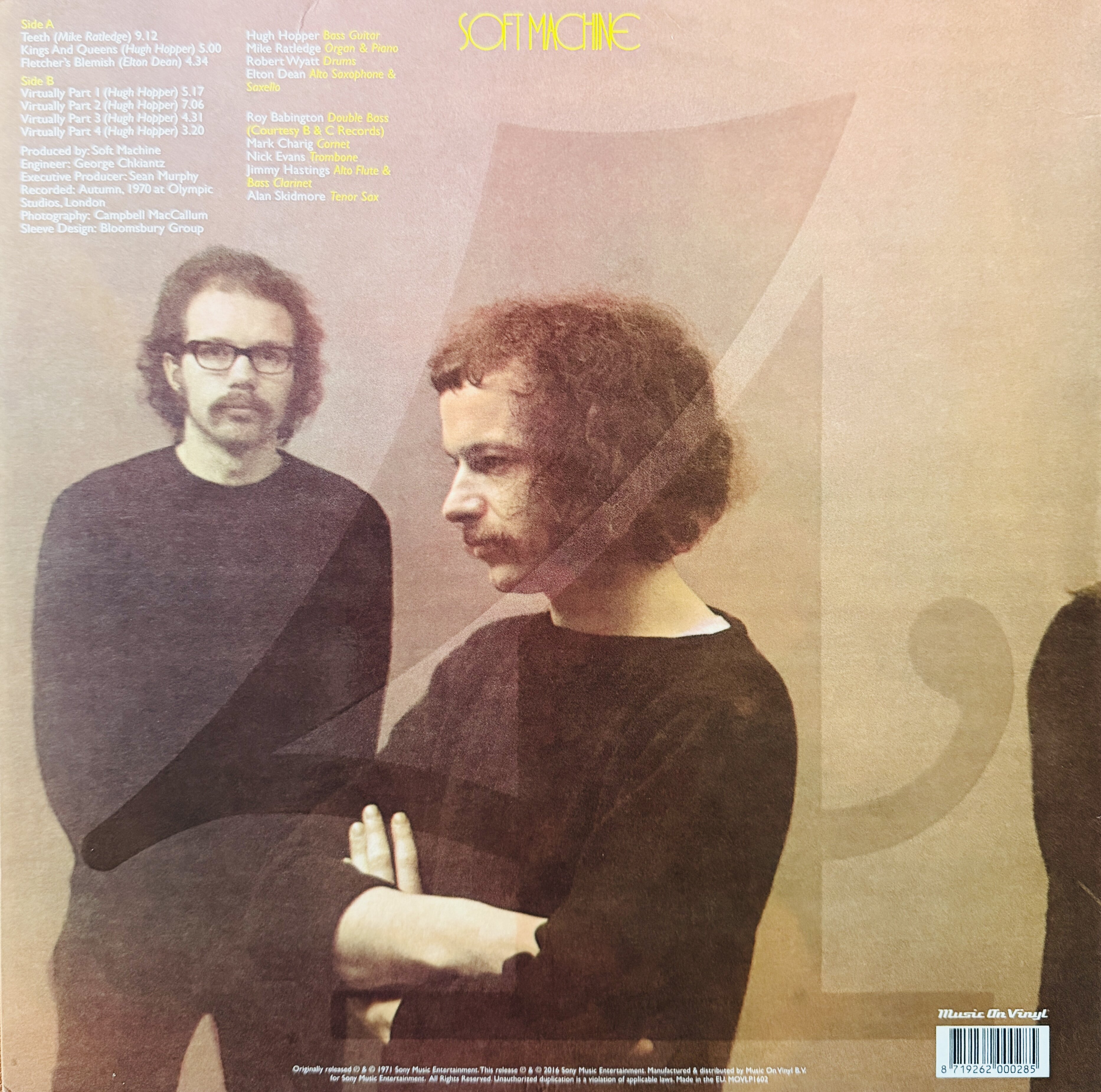
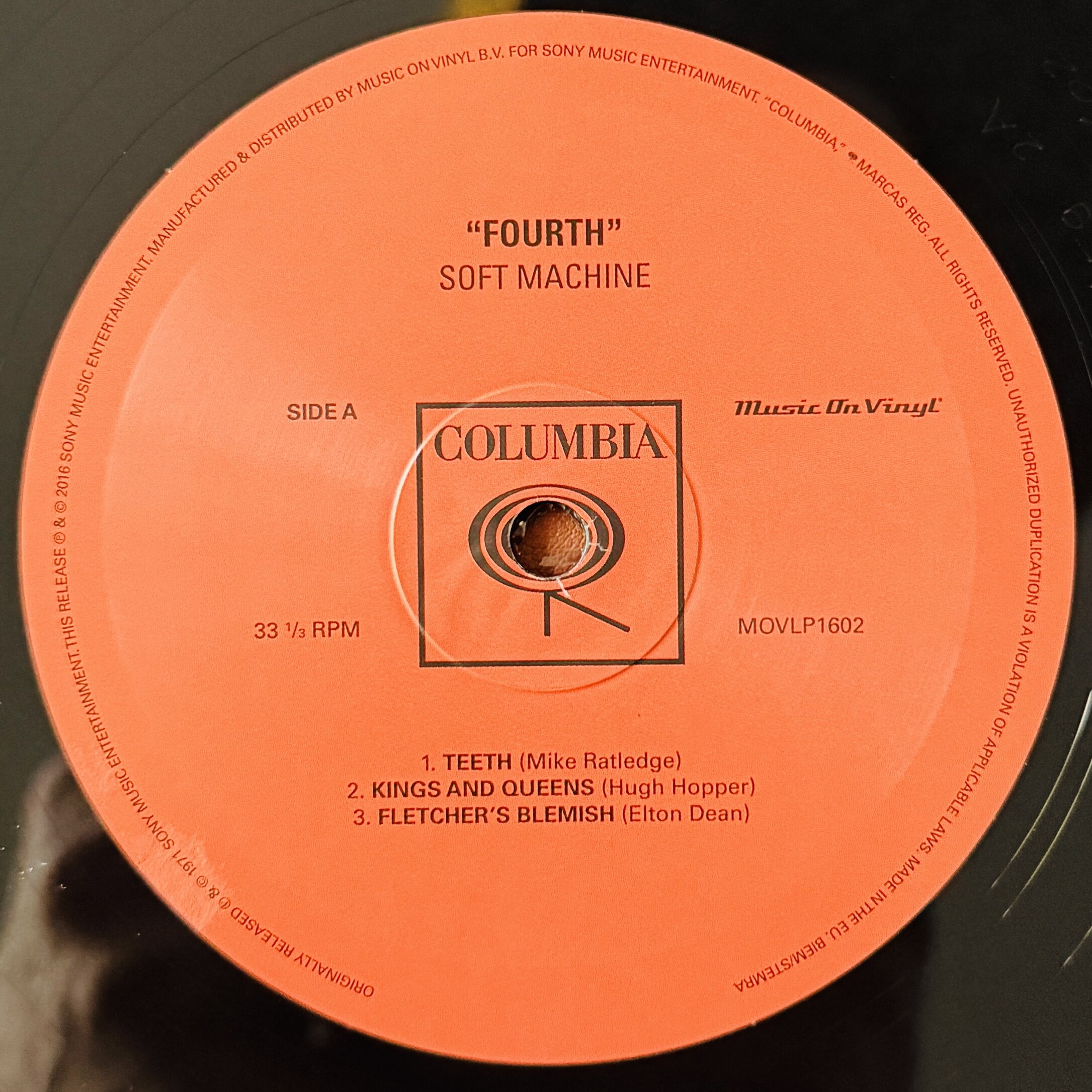
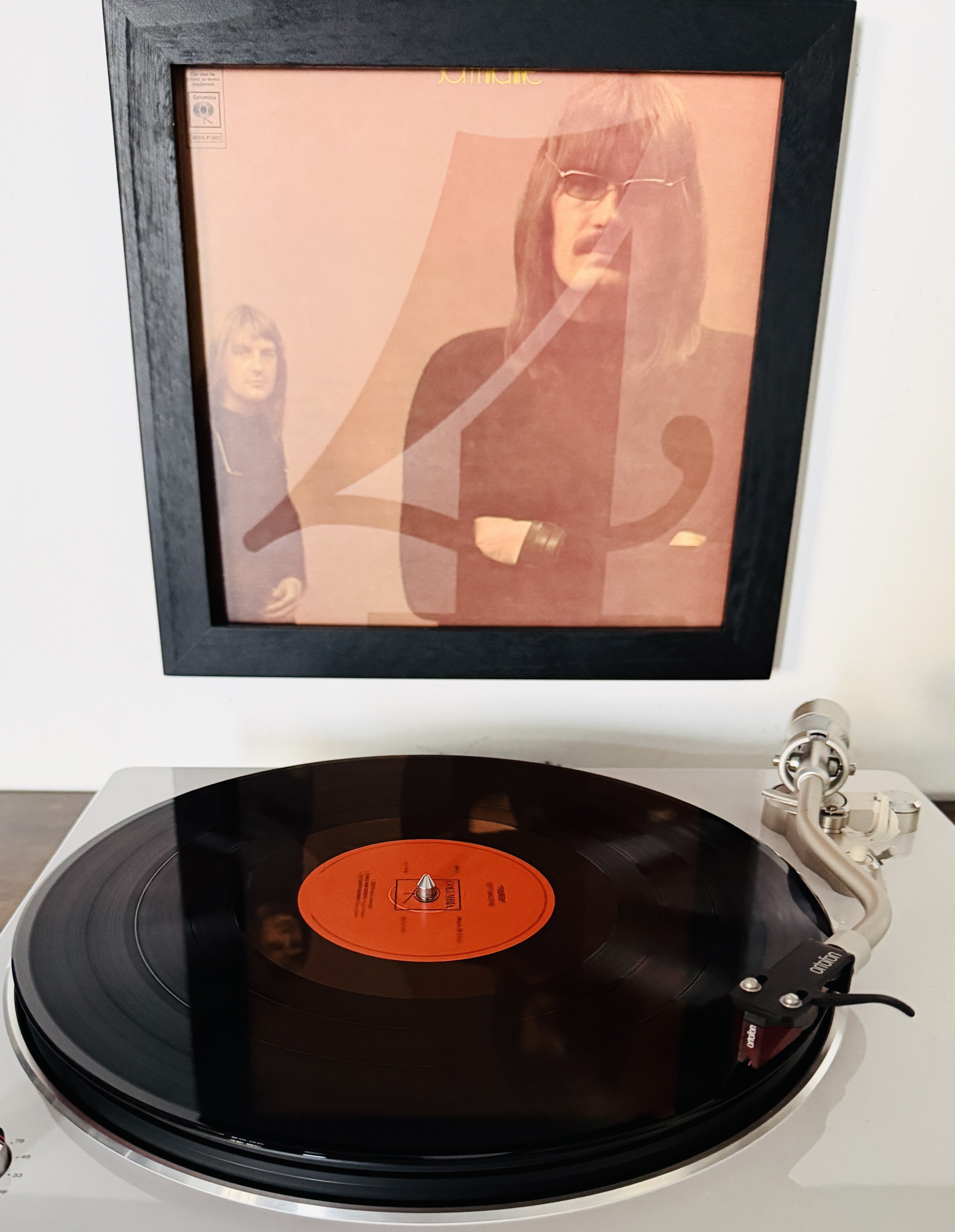
I have the Music On Vinyl version – MOVLP1602, a 2016 audiophile reissue on 180-gram vinyl, with the cover, like the original, embossed.
Side A is dedicated to complexity and experimentation:
“Teeth” is a Mike Ratledge piece that’s a real jazz-rock bomb, super technical. The odd meters are extremely tricky and really test the rhythm section. Ratledge’s Lowrey organ and the horns create a dense, ultra-avant sound.
“Kings and Queens”, written by Hugh Hopper, is a relaxing, melodic pause. It’s more atmospheric and lyrical, with Elton Dean’s horns moving over a more open sound bed, almost “symphonic”, a bit like the more refined fusion they’d do later.
“Fletcher’s Blemish” is the most extreme track on the record. A dive into pure, atonal free jazz. Experimental, but also chaotic and less cohesive than the rest of the album.
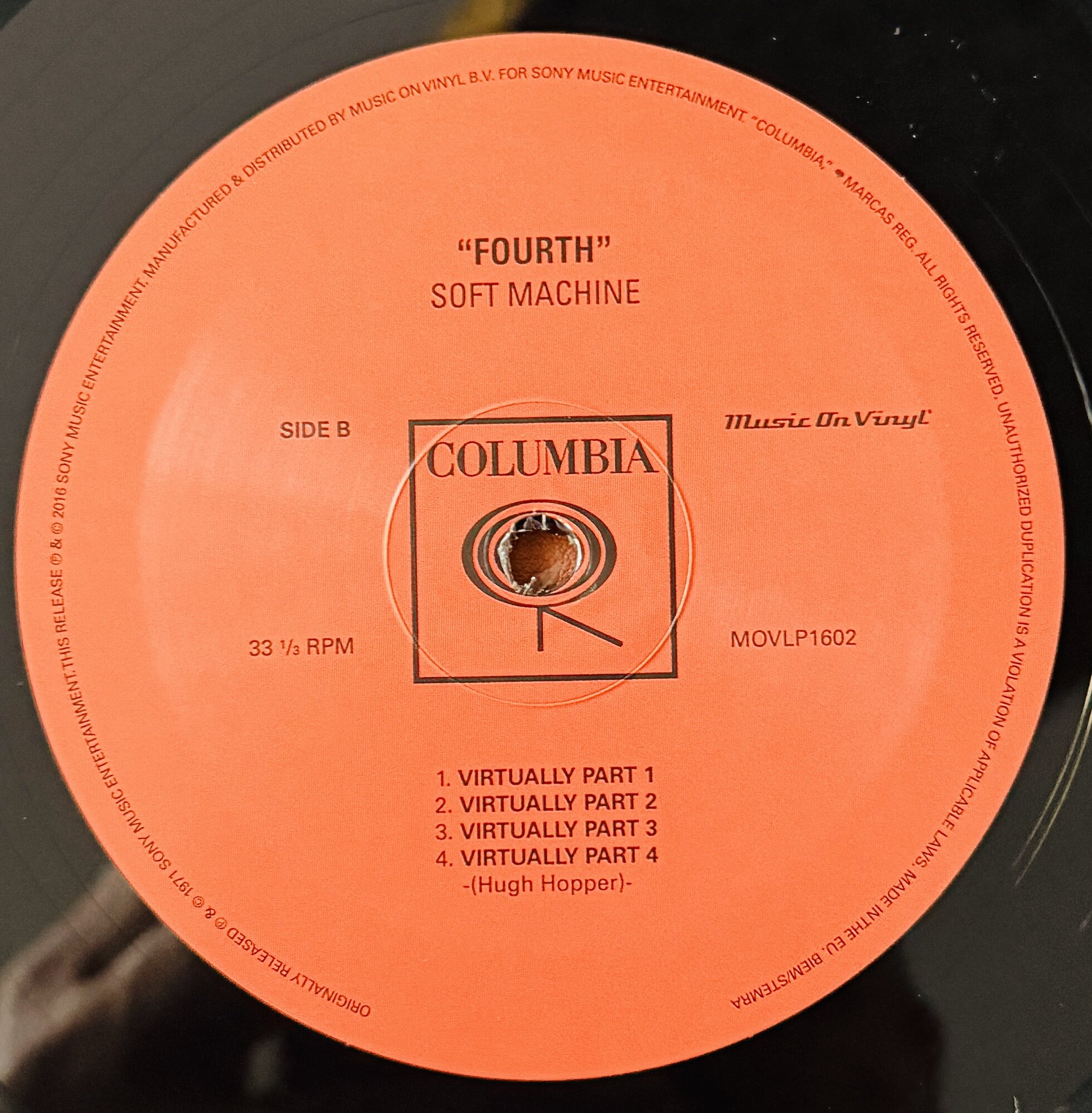
Side B is all for Hugh Hopper’s suite “Virtually”, split into four parts:
“Virtually, Part 1” opens with a classic but simple jazzy theme, leaving room for the soloists to put on their show.
“Virtually, Part 2” is the heart of the suite. Here Ratledge’s organ returns to the center, weaving with Dean’s sax in a virtuosic dialogue, backed by Robert Wyatt’s incredible drumming.
“Virtually, Part 3” is a more abstract, stretched-out piece. The pace slows and the structure turns almost “ambient”, with spacey sounds that recall early Tangerine Dream experiments, but in a jazz key.
“Virtually, Part 4” closes the album by returning to a more melodic, cohesive form, resolving the tensions of the previous parts in a solid, rhythmic finale.
Soft Machine never hid that the main inspiration for Fourth’s atmospheres was the electric period of Miles Davis, especially albums like In a Silent Way and Bitches Brew. They wanted to recreate that same “electric” tension but with a European, academic touch. Kudos to Mike Ratledge for using the Lowrey organ, a less common instrument than the Hammond. The acidic sound worked through wah-wah pedals and distortion became the album’s signature tone, making it instantly recognizable.
A stunning album that, beyond its very high artistic value, closes a cycle for a band that still managed to reinvent itself and renew its musical style up to today, with the numeric series of titles reaching 13 with the recently released album Thirteen, 9 albums and a full 55 years after this splendid record.
My Version
Label: Music On Vinyl – MOVLP1602, Columbia – MOVLP1602
Format: Vinyl, LP, Album, Limited Edition, Numbered, Reissue, Remastered, Stereo, Transparent
Country: Europe
Released: 11 Apr 2016
Tracklist
A1 Teeth 9:12
A2 Kings And Queens 5:00
A3 Fletcher's Blemish 4:34
B1 Virtually Part 1 5:17
B2 Virtually Part 2 7:06
B3 Virtually Part 3 4:31
B4 Virtually Part 4 3:20
LineUp
Alto flute, bass clarinet – Jimmy Hastings
Alto saxophone, Saxello – Elton Dean
Bass – Hugh Hopper
Cornet – Mark Charig
Double bass – Roy Babington
Drums – Robert Wyatt
Organ, piano – Mike Ratledge
Tenor saxophone – Alan Skidmore
Trombone – Nick Evans
Listening links on the main streaming platforms at the following links:
Spotify: The full album is available, including the Fourth (Remastered) version and the Fourth/Fifth collection.
YouTube: You can find the entire album uploaded in high quality on YouTube (Full Album) or check a dedicated playlist with the individual tracks.
Apple Music: The Fourth (Remastered) version is available, with the 7 original tracks remastered.
Deezer: The complete discography, including this release, is available on the artist page on Deezer.
Note: All links to the musicians’ works are in the TAGS under the article title or on the page "Artists"