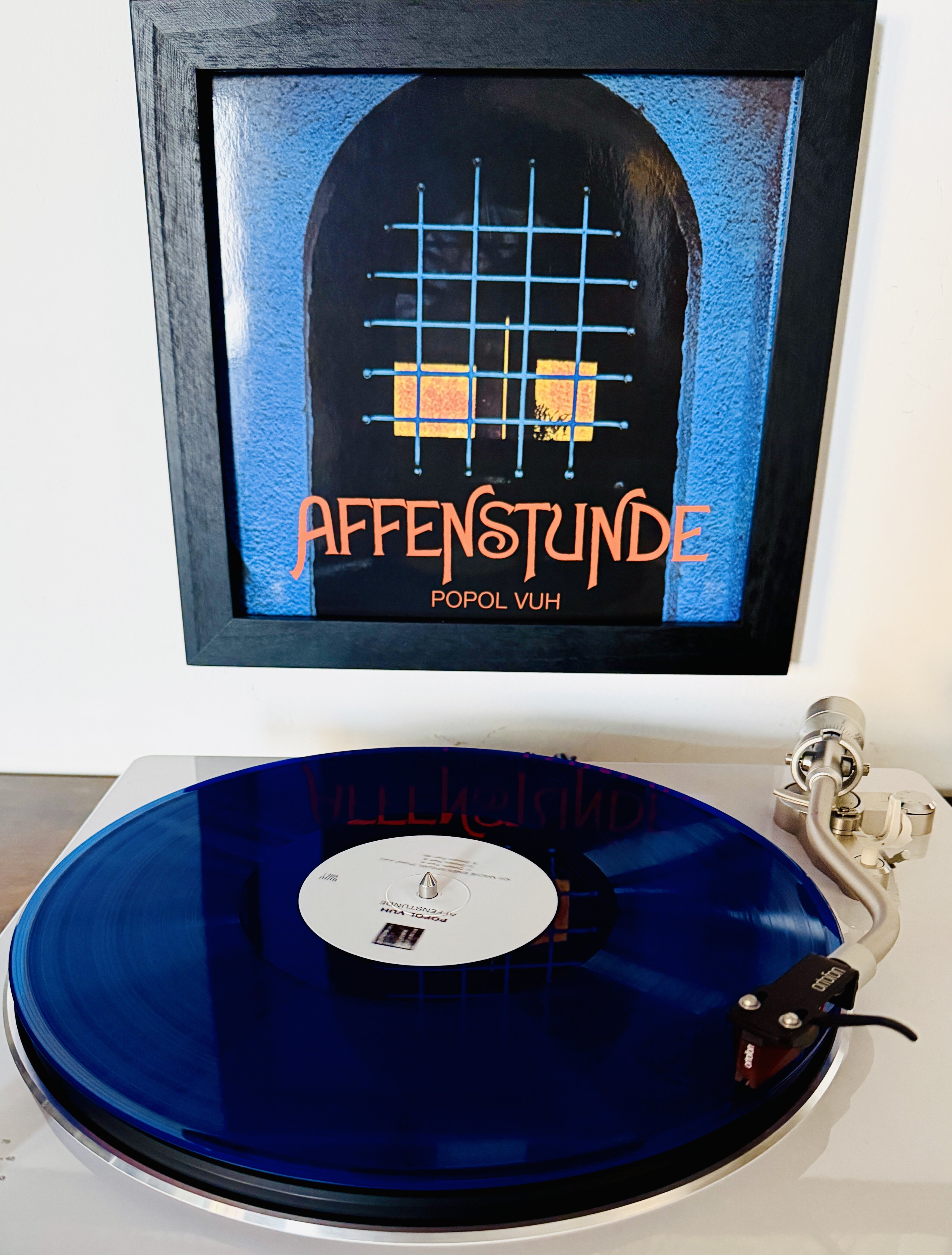
Affenstunde dei Popol Vuh, album del 1970.
I Popol Vuh sono pionieri del Krautrock con la loro particolare fusione di sperimentazione e spiritualità nella loro produzione. Invito a leggere l’articolo “Il Libro Sacro e la Musica Meditativa dei Popol Vuh”, l'articolo presente nella sezione delle Schede Artisti che approfondisce il misticismo della band tedesca e il loro ruolo fondamentale nel definire la musica meditativa e d'avanguardia all'interno del panorama Krautrock.
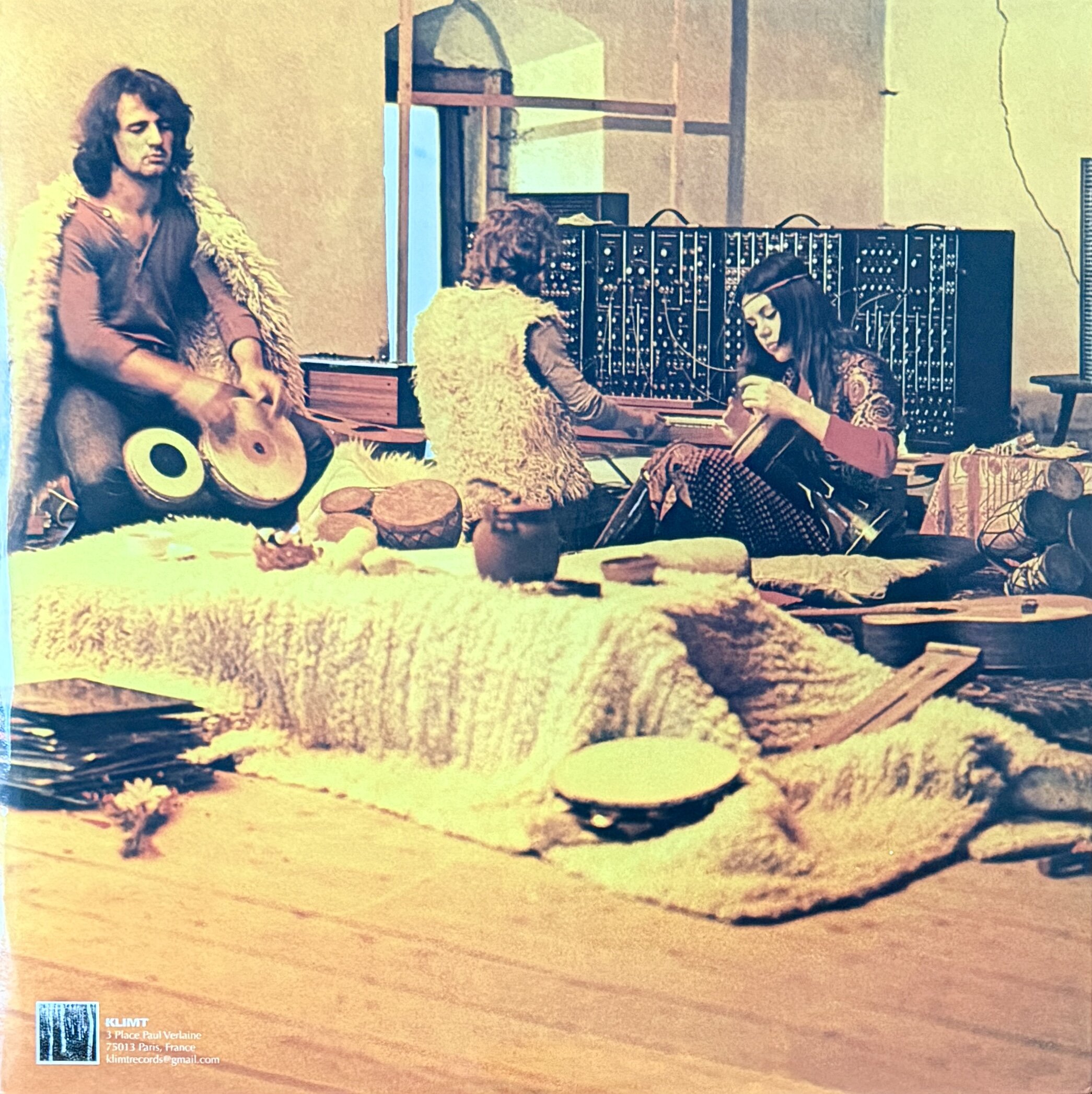
Affenstunde è il loro primo album, un disco innovativo che ha segnato una svolta nella musica elettronica e nella kosmische musik. L’album è nato dalla visione spirituale di Florian Fricke, il fondatore e cervello del gruppo, che è stato uno dei primi musicisti in Europa ad avere e usare un sintetizzatore Moog III (che all’epoca era uno strumento gigantesco, super costoso e complesso). Insieme a Holger Trülzsch alle percussioni e Frank Fiedler al mixaggio dei sintetizzatori, Fricke ha registrato il disco ai Bavaria Music Studios di Monaco di Baviera. Il nome del gruppo e l’anima del disco si ispirano al “Popol Vuh”, il libro sacro dei Maya Quiché, rispecchiando la ricerca spirituale e trascendentale che ha sempre caratterizzato Fricke.
Affenstunde è un album fondamentale per i Popol Vuh, perché segna l’inizio della loro “fase elettronica”. Questo periodo continuerà con In den Gärten Pharaos, prima che il gruppo si sposti verso sonorità più acustiche e spirituali. È considerato un disco chiave perché ha introdotto il Moog come strumento capace di creare atmosfere religiose e mistiche, influenzando tantissimo la musica ambient e il futuro rapporto tra Fricke e il regista Werner Herzog.
Il titolo “Affenstunde” (che in italiano significa “L’ora delle scimmie”) si riferisce ad un momento di passaggio, un’evoluzione spirituale dell’uomo che supera la sua natura primitiva grazie al suono. Fricke pensava che l’umanità fosse in una fase intermedia, come l’uomo prima di raggiungere una consapevolezza spirituale più alta, nell’era delle scimmie. La musica riflette questo viaggio, partendo da suoni tribali e informi per arrivare a strutture cosmiche e astratte. La musica non è intesa solo come strumento di divertimento, ma come strumento per guardarsi dentro.
Affenstunde è un esempio fondamentale di Krautrock, ma con una forte impronta ambient ed elettronica “primitiva”. Fonde atmosfere mistiche, spirituali e suoni cosmici, allontanandosi dal rock tradizionale per creare paesaggi sonori rarefatti e ipnotici. A differenza di altri gruppi krautrock dell’epoca più vicini al rock psichedelico, Affenstunde si distingue per un approccio quasi completamente elettronico e meditativo. Il disco è dominato dal sintetizzatore Moog IIIp, usato per creare tappeti sonori ipnotici, flussi di droni e oscillazioni spaziali. Non ci sono melodie tradizionali o ritornelli; la musica scorre come un flusso di coscienza sonoro. A differenza dell’elettronica ritmica dei Kraftwerk o di quella più oscura dei Tangerine Dream, lo stile di Fricke è profondamente meditativo. Cerca di tradurre in suoni concetti religiosi e filosofici, creando un’atmosfera di “sacralità tecnologica”.
Un elemento importante è l’unione tra il suono sintetico del Moog e le percussioni acustiche (come le tabla e i piatti) suonate da Holger Trülzsch. Questo mix tra “macchina” e “tribalismo” crea un senso di musica ancestrale ma proiettata nel futuro.
Le canzoni non sono numerate in ordine (Dream Part 4, 5 e 49) e non seguono l’ordine in cui sono state registrate. Questo rispecchia l’approccio concettuale e frammentato di Florian Fricke. Fricke e Frank Fiedler passavano ore a improvvisare con il sintetizzatore Moog, registrando sessioni lunghissime di manipolazione sonora. I numeri indicano che quei brani sono stati scelti come frammenti da un archivio molto più grande di esperimenti sonori (i “sogni”, appunto). I numeri alti (tipo la Parte 49) servivano a far capire quanto fosse rigoroso e quasi matematico il processo di ricerca sonora dietro il progetto.
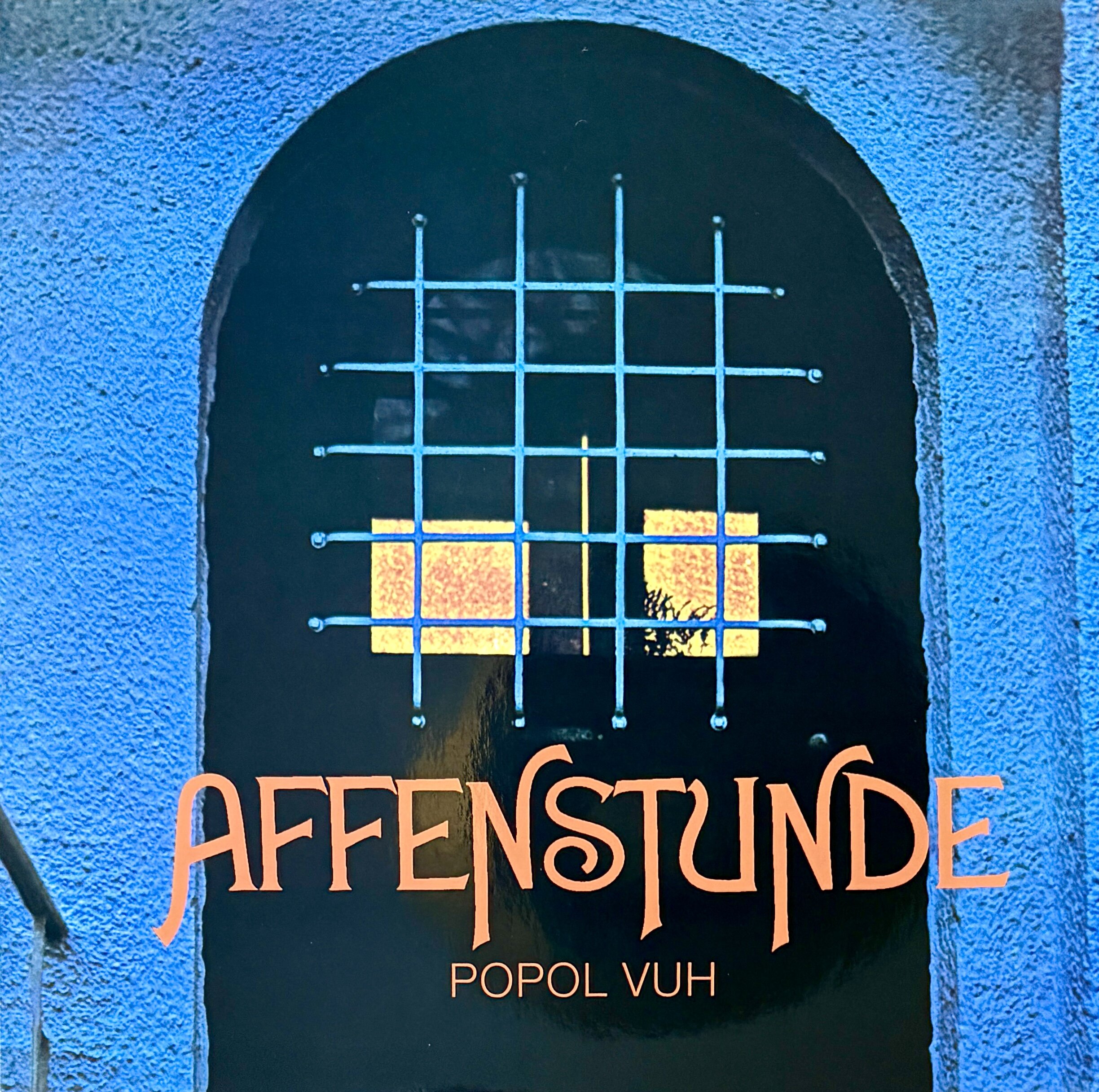
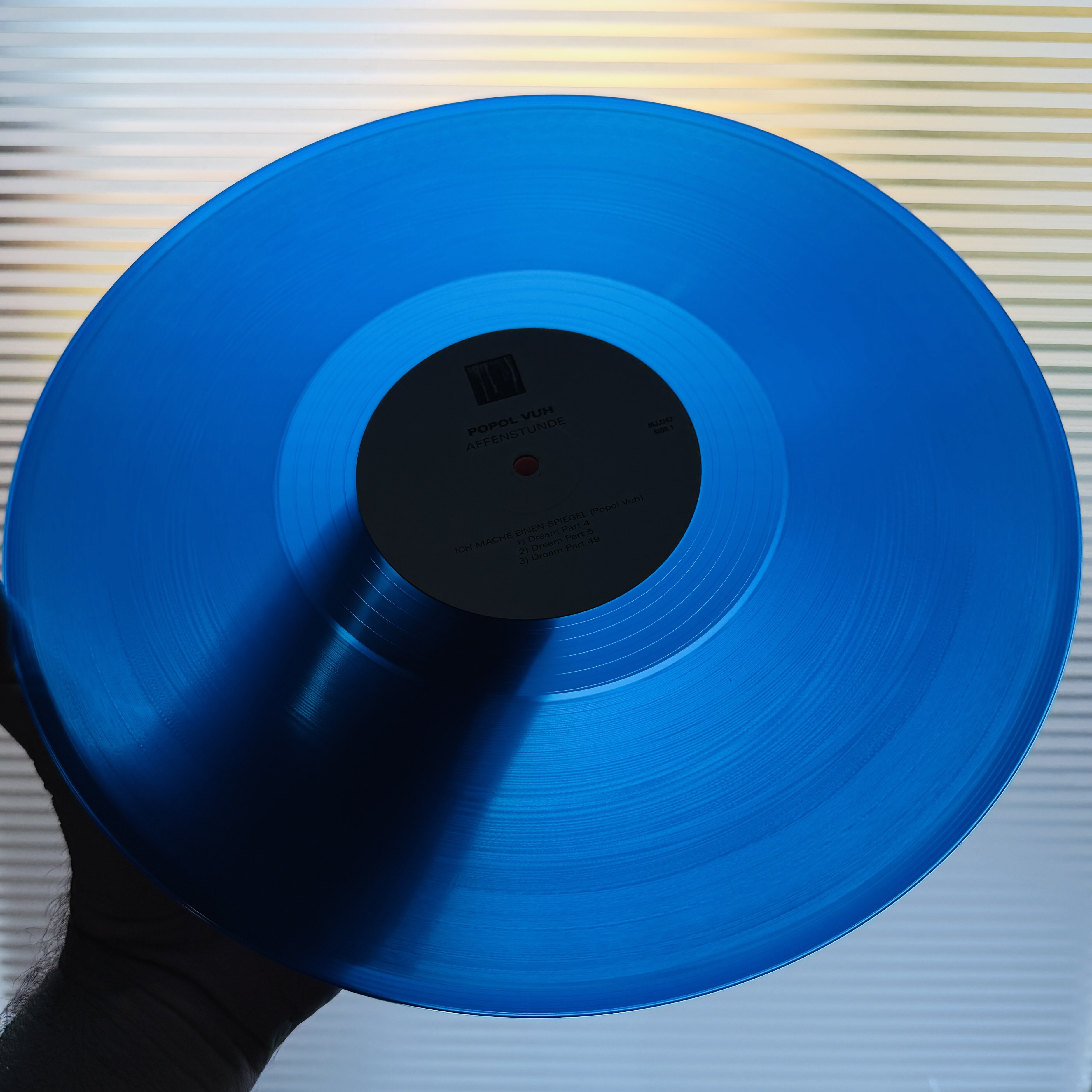
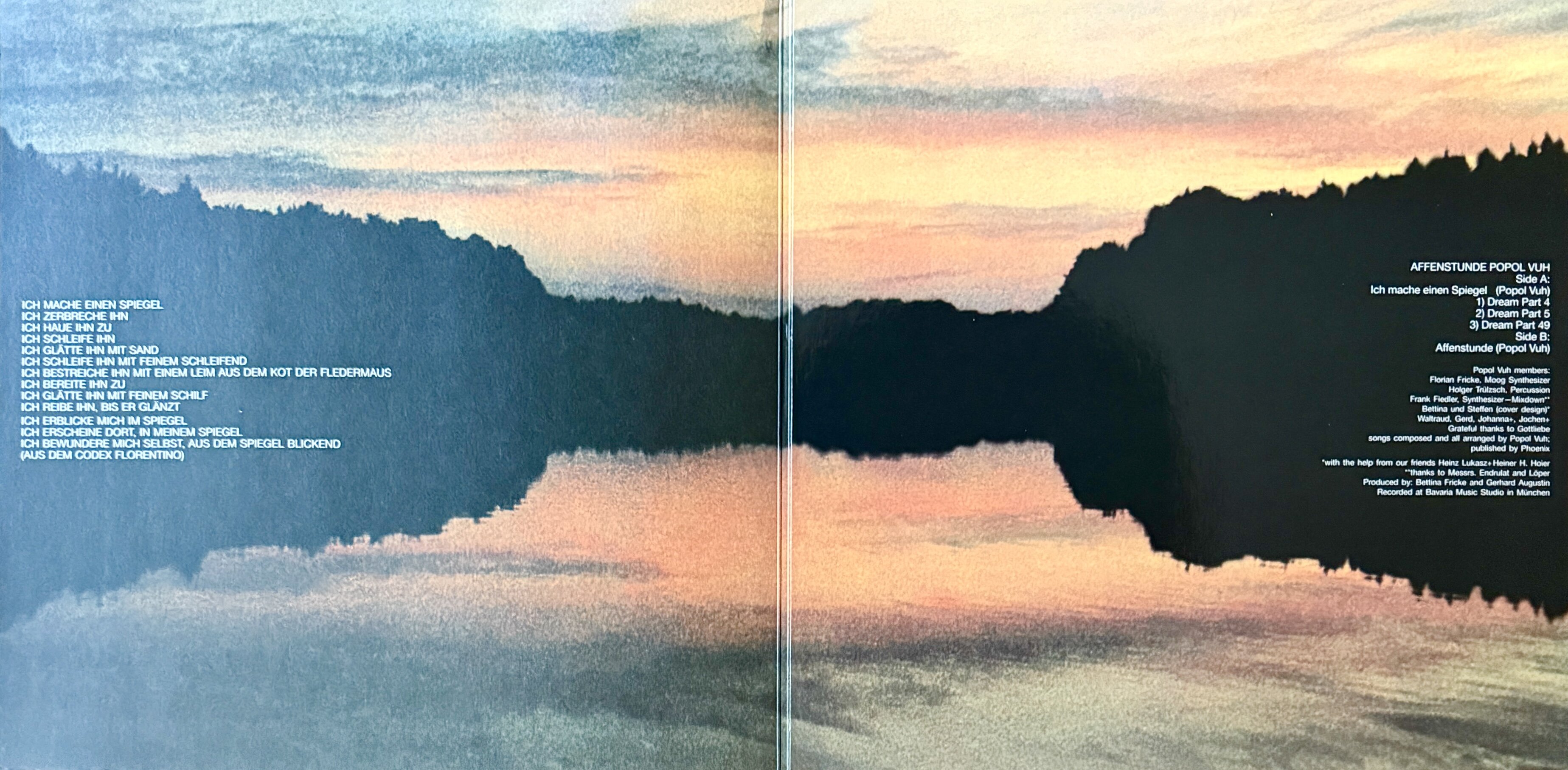
La mia è la versione Klimt Records (MJJ347LP) che rispetta la struttura originale del disco del 1970.
Il Lato A contiene una suite che è la "trilogia di sogni" dedicata alla ricerca interiore: Ich Mache Einen Spiegel (Dream Parts)
Dream Part 4 (8:40) è un viaggio sonoro che inizia con il dolce rumore dell’acqua e il canto degli uccelli, per poi trasformarsi in un’esplorazione e spaziale. Droni oscuri, beeps elettronici e suoni acquatici si intrecciano in un’atmosfera unica. Florian Fricke, con il suo imponente Moog IIIp, crea paesaggi sonori che ricordano le colonne sonore di fantascienza degli anni ’50. Frank Fiedler, nel mixaggio, separa gli effetti elettronici nello spazio, donando maggiore profondità al tutto.
Dream Part 5 (4:50) segna un cambio di marcia improvviso con un brano percussivo e tribale che rompe la staticità elettronica precedente. Un’energia sciamanica pervade l’aria. Holger Trülzsch è il vero protagonista, con una cascata di percussioni metalliche e tabla. Si dice che Bettina Fricke abbia contribuito alle tabla, anche se non è accreditata.
Dream Part 49 (7:35) è la chiusura perfetta per il primo lato, un momento meditativo e calmo con atmosfere nebbiose, accordi fluttuanti e un drone che ricorda un lontano corno creano un’atmosfera suggestiva. Fricke torna al Moog per tessere trame minimaliste, evocando un senso di vuoto siderale e infinito.
Il Lato B contiene “Affenstunde” (18:30), una suite epica che incarna perfettamente l’idea del disco. Si parte con il crepitio di un fuoco, per poi immergersi in un vortice di elettronica caotica e percussioni frenetiche. Dopo circa sette minuti, la musica si evolve in una danza ipnotica e luminosa. Florian Fricke si esibisce in lunghi assoli di tastiera e sintetizzatore, mentre Trülzsch arricchisce l’atmosfera con bongos, timpani e congas che si intrecciano nel mix.
Florian Fricke voleva dimostrare che uno strumento tecnologico come il sintetizzatore Moog poteva esprimere emozioni religiose e mistiche profonde, collegando la modernità alle antiche tradizioni spirituali. A differenza della “freddezza” robotica di altri pionieri dell’elettronica, Fricke voleva “umanizzare” la musica elettronica, usandola per cercare la “vibrazione dell’anima” e il contatto con il sacro. In questo album comincia questo fantastico percorso. Assolutamente consigliato a tutti gli appassionati del genere.
La Mia Versione
Etichetta: Klimt Records – MJJ347LP
Formato: Vinile, LP, Album, Limited Edition, Reissue, Transparent Blue
Paese: France
Uscita: 9 mar 2018
Tracklist
Aa Dream Part 4 8:40
Ab Dream Part 5 4:50
Ac Dream Part 49 7:35
B Affenstunde 18:57
LineUp
- Florian Fricke - sintetizzatore Moog III
- Frank Fiedler - sintetizzatore, mixdown
- Bettina Fricke (von Waldthausen) - tablas, co-produttore
- Holger Trülzsch - percussioni
Link per l’ascolto sulle principali piattaforme di streaming ai seguenti link:
Spotify: Puoi ascoltare l'intero album, incluse le diverse suite, sulla pagina ufficiale di Spotify. Esiste anche una versione con tracce bonus come "Train Through Time".
Apple Music: L'album è disponibile per l'ascolto in alta qualità su Apple Music.
Amazon Music: È possibile riprodurre le tracce tramite Amazon Music Unlimited.
Nota: Tutti i link ai lavori dei musicisti sono nei TAG sotto il titolo dell'articolo o nella pagina "Artisti"
.jpeg "Windborne dei Kanaan")