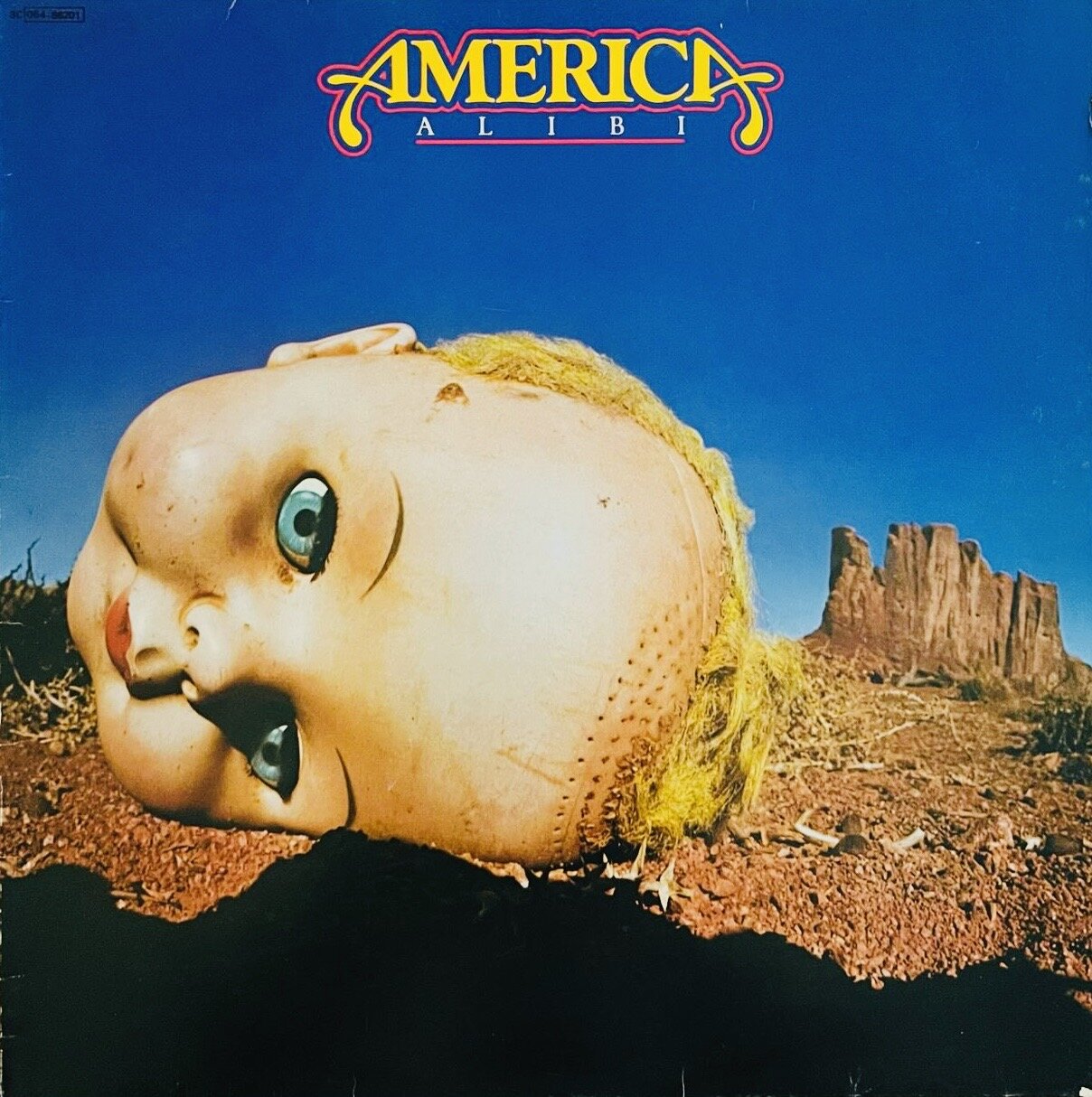
Alibi degli America, album del 1980.
Alibi, il nono album in studio degli America, gruppo folk rock statunitense, è uscito il 15 agosto 1980. Nonostante l’inizio in sordina negli Stati Uniti, questo disco ha una storia davvero particolare, fatta di un successo clamoroso in Italia, scelte di produzione all’avanguardia e qualche stranezza nella distribuzione del vinile.
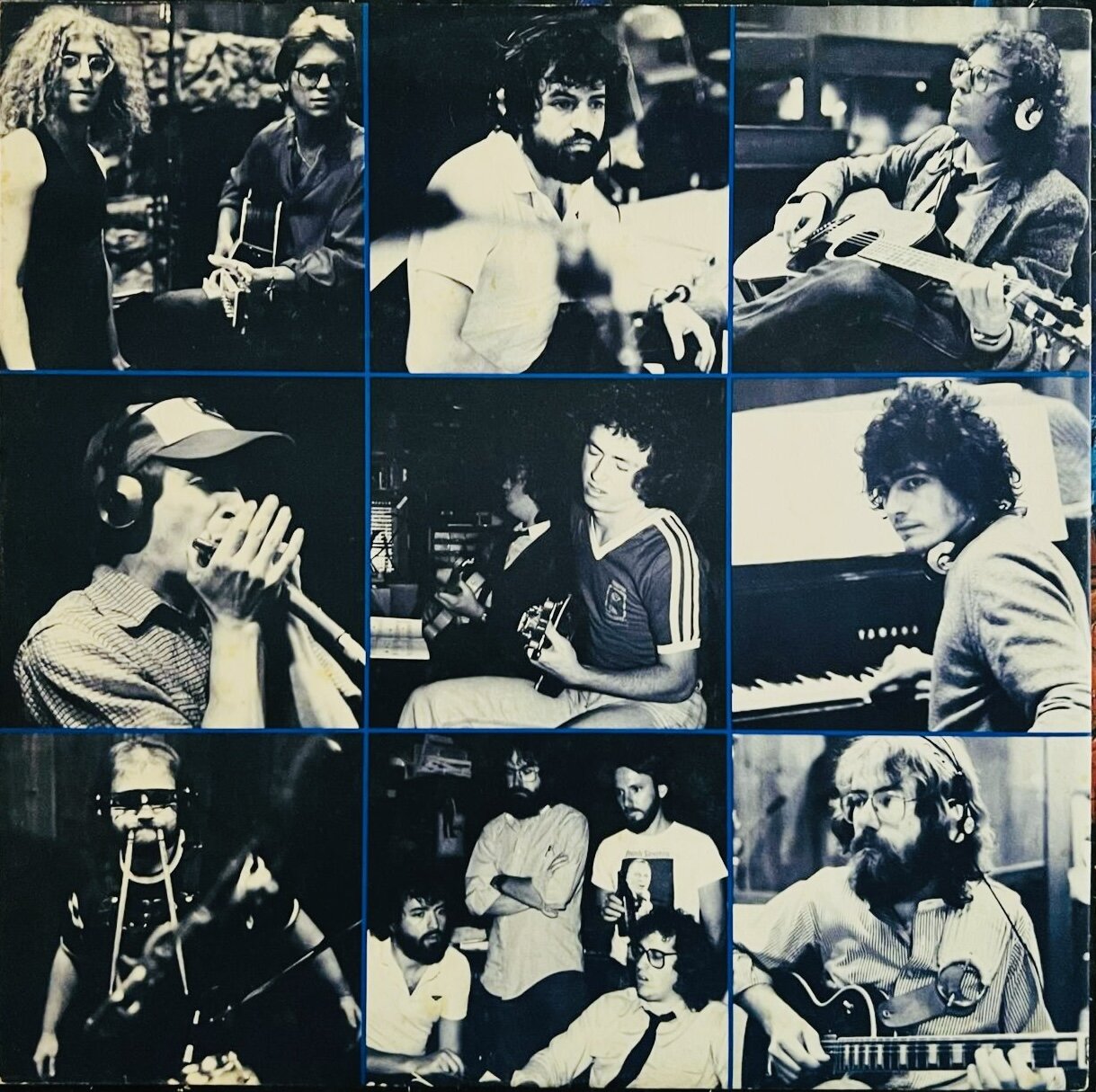
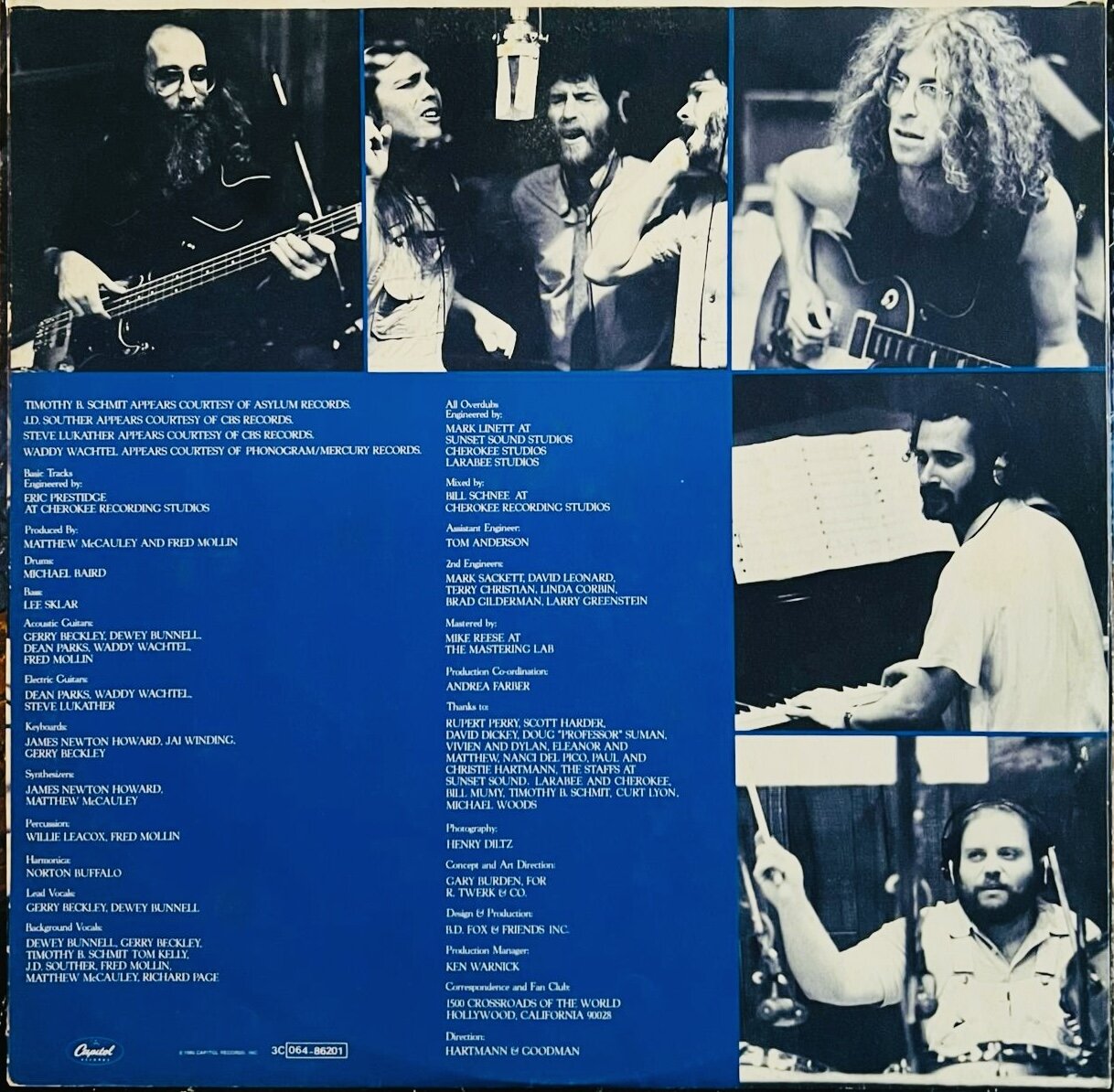
Dopo aver chiuso la lunga collaborazione con George Martin, il produttore dei Beatles, Gerry Beckley e Dewey Bunnell, hanno deciso di cambiare rotta musicalmente. Per farlo, si sono affidati a Matthew McCauley e Fred Mollin. A differenza del disco precedente, Silent Letter, registrato solo con la band di supporto fissa, per Alibi hanno chiamato a raccolta i migliori musicisti della West Coast. Tra i nomi di spicco che hanno partecipato alle registrazioni ci sono:
Steve Lukather, chitarrista dei Toto
Timothy B. Schmit, bassista e cantante degli Eagles
Leland Sklar, storico bassista di Jackson Browne e James Taylor
Waddy Wachtel, chitarrista rock di fama mondiale
Richard Page, futuro frontman dei Mr. Mister
Questo mix di talenti ha dato all’album un sound pop-rock e soft-rock molto più fresco, ritmato e curato nei minimi dettagli rispetto al passato.
Alibi è un album fondamentale per gli America, segnando un cambio di rotta musicale importante. Mentre i primi dischi erano più acustici e folk, questo si tuffa nel Soft Rock e nel West Coast Sound tipici della fine degli anni ’70 e inizio ’80. La band abbandona il folk pastorale per abbracciare l’AOR (Adult Oriented Rock), un suono più raffinato ed elettrico. Questo cambiamento è dovuto soprattutto ai nuovi produttori, Matthew McCauley e Fred Mollin, che hanno voluto dare alla band un sound più commerciale, in linea con quello californiano dell’epoca.
La presenza di musicisti eccezionali come Steve Lukather (Toto) e Waddy Wachtel si sente subito negli arrangiamenti. Rispetto ai precedenti album, Alibi ha assoli di chitarra elettrica più potenti e strutturati, con un uso sapiente di chitarre ritmiche che si mescolano alle acustiche a 12 corde di Beckley e Bunnell. La sezione ritmica, con il basso di Leland Sklar e la batteria di Willie Leacox (e altri grandi turnisti), è solida e groovy, dando ai brani un ritmo più ballabile. Canzoni come Hangover o Survival hanno un groove di basso e batteria moderno, quasi pop-funk, molto diverso dal folk dei primi dischi.
Le melodie vocali e le armonie a due voci di Gerry Beckley e Dewey Bunnell, il marchio di fabbrica del gruppo, in Alibi sono ancora più potenti. I cori di specialisti come Timothy B. Schmit (Eagles) e Richard Page creano un muro di voci ricco, arioso e tipicamente californiano. Anche le tastiere, pur rimanendo fedeli alla strumentazione classica, sono usate in modo moderno, con Rhodes e sintetizzatori leggeri che danno agli arrangiamenti un’atmosfera più sognante e contemporanea.
Insomma, Alibi è un Pop-Rock californiano elegante, energico e raffinato, molto simile al sound di band come i Toto, i Doobie Brothers di Michael McDonald o i Fleetwood Mac di fine anni ’70.
OUR SIDE (Lato 1)
“Survival” è un pezzo di soft rock solare e pop californiano con un ritmo coinvolgente. Apre l’album con chitarre acustiche scintillanti che si trasformano subito in un groove moderno e accattivante. Le armonie vocali sono leggere e perfette per la radio, mentre il ritornello e i cori, con le voci di Timothy B. Schmit, sono incredibilmente trascinanti. Diventerà una hit immortale, ma solo in Italia, dopo Sanremo ’82.
“Might Be Your Love” è un pezzo di West Coast pop a ritmo medio, scritto da Dewey Bunnell. Alza leggermente il ritmo e mette in risalto l’interazione tra basso, batteria e arpeggi di chitarra elettrica stratificati. L’interplay tra i musicisti in studio e la pulizia del mixaggio West Coast sono davvero notevoli.
“Catch That Train” è un pezzo di country-folk rock moderno, nostalgico e con un tocco dei primi album folk della band, ma con un sound aggiornato agli anni ’80. La melodia scorre fluida e spensierata, il testo è sognante, tipico di Bunnell, e il calore acustico del pezzo è avvolgente.
“You Could’ve Been the One” è un pezzo di pop-rock radiofonico. Molto orecchiabile, è guidata da una chitarra acustica brillante e un ritmo saltellante. È stata scelta come singolo negli Stati Uniti, ma purtroppo non è riuscita a scalare le classifiche. Il groove accattivante è dato dalla batteria di Mike Baird e dal leggendario basso di Leland Sklar.
“I Don’t Believe in Miracles” è una ballata pop di soft rock sentimentale, scritta da Russ Ballard. Chiude superbamente il primo lato dell’album. È una ballata guidata dal pianoforte, intensa, struggente e melodica. L’interpretazione vocale è emotiva e la transizione verso gli arrangiamenti d’archi discreti e raffinati è fluida e perfetta.
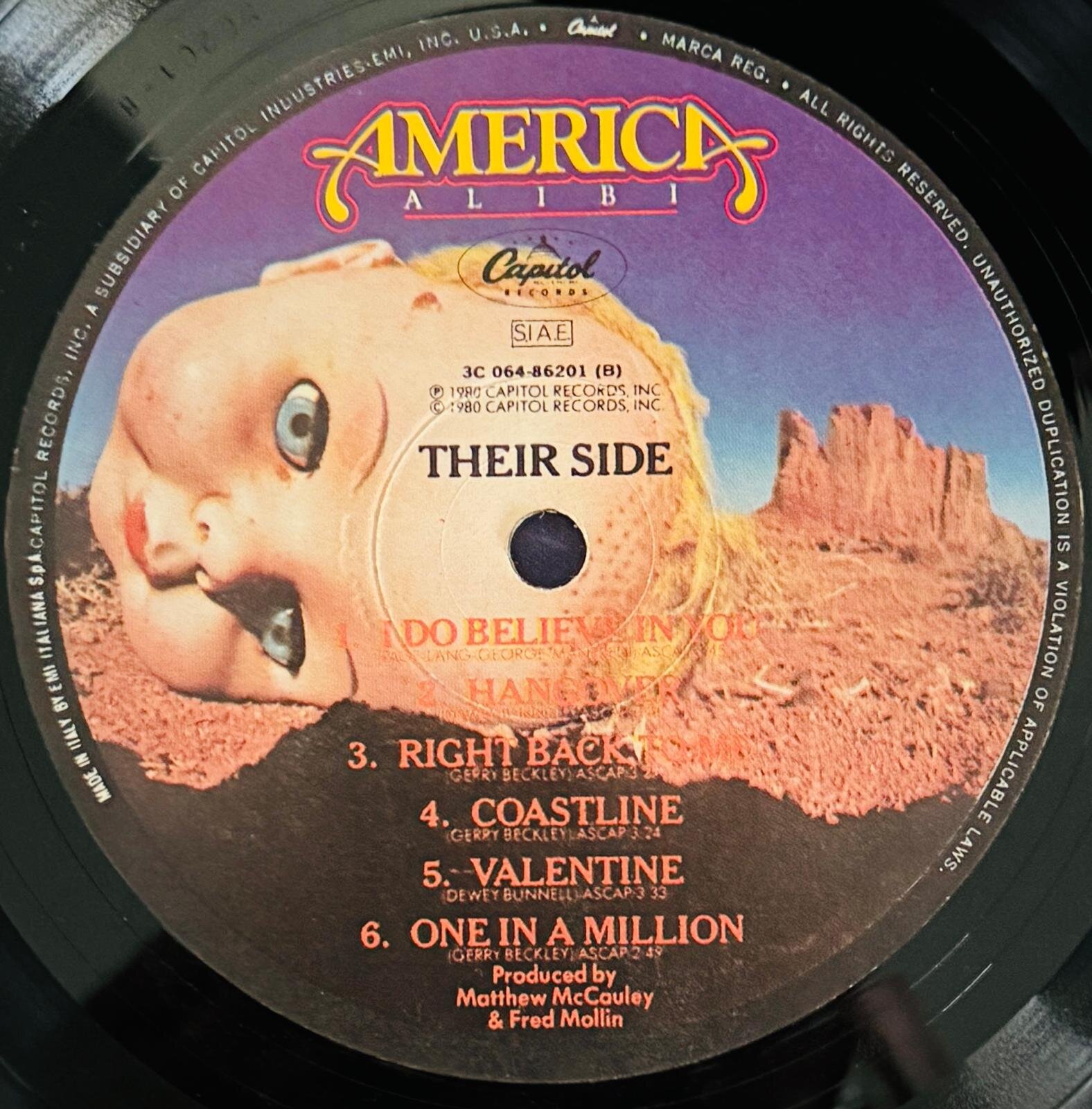
THEIR SIDE (Lato 2)
“I Do Believe in You” è il brano che apre la seconda facciata e ha forti influenze della scena R&B/Pop californiana (co-scritto da Richard Page). Ha un andamento rilassato, quasi notturno, con un uso elegante di piano Rhodes. Il tappeto armonico dei cori sofisticati nel finale del brano.
“Hangover” è un brano classic rock, up-tempo elettrico. Il pezzo più energico e graffiante del disco. Si discosta nettamente dai cori sognanti del resto dell'album, offrendo una sferzata rock dominata da riff distorti. L'assolo e i riff graffianti di Steve Lukather alla chitarra elettrica, che svegliano l'ascoltatore dal mood soft rock.
“Right Back to Me” è melodic pop-rock. Un pezzo pop standard firmato da Gerry Beckley. Scorre piacevolmente senza picchi drammatici, fungendo da transizione tra l'energia di Hangover e i pezzi successivi. La linea di basso fluida di Leland Sklar che tiene in piedi l'intera struttura ritmica.
”Coastline” è un brano soft rock, una delle perle nascoste del disco. Atmosfera tipicamente marina, malinconica ed eterea. La traccia evoca perfettamente i viaggi in auto lungo la costa della California. La voce eterea di Gerry Beckley, che qui dà il meglio di sé nel trasmettere nostalgia ed emozione.
“Valentine” è un brano pop-rock con sfumature rockabilly. Un pezzo ritmato dal piglio quasi country-rock commerciale e spensierato. Struttura semplice ma pensata espressamente per strizzare l'occhio alle classifiche commerciali dell'epoca. Il ritmo incalzante che spezza la sequenza di ballate del secondo lato.
”One in a Million” è una ballata pop orchestrale. Il disco si chiude con una traccia molto melodica, romantica e zuccherina firmata da Beckley. Un congedo orchestrale classico e confidenziale che chiude l'album in dissolvenza. La delicatezza degli arrangiamenti, che sigilla il disco richiamando lo stile sognante del gruppo.
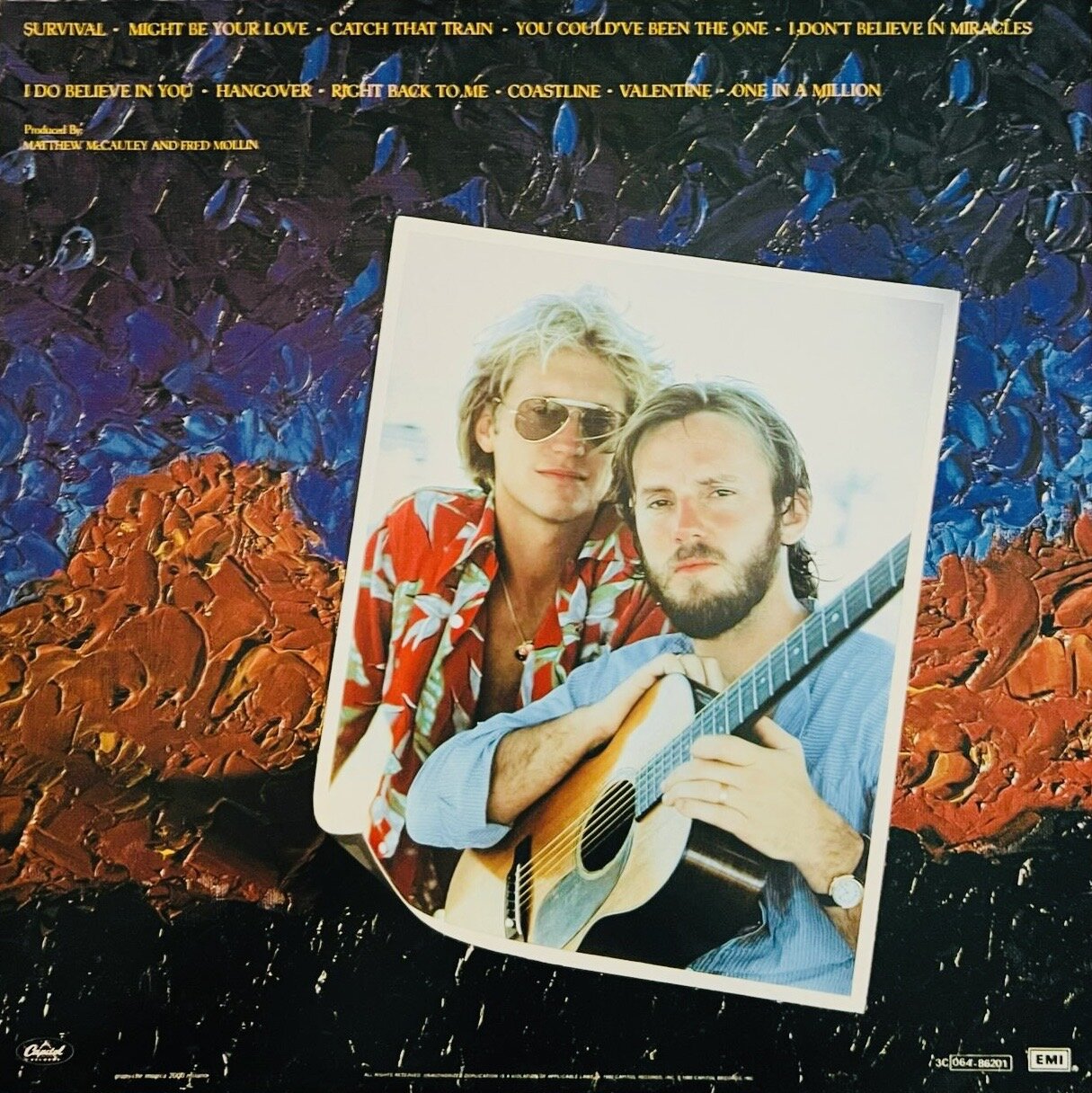
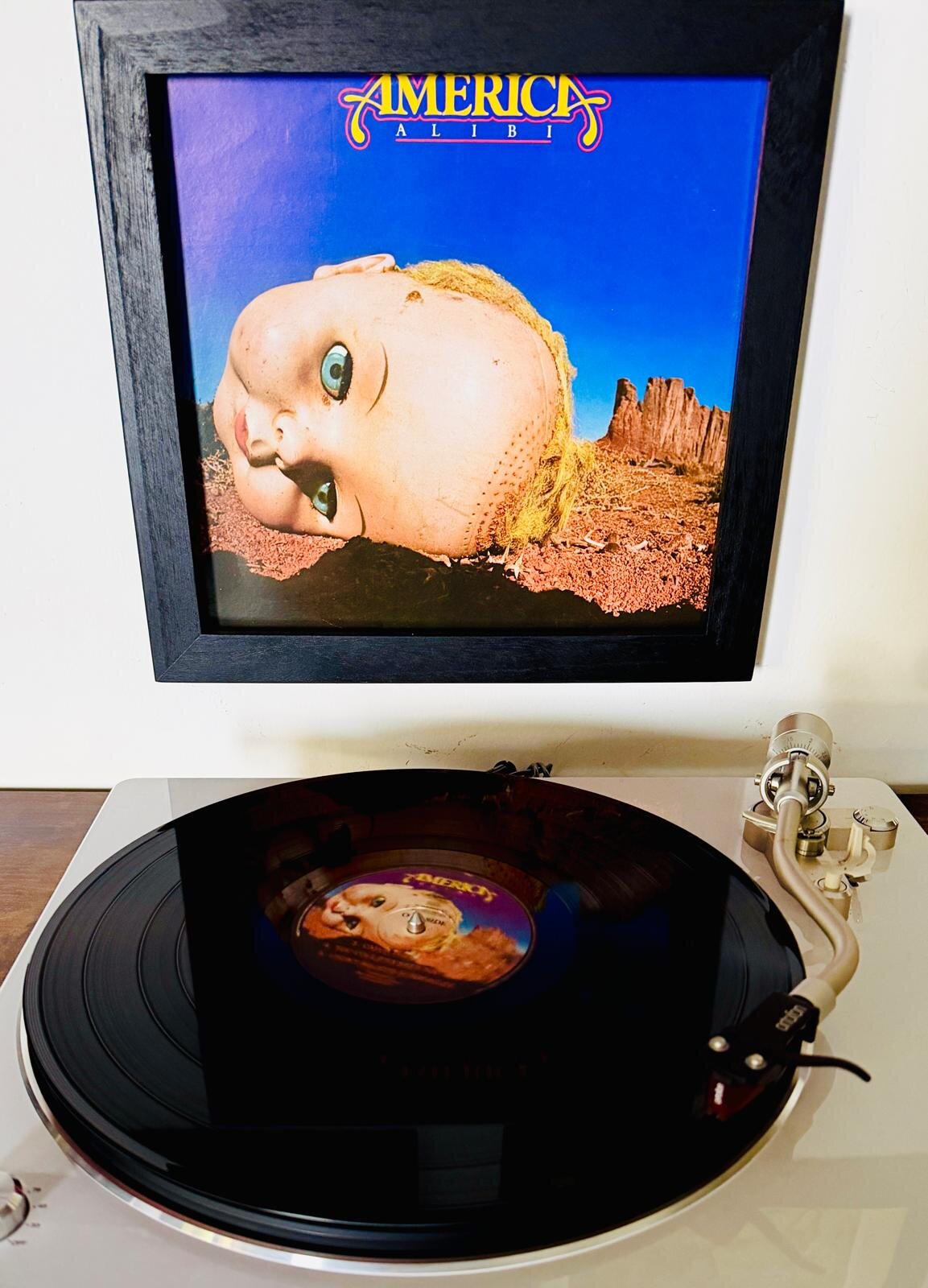
Due scelte particolari hanno contraddistinto l’album fin da subito. La band e la casa discografica non riuscivano a mettersi d’accordo su quale canzone dovesse aprire il disco. Hanno trovato una soluzione un po’ ironica: hanno stampato sulle etichette del vinile le scritte “Our Side” (Il nostro lato) e “Their Side” (Il loro lato). Inoltre, Alibi è stato il secondo album degli America a non mostrare i volti dei membri della band. Sulla copertina c’è la foto ravvicinata della testa di una bambola parzialmente sepolta nel deserto, uno scatto che Bunnell ha trovato quasi per caso nell’archivio del famoso fotografo Henry Diltz. Questa scelta visiva un po’ strana ha penalizzato le vendite all’inizio.
Quando è uscito, Alibi è stato un flop negli Stati Uniti, piazzandosi solo al numero 142 della classifica Billboard. I singoli estratti, “You Could’ve Been the One” e “Hangover”, non sono nemmeno entrati in classifica. Ma la storia del disco è cambiata completamente nel 1982, quando gli America sono stati invitati come super ospiti internazionali al Festival di Sanremo.
Durante l'esibizione presentarono il brano Survival. Il pubblico italiano, in particolare mio fratello che lo ascoltava in continuazione, se ne innamorò all'istante: il singolo scalò le classifiche fino alla Top 5 e, di riflesso, l'intero album Alibi subì una seconda giovinezza in Italia, arrivando a conquistare il secondo posto nella classifica dei dischi più venduti.
Io all’epoca avevo 13 anni e grazie a mio fratello me ne sono innamorato anche io: questo album è ad oggi uno di quelli che riporta alla mia mente i ricordi più belli della mia infanzia. E come valutare un album che ha un così grande valore personale? Essenziale ovviamente… Per me!
La Mia Versione
Etichetta: Capitol Records – 3C 064-86201
Formato: Vinile, LP, Album, Stereo
Paese: Italy
Uscita: 1980
Tracklist
Survival – 3:10
Might Be Your Love – 3:40
Catch That Train – 2:58
You Could've Been the One – 3:05
I Don't Believe in Miracles – 3:23
I Do Believe in You – 3:45
Hangover – 3:41
Right Back to Me – 3:30
Coastline – 3:26
Valentine – 3:35
One in a Million – 2:52
LineUp
Backing Vocals – J.D. Souther, Richard Page, Timothy B. Schmit, Tom Kelly
Bass – Lee Sklar
Drums – Michael Baird
Guitar – Steve Lukather
Guitar [Acoustic], Guitar – Dean Parks, Waddy Wachtel
Guitar [Acoustic], Percussion, Backing Vocals – Fred Mollin
Harmonica – Norton Buffalo
Keyboards – Jai Winding
Keyboards, Synthesizer – James Newton Howard
Lead Vocals, Backing Vocals, Guitar [Acoustic] – Dewey Bunnell
Lead Vocals, Backing Vocals, Guitar [Acoustic], Keyboards – Gerry Beckley
Producer, Synthesizer, Backing Vocals – Matthew McCauley
Link per l’ascolto sulle principali piattaforme di streaming ai seguenti link:
Spotify: l'album completo è disponibile sulla Pagina Ufficiale di Spotify.
Apple Music: puoi riprodurre la compilation digitale direttamente tramite Apple Music. [1, 2, 3]
Nota: Tutti i link ai lavori dei musicisti sono nei TAG sotto il titolo dell'articolo o nella pagina "Artisti"