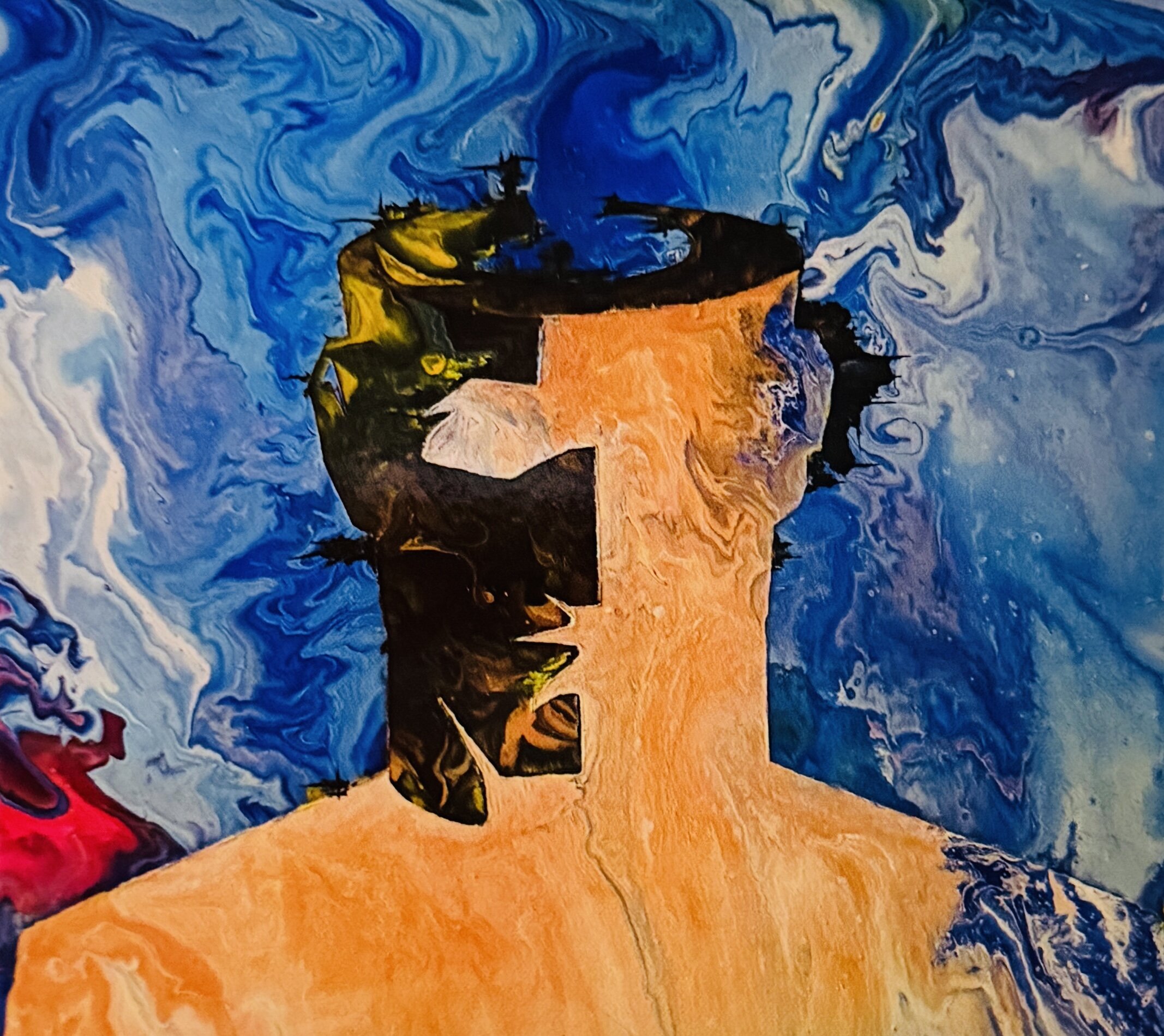
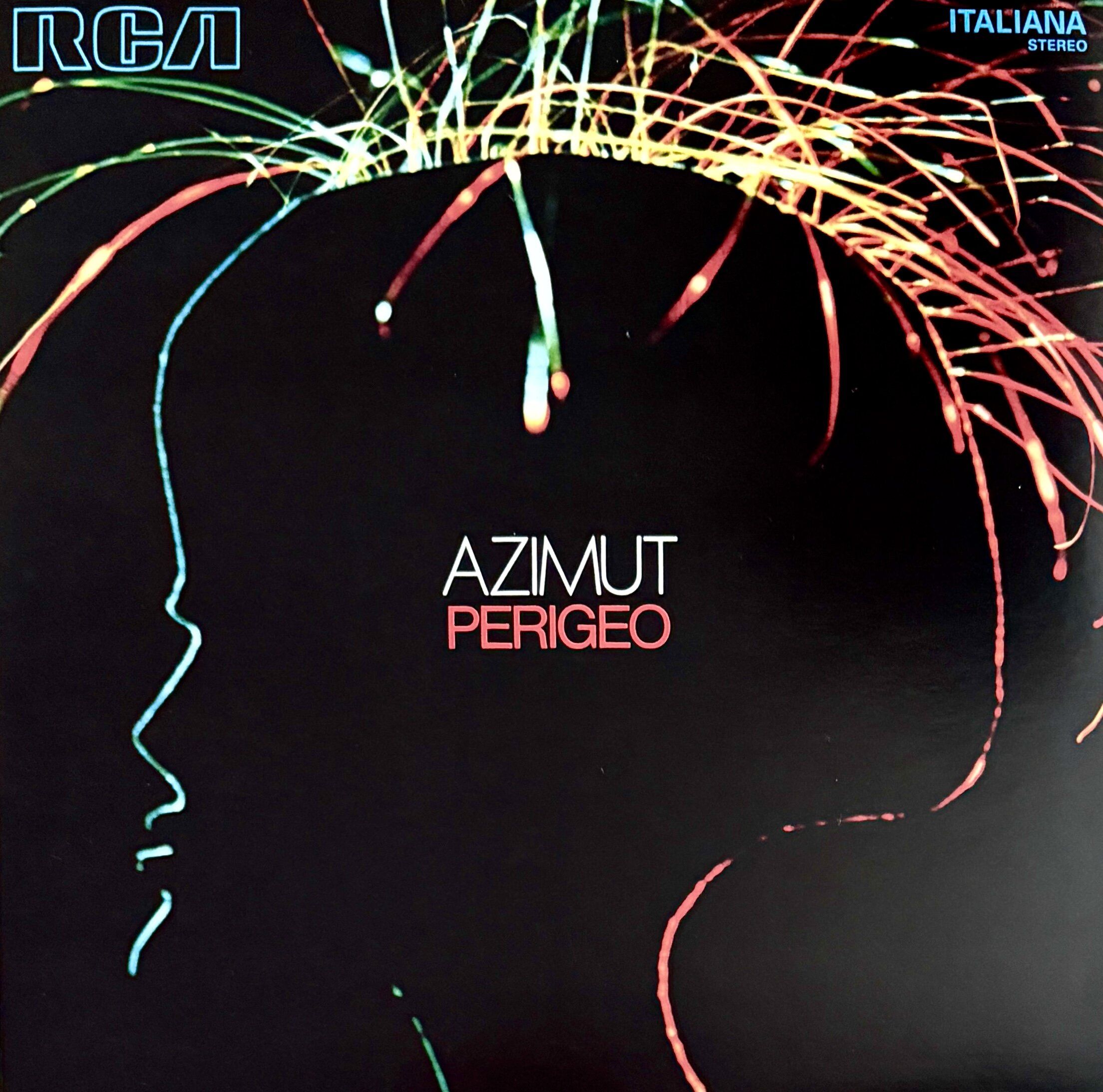
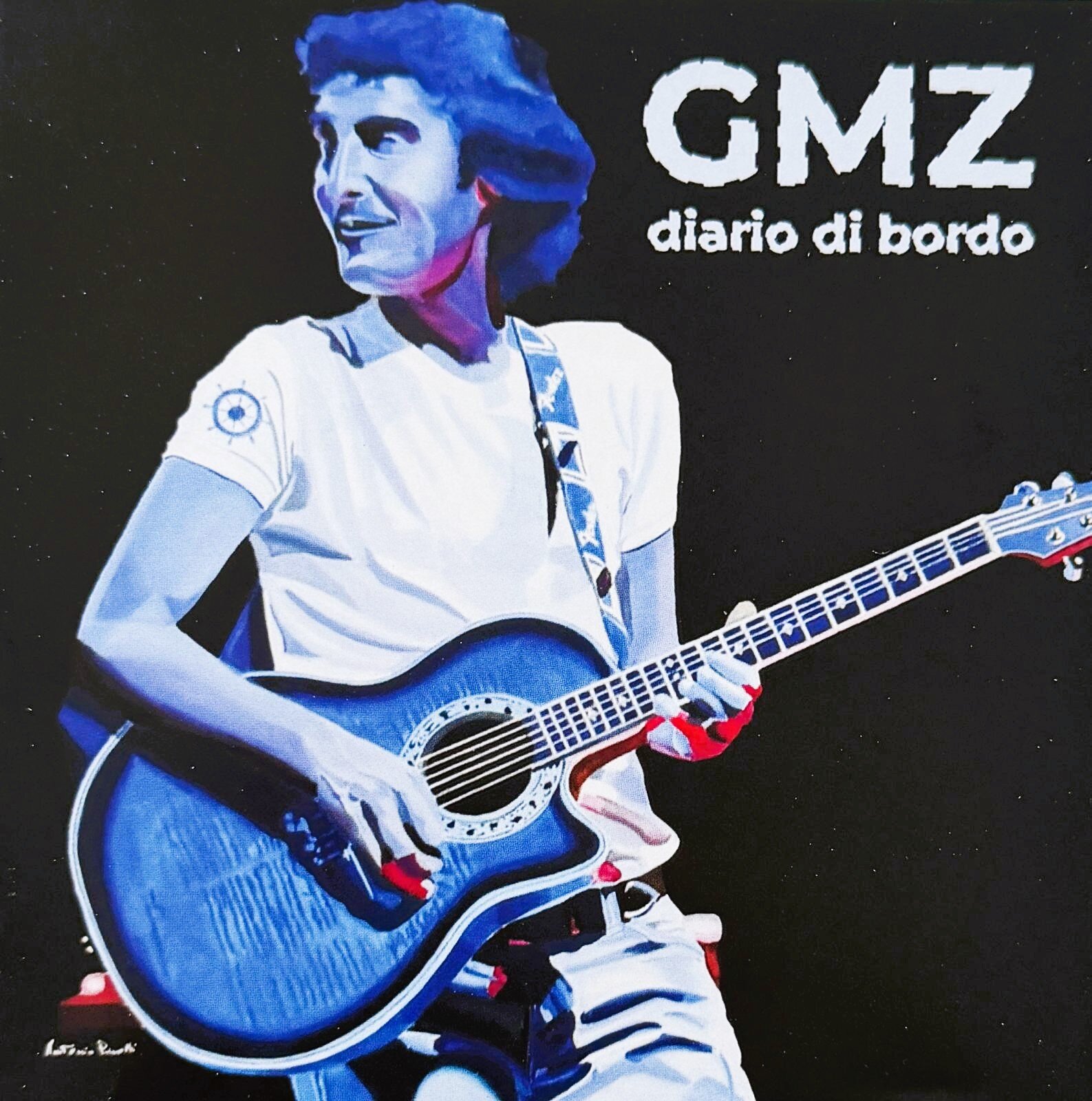
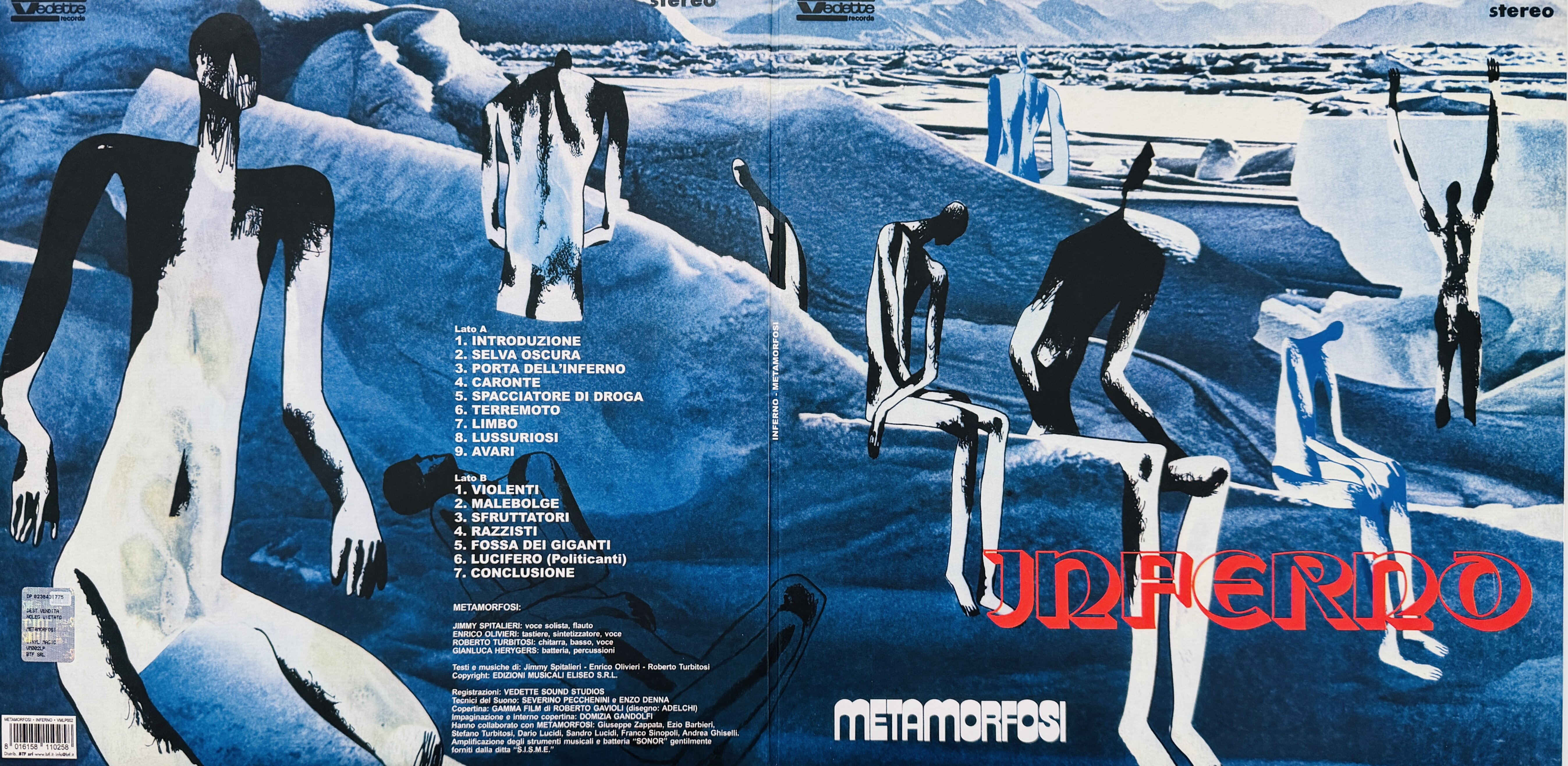
Inferno by Metamorfosi album of 1973.
Metamorfosi, a Roman band, was born in 1969 from the union between the members of the group "I Frammenti", known for their "beat masses", and the charismatic Sicilian singer Davide "Jimmy" Spitaleri. After two years of intense live activity and rehearsals, they signed a contract with Vedette Records and released their debut album, "... and it was the sixth day", in 1972, followed the following year by the masterpiece "Inferno". Unfortunately, due to the crisis in the record industry and the bankruptcy of their label, the band broke up shortly after.
In the early 2000s, the two founding members, Spitaleri and Olivieri, met again to give life to the Dante trilogy. Thus were born "Paradiso" in 2004 and "Purgatorio" in 2016. The band also performs at prestigious international prog festivals, such as NearFest in the United States.
These are the main components:
Davide "Jimmy" Spitaleri (Lead voice and flute): Sicilian by origin, he is the face and voice of the group. His baritone timbre, deep and rich in expressiveness, lends itself to an almost operatic and theatrical vocality, ideal for the epic texts of Metamorphoses. During the break from the band, he also collaborated with other rock projects.
Enrico Olivieri (Keyboards and Vocals): Musical mind and compositional leader of Metamorfosi, Olivieri is a very talented multi-instrumentalist. Inspired by classical music and rock keyboardists such as Keith Emerson, his heavy use of organ, synthesizers and Mellotron shaped the band's sonic identity.
Roberto Turbitosi (Bass and Vocals): An integral part of the original line-up of the 70s, Turbitosi, together with the drummer, formed the solid rhythmic base of the first two historic albums.
Mario Natali / Gianluca Herygers (drums): Natali played on the first album in 1972, only to be replaced by Herygers, who took care of percussion and drums in the complex and dynamic arrangement of "Inferno" (1973).
Luciano Tamburro (guitar): Present at the beginning of the band's journey, his guitar connected Metamorfosi to their early beat and psychedelic influences, before the group decided to almost completely eliminate the electric guitar in "Inferno" to give total space to keyboards.
In the most recent productions, "Paradiso" and "Purgatorio", alongside Spitaleri and Olivieri, Leonardo Gallucci (bass and classical guitar) and Fabio Moresco (drums) have been added to complete the renewed rhythm section.
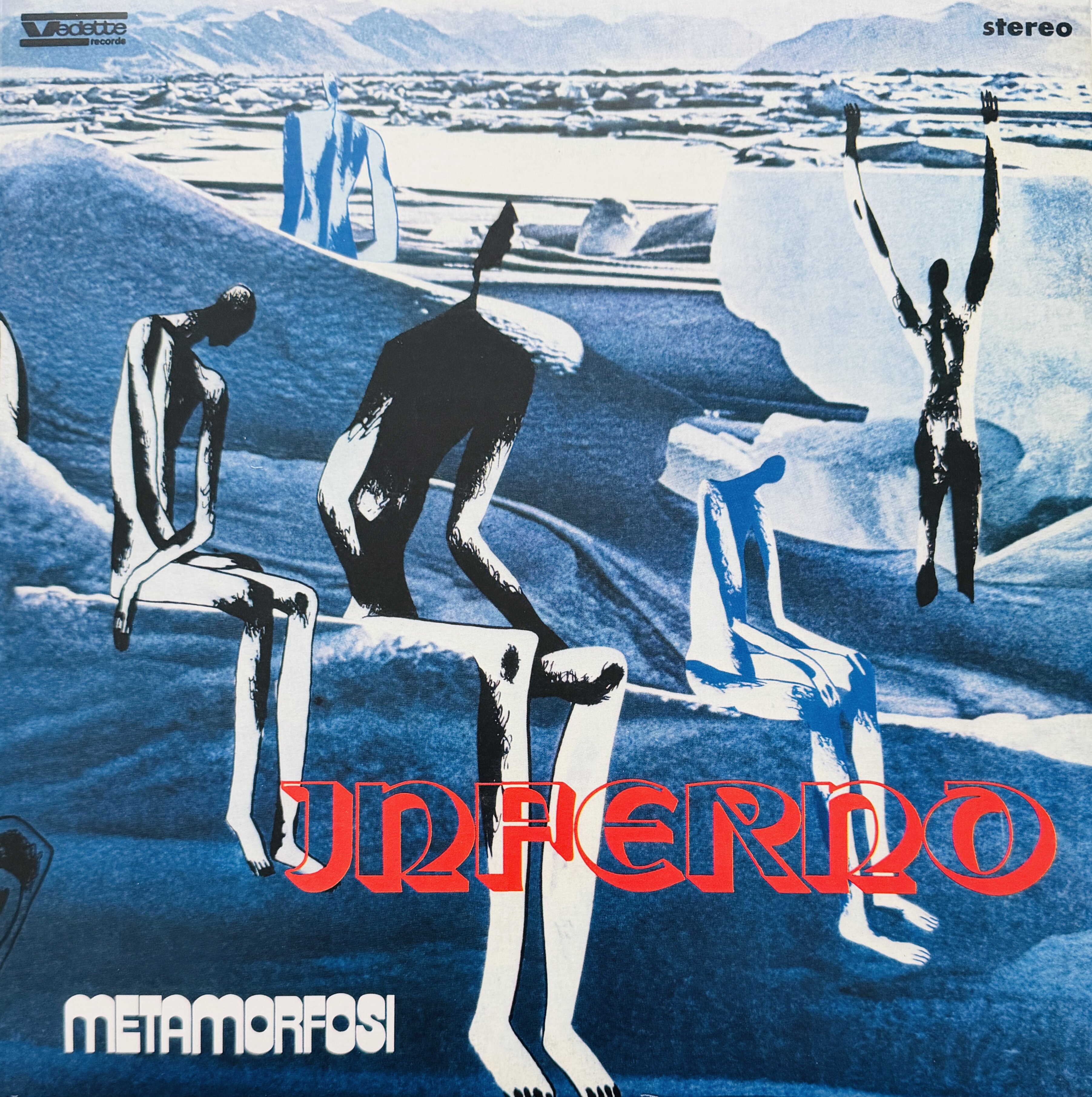
"Inferno" is their second studio album, one of the greatest masterpieces of Italian Progressive Rock, a concept album inspired by the first canticle of Dante Alighieri's Divine Comedy
The album that uses Dante's Inferno as a lens to take a critical look at Italy in the 70s. It is not a copy of the Divine Comedy, but a way to compare ancient sins with modern problems. Dante's journey becomes that of each of us, who moves between the circles of today's reality. The Metamorphoses take Dante's sinners and adapt them to hit those who, according to them, have contributed to the degradation of society.
Among the Lustful, we find those who have commodified sex and exploited the body. Among the Avars, unbridled capitalism, greed for money and social selfishness. Among the Violent, political violence is in the streets of the Years of Lead. And among the Traitors and the Corrupt, those corrupt and powerful politicians who have betrayed the trust of the people for their own interests.
But that's not all. The band has also invented new groups to highlight the typical sins of the twentieth century. There is the circle of drug dealers, seen as the real destroyers of the lives of young people in the early 70s. And then there is that of the Racists, condemned for hatred and discrimination. Lucifer, in the final track, represents all-encompassing political and economic power, which crushes humanity and feeds on corruption.
Despite the gloomy atmosphere, the album is not without hope. Yes, it recognizes the horrors of modern society, but it also reminds us that man can hope to "go out and see the stars again" and begin a moral regeneration.
"Inferno" perfectly embodies the symphonic and theatrical Italian Progressive Rock style. He stands out for fundamental stylistic choices that make him unique in the musical scene of the time. The album is characterized by an almost total absence of the electric guitar. Enrico Olivieri builds a rich and complex wall of sound using a wide variety of keyboards typical of prog. The Hammond organ with solemn riffs, dark atmospheres and passages that recall ecclesiastical inspiration. The Moog and synthesizers, with sharp solos, futuristic effects and dramatic sounds. The Mellotron for orchestral string carpets, amplifying the epic nature of Dante's journey. The piano with moments of classical interlude and baroque virtuosity.
The album is not a simple collection of songs, but a single great symphonic-rock work divided into movements. The songs merge into each other without interruption, alternating violent and aggressive crescendos that represent the violence and chaos of the infernal circles with acoustic and atmospheric breaks, real moments of reflection and transition in the journey with classical contaminations, typical structures of baroque music and the European classical tradition that blend with the syncopated rhythms of rock.
Jimmy Spitaleri's voice serves as a real added instrument, enriching the musical experience with its theatricality.
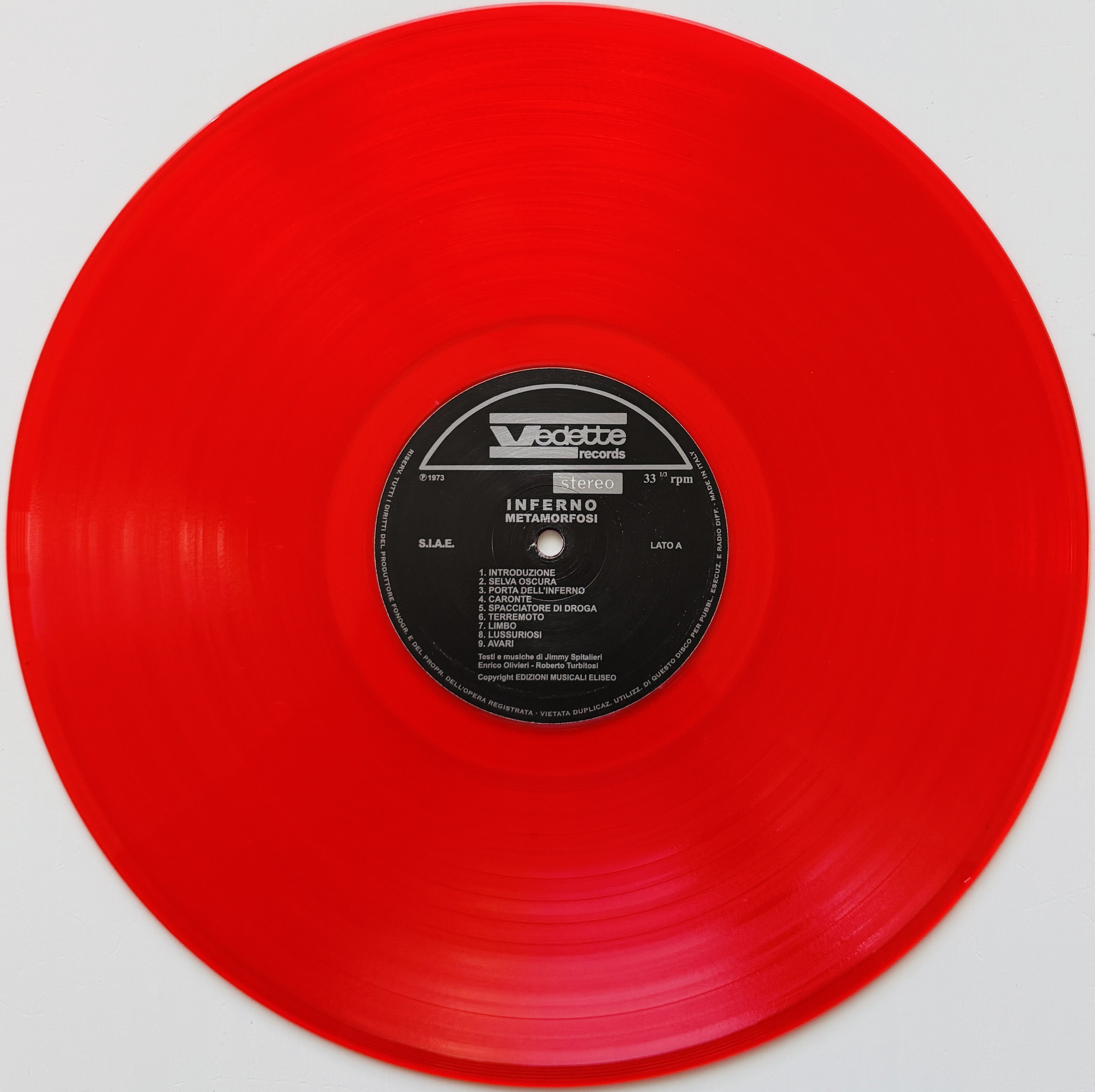
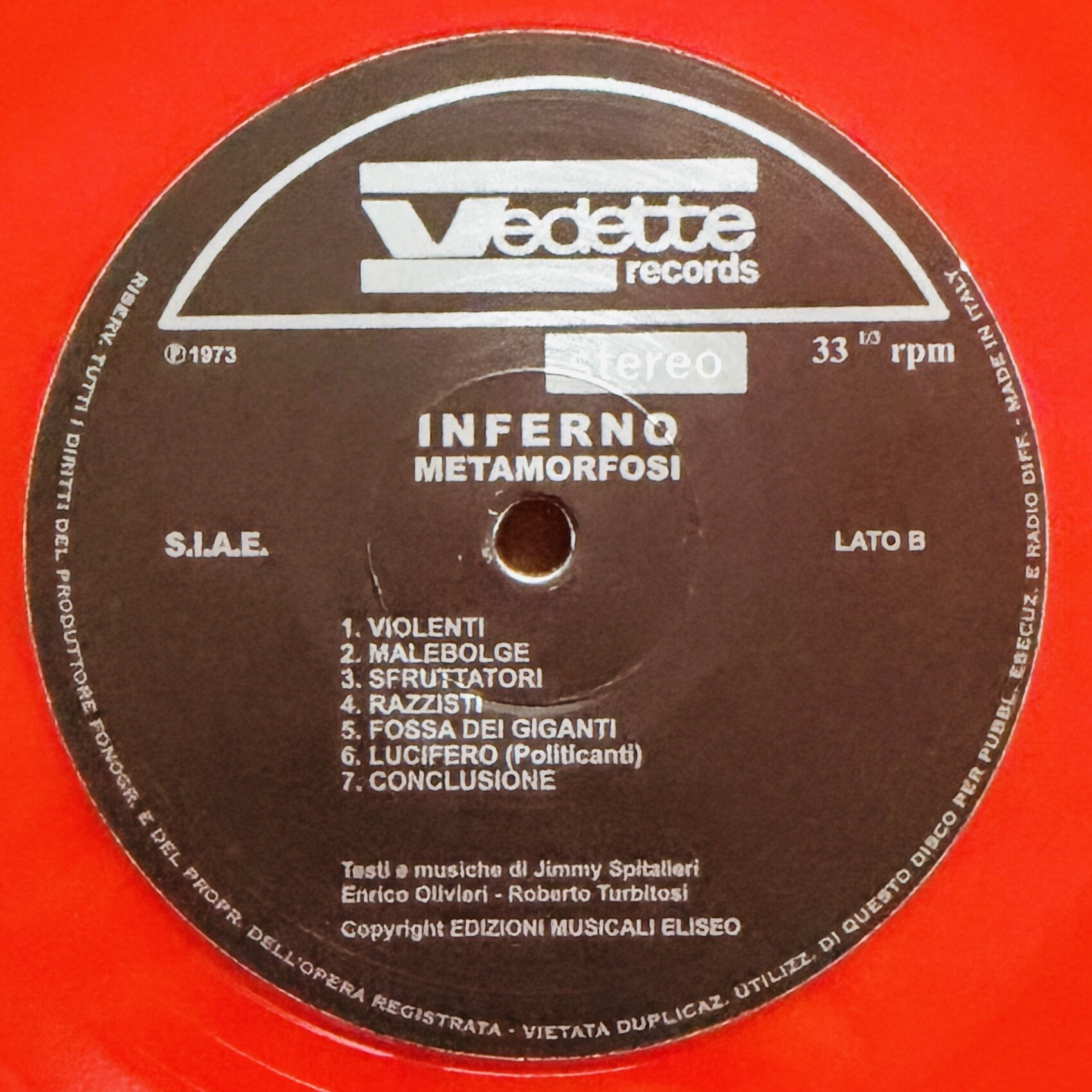
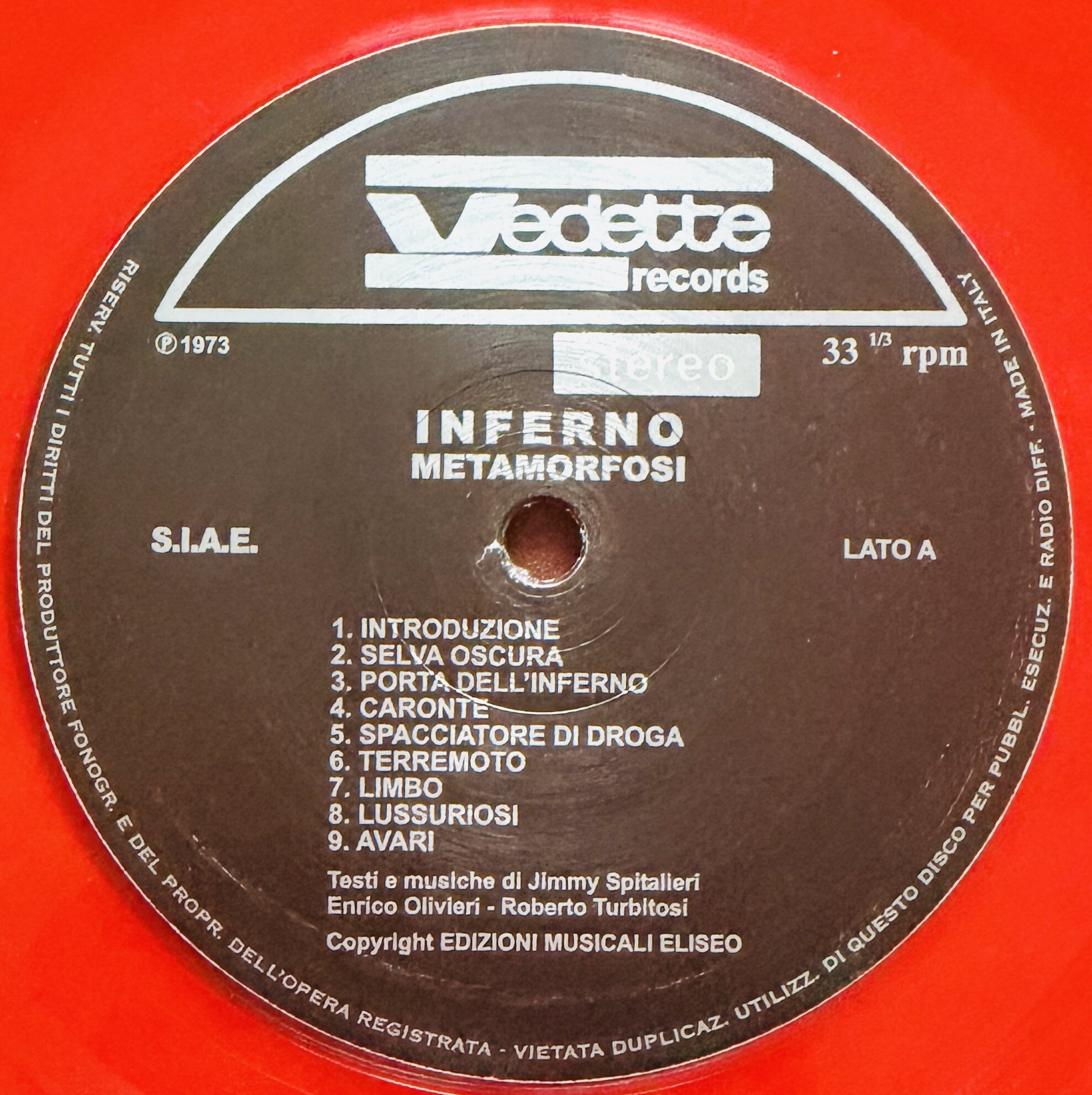
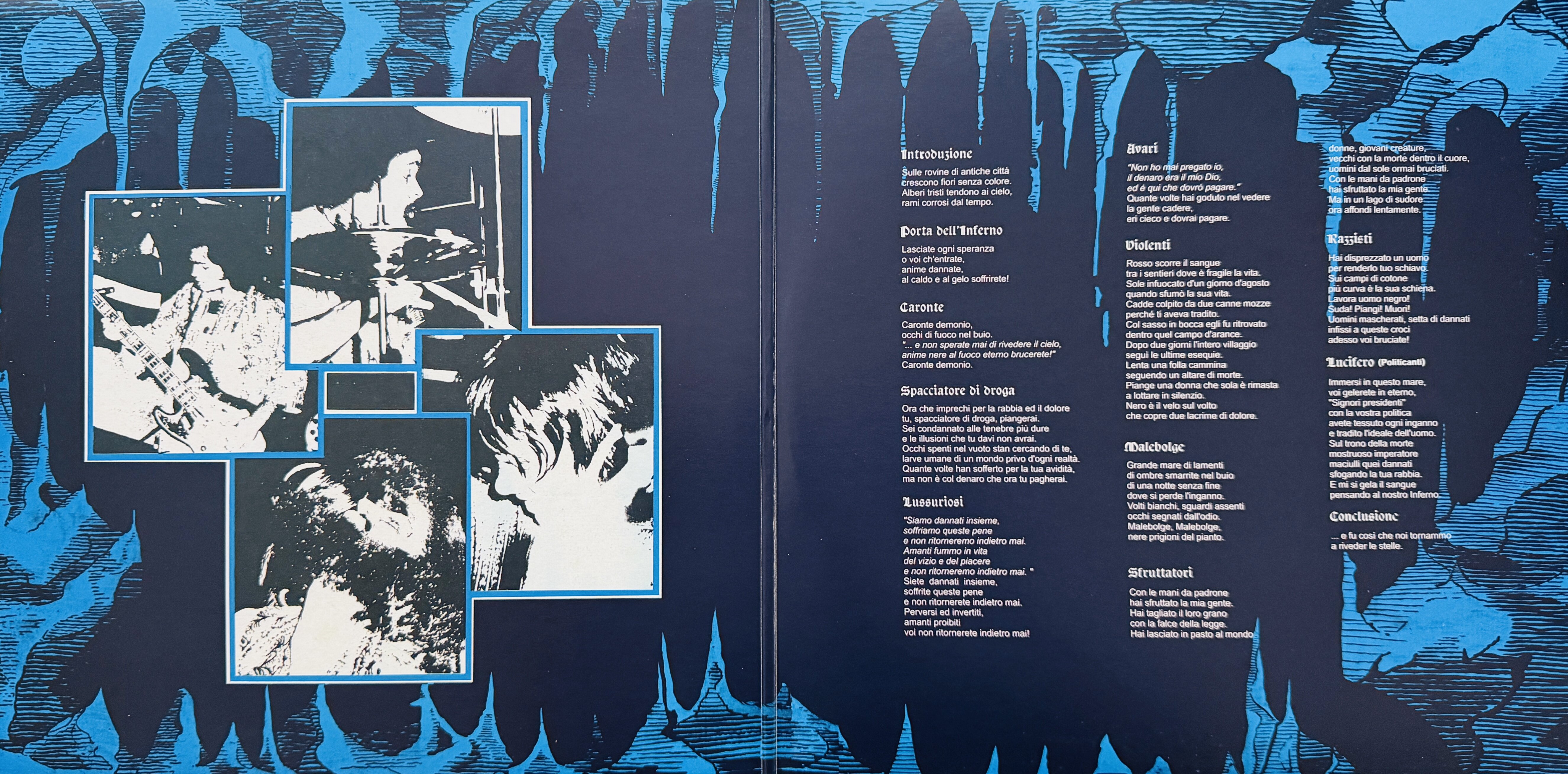
The VMLP002 vinyl reissue of Metamorfosi's "Inferno", edited by Vinyl Magic and Vedette Records, faithfully offers the original 12 tracks from 1973.
"Introduzione (Introduction)" begins with a dark and symphonic, almost solemn atmosphere. Olivieri creates a mysterious atmosphere with dark keyboards, while Herygers maintains a slow and controlled pace. The deep bass of Turbitosi adds a powerful touch. The transition from space synthesizers to the pipe organ is sudden and immediately transports you to a hellish world.
"Selva Oscura" is a journey into Italian progressive rock, between moments of acoustic quiet and sudden bursts of rock energy. Spitaleri enters the scene with a frightened theatrical acting, while Olivieri creates baroque plots on the piano and at the Moog. The contrast between Spitaleri's lonely voice in the darkness of the "forest" and the rhythmic explosion of the band is really strong.
"Porta dell'Inferno" is a progressive songwriter dominated by an epic, solemn and desperate vocal melody. Spitaleri reaches incredible operatic heights, while Turbitosi plays melodic bass lines that support the piano. And then, the most famous part: the interpretation of Dante's text "Abandon all hope you who enter", shouted with a drama that makes you shiver.
"Caronte" is a Hard-prog track with aggressive keyboards, syncopated rhythms and odd time signatures. Herygers goes wild on drums with continuous tempo changes, while Olivieri plays the Hammond with almost heavy distortions. The convulsive arrangement represents the movement of the waves of the river Acheron and the fury of Charon, the ferryman of souls.
"Spacciatori di Droga (Drug Dealers)" is a piece of pure, dissonant, chaotic and deliberately disturbing avant-garde. Spitaleri uses his voice in a distorted, almost psychotic way, while Olivieri experiments with oscillators and electronic synthesizer effects. The claustrophobic atmosphere evokes the desperation and delirium of drug addiction in the 70s.
"Lussuriosi" is a romantic, symphonic and dreamy piece, with strong references to eighteenth-century classical music. Olivieri dominates the track with intertwined phrasings of piano and harpsichord, while Turbitosi's bass becomes softer and more sinuous. The fluid transition from the chaos of the previous track to a sweet melody represents the overwhelming wind that drags the lovers (Paolo and Francesca).
"Avari" is a song characterized by a rhythmic and energetic Prog, with a repetitive trend that symbolizes the obsession with money. Herygers and Turbitosi create a pounding groove, while Spitaleri sings in a sarcastic and accusatory tone against capitalism. The sudden breaks of Olivieri's Moog break the rhythm of the song.
"Violenti" is an aggressive and edgy song, influenced by the rock-jazz style and prog of Emerson, Lake & Palmer. The rhythm section does a monumental technical job with broken tempos, while Olivieri responds with very fast keyboard solos. The pure sonic violence of the instruments is a perfect metaphor for the Italian Years of Lead.
"Malebolge" is a transitional instrumental suite, full of dark nuances and continuous changes of atmosphere. Olivieri uses the Mellotron to create a dramatic orchestral carpet, while Herygers' cymbals create suspense. The sense of physical and emotional descent towards the deepest and slimiest part of hell.
"Sfruttatori (Exploiters)" is a dark progressive ballad, but with a grandiose melodic opening in the finale. Spitaleri returns to scratch with a painful acting, while Olivieri sustains the emotional climax with the Hammond organ. Spitaleri's final vocal explosion is full of pathos and social rage.
"Razzisti" is a piece of a tight, impactful, immediate and martial Prog-rock. Turbitosi defines the piece with a pulsating bass line, while the singing becomes choral and peremptory. The direct and powerful lyrics condemn racial hatred, supported by a compact, no-frills wall of sound.
"Lucifero (Politicanti)" is the monumental suite of the album, grandiose and epic. It is the perfect synthesis of the entire album. All the musicians give their best. Olivieri alternates dazzling solos with Mellotron choirs; the rhythm section is an infallible war machine; Spitaleri offers his most theatrical and frightening vocal performance. The description of Lucifer/Corrupted Power and the spectacular instrumental finale that, after so much darkness, opens up to the light and hope of returning to Earth.
An album that offers an immersive and unique musical experience, a journey through Dante's hell with a rich and complex sound. The singing style is truly unique, different from the classic rock singers of the time. He uses a baritone and operatic setting, alternating sung parts with theatrical and dramatic acting, almost as in a Greek tragedy or an opera. He manages to express anger, despair and solemnity, giving life to the damned souls and hellish monsters. As for the influences, Metamorfosi's sound on this album combines the energy and keyboards typical of the most dynamic English prog (think of Emerson, Lake & Palmer) with the melodic and dramatic sensitivity of the great Italian groups of the time, in particular Banco del Mutuo Soccorso. Excellent album, the peak of their music production.
My Version
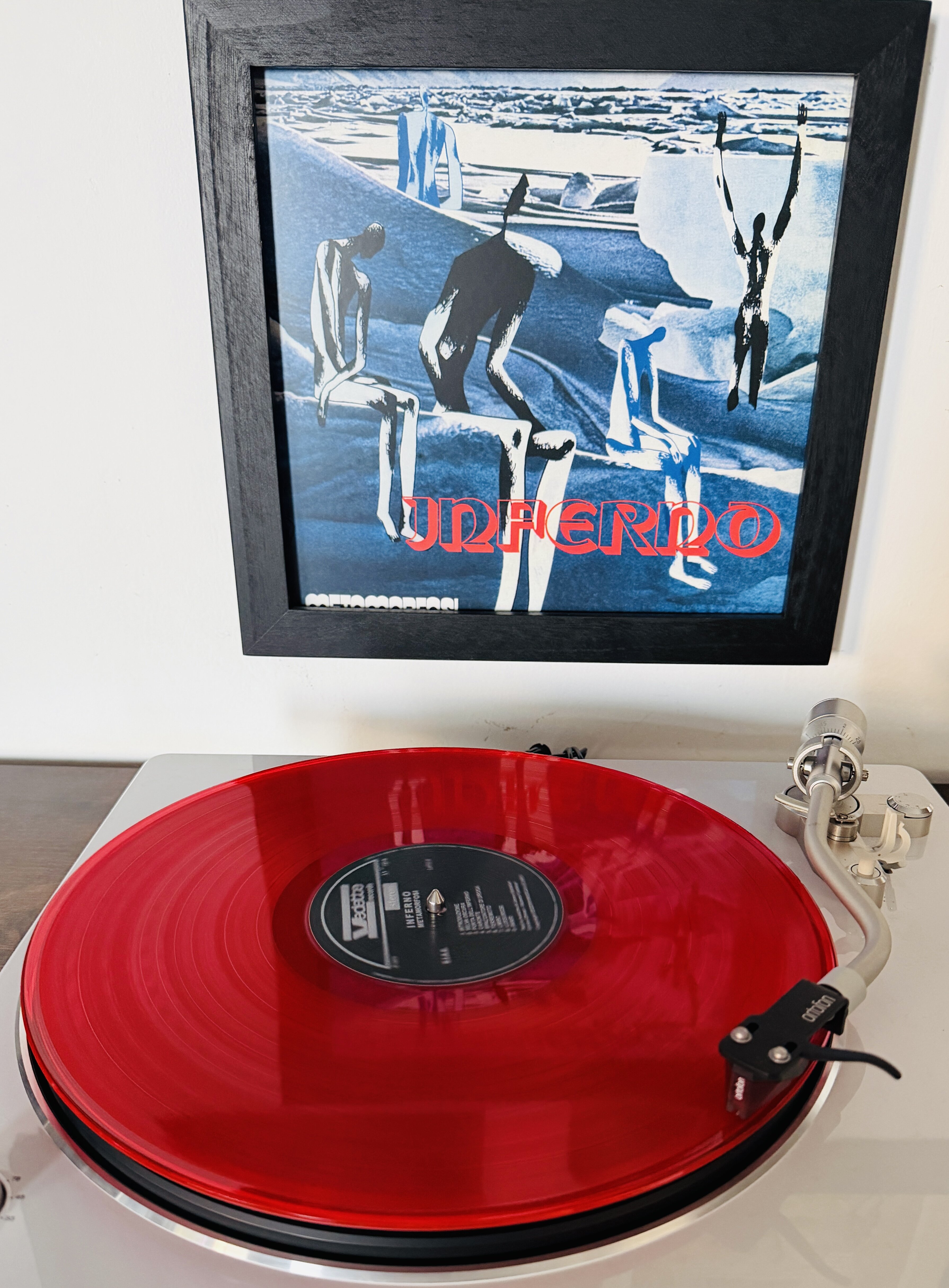
Label: Vinyl Magic – VMLP002, Vedette Records – VMLP002
Format: Vinyl, LP, Album, Limited Edition, Reissue, Stereo, 180 Gram, Clear Red
Country: Italy
Release: 2020
Tracklist
1. Introduzione (7:51)
2. Porta dell'Inferno (1:20)
3. Caronte (1:19)
4. Spacciatore di droga (6:22)
5. Lussuriosi (3:15)
6. Avari (1:32)
7. Violenti (3:45)
8. Malebolge (1:32)
9. Sfruttatori (5:42)
10. Razzisti (3:25)
11. Lucifero (Politicanti) (2:32)
12. Conclusione (1:37)
Duration 40:18
LineUp
- Jimmy Spitaleri - lead vocals, flute
- Roberto Turbitosi - guitars, bass, vocals
- Enrico Olivieri - keyboards, synthesizer, vocals
- Gianluca Herygers - drums, percussion
Listening link on the main streaming platforms at the following links:
Spotify: You can listen to the full album track by track on the Official Album Page on Spotify.
Note: All links to the musicians’ works are in the TAGS under the article title or on the "Artists"