Monster Movie by The CAN, a 1969 album.
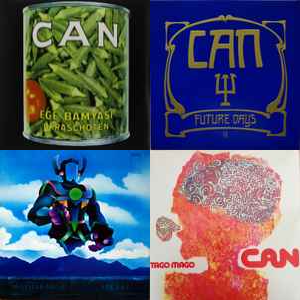
On Progressive Rock World I talked at length about CAN, pillars of Kosmische Musik / Krautrock, a fundamental reference point for German psychedelic and experimental music, through articles on their most famous albums:
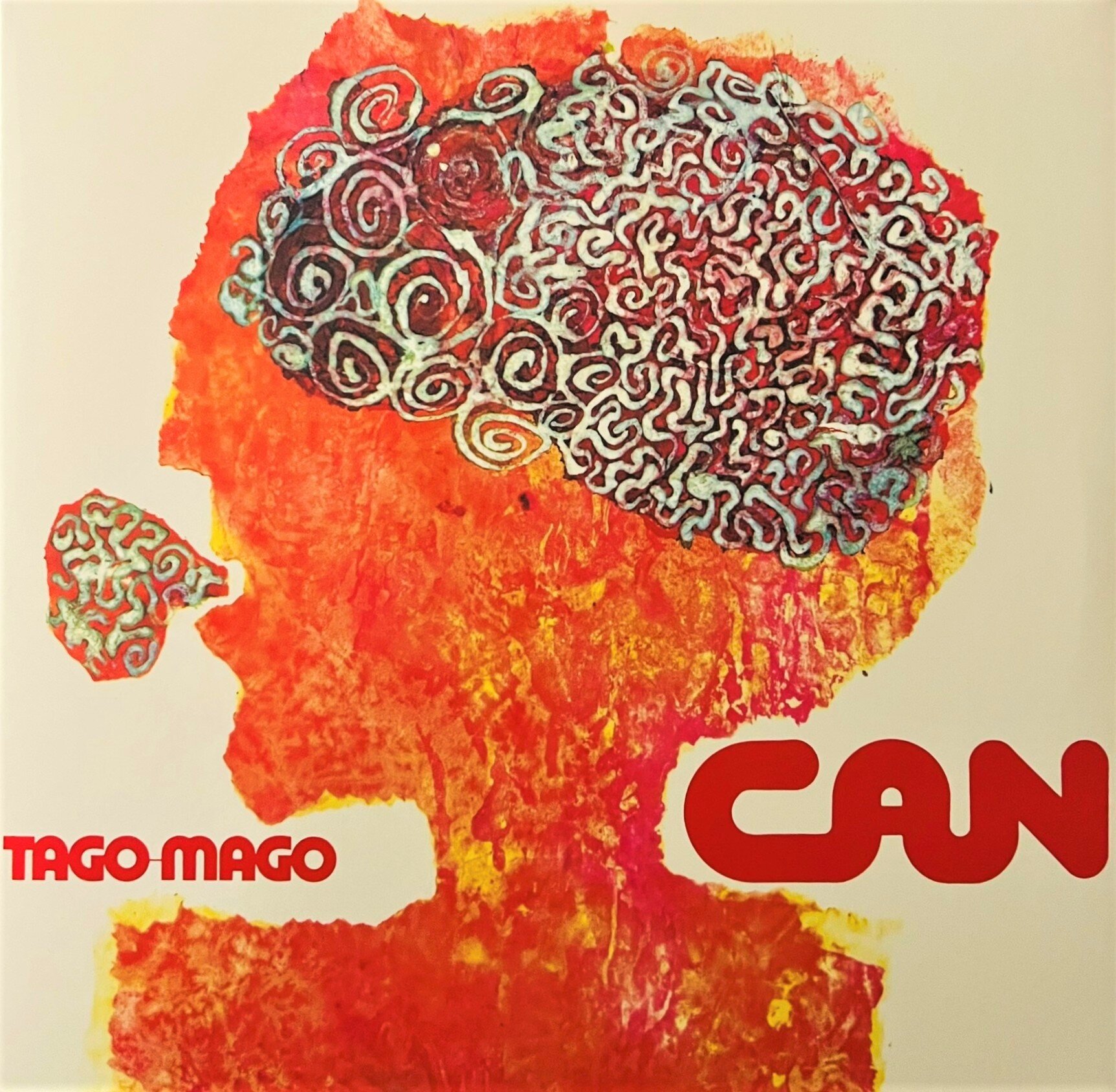
Tago Mago, their third album, a Krautrock work of the highest level and the first to officially include Damo Suzuki on vocals after the farewell of Malcolm Mooney. A masterpiece.
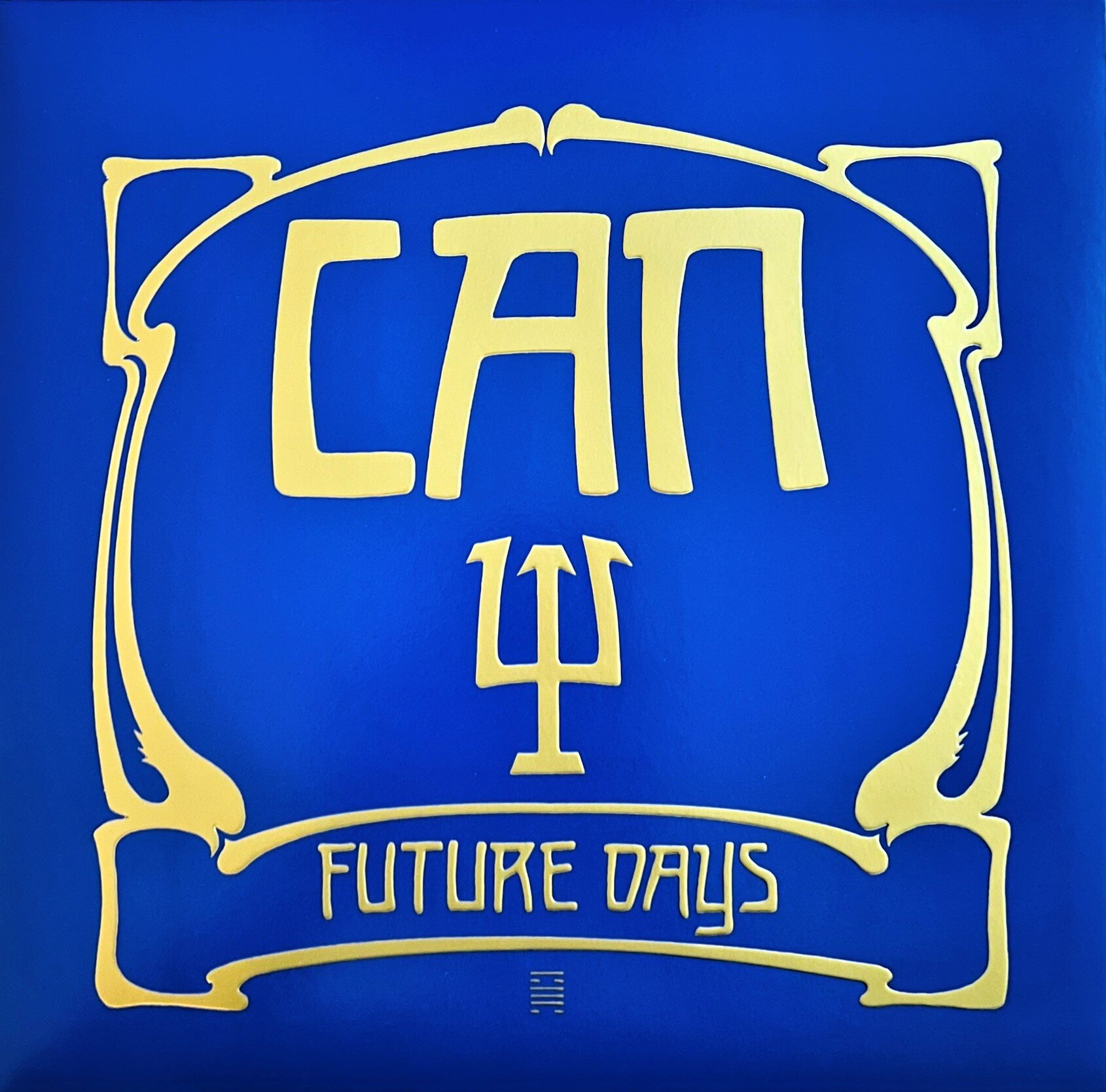
Future Days, another authentic masterpiece of the Krautrock genre and the creative pinnacle of the band, characterized by meditative, atmospheric and ambient sounds.
Ege Bamyasi, another masterpiece of their discography, krautrock and experimental music.
Monster Movie is a seminal Krautrock album, an incredible debut that changed avant-garde rock and psychedelia forever. But speaking of their first album, we also discover the history of this exceptional band.
CAN was formed in Cologne in 1968 and are the true pioneers of Krautrock, one of the most influential musicians in experimental rock. The interesting thing is that they were not kids passionate about blues, but a group of intellectuals, experts in avant-garde classical music and professional jazz musicians who decided to dismantle rock music. The name "CAN" stands for both "Communism, Anarchism, Nihilism" and the meaning in English ("power", "to be able to").
The classical formation was composed of:
Holger Czukay (Bass, Sound Engineering, Tape Editing)
Born in Gdansk in 1938 and passed away in 2017, he was the technical and theoretical mind of the group. He had studied electronic and avant-garde music with the famous composer Karlheinz Stockhausen. On bass, he preferred simplicity to exhibitionism, focusing on drones and hypnotic circular lines. His real specialty, however, was using the recording studio as a musical instrument, editing tapes.
Irmin Schmidt (keyboards, synthesizers)
Berlin, 1937. Irmin Schmidt is born, the only founding member of Can still alive. A true talent, classical pianist and symphonic conductor, a pupil of the great Stockhausen. But a trip to New York changed his life: he discovered Andy Warhol, the Velvet Underground and Jimi Hendrix and decided to make a change in his music. Goodbye cultured music, hello atonality and noise in rock! Schmidt destroys the classic idea of a melodic keyboard, creating a unique and innovative sound.
Then there is Jaki Liebezeit, on drums and percussion. Born in 1938 and sadly passed away in 2017, he is considered one of the most important and innovative drummers ever. Coming from the European free-jazz scene (he had played with the Globe Unity Orchestra), Liebezeit grew tired of anarchy and decided to go in the opposite direction: pure geometric repetition. His style, the "Motorik", combines the precision of a drum machine with the fluidity of funk, becoming the real engine of CAN.
Finally, Michael Karoli, on guitar. Born in 1948 and unfortunately died prematurely in 2001, he was the youngest of the group. A former law student and private guitar student of Czukay, Karoli had a solid background, but his approach was visceral, acidic and instinctive. He knew how to range from garage rock distortions to psychedelic and ethnic phrasing, integrating perfectly into the hypnotic flows of the rhythm section.
CAN has a history divided into two eras, each featuring a charismatic singer who left his mark.
The first era, from 1968 to 1970, was led by Malcolm Mooney, an African-American sculptor and painter who joined the band almost by accident. With his powerful and theatrical voice, Mooney sang repeating phrases like mantras until he was exhausted. He recorded the entire album "Monster Movie" before returning to the United States for health reasons.
The second era, from 1970 to 1973, saw the arrival of Damo Suzuki, a young Japanese hippie. Suzuki was discovered by Czukay and Liebezeit while performing as a street performer outside a café in Munich. He was hired the same night for a concert without even rehearsing! Suzuki, who passed away in 2024, brought an abstract, whispered and improvised vocal style, enriching the band's masterpieces such as "Tago Mago", "Ege Bamyasi" and "Future Days".
CAN's music is a hypnotic fusion of experimentation and rhythm. A key element is the "Motorik" rhythm, a constant and repetitive beat in 4/4, led by drummer Jaki Liebezeit, who is often aptly referred to as a "human metronome". Collective improvisation is another distinctive trait: the songs are born from long studio sessions, then expertly edited by bassist Holger Czukay as a sound collage. Hypnotism and minimalism dominate their pieces, with haunting bass lines, sharp guitar riffs, and atmospheric keyboards creating a trance effect. The singing, used as an instrument, does not follow classical pop structures, but is expressed through screams, whispers and abstract vocalizations. CAN are masters of the cultured avant-garde, managing to blend the energy of American psychedelic rock, jazz and contemporary classical music (Stockhausen).
Released in 1969, "Monster Movie" is an album that perfectly mixes the precision of European cultured music with the energy of American garage rock. It is the only CAN album recorded entirely with their first vocalist, Malcolm Mooney. His voice, hypnotic and a little unstable, gives the album a truly unique expressive urgency.
The rhythm section is the beating heart of this album. Holger Czukay's bass and Jaki Liebezeit's drums are not influenced by the tempo changes typical of blues rock of the time. Instead, they maintain a constant, circular, and relentless tempo. This style, despite having roots in funk, focuses on pure propulsive thrust, renouncing variations.
Unlike the later CAN albums, which were more electronic and rarefied, Monster Movie has a raw, acidic and angular sound. Michael Karoli's guitars are saturated and distorted, with a strong influence of American garage rock and the abrasive sound of the Velvet Underground.
The songs do not follow the classic structure of the pop song. Musically, the album develops through long collective improvisations, the so-called jam sessions. The band establishes a chord or a fixed bass line and builds a wall of sound on top of it that grows in intensity by accumulation, without ever changing tonality.
Irmin Schmidt's use of keyboards and organs introduces elements of contemporary music and musique concrète into the style of the record. Instead of performing melodic solos, Schmidt creates dissonant sonic carpets, continuous drones, and noise effects that add to the album's sense of alienation and psychedelia.
The recording techniques are innovative and legendary for their ingenuity, and represent the perfect example of how technical limits can be transformed into pure avant-garde. The album was recorded in Schloss Nörvenich Castle, near Cologne, which was converted by the band into an artisan studio called Inner Space Studio.
Unlike the professional studios of the time, which used 4- or 8-track recorders, CANs only had a consumer-grade two-track stereo tape recorder available.
This meant that the band had to pay close attention to the volumes and balance of individual instruments while playing. If the guitar ended up overpowering the drums, there was no way to fix it later: you had to do it all over again! With a few microphones available, these captured not only the sound of each individual instrument, but also the natural reverberation of the rooms of the castle, giving the album that unique, dense and "boxed" sound that characterizes it.
But the real magic happened after the recording, thanks to the sensitivity of Holger Czukay, a pupil of the famous composer Stockhausen. Since they could not overlap tracks, the CANs turned the recorder into a composition tool, physically cutting and gluing the magnetic tape with razor blade and tape. A real craftsmanship! Jaki Liebezeit's drum sound is incredibly dry and crisp for 1969. CAN placed very few microphones on the drums, but very close to the heads. And the cleanliness of the sound did not come from electronic compressors (which they did not have), but from Liebezeit's dynamic control: the drummer always hit each element with the exact same force, acting as a human volume limiter. A true master of rhythm. To achieve the distortion of Michael Karoli's guitar and Irmin Schmidt's keyboards, the band did not rely on sophisticated effect pedals, but saturated the channels of the small mixer or recorder. By pushing the volumes beyond the limit allowed by the equipment (clipping technique), they achieved that acidic, scratchy, lo-fi precursor sound, which made their music so unique and recognizable.
CAN chose the title "Monster Movie" for a couple of nice reasons related to their way of making music and the context in which they recorded. Imagine: they would record hours and hours of improvisation, and then bassist Holger Czukay would spend entire days cutting and pasting magnetic tapes to create the final songs. This editing process reminded him so much of the work of editing a film, so the name almost came by itself! Also, the band thought their music was super visual and cinematic. Since the sounds were often a bit dark, repetitive, hypnotic and sometimes even a little creepy, they decided to ironically call it the soundtrack of a "horror movie" or a "monster movie", hence the title Monster Movie.
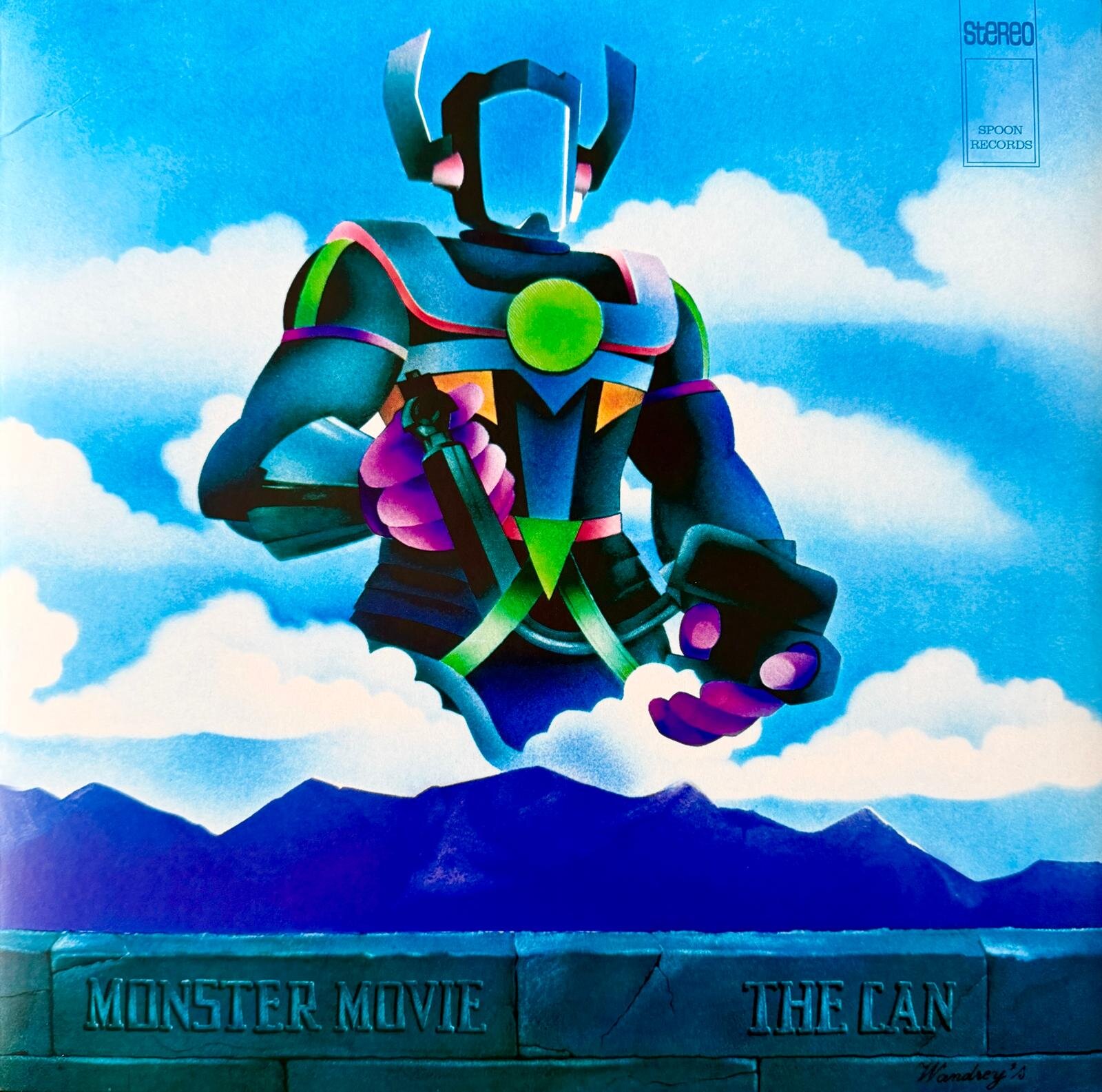
And then, there is the cover, with the giant Galactus-style robot, inserted in the second printing, recalling the posters of old science fiction films and kaijū (the films of giant Japanese monsters like Godzilla).
This was the only album released with the article "The" in front of the name, suggested by early singer Malcolm Mooney. Later, the band decided to simplify and simply call themselves Can.
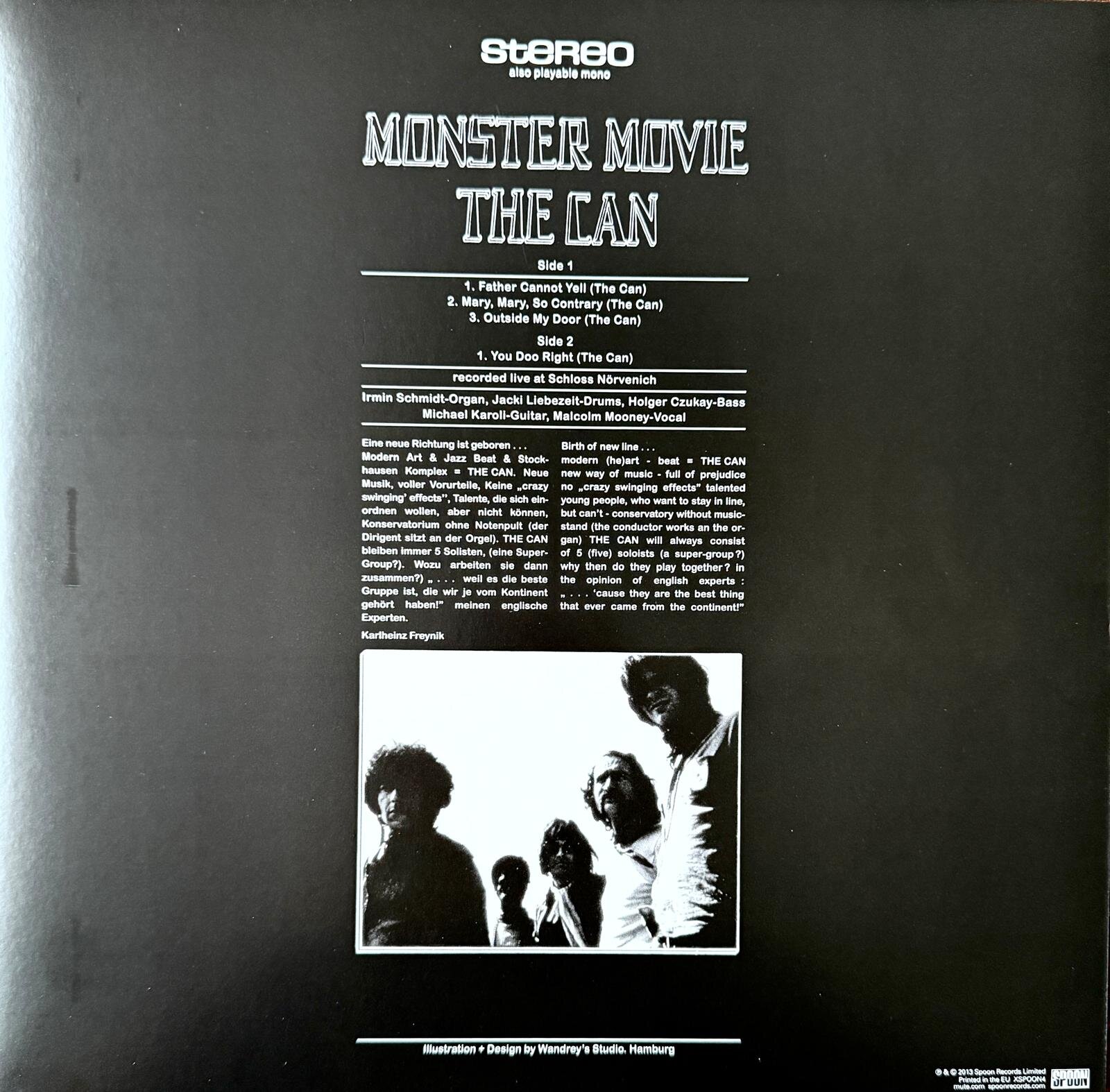
There is also a very first pressing of the album, released in only 500 copies by the private label Music Factory. That version did not have the cover illustrated with the robot, but a simpler and more psychedelic circular graphic with the words "Made in a castle with better equipment". The photo of this original cover now appears on the inside cover of this version. The famous cover with the giant robot came soon after with the United Artists / Liberty Records reissue.
I have the XSPOON4 version, a remastered vinyl reissue that retains the original tracklist with its four tracks. The audio restoration has been done with care, so the rhythm section is sharper and the saturation of the tapes is enhanced.
"Father Cannot Yell" is a song that blends elements of Proto-Punk, psychedelic Noise-Rock and obsessive Minimalism. It is an intense and engaging musical experience that reinterprets the psychedelia of the late 60s, anticipating the ideas of the New Wave by ten years. Jaki Liebezeit leads the song with a pressing and geometric tempo, maintaining a constant rhythm without pauses. He renounces the typical rock embellishments, becoming a tireless engine that pushes music forward. Holger Czukay contributes a pulsating, repetitive bassline that integrates seamlessly with the beat of the drums, creating a solid, enveloping foundation. Michael Karoli, instead of playing a traditional solo, uses the guitar to produce sharp feedback and acid distortions, adding unique textures to the music. Irmin Schmidt enriches the song with drones and eerie textures on the organ, saturating the midrange frequencies to increase the tension. Finally, Malcolm Mooney declaims the text with a theatrical urgency and passion, transforming the voice into an avant-garde expression.
"Mary, Mary So Contrary" is a psychedelic Dream-Pop and melancholic Space-Rock song, the most melodic and linear of the album. Inspired by an English nursery rhyme, it slows down the pace to create a dreamlike, floating atmosphere. Michael Karoli is the real protagonist, with his guitar abandoning the acidity of garage rock to weave an infinite and melancholic melodic embroidery, anticipating modern shoegaze. Jaki Liebezeit and Holger Czukay slow down the tempo: Liebezeit plays with an almost "martial" but fluid rhythm, while Czukay sustains the melody with long, deep notes. Malcolm Mooney delivers a sweet and hypnotic performance, repeating "Mary" like a lullaby or a nostalgic mantra. Finally, Irmin Schmidt accompanies the piece with dilated organ chords that act as an emotional glue.
"Outside My Door" is an acid-garage rock track with distorted proto-funk influences. This piece is the perfect link between the most unbridled American rock, such as the Velvet Underground and MC5, and European rhythmic experimentation. It is an energetic song full of edges. Malcolm Mooney drags the song with a wild and visceral performance. In addition to singing exuberantly, he plays the harmonica loudly and cacophonously. Irmin Schmidt leaves aside the sound carpets to play keyboards with percussive and dissonant riffs that interact directly with Mooney's voice. Jaki Liebezeit introduces a broken and syncopated groove with strong funk influences, demonstrating his incredible technical ability to manipulate the rhythm. Michael Karoli and Holger Czukay create a rough and saturated sound barrier, making the most of the overload distortion of the Inner Space Studio mixer.
"Yoo Doo Right" is a song that mixes Trance-Rock, ancestral Krautrock, Ambient and Tribal music. It's the highlight of the album, occupying the entire B-side of the vinyl, an epic jam session that evolves into a mystical experience, driven by an emotional and dynamic crescendo. Jaki Liebezeit does an incredible job, playing a tribal, hypnotic and circular rhythm for a full 20 minutes without missing a beat. He subtly alters the intensity of his strokes to accompany the emotional peaks of the piece. Holger Czukay not only plays a powerful bassline, but is also the wizard of Tape Editing. He spent hours cutting and stitching the original tape, giving this impromptu jam a clear structure and perfect dramatic tension. Malcolm Mooney reaches a state of shamanic ecstasy, reading fragments of a love letter from his girlfriend and repeating them until exhaustion. He whispers, screams and improvises syllables, losing the sense of the words and creating a unique atmosphere. Michael Karoli and Irmin Schmidt work with subtraction and accumulation. They start by leaving large gaps, and then blast guitar and keyboards into lysergic drones and walls of white noise as the rhythm of Liebezeit gets tighter. Then, they turn off and start over, creating a truly immersive musical experience.
"Monster Movie" is a hypnotic and primitive rock album, driven by a mathematical mind. It embodies the energy of late 60s rock, channeling it into repetitive and obsessive structures. This album anticipated new wave, post-punk and ambient music, boasting one of the best rhythm sections in rock history. Although it is less difficult than later works, it still requires an open ear to its hypnotic repetitions.
A fundamental record.
My Version
Label: Spoon Records – XSPOON4, Spoon Records – XSPOON4_UK
Format: Vinyl, LP, Album, Reissue, Remastered
Country: Europe
Release date: Jun 13, 2014
Tracklist
A1 Father Cannot Yell
A2 Mary, Mary, So Contrary
A3 Outside My Door
B Yoo Doo Right
LineUp
Bass – Holger Czukay
Drums, Engineer, Edited By – Jaki Liebezeit
Guitar – Michael Karoli
Keyboards – Irmin Schmidt
Vocals – Malcolm Mooney
Listening link on the main streaming platforms at the following links:
Spotify: you can listen to the complete tracklist (consisting of Father Cannot Yell, Mary, Mary So Contrary, Outside My Door and the famous Yoo Doo Right suite) directly on Spotify - Monster Movie.
Bandcamp: if you prefer streaming in high quality and direct support for digital or vinyl purchase, the album is featured on the band's official page on Bandcamp - Monster Movie
.jpeg "whatsapp-image-2026-05-29-at-17.24.31-(4).jpeg")
.jpeg "whatsapp-image-2026-05-29-at-17.24.31-(1).jpeg")
.jpeg "whatsapp-image-2026-05-29-at-17.24.31-(2).jpeg")
.jpeg "whatsapp-image-2026-05-29-at-17.24.31-(3).jpeg")
.jpeg "whatsapp-image-2026-05-29-at-17.24.31-(5).jpeg")
Note: All links to the musicians’ works are in the TAGS under the article title or on the "Artists"