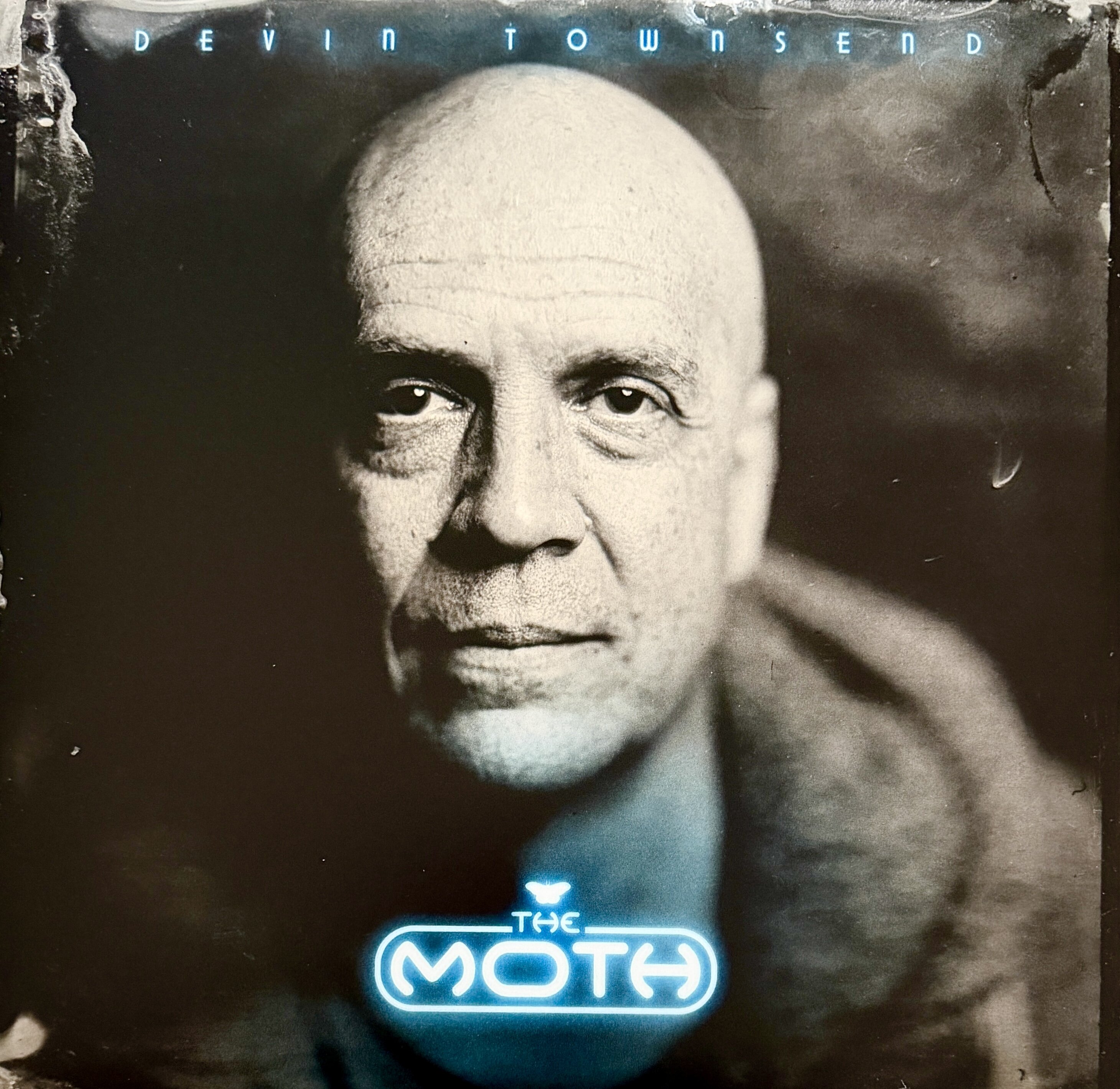
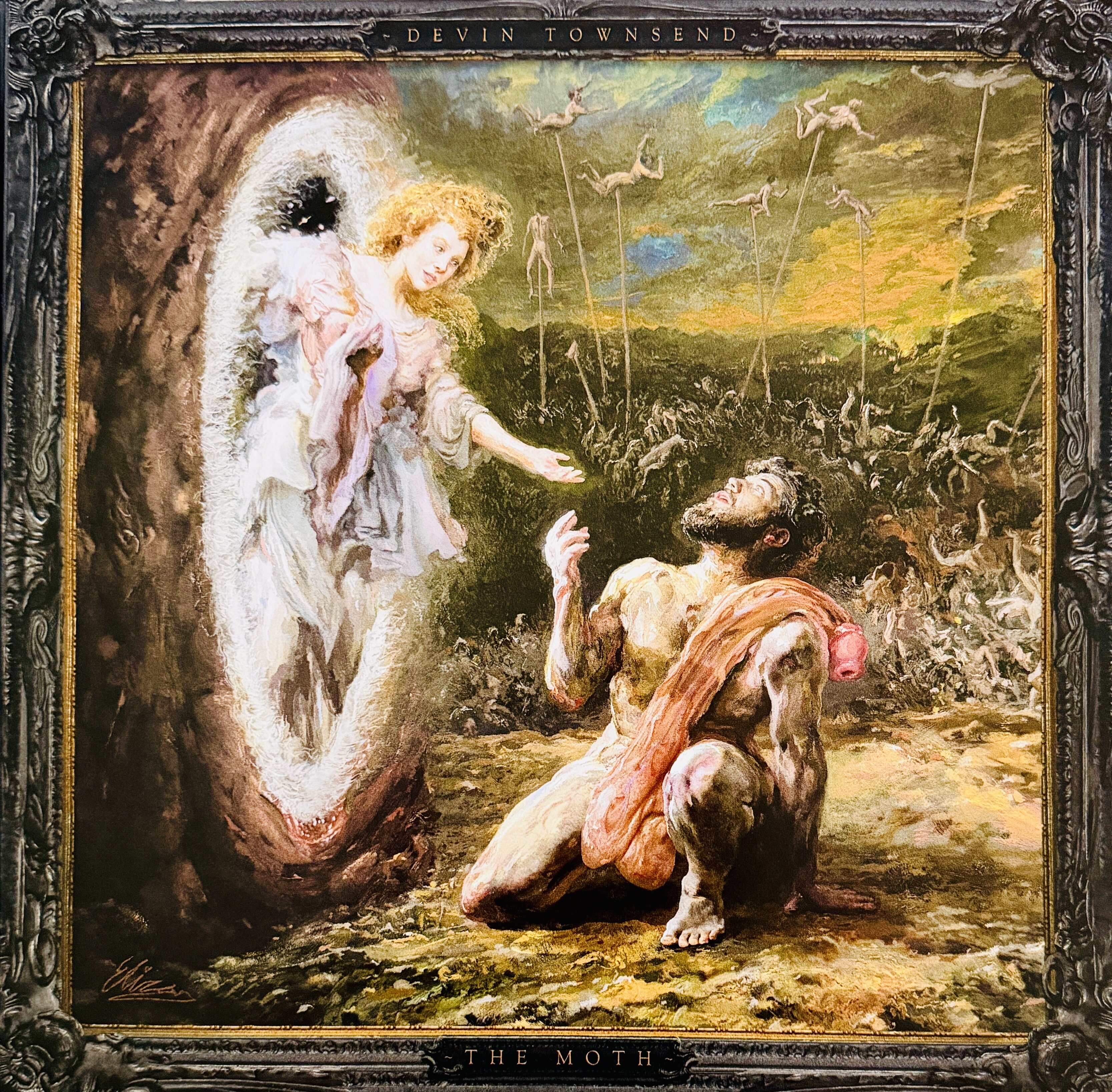
The Moth di Devin Townsend, Album del 2026.
“The Moth” è il diciannovesimo album del geniale musicista canadese Devin Townsend, uscito il 29 maggio 2026 per la Inside Out Music. Devin lo considera il suo capolavoro, ed effettivamente si tratta di un progetto orchestrale monumentale, una vera e propria opera rock di 24 canzoni della durata complessiva di circa 70 minuti.
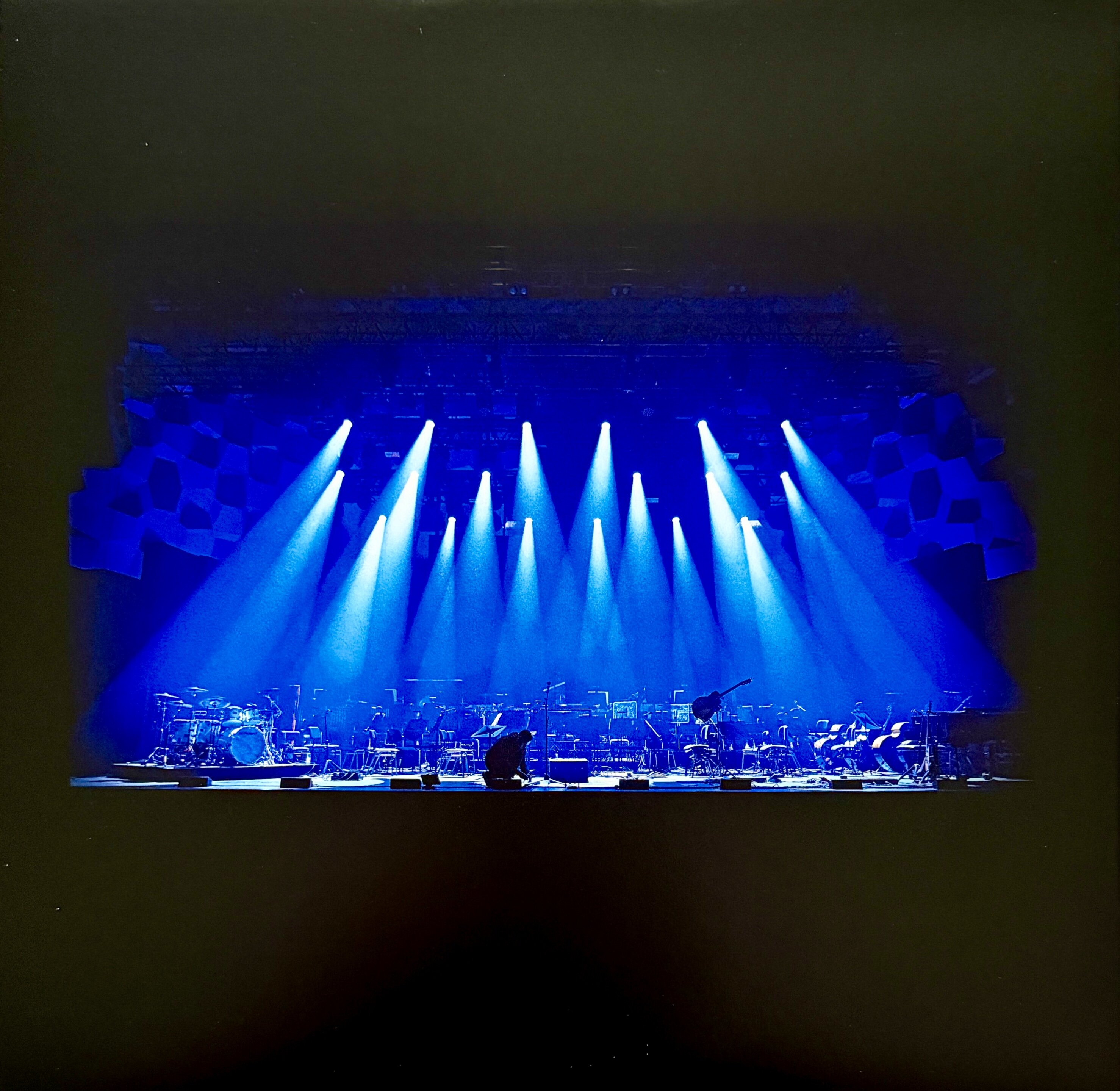
Devin ci ha pensato per più di dieci anni, e la svolta è arrivata circa sei anni fa ad Amsterdam. Il direttore della Noord Nederlands Orkest gli ha proposto di lavorare insieme, e Devin ha colto l’occasione per realizzare il suo sogno più grande (e costoso). Niente sintetizzatori, “solo” la sua band storia, un’orchestra di 75 musicisti e un coro di 60 persone.
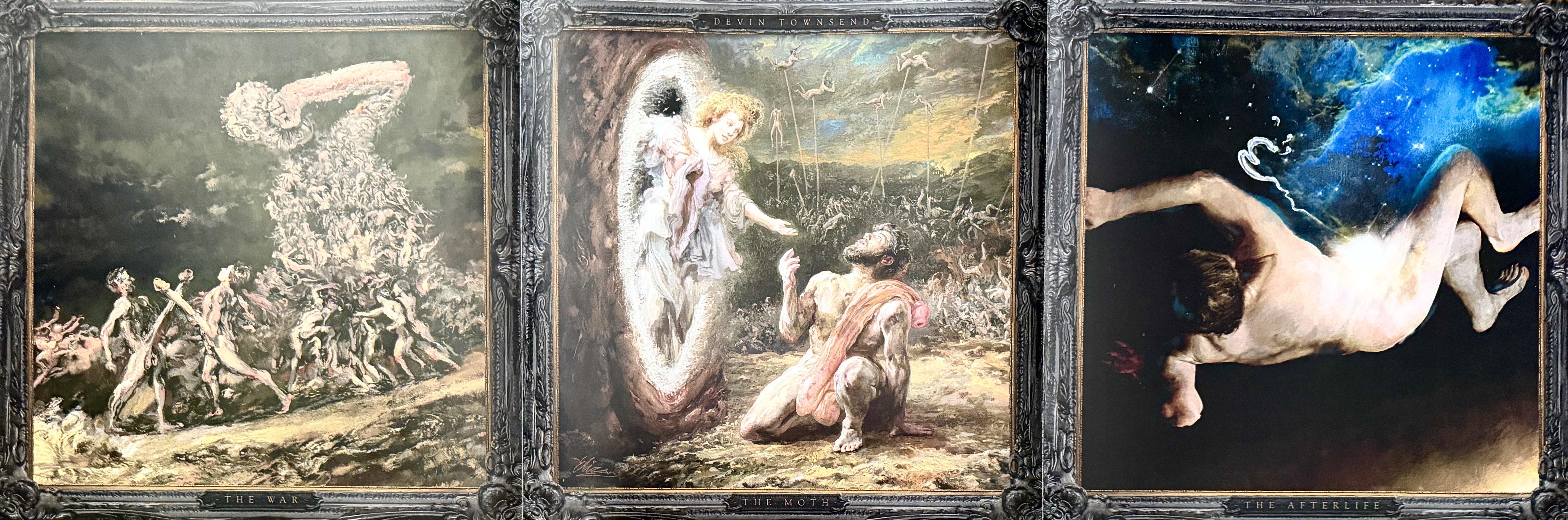
“The Moth” (La Falena) è un concept album che esplora la vita umana attraverso il ciclo di vita di questo insetto. L’album racconta il viaggio umano dalla nascita alla morte, usando la falena come metafora.
Il Bruco è lo stadio iniziale, dove ci concentriamo sulla sopravvivenza e sul materialismo. Poi c’è il Bozzolo, un periodo di crisi e isolamento che, anche se difficile, è fondamentale per crescere. Infine, la Falena, che rappresenta la rinascita spirituale, la vulnerabilità e la ricerca della (nostra) verità.
Il cuore dell’album è l’istinto autodistruttivo della falena, quando attratta dalla fiamma. Townsend usa questa immagine per paragonare il nostro desiderio irrefrenabile di ricerca della “luce”, di ciò che dà un senso alla vita, ma che è anche ciò che può distruggerci.
L’album parla di “lasciar andare” le vecchie versioni di noi stessi e le nostre paure per accettare la nostra fragilità, fragili come le ali delicate di una falena, come unico modo per trovare la vera libertà e la pace interiore.
L’album è il frutto di una collaborazione tra il gruppo storico della sua band e un’enorme orchestra, un coro e ospiti speciali. Un progetto mastodontico, con centinaia di musicisti ingaggiati in tutto il mondo.
Devin Townsend si occupa di voce, chitarre, sintetizzatori, tastiere, programmazione e arrangiamenti orchestrali. Come sempre, è il capitano del suono e della produzione.
Il cuore rock dell’album è formato dai suoi compagni di sempre:
Mike Keneally alle chitarre e tastiere extra. Polistrumentista di lungo corso (e ex di Frank Zappa).
James Leach al basso, garantisce una sezione ritmica solida e precisa.
Darby Todd alla batteria. L’unico batterista del disco, che tiene botta ai cambi di tempo dell’orchestra.
La vera caratteristica di The Moth è il passaggio alla musica classica:
La Noord Nederlands Orkest è una Orchestra Sinfonica dei Paesi Bassi Settentrionali (circa 75 elementi).
Noord Nederlands Koor è il coro ufficiale dell’orchestra (60 elementi).
Jukka Iisakkila + il Direttore d’orchestra, che coordina sia la band metal che e l’orchestra.
Voci Ospiti e collabrazioi completano una formazione già stellare, con Anneke van Giersbergen e Lynn Wu sono alla voce e i cori.
Steve Vai è ovviamente alla Chitarra con il suo tocco virtuoso, ma anche tra gli autori e co-compositori di alcuni pezzi.
Aman Khosla è alla Chitarra acustica e arricchisce i momenti più intimi e folk.
Si tratta di una sinfonia classica con elementi metal in cui Townsend ha saputo bilanciare l’orchestra e gli strumenti elettrici, creando un’atmosfera che passa da momenti di pura aggressività chitarristica a passaggi più classici e teatrali.
Incredibile scoprire che Townsend non ha mai studiato orchestrazione in modo formale e che il suo percorso di avvicinamento a questa opera non è stato affatto semplice. Ha imparato infatti a gestire un’orchestra attraverso un lungo e spesso frustrante processo di tentativi ed errori, come spesso necessario per raggiungere grandi risultati.
Come non citare su questo tema l'immenso Michael Jordan:
«Nella mia vita ho sbagliato più di novemila tiri, ho perso quasi trecento partite. E ventisei volte mi hanno dato la fiducia per fare il tiro vincente e l'ho sbagliato. Ho fallito più e più e più volte nella mia vita. Ed è per questo che alla fine ho vinto tutto»
Durante la promozione di The Moth, Townsend ha ammesso di aver affrontato la musica classica con l’ingenuità di un bambino. Nonostante la sua lunga carriera e la pubblicazione di numerosi splendidi album, non conosceva la teoria musicale formale né il linguaggio tecnico dei conservatori. Con un pizzico di ironia, ha ricordato i suoi primi approcci con le orchestre sinfoniche:
“Anni fa, quando ho iniziato a lavorare con l’orchestrazione, ero talmente frustrato che uscivo dallo studio per urlare contro un cespuglio. Avevo in mente un sacco di idee, spiegavo ai musicisti: ‘Qui l’orchestra deve fare così, con arpeggi armonici a cascata!’, e loro mi rispondevano: ‘No, no, no… ma dove vanno scritte le viole?’. E io: ‘Ma che caxxo, amico!’”
Per realizzare un’opera monumentale come The Moth, Devin ha spiegato che gli ultimi dieci anni della sua carriera sono stati un vero e proprio apprendistato. Ha dovuto imparare a comunicare con i musicisti classici per tradurre le sue idee in spartiti comprensibili per le orchestre di Praga, Trondheim o per i 75 elementi della Noord Nederlands Orkest.
Non sapendo scrivere una partitura per archi o fiati a mano, Devin ha composto l’intera orchestra al computer nella sua stanza, usando tastiere e librerie di campionamenti orchestrali professionali per creare una versione virtuale di ciò che aveva in mente, per poi convertire tutto in dati MIDI. Si è affidato poi a copisti e arrangiatori professionisti che hanno trascritto formalmente i suoi file in spartiti leggibili per i musicisti dell’orchestra. Un lavoro monumentale anche questo a pensarci bene e dai risultati inaspettatamente validi.
Musicalmente i brani si alternano tra momenti più metal e altri più sinfonici. In alcuni pezzi, la band elettrica prende il sopravvento, creando un’atmosfera potente.
Ci sono i pezzi più energici e vicini al metal classico, con riff di chitarra serrati, doppia cassa martellante e gli screaming di Devin, che si fondono con ottoni e archi, creando un sound ricco e coinvolgente.
Altri brani sono più sinfonici, con le chitarre elettriche che si fanno più discrete o che fanno da semplice accompagnamento, lasciando che siano gli archi, i fiati e i cori a raccontare la storia, creando un’atmosfera magica e suggestiva.
Alcuni pezzi sono totalmente privi di aggressività e sono piuttosto simili a ballate orchestrali, in cui l’orchestra crea un’atmosfera sognante che mette in risalto la voce pulita e potente di Devin.
Ci sono anche brani monumentali in perfetto stile sinfonico-progressivo, caratterizzati dalla ricchezza degli arrangiamenti dei fiati, dei violini e dai magnifici intrecci corali tra Devin, Anneke van Giersbergen e Lynn Wu, che creano un sound maestoso e coinvolgente.
Anche lo stile del cantato segue questa dinamica. Devin Townsend usa la voce come se fosse un vero e proprio strumento aggiunto all’orchestra, alternando stili completamente opposti per interpretare i diversi personaggi o stati emotivi della storia.
Nelle tracce più sinfoniche, il cantato è teatrale e recitato, con una voce pulita, molto espressiva, drammatica e impostata, che a tratti diventa un vero e proprio recitato, aggiungendo un tocco di teatralità e intensità alla musica.
Devin Townsend ci regala un’esperienza musicale incredibile, mescolando diversi stili con maestria. Nelle tracce più intense, la tensione si accumula e poi esplode in urla potenti e ricche di distorsione. Non si tratta della brutalità tipica del death metal classico, ma piuttosto di espressioni di agonia e rabbia, che dimostrano un controllo tecnico impressionante di Townsend, soprattutto considerando la sua età.
Nei momenti di calma invece Devin incanta con il suo cantato melodico, usando il falsetto per raggiungere note altissime e pulite. Questi momenti di pace offrono un bel contrasto con l’intensità delle urla.
Un altro elemento fondamentale dell’album sono i momenti corali e i duetti femminili. La voce di Devin si fonde perfettamente con le eccezionali voci femminili e con il coro di 60 elementi, creando un’atmosfera molto suggestiva.
Anche il growl trova spazio nell’album, ma Townsend lo usa con parsimonia e intelligenza, come un tocco drammatico nei momenti di massimo caos e oscurità, piuttosto che per interi brani.
The Moth non è il solito disco di progressive metal, ma si addentra con discreta disinvoltura nei mondi del teatro musicale e di Broadway in un’esplosione di emozioni e contrasti.
Le canzoni sono arrangiate in modo incredibilmente ricco e coinvolgente, spesso creando un’atmosfera cinematografica e sontuosa. La voce di Devin Townsend raggiunge picchi altissimi, passando da momenti melodici a scream potenti ma sempre in cotrollo.
L’album è un’opera rock, metal teatrale e cinematografica, un genere che piace anche a me chiamare Symphonic Progressive Metal.
Non si tratta di un album che trova un senso nei singoli brani ma nel suo insieme, i cori lo renderanno sicuramente meno attraente ai puristi del metal e molto di più agli amanti del Rock Sinfonico, ma la matrice Metal è più che mai presente.
Un album a volte caotico e sempre complesso, che richiede ascolti ripetuti per essere digerito, un capolavoro imperfetto e nello stesso tempo il picco creativo di Townsend, un'opera monumentale e coraggiosa scritta e realizzata con caparbietà e impegno assoluti.
E sì, lo avete già letto sicuramente da qualche parte, c’è anche un peto (“firmato” da Townsend), cosa quantomeno inusuale in un'opera orchestrale monumentale, serissima e considerata il capolavoro della sua vita, ma Townsend non ha resistito alla tentazione di inserire un tocco di umorismo: il rumore di flatulenza si trova esattamente all'inizio del brano "Orion" e ci dice che lo stesso Devin ha voluto mitigare la evidentemente sensazione di un album che può risultare pomposo non prendendosi troppo sul serio.
Un grande artista e decisamente un grande album, un must nella sua discografia e un’aggiunta eccellente in collezione.
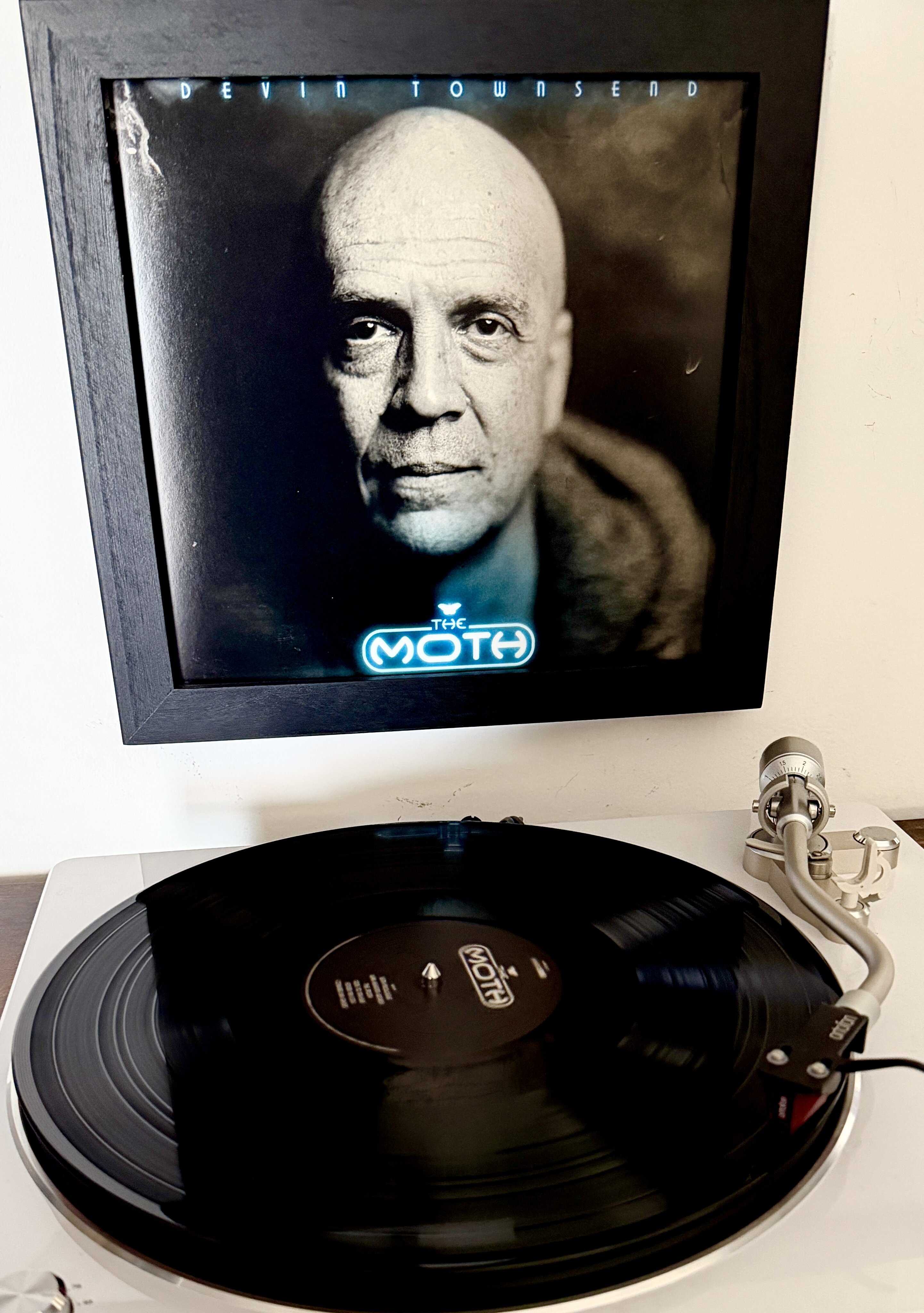
La Mia Versione
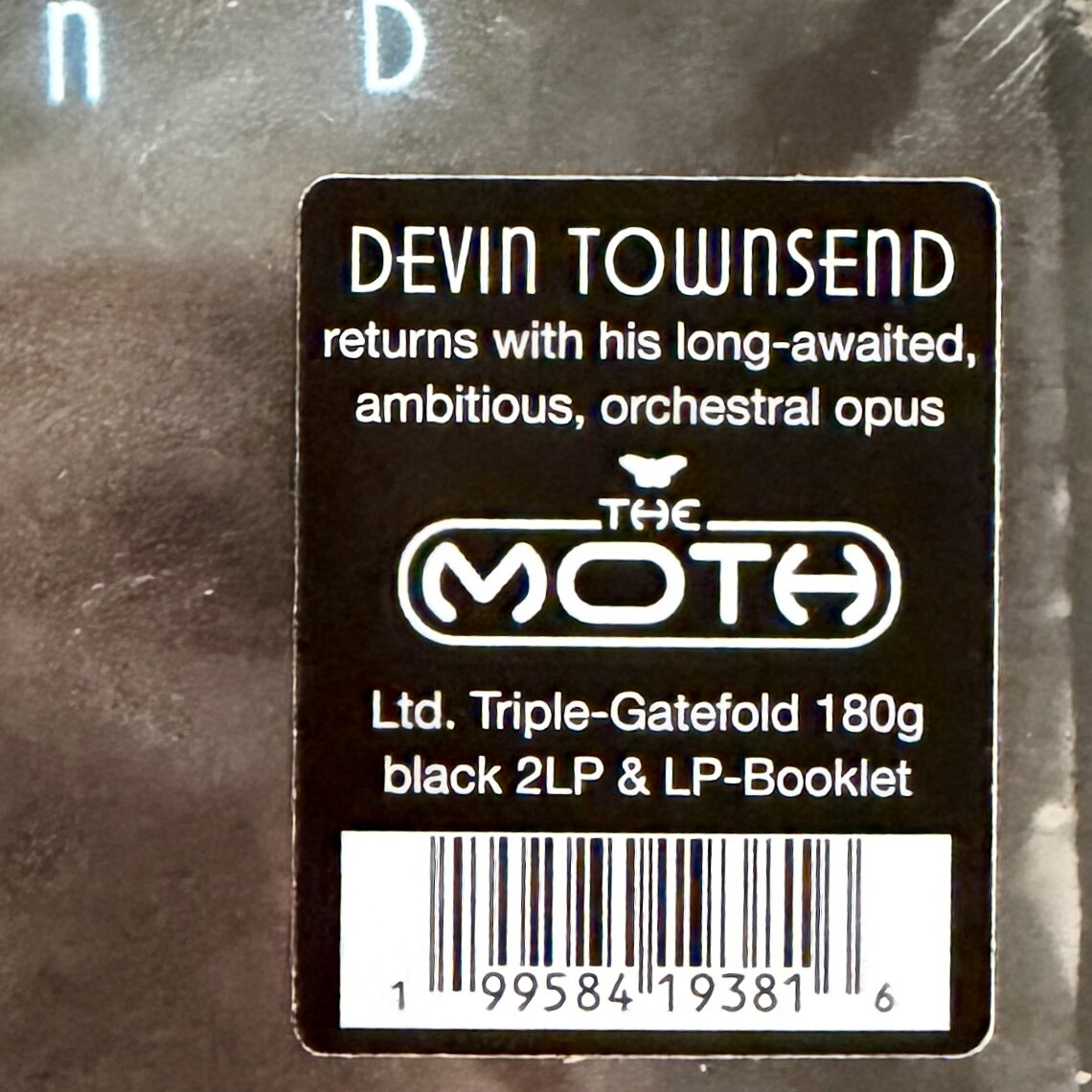
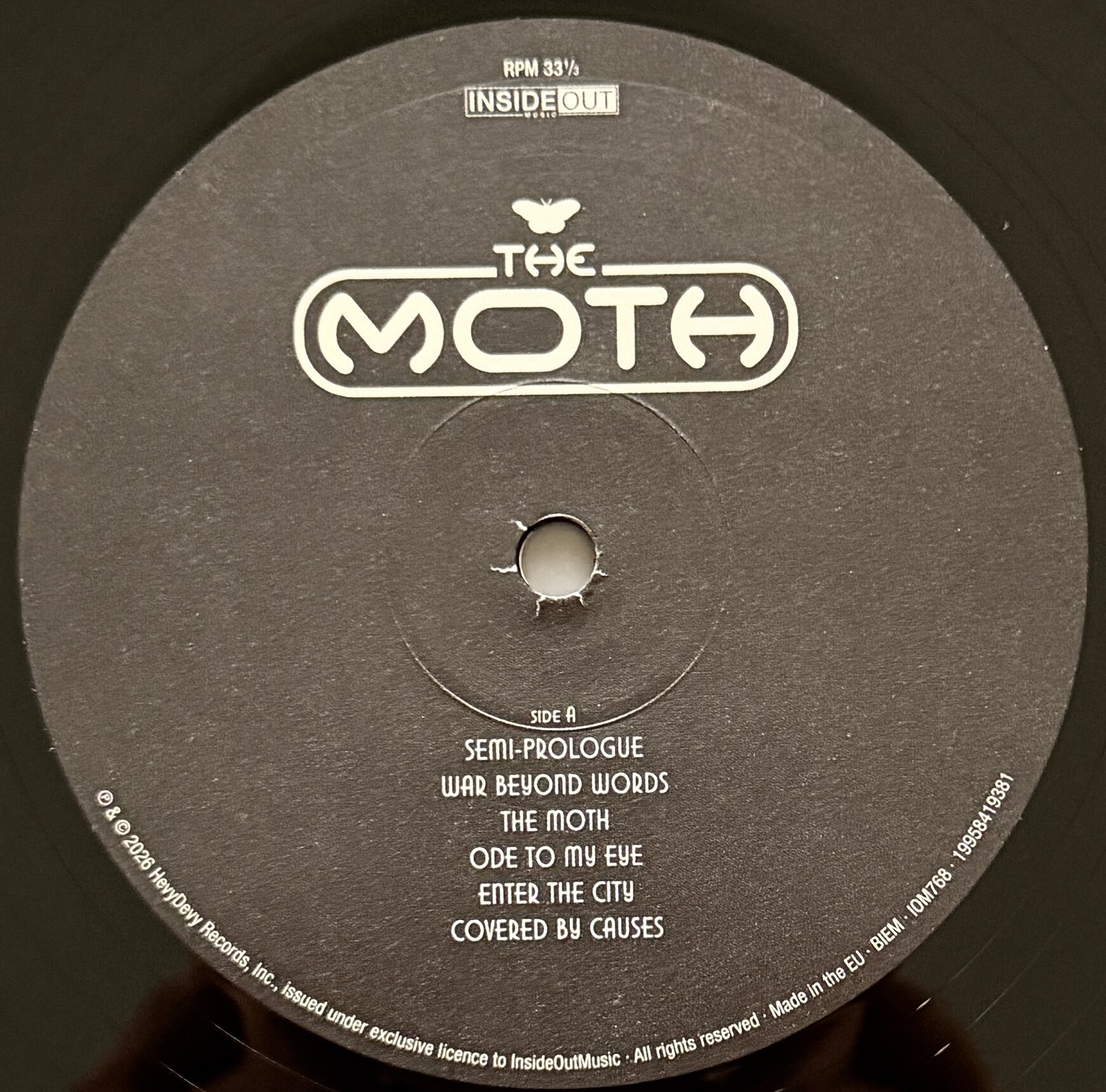
Etichetta: Inside Out Music – IOM768, Sony Music – 19958419381
Formato: 2 x Vinile, LP, Album, Limited Edition, 180g
Paese: Europe
Uscita: 29 mag 2026
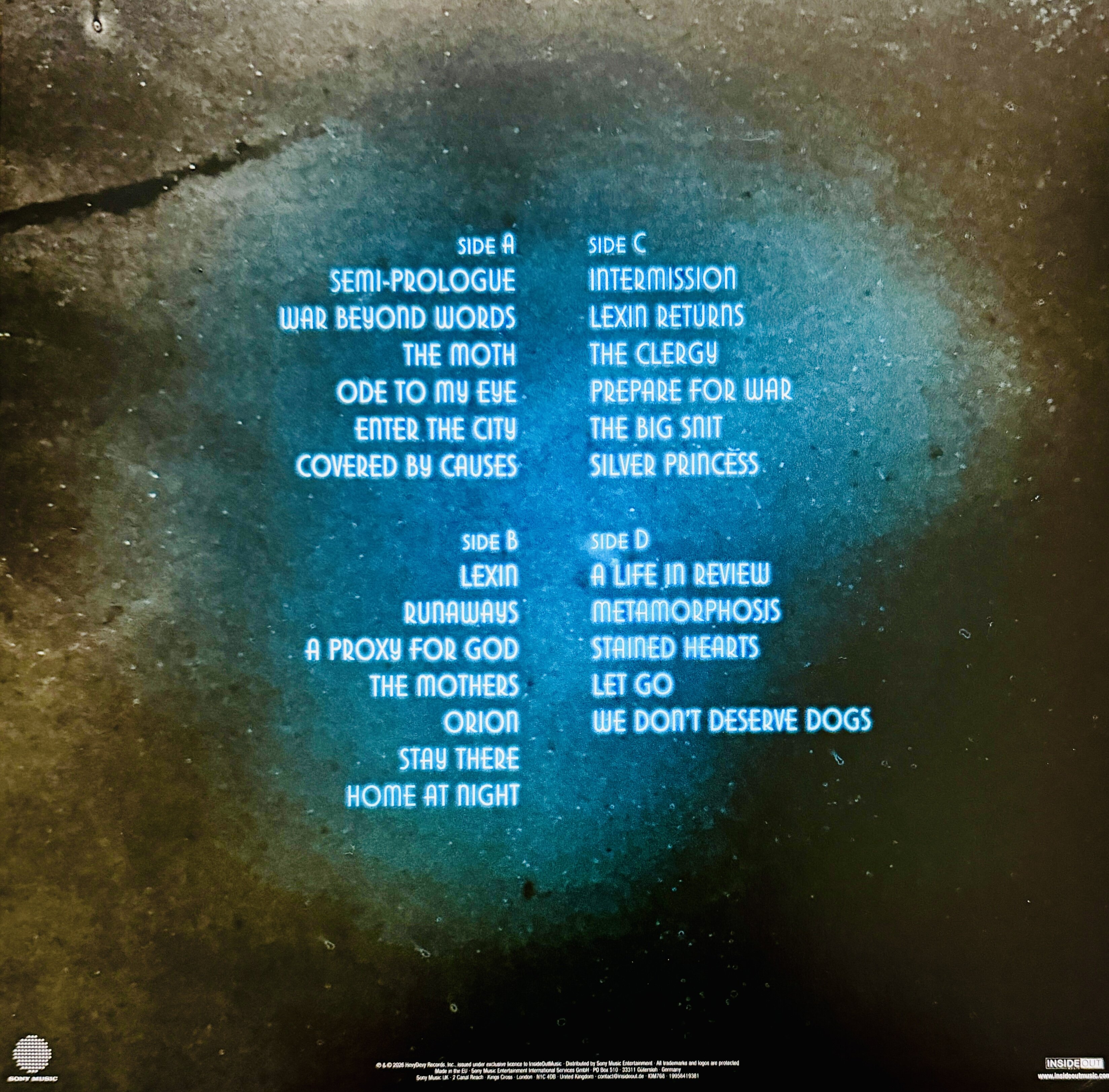
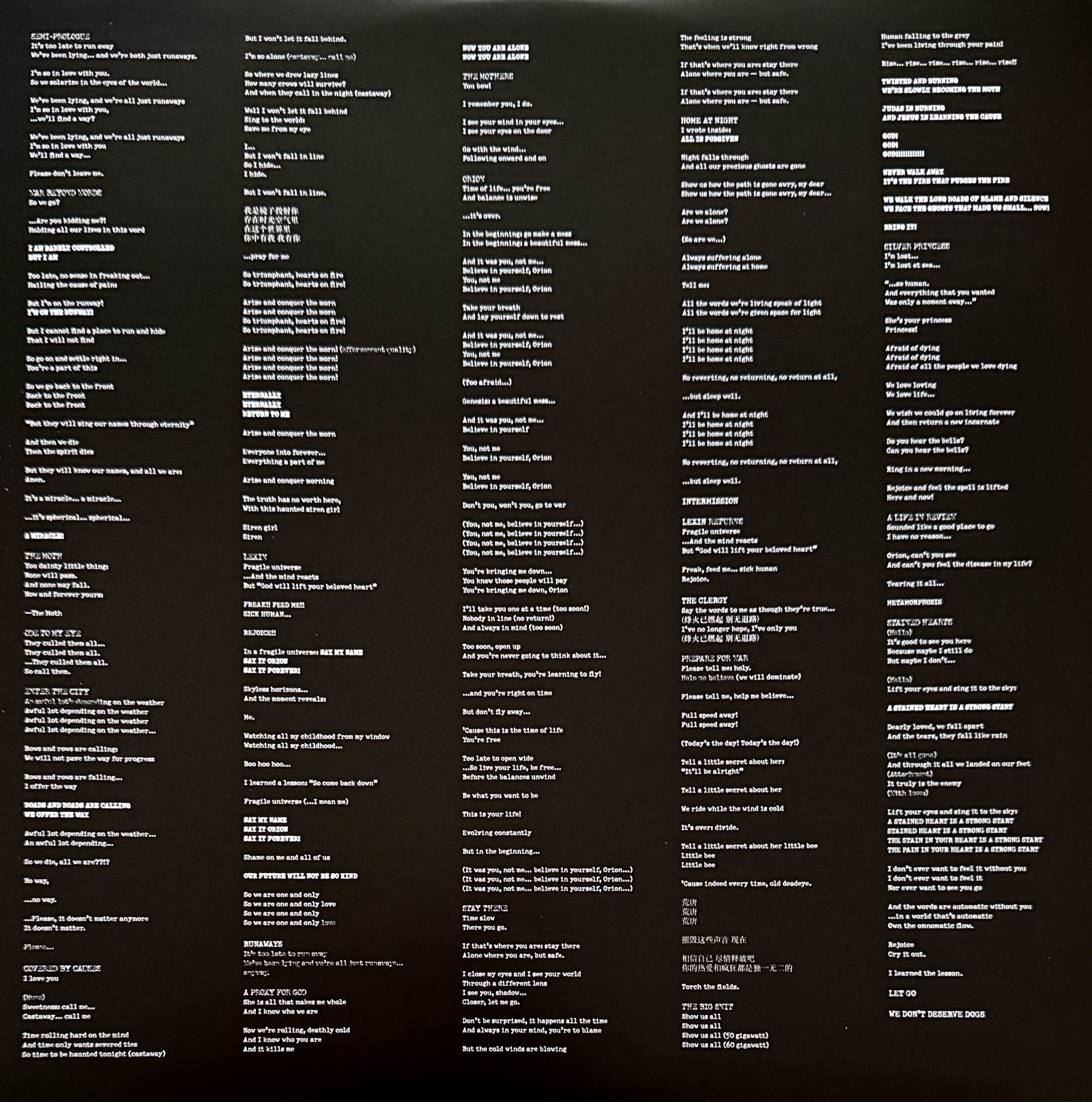
Tracklist
A1 Semi-Prologue 2:52
A2 War Beyond Words 3:57
A3 The Moth 1:46
A4 Ode To My Eye 0:57
A5 Enter The City 2:34
A6 Covered By Causes 8:05
B1 Lexin 4:16
B2 Runaways 0:49
B3 A Proxy For God 1:27
B4 The Mothers 1:55
B5 Orion 5:48
B6 Stay There 2:25
B7 Home At Night 5:15
C1 Intermission 4:55
C2 Lexin Returns 0:48
C3 The Clergy 1:06
C4 Prepare For War 4:44
C5 The Big Snit 2:36
C6 Silver Princess 2:50
D1 A Life In Review 1:29
D2 Metamorphosis 2:10
D3 Stained Hearts 3:58
D4 Let Go 1:38
D5 We Don't Deserve Dogs 1:39
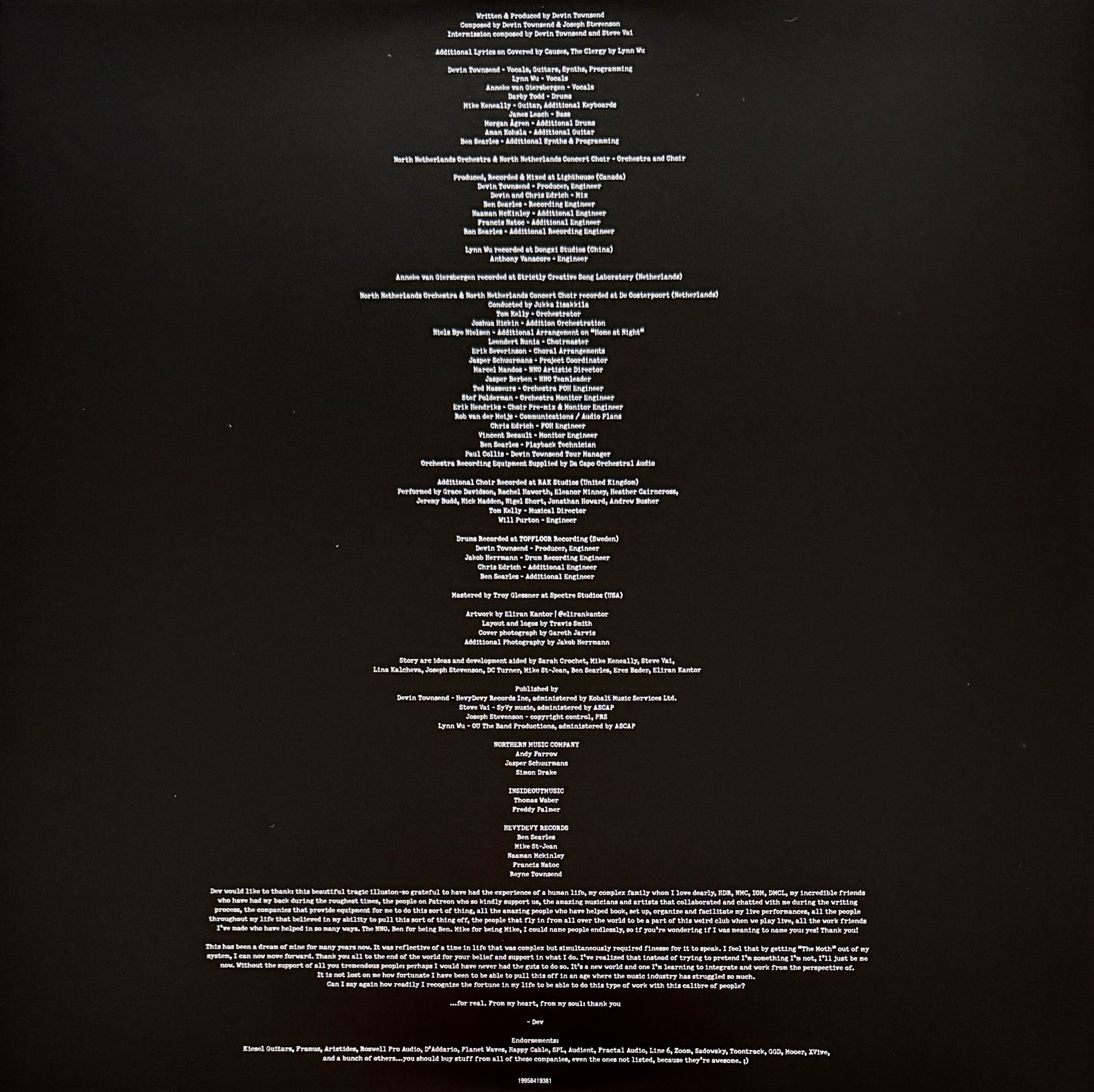
LineUp
Devin Townsend: Voce solista, chitarre, sintetizzatori, tastiere, programmazione e arrangiamenti orchestrali.
La Band Elettrica (Core Band)
Mike Keneally: Chitarre aggiuntive, tastiere.
James Leach: Basso elettrico.
Darby Todd: Batteria e percussioni rock.
Sezione Sinfonica e Corale
Noord Nederlands Orkest (Orchestra Sinfonica dei Paesi Bassi Settentrionali): Ensemble sinfonico di 75 elementi (archi, ottoni, legni e percussioni classiche).
Noord Nederlands Koor: Coro polifonico di 60 elementi.
Jukka Iisakkila: Direttore d'orchestra e concertatore.
Voci Ospiti e Coristi Speciali
Anneke van Giersbergen: Voce solista femminile e cori epici (co-protagonista in "Stained Hearts").
Lynn Wu: Voce solista d'avanguardia e cori (co-protagonista in "Prepare for War")
Collaboratori Speciali
Steve Vai: Chitarra solista aggiuntiva e co-composizione in segmenti selezionati.
Aman Khosla: Chitarra acustica aggiuntiva.
Link per l’ascolto sulle principali piattaforme di streaming ai seguenti link:
Piattaforme di Streaming:
Spotify: Puoi ascoltare l'intera opera da 24 tracce (e la sua versione estesa) direttamente sulla pagina dedicata a The Moth (Deluxe Edition) su Spotify.
Apple Music: Il disco è disponibile in alta definizione audio sulla scheda ufficiale di The Moth (Deluxe Edition) su Apple Music.
Contenuti Video e Anteprime:
YouTube: Per guardare i video musicali ufficiali e i trailer promozionali del disco, puoi controllare il canale dell'etichetta discografica InsideOutMusic su YouTube, dove è presente anche il singolo di lancio "Enter The City".
Nota: Tutti i link ai lavori dei musicisti sono nei TAG sotto il titolo dell'articolo o nella pagina "Artisti"