Arzachel, a 1969 album. the album by a band that never existed, by musicians who never existed, but in reality by a band that never released any official album.
The 1969 “Arzachel” album is a true hidden pearl of psychedelic rock and British proto-prog, one of those gems that drive collectors crazy.
The album by a band that never existed…
Its story is intertwined with the birth of the Canterbury scene. In fact, the band “Arzachel” never really existed. Behind this name were actually the Uriel, a group of very young London musicians full of talent.
We’re talking about key figures who later helped write the history of British progressive rock and the Canterbury scene.
Let’s look at them with a few biographical notes:
Steve Hillage (Guitar and Vocals)
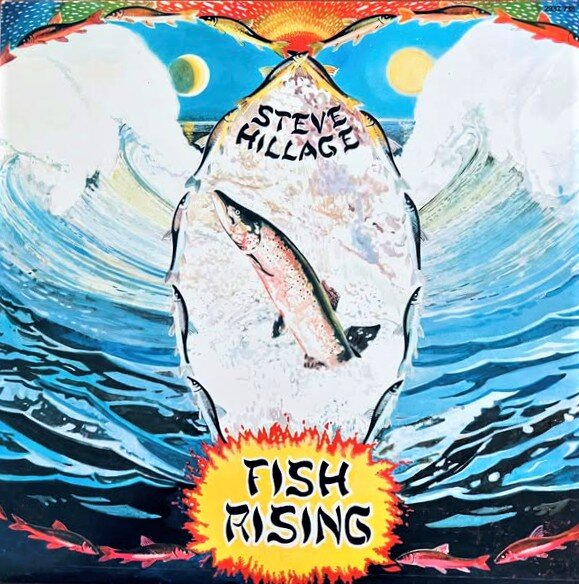
Steve Hillage is one of the most influential and visionary guitarists in world psychedelia. After playing with Uriel, he joined Khan and achieved international fame with Gong, in their celebrated Radio Gnome Invisible trilogy. He then embarked on a brilliant solo career, with landmark albums such as “Fish Rising”. In the ’90s, together with his partner Miquette Giraudy, he founded the pioneering techno-ambient project System 7. Steve is still active and continues to perform live, celebrating both his solo repertoire and that of Gong.
Dave Stewart (Hammond Organ and Keyboards)
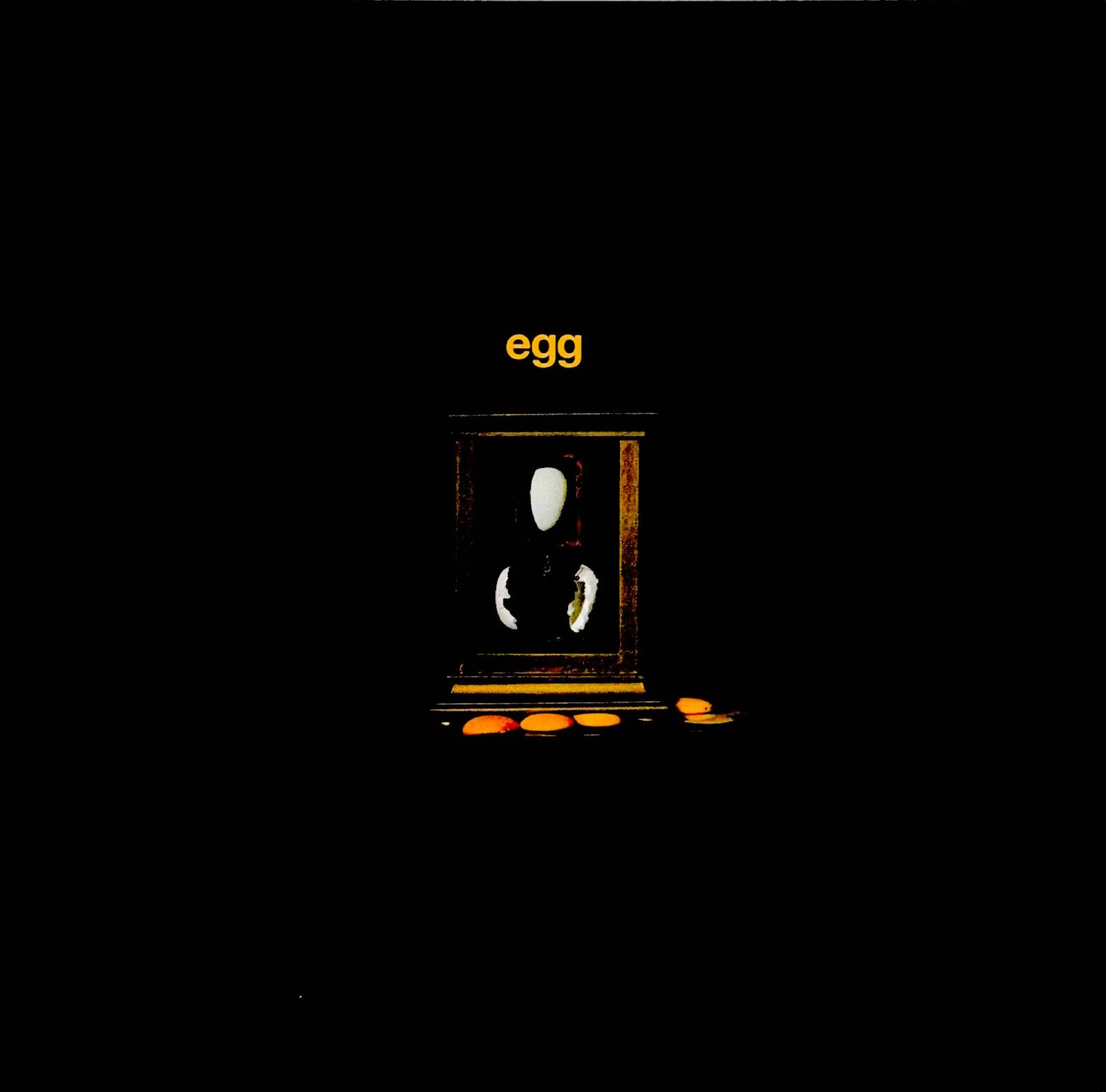
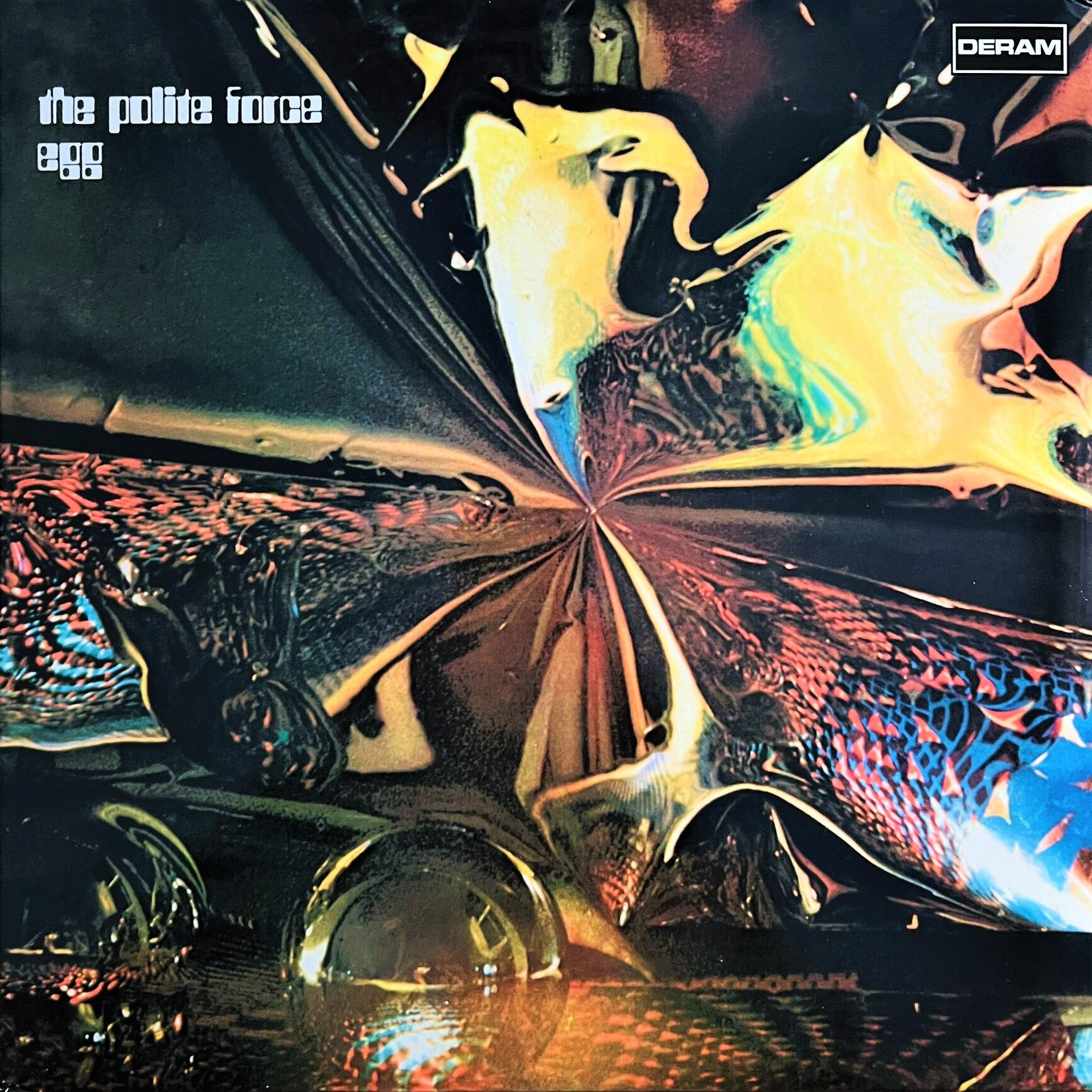
Dave Stewart is considered one of the absolute masters of progressive keyboards (not to be confused with the Eurythmics namesake). After the Arzachel experience, he led Egg and co-founded legendary “educated” prog outfits such as Hatfield and the North and National Health. In the ’80s he enjoyed major chart success thanks to covers made with singer Barbara Gaskin. He gradually withdrew from the live scene to focus on soundtrack composition, writing manuals on theory and musical arranging, and the meticulous care of the historical archives of his old bands.
Mont Campbell (Bass and Vocals)
Hugo Montgomery Campbell, born in Kenya in 1950 (but raised in the UK), is the group’s brightest and most complex mind. Hugo was Egg’s main composer and lyricist, infusing the band with his passion for contemporary classical music, with artists of the stature of Stravinsky and Bartók. He also played briefly with National Health. After rock, Hugo chose to devote himself entirely to art, ethnic and avant-garde music. He became a multi-instrumentalist skilled in traditional Middle Eastern instruments, such as the Ud (a wonderful instrument), and a composer of orchestral music. Today he often works in the shadows, far from the mainstream music business, but his talent remains undisputed.
Clive Brooks, born in London in 1949, was the rhythmic engine and the band’s most energetic, rock-driven push. After his time with Egg, in 1972 he joined the famed blues-prog band The Groundhogs, contributing to several of their albums. Later, Clive worked as a highly respected drum technician (drum tech) for major bands, especially Pink Floyd, assisting Nick Mason during the historic The Wall tour. Sadly, Clive left us in May 2017 at the age of 67, but his memory as one of the most technical, powerful and underrated drummers in the British underground scene lives on.
A wild story, that of a “forgery with a signature”.
In 1968, after taking their first steps together, Steve Hillage decided to take a break from music to focus on university. The remaining three members, however, didn’t lose heart and kept playing, changing the band’s name to Egg and signing an exclusive record deal with the prestigious Decca Records.
Then, in June 1969, a small independent manager named Mohamed Zackariya, owner of the tiny Evolution label, had a brilliant idea: produce a psychedelic rock album, inspired by the success of bands like early Pink Floyd. He immediately thought of the Egg members and, for the occasion, also called back his friend Steve Hillage.
… by musicians who never existed …
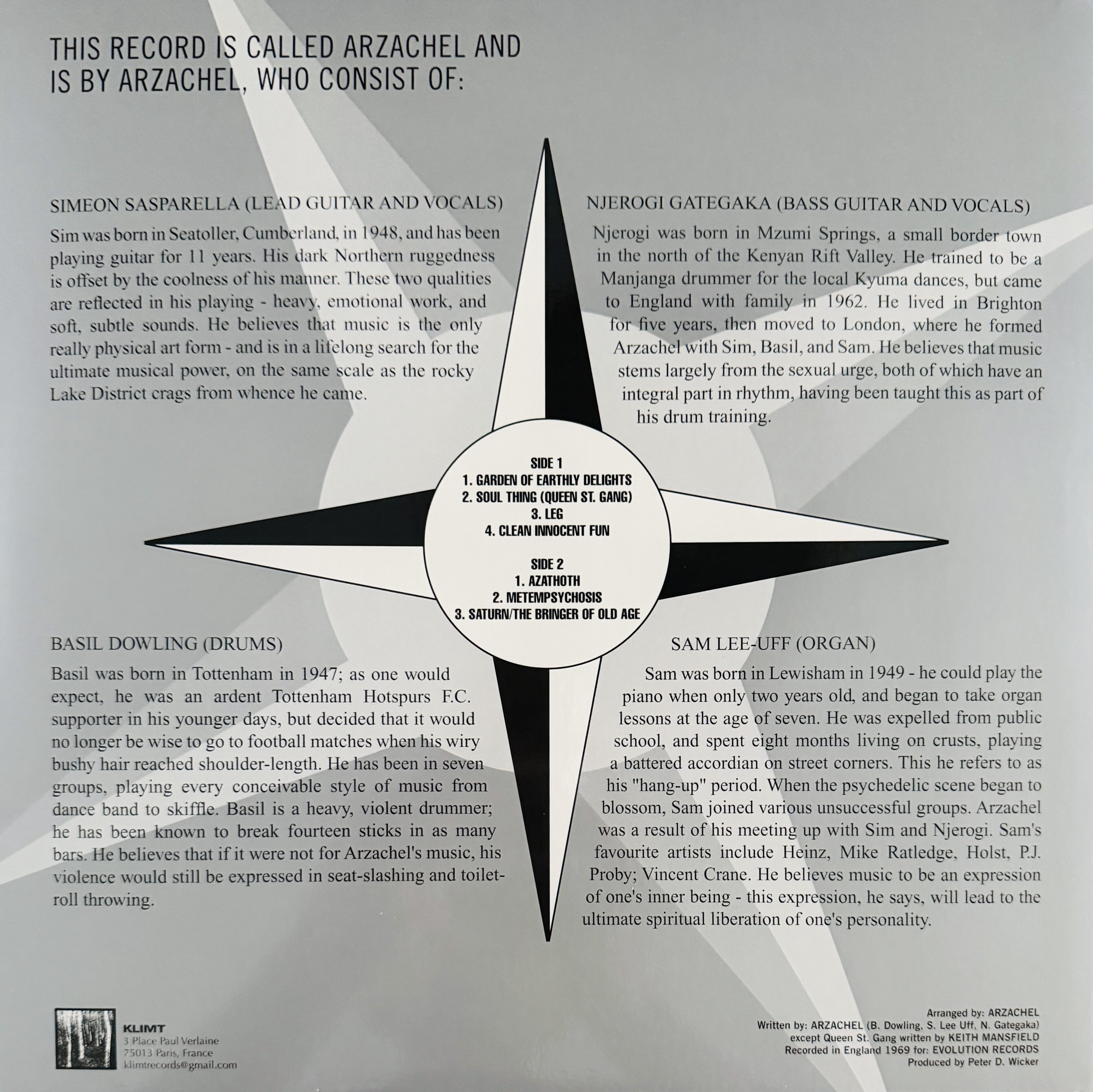
There was, however, a small problem: Campbell, Stewart and Brooks were bound by an exclusivity contract with Decca. To avoid legal trouble, the four friends decided to record the album in total anonymity, making up fake names and amusing biographies to put in the liner notes:
Steve Hillage became Simeon Sasparella
Dave Stewart turned into Sam Lee-Uff
Mont Campbell took the name Njerogi Gategaka
Clive Brooks became Basil Dowling
And to top it off, they chose a truly original stage name for the band: Arzachel, borrowed from a lunar crater, so named in honor of the Arab astronomer Al-Zarqali. A perfect name for a psychedelic rock group.
Imagine it: it’s the summer of ’69, and Steve Hillage finds himself in London for a studio recording session of just eight hours. The idea was to have a bit of fun, and that’s how the album “Arzachel” was born, a mix of heavy, acid and distorted sounds, improvised on the spot. Hillage himself said they recorded it “just to have a laugh”.
Now, let’s talk about the liner notes.
They were full of invented, surreal biographies for the band’s fake members. On the back cover of the first Evolution Records pressing, the musicians were described in a truly hilarious way.
Simeon Sasparella, aka Steve Hillage on guitar and vocals. At just eighteen, Simeon was born in Bournemouth and started playing blues guitar at fifteen, after singing in a religious choir led by his father. His favorite musicians? Albert King, Jimi Hendrix and B.B. King.
Then there’s Sam Lee-Uff, who is actually Dave Stewart on organ. His story is just as outlandish. Sam, nineteen, was born in Newcastle-under-Lyme and began studying classical piano at seven. At fourteen, however, he dropped his studies to devote himself entirely to experimentation with the electronic organ. He was fascinated by cybernetics applied to music and by computer-generated sounds. His main interests? Space travel, telepathy and schizophrenia.
There’s also Njerogi Gategaka, aka Mont Campbell on bass and vocals. His biography was equally odd, a mix of African origins and British education.
Njerogi Gategaka, a nineteen-year-old boy from Kenya, arrived in England at the age of twelve to attend school. His father, a civil engineer, certainly played an important role in his path. Njerogi began playing classical guitar, but it was listening to Cream that made him fall in love with the bass. Besides music, he is an avid student of Eastern philosophy and ancient languages.
Now let’s move on to Basil Dowling, the group’s drummer. He too is nineteen and was born in London. He started playing drums in a school band and then played with various modern jazz groups before joining Arzachel. His favorite drummers? None other than Elvin Jones, Tony Williams and Ginger Baker.
But why these such peculiar biographies? Well, besides hiding the musicians’ real names to avoid exclusivity issues with Decca Records, these stories were written in the typical style of the time. A perfect mix of exotic imagery, fascination with space, Eastern mysticism and nods to the psychedelic culture of the space age.
These liner notes added a touch of humor and fantasy to the album, making it a truly unique experience, but what matters is that the biographies are completely false and made up from scratch.
Uncovering the secret behind the Arzachel album wasn’t a sudden plot twist, but rather a journey made of musical clues, fan chatter and, in the end, the musicians’ own confessions. At first, the album didn’t have much luck due to Evolution’s limited distribution. But as the band members began to make a name for themselves, the secret became harder and harder to keep for several reasons.
First of all, there was the unmistakable style of Dave Stewart and Steve Hillage. The most attentive fans of the Canterbury scene and those who had bought Egg’s first self-titled album (released in early 1970) immediately noticed an incredible coincidence. The sound of “Sam Lee-Uff”’s Hammond organ in Arzachel was identical—in style, distortion and avant-garde phrasing—to Dave Stewart’s on Egg records. And anyone who had seen Uriel play live in London clubs in 1968 (like the famous Middle Earth) immediately recognized the wild, lysergic guitar style of “Simeon Sasparella”, who was none other than Steve Hillage.
Then there was the overlap of tracks, the famous Queen St. Gang “case”. This instrumental piece, credited to Arzachel on side A of their LP, had been composed by Dave Stewart. The exact same melody and musical structure had been performed and included by Egg in their shows and official material. For the few enthusiasts who owned both records, the equation “Arzachel = Egg with Steve Hillage” became a given.
Finally, there was word of mouth in the very small Underground scene. Everyone talked about this mysterious album and its incredible similarities to the work of Egg and Steve Hillage. In short, it was a mix of musical clues, fan chatter and confessions that revealed the secret behind Arzachel.
In 1969, the psychedelic and progressive rock scene in London was a real creative hotbed. Musicians, journalists from underground magazines like International Times and Oz, and regular venue-goers all knew each other by heart. When Egg recorded a “secret” record in a single day, the news spread like wildfire in the specialist clubs, becoming an urban legend even before the album turned into a rare cult object.
As the years passed and the contractual restrictions of the ’60s ended, the musicians had no reason to hide anymore. In the ’70s, especially after Steve Hillage achieved worldwide success with Gong and his solo career, the protagonists began to speak openly—and with a touch of irony—about the bizarre eight-hour recording session born “as a joke”.
Historical transparency then took shape with the CD reissues of the ’90s and, finally, with the definitive 2007 Collectors Edition, which officially replaced the old pseudonyms with the real names of the Uriel members.
… but in fact by a band that never released any official album….
Another interesting thing is that the only album officially credited to Uriel is actually the same self-titled Arzachel album from 1969. During their existence in the ’60s, Uriel never released a record under their own name.
This album is a real time trip, capturing that magical moment when psychedelia was turning into progressive rock. It’s like having two albums in one, each with its own personality:
The structured “Rigor” (Side A), where we find short, rhythmic, energy-packed songs. There’s the catchy pop-psych melody, the deft use of keyboards and even an atmospheric instrumental, “Queen St. Gang”, which shows all the band’s technical talent—talent they would later put to use with Egg.
The lysergic “Chaos” (Side B), a true explosion of freedom: with tracks like “Clean Innocent Fun” and “Metempsychosis”, the band lets go into the purest improvisation, driven by the fumes of distortion. Steve Hillage’s guitar breaks free from traditional blues rules to explore new cosmic territories, anticipating what he would later do with Gong. The rhythm section, meanwhile, launches into obsessive, hypnotic rides, creating a sound that foreshadows the space-rock of bands like Hawkwind.
Pressed in very few copies and with no promotion in July 1969, the album initially went unnoticed. But over time, and thanks to the worldwide success of the individual members, the record became a true cult. Today, an original vinyl copy of the first UK pressing (Evolution Z 1003) is very rare and can be worth a lot of money, easily topping €1,000 on the collectors’ market.
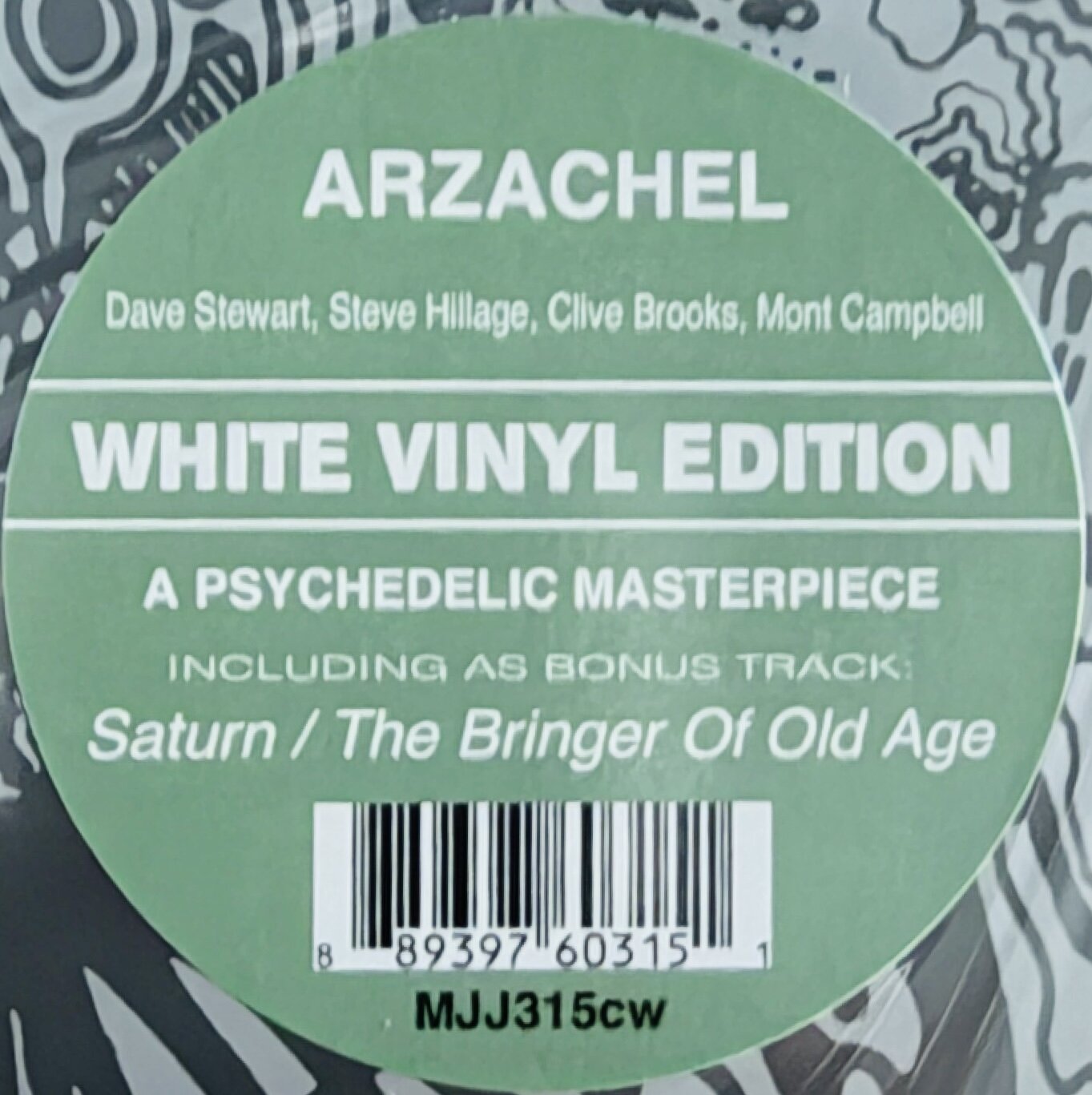
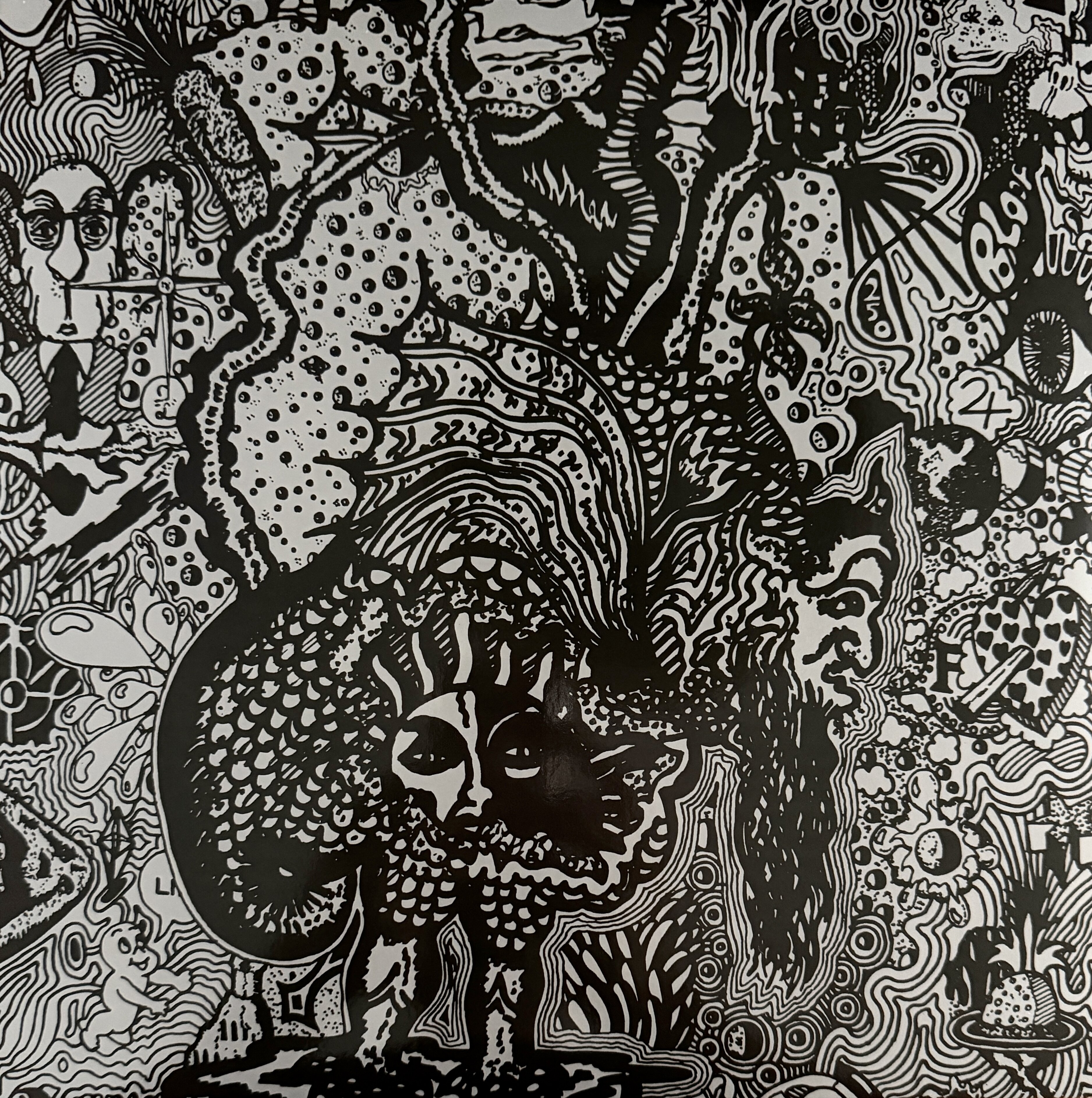
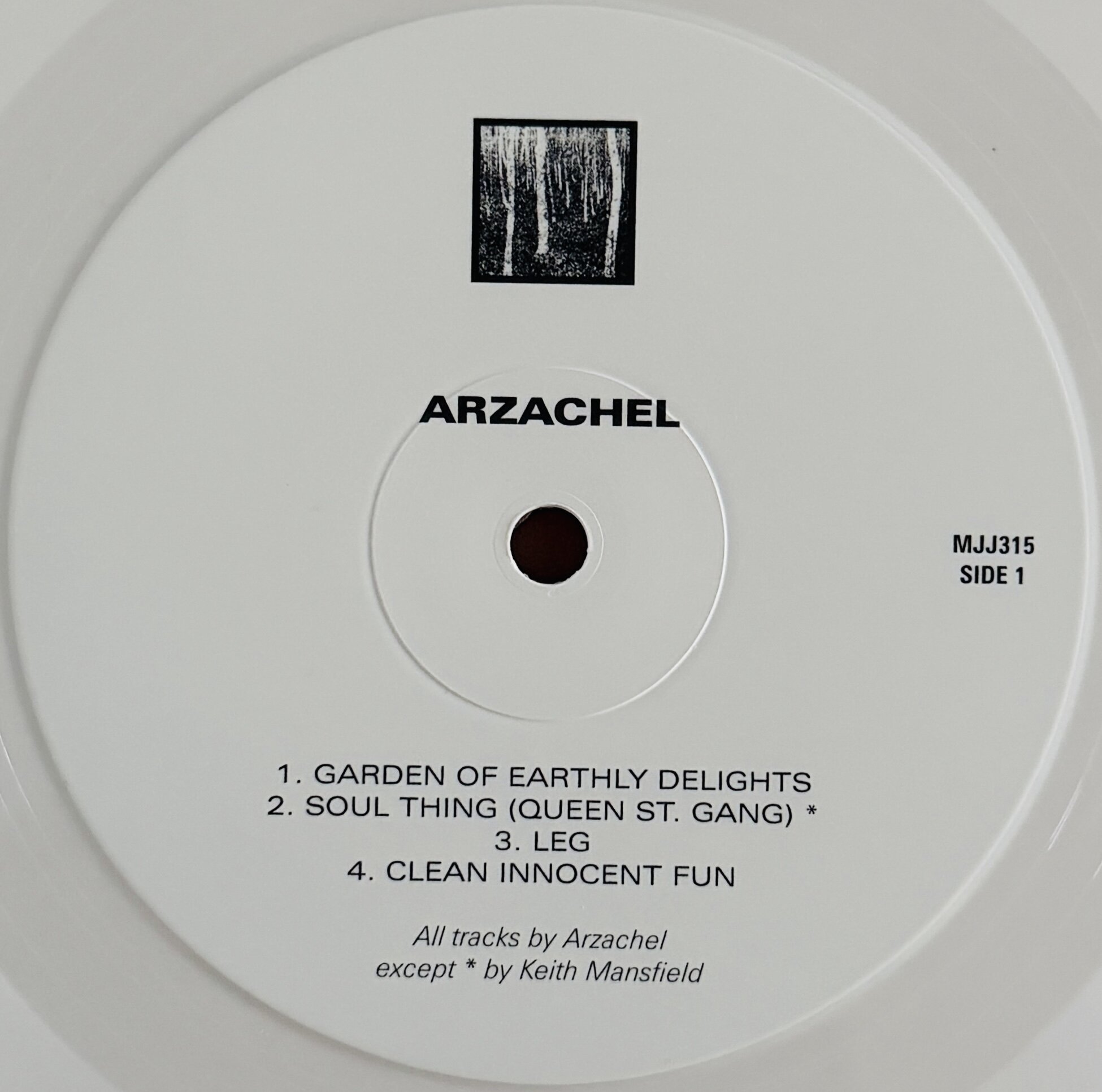
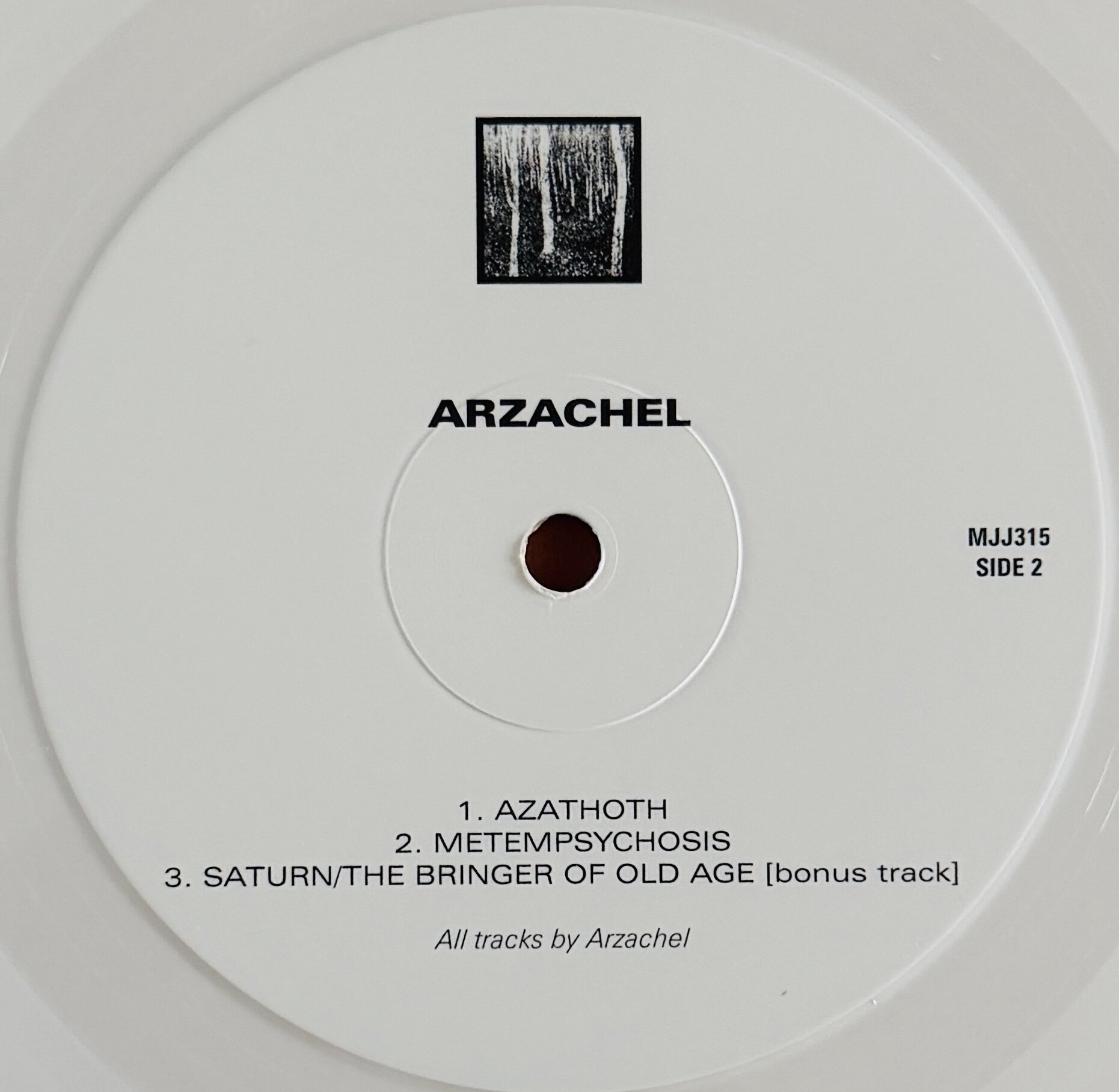
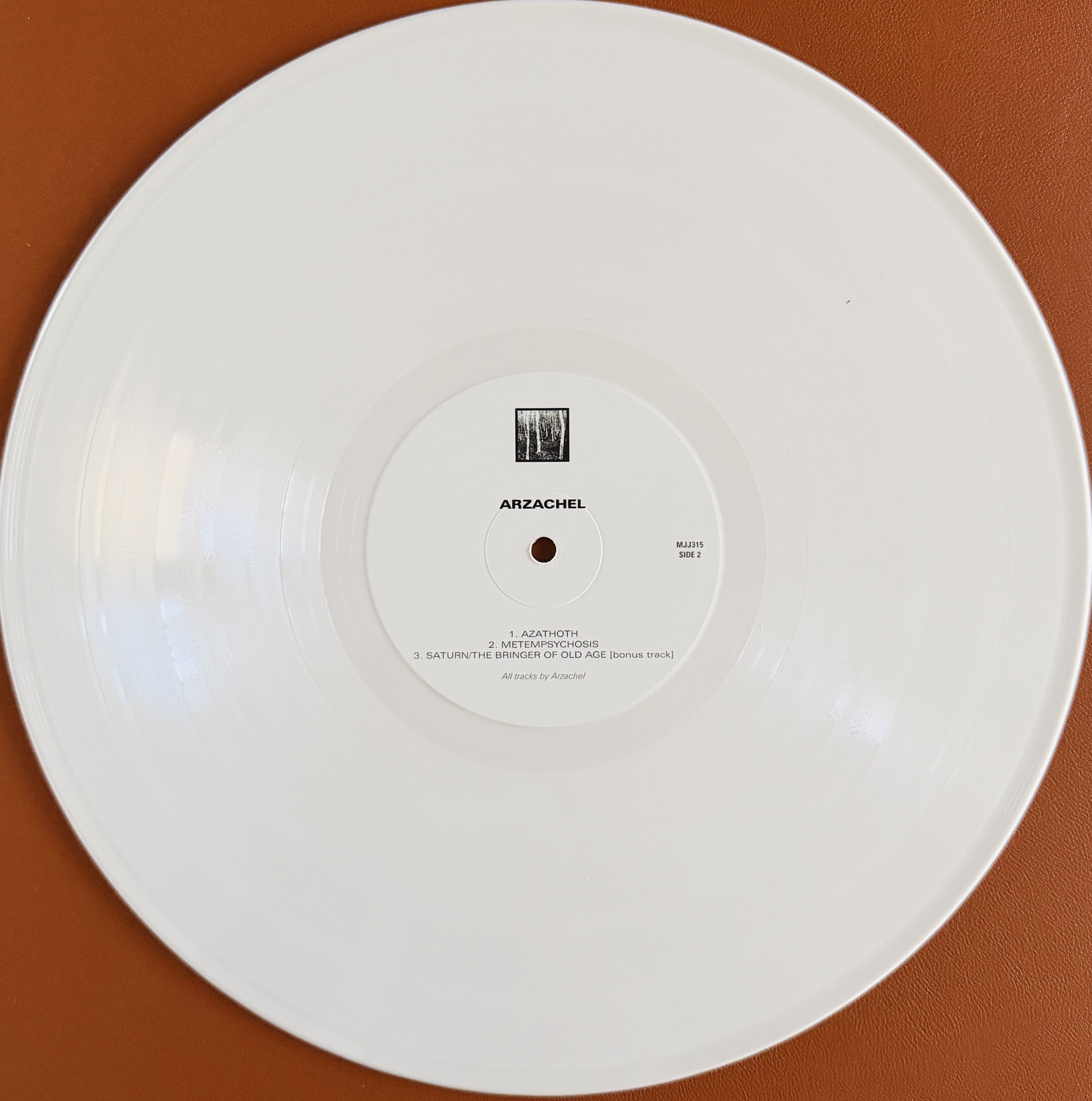
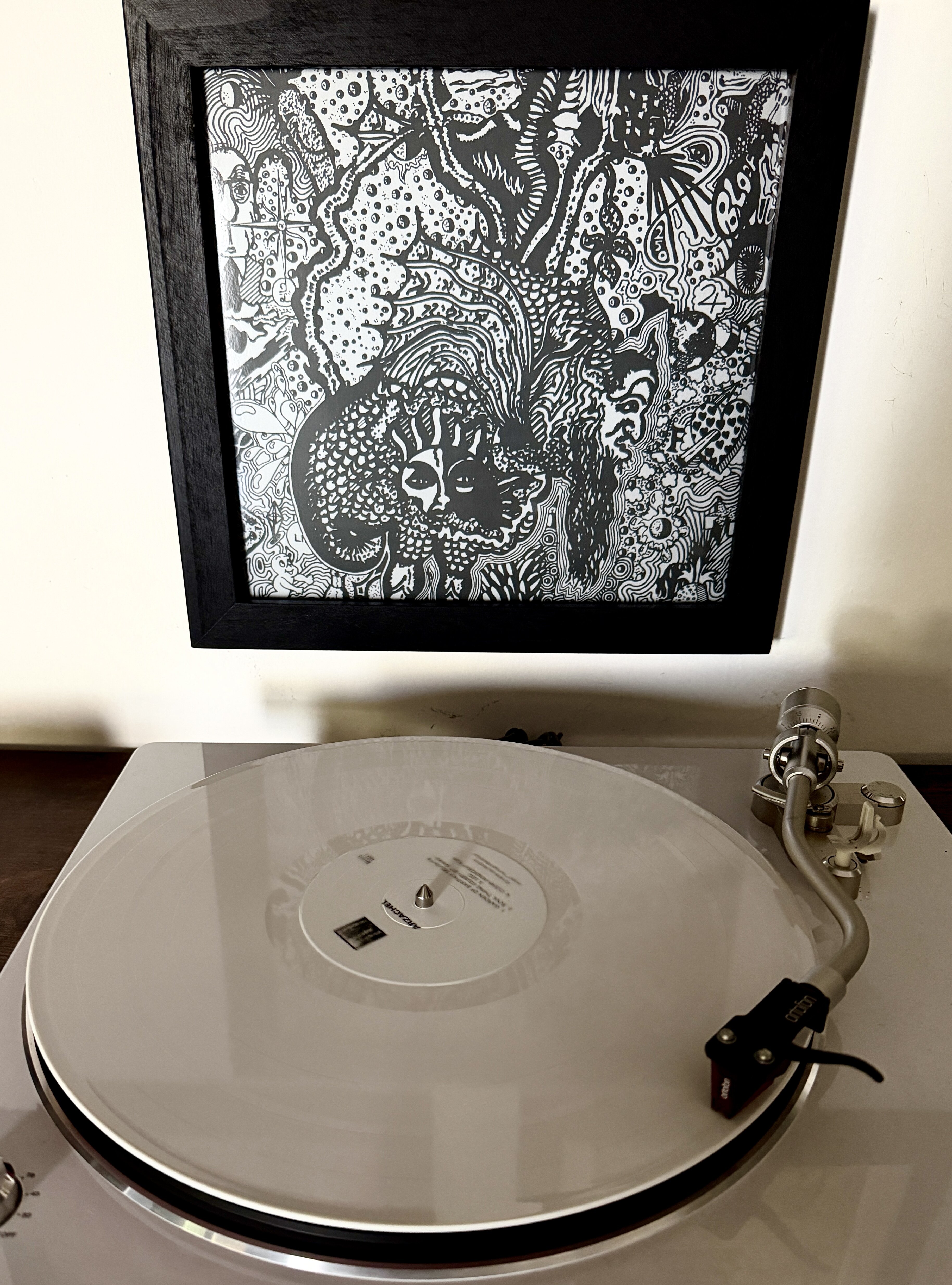
I have a very humble Klimt Records copy (catalog MJJ315) which, in my view, did a fantastic job with this reissue. Not only did they keep the original 1969 tracklist, they also added a bonus track at the end of Side B, “Saturn / The Bringer Of Old Age”.
Among collectors and audiophiles there’s lively debate about this reissue. The central point is the audio source used and how it affects the sound compared to the first analog pressings or other quality reissues. Klimt Records is a label appreciated for reissuing gems of progressive and psychedelic rock, but its mastering approach often sparks heated discussions among enthusiasts, as you can see on various forums. I’m fine with it—maybe one day I’ll find the original at a “human” price.
If you’re a purist audiophile looking for the period sound, you’ll like reissues made directly from the original tapes, like the famous one from Wah Wah Records. On the other hand, the Klimt Records pressing is a great choice for more practical collectors. It offers quiet vinyl, solid playback and well-finished packaging. And then there’s the advantage of including historic tracks you won’t easily find in LP format, all at a much lower price than a first pressing.
“Garden Of Earthly Delights” is the album’s centerpiece, an energetic and mysterious track inspired by the otherworldly visions of painter Hieronymus Bosch. It’s perfect as an opening track, with its immediate London psychedelic atmosphere of the ’70s. The piece is a mix of heavy psychedelic rock and gothic, with a taut structure and a driving beat. The reverbed voice declaiming the lyrics and the obsessive main riff are truly beautiful. Dave Stewart’s organ creates an unsettling, almost ecclesiastical mood, while Steve Hillage tears it up with his early, unmistakable acid solos.
“Soul Thing / Queen St. Gang” is a pleasant, refined track, the most accessible of the album’s first part. It’s a cover of an instrumental jazz-funk theme written by Keith Mansfield for the BBC, and it played a key role in linking Arzachel to Egg in fans’ eyes. The piece is a rhythm-driven instrumental proto-prog mix, with a nice touch of rhythm ’n’ blues and mod-jazz. The relaxed atmosphere offers a welcome break from the lyrical tension that pervades the album. Dave Stewart is the real star, with his fluid Hammond phrasing that draws the melody. Campbell and Brooks’ rhythm section, meanwhile, works in perfect sync to create an irresistible funk-rock groove.
“Leg” is a rocky track that shows the band having fun playing classic hard rock. It has a street and live-club vibe, with a distorted blues-rock sound enriched by lysergic shades, recalling the experiments of Cream or Led Zeppelin. The guitar–organ interplay in the middle section is truly notable. Steve Hillage delivers a powerful, fuzz-rich performance, while Clive Brooks underpins it all with energetic drumming, showing a strong hard-rock attitude.
“Clean Innocent Fun” is a suite of over ten minutes, closing Side A and marking the band’s shift from song form to interstellar trips. It’s an expanded, avant-garde acid blues—truly beautiful. At the center is a long, hypnotic improvised section where time seems to stop. Mont Campbell holds everything together with a pulsing, tireless bass line. On this base, Hillage launches into a flowing solo full of feedback and dramatic bends, a true homage to Jimi Hendrix’s style.
“Azathoth” is a truly unique musical experience, inspired by the alien, mad deity created by H.P. Lovecraft. It’s one of the most influential tracks for the future avant-garde and doom rock scene. The piece stands out for its ghostly space-rock, liturgical and dark-prog style. The intro, with solo organ, is very evocative and creates a perpetually suspended, sacred atmosphere. Mont Campbell’s spoken-chant, almost a lament, adds a ritual touch to the piece. Dave Stewart, on Hammond, evokes the cosmic terror described in the lyrics, as if he were playing in a desecrated cathedral.
“Metempsychosis” is the heart of the album, a monumental improvised jam that takes up almost the entire side B. It’s a lysergic journey with no map or compass, in pure avant-garde space rock style with a touch of psychedelic excess. The sonic transition in the middle section is truly stunning: the instruments abandon traditional keys to create sound effects and cosmic noises. The four musicians work like an anarchic yet cohesive collective. Clive Brooks experiments with cymbals and drums to simulate gravitational voids, while Stewart shifts the organ registers to create sci-fi hisses. Hillage, meanwhile, plays guitar with incredible force, extracting shrieking sounds that would anticipate his later cosmic work with Gong.
“Saturn / The Bringer Of Old Age” is the Klimt edition Bonus Track
This track, recorded at Holland Park in May 1968, is a real gem for enthusiasts. It offers a precious glimpse into Uriel’s earliest melodic ideas, before their intense recording session as Arzachel. The piece is a fascinating mix of symphonic, dreamy proto-progressive, standing out for its exquisite, classically tinged melody—a nice change of pace from the acid energy of the previous tracks. Dave Stewart creates a complex keyboard texture rich in European classical-music influences, a stylistic trait that would become Egg’s hallmark. Steve Hillage adds clean, crystalline guitar filigree, showing the group’s early compositional maturity, even though they were only nineteen.
It’s a mix of two souls: on one side it’s one of the best examples of late-’60s British heavy psychedelic rock and space rock; on the other it’s an ironic parody of that period’s aesthetics. Four musicians met in the studio to record a record “for fun”, exaggerating underground clichés to please a small manager, and ended up creating an avant-garde work. An absolute must for all lovers of the Canterbury scene.
My Version
Label: Klimt Records – MJJ315, Klimt Records – MJJ315cw
Format: Vinyl, LP, Album, Reissue, Unofficial Release, White
Country: Europe
Released: 2016
Tracklist
Garden Of Earthly Delights – 4:26
Soul Thing / Queen St. Gang – 4:32
Leg – 5:49
Clean Innocent Fun – 10:34
Azathoth – 4:26
Metempsychosis – 16:58
Saturn / The Bringer Of Old Age (Bonus Track) – 3:45
LineUp
Steve Hillage (Simeon Sasparella) - Lead guitar, Vocals
Dave Stewart (Sam Lee-Uff) - Hammond organ, Keyboards
Mont Campbell (Njerogi Gategaka) - Electric bass, Lead vocals
Clive Brooks (Basil Dowling) - Drums, Percussion
Listening links on the main streaming platforms at the following links:
Spotify: The full album is available on Arzachel’s official artist page on Spotify.
Apple Music: You can find the collection of digitized tracks on the page of Arzachel on Apple Music.
Deezer: The digital discography and album streaming are accessible via the catalog of Arzachel on Deezer
Note: All links to the musicians’ works are in the TAGS under the article title or on the "Artists"