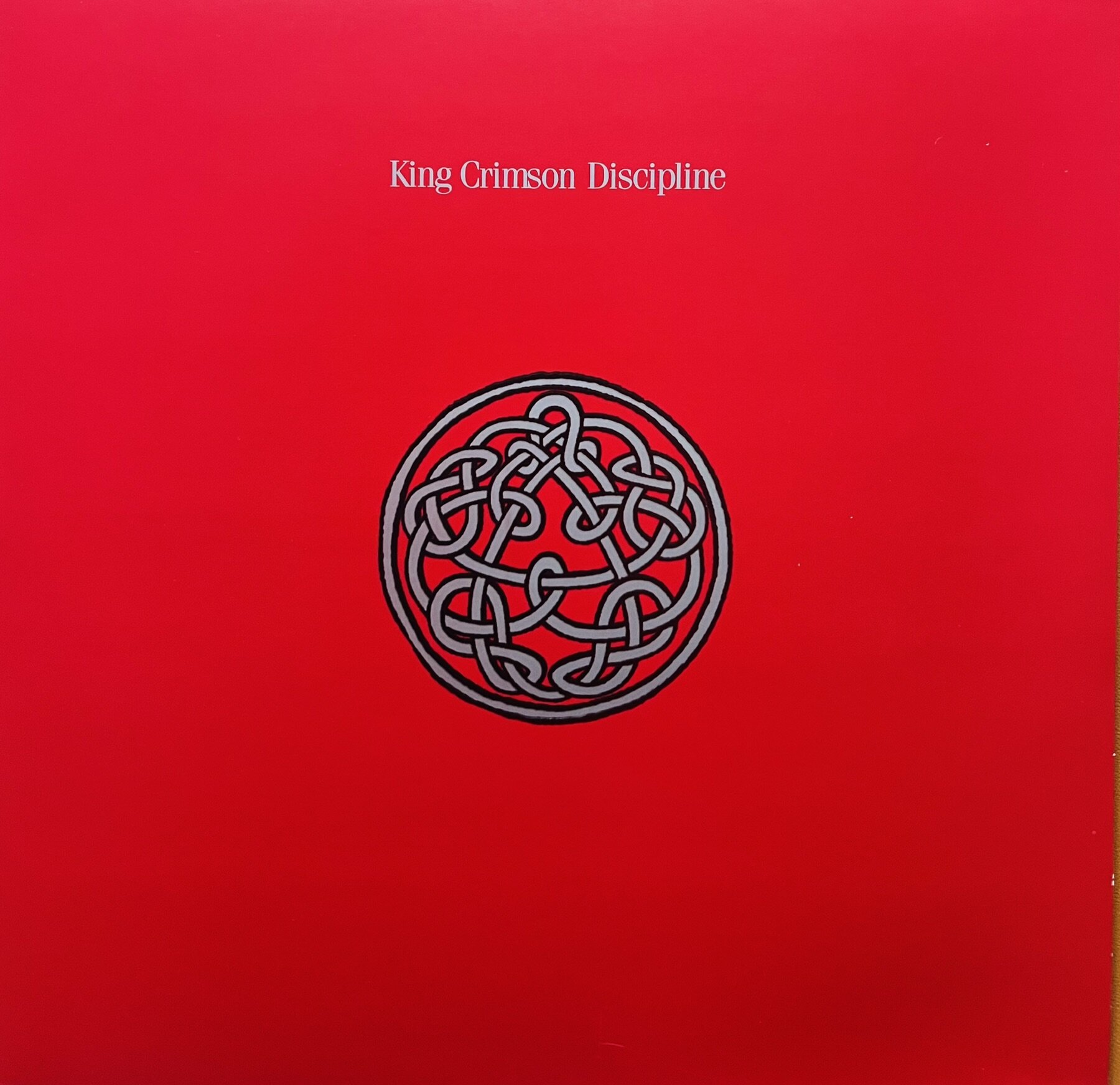
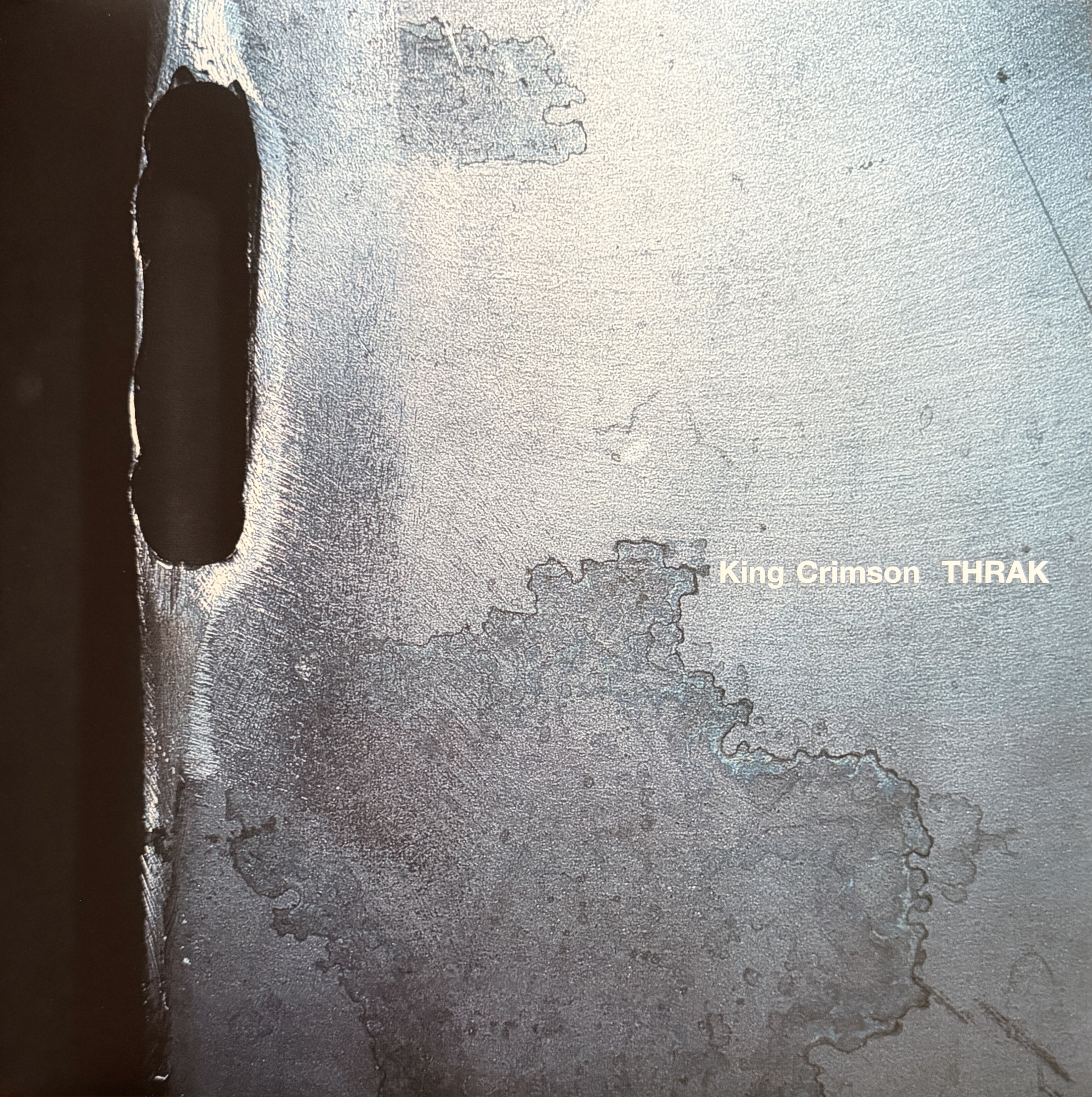
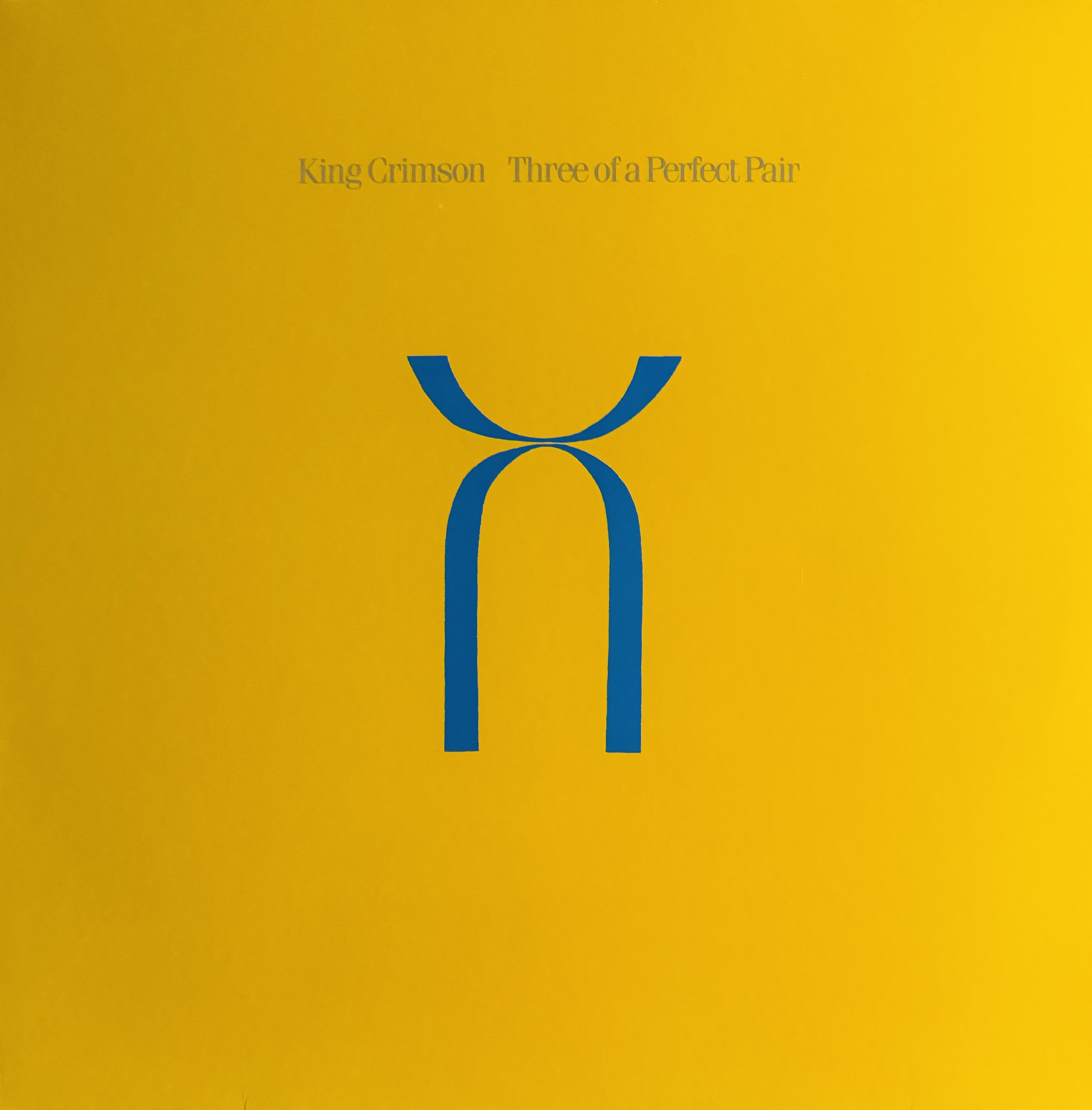
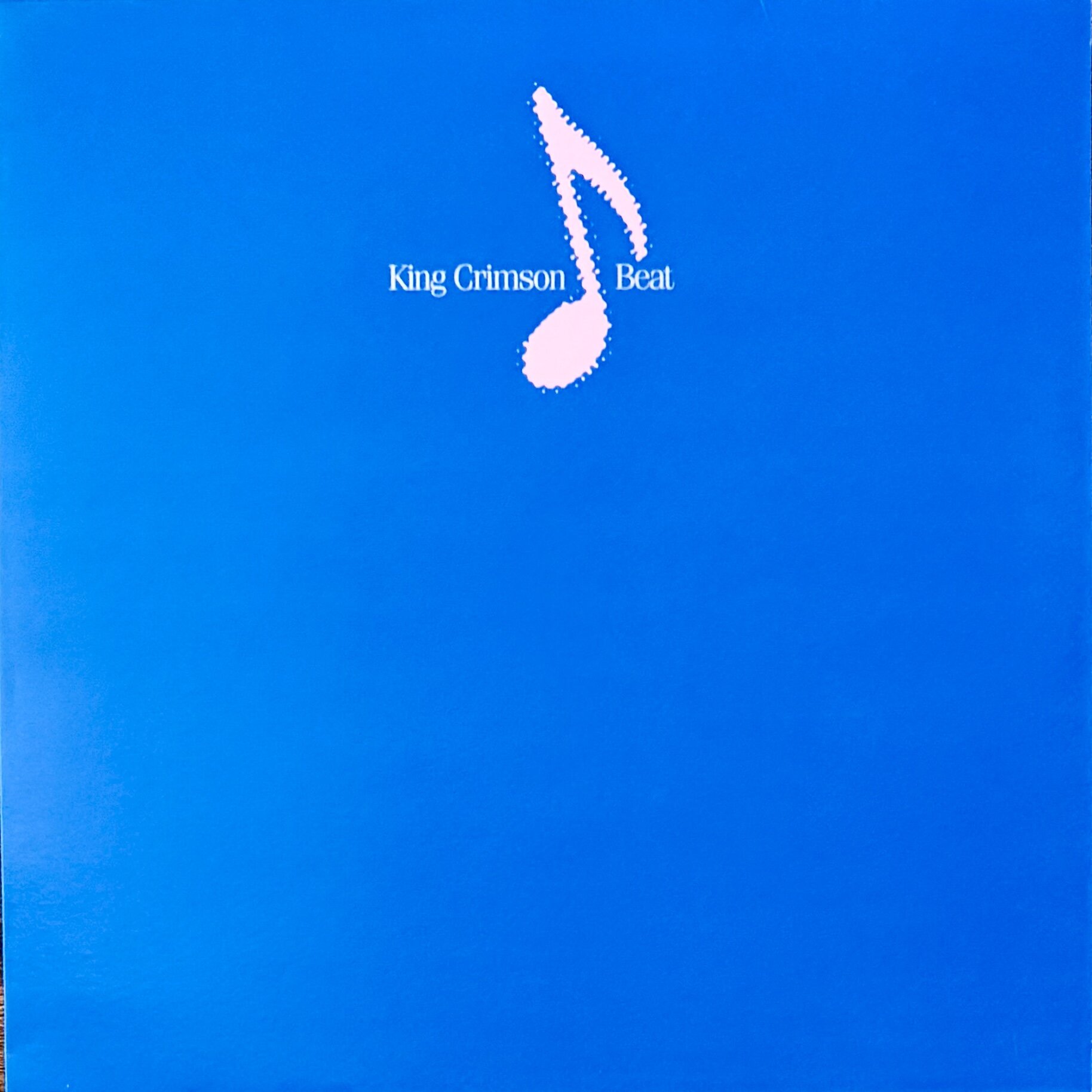
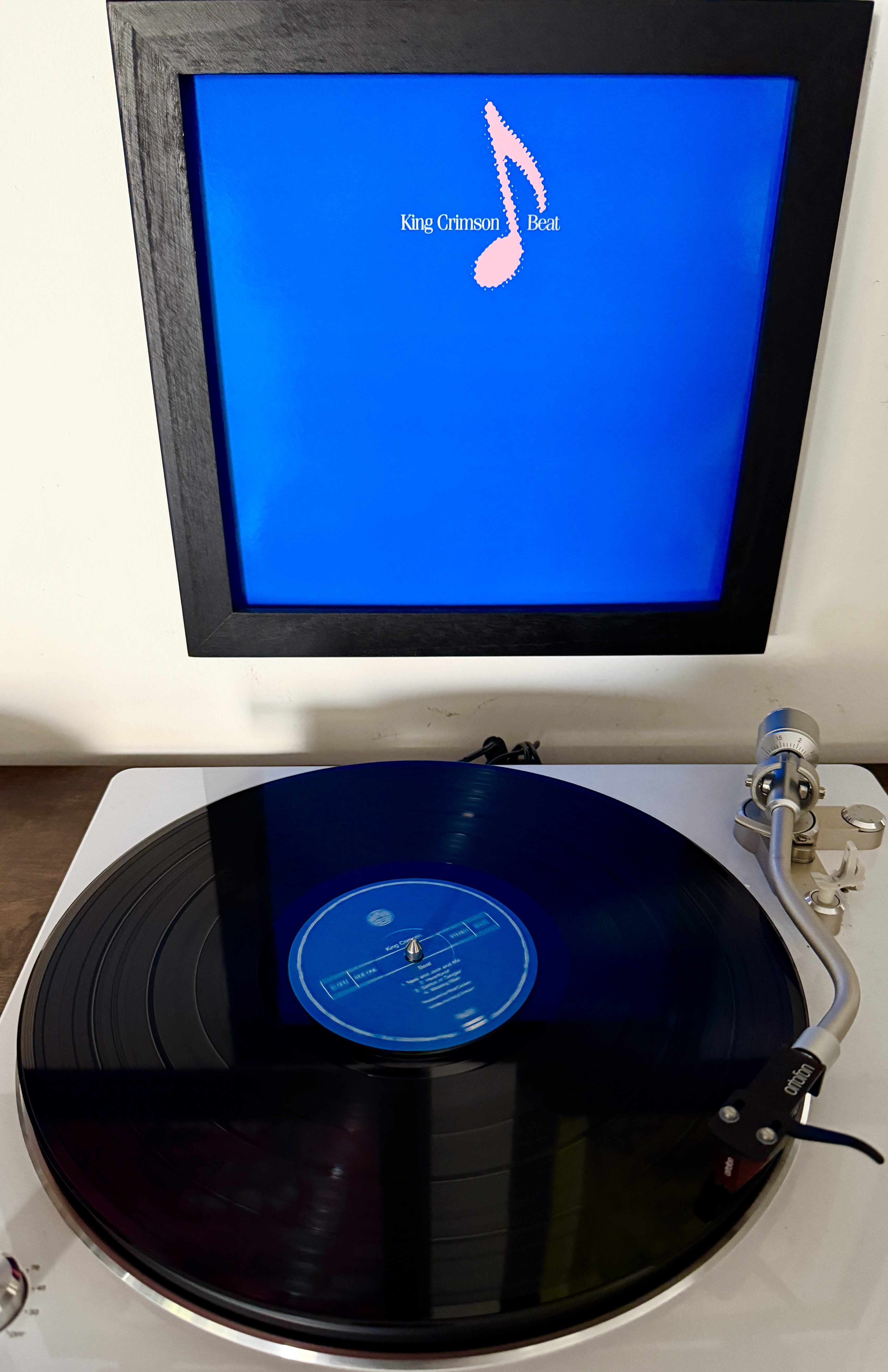
Beat dei King Crimson, pubblicato nel 1982.
Continuo il percorso di avvicinamento al concerto dei BEAT a Perugia il 4 luglio ripercorrendo la storia dei tre album che sono alla base del concerto.
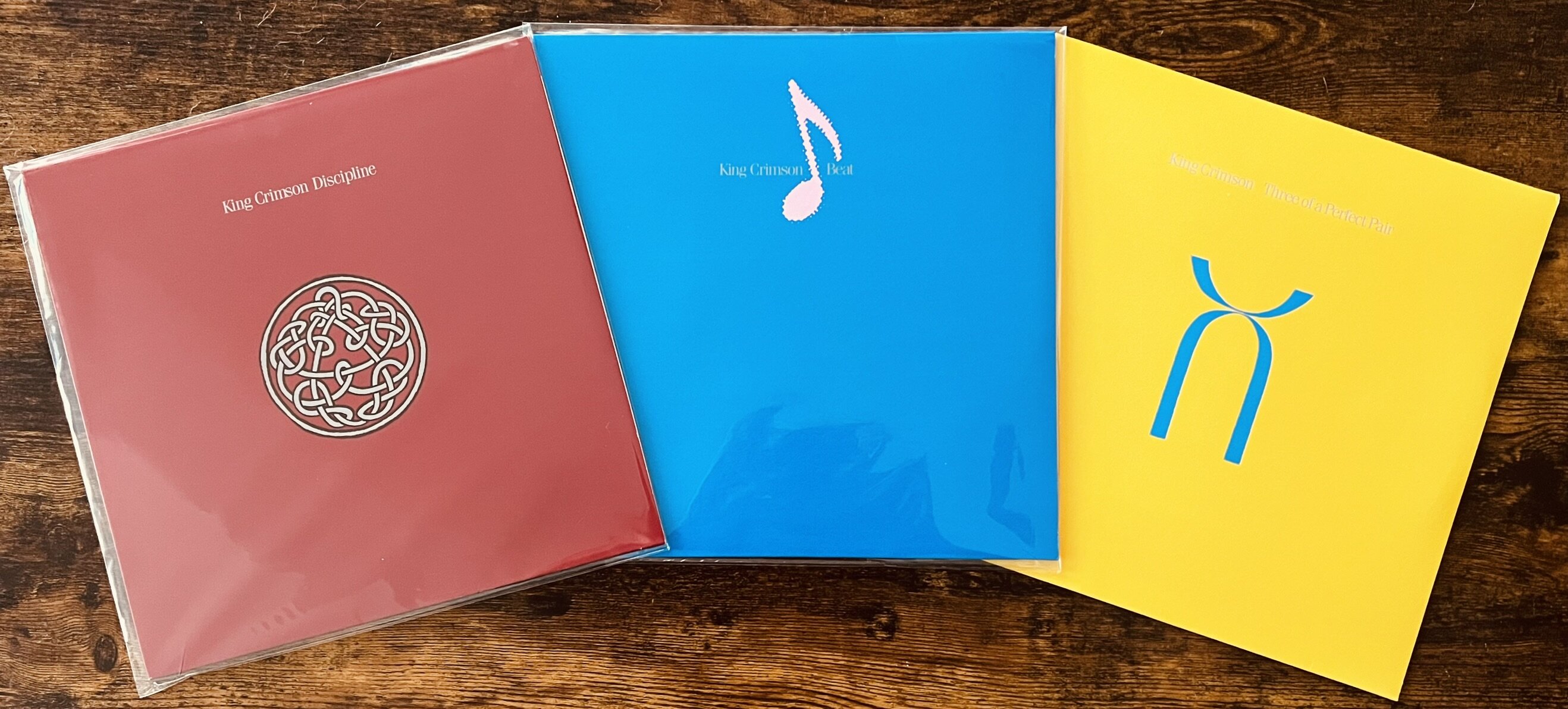
Beat, secondo album della “trilogia degli anni ’80” (che comprende anche Discipline del 1981 e Three of a Perfect Pair del 1984), vanta un primato per il gruppo: è stato il primo disco registrato dalla stessa formazione del precedente.
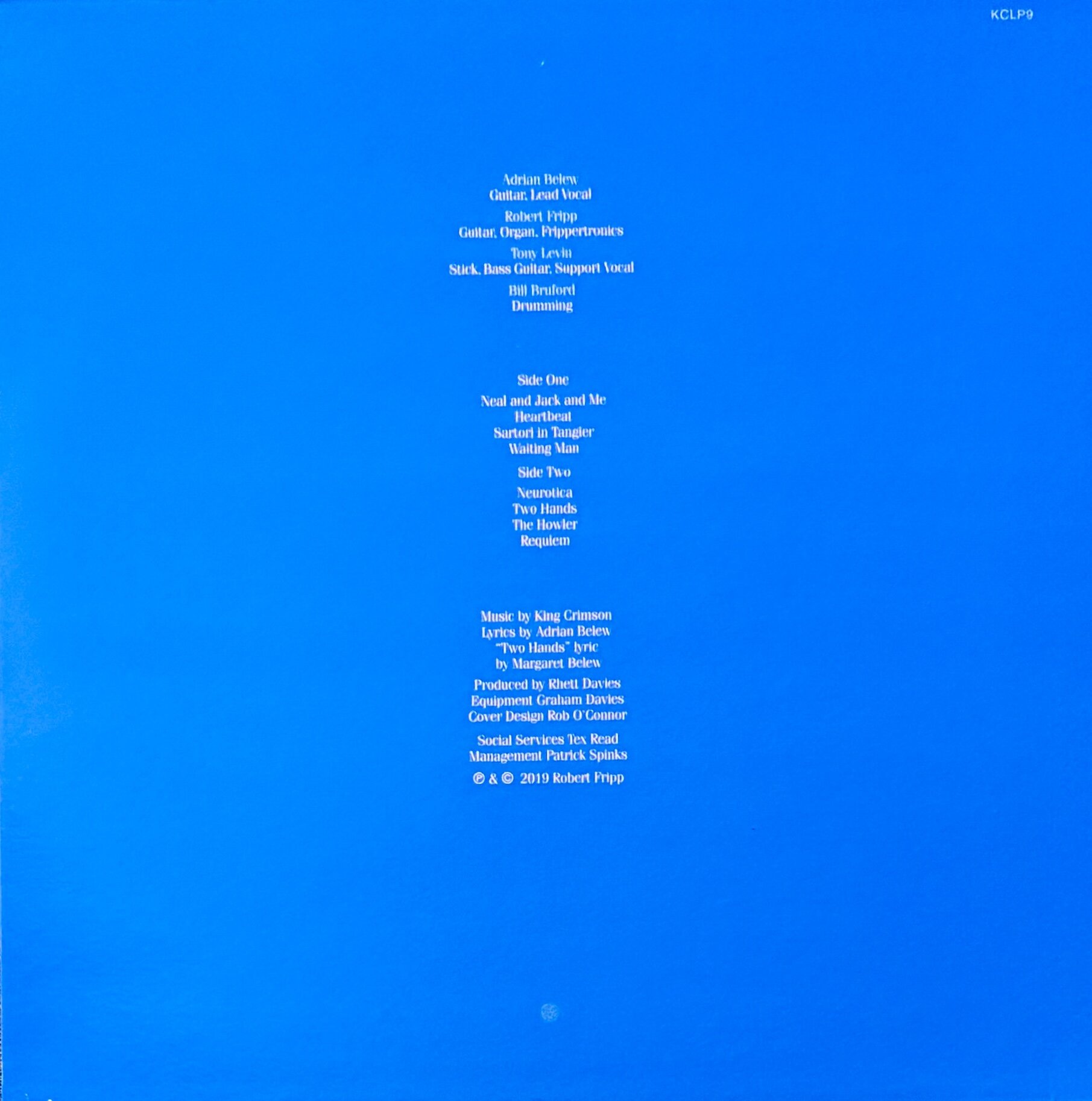
La formazione univa l’esperienza britannica alla freschezza della scena d’avanguardia americana. Robert Fripp suonava la chitarra e utilizzava i dispositivi elettronici Frippertronics. Adrian Belew, ex collaboratore di Frank Zappa, David Bowie e Talking Heads, si occupava della voce solista e della chitarra. Tony Levin suonava il basso, cantava nei cori e utilizzava principalmente il Chapman Stick. Bill Bruford, infine, suonava la batteria acustica ed elettronica, quasi senza l’uso dei piatti.
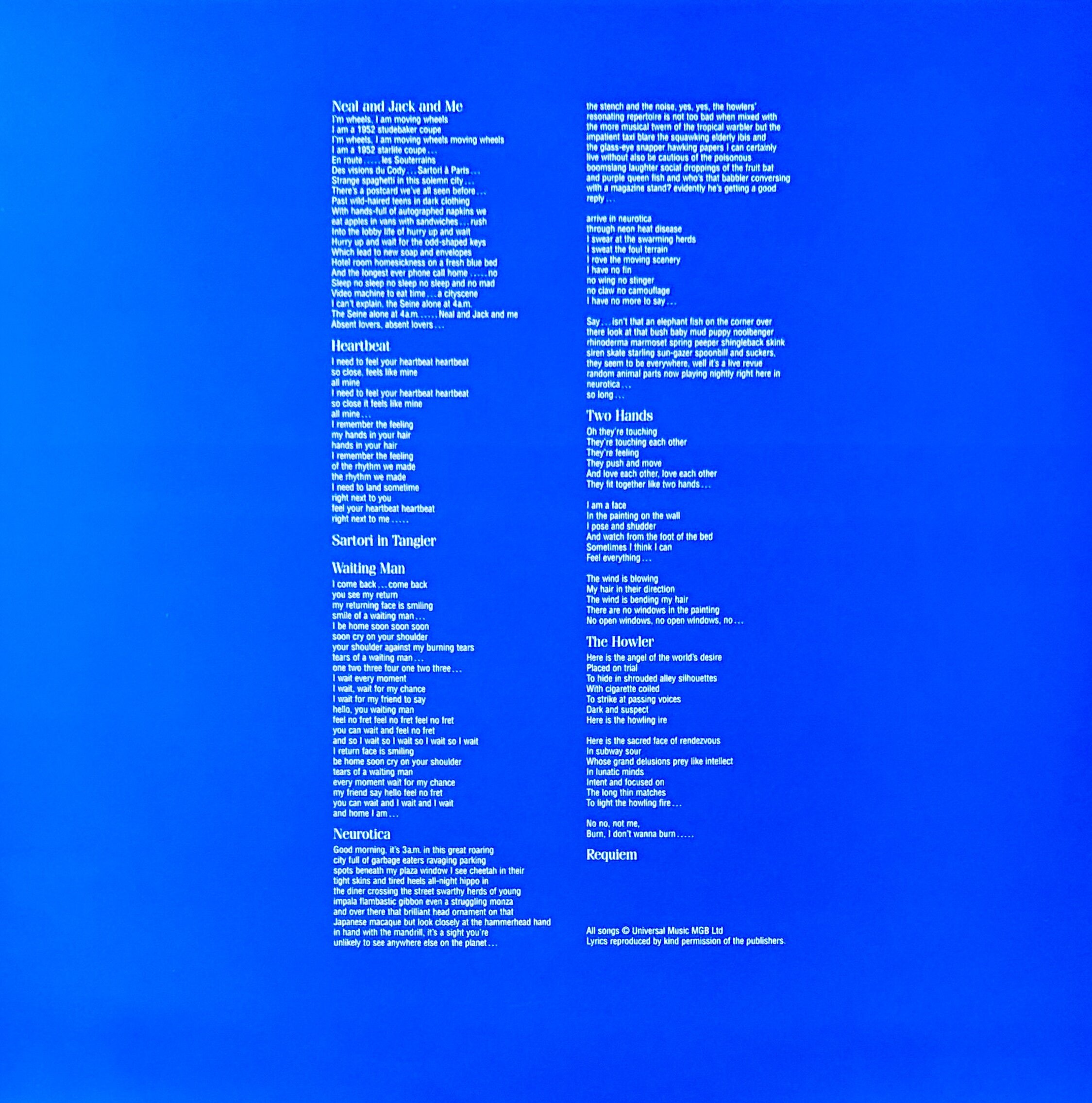
A differenza della maggior parte degli album dei King Crimson, Beat si distingue come un anti-concept album, profondamente influenzato dalla storia e dagli scritti della Beat Generation. L’idea è nata nel 1982, in occasione del 25º anniversario dell’uscita del celebre romanzo “Sulla strada” di Jack Kerouac. Robert Fripp, notando Adrian Belew immerso nella lettura di Kerouac, gli suggerì di usare la letteratura Beat come ispirazione per i testi. I riferimenti culturali sono ben presenti nelle canzoni scritte da Belew.
“Beat” è un disco che si evolve rispetto a “Discipline”, spingendo ancora oltre le esplorazioni matematiche e geometriche che avevano caratterizzato il precedente lavoro. Il sound è una miscela affascinante di art rock, new wave post-punk e funk minimale, con intricati e poliritmici intrecci di chitarre “rotanti” creati da Fripp e Belew, ispirati ai pattern della musica Gamelan indonesiana. Queste trame sonore fanno da tappeto alle linee innovative di Tony Levin al Chapman Stick e alla complessa sezione ritmica di Bill Bruford, che ama giocare con accenti sincopati, allontanandosi dai classici tempi rock.
La produzione di “Beat”, nonostante la band fosse ormai affiatata, si rivelò piuttosto impegnativa, portando i membri del gruppo a momenti di forte tensione. Il momento più critico si ebbe durante la registrazione del brano di chiusura, “Requiem”. Basato su un loop di Frippertronics del 1979, il brano creò qualche divergenza tra Fripp e Belew riguardo alle sovraincisioni di chitarra. Belew, sentendosi sopraffatto dalla pressione in studio, chiese a Fripp di uscire. Fripp, visibilmente scosso, lasciò lo studio e si ritirò nella sua casa nel Dorset, senza dare notizie per qualche giorno. Per fortuna, il manager e una lettera di Bruford aiutarono a ricucire i rapporti. I membri del gruppo non si parlarono fino all’inizio del tour promozionale, ma alla fine riuscirono a superare le difficoltà e a portare avanti il loro progetto.
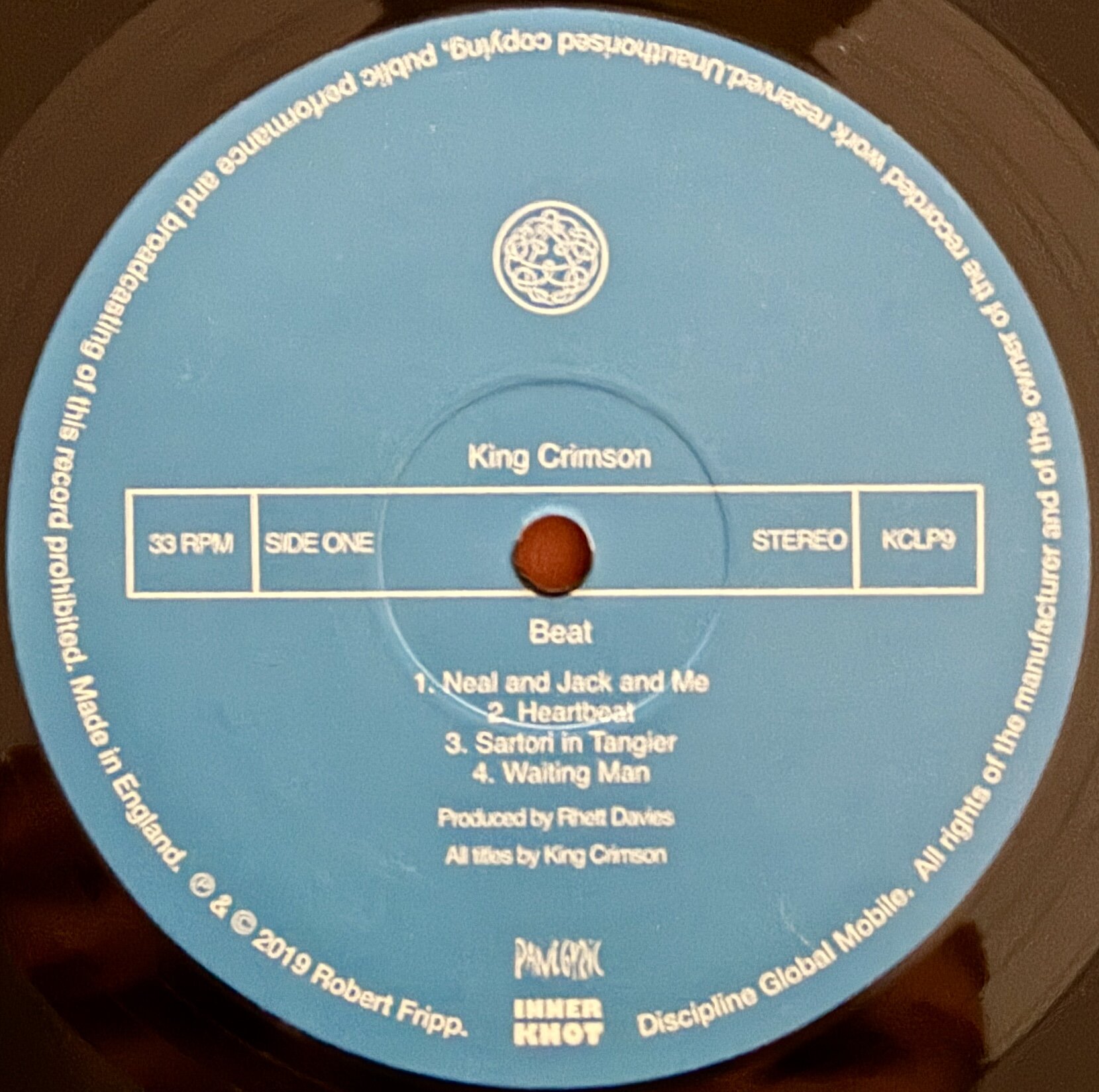
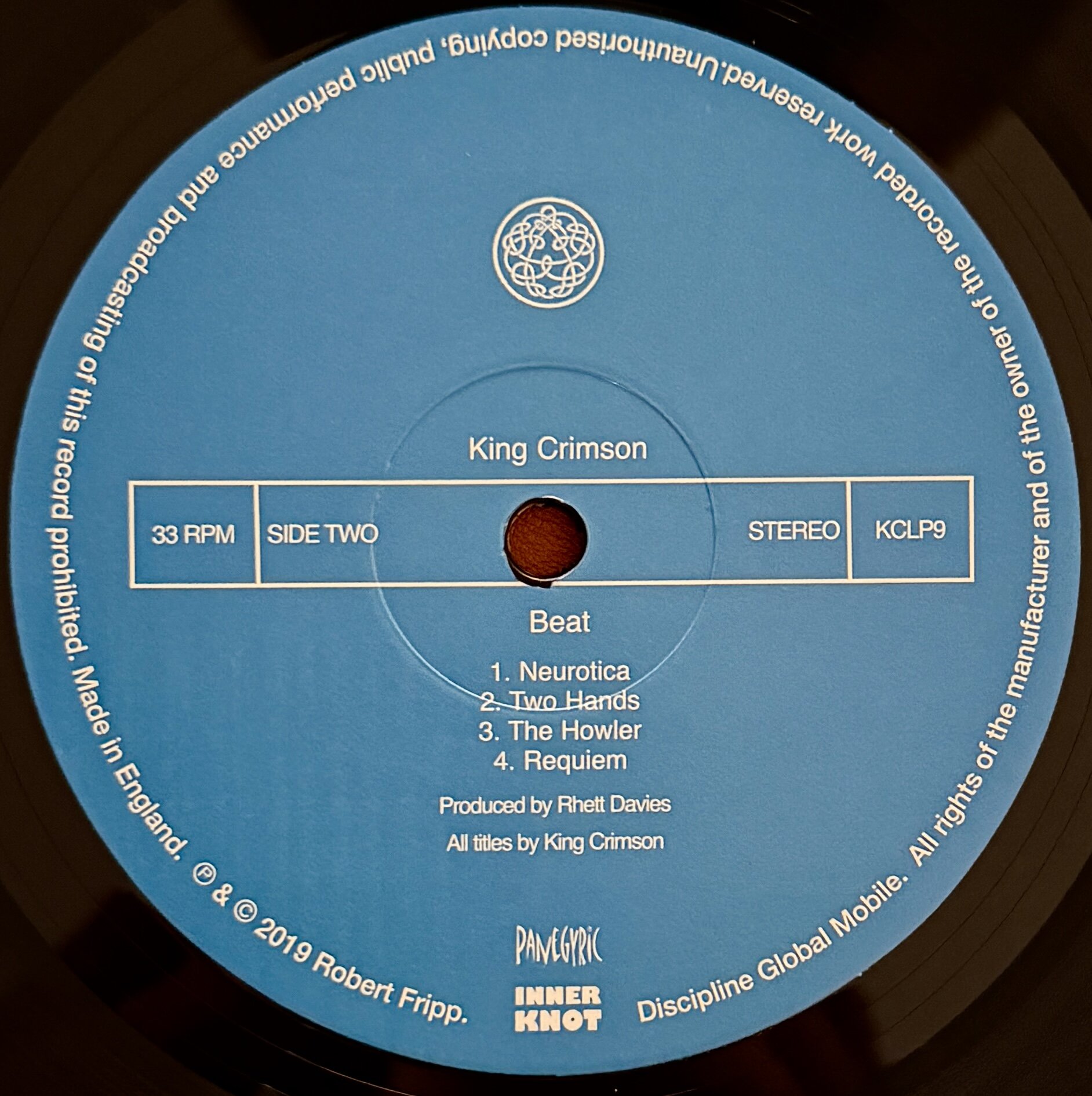
Io ho la versione KCLP9, la ristampa in vinile da 200 grammi col remix stereo curato da Robert Fripp e Steven Wilson.
“Neal and Jack and Me” è un brano di art rock e new wave dal ritmo incalzante, con intricati intrecci di chitarre. Ispirato alla Beat Generation, il pezzo è un’esplosione di energia urbana, con Adrian Belew che dipinge immagini vivaci e intense su una base ritmica travolgente. Le chitarre di Belew e Fripp si fondono alla perfezione (tecnica interlocking), mentre Tony Levin sostiene il tutto con linee di Chapman Stick potenti e vibranti.
“Heartbeat” è un brano pop rock atmosferico con una melodia orecchiabile e il tono malinconico, che contrasta con le atmosfere più intricate dell’album. È uno dei brani più melodici e accessibili della band. Robert Fripp contribuisce con fraseggi di chitarra fluidi ed emozionanti, mentre Belew regala una performance vocale calda e vulnerabile.
“Sartori in Tangier” è un pezzo strumentale ipnotico che fonde elementi etnici e ambient. Evoca le atmosfere esotiche di Tangeri, con un groove meditativo ma che mantiene una sottile tensione. Il Chapman Stick di Tony Levin spicca come elemento centrale, fungendo sia da basso che da strumento melodico principale, accompagnato dai complessi pattern poliritmici di Bill Bruford.
“Waiting Man” è un brano di avant-pop tribale che si sviluppa in un crescendo ipnotico, con le percussioni che evocano l’atmosfera di una giungla urbana. Il cantato di Belew, che entra in scena solo a metà canzone, si integra perfettamente con la musica, quasi a diventare un altro strumento. Il contributo di Bill Bruford è notevole, soprattutto nell’uso delle percussioni e del rullante, che creano un dialogo intricato con il suono pulito e circolare della chitarra di Fripp.
“Neurotica”, invece, è un pezzo di funk-rock nevrotico e sperimentale, caotico, stridulo e geniale. Racchiude perfettamente l’ansia e la frenesia della vita moderna in città. Adrian Belew distorce la sua chitarra per farla assomigliare a sirene impazzite e clacson, mentre la sezione ritmica di Levin e Bruford costruisce un groove dispari, funky e pesante.
“Two Hands” è una ballata atmosferica e sognante, caratterizzata da testi poetici e surreali scritti dalla moglie di Belew, Margaret Belew. Il brano si distingue per la voce morbida di Belew, che si posa su un tappeto di “Frippertronics”, i celebri loop di chitarra effettati e stratificati di Robert Fripp.
“The Howler” è un pezzo di new wave percussiva e frenetica. Si tratta di una cavalcata elettrica ricca di stacchi improvvisi e sincopati, con un testo che indaga il lato animale e istintivo dell’uomo. La sincronia tra i musicisti è perfetta, con le parti vocali ululanti di Belew che si integrano alla perfezione tra le complesse metriche della batteria e il basso incalzante.
Infine, “Requiem” è un brano di improvvisazione strumentale e math rock. Un pezzo oscuro, dissonante e angosciante che funge da epilogo ideale, riprendendo lo spirito d’avanguardia degli anni Settanta della band. Robert Fripp è il protagonista assoluto con la sua chitarra elettrica tagliente, stridula e in continua evoluzione, supportato dal soundscape atmosferico e dai contrappunti oscuri di Bill Bruford e Tony Levin.
Beat, pur essendo un ottimo album, viene messo inevitabilmente in ombra dal suo predecessore, Discipline, che è un vero e proprio capolavoro.
Discipline ha avuto un impatto pazzesco, ridefinendo il progressive rock con un mix esplosivo di New Wave, Post-Punk e minimalismo, e introducendo il concetto rivoluzionario delle chitarre “interlocking”. Beat, invece, non ha lo stesso effetto sorpresa, ma perfeziona e affina la formula già sperimentata. Pur arricchendo il sound con elementi letterari ispirati alla Beat Generation, rimane musicalmente più vicino al suo predecessore.
Discipline si distingue per la sua struttura geometrica e matematica, ogni nota sembra studiata nei minimi dettagli, creando una tensione costante. Beat, al contrario, è più accessibile e melodico, a tratti persino commerciale, come dimostra Heartbeat. L’album dà maggiore spazio alla forma-canzone e alle capacità vocali di Adrian Belew, risultando più morbido ed emotivo.
La registrazione di Discipline è stata alimentata dall’entusiasmo della reunion e dalla scoperta di una chimica perfetta tra i membri della band. Beat, invece, è nato sotto la pressione di scadenze strette e aspettative commerciali, creando le prime tensioni tra Fripp e Belew. Questo si riflette in brani caotici e destrutturati come Neurotica o l’improvvisazione finale Requiem.
Se Discipline è un’opera fondamentale che ha segnato la storia del rock, Beat rappresenta un capitolo di passaggio interessante e piacevole. Pur non avendo la stessa forza rivoluzionaria, contiene alcune delle migliori canzoni pop-prog della band e rivela un lato più umano e poetico della formazione degli anni ’80.
La Mia Versione
Etichetta: Discipline Global Mobile – KCLP9, Panegyric – KCLP9, Inner Knot – KCLP9
Formato: Vinile, LP, Album, Reissue, Remastered, 200 Gram
Paese: Europe
Uscita: 2019
Tracklist
A1 Neal And Jack And Me
A2 Heartbeat
A3 Sartori In Tangier
A4 Waiting Man
B1 Neurotica
B2 Two Hands
B3 The Howler
B4 Requiem
LineUp
Chapman Stick [Stick], Bass Guitar, Backing Vocals [Support Vocal] – Tony Levin
Drums [Drumming] – Bill Bruford
Guitar, Lead Vocals [Lead Vocal] – Adrian Belew
Guitar, Organ, Electronics [Frippertronics] – Robert Fripp

Nota: Tutti i link ai lavori dei musicisti sono nei TAG sotto il titolo dell'articolo o nella pagina "Artisti"