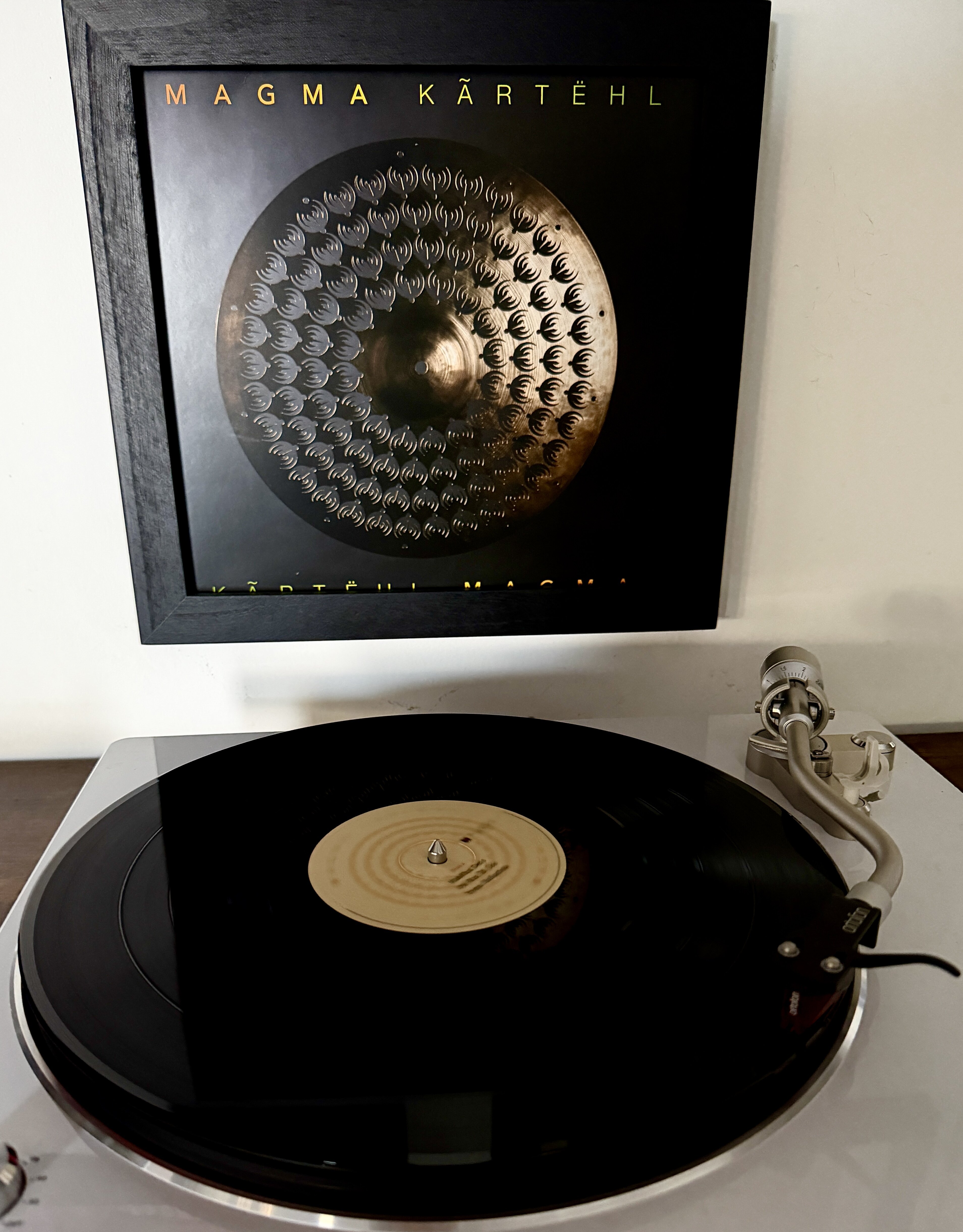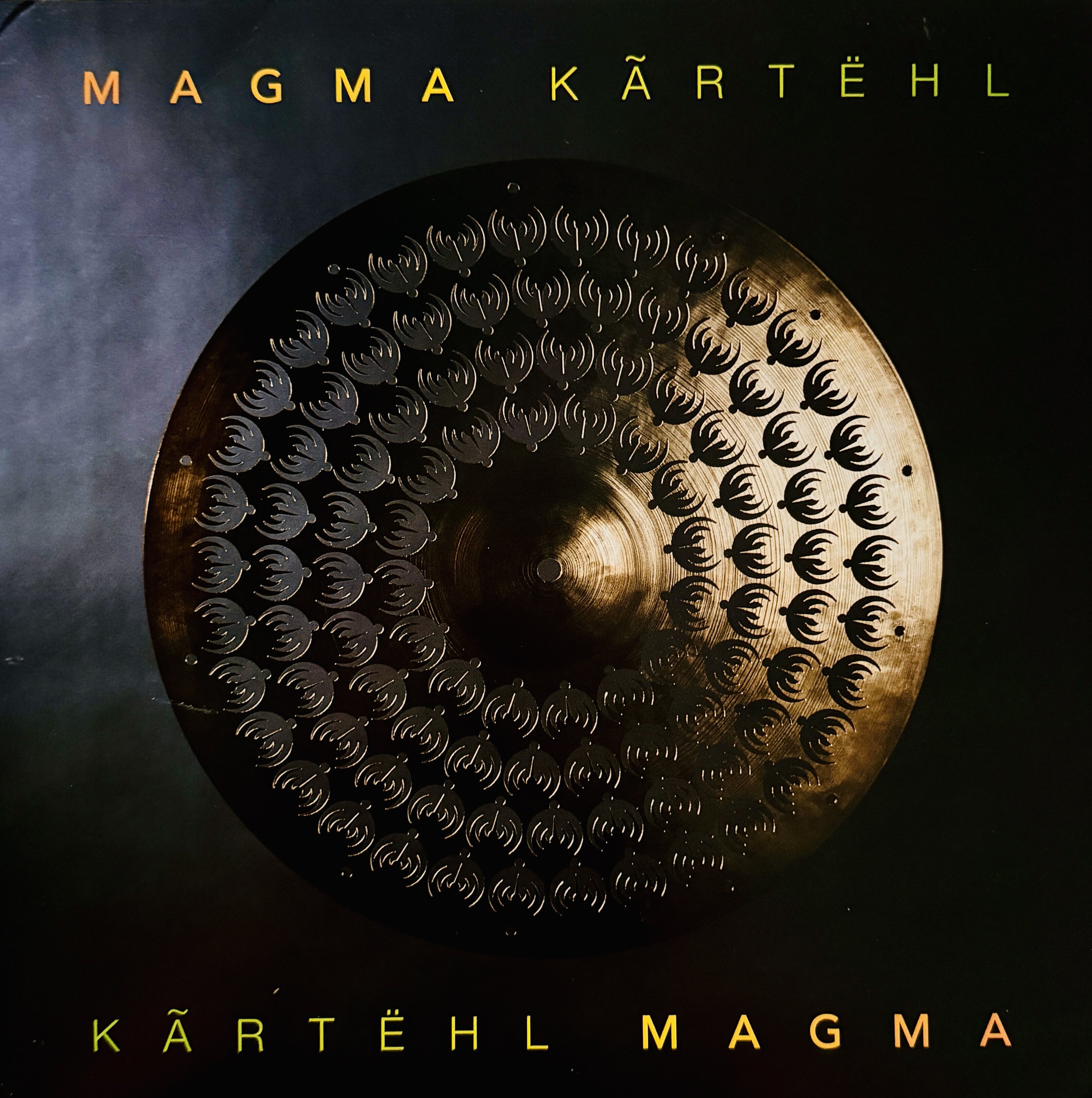
Kartehl by Magma, 2022 album.
Between this album and the previous one, Zëss of 2019, there have been important changes in the line-up and style of Magma.
One of the biggest changes concerns the electric bass, the Zeuhl's symbolic instrument. For years the permanent bassist was Philippe Bussonnet, but in Kãrtëhl comes Jimmy Top, son of Jannick Top, the legendary bassist who in the 70s created the powerful and unmistakable sound of Magma.
In place of keyboardist Bruno Ruder, the band brought in two big names from French jazz and fusion: Thierry Eliez and Simon Goubert. This change shifted the whole way of working. Vander asked them to compose, and the two wrote complex pieces, yet full of light.
Finally, the choir section moved from a traditional setup to a group of six permanent singers (Stella, Isabelle, Hervé, Sylvie, Caroline, Laura). The arrival of new female voices made it possible to create richer, airier harmonies, with a gospel and soul touch.
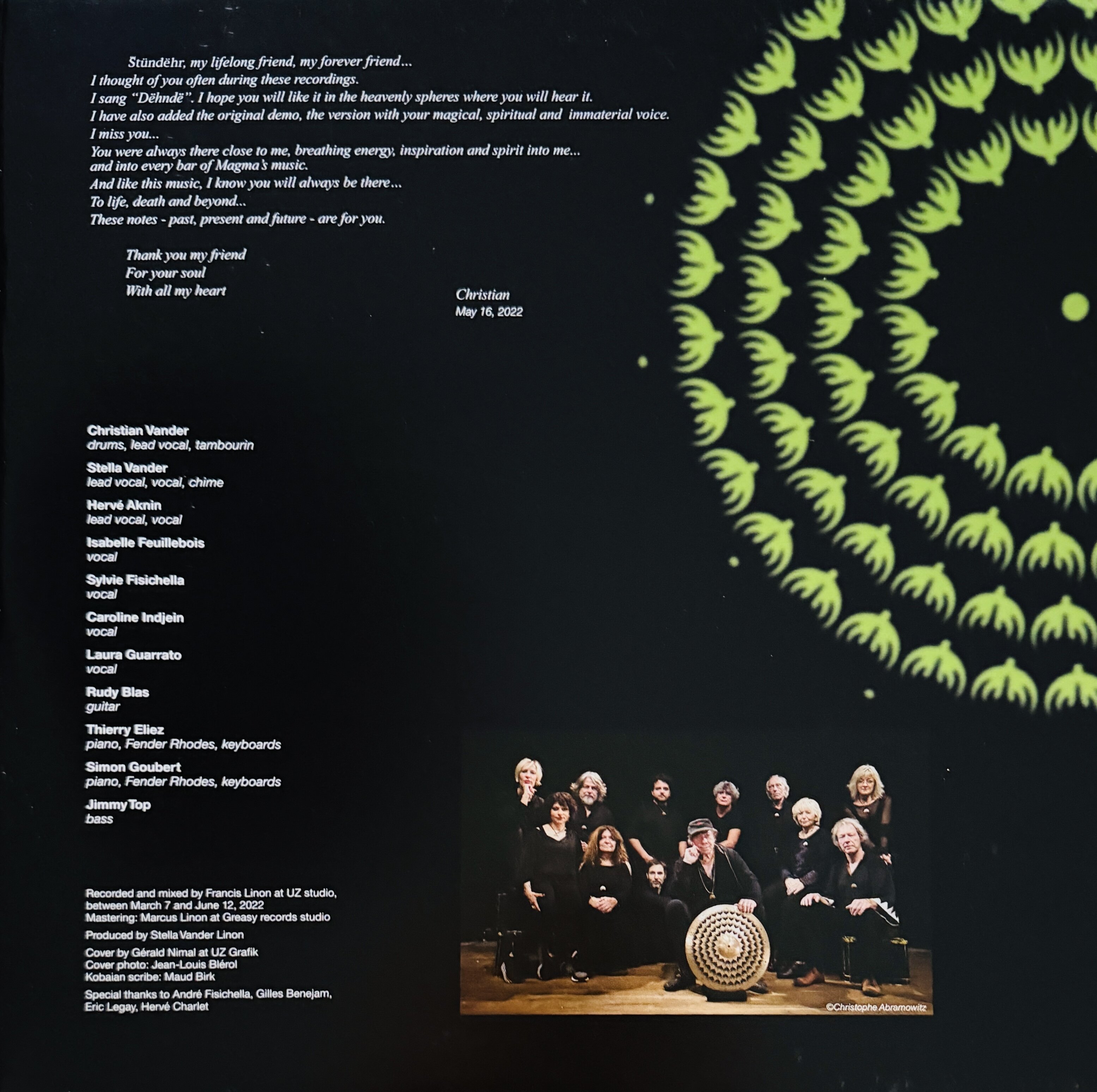
The lineup features a colossal 11-piece band (plus a historic guest). Officially born in 2020, this configuration marked a real internal revolution, with new faces bringing a breath of freshness after decades of continuity.
Christian Vander: Drums, lead vocals, piano.
Stella Vander gifts us her voice, backing vocals and chime, while Hervé Aknin joins her on backing vocals. Isabelle Feuillebois, Sylvie Fisichella, Caroline Indjein and Laura Guarrato complete the vocal group. Rudy Blas makes us dream with his guitar, and Thierry Eliez and Simon Goubert enchant us with their skills on piano, Fender Rhodes and keyboards. Jimmy Top holds the groove on bass, and as a special guest, we have the honor of hearing René Garber, a historic collaborator from the band’s early days, who delights us with his voice and his piano, a precious memory before his passing.
Kãrtëhl was born in a particular period, during the COVID-19 pandemic. Between 2020 and 2021, with restrictions and more than a year and a half without concerts, Magma decided to use this time to make new music in the studio. For years it had been rumored that the band would break up after the release of Zëss, an epic and apocalyptic album released in 2019. Kãrtëhl arrived as a surprise precisely to disprove that prediction.
Unlike the previous records, almost all written by Vander, this one came from major teamwork. In 2020, the band changed lineup and the new musicians were asked to write songs, something that hadn’t happened in a very long time. If Zëss spoke of a dark future and the end of the myth of Kobaïa, Kãrtëhl is an album full of light, sunny and optimistic. The sounds are closer to jazz-rock and soul-zeuhl, more relaxed and “human”.
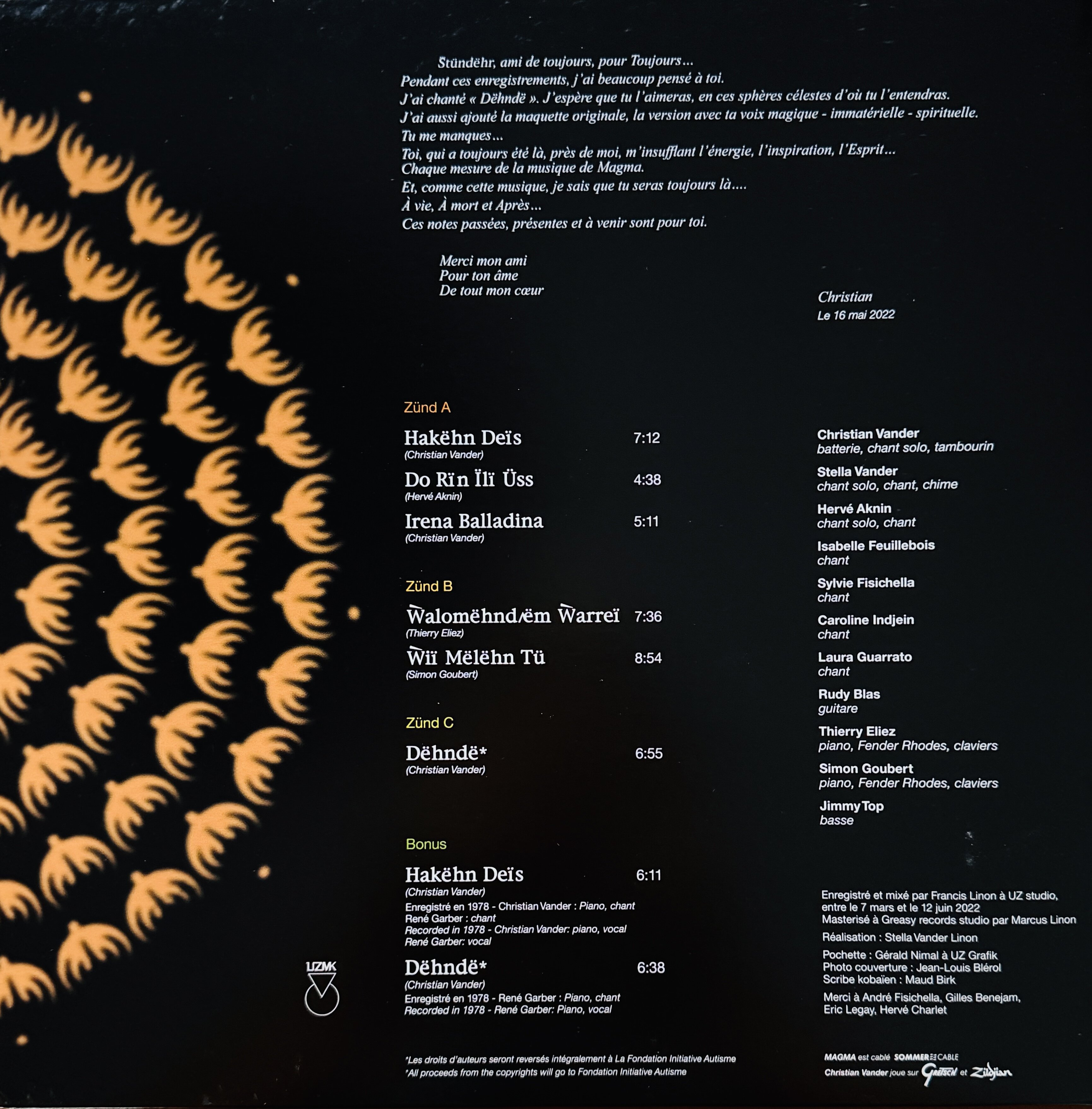
The proceeds from the track Dëhndë were donated to the French foundation La Fondation Initiative Autisme, which helps people with autism. On the CD and double LP version, in addition to the 6 unreleased songs by the new band, there are two archival bonus tracks recorded at Vander’s home in 1978.
Magma, famous for their sci-fi saga about Kobaïa and the end of Earth, which concluded with the bleak Zëss (2019), with Kãrtëhl change course completely: musically and conceptually, they leave behind martial marches and dark atmospheres to embrace a sunny, serene and spiritual world. Instead of aliens and apocalypses, this record explores human feelings such as joy, harmony and the celebration of life.
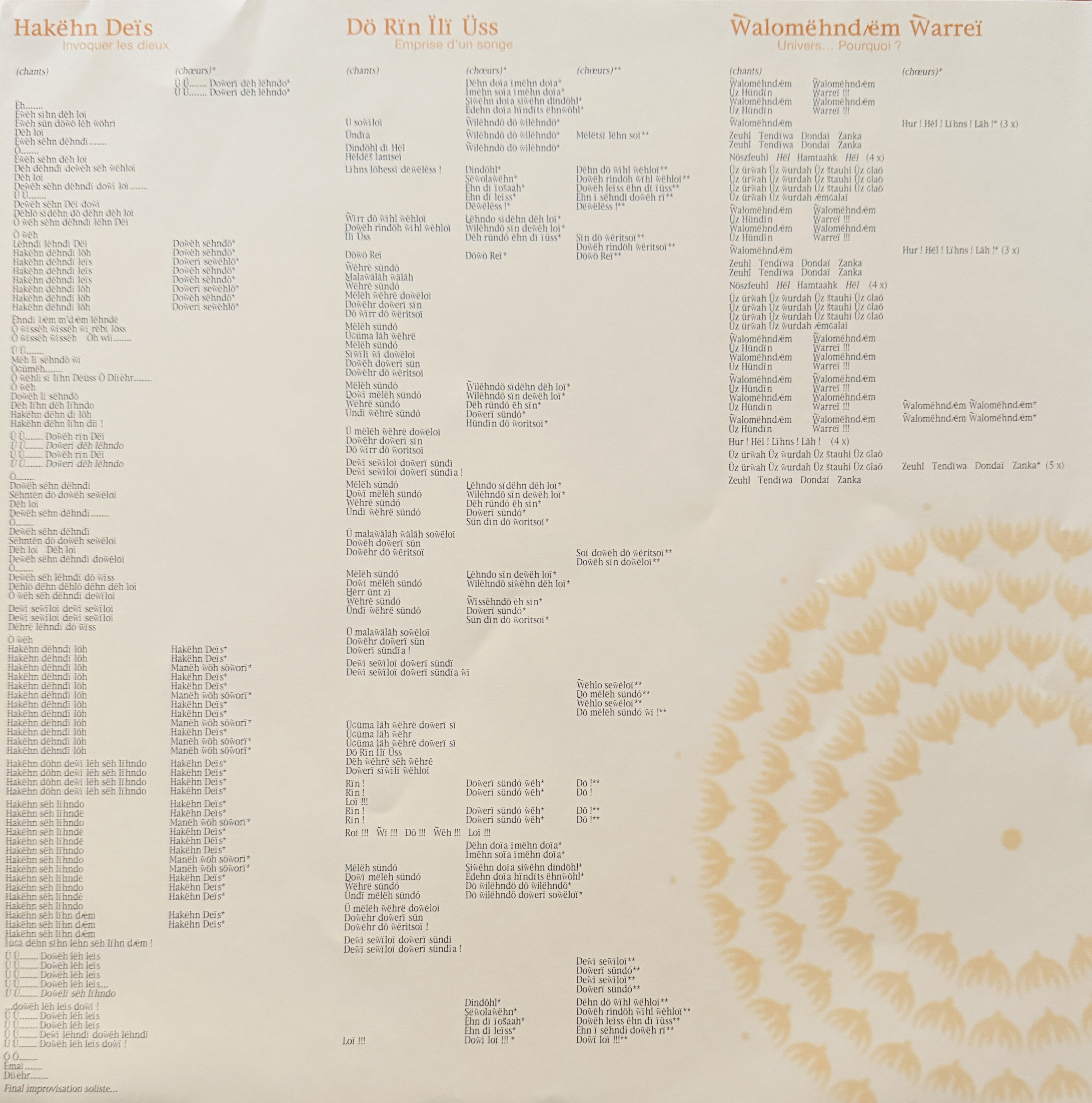
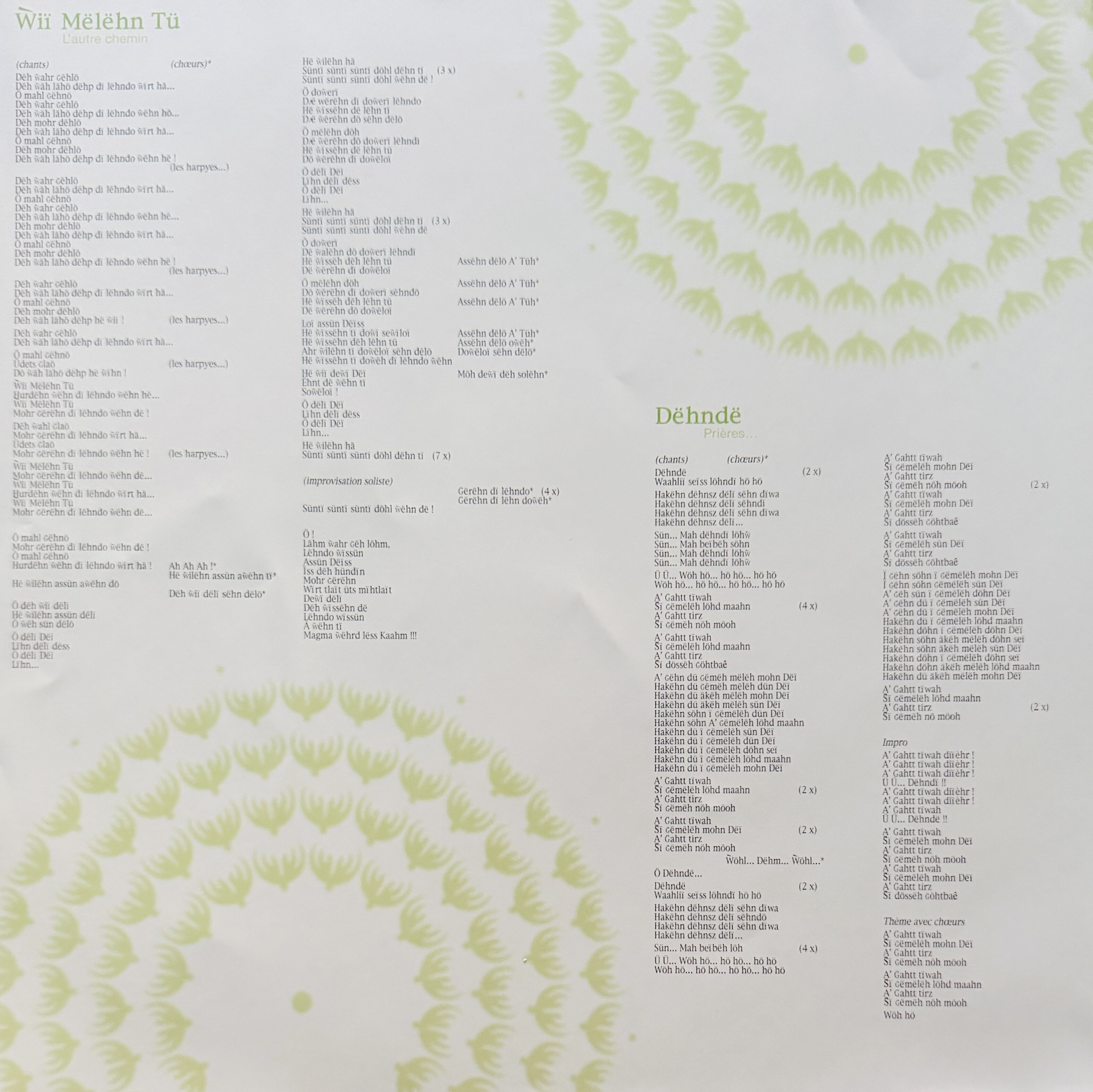
The singing on this album is also entirely in Kobaïan (Kobaïan), the artificial language created by the band’s leader Christian Vander. Despite the change in mood and the move toward jazz-funk and soul, Magma have kept their distinctive hallmark. However, the use of Kobaïan on this album has some peculiarities.
First of all, Kobaïan is more “human” and softer. In the past, it was sung with martial tones, screams, extreme falsettos and an almost military emphasis. In Kãrtëhl, the phonetic texts are adapted to flowing melodies and soul harmonies, making the sound of the language much sweeter, more accessible and closer to earthly sonorities. The care and transcription of the lyrics was entrusted to Maud Birk, ironically credited as “Scribe kobaïen”.
Tracks like Hakëhn Deïs (sung by Vander himself) and Dëhndë show how the hard phonetics of Kobaïan can turn into a perfect rhythmic bed for sunny, catchy, groove-rich pieces.
Kãrtëhl’s musical style departs from the dramatic, oppressive atmospheres typical of traditional Zeuhl, offering a decidedly softer, sunnier, more melodic and accessible sound. While keeping Magma’s unmistakable identity, the album is marked by a strong black and jazz cross-pollination.
One of the most interesting new elements is the influence of soul, rhythm and blues and jazz-funk. The groove becomes more danceable and relaxed, far from the rigid, famous military marches of masterpieces like Mëkanïk Dëstruktïw Kommandöh.
The sound bed is dominated by warm electric pianos and synthesizers, handled by Simon Goubert and Thierry Eliez, which give the record an aesthetic typical of 1970s jazz-rock and fusion.
The vocal section, made up of no fewer than six singers, abandons apocalyptic ritual chants for complex yet luminous polyphonic weaves. The vocal lines in the Kobaïen language convey joy, serenity and enthusiasm.
Christian Vander, on drums, adopts a less furious and monumental style, devoted to serving the melody with a refined, dynamic and jazzy approach.
Finally, the tracks unfold in more contained lengths (between 4 and 9 minutes) and more linear structures, temporarily setting aside the mammoth 30- or 40-minute suites typical of the band.
Kãrtëhl is one of the most unexpected surprises in Magma’s long history, a triumph of artistic longevity for a band active for over 50 years, able to reinvent itself without ever betraying its identity.
The album brought a breath of fresh air thanks to the addition of new musicians, and this broke the predictability of the last works, enriching the arrangements with sophisticated touches and a driving groove, giving Kãrtëhl an accessibility that had been missing for some time. The shorter, more melodic tracks make what is their latest record, paradoxically, the ideal record for those approaching Magma’s music for the first time, without the hurdle of the monumental suites of the past.
Those expecting the most uncompromising, martial and apocalyptic Zeuhl will find the record too soft and commercial by the group’s very high standards, but it is a record that is deliberately vital and luminous, making it surprisingly modern. It’s not their absolute masterpiece, but it is undoubtedly their most enjoyable and sunniest work in forty years. Excellent!
My Version
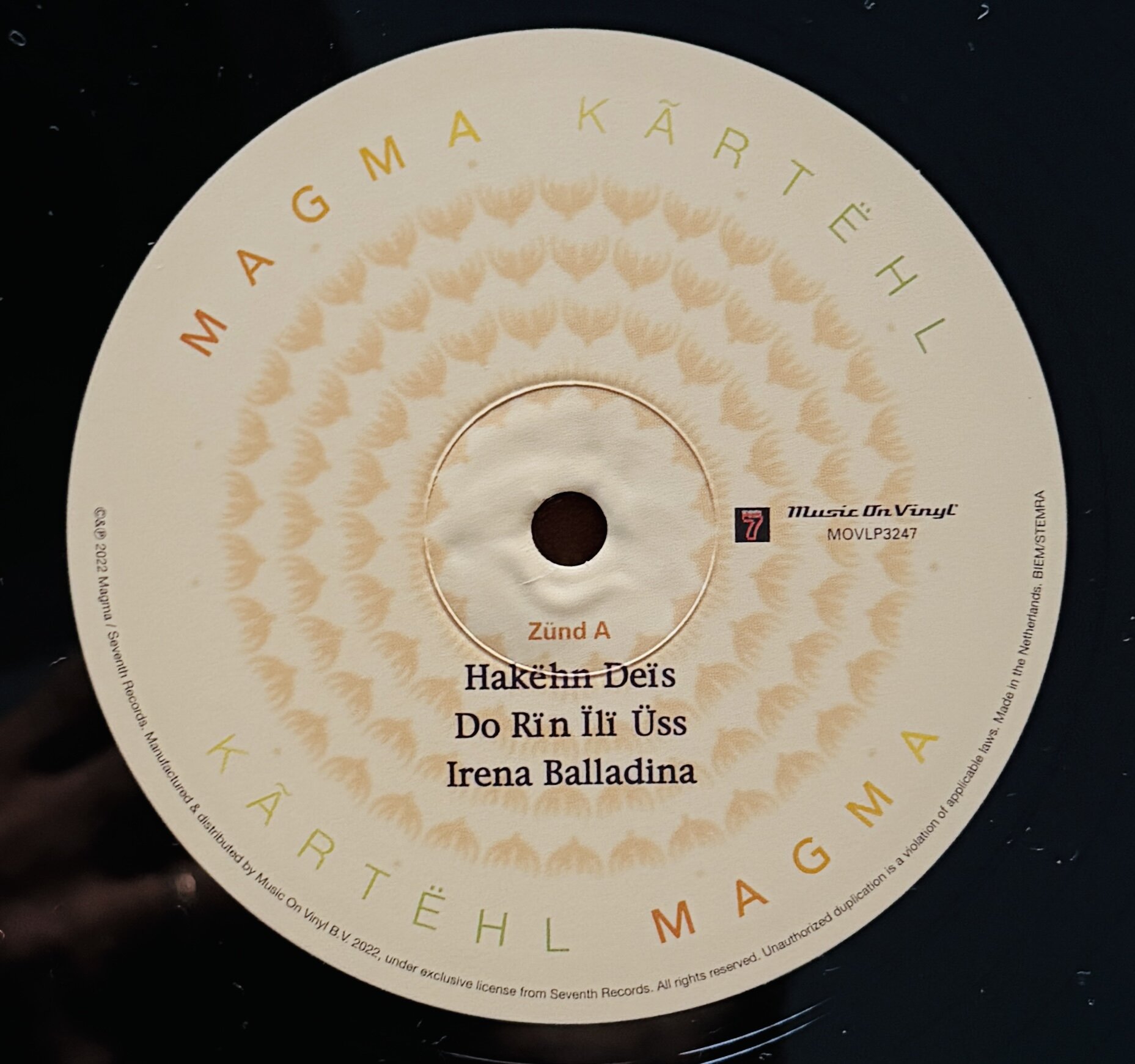
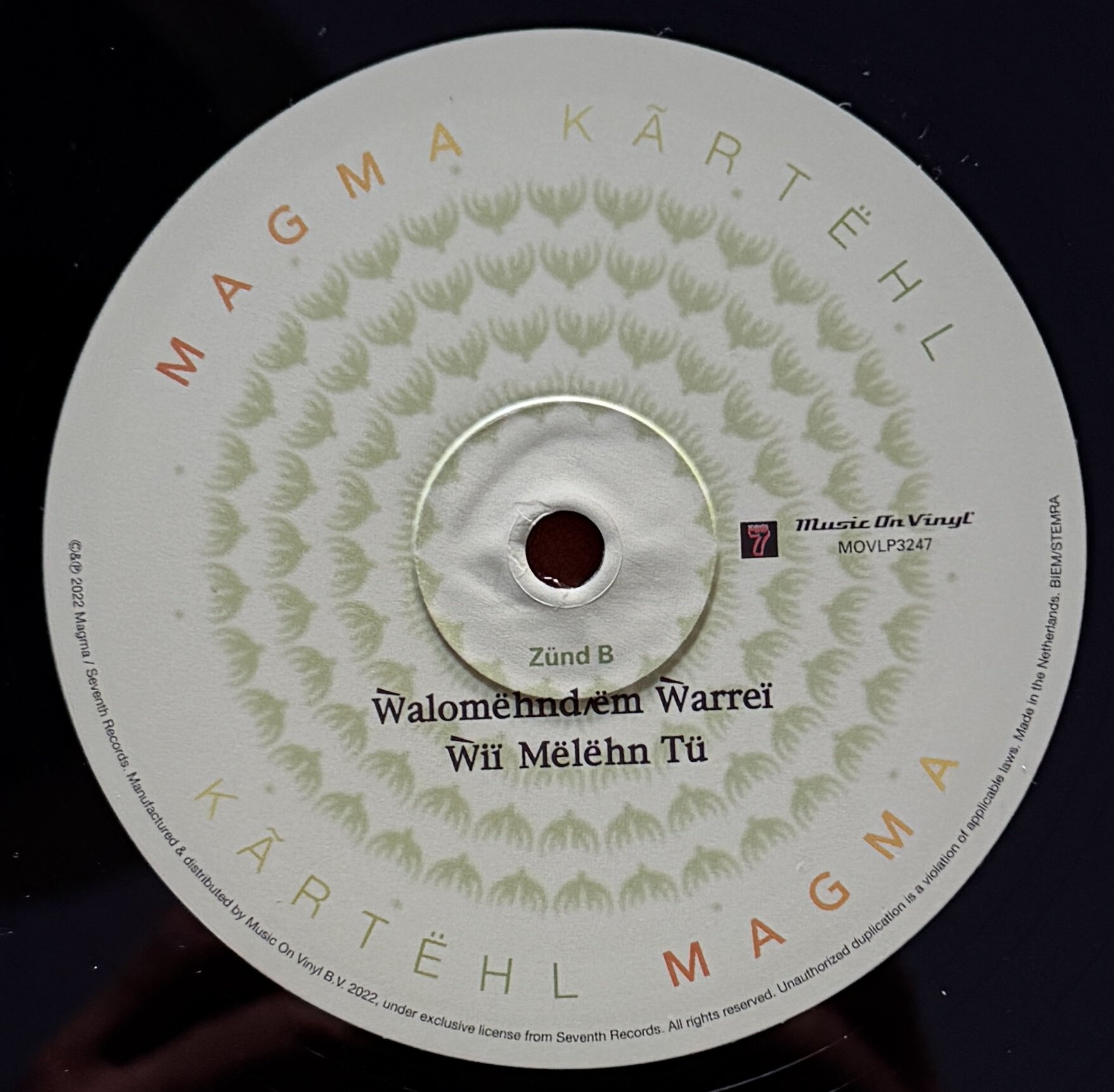
Label: Seventh Records – MOVLP3247, Music On Vinyl – MOVLP3247
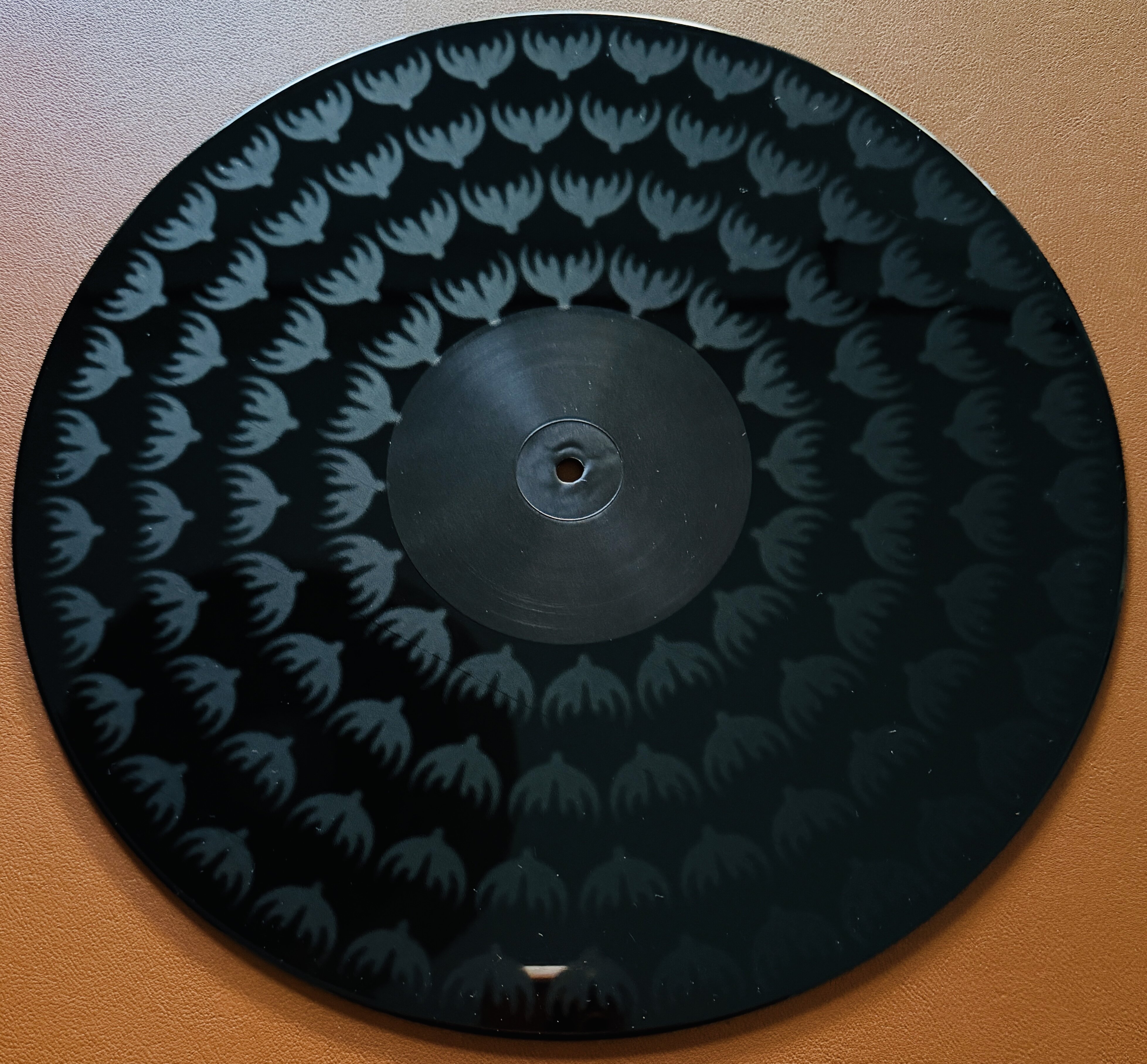
Format: Vinyl, LP, 180 g, Vinyl, LP, Single Sided, Etched, 180 g
Country: Europe
Released: 7 Oct 2022
Tracklist
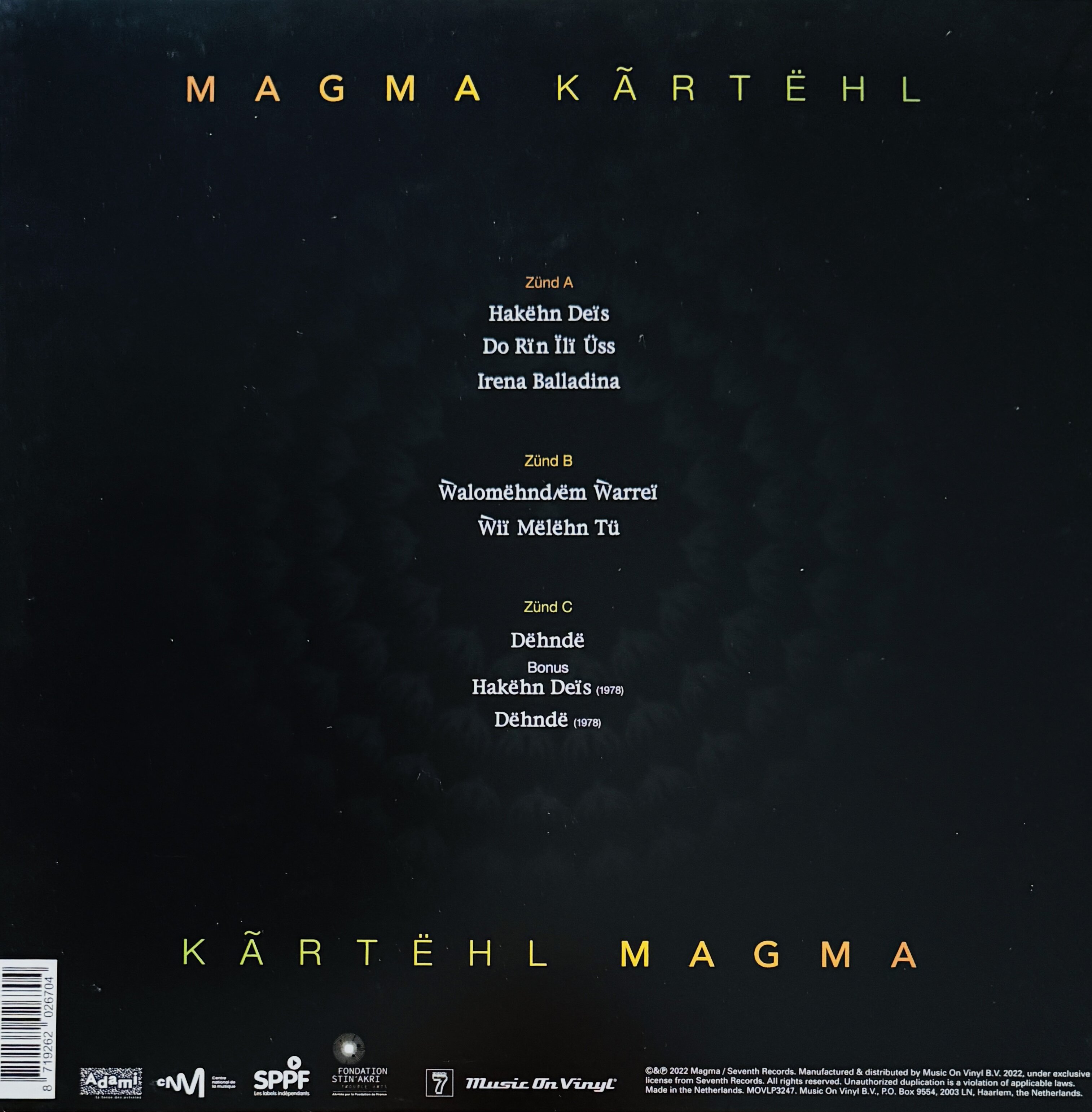
A1 Hakëhn Deïs 7:12
A2 Do Rïn Ïlï Üss 4:38
A3 Irena Balladina 5:11
B1 Ẁalomëhnd⁄ëm Ẁarreï 7:36
B2 Ẁiï Mëlëhn Tü 8:54
C1 Dëhndë 6:55
Bonus Tracks
C2 Hakëhn Deïs (1978) 6:11
C3 Dëhndë (1978) 6:38
Lineup
Instrumentalists
Christian Vander: Drums, lead vocals, tambourine
Jimmy Top: Bass
Rudy Blas: Guitar
Thierry Eliez: Piano, Fender Rhodes, keyboards
Simon Goubert: Piano, Fender Rhodes, keyboards
Singers (Vocal Section)
Stella Vander: Lead vocals, backing vocals, bells
Hervé Aknin: Lead vocals, backing vocals
Isabelle Feuillebois: Backing vocals
Sylvie Fisichella: Backing vocals
Caroline Indjein: Backing vocals
Laura Guarrato: Backing vocals
Note: On the bonus tracks originally recorded as demos in 1978 and included on the album, the historic collaborator René Garber also appears on vocals and piano