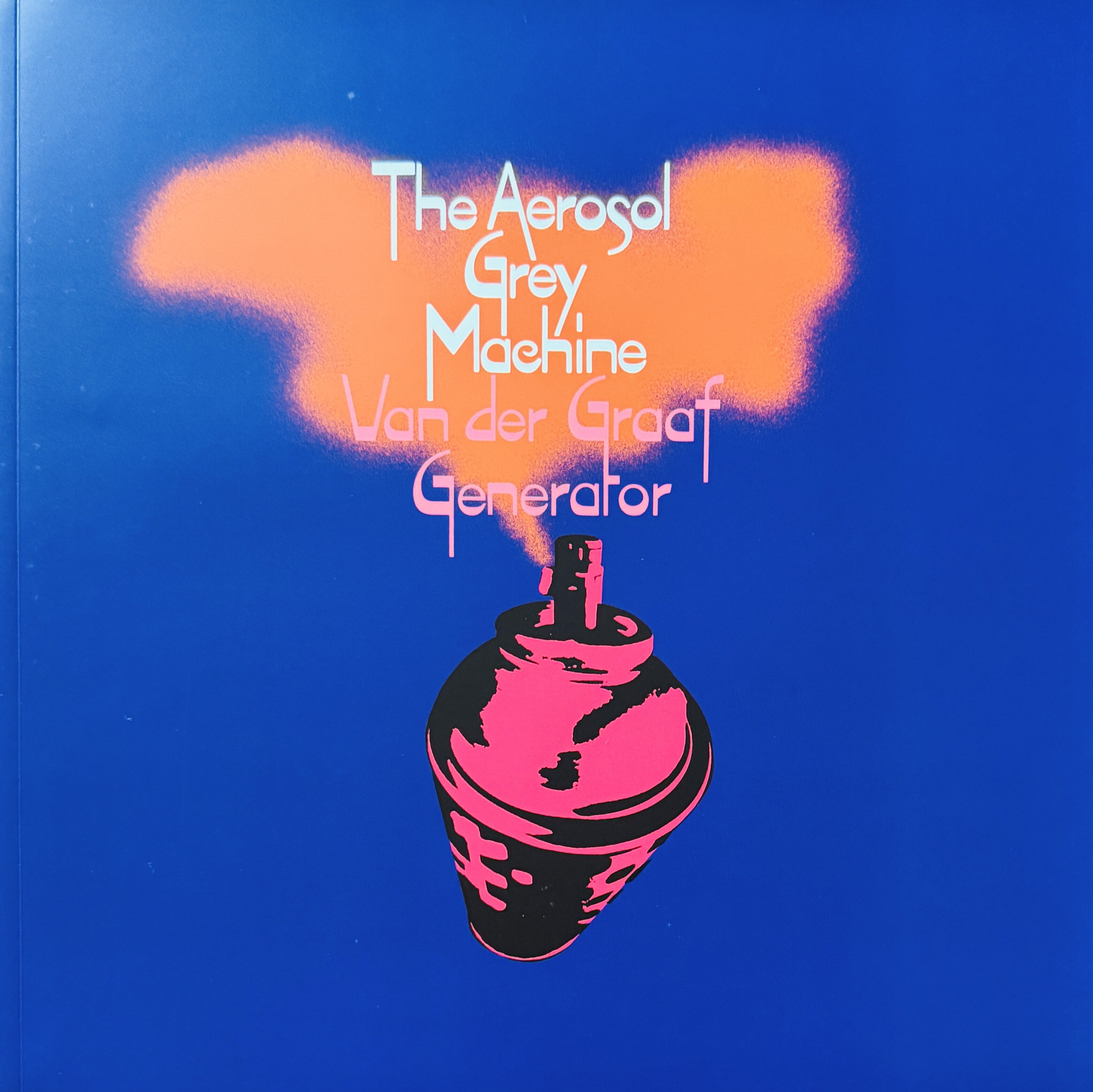
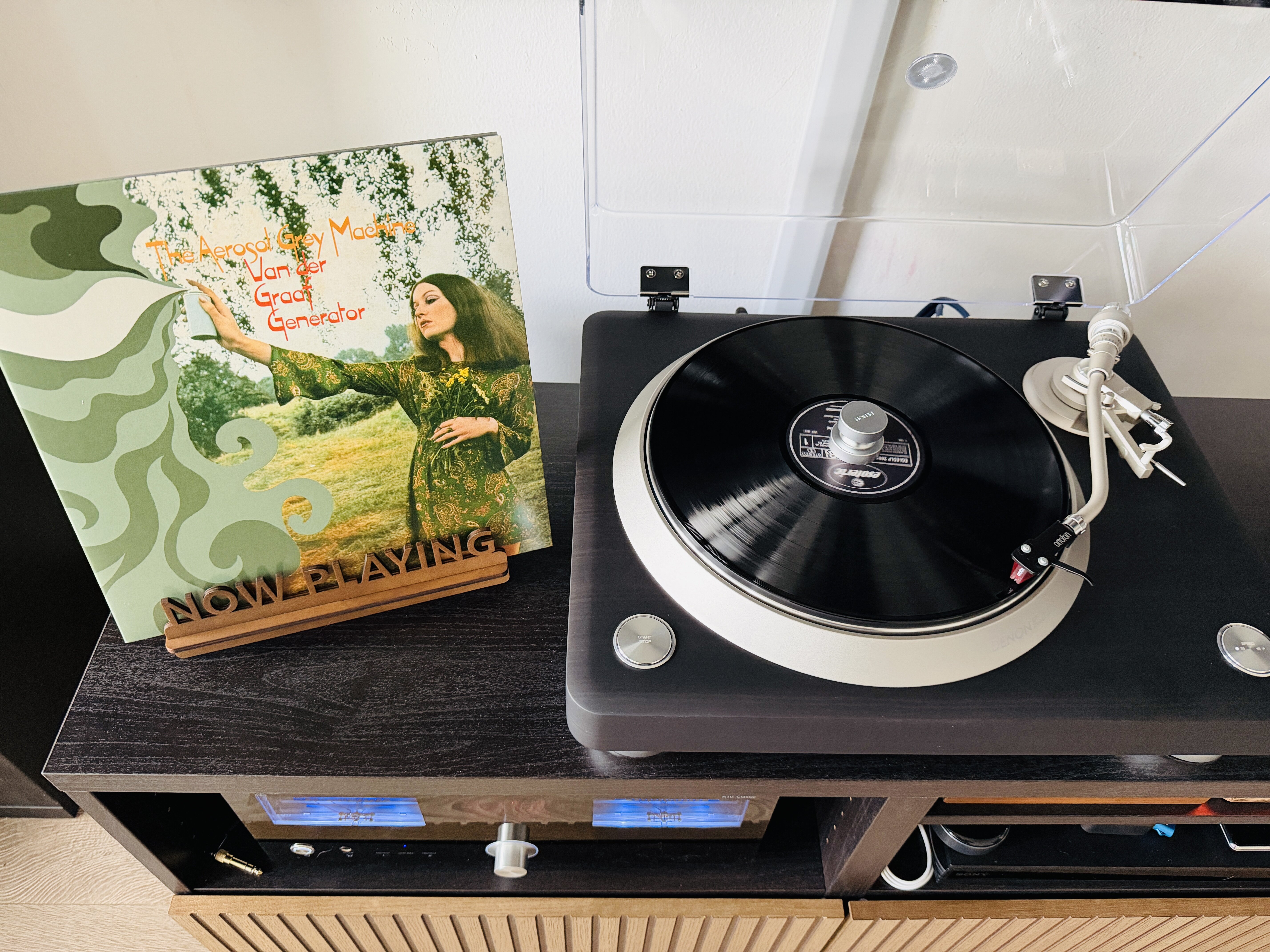
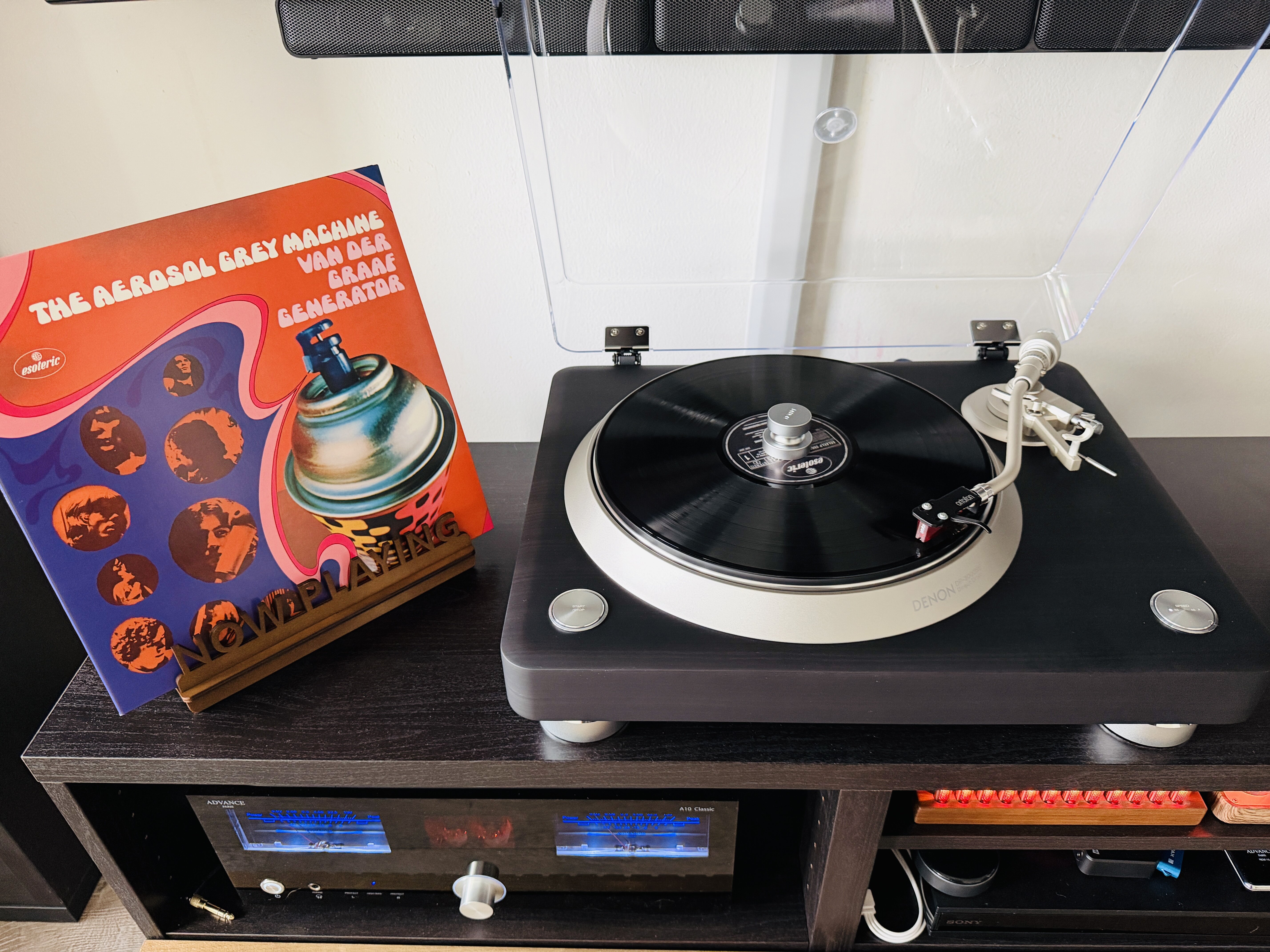
The Aerosol Grey Machine by Van der Graaf Generator, a 1969 album.
The Aerosol Grey Machine, released in September ’69, is the debut album by the Van der Graaf Generator, a British progressive rock band. The story behind its birth and release is one of the strangest, toughest and most fascinating in progressive rock.
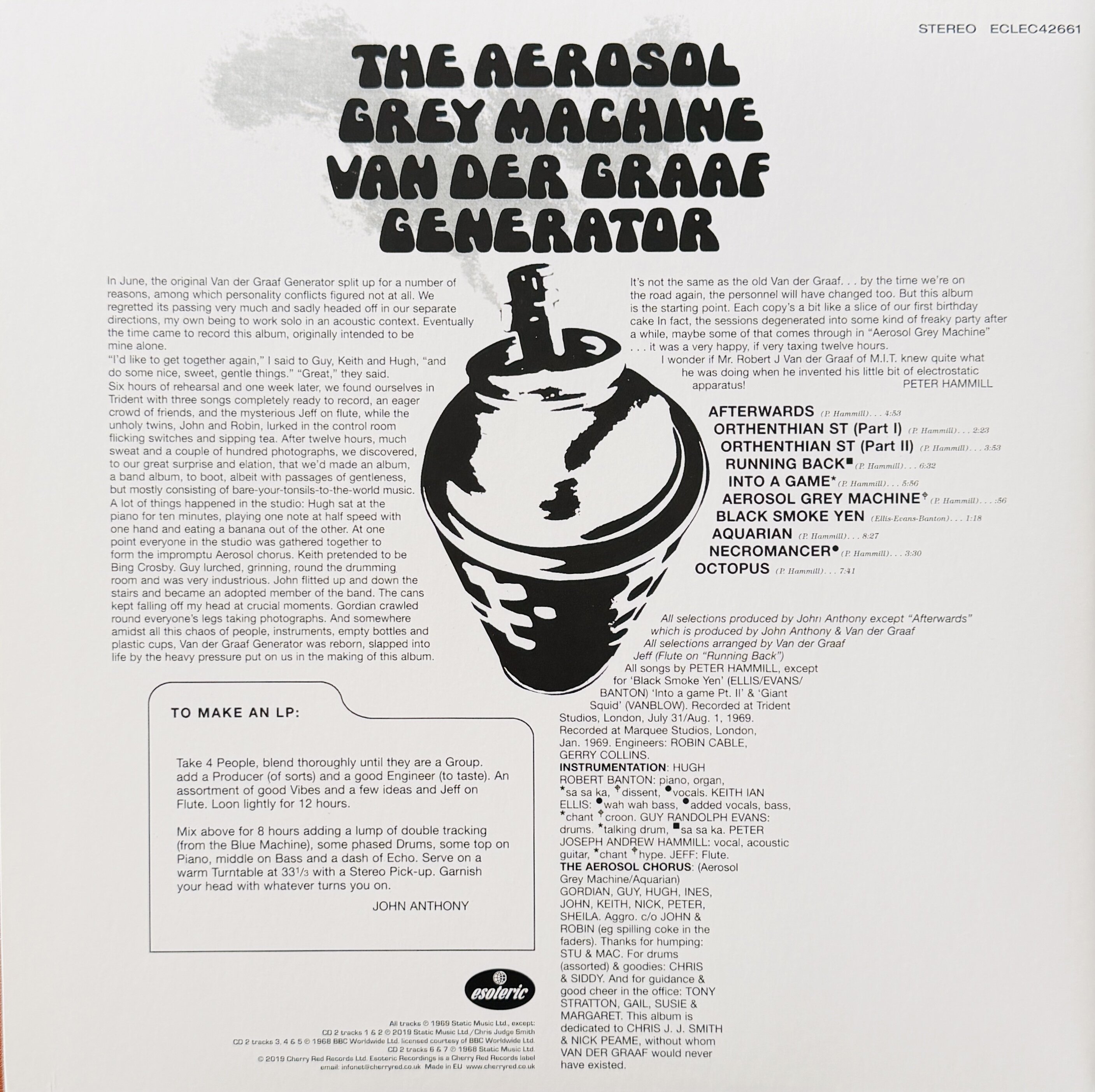
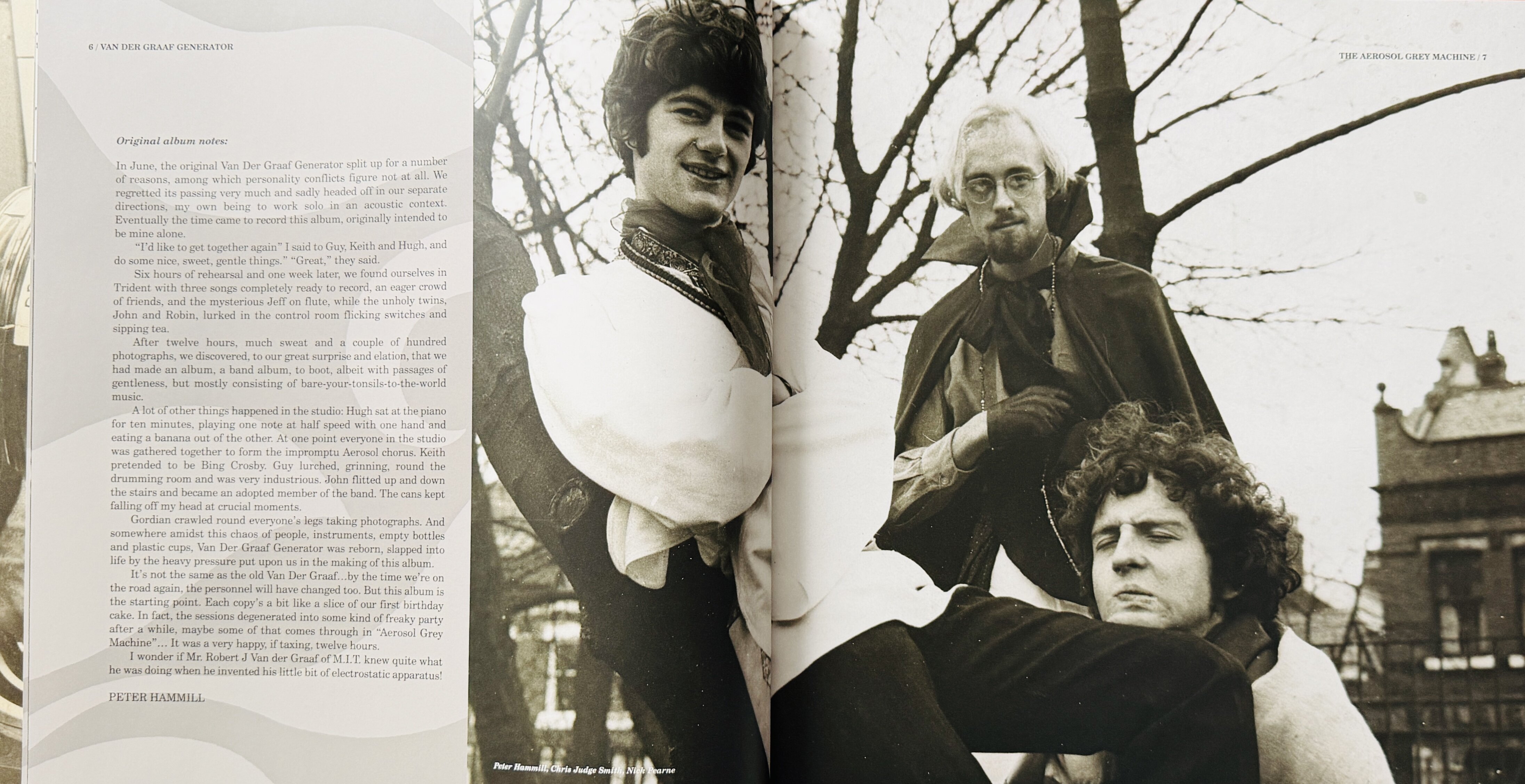
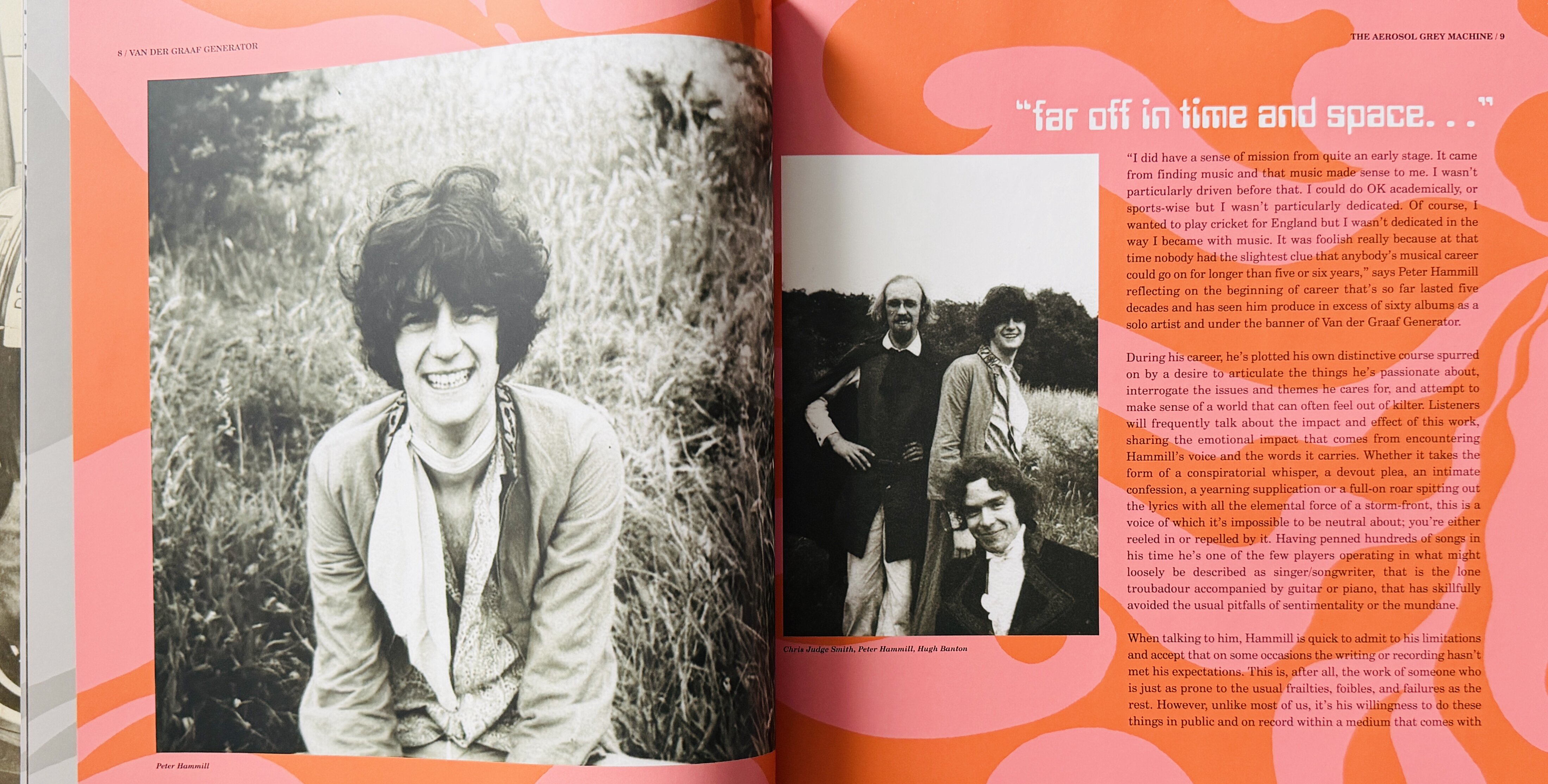
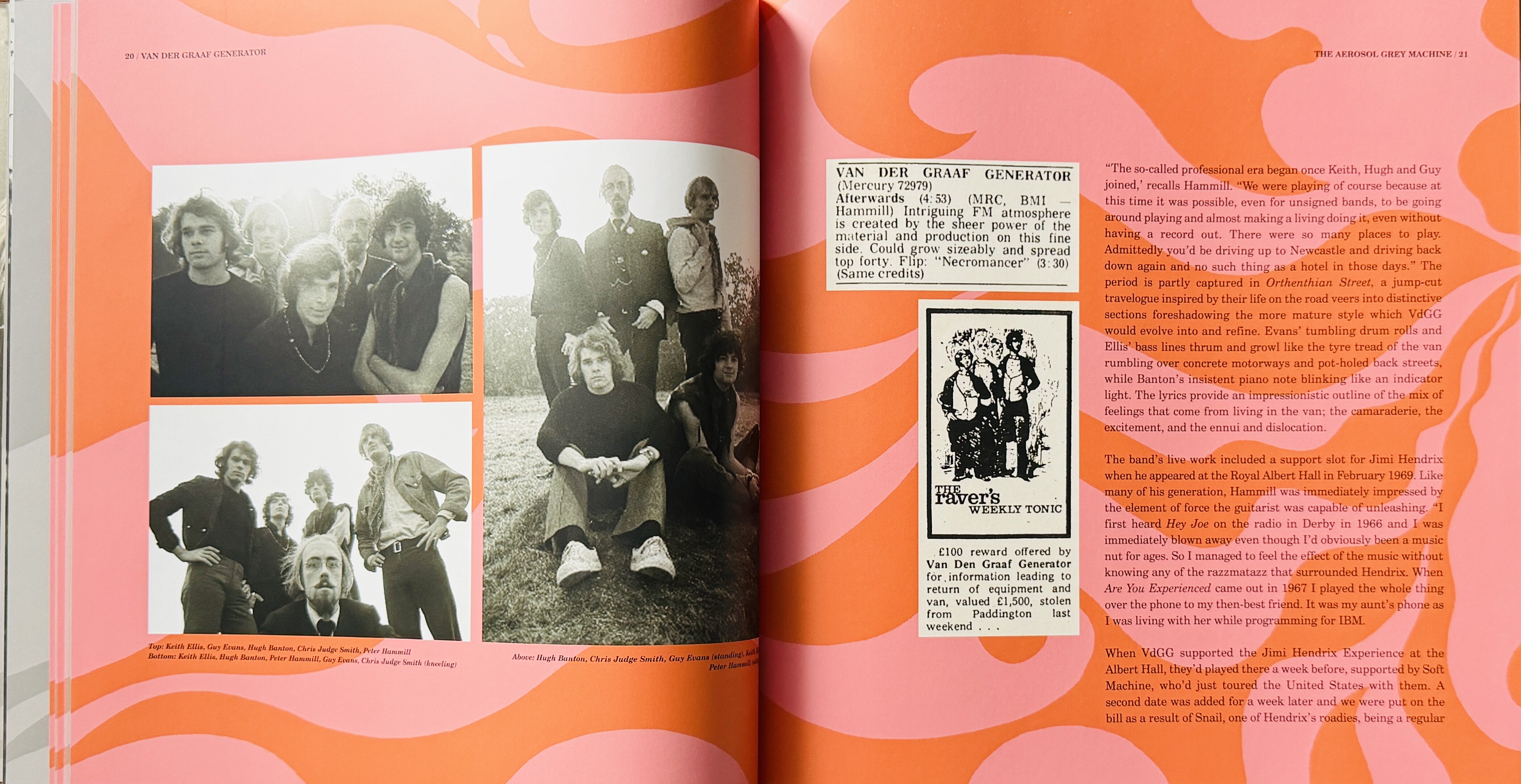
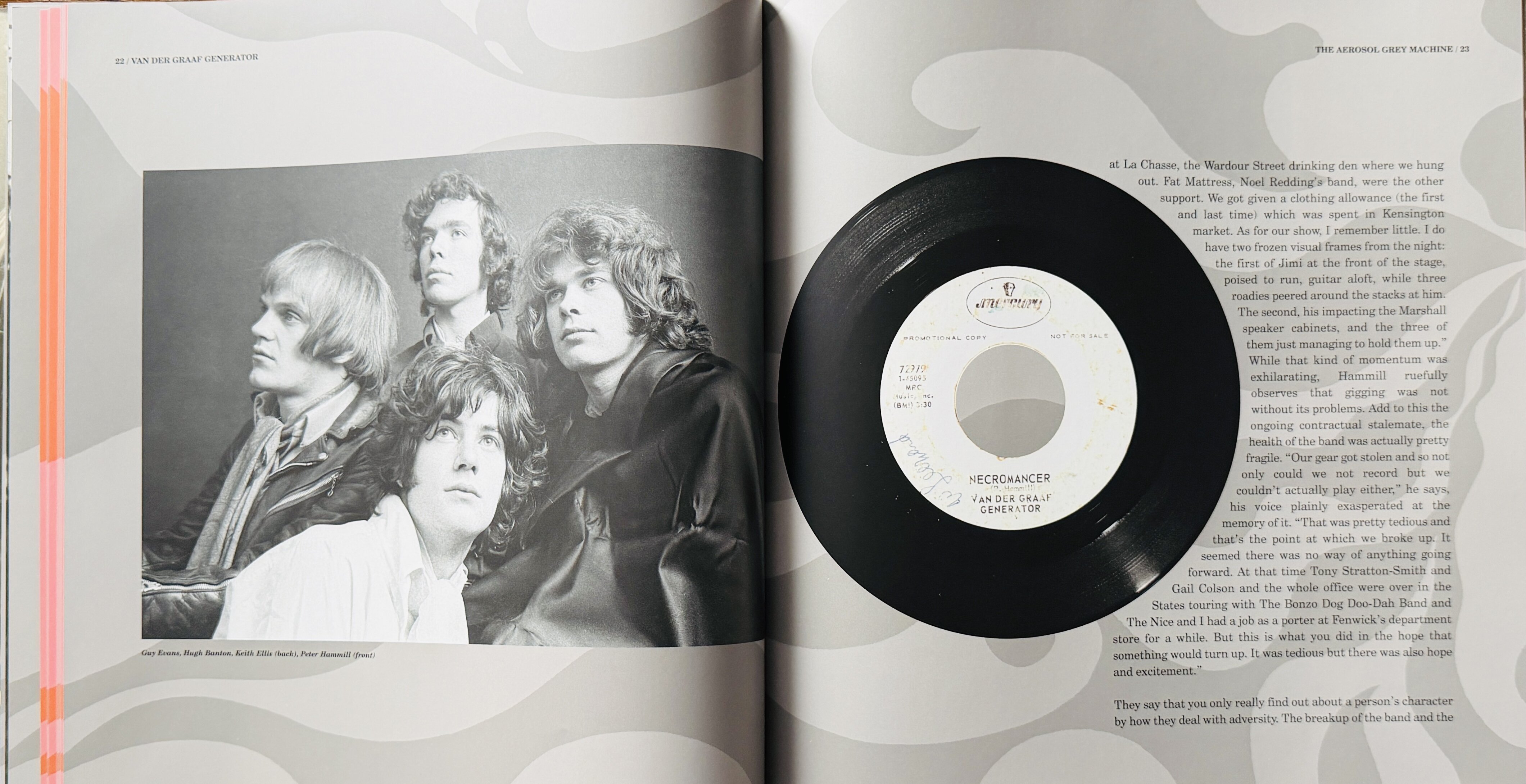
At first, it wasn’t meant to be a Van der Graaf Generator album. In ’69, the band, due to financial and legal troubles and the theft of all their gear after a concert, had practically broken up. Peter Hammill, the singer and leader, decided to record his first solo album, calling the former bandmates – Hugh Banton on keyboards, Keith Ellis on bass and Guy Evans on drums – as backing musicians.
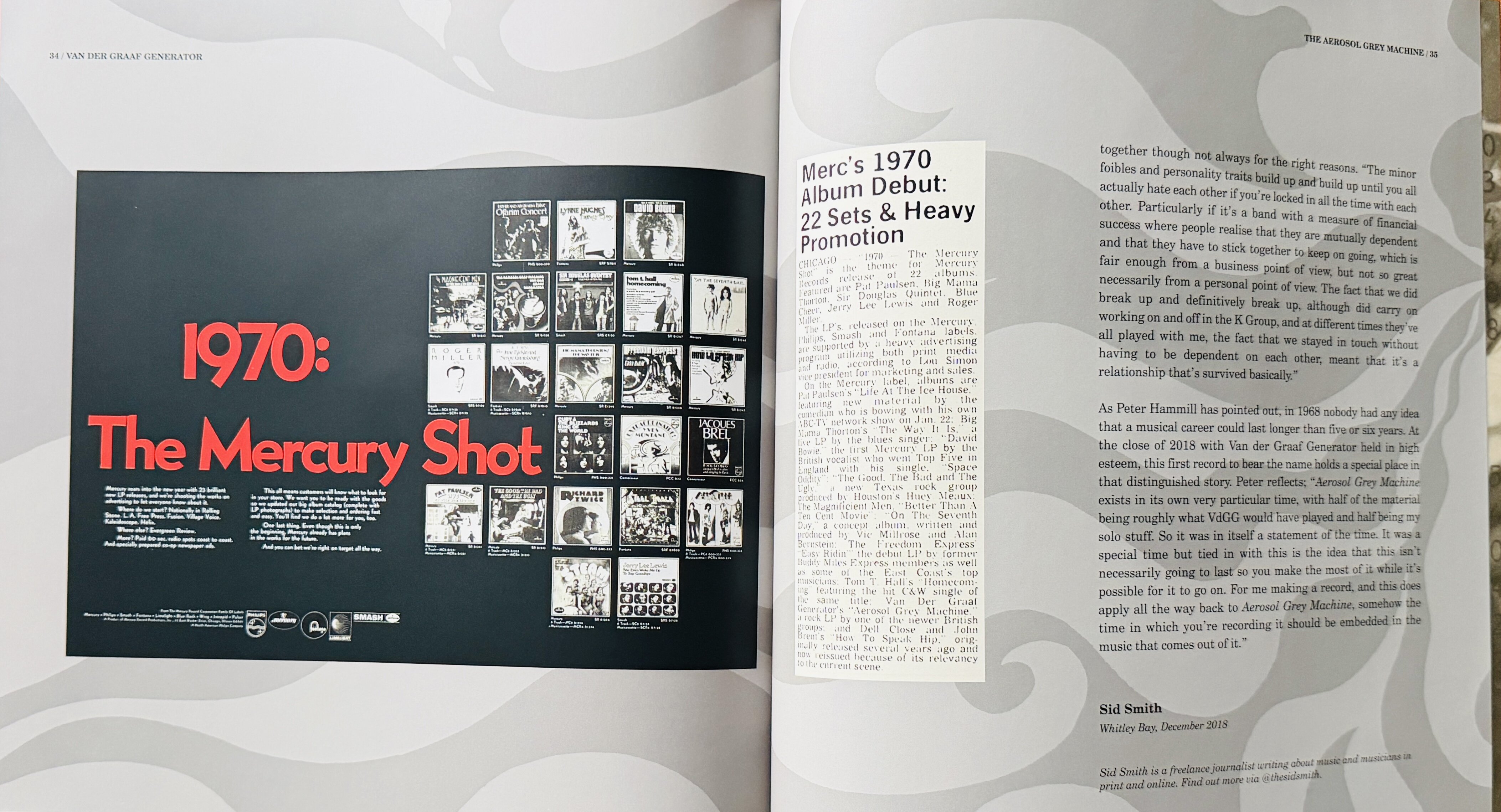
Before the split, the band had signed a contract with Mercury Records. When Mercury found out that Hammill was recording on his own, it insisted that the album be released under the name Van der Graaf Generator. A key deal was reached: Mercury would release the album in the United States, and in return the band would be freed from any contractual obligations. This allowed Van der Graaf Generator to reform and sign with Charisma Records, with whom they would release their ’70s masterpieces.
The album was recorded quickly, in just 12 hours at Trident Studios in London, plus another 12 for mixing. Musically, it differs from the band’s later work: David Jackson’s saxophone is still missing, as he would join on the next record. The atmospheres are influenced by late-’60s psychedelic pop, folk, and Syd Barrett’s style, but you can already glimpse the first hints of Hammill’s dark, dramatic rock. Tracks like Afterwards and Necromancer, recorded in a single afternoon at Marquee Studios, already show Hammill’s extraordinary vocal range.
The album title (and the title track) refers to a “grey aerosol machine” which, in Hammill’s lyrics, represents a fog able to consume spirit and life.
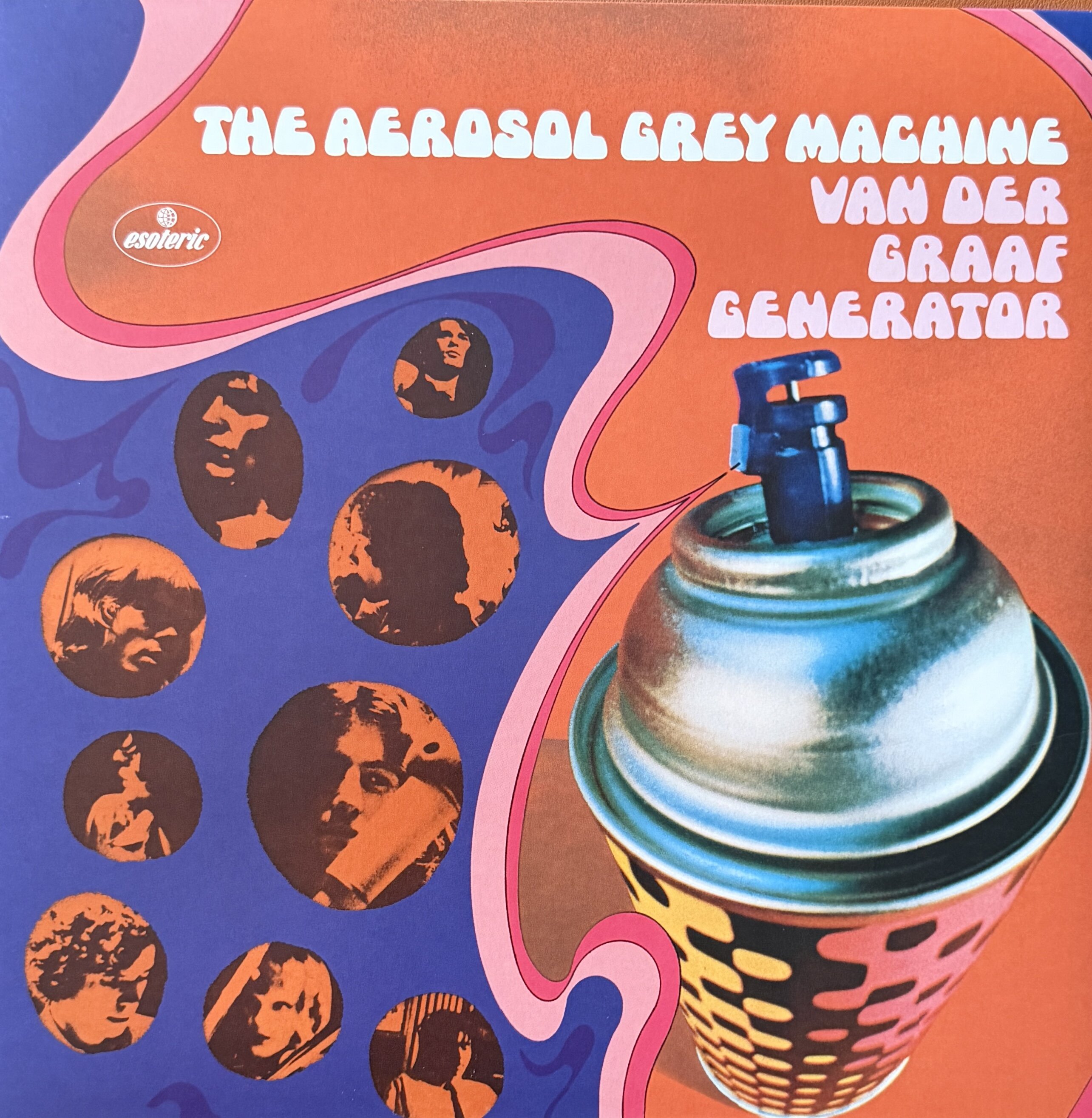
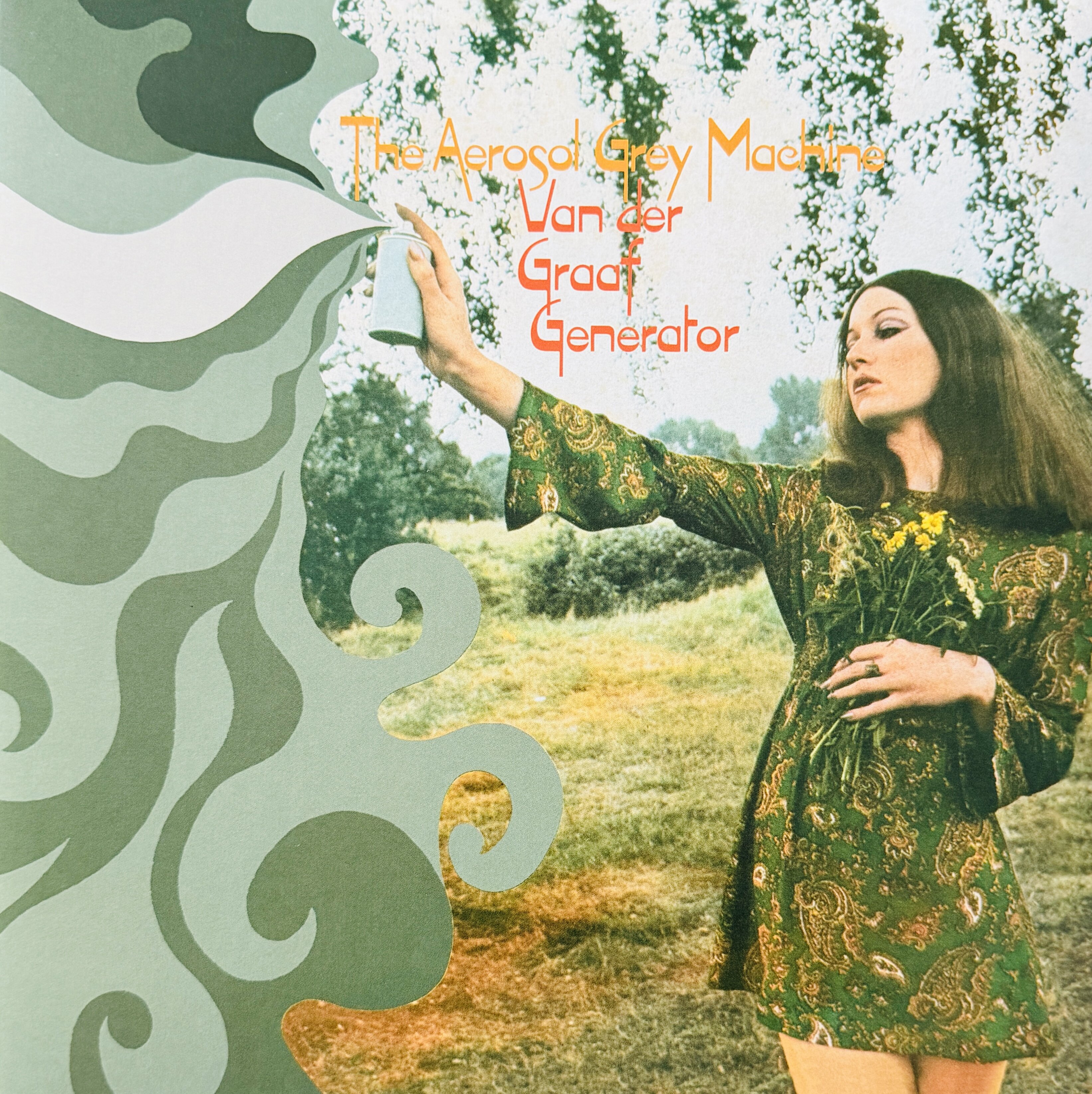
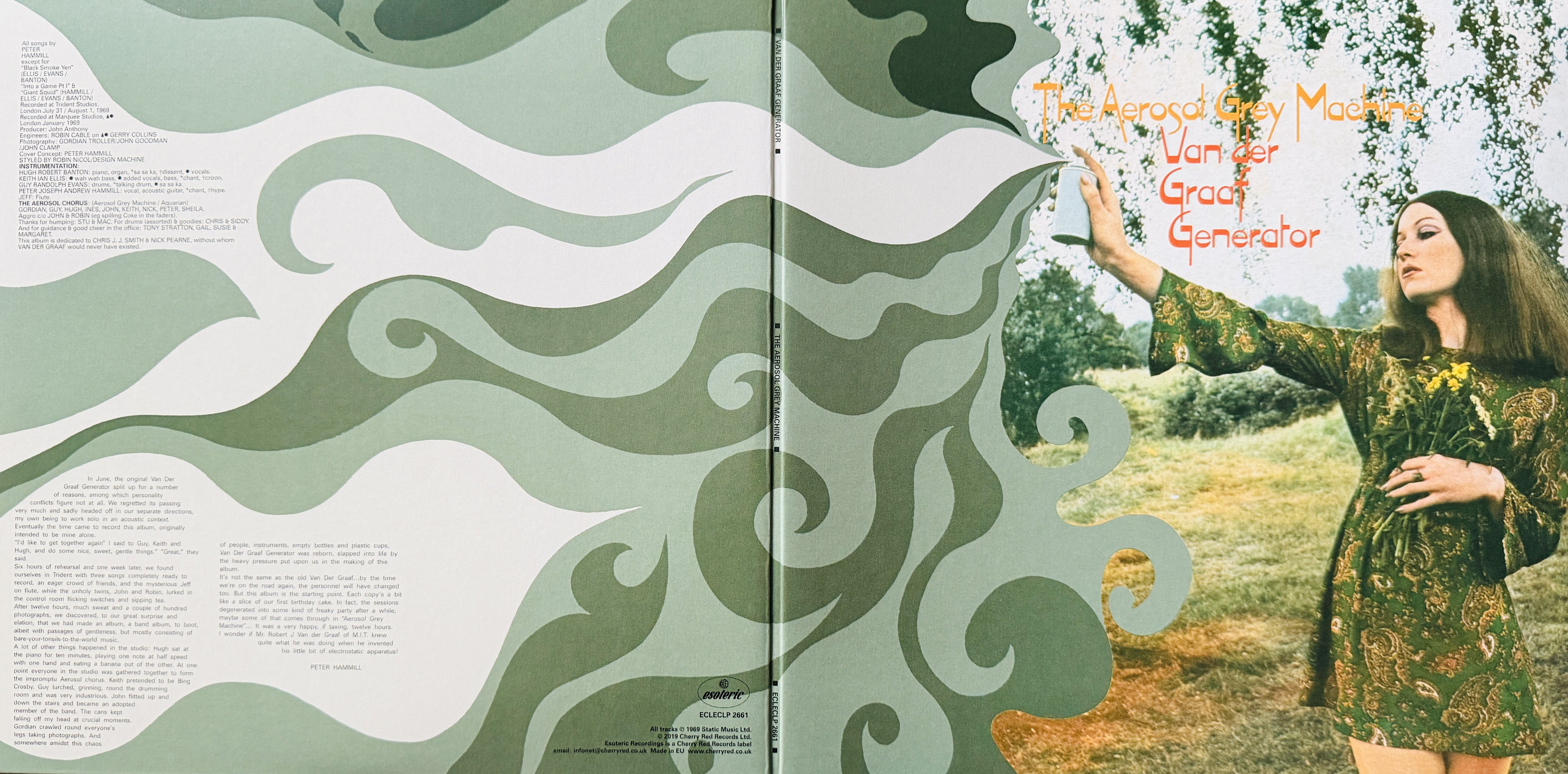
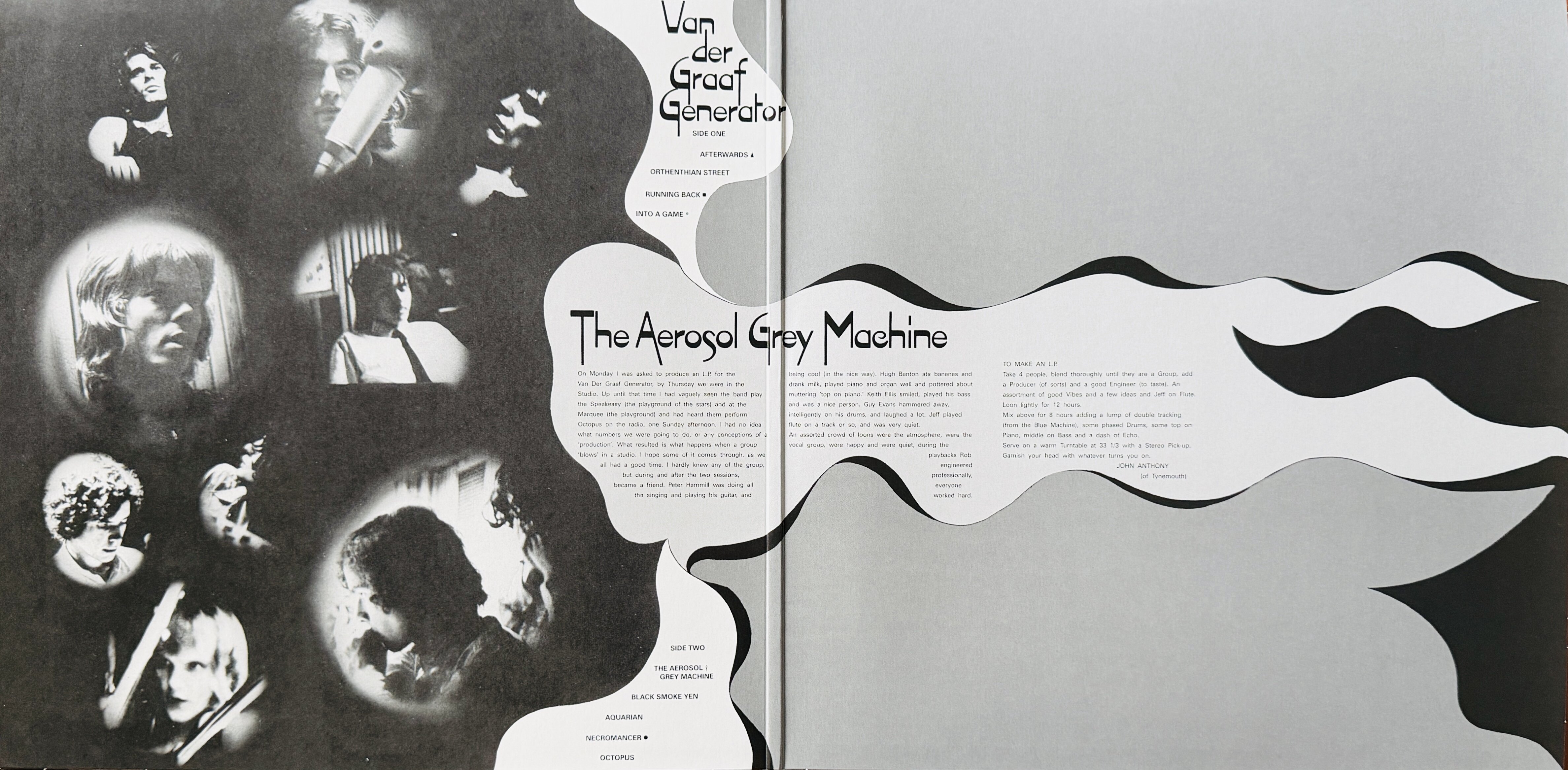
The first pressing came out in the United States with a gatefold sleeve in full ’60s style. In the United Kingdom, Mercury cancelled the release at the last minute: of the original UK promo version (with a different cover) only a handful of test pressings exist, now cult items for collectors.
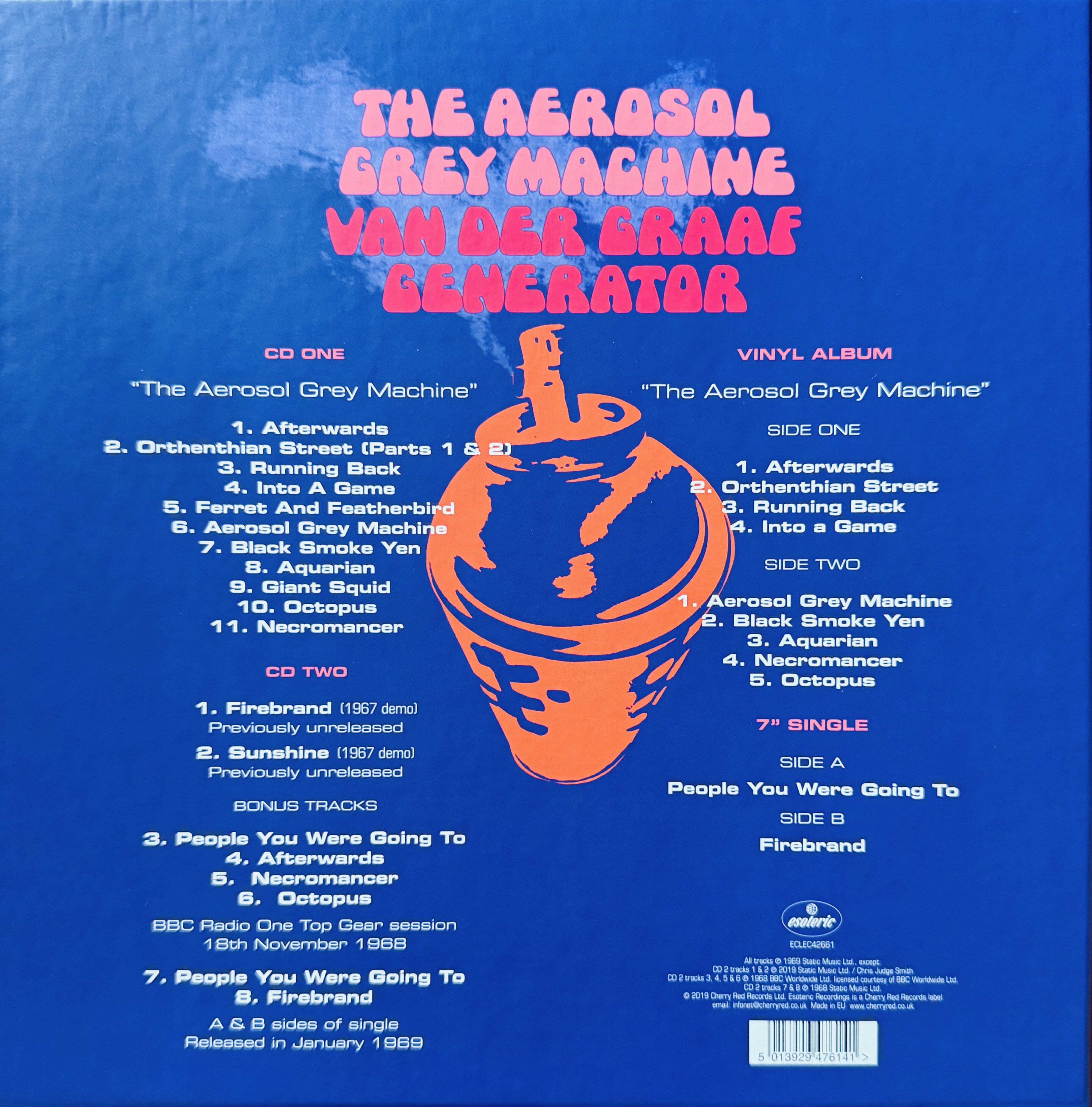
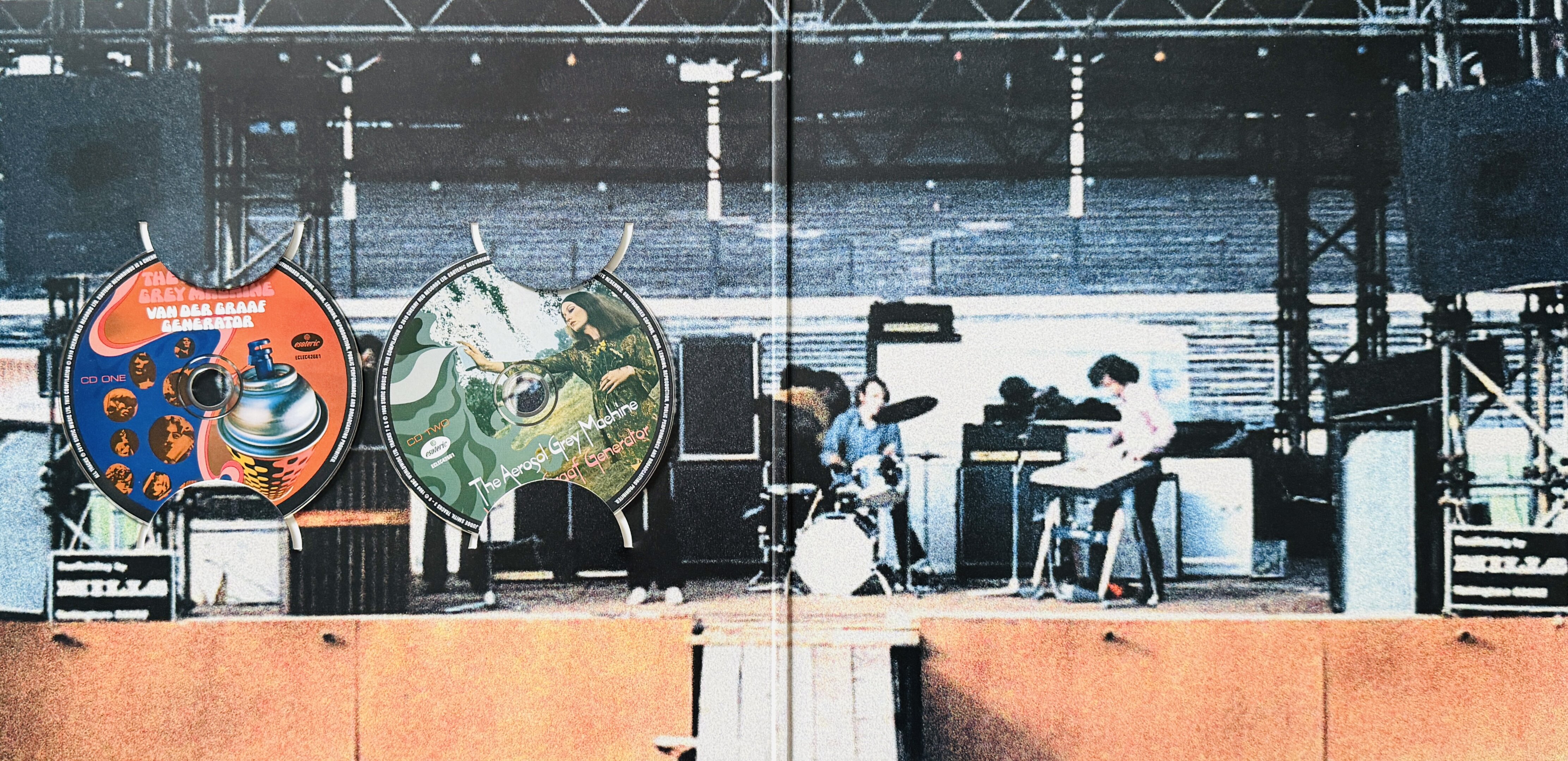
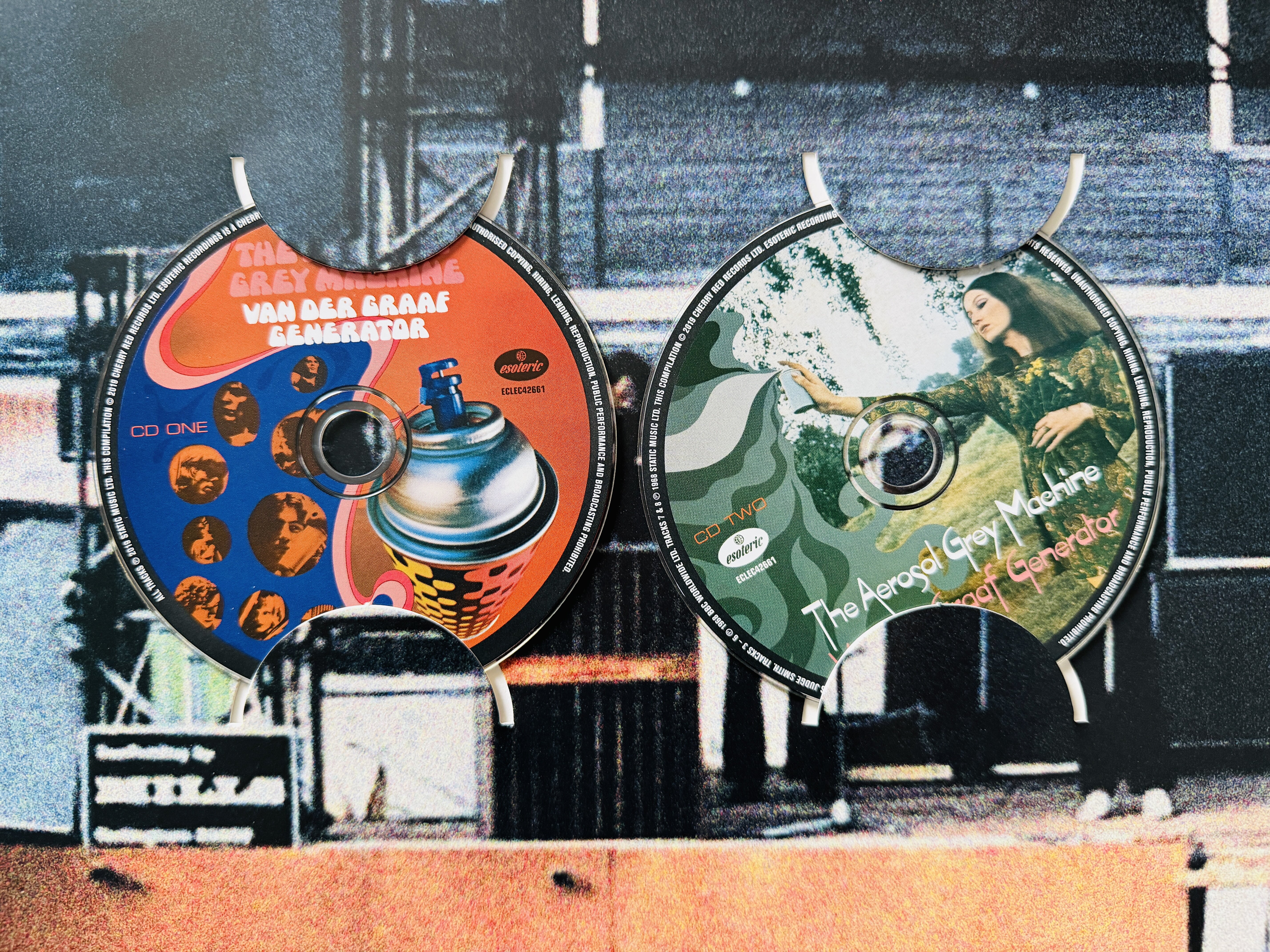
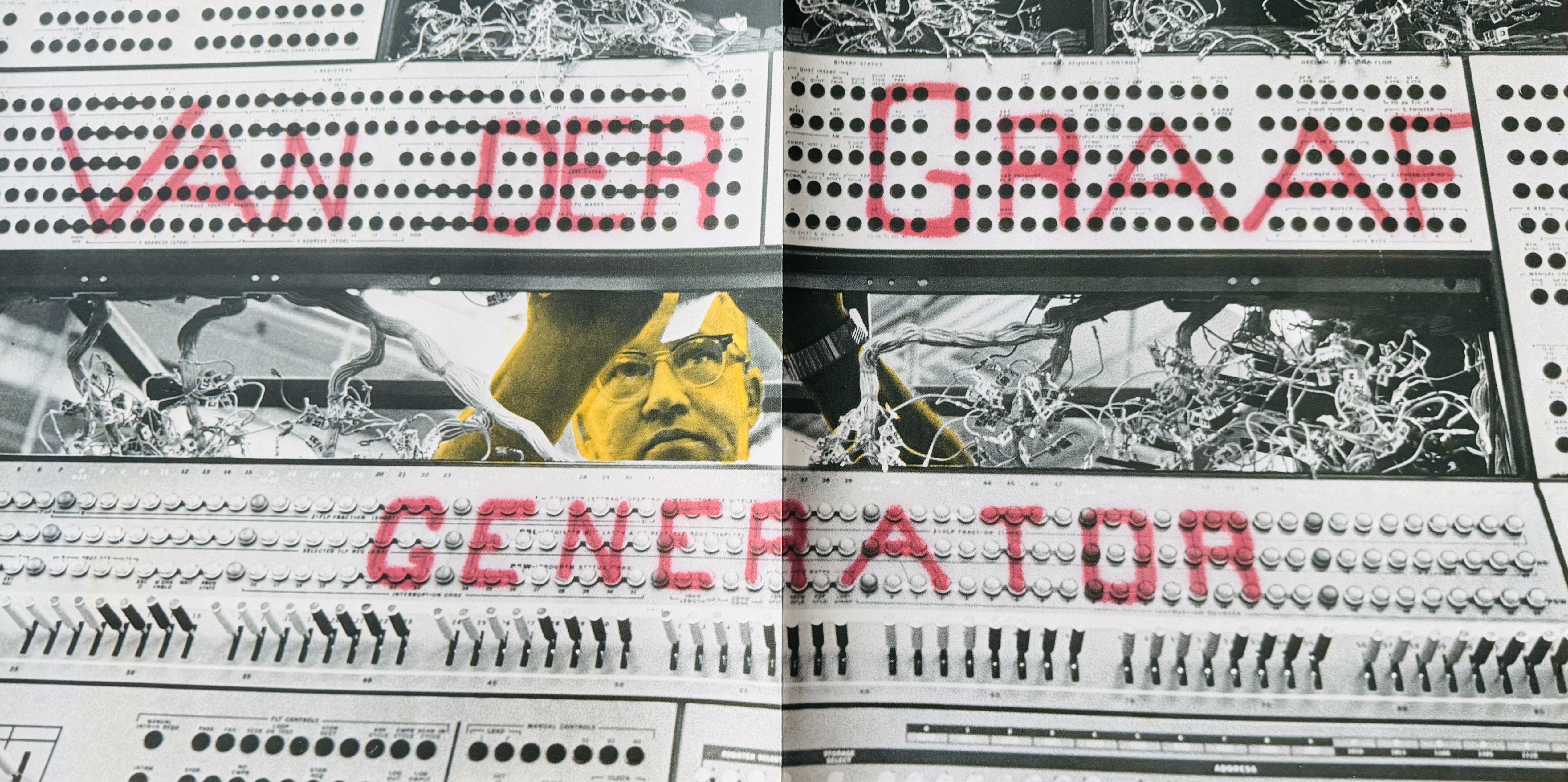
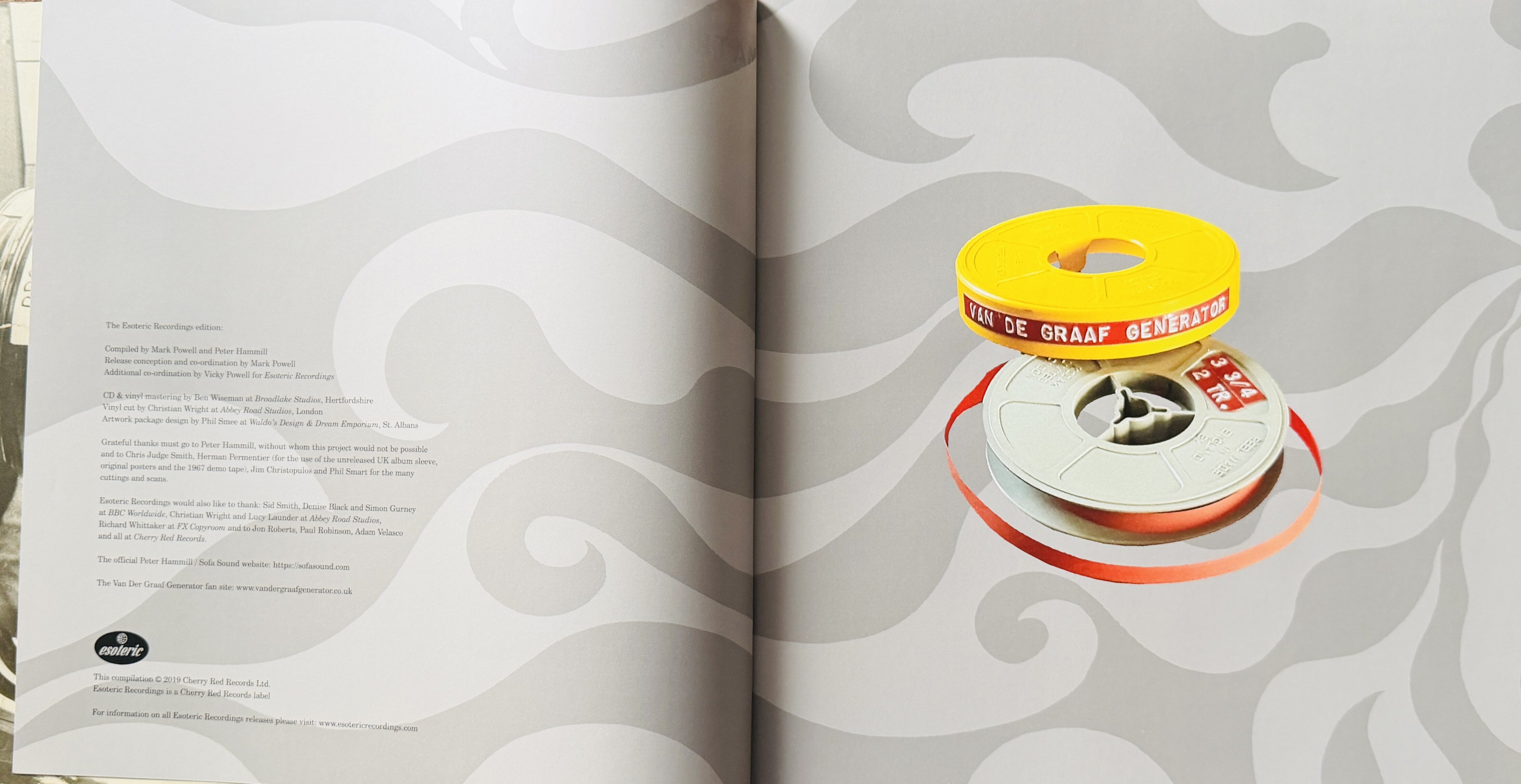
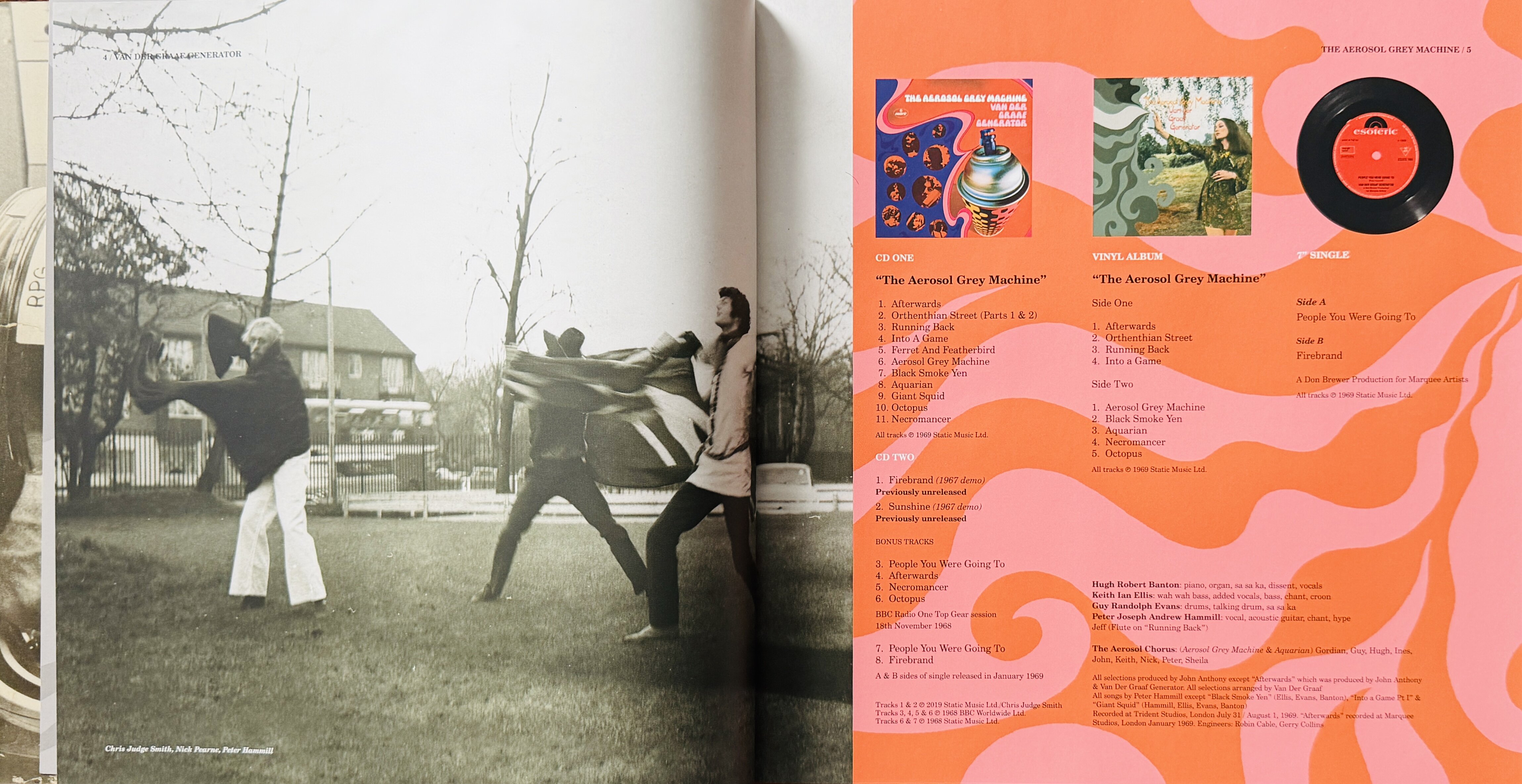
For enthusiasts, The Aerosol Grey Machine 50th Anniversary Edition offers a complete immersion into the album’s history and into tracks that were never released at the time. This special 2019 edition, produced by Esoteric Recordings, is a limited-run “Super Deluxe”, created to celebrate fifty years since the original 1969 release. The box set consists of four physical formats (one LP, two CDs and a 7” single) plus various paper items.
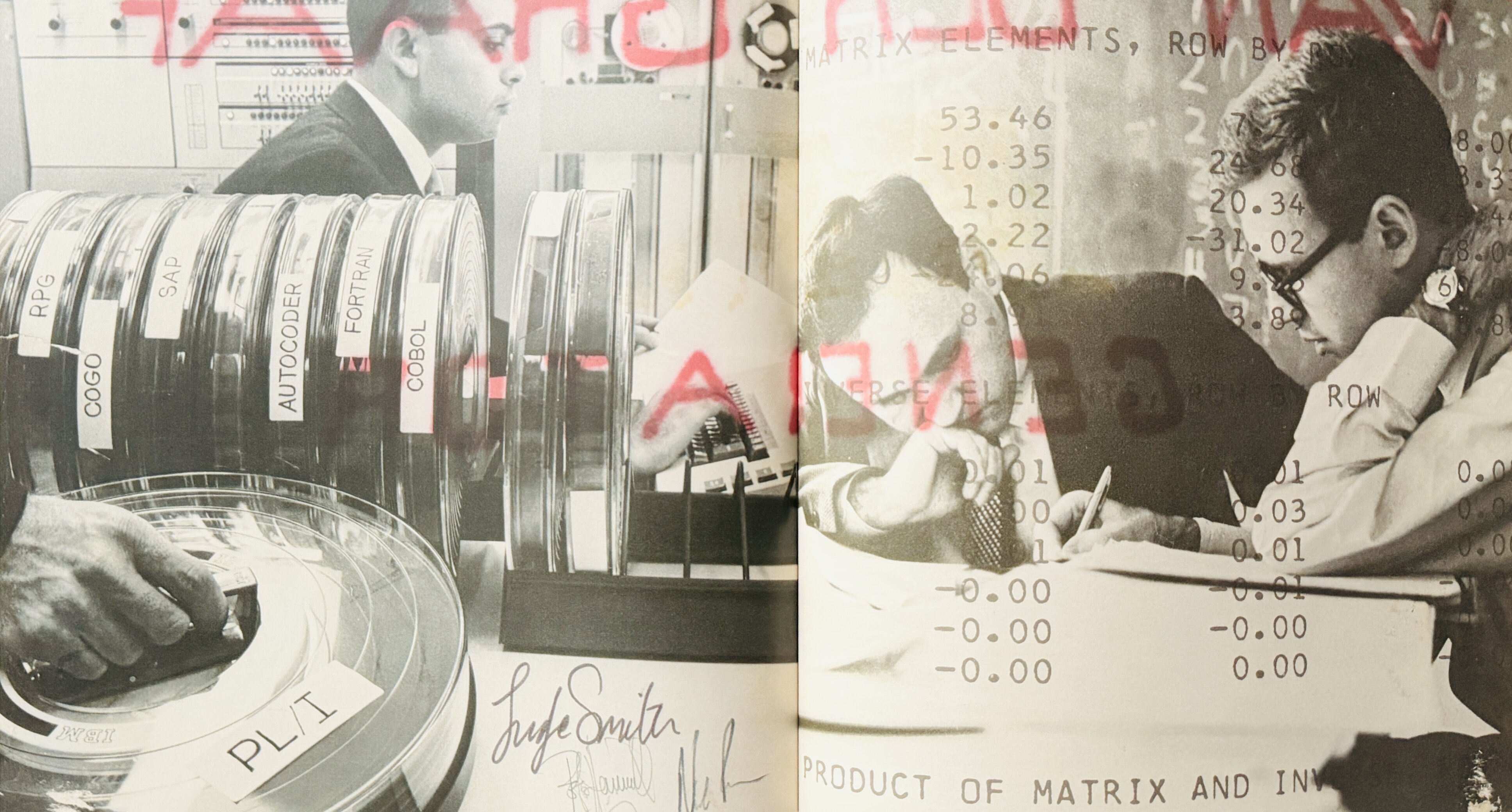
The 180-gram vinyl contains the original album, fully remastered from the original tapes, with a cover reproducing the rare gatefold artwork intended for the UK in 1969 and then withdrawn before it reached the shops.
The first CD includes the original album plus a few period bonus tracks, such as Ferret and Featherbird and Giant Squid.
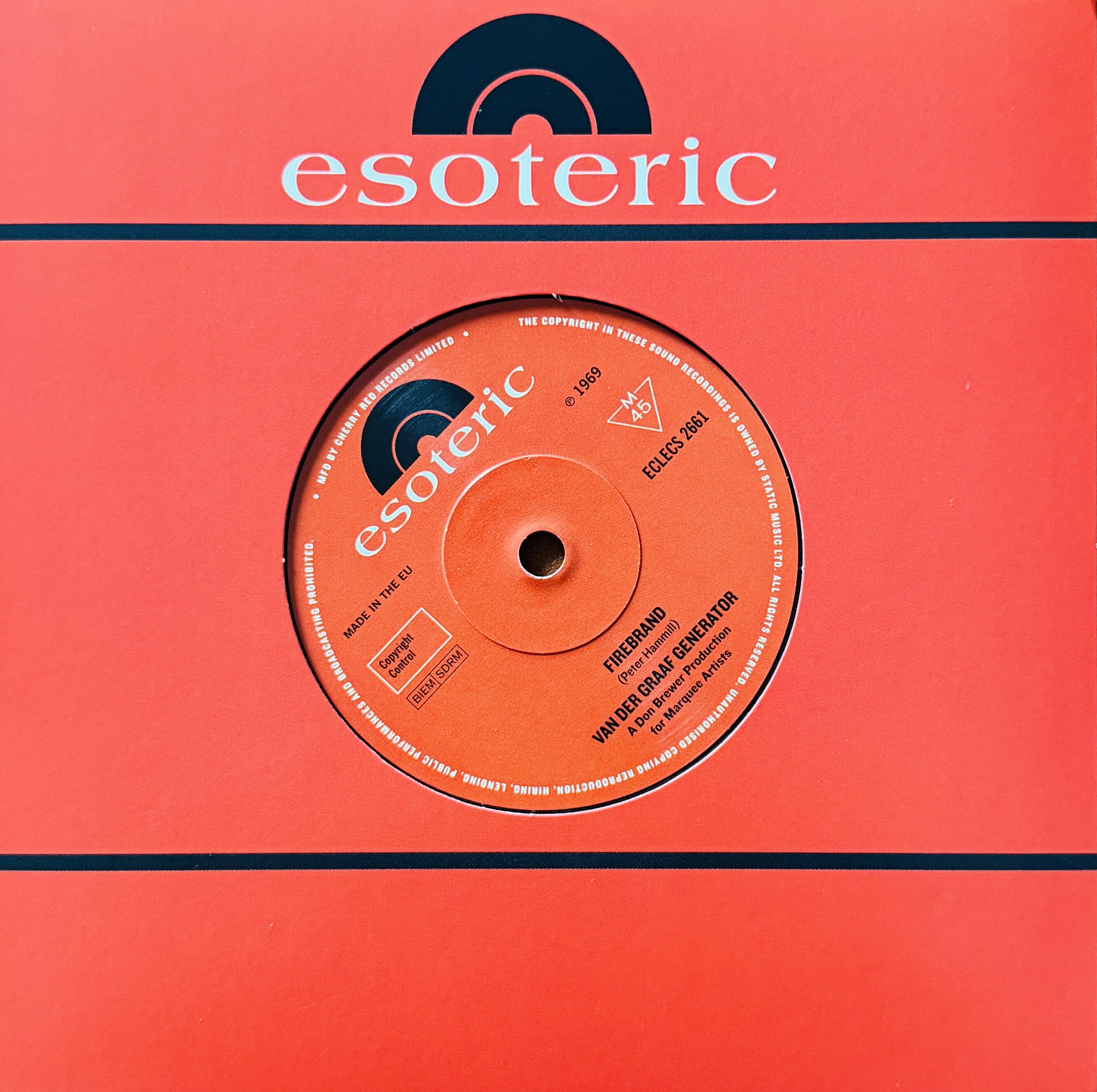
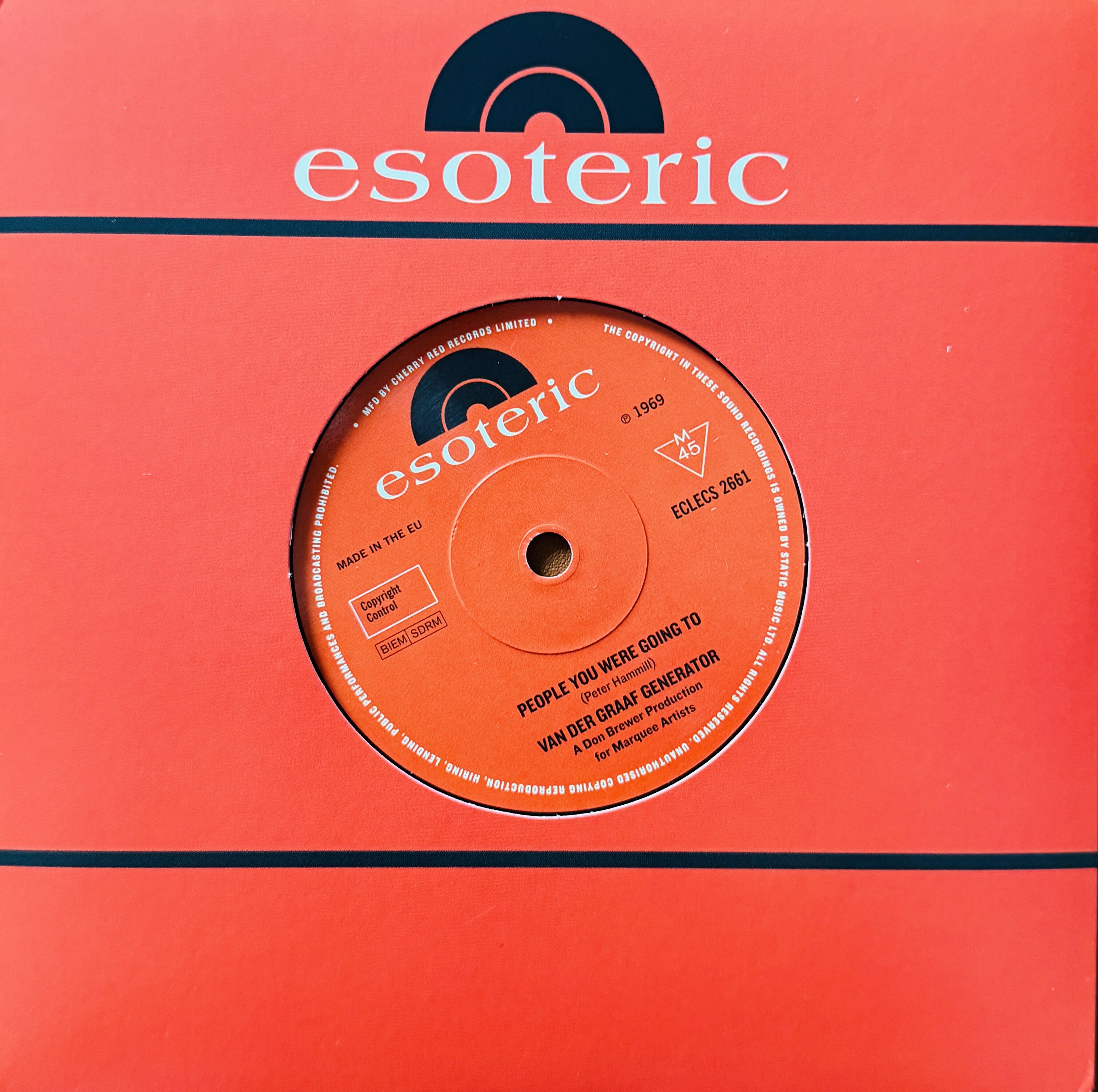
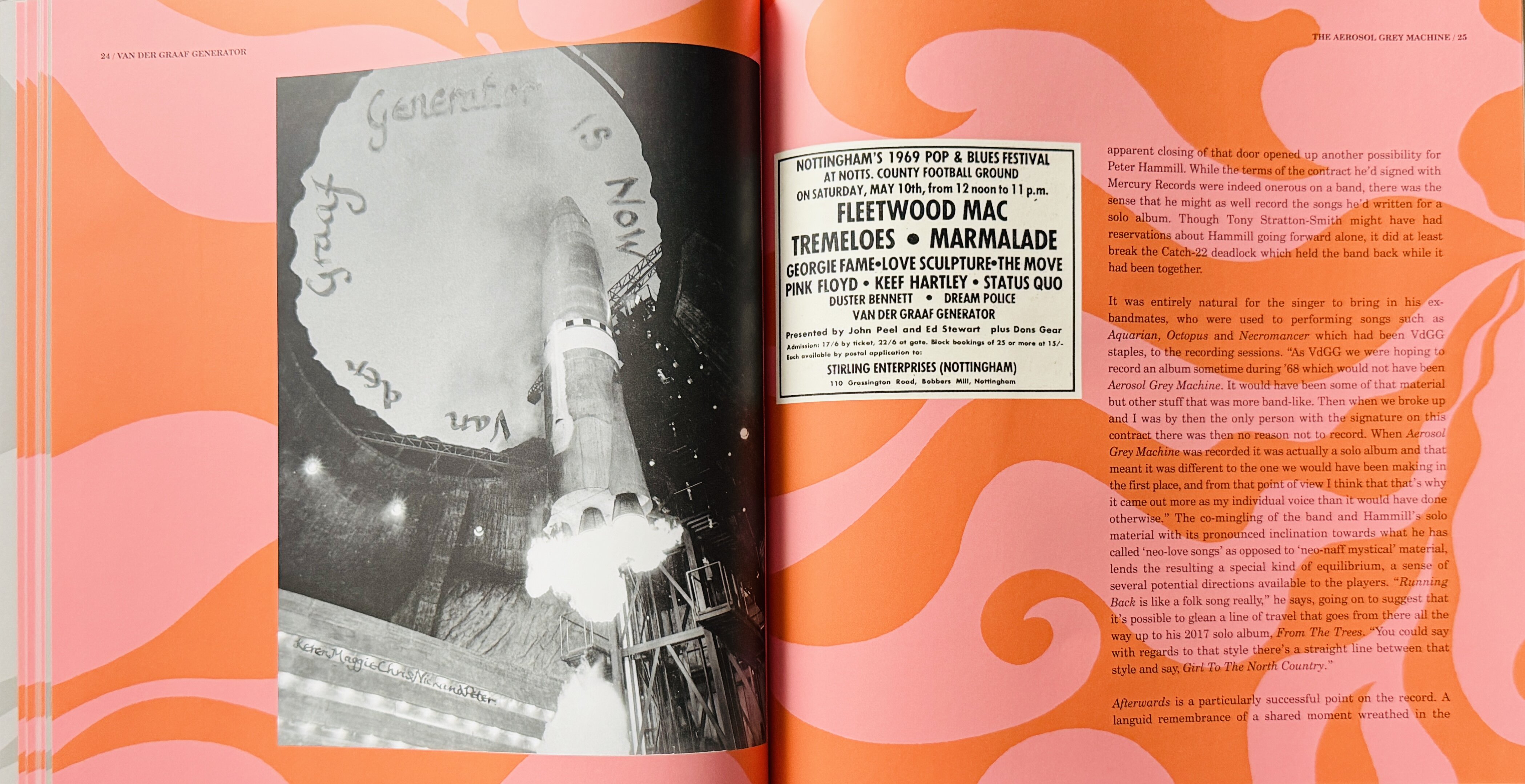
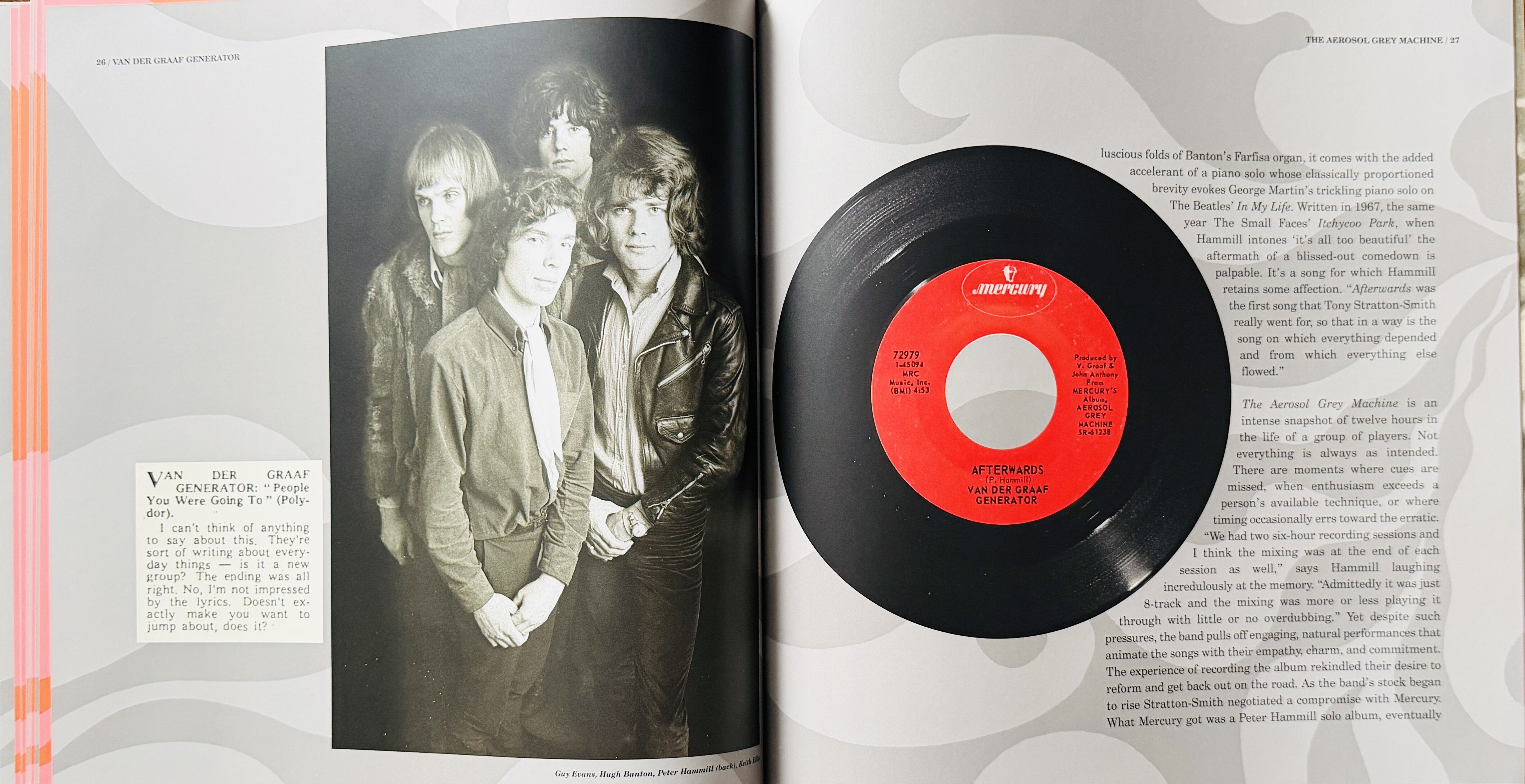
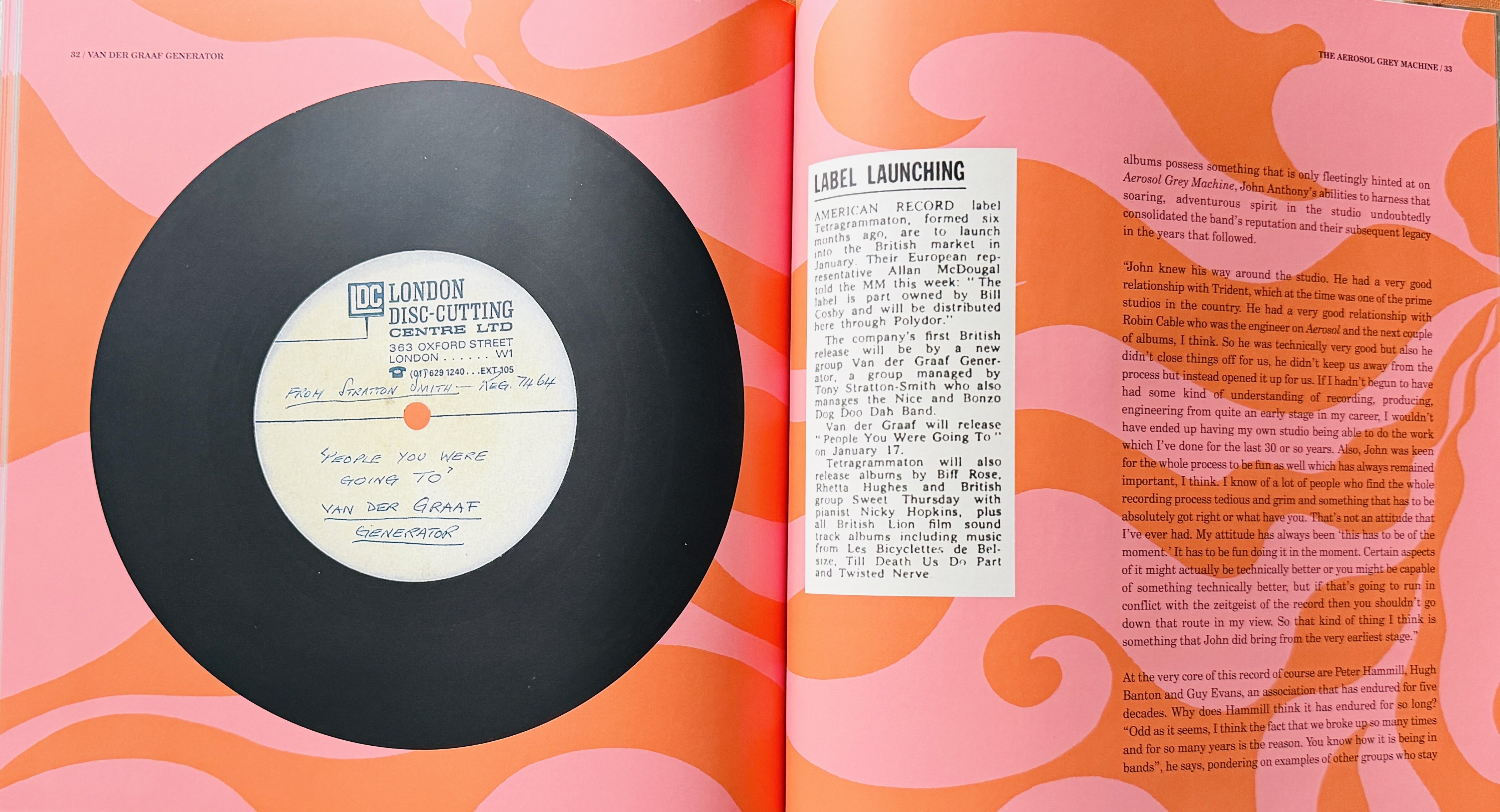
The second CD is aimed at collectors and contains the 1967 demos, previously unreleased home and studio recordings, including Firebrand and Sunshine, and the 1968 Top Gear Sessions, the complete radio session recorded live for the BBC in November 1968, featuring a “lost” version of Octopus. The 7” single is an official replica of the band’s ultra-rare debut single, with People You Were Going To on side A and Firebrand on side B.
To really understand the original album, you need to look at its key moments and at each musician’s contribution during the 12 hours of recording.
“Afterwards” opens the record with remarkable emotional intensity. It’s a melancholy folk-psychedelic ballad, built around an acoustic guitar figure and a heavenly organ. It became so well known that the band also played it live in the 2000s.
“Necromancer” is the album’s darkest, most gothic and prophetic piece. It clearly marks the shift from ’60s pop to darker progressive rock. The lyrics deal with witchcraft and occultism, backed by an obsessive rhythm and a distorted organ.
“Running Back” is a sunny, catchy pop-folk track, with recorder. It shows Hammill’s strong melodic gift before he moved on to more complex, less conventional musical structures.
“Aquarian” is the longest and most experimental track (over 8 minutes). It’s a lysergic, eccentric suite, full of instrumental improvisations and constant time changes that anticipate the sound of later albums like “The Least We Can Do Is Wave to Each Other”.
“Into a Game” closes the album by blending acoustic delicacy with rock improvisations, creating a theatrical, tense atmosphere.
The record, without David Jackson’s saxophone (he would join the band only later), is defined by a sound more focused on keyboards and rhythm section.
Peter Hammill, vocals and acoustic guitar, is the true engine of the album. As well as writing all the songs, he delivers a theatrical, dramatic vocal performance, ranging from intimate whispers to harrowing screams, especially in “Necromancer” and “Into a Game”.
Hugh Banton, on Hammond organ and piano, is the core of the arrangements. His organ, often distorted or celestial, fills the spaces left by the lack of a lead electric guitar and weaves the baroque, psychedelic atmospheres that permeate the whole record.
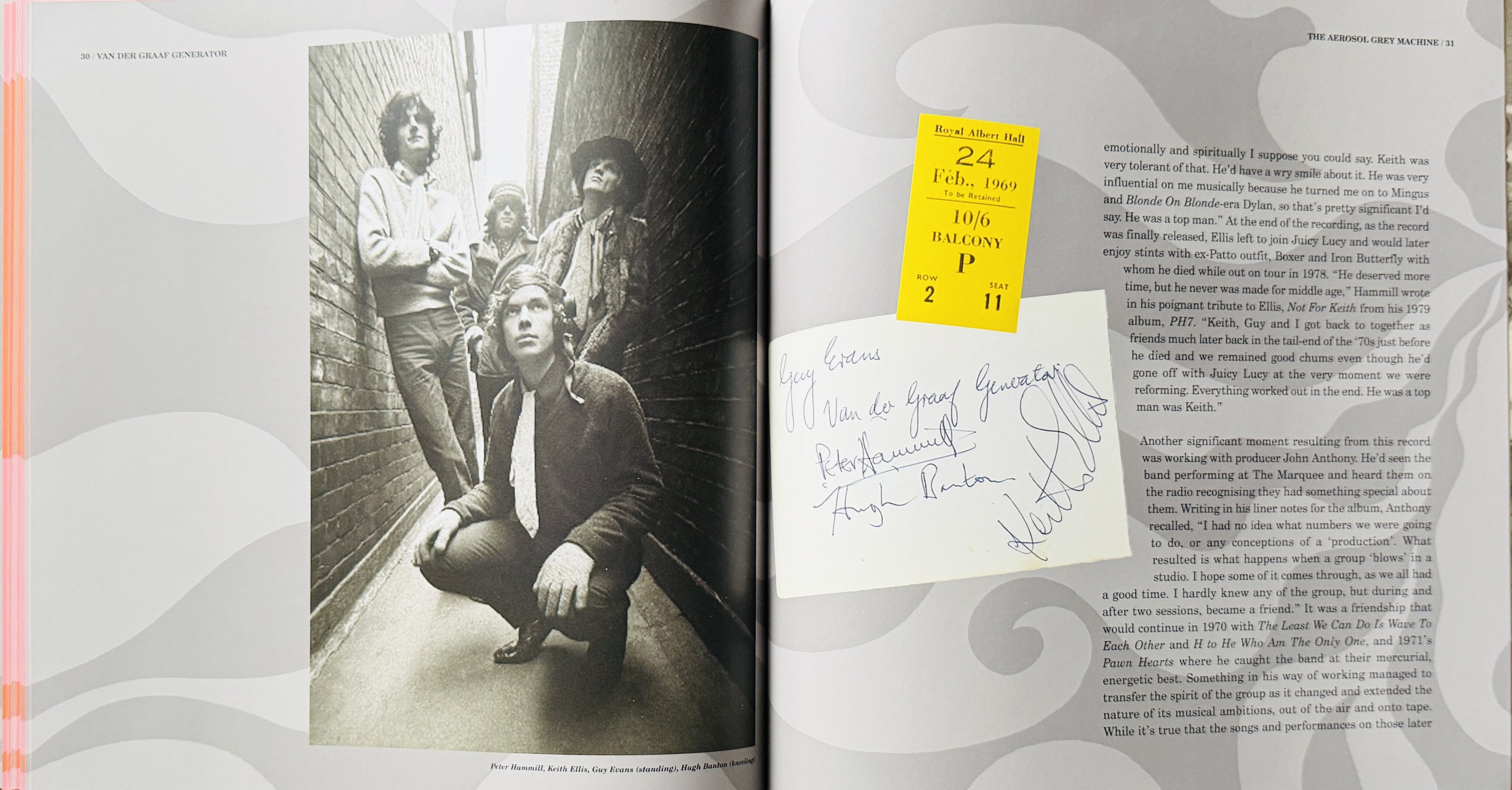
Keith Ellis, on bass, delivers a pulsing, solid, deeply blues/rock sound. In tracks like “Aquarian” and “Necromancer”, he provides the energy needed to support Hammill’s lyrical visions. This would be his only album with the band before joining Juicy Lucy.
Guy Evans, on drums and percussion, despite the short recording session and his young age, already shows his jazzy, unconventional style. Rather than simply keeping time, he enriches the songs with creative dynamics and sudden rhythm shifts.
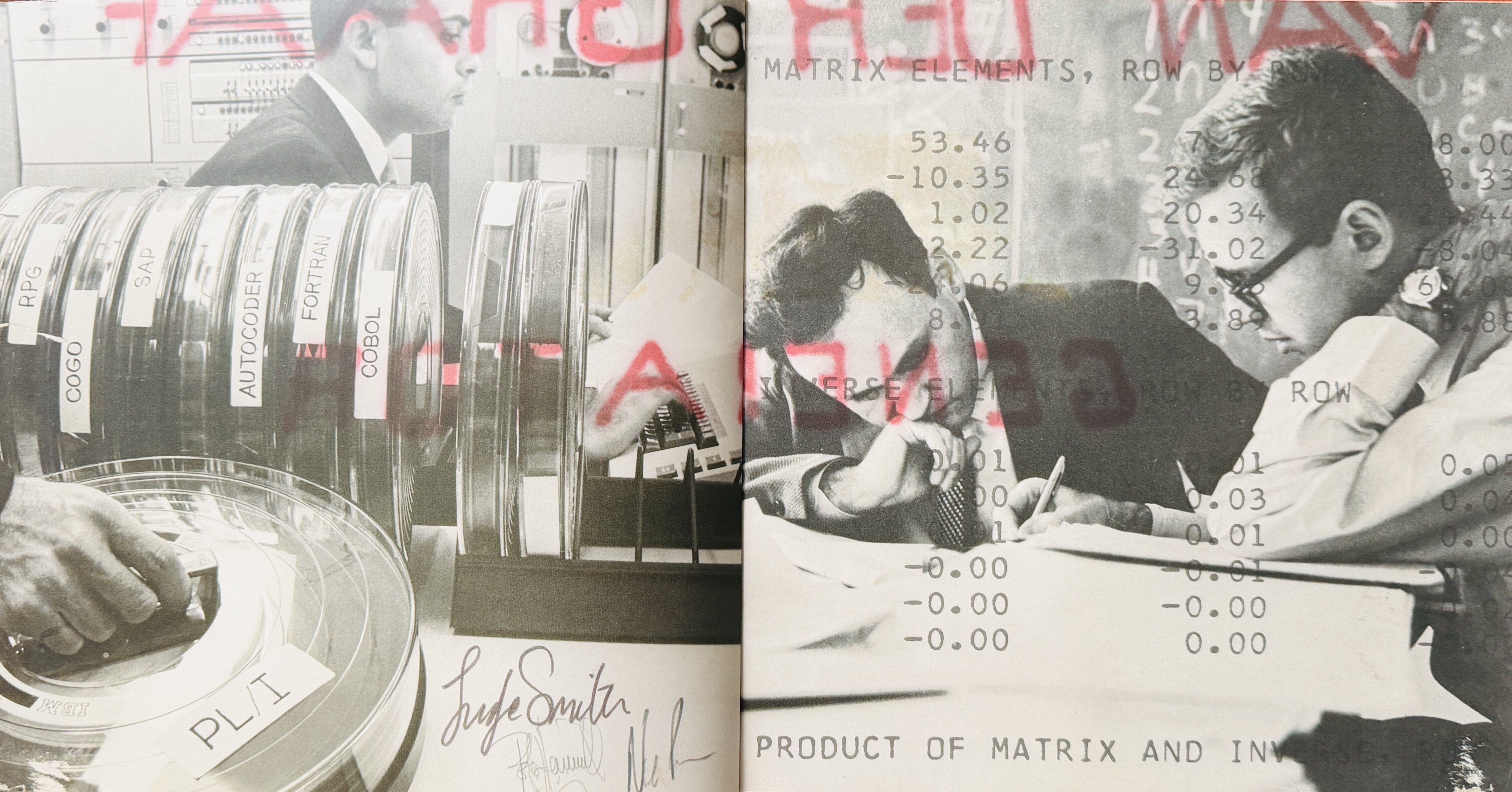
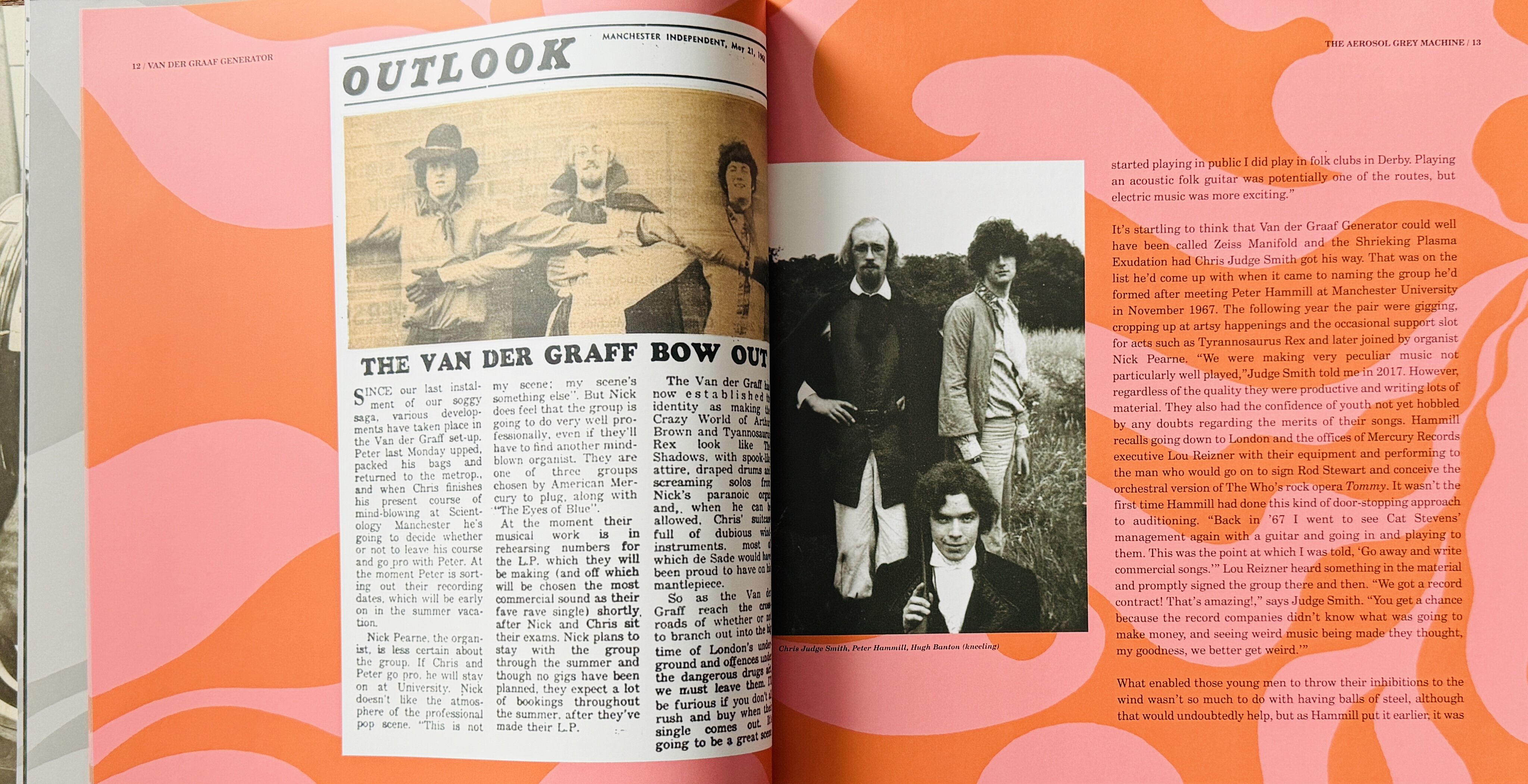
Finally, a colourful note: the album credits list guest Chris Judge Smith (co-founder of the band with Hammill, but already out of the group), who plays recorder and sings backing vocals on “Running Back”.
The box set offers a different perspective on the official album, highlighting the differences between the demos, the extra sessions and the record itself. These variations show up mainly in three areas: production, line-up and musical style.
1967 Demos vs Official Album:
In the 1967 demos, songs like “Firebrand” and “Sunshine” appear as bright, dreamy acoustic ballads, steeped in the psychedelic Summer of Love mood. The 1969 album, by contrast, adopts a darker, more electric and existential tone.
The demos’ instrumentation is minimal, with Peter Hammill accompanying himself on acoustic guitar or piano. Hugh Banton’s Hammond organ, which would help create the band’s distinctive baroque sound on the album, is completely absent.
Hammill’s voice on the demos is clean and melodic, typical of a traditional folk singer-songwriter. On the 1969 album, instead, he develops his trademark theatricality, alternating dramatic whispers with desperate screams.
BBC Sessions (1968) vs Official Album:
The 1968 BBC recordings (Top Gear) were performed live, straight to tape in the radio studios, giving them a raw, almost punk, aggressive energy, in sharp contrast to the more controlled, folk nature of the acoustic tracks on “The Aerosol Grey Machine”.
The BBC version of “Octopus” (1968) runs longer than the average track on the debut album and showcases a band improvising with great freedom. This track acts as a link, revealing that on stage the band was already a violent, distorted avant-garde power trio, while the debut album (born as Hammill’s acoustic solo project) didn’t fully capture that fury.
1969 Single (“People You Were Going To”):
Recorded before the album, this single features a production much closer to British ’60s beat than the songs on the record. Its driving rhythm and verse-chorus structure are elements the band would abandon almost immediately to focus on longer, more complex instrumental suites.
These alternative versions offer an interesting overview of the band’s musical evolution, highlighting the different influences and approaches that led to the creation of the official 1969 album.
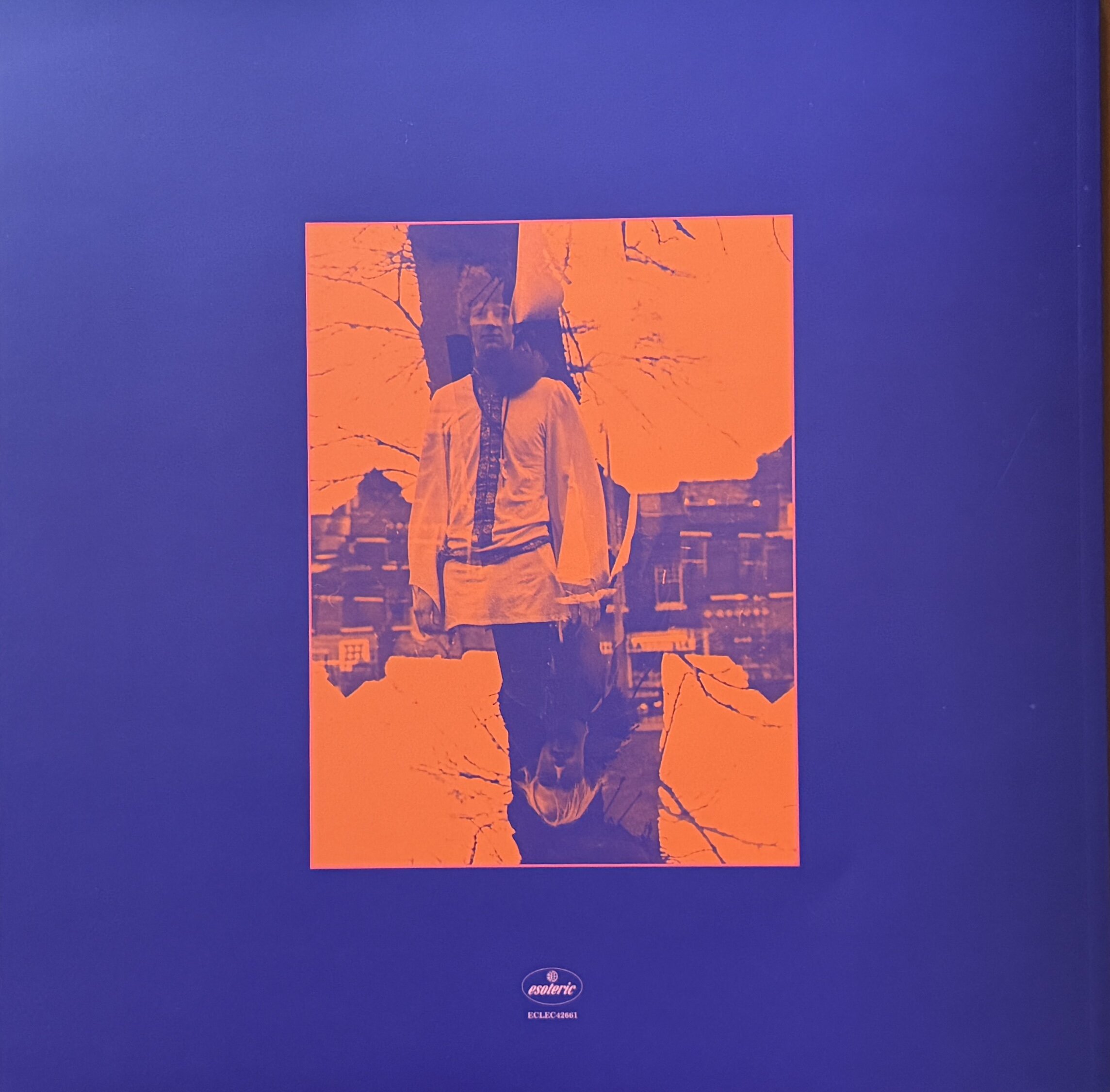
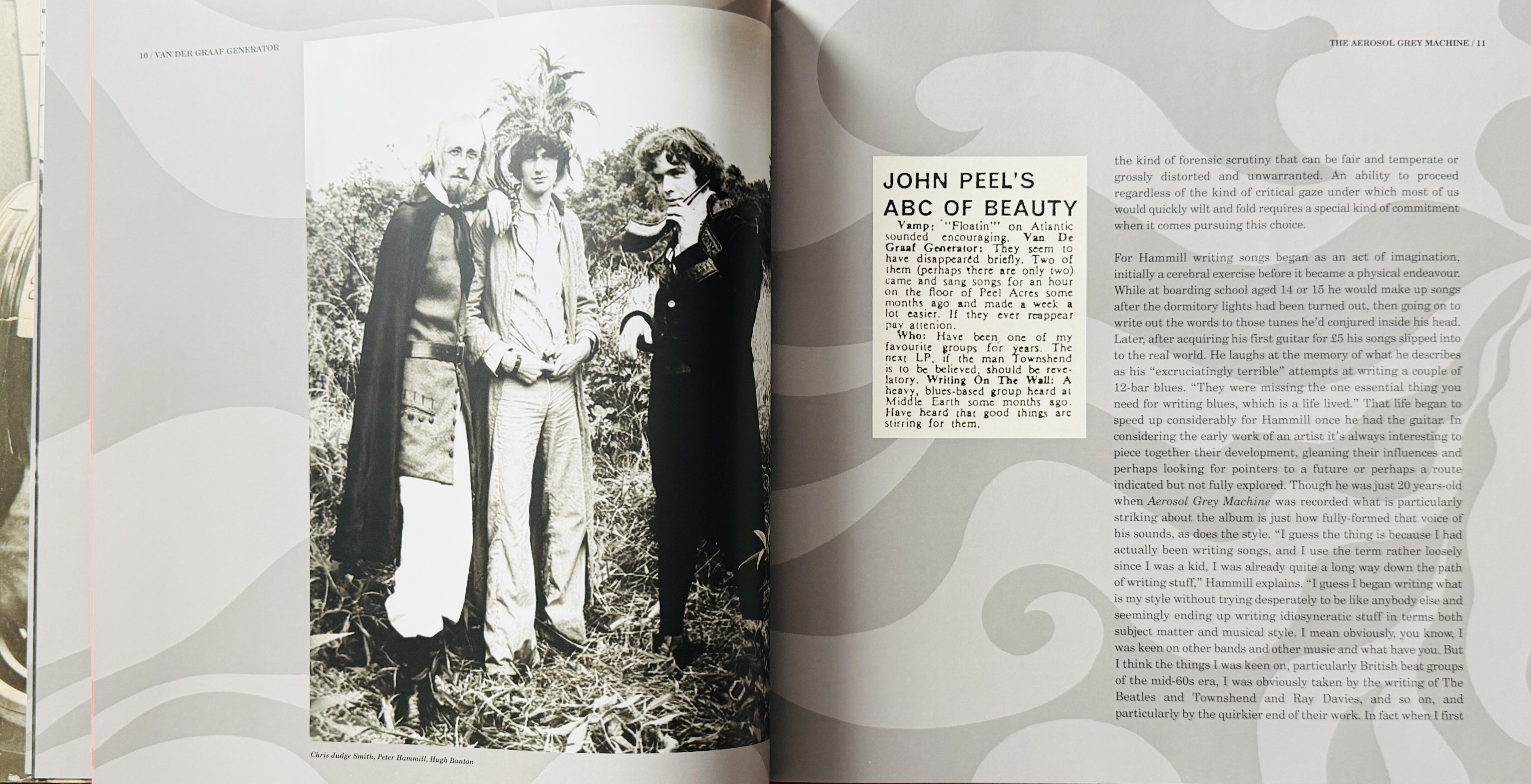
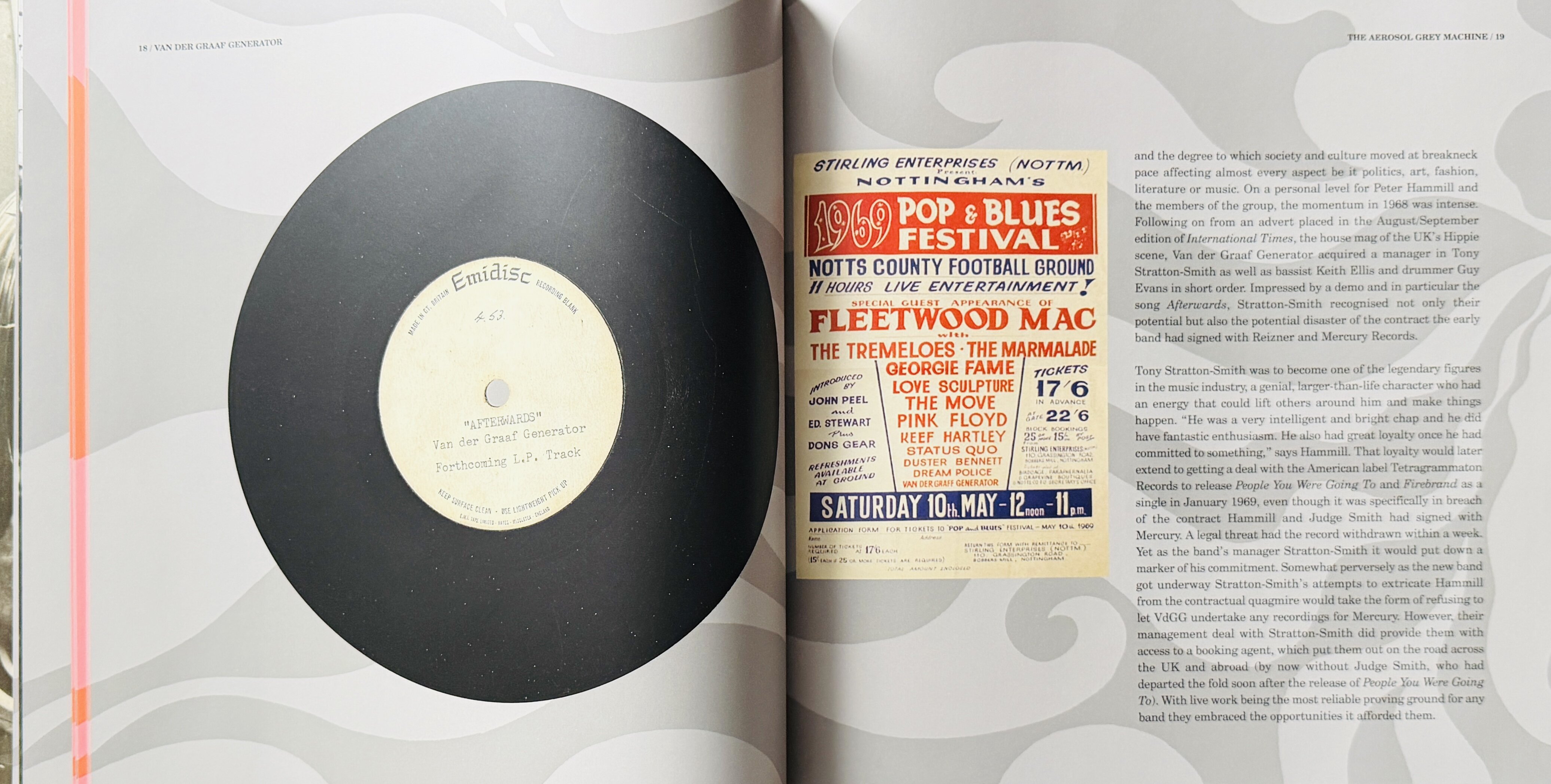
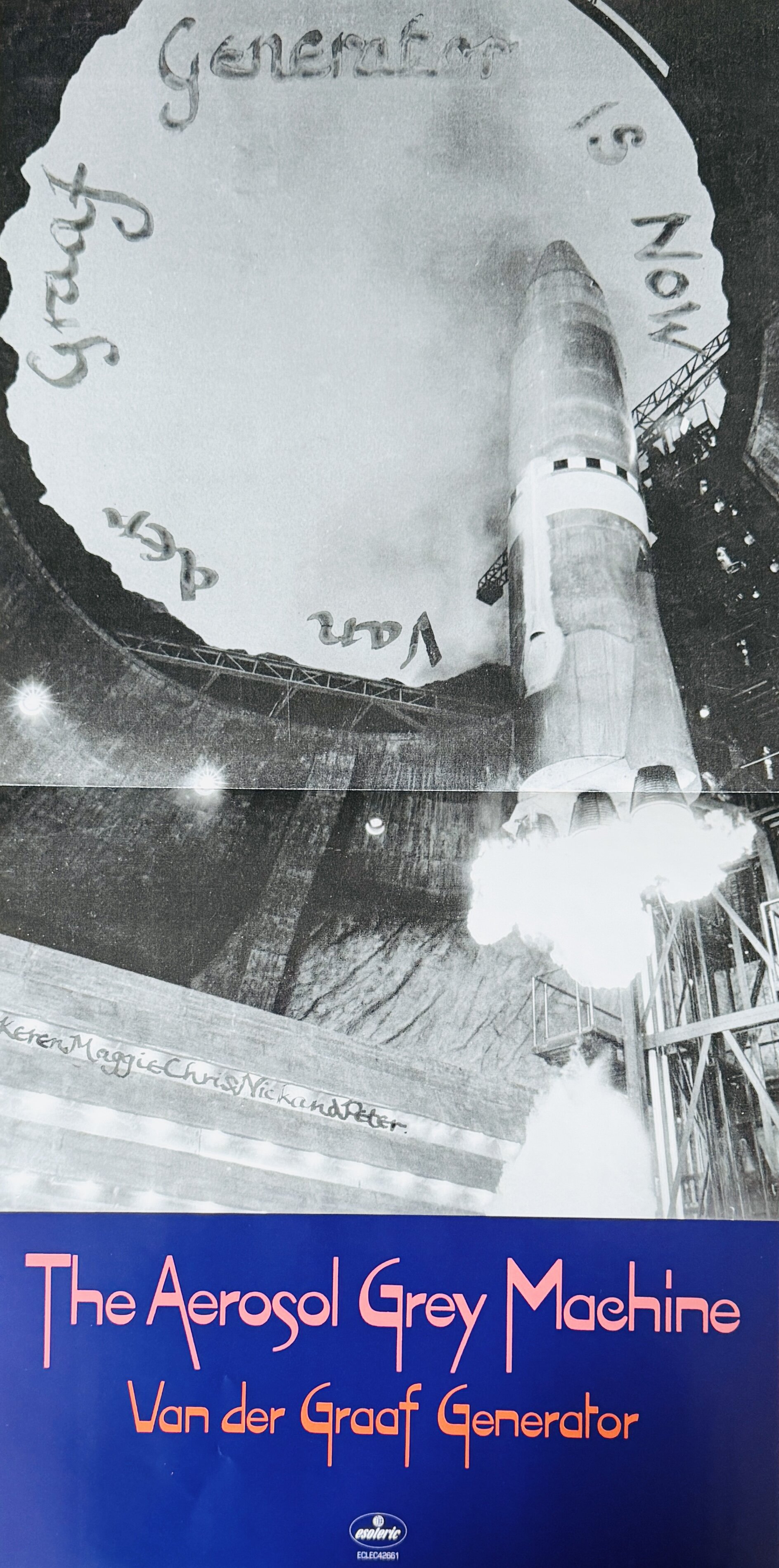
Among the extra contents, you’ll find an illustrated book with previously unseen photos, the period press coverage, an essay by Sid Smith, an exclusive interview with Peter Hammill, and a reproduction of an original 1968 poster drawn by Hammill himself. This box set allowed fans to rediscover the band’s origins with exceptional audio quality and with all the historical context that was missing from the old ’90s CD reissues.
Album (and box set)… Essential!
My Version
Label: Esoteric Recordings – ECLEC42661
Format:
CD, Album, Reissue
CD, Compilation
Vinyl, LP, Album, Reissue
Vinyl, 7", 45 RPM, Single, Reissue
Box set, Deluxe Edition, Limited Edition, Remastered
Country: UK
Released: 3 May 2019
Tracklist
"The Aerosol Grey Machine"
CD1-1 Afterwards
CD1-2 Orthenthian Street (Parts 1 & 2 )
CD1-3 Running Back
CD1-4 Into A Game
CD1-5 Ferret And Featherbird
CD1-6 Aerosol Grey Machine
CD1-7 Black Smoke Yen
CD1-8 Aquarian
CD1-9 Giant Squid
CD1-10 Octopus
CD1-11 Necromancer
1967 Demos Previously Unreleased
CD2-1 Firebrand
CD2-2 Sunshine
BBC Radio Top Gear Session 18th November 1968
CD2-3 People You Were Going To
CD2-4 Afterwards
CD2-5 Necromancer
CD2-6 Octopus
A & B Side Of Single Released In January 1969
CD2-7 People You Were Going To
CD2-8 Firebrand
"The Aerosol Grey Machine"
LP-A1 Afterwards
LP-A2 Orthenthian Street
LP-A3 Running Back
LP-A4 Into A Game
LP-B1 Aerosol Grey Machine
LP-B2 Black Smoke Yen
LP-B3 Aquarian
LP-B4 Necromancer
LP-B5 Octopus
7" Single
45-A People You Were Going To
45-B Firebrand
Lineup
Original Album (1969) and 45 RPM Single
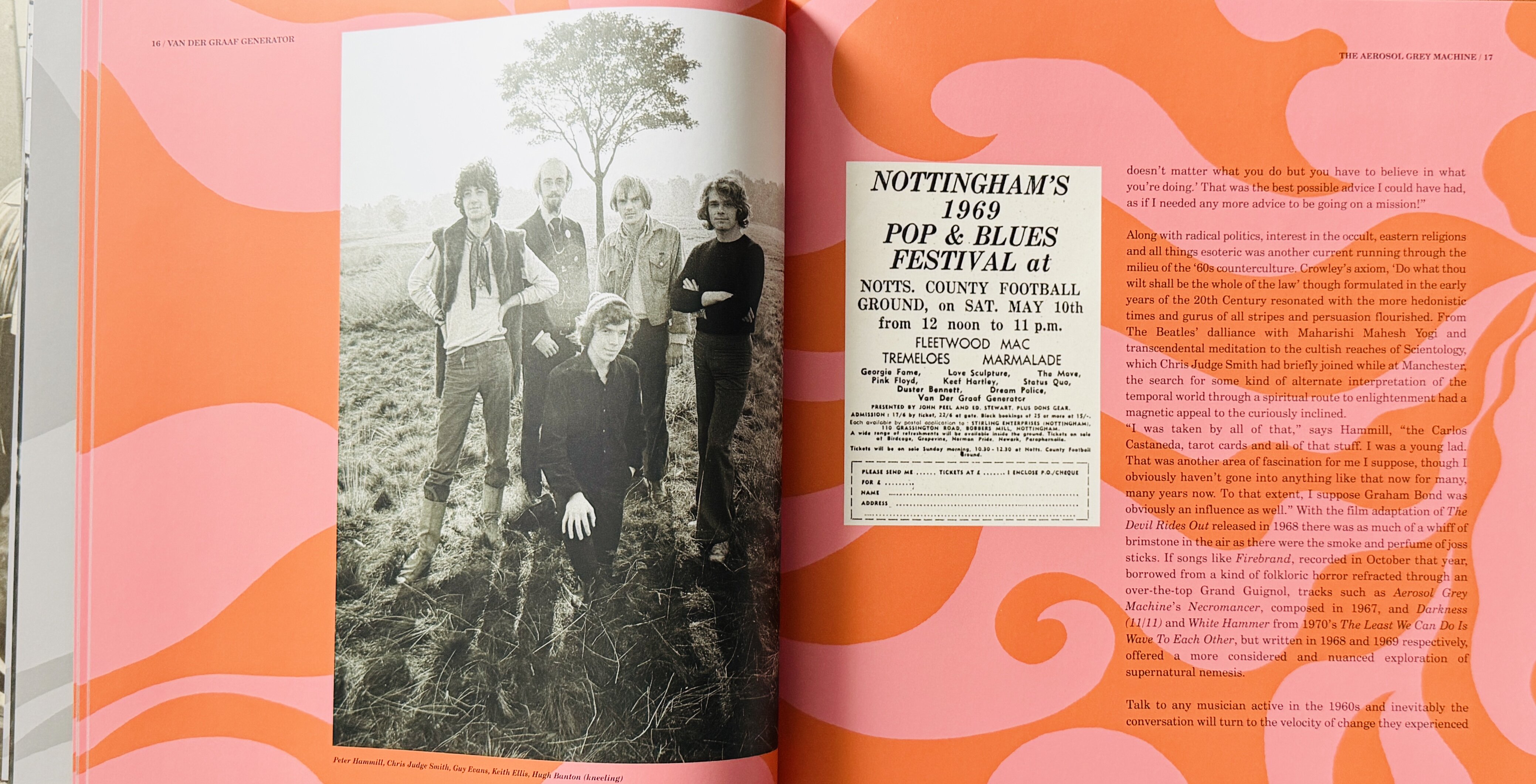
- Peter Hammill: Vocals, acoustic guitar
- Hugh Banton: Hammond organ, piano, backing vocals
- Keith Ellis: Bass
- Guy Evans: Drums, percussion
BBC Sessions (1968)
- Peter Hammill: Vocals, acoustic guitar
- Hugh Banton: Hammond organ, backing vocals
- Keith Ellis: Bass
- Guy Evans: Drums
- Chris Judge Smith: Drums, horns, backing vocals
Home Demos (1967)
- Peter Hammill: Vocals, acoustic guitar, piano
- Chris Judge Smith: Backing vocals, percussion, flute
Guests (1969 Album)
- Chris Judge Smith: Recorder, backing vocals