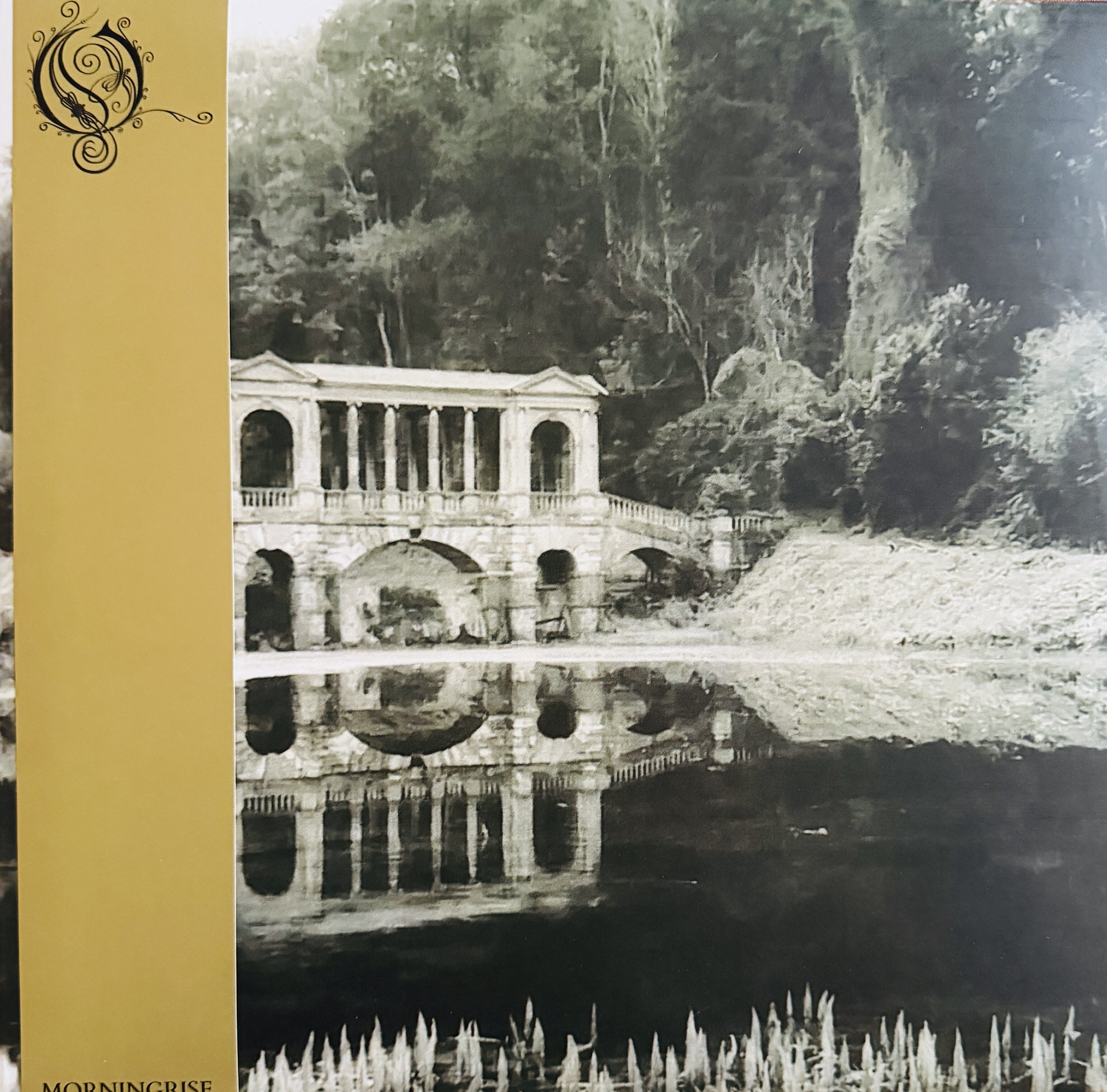
Morningrise by Opeth, a 1996 album.
The second album by Opeth, “Morningrise”, is a real MUST for fans of this truly great band.
It marks the peak of their first phase, defined by melancholic moods, very long instrumental suites, and a unique blend of acoustic death metal and ’70s progressive rock.
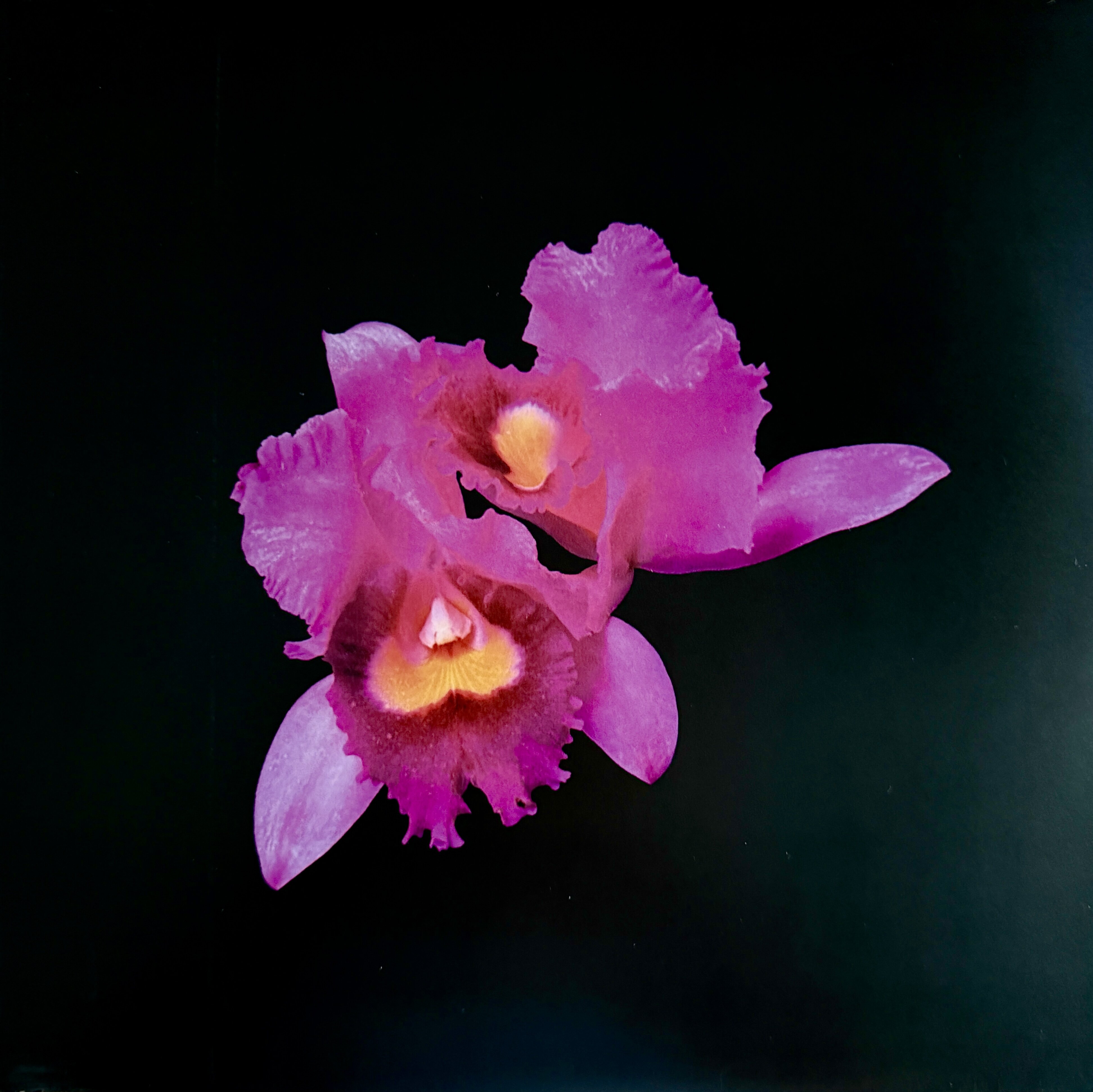
Due to delays in distributing their first album, “Orchid” (recorded in ’94 but released only in ’95), Opeth had already written most of the material for “Morningrise” even before the debut hit the shops. Some riffs and acoustic parts even dated back to ’91.
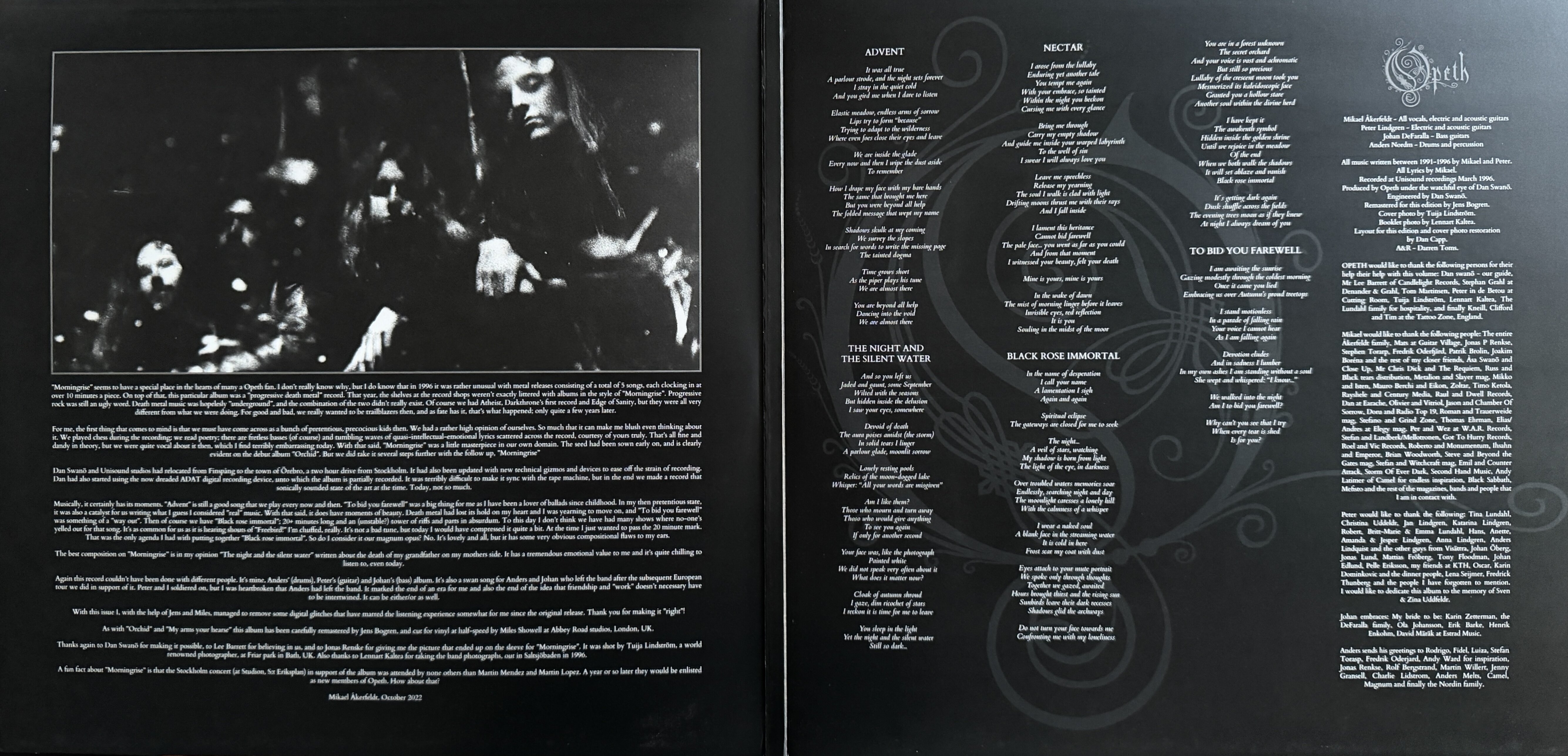
The final recordings took place in ’96 with production by the great Swedish producer Dan Swanö.
The lineup that recorded “Morningrise” is the same one that recorded “Orchid” in ’95. Between the first and second album there were no musician changes. Here’s the classic line-up: Mikael Åkerfeldt on vocals and guitars, Peter Lindgren on guitars, Johan De Farfalla on bass and Anders Nordin on drums… but it’s the last album recorded with this lineup.
At the end of the 1997 European promo tour, Mikael Åkerfeldt decided to dismiss bassist Johan De Farfalla due to personal misunderstandings and artistic differences. Drummer Anders Nordin also left the band out of solidarity with De Farfalla and for personal reasons (he moved to Brazil). A turning point for Opeth, but also the start of a new great musical adventure.
With the arrival of Martin Lopez on drums and Martin Mendez on bass, Opeth found their ideal lineup, the one that would later record their next masterpieces.
Mikael Åkerfeldt chose the title “Morningrise” (which we could translate as “The morning’s rise” or “Dawn”) to capture the romantic, decadent and nature-soaked atmosphere that pervades the album.
In the mid-’90s, Opeth wanted to break away from the violent and satanic clichés typical of death and black metal. “Morningrise” evokes images of Scandinavian rural landscapes, morning mist, forests and ruins. The lyrics, rich in archaic and poetic language, explore themes like loss, nostalgia, death and nature, finding in dawn the perfect image of a new beginning.
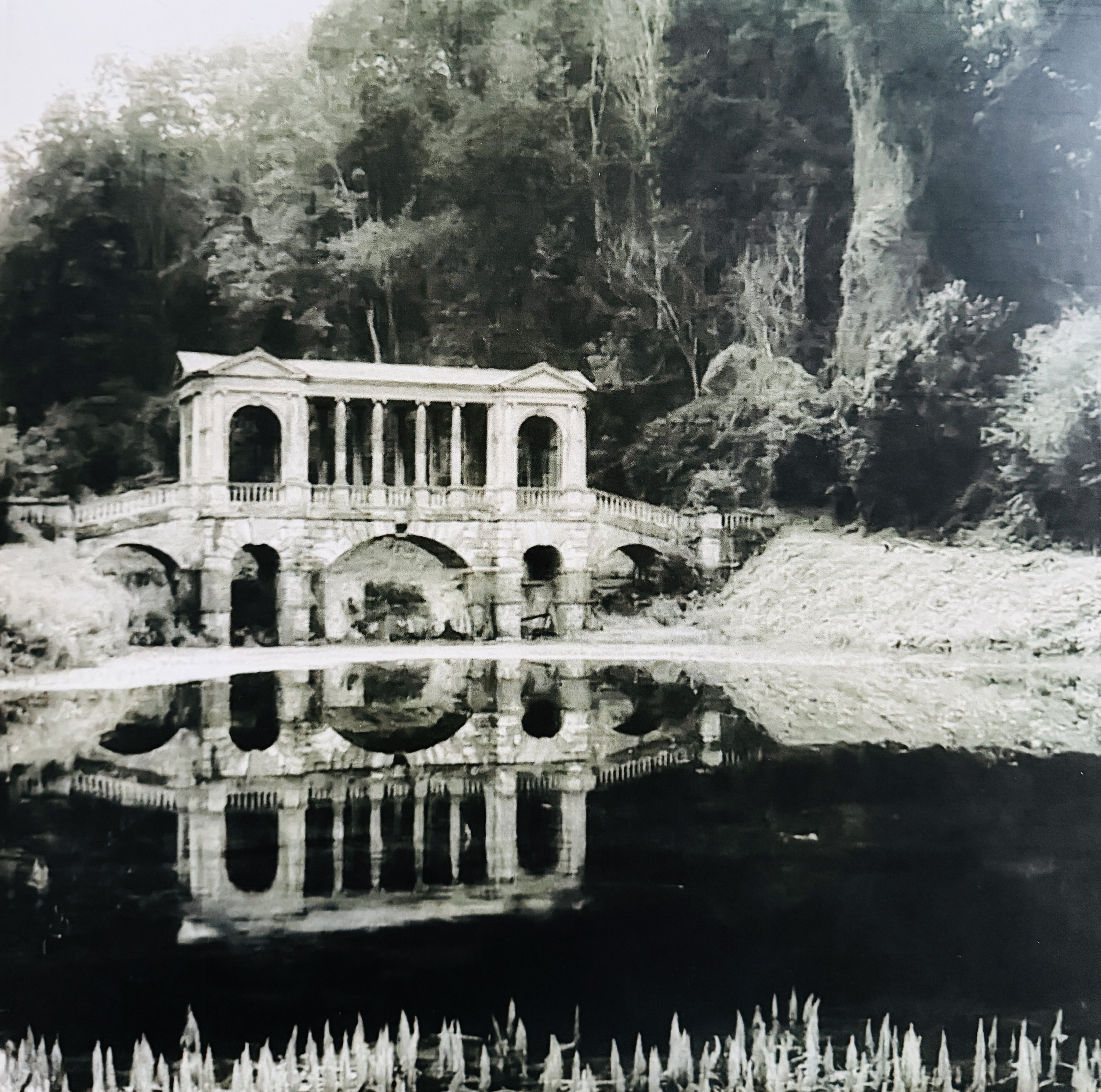
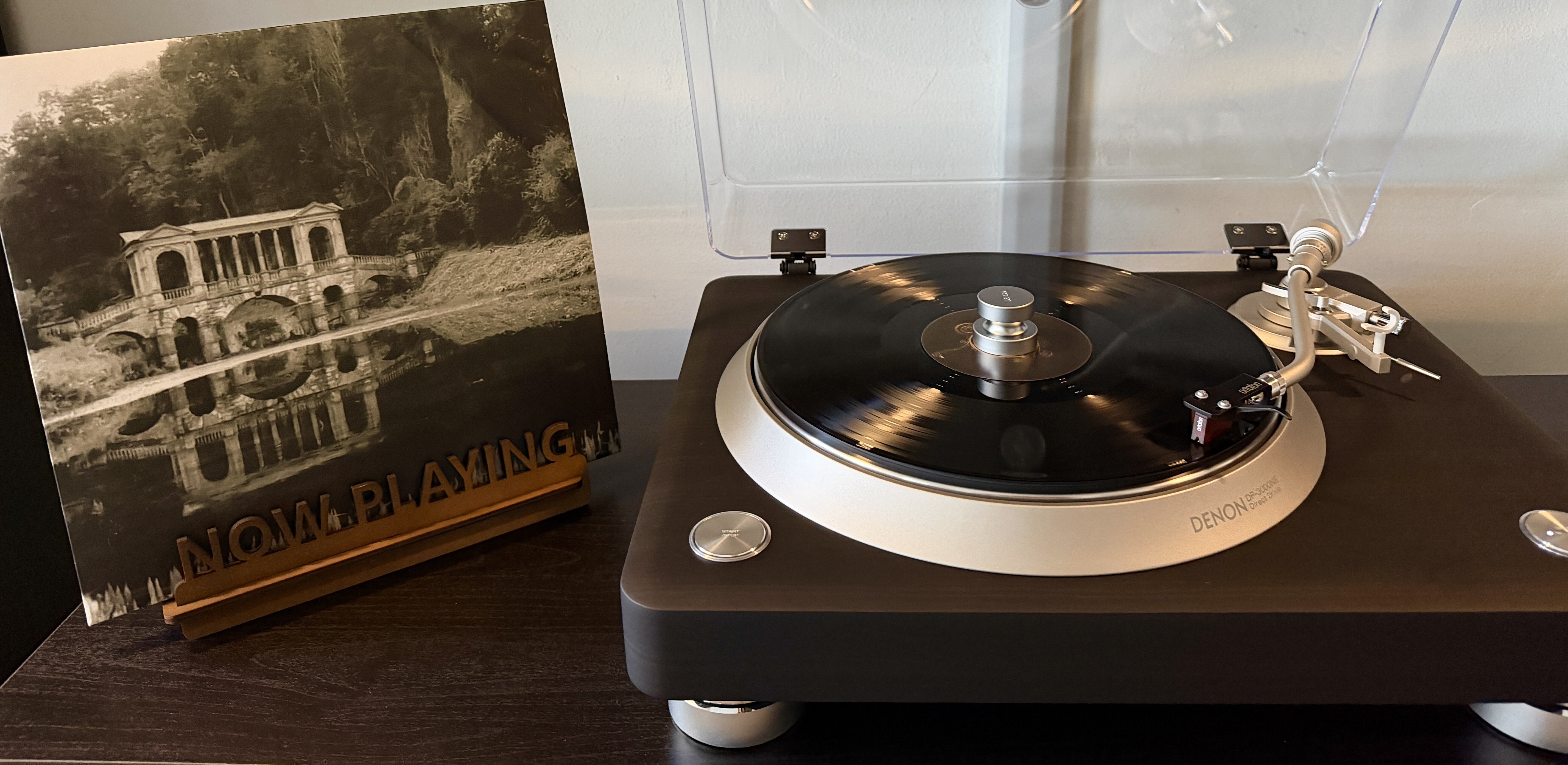
The title is closely tied to the cover photo, which depicts the Palladian bridge in Prior Park in Bath, England, immersed in a still, foggy atmosphere. “Morningrise” suggests the exact moment the photo seems to have been taken: the first light of dawn, when nature awakens in a melancholy solitude.
The title also appears within the album, spoken by Åkerfeldt in the first track, “Advent”, in the line: “We inheritance the dark, looking for the morningrise” (“We inherit the darkness, searching for the morning’s rise”). This phrase is a metaphor for hope or the search for a spiritual light, constantly smothered by the songs’ bleak and tragic atmospheres.
Musically, “Morningrise” pushes the formula of the first album, “Orchid”, to the extreme, but stands out for greater technical care, a more defined sound and a strong progressive and melodic component, at the expense of purer metal fury.
Orchid was a rather fragmented album, with acoustic passages and death metal alternating in a fairly abrupt way, almost as if they were two separate things. In Morningrise, instead, the transitions become much more fluid and mature. The album is famous precisely for this “light-and-shade” dynamism: tempo changes and shifts from distorted to classical guitars blend skillfully, creating very long, hypnotic suites, like the 20 minutes of Black Rose Immortal.
In Orchid, the bass followed more traditional lines, even though it already strayed a bit from the death metal norms of the time. In Morningrise, instead, De Farfalla’s 6-string bass (often fretless) becomes a true lead instrument. With a very high volume in the mix, it constantly dialogues with the guitars, adding jazz-, funk- and progressive-rock-flavored runs that make the sound unique and never again replicated by the band with this emphasis.
If Orchid was heavily influenced by the twin-guitar harmonies typical of Iron Maiden and by the primitive sound of Swedish black metal, in Morningrise the work of Mikael Åkerfeldt and Peter Lindgren evolves toward classical counterpoint. The two guitars don’t just repeat the same melody at different intervals, but play completely distinct lines that intertwine into complex, melancholy harmonies, reducing classic metal influence in favor of ’70s prog rock.
Dan Swanö’s production for Orchid was also rougher, darker and focused on heaviness. For Morningrise, Swanö opted for a cleaner, airier and more defined sound, essential to make all instruments stand out in the acoustic sections. Åkerfeldt’s voice also shows an evolution: the growl becomes deeper and more controlled, and in tracks like To Bid You Farewell the clean, intimate/folk-style voice makes its debut, which would become the band’s trademark.
Morningrise is an album that should be listened to in one go, because the atmosphere it creates is continuous and immersive. Still, there are moments that stand out and make it a key record.
Advent, the track that opens the album, is a real gem. At 03:00, a powerful riff kicks in that forms the base of the whole piece. De Farfalla’s bass creates wonderful counter-melodies, weaving with the guitars in a truly distinctive way. It’s a perfect example of Opeth’s unique sound.
The Night and the Silent Water is dedicated to Åkerfeldt’s grandfather and is a very moving song. It ends with an acoustic, delicate part that slowly fades into silence, leaving a sense of melancholy typical of Scandinavian music.
To Bid You Farewell is a revolutionary track for Opeth, because it’s the first one where the voice doesn’t use growls. It’s an epic piece, completely progressive/acoustic rock. Halfway through, there’s a break with a jazzy bass figure, followed by a clean, dreamy electric guitar solo. This song changed the rules of the game for extreme metal bands.
And then there’s Black Rose Immortal, the longest song on the album, at 20 minutes and 14 seconds. It’s the best track on the record in my view, and one of the most ambitious suites ever in avant-garde metal. It’s the album’s highest point, a journey in 12 movements.
Black Rose Immortal doesn’t have the classic verse-chorus structure, but is a continuous flow of different sections, ranging from black/death metal to folk classical-guitar moments, up to memorable heavy gallops.
Around 15:00, after a very intense acoustic part, Åkerfeldt unleashes a very long, desperate growl, introducing one of Opeth’s most powerful and iconic riffs.
Åkerfeldt called it a musical “Frankenstein monster”, a collage of the best riffs he had written between 1992 and 1996, but that hadn’t found a place on any other album.
Because of its complexity, Opeth didn’t play Black Rose Immortal in full live for a full 26 years. Finally, in 2022, they brought it to the stage during the Evolution XXX tour, driving fans crazy.
When it came out, Morningrise shook the world of “Progressive Death Metal”. It proved that the power of extreme metal could get along with the sweetness of classical guitar, the lead bass (with its jazz influences and De Farfalla’s unique lines) and Swedish folk sections.
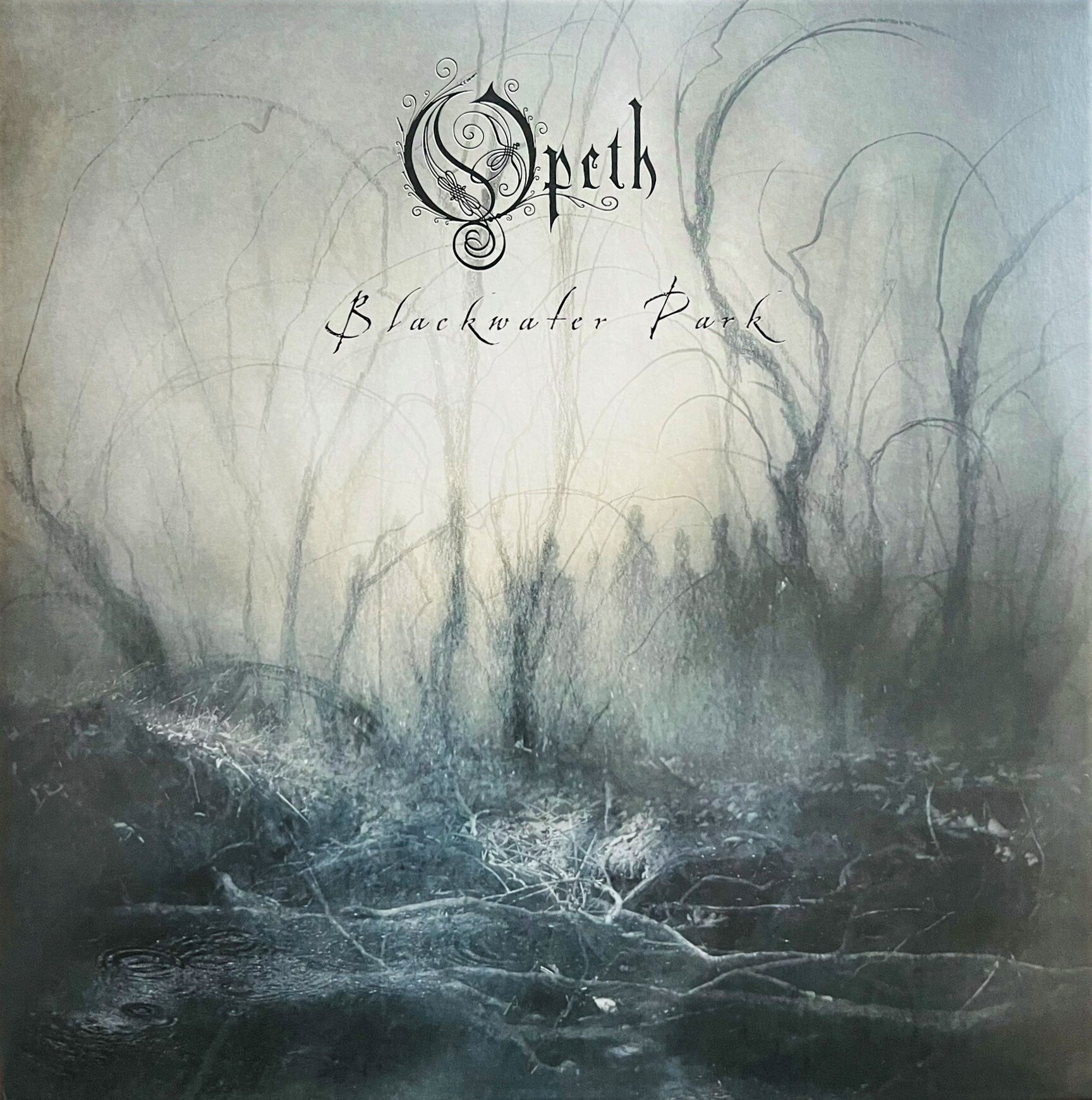
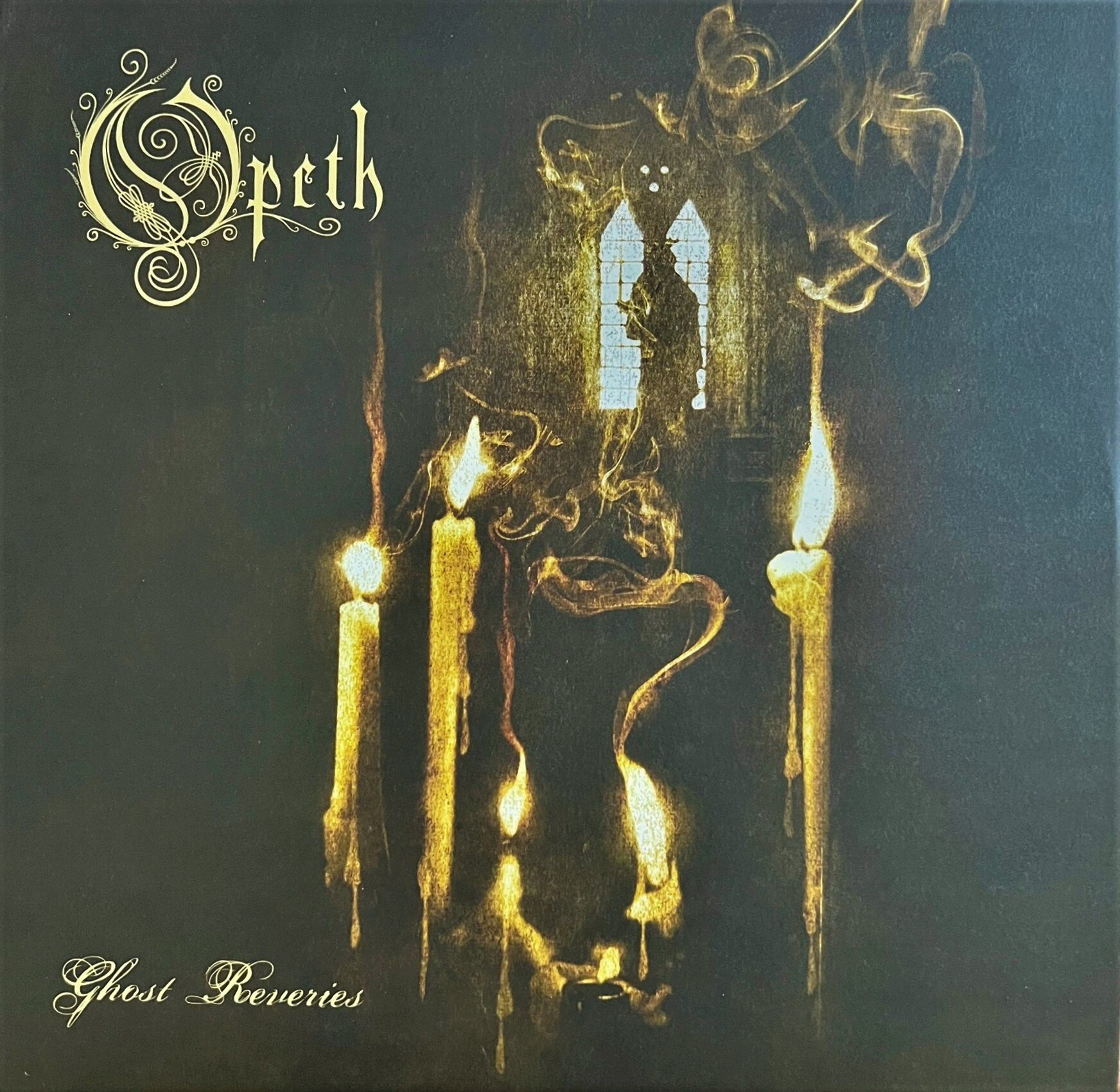
When people talk about Opeth’s most important records, they usually end up citing Blackwater Park, Ghost Reveries or Still Life. Compared to these giants, Morningrise perhaps has a couple of drawbacks.
The songs are full of fantastic riffs, but they sound a bit like a collage, a bit less fluid than how the band would compose later on. The drum sound and some mixing choices, moreover, are very ’90s, and don’t have the cleanliness and power they would reach starting in 2001, thanks to the work with Steven Wilson.
I’m part, however, of a group of die-hard fans who consider Morningrise a true masterpiece, to be placed in the top five.
The album has a romantic, dark, decadent and pastoral aura that the band never found again on later records, which became more modern. Also, the lead bass is fantastic: it has so much freedom and space that it becomes the protagonist, something you don’t hear in the same way on later works; but considering I’m a drummer (even if rusty, I admit it), the rhythm section is fundamental to me, so I could definitely be biased. For me it’s a Masterpiece.
My Version
Label: Candlelight Records – CANDLE332585, Spinefarm Records – CANDLE332585
Format: 2 x Vinyl, LP, Album, Limited Edition, Reissue, Remastered, Black, Half- Speed Cut
Country: Europe
Released: 19 May 2023
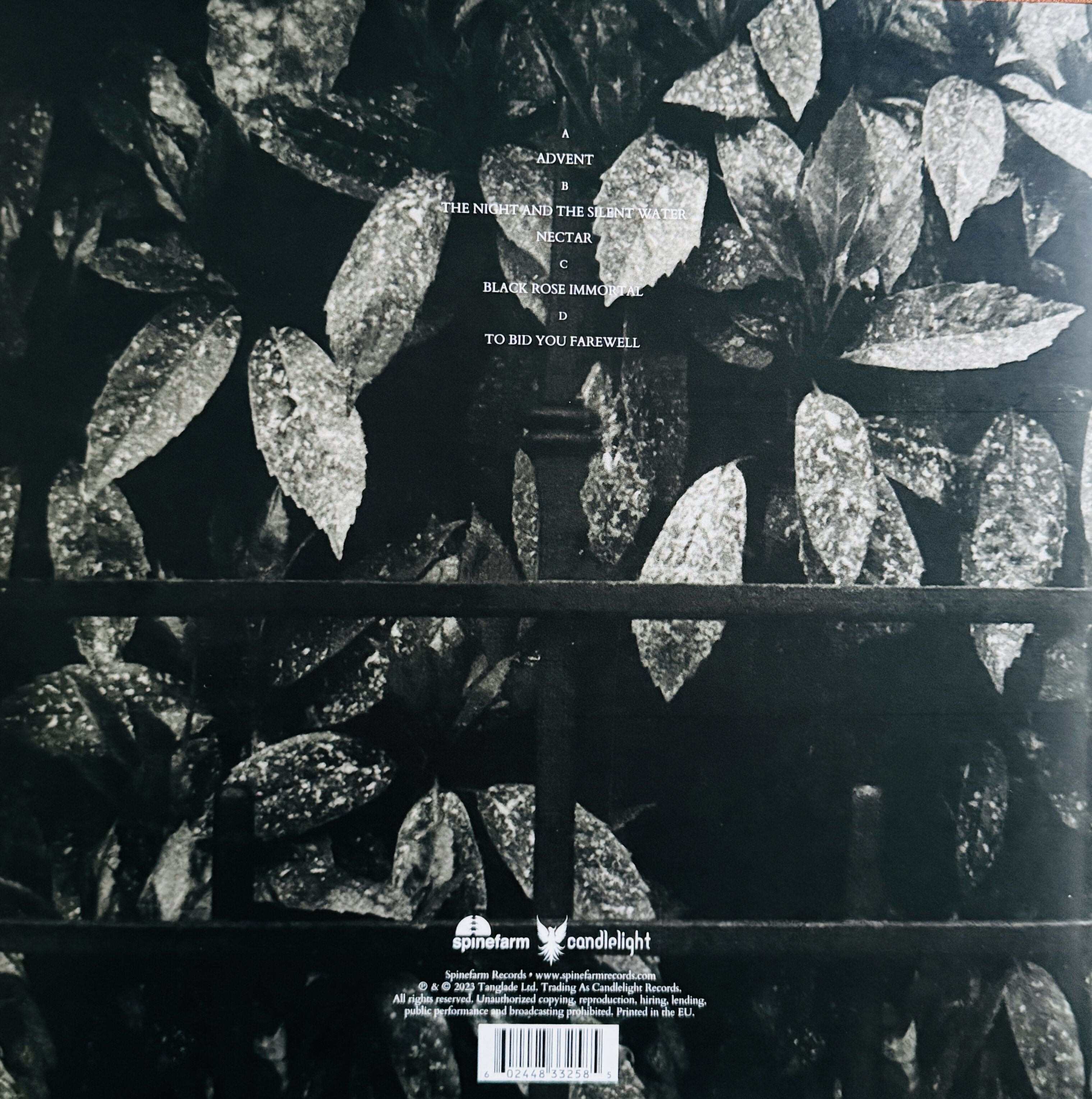
Tracklist
A Advent
B1 The Night And The Silent Water
B2 Nectar
C Black Rose Immortal
D To Bid You Farewell
Lineup
Bass – Johan DeFarfalla
Drums – Anders Nordin
Electric Guitar, Acoustic Guitar, Music By – Peter Lindgren
Producer, Engineer – Dan Swanö
Sleeve Notes, Vocals, Electric Guitar, Acoustic Guitar, Music By, Lyrics By – Mikael Åkerfeldt