

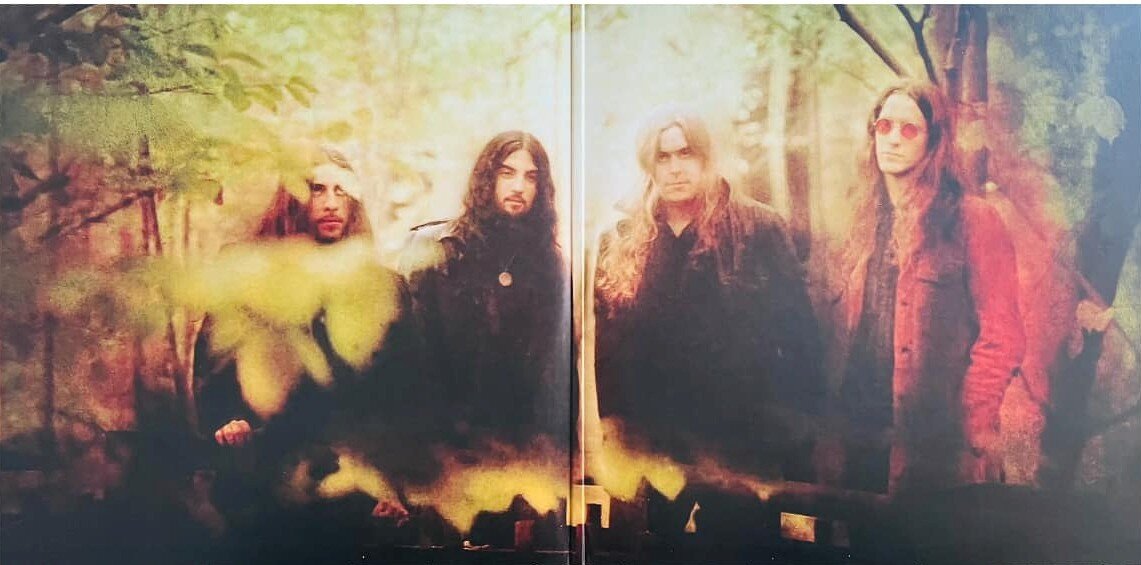
The Opeth are a Swedish band active since 1990 that many consider a melodic Death Metal band, but the aggressive death metal with Mikael's growls (produced with his own voice, not with electronic tools) is alternated and enriched by acoustic sections and sung parts with Mikael's clean voice.
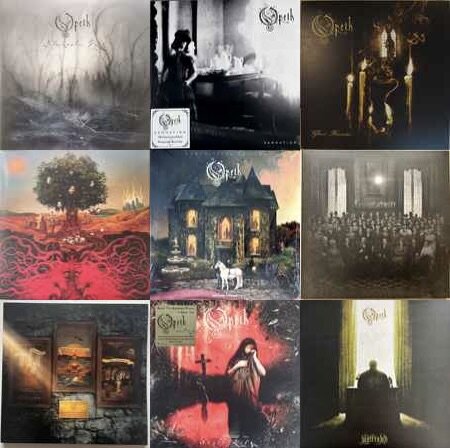
Opeth are one of the most influential bands in modern metal, and their career is a truly unique musical journey. They started out with a rather dark Swedish death metal, then evolved into progressive metal pioneers, and later turned into a refined retro-prog rock band. Over the years, they changed lineup and musical style several times, always keeping an original, recognizable sound.
It all began in Stockholm in 1990, when singer David Isberg founded the band. Soon after, he invited young guitarist Mikael Åkerfeldt. Åkerfeldt’s arrival brought a major change: all the other original members were fired, and the group was completely reshaped. When Isberg left in 1992, Åkerfeldt took the reins, becoming singer, guitarist, and main songwriter. At that point, the band consisted of Mikael Åkerfeldt (vocals and guitar), Peter Lindgren (guitar), Martin Mendez (bass, since 1997) and Martin Lopez (drums, since 1997).
Their early musical style was a dark death metal, enriched with acoustic atmospheres and long structures. The first albums, “Orchid” and “Morningrise”, blended growls with classically inspired twin guitars, creating a unique, captivating sound. With “My Arms, Your Hearse” (1998), the sound became tighter, heavier, and unmistakably “Opeth”.
Opeth’s Golden Era, the one of their masterpieces, runs from 1999 to 2005. It’s a period of pure creative magic, in which the band finds its perfect balance between bursts of raw energy and cutting-edge acoustic melodies, creating a unique, immersive atmosphere.
In these years, the Åkerfeldt-Lindgren-Mendez-Lopez lineup solidifies, and from 2005 it is enriched by the arrival of keyboardist Per Wiberg, who adds an extra touch to their music.
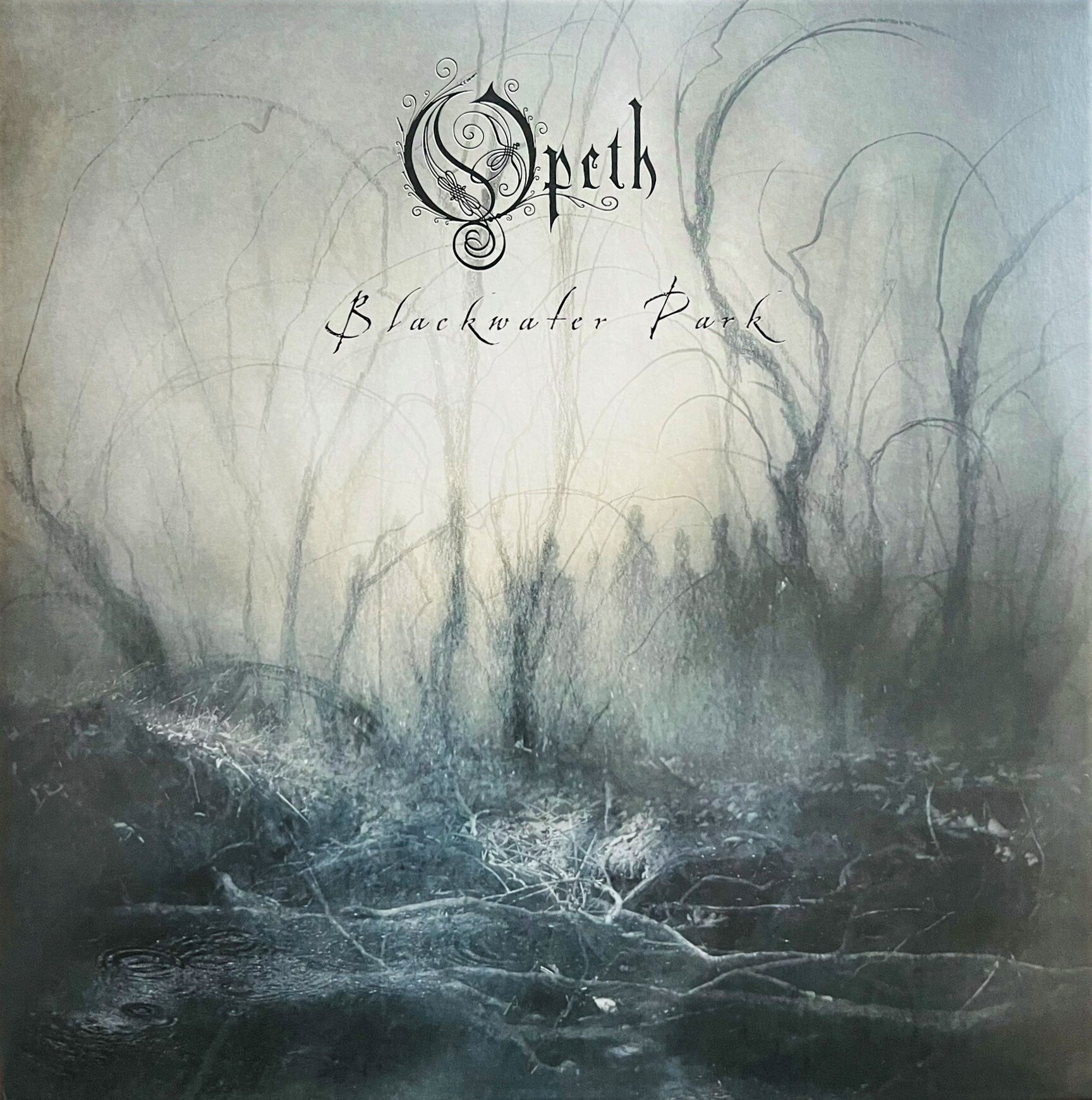
Opeth move closer and closer to Progressive Death Metal, and in 1999 they release Still Life, an album that marks the beginning of a new era. But it’s with Blackwater Park (2001), produced by the genius of Steven Wilson, that the band conquers the whole world.
In 2002 and 2003, Opeth embark on an ambitious, bold experiment: they create two twin albums, Deliverance and Damnation. Deliverance is the heaviest album of their career, a concentrate of power and technique. Damnation, instead, is a fully acoustic and prog-rock work, free of distorted guitars and growls, proving the band’s versatility and creativity.
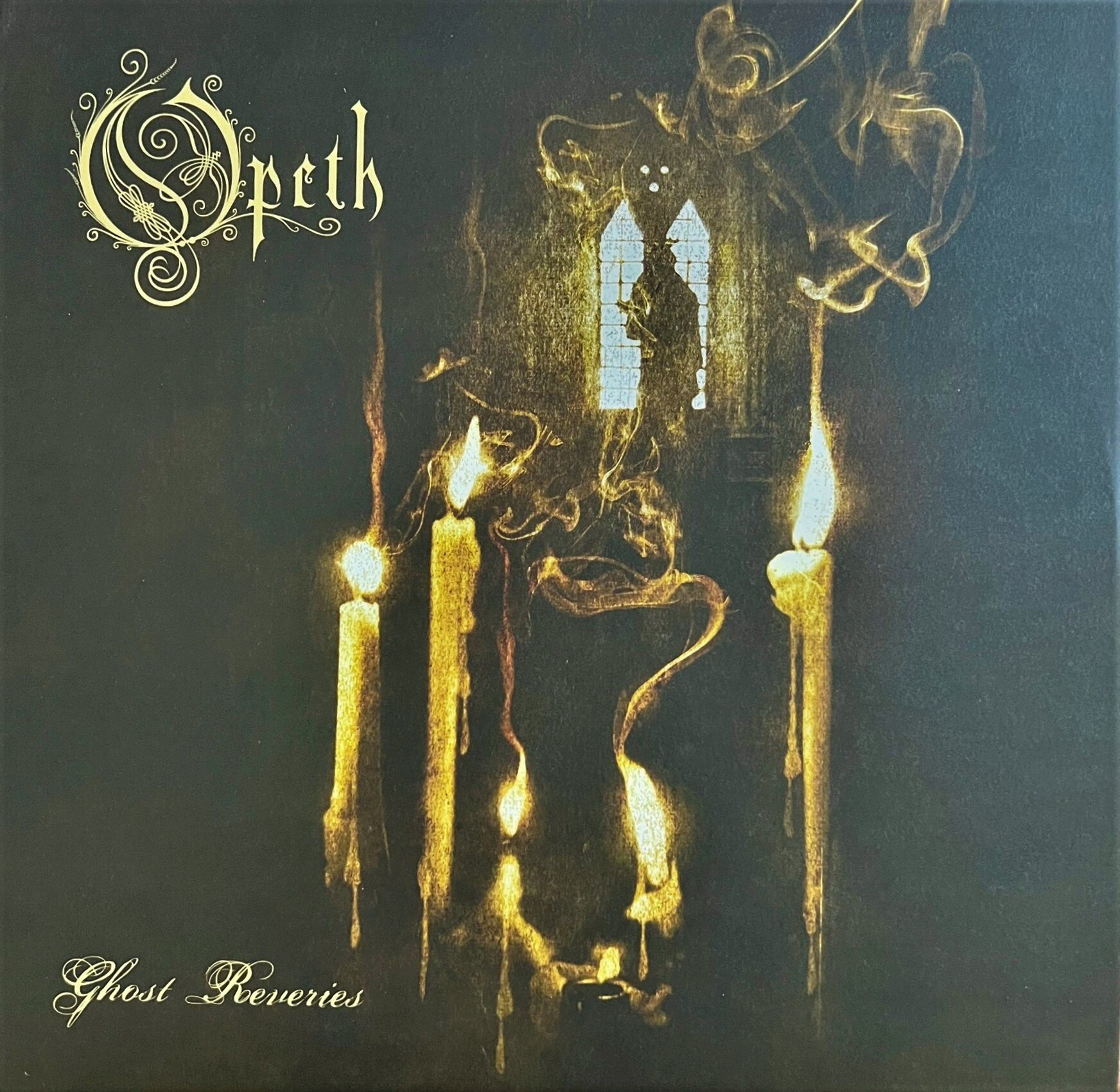
This one-two punch anticipates the release of Ghost Reveries (2005), a monumental album that cements Opeth as one of the most important and innovative bands in the metal scene.
Between 2006 and 2010, the band went through a period of big changes. After intense touring and some health issues, there were major lineup shifts. Drummer Martin Lopez and guitarist Peter Lindgren, who had been in the band for a long time, decided to leave. They were replaced by Martin “Axe” Axenrot on drums and Fredrik Åkesson on lead guitar. Their debut was the 2008 album “Watershed”. This record led the band to explore new sounds, with a more dissonant, technical death metal, as heard in “Heir Apparent”, and ’70s prog and symphonic influences, more evident in tracks like “Burden”. “Watershed” was also the last album to feature growled vocals for the next 16 years.
Between 2011 and 2023, Opeth underwent another truly remarkable transformation: the Fully Progressive Turn. Tired of death metal, frontman Mikael Åkerfeldt decided to change course, steering the band toward a more experimental sound. Opeth thus said goodbye to extreme metal, enthusiastically embracing classic Progressive Rock, retro hard rock, jazz fusion, and folk.
In this period of change, Joakim Svalberg took Per Wiberg’s place on keyboards. And then, in 2021, after a full 15 years, drummer Martin Axenrot left the band. He was first replaced temporarily by Jalo Lehto, and then officially by Waltteri Väyrynen, former drummer of Paradise Lost.
The new musical style was a fascinating mix of retro-prog, marked by Mellotron, vintage keyboards, and exclusively clean vocal parts. Albums like “Heritage” (2011) and “Pale Communion” (2014) sparked mixed reactions among fans, but with “Sorceress” (2016) and “In Cauda Venenum” (2019) – the latter recorded entirely both in Swedish and in English – the band cemented its new identity as a sophisticated, orchestral rock act. In short, a truly exciting musical journey.
In 2024, Opeth surprised us again. After years of rock explorations, they partially returned to the sounds that made them famous. The current lineup consists of Mikael Åkerfeldt on vocals and guitar, Fredrik Åkesson on guitar, Martin Mendez on bass, Joakim Svalberg on keyboards, and Waltteri Väyrynen on drums.
With the release of their latest concept album, “The Last Will and Testament”, in late 2024, Åkerfeldt reintroduced growls after more than fifteen years. Their current sound is a fascinating blend of mature prog theatricality and the heavy darkness of their metal past.
The core component of their sound is the guitar, with big riffs for the aggressive parts and fantastic melodic solos. The sound is obviously influenced by Scandinavian folk.
There’s progressive death metal and also progressive rock, with the addition of acoustic and classical instruments, zither, mellotron, piano, Hammond, Moog, and also samples, with great sound research, and the production is generally top-notch.
If you don’t know them or you’re skeptical about the genre (like when you don’t listen to something you don’t know out of pure prejudice, it happens to me too of course) I recommend you listen to them and let yourself be surprised (as happened to me, in fact), not limiting yourself to judging the typical growl voice (which, by the way, isn’t a constant in every track and in any case is part of a narrative, a story, therefore perfect in context) but above all to appreciate the huge quality of the compositions and the great mastery and skill of the musicians: a stellar band.
.jpeg "Still Life by Opeth")