
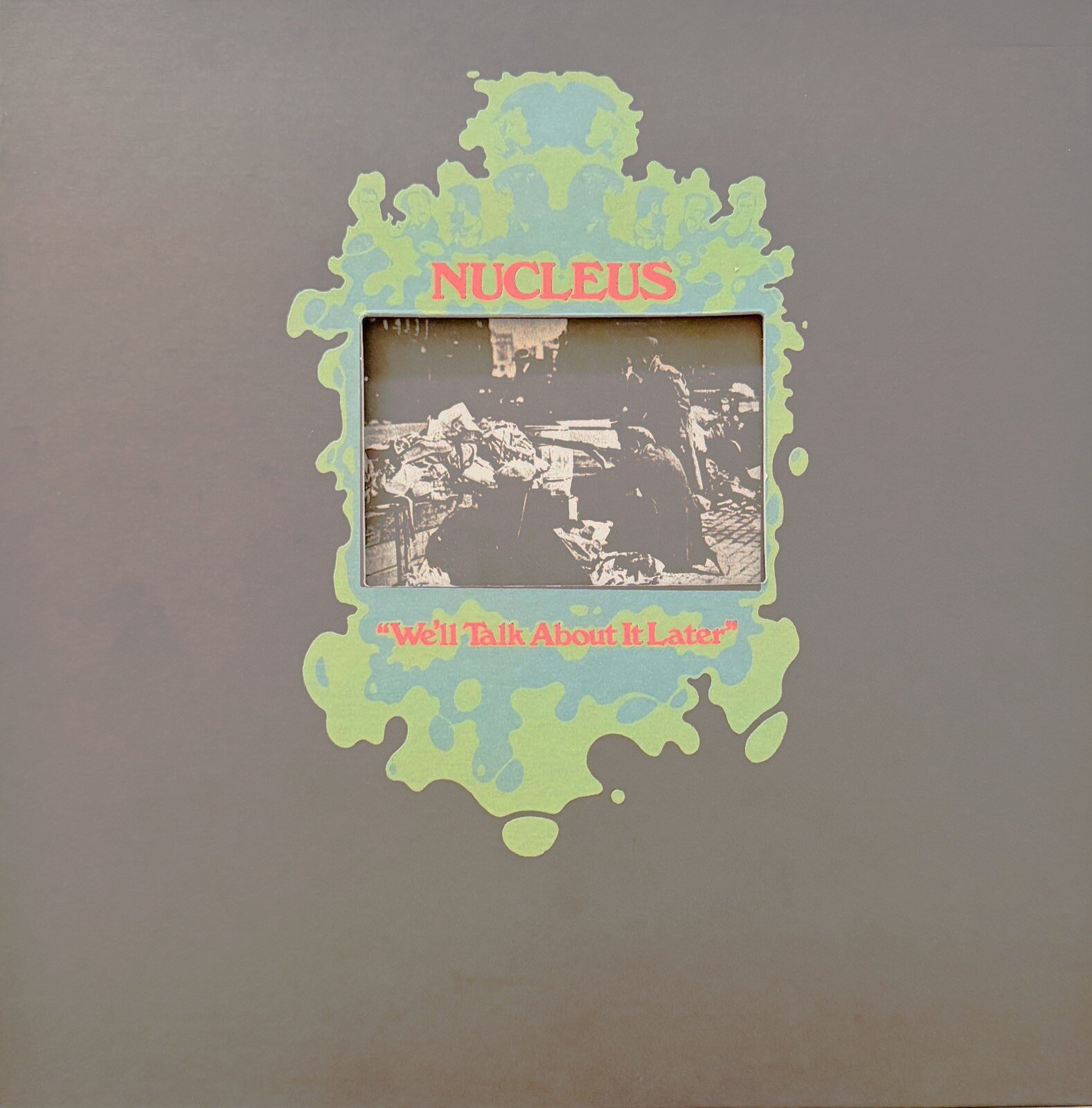
We'll Talk About It Later by Nucleus, 1971 album
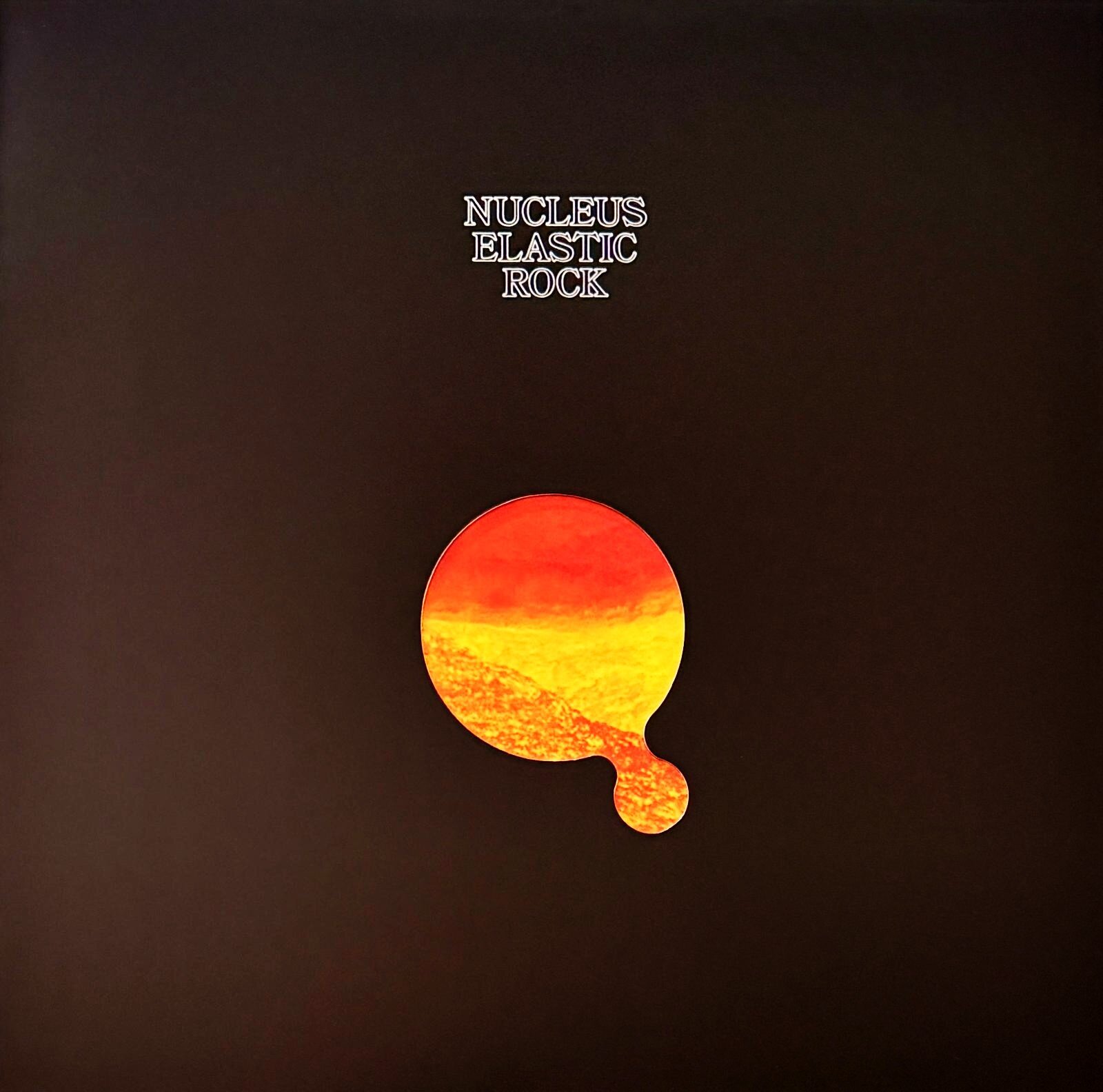
I've spoken at length about Nucleus and their founder Ian Carr in the article dedicated to them, "Elastic Rock, the debut album by Nucleus, the Pioneers of Jazz-Rock Fusion."
This is their third studio album, their masterpiece and absolute masterpiece of the Jazz Rock/Fusion genre.
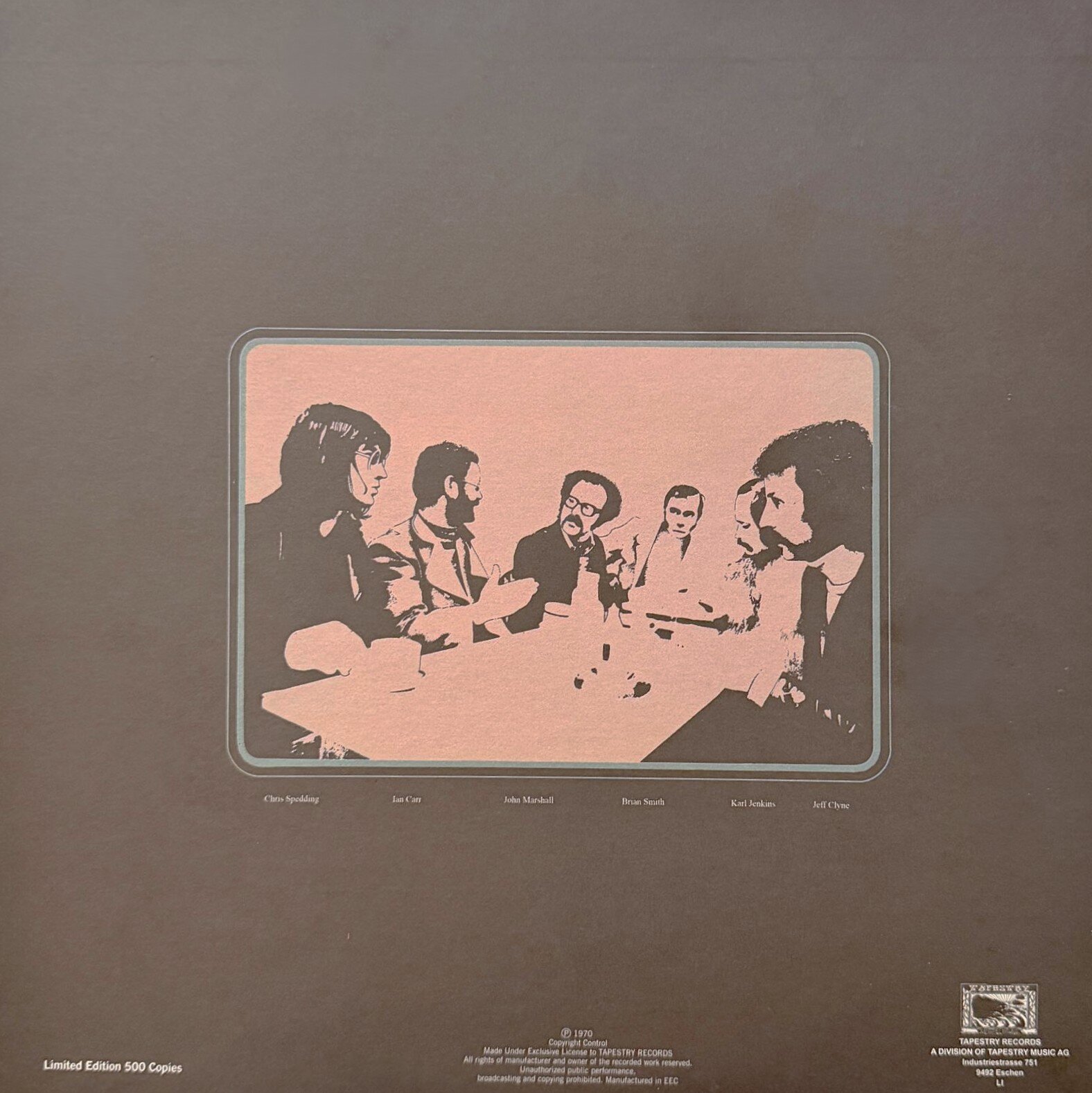
A powerful and creative album with stunning virtuosic solos featuring Ian Carr on trumpet, Karl Jenkins on oboe and keyboards, Chris Spedding on guitar, and a practically perfect rhythm section of John Marshall (drums) and Jeff Clyne (bass). Complex, intense, brilliant, and exotic, it features forays into instruments uncommon in the genre, such as the Greek bouzouki in "Lullaby," an instrument that lends itself to virtuosic excellence with solos of immense length (a personal experience during my travels in Greece listening to Rebetika music).
There is no clear explanation for the album's title, only a few interpretations:
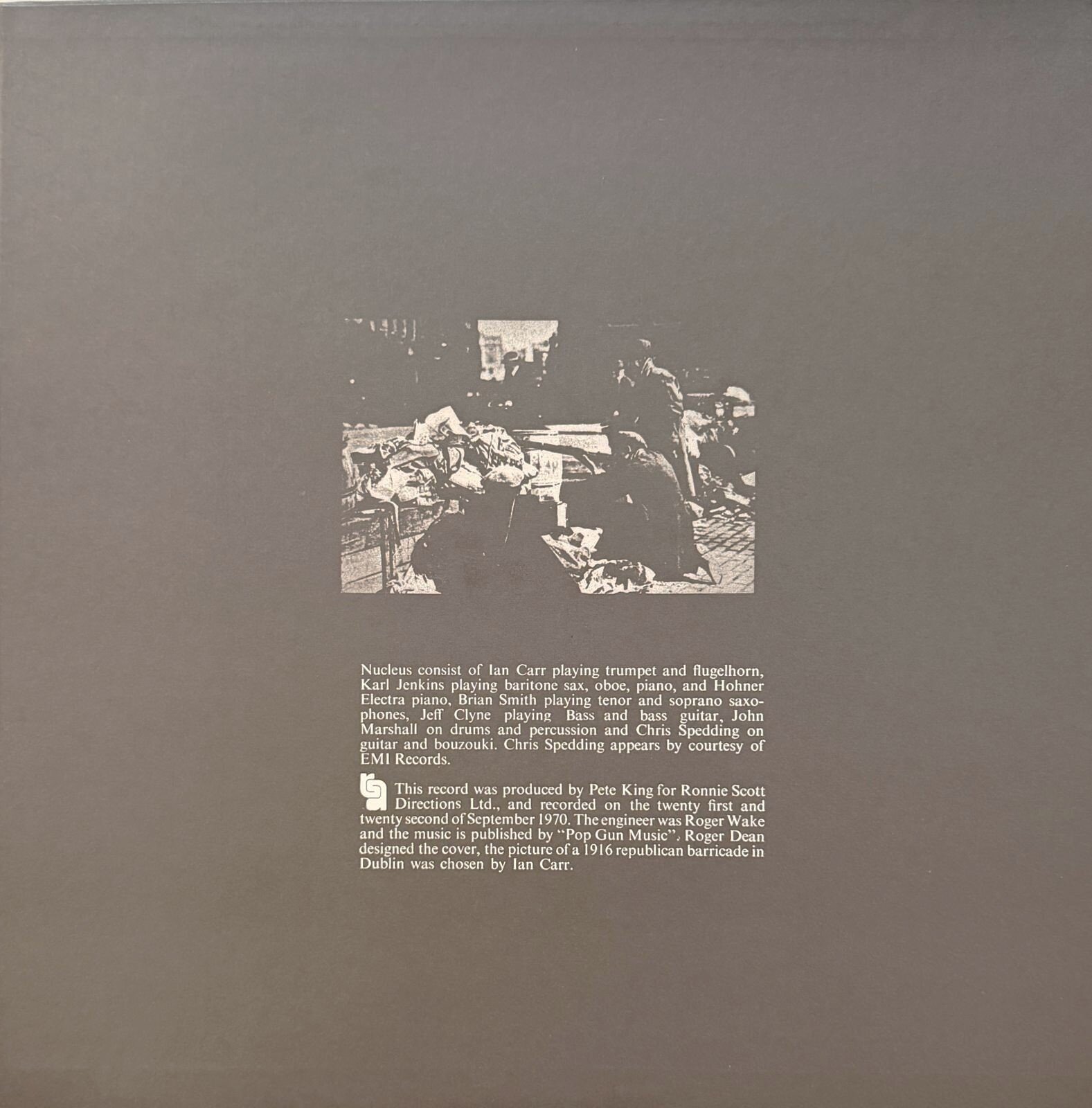
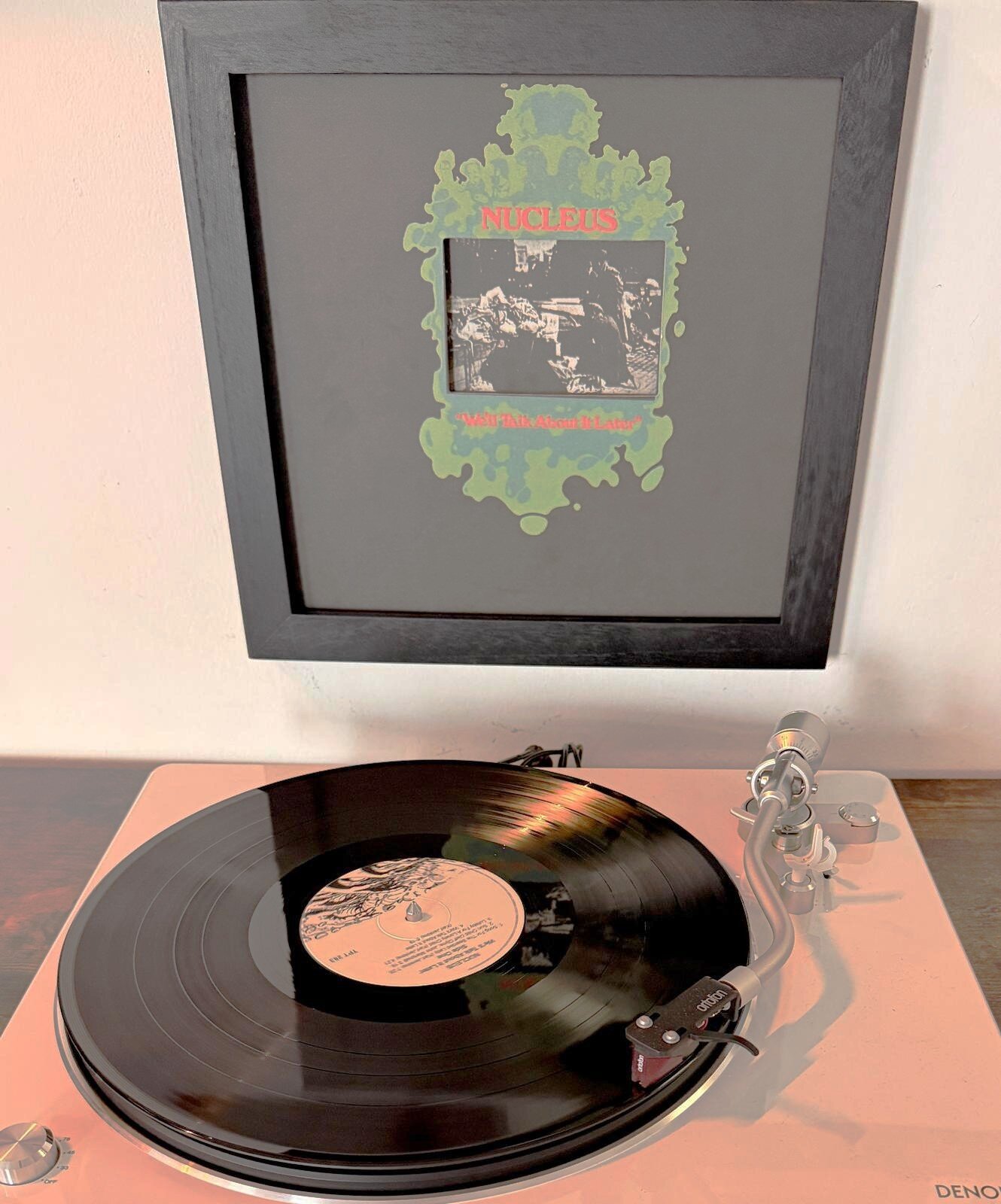
- The album cover (a gatefold sleeve by Roger Dean) features photos related to the Irish Easter Rising of 1916, a theme that also appeared in songs on Nucleus's early albums. This has led some critics to speculate a connection between the album's title and the events of the era, suggesting a sense of postponed discussion and unresolved tension regarding the political rebellion of the 1970s.
- Some consider it a "Non-Title," an offhand and casual remark used as a playful or even ironic title, implying that the album's innovative music could speak for itself and that any discussion could wait.
- A deliberate sense of ambiguity created by the lack of a clear explanation, which would be in keeping with the album's experimental nature and the band's approach to music, which had no rigid boundaries or explicit narrative themes.
I personally lean toward the first hypothesis, supported by the cover photo and the political climate of the time, one of great turmoil and rebellion.
The album consists of seven tracks, totaling approximately 46 minutes of splendid Jazz Rock/Fusion.
- Song for the Bearded Lady opens the album with its pressing funky mood and a driving riff that develops into a trumpet solo by Ian Carr, whose main melodic theme was later covered by Karl Jenkins in Soft Machine
- Sun Child is a song characterized by Jeff Clyne's magnificent bass and a spectacular drum part by John Marshall, with a sound that is at times oriental.
- Lullaby for a Lonely Child is an atmospheric, delicate ballad, featuring Carr's stirring trumpet solo while Chris Spedding masterfully plays a splendid bouzouki.
- We'll Talk About It Later, the title track, is a dark, atmospheric blues piece featuring Spedding's wah-wah guitar and Carr's muted trumpet. A fantastic experimental blues-rock piece.
- Oasis opens the B-side and is the longest track on the album, very atmospheric with increasing intensity featuring horns, keyboards, and a unique guitar riff, with extended solos by Brian Smith on saxophone and oboe.
- Ballad of Joe Pimp, a beautiful piece that features uncredited vocals.
- Easter 1916, closing the album, is inspired by W.B. Yeats's poem about the Irish Rebellion. It features spoken word, an almost arrogant free jazz section, and an intense, aggressive saxophone and drums duet between Brian Smith and John Marshall. It closes the album spectacularly.
A stratospheric, wonderful album, essential listening for Jazz-Rock Fusion fans.
Note: All links to the musicians' works are in the TAGS under the article title or on the "Artists" page.
Tracklist
1. Song for the Bearded Lady (7:25)
2. Sun Child (5:19)
3. Lullaby for a Lonely Child (4:21)
4. We'll Talk About It Later (6:19)
5. Oasis (9:49)
6. Ballad of Joe Pimp (3:48)
7. Easter 1916 (8:47)
Duration 45:48
LineUp
- Ian Carr - trumpet, flugelhorn
- Brian Smith - tenor and soprano saxophones, flute
- Karl Jenkins - piano, Hohner Electra-Piano, oboe, baritone saxophone
- Chris Spedding - guitars, bouzouki, vocals (6)
- Jeff Clyne - acoustic and electric bass
- John Marshall - drums, percussion