


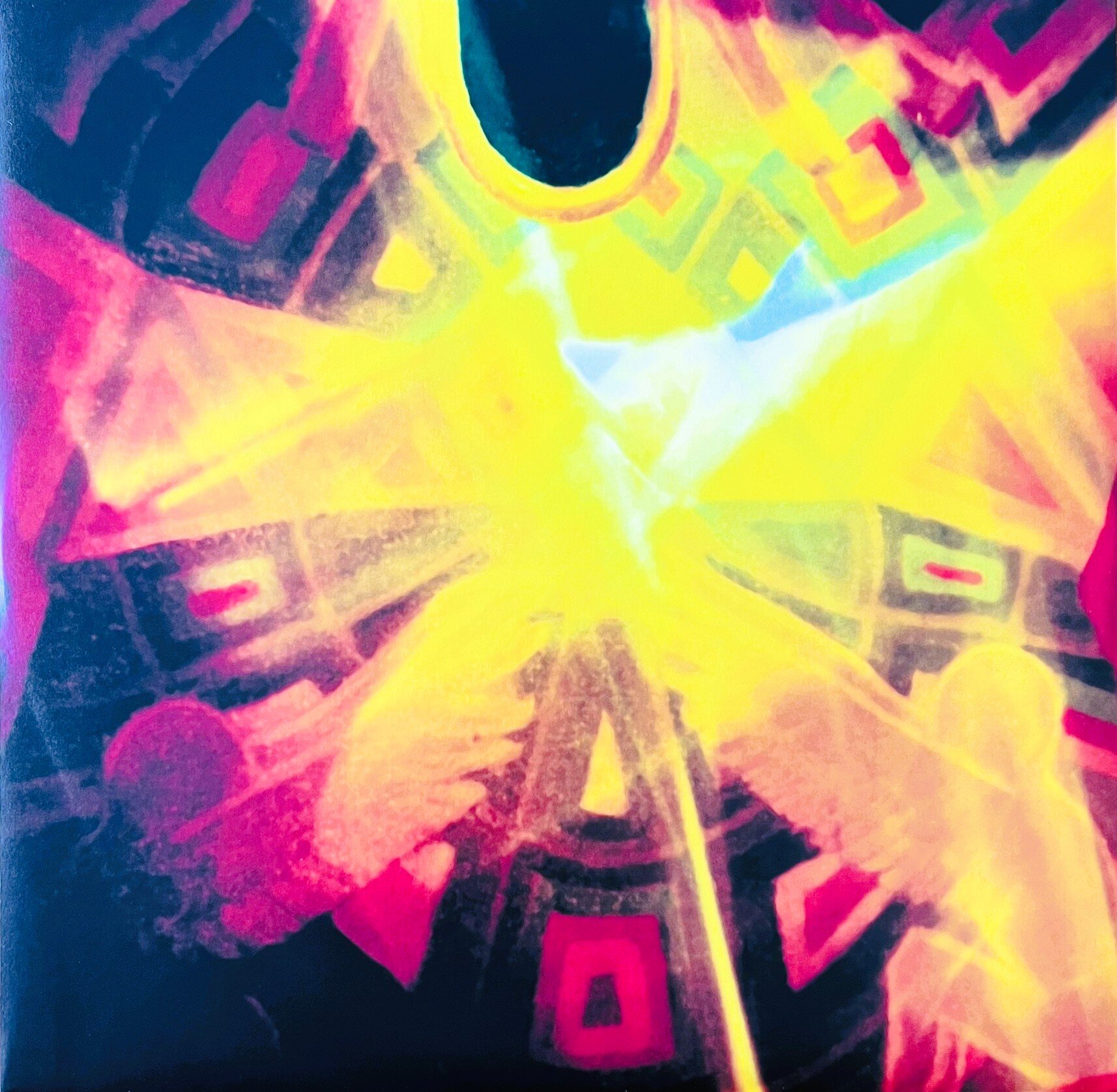
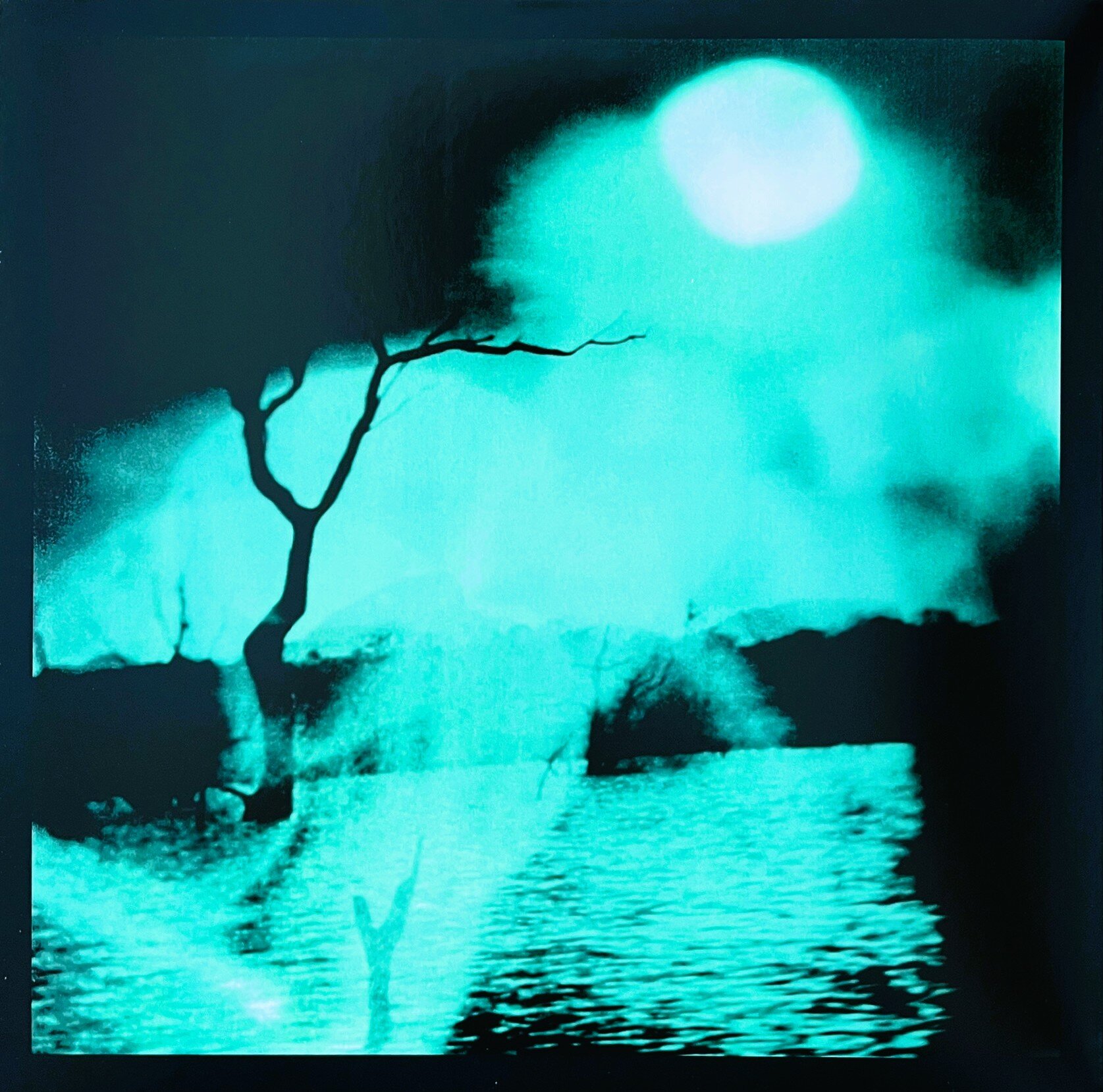
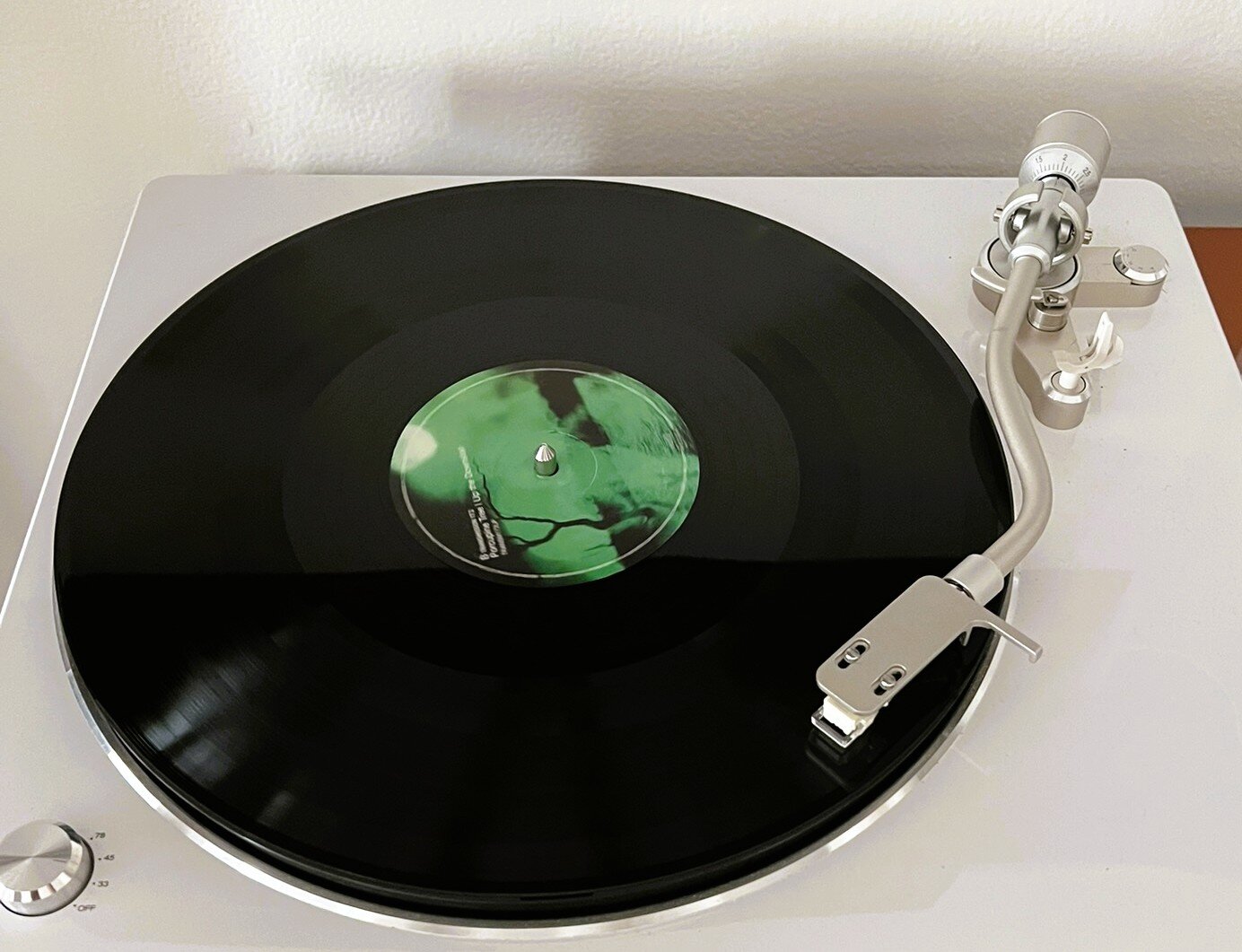
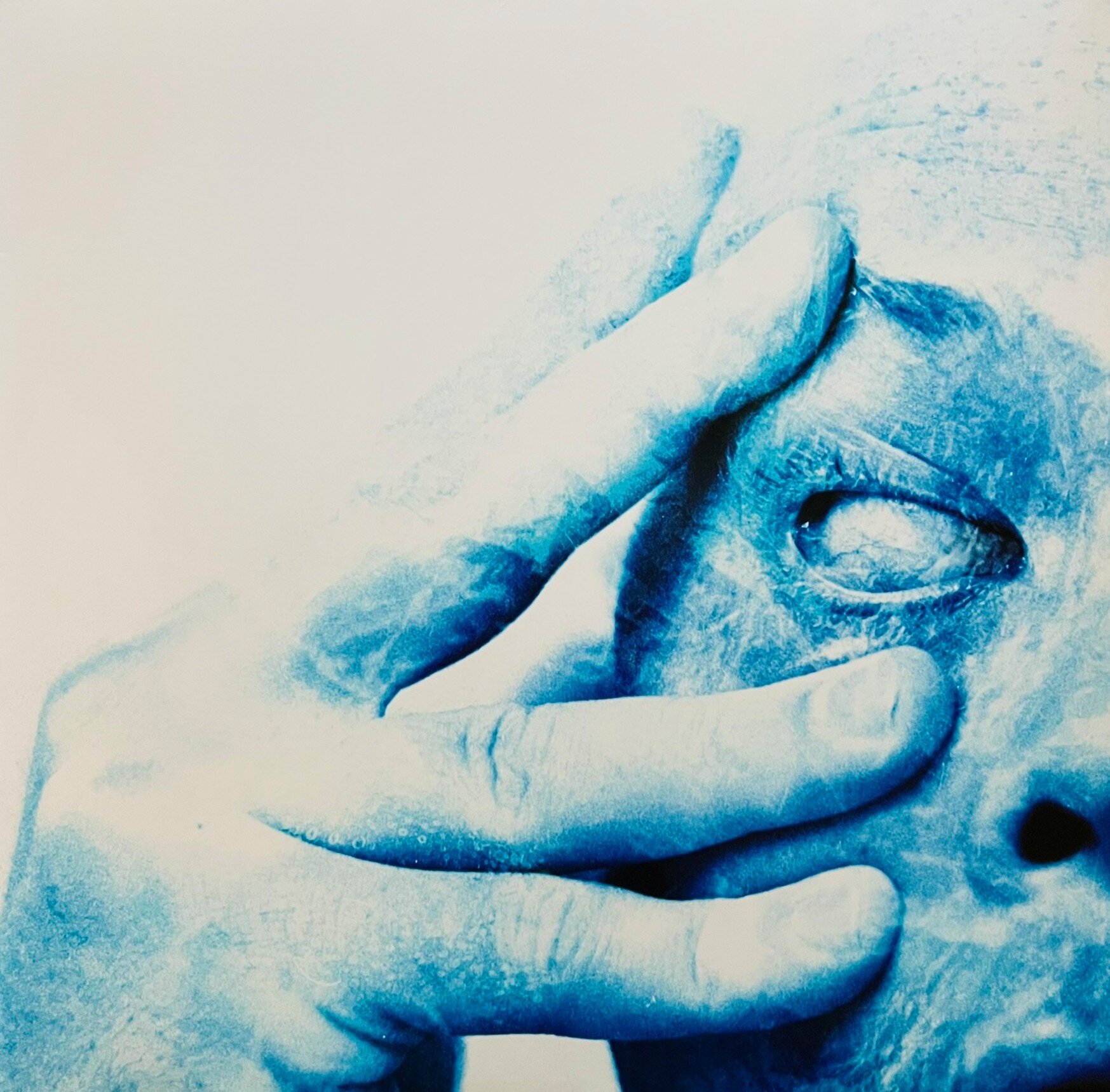
Up the Downstair by Porcupine Tree, 1993
Their second album, considered by Steven Wilson himself to be Porcupine Tree's true studio debut, as their previous album, On the Sunday of Life…, was a "collection of early material" and experimental, which is why I've included their biographical notes in this article.
Porcupine Tree is now one of the most influential bands in modern progressive rock. Founded in 1987 in the United Kingdom by the genius musician and producer Steven Wilson, it had an unusual beginning: Porcupine Tree actually began as a prank by a young Wilson, who created a fictional biography of a legendary (nonexistent) psychedelic rock band from the 1970s to accompany his home recordings. That joke later became a real project, whose first official album, On the Sunday of Life... (1991), collected his first psychedelic experiments. In the early years, it was therefore mainly a solo project (from 1987 to 1993).
From 1993 onwards, in order to perform live, Wilson recruited Richard Barbieri (keyboards), Colin Edwin (bass), and Chris Maitland (drums). The band underwent a significant evolution, with a predominantly space rock and psychedelic sound. They produced Up the Downstair in 1993 and their first masterpiece, The Sky Moves Sideways (1995). This album may not be their best, but it remains, in my opinion, one of the essential albums in a prog collection. This album was followed by Signify in 1996 (slightly inferior to the previous one), Stupid Dream in 1999, and Lightbulb Sun in 2000, both excellent albums.
A further turning point in the band's sound (and success) came with a more metal-oriented sound with the arrival of drummer Gavin Harrison and the release of their second masterpiece, In Absentia, in 2002, which surpassed their first with a sound closer to progressive metal. This was followed by Deadwing in 2005 (superior to all the albums prior to In Absentia) and their absolute masterpiece, Fear of a Blank Planet in 2007, which competes with In Absentia for the pinnacle of their output and, in my opinion, surpasses it. This was followed by The Incident (2009), a beautiful album, in my opinion, penalized by comparison with the previous album (hard to replicate at this level), and after a promotional tour, Wilson decided to dedicate himself to his solo career, a hiatus that lasted 11 years. In 2021, the band announced their return as a trio (Wilson, Barbieri, and Harrison, without Colin Edwin) with the 2022 album Closure/Continuation, which is currently their most recent studio album. It's an excellent album, but it doesn't quite reach the levels they reached before their hiatus.
Their style has evolved over time, with an initial psychedelic and space rock period heavily influenced by Pink Floyd and '70s psychedelia, featuring long songs, a riot of synthesizers, and spacey atmospheres. This was followed by the pop-prog and alternative phase, with compositions closer to song form and more accessible melodies while maintaining the complexity of the arrangements. This was followed by the progressive metal phase, influenced by bands likeOpeth, with heavy guitar riffs and a more aggressive rhythm section thanks to the great Gavin Harrison.
What has never changed is Wilson's obsessive attention to sound and the exceptional production that distinguishes all his work.
Porcupine Tree are key architects of the 21st-century progressive rock renaissance and have had a profound influence on numerous modern bands who have adopted their blend of melancholic atmospheres, crystalline production, and alternating acoustic moments with heavy riffs. These include The Pineapple Thief, Porcupine Tree's "little brothers," as well as Riverside, a Polish band with a sound reminiscent of In Absentia; Haken and Leprous with their new prog metal; Bjorn Riis Airbag (and Bjorn Riis in his solo work) with their atmospheric sound; and finally, Opeth, although in their case the influence was mutual (especially between Wilson and Mikael Åkerfeldt), whose collaboration pushed Opeth towards a more prog and less death metal direction.
Up the Downstair represents the pinnacle of the psychedelic and space rock phase, fusing progressive rock and electronic music on tracks like the title track and "Burning Sky," where Wilson delivers powerful guitar performances with hypnotic riffs alternating with synthesizer sequences. "Synesthesia" also combines pop melodies with typically psychedelic compositions.
Originally recorded with a drum machine, the album was re-released with drum parts re-recorded by Gavin Harrison, with a greater power than the original.
An album characterized by the breadth of its individual songs, which blend ambient sounds, Floyd-esque atmospheres, electronic rhythms, and heavy rock riffs, with subtle influences from Hawkwind and Krautrock (which also characterized Wilson's work with the I.E.M. Project), and extensive use of electronics, loops, and atmospheric landscapes.
A great album, but when I talk about Porcupine Tree, that's a definition I use often, if not always. Highly recommended!
Note: All links to the musicians' works are in the TAGS under the article title or on the "Artists" page.
Tracklist
1. What You Are Listening To... (0:58)
2. Synesthesia (5:11)
3. Monuments Burn into Moments (0:20)
4. Always Never (6:58)
5. Up the Downstair (10:00)
6. Not Beautiful Anymore (3:26)
7. Siren (0:52)
8. Small Fish (2:43)
9. Burning Sky (11:06)
10. Fadeaway (6:20)
Duration 47:54
LineUp
- Steven Wilson - vocals, guitar, bass, keyboards, drum programming, producer
Featuring:
- Suzanne Barbieri - vocals (5)
- Richard Barbieri - electronics (5)
- Colin Edwin - bass (4)
- Gavin Harrison - drums (in the expanded version replacing the original samples)

.jpeg "Fear of a Blank Planet by Porcupine Tree")
.jpeg "The Sky Moves Sideways by Porcupine Tree")