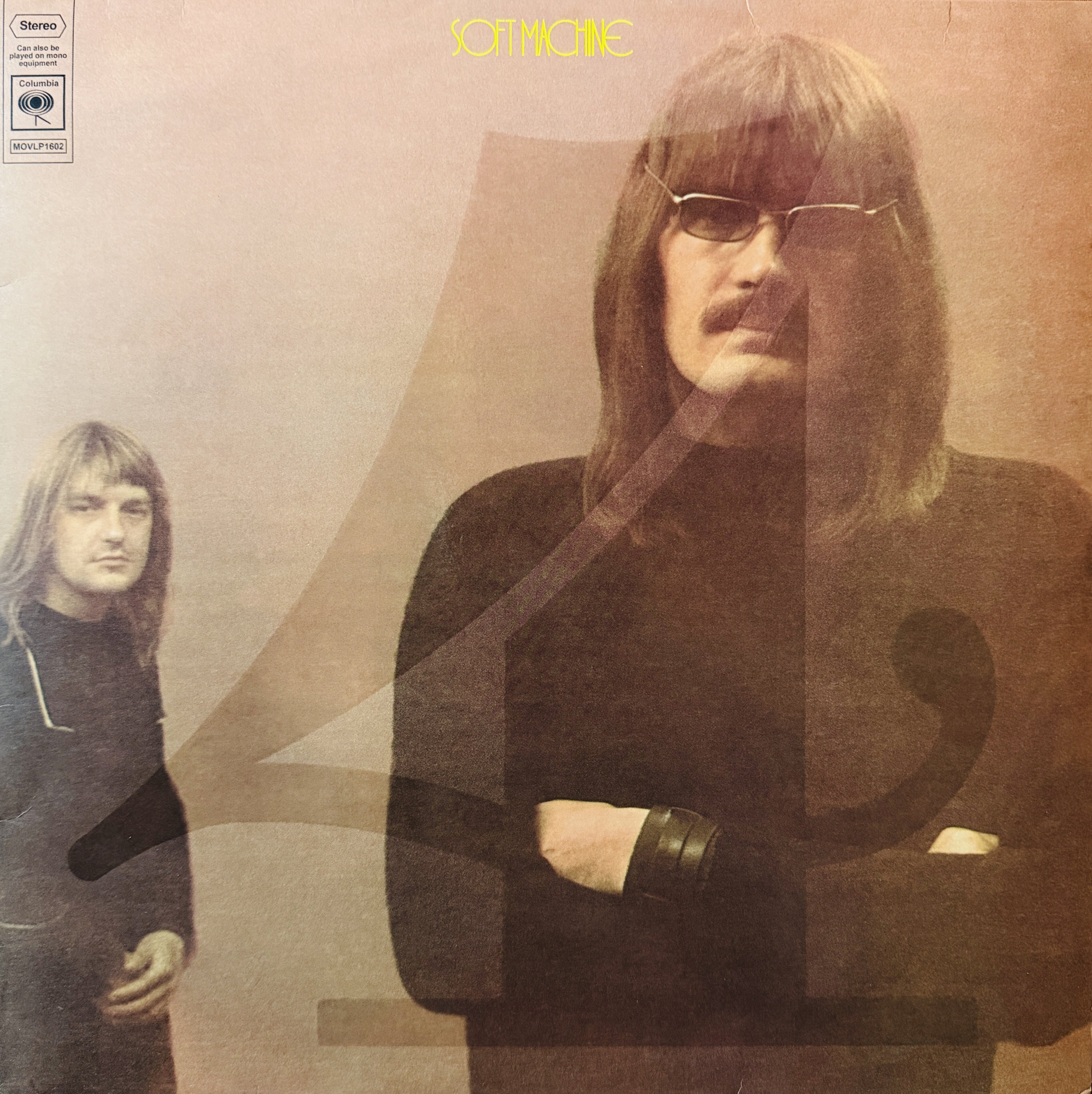
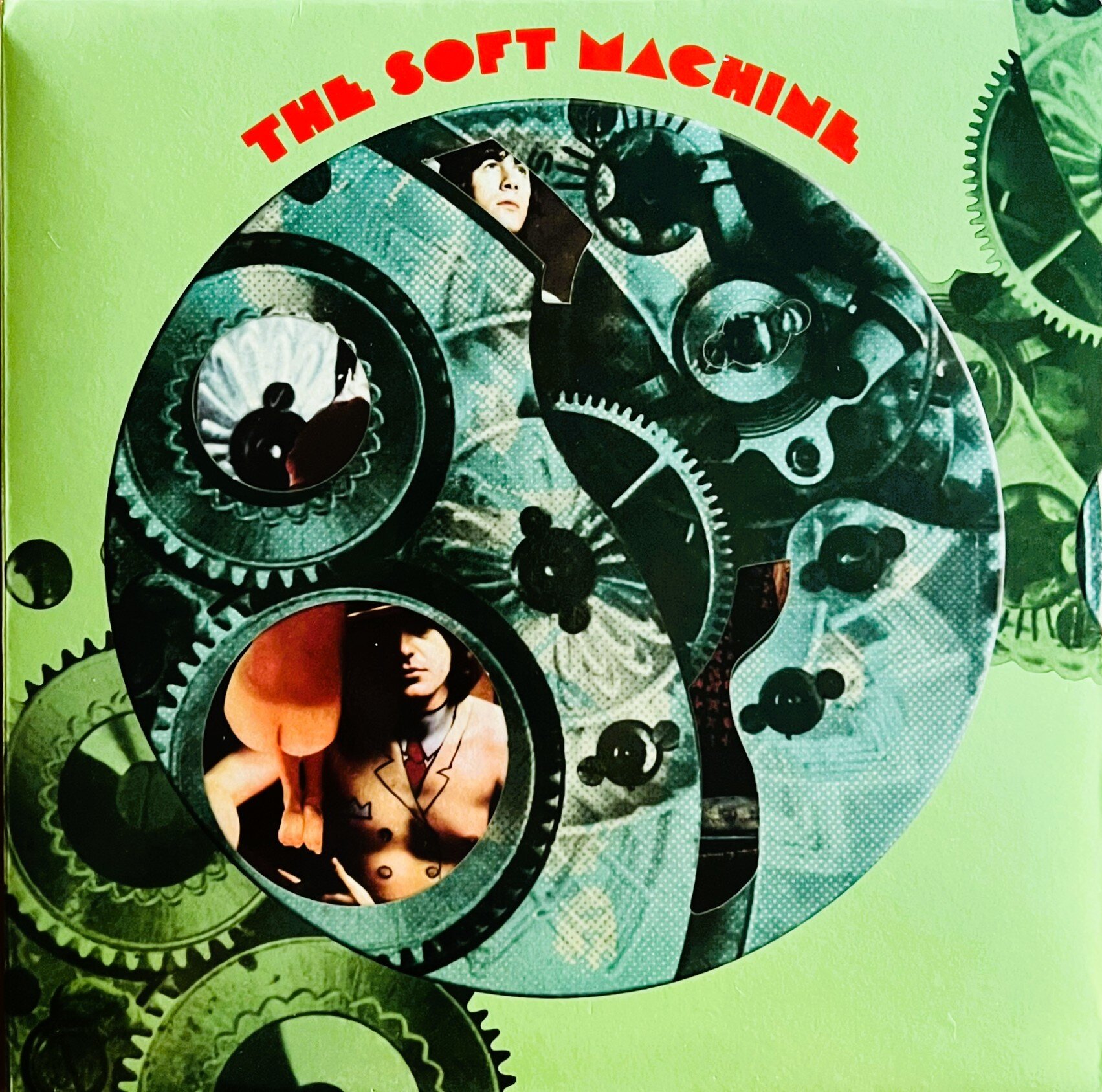
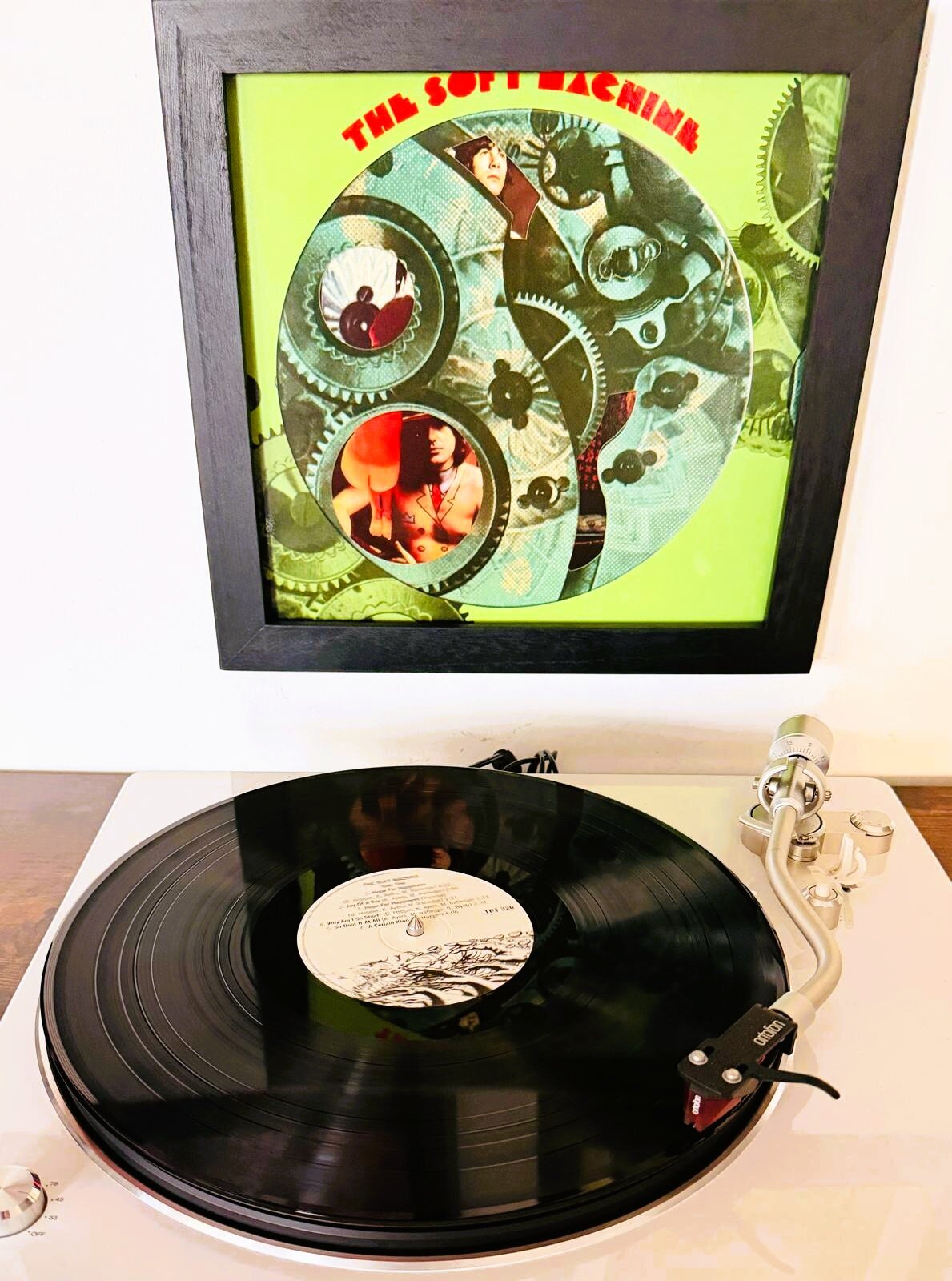
The Soft Machine, their self-titled debut album from 1968.
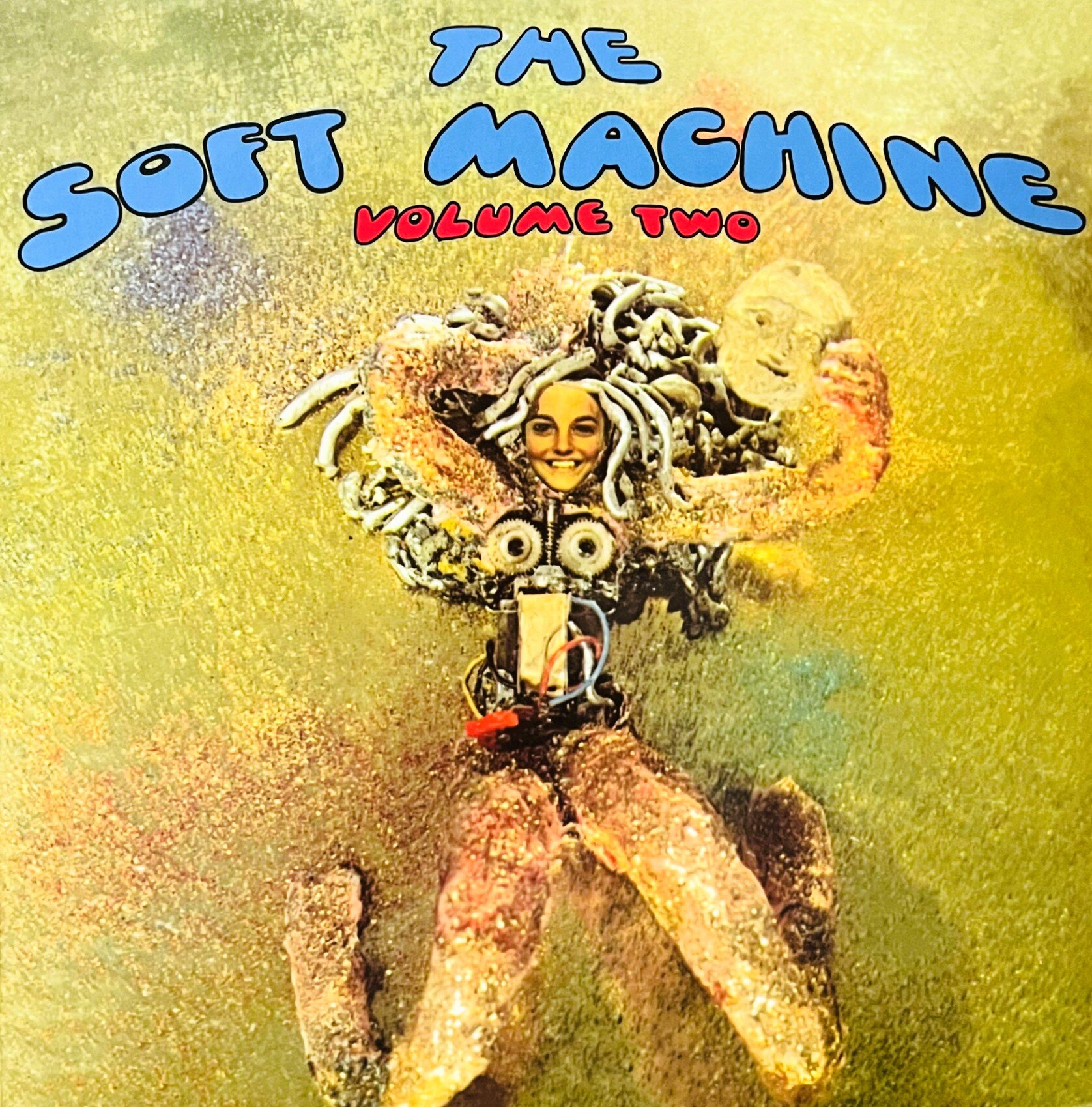
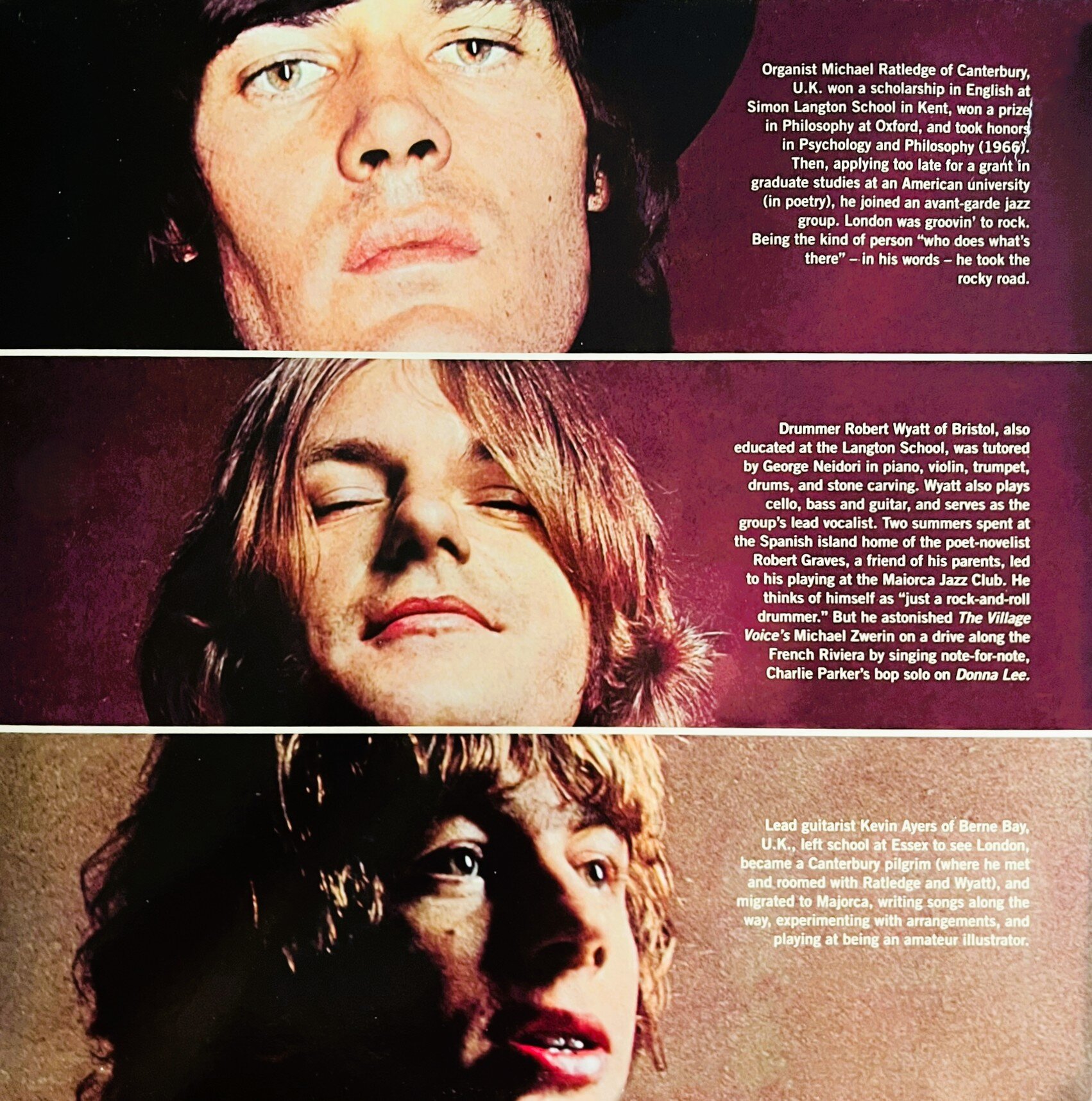
We've discussed Soft Machine in our articles on the Wilde Flowers and Matching Mole and in our article on them, "Volume Two and the Pure Canterbury Sound of Soft Machine," but it's worth remembering that they are a pillar of British avant-garde music, the founders and pinnacle of the Canterbury scene. The band formed in 1966 and since then has led the evolution from psychedelic rock to progressive rock, eventually becoming pioneers of jazz fusion. The original lineup formed in Canterbury in August 1966, and the name was inspired by the novel The Soft Machine by William S. Burroughs. The original lineup included:
Robert Wyatt on drums and vocals, Kevin Ayers on bass and vocals, Mike Ratledge on keyboards, and the band's first lineup also included Daevid Allen on guitar, whom I discussed at length in the article dedicated to him, "Rejoice! I'm Dead!... Gong, the Life and Death of Daevid and Gilli." Allen left the band before the album's release, but he deserves much of the credit for having played demos to the producer who ultimately signed them.
When it comes to masterpieces that influenced progressive rock and jazz fusion, you have to go back to Canterbury in 1968, the year of the release of "The Soft Machine," their debut album, recorded in New York with the assistance of Chas Chandler, Hendrix's producer, and Tom Wilson, producer of the Velvet Underground and the Mothers of Invention.
Although the real innovation came with Volume Two, Soft Machine's debut album is considered a pioneering one, blending psychedelic pop, progressive rock, and experimental jazz. It features improvisation, Robert Wyatt's dreamlike voice, and an innovative use of keyboards. It was a visionary album that anticipated the Canterbury sound and was greeted with mixed reviews of fascination and perplexity upon its release. However, it was only the beginning of the career of a band that, as a whole and through its individual musicians, would leave an indelible mark on progressive and psychedelic rock.
The style was and is bold and unconventional, blending psychedelic pop structures with jazz improvisation and experimental sounds, creating dreamlike, hypnotic, surreal, and enveloping atmospheres.
Robert Wyatt's unique voice is an added instrument, with a style that, due to his stubbornness in maintaining it, led to his later departure from the band. Mike Ratledge's organ and mellotron riffs are fundamental elements of their sound.
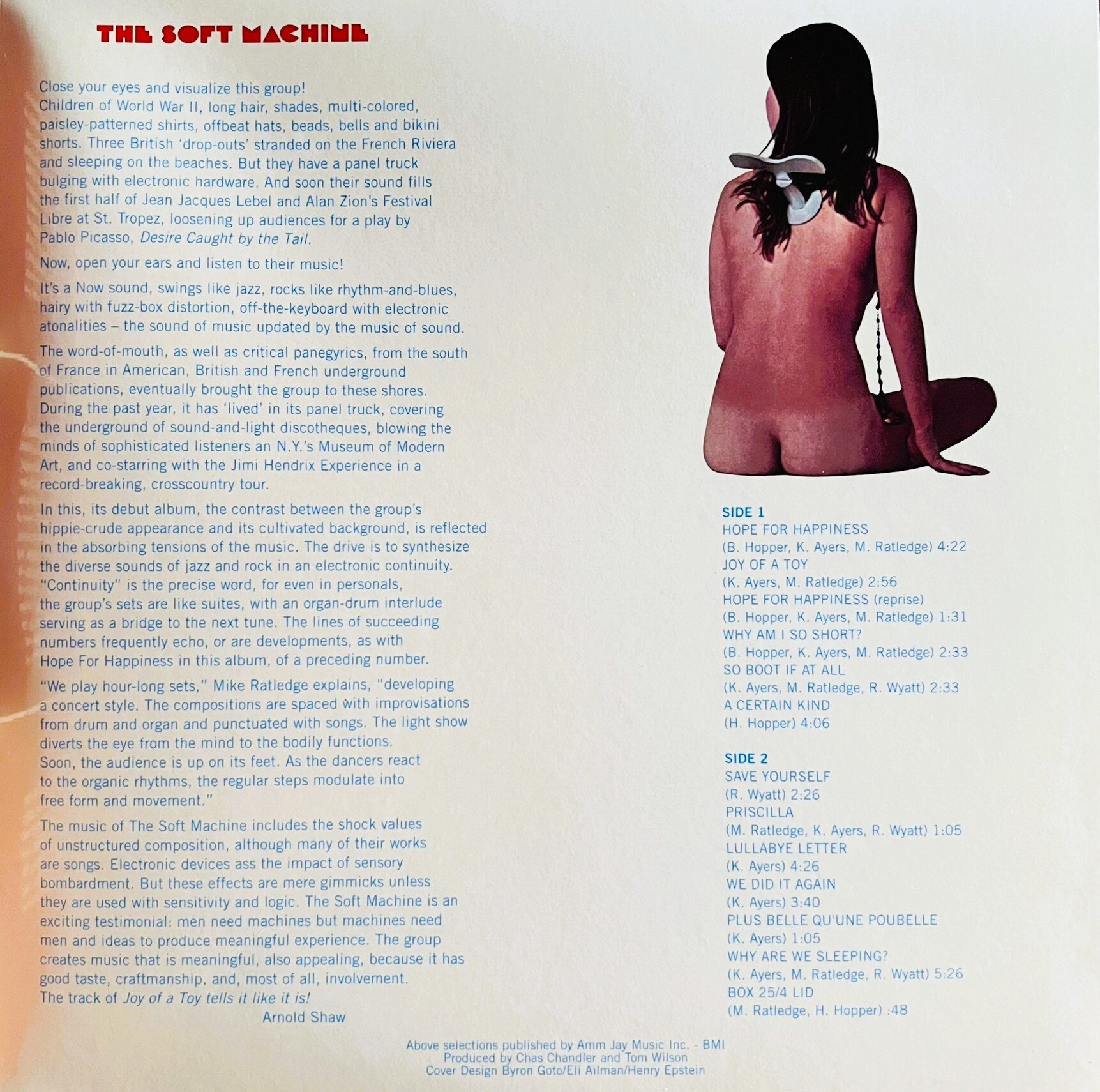
The album consists of 13 tracks, some very short (ranging from less than a minute to about 2.5 minutes) and only five of these ranging from about 4 to just over 5 minutes, for a total running time of about 37 minutes.
"Hope for Happiness" is a psychedelic track featuring overlapping vocals and a hypnotic riff.
"Joy of a Toy" is a joyful piece written by Ayers and Ratledge, one of the band's classics.
"Hope for Happiness (Reprise)" is an instrumental reprise of the opening theme.
"Why Am I So Short?" is a short interlude, featuring broken rhythms and unusual pop melodies.
"So Boot If At All" is a long experimental jam with great organ and drums.
"A Certain Kind" is a melancholic song written by Hugh Hopper with a great vocal performance by Wyatt.
"Save Yourself" is a beautiful rock song with unusual and ironic lyrics.
"Priscilla" is a short instrumental piece.
"Lullabye Letter" is a haunting piece in the typical Canterbury style.
"We Did It Again" is a song based on the obsessive repetition of a single line. Experimental.
"Plus Belle qu'una Poubelle" is a short interlude.
"Why Are We Sleeping?" is, in my opinion, the most beautiful song on the album, given its dark, meditative tone, sung by Ayers.
"Box 25/4 Lid" is a short piano-based piece and also Hugh Hopper's debut with the band.
This album, born out of the Canterbury underground scene, alternates melodic and psychedelic pieces with abstract sections. It's a visionary, complex work, not easy listening for everyone, but essential for lovers of psychedelic music, jazz rock, and bands who have dared to push the boundaries of rock. A must-have in the Soft Machine discography and for the Canterbury scene. Historic.
Note: All links to the musicians' works are in the TAGS under the article title or on the "Artists" page.
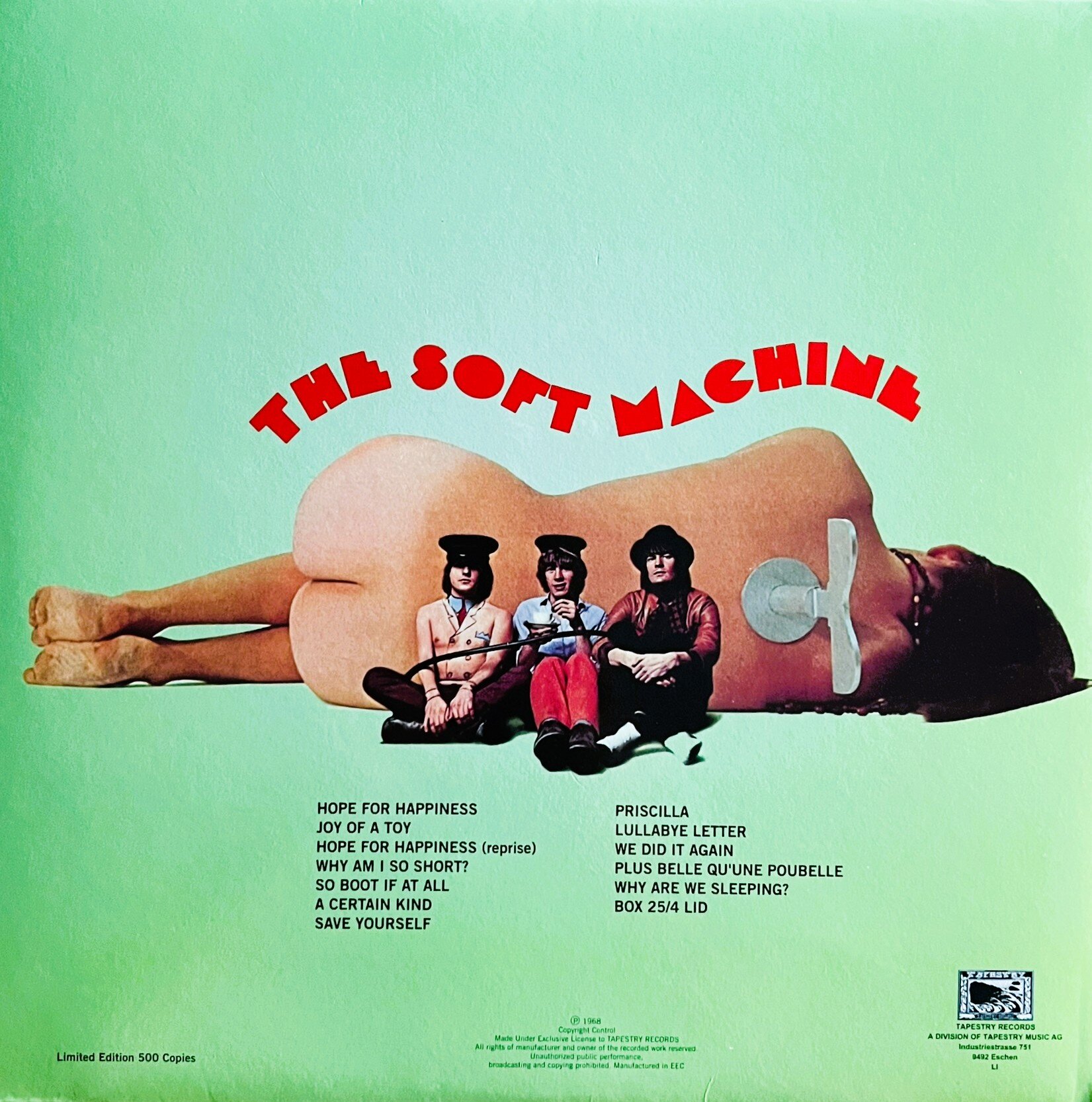
Tracklist
1. Hope For Happiness (4:22)
2. Joy Of A Toy (2:56)
3. Hope For Happiness (Reprise) (1:31)
4. Why Am I So Short? (2:33)
5. So Boot If At All (2:33)
6. A Certain Kind (4:06)
7. Save Yourself (2:26)
8. Priscilla (1:05)
9. Lullabye Letter (4:26)
10. We Did It Again (3:40)
11. Plus Belle Qu'une Poubelle (1:05)
12. Why Are We Sleeping? (5:26)
13. Box 25/4 Lid (0:48)
Duration 36:57
LineUp
- Mike Ratledge - Lowrey Holiday Deluxe organ, piano (13), and strings (5)
- Kevin Ayers - bass, piano (5), lead vocals (10, 12), and backing vocals (7, 9) (and some guitar)
- Robert Wyatt - drums, vocals
Featuring:
- Hugh Hopper - bass (13)
The Cake vocal group:
- Jeanette Jacobs - backing vocals (12)
- Barbara Morillo - backing vocals (12)
- Eleanor Barooshian - backing vocals (12)
.jpeg "PROFILE - The Wilde Flowers: The Origins of the Canterbury Scene")