

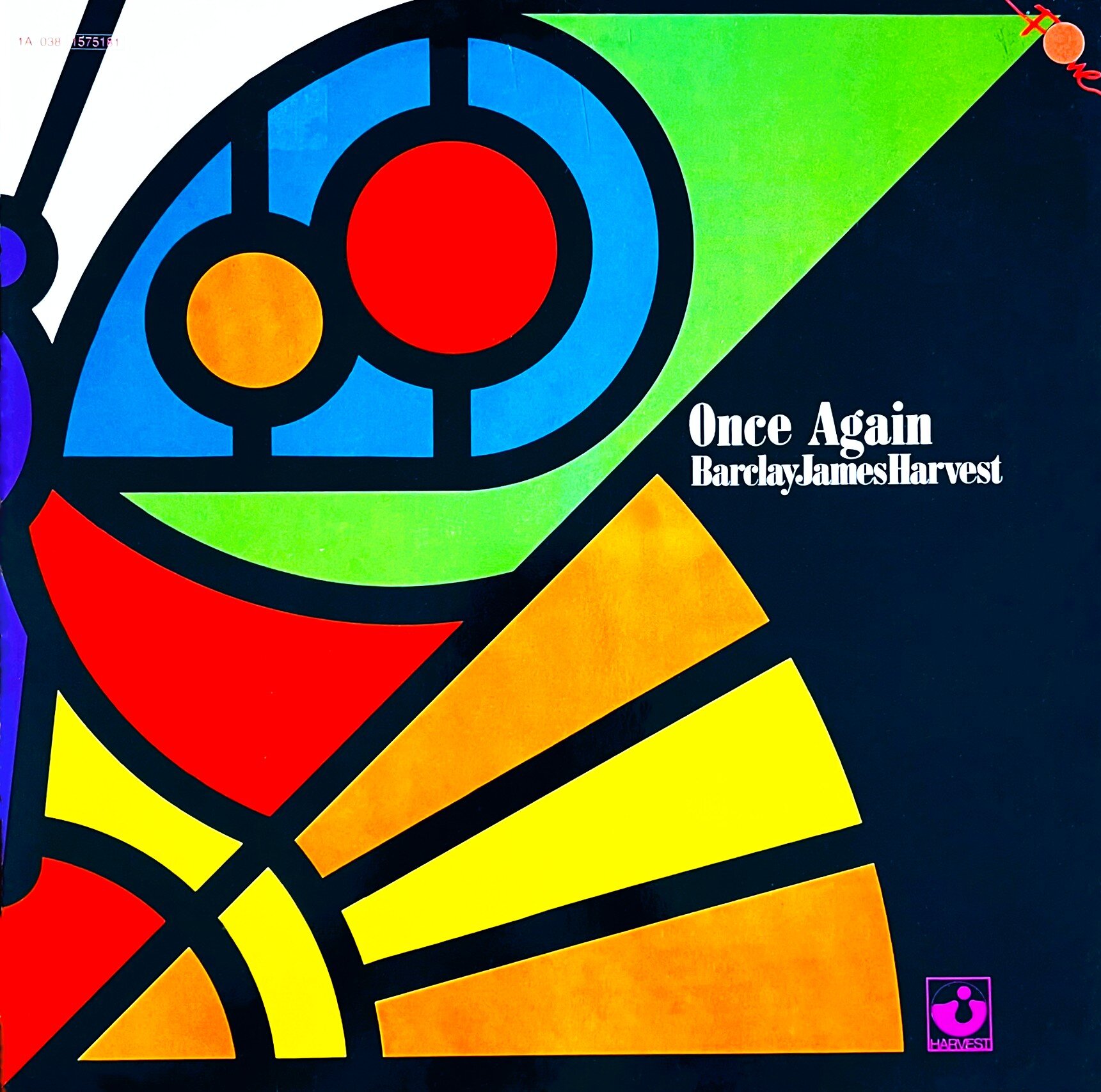
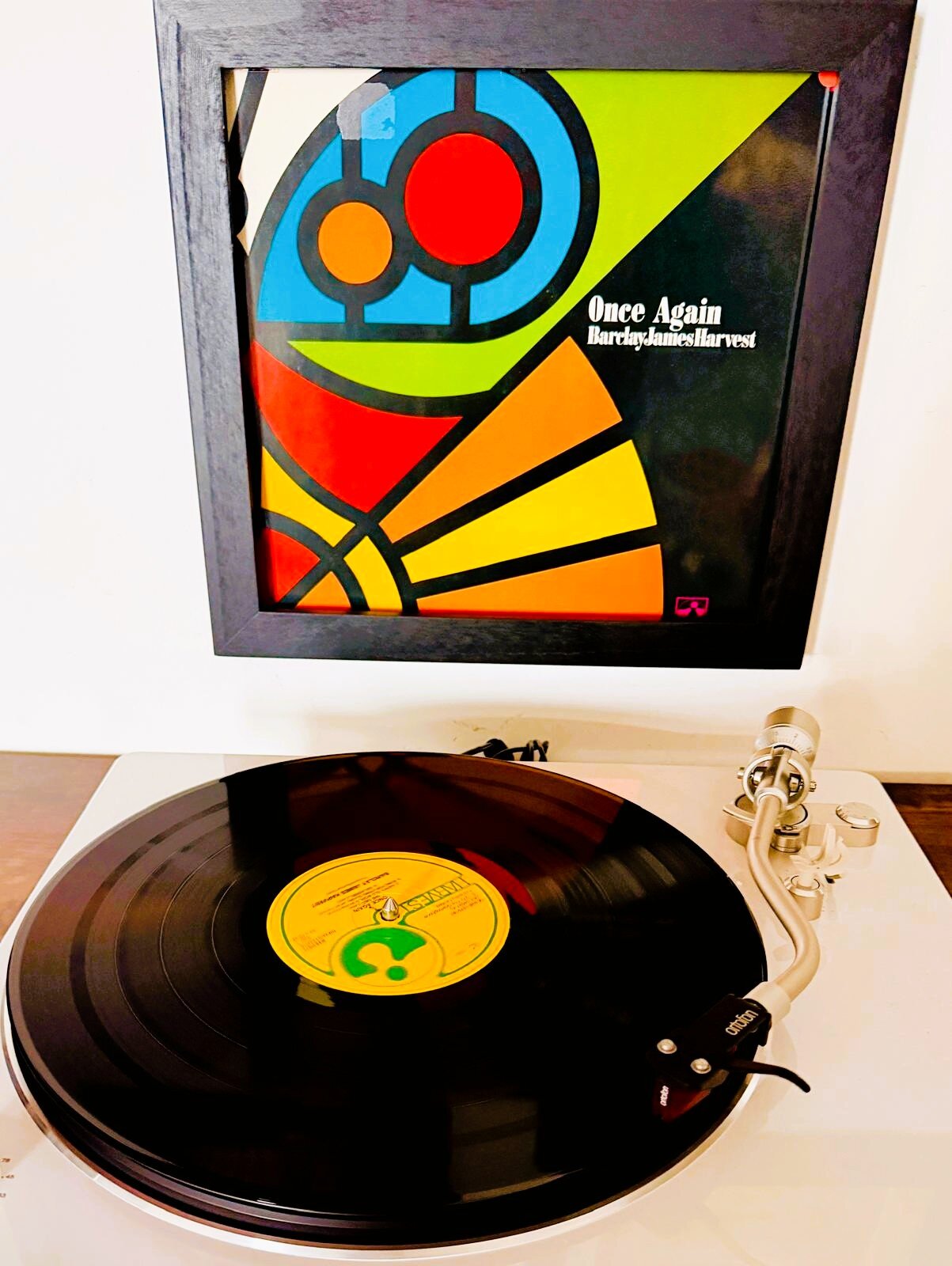
Once Again, secondo album dei Barclay James Harvest, del 1971.
Dei Barclay James Harvest ho già parlato in occasione delle recensioni di alcuni loro importanti lavori, si tratta di un gruppo progressive rock britannico formato nel 1967. La formazione originale era composta da John Lees, Les Holroyd, Stuart "Woolly" Wolstenholme e Mel Pritchard. Il loro sound è una fusione di rock con arrangiamenti orchestrali.
La band originale si sciolse nel 1998, dando vita a due progetti separati: Barclay James Harvest di John Lees e Barclay James Harvest con Les Holroyd.
I Barclay James Harvest di John Lees hanno continuato a esibirsi e hanno pubblicato nuovo materiale, incluso il nuovo album, Relativity, del 2025, con John Lees (unico membro della formazione iniziale), Craig Fletcher, Jez Smith e Kevin Whitehead.
Once Again è un album cruciale nella loro carriera che, che dopo i pezzi più energici del debutto, verte verso il loro tipico sound "soft prog" e "art rock", fondendo melodie pop accattivanti con arrangiamenti orchestrali e sinfonici con grande equilibrio e raffinatezza, con momenti di grande intensità emotiva e virtuosismo strumentale. È uno dei classici e uno dei dischi più amati della band.
Il passaggio al suono monumentale di Once Again rispetto al debutto è stato il risultato di una evoluzione tecnica e artistica. Il primo album non ebbe il successo sperato, la band e l'etichetta Harvest sentirono la necessità di creare un'opera che avesse un impatto maggiore e decisero quindi di puntare tutto sulla "grandiosità", creando un muro di suono che fosse unico nel panorama musicale dell'epoca. La band abbandonò allora le influenze psichedeliche e beat degli anni '60 per concentrarsi su composizioni più lunghe, epiche e malinconiche, tipiche del progressive rock nascente.
In primo luogo, la band passò sotto la guida del produttore Norman "Hurricane" Smith, che aveva lavorato come ingegnere del suono per i Beatles e prodotto i primi album dei Pink Floyd che portò un approccio professionale e sofisticato, aiutando la band a tradurre le loro ambizioni sinfoniche in registrazioni cristalline presso gli studi di Abbey Road. Infatti, a differenza del primo album, dove l'elemento orchestrale era ancora in fase di sperimentazione, in Once Again la band utilizzò in modo massiccio la Barclay James Harvest Symphony Orchestra. Gli arrangiamenti di Robert John Godfrey divennero parte integrante della struttura dei brani (come nel crescendo di Mocking Bird) anziché essere un semplice accompagnamento, definendo il genere "orchestral rock". Inoltre, il tastierista Woolly Wolstenholme perfezionò l'uso del Mellotron, per riprodurre suoni di archi e cori in modo spettrale e maestoso, che divenne il "marchio di fabbrica" del loro nuovo sound, integrando la sezione rock (chitarra, basso, batteria) e l'orchestra reale. Lo stesso John Lees iniziò a utilizzare una strumentazione più attuale, la chitarra elettrica e amplificatori che davano un suono più caldo e sostenuto.
L'idea centrale era integrare una sezione orchestrale nel sound rock della band esplorando temi universali e spesso cupi, creando un forte contrasto con le melodie pastorali e sognanti:
Il disco affronta infatti i temi della perdita e del rimpianto con Mocking Bird, una metafora dell'amore perduto dove l'uccello beffardo simboleggia il tormento dei ricordi. Quello della mortalità e dell’esistenzialismo con Song for Dying e Happy Old World. Ma anche l’alienazione e la dipendenza con Ball and Chain e The Midnight Drug.
Il disco inoltre attinge al mondo fantasy tipico del prog inglese dell'epoca ed è ispirato ai lavori di J.R.R. Tolkien.
Un progetto molto accurato e ben architettato quindi con il quale si compieva una evoluzione verso un rock lirico, poetico, più misurato, con un eccellente equilibrio tra pezzi più soft e sezioni sinfoniche potenti, con la grande capacità di creare un sound unico, con grande virtuosismo, ricerca nei suoni uniti ad un romanticismo che rende questo album e i successivi di grande impatto emotivo.
- She Said è un brano potente e accattivante con uno splendido arrangiamento e un assolo di flauto e chitarre sovraincise spettacolare, unisce momenti onirici e interludi ritmici complessi, mostrando l’aspetto sperimentale del gruppo.
- Mocking Bird è un brano epico, maestoso, uno dei più celebri della band, con un'introduzione orchestrale che evolve in un pezzo prog eccezionale. Inizia come una ballata acustica delicata per poi esplodere in un crescendo orchestrale epico guidato dalla grande chitarra di John Lees.
- Song for Dying apre con versi sussurrati ed evolve in potenti cori con grande interpretazione vocale di Lees e fantastiche tastiere di Woolstenholme.
- Happy Old World è un brano emozionante, con bellissime parti di organo e pianoforte.
- Galadriel è una vera e propria gemma, ispirata all'opera di Tolkien, caratterizzata da voci leggere e un’atmosfera magica.
- Happy Old World, composta da Woolly Wolstenholme ha una bellissima melodia dolce e testi cupi e malinconici.
- Ball and Chain è il brano più rock e aggressivo del disco, con strani effetti vocali ottenuti cantando attraverso un bicchiere di carta.
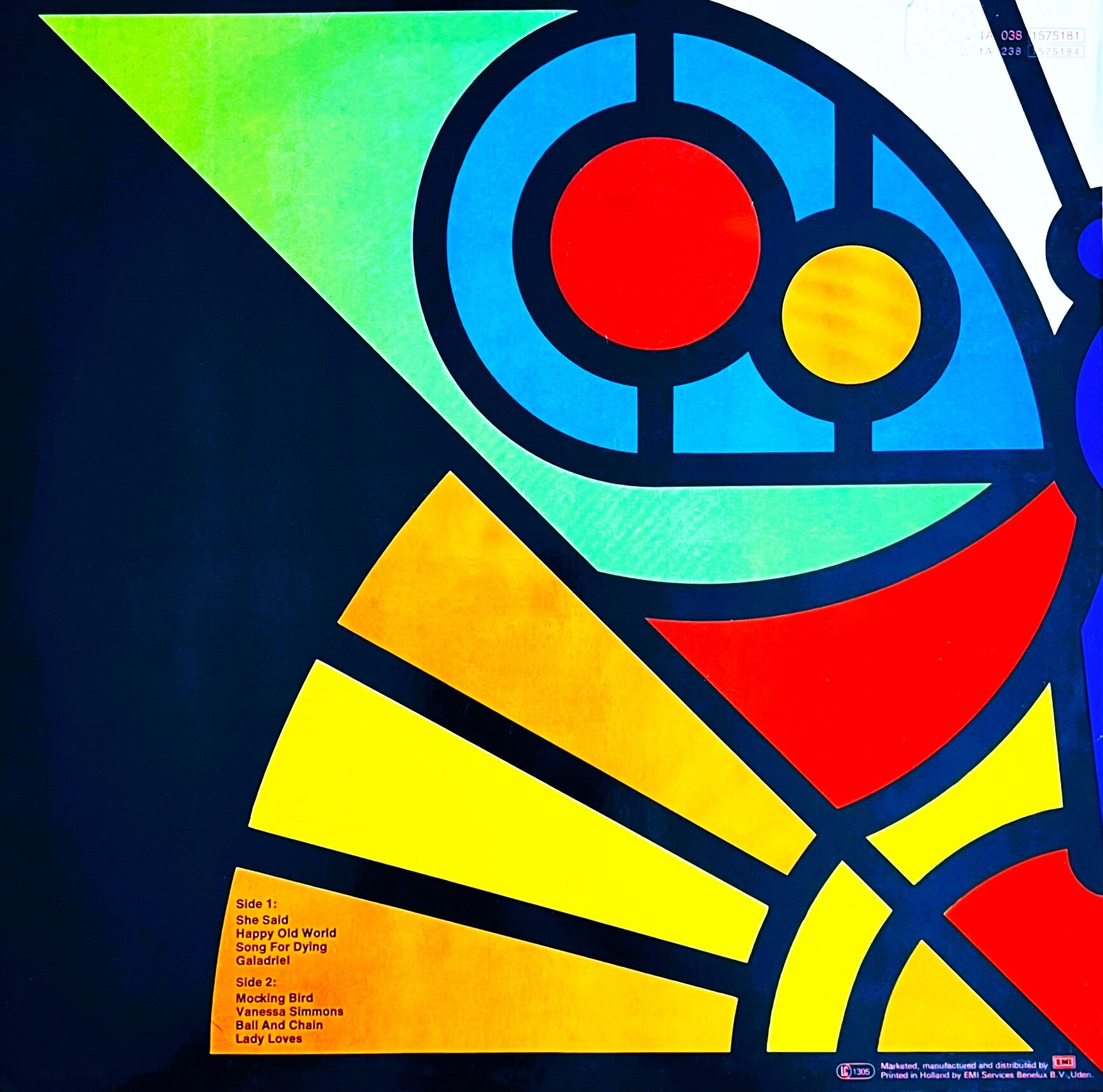
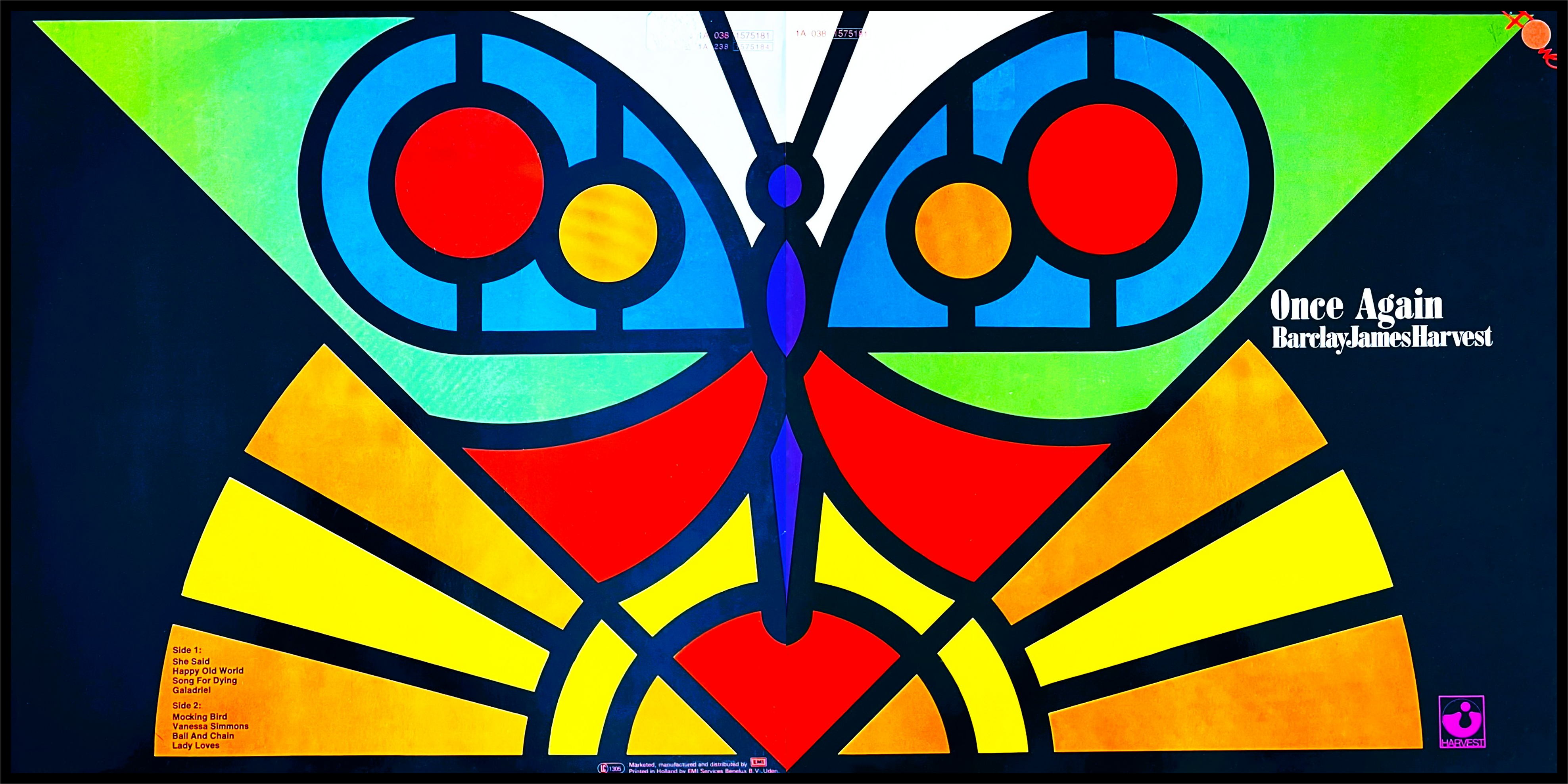
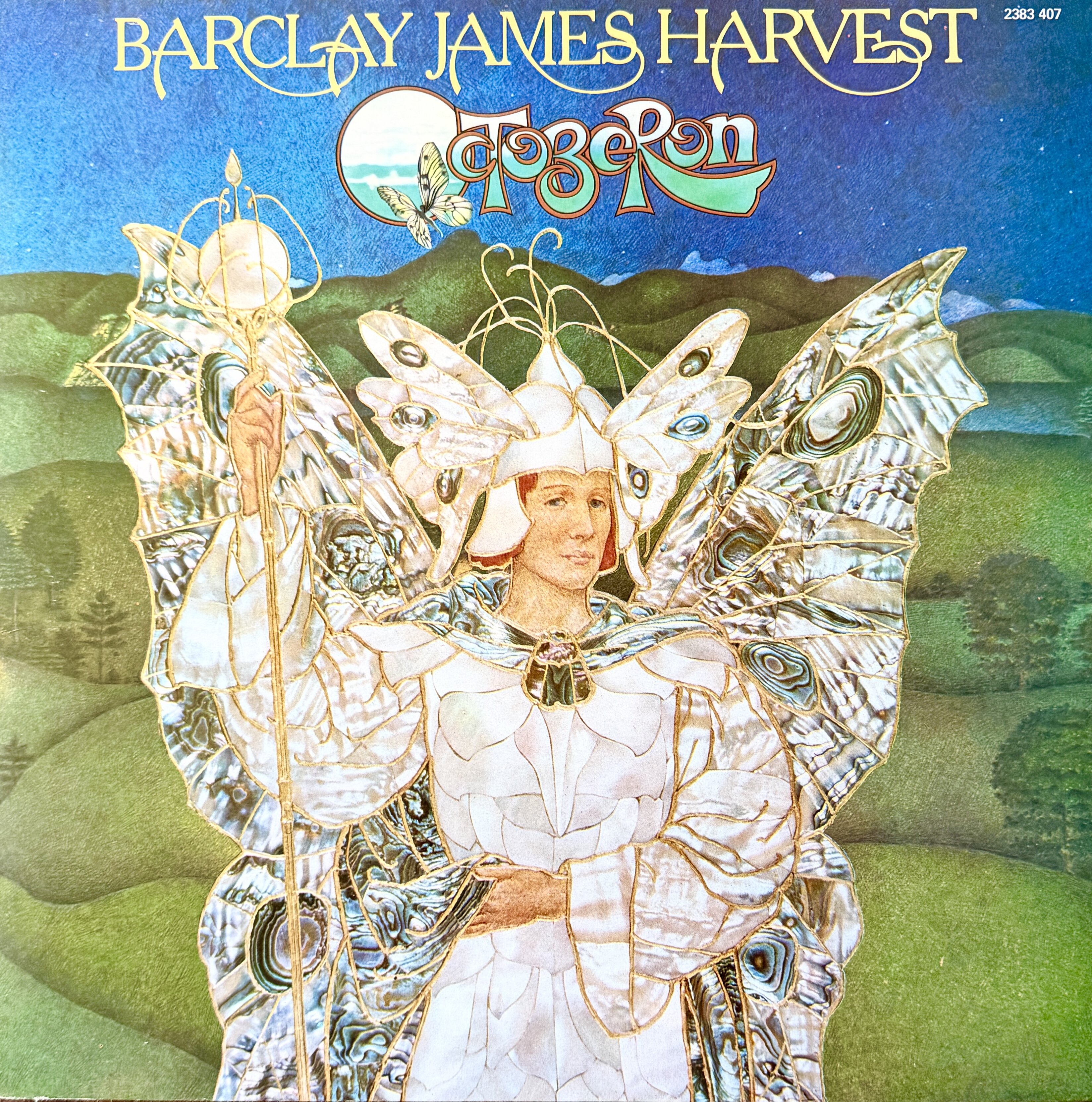
Compare, per la prima volta così esplicito, il simbolo iconico e vero e proprio logo della band, la farfalla, che era già presente sulla copertina del loro album di debutto omonimo ma integrato in un disegno che ricordava una vetrata colorata.
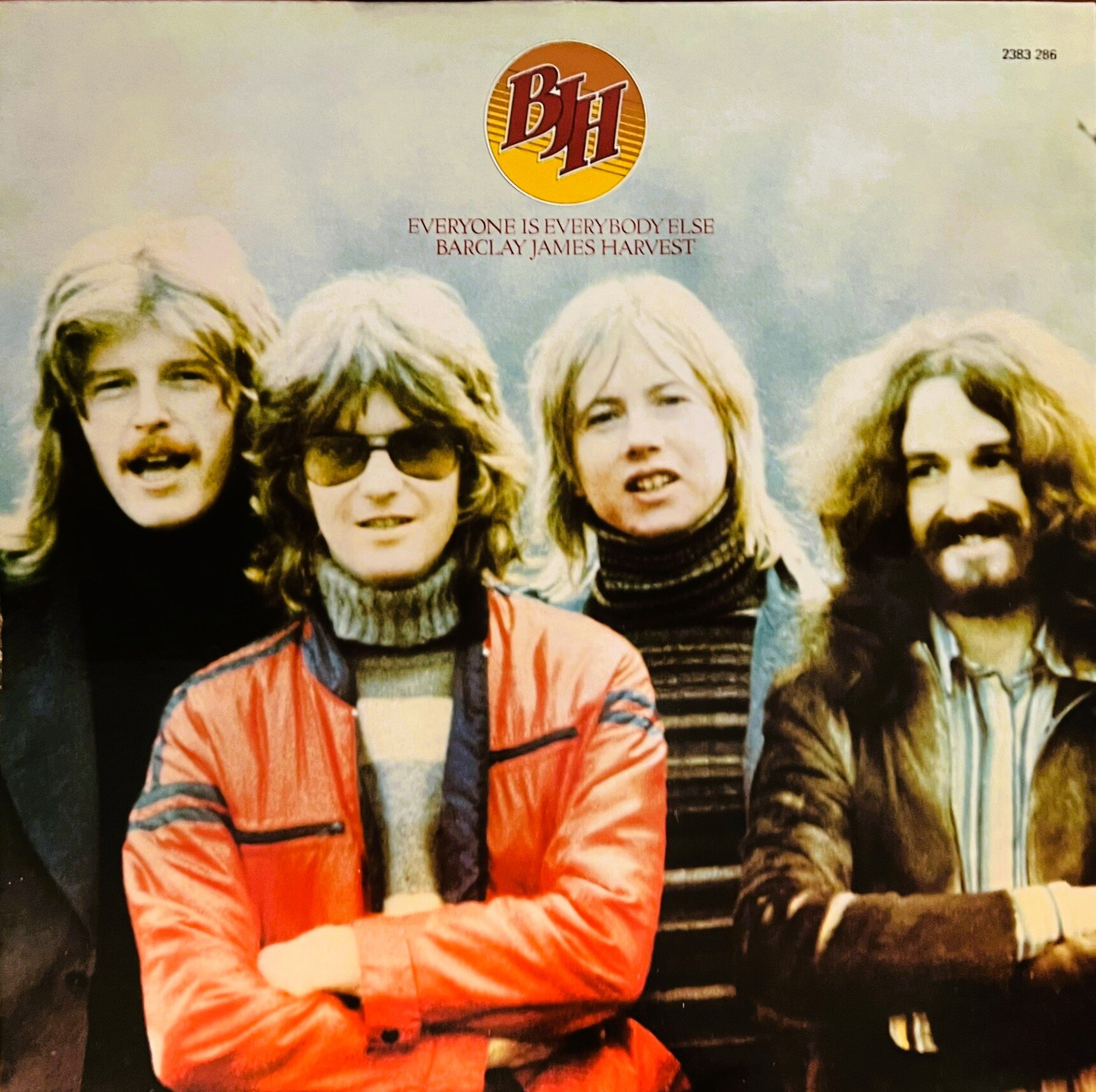
Il simbolo appare per la prima volta a tutto campo e aprendo la copertina Gatefold del disco originale se ne percepisce chiaramente la bellezza e lo stile, un simbolo che è diventato imprescindibile al punto che, quando la band provò a sostituirla con un semplice logo circolare con le iniziali "BJH", ci fu una tale protesta da parte dei fan che il gruppo fu costretto a reintegrarla immediatamente.
Un capolavoro del soft prog, di grande bellezza melodica e maestria strumentale, un disco che ha definito il sound di una band unica nel suo genere.
Nota: Tutti i link ai lavori dei musicisti sono nei TAG sotto il titolo dell'articolo o nella pagina "Artisti"
Tracklist
1. She Said (8:19)
2. Happy Old World (4:39)
3. Song For Dying (5:01)
4. Galadriel (3:14)
5. Mocking Bird (6:38)
6. Vanessa Simmons (3:45)
7. Ball And Chain (4:48)
8. Lady Loves (3:57)
Durata 40:21
LineUp
- John Lees - voce solista (4, 6), chitarre, flauto dolce
- Stuart "Woolly" Wolstenholme - voce solista (1-3), organo, pianoforte, Mellotron
- Les Holroyd - basso, cori
- Mel Pritchard - batteria, percussioni
Con:
- Alan Parsons - scacciapensieri (8)
- BJH Symphony Orchestra (4, 5)
- Gavin Wright - direttore d'orchestra
- Robert Godfrey - direttore d'orchestra
.jpeg "Relativity dei John Lees' Barclay James Harvest")