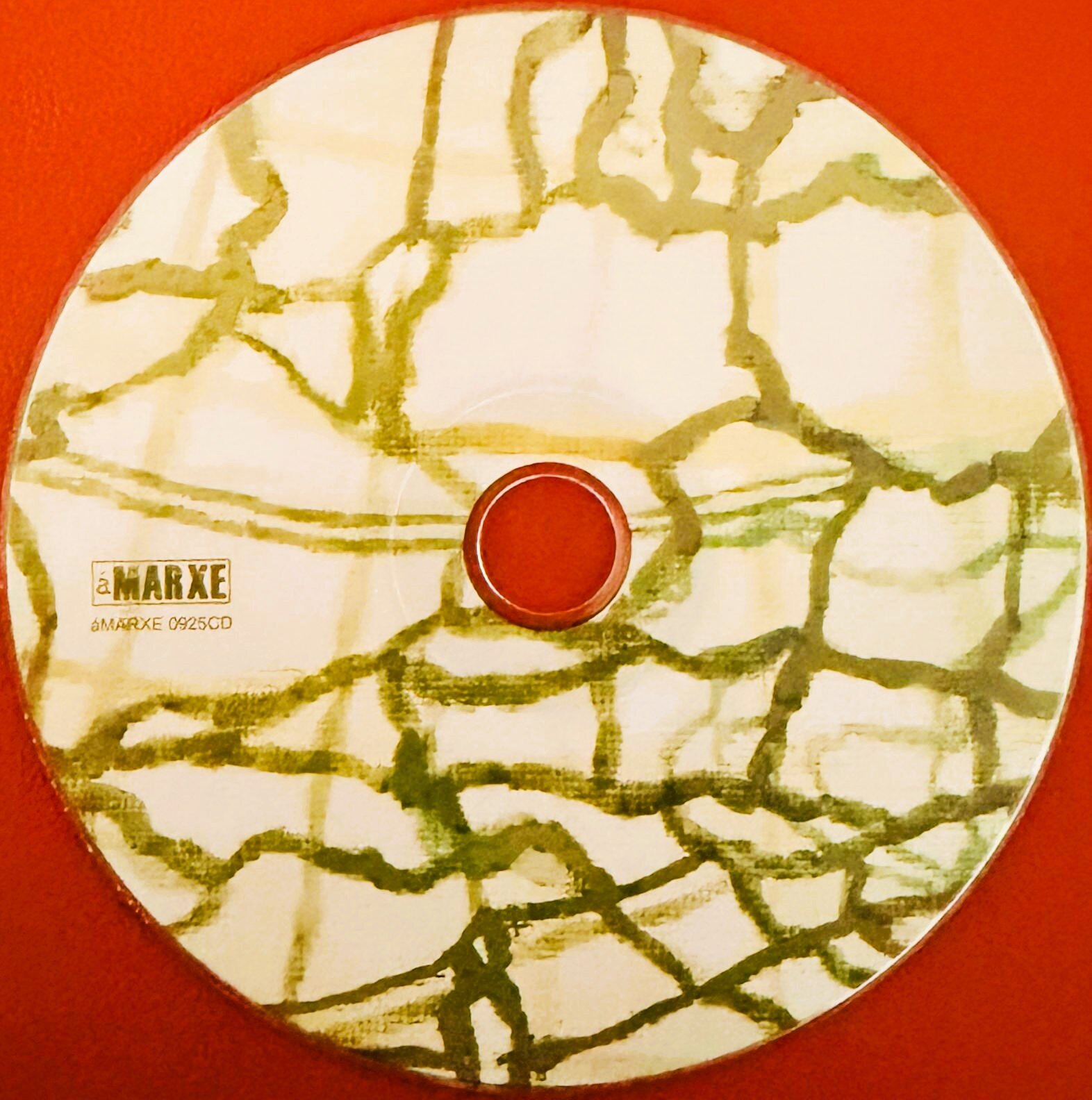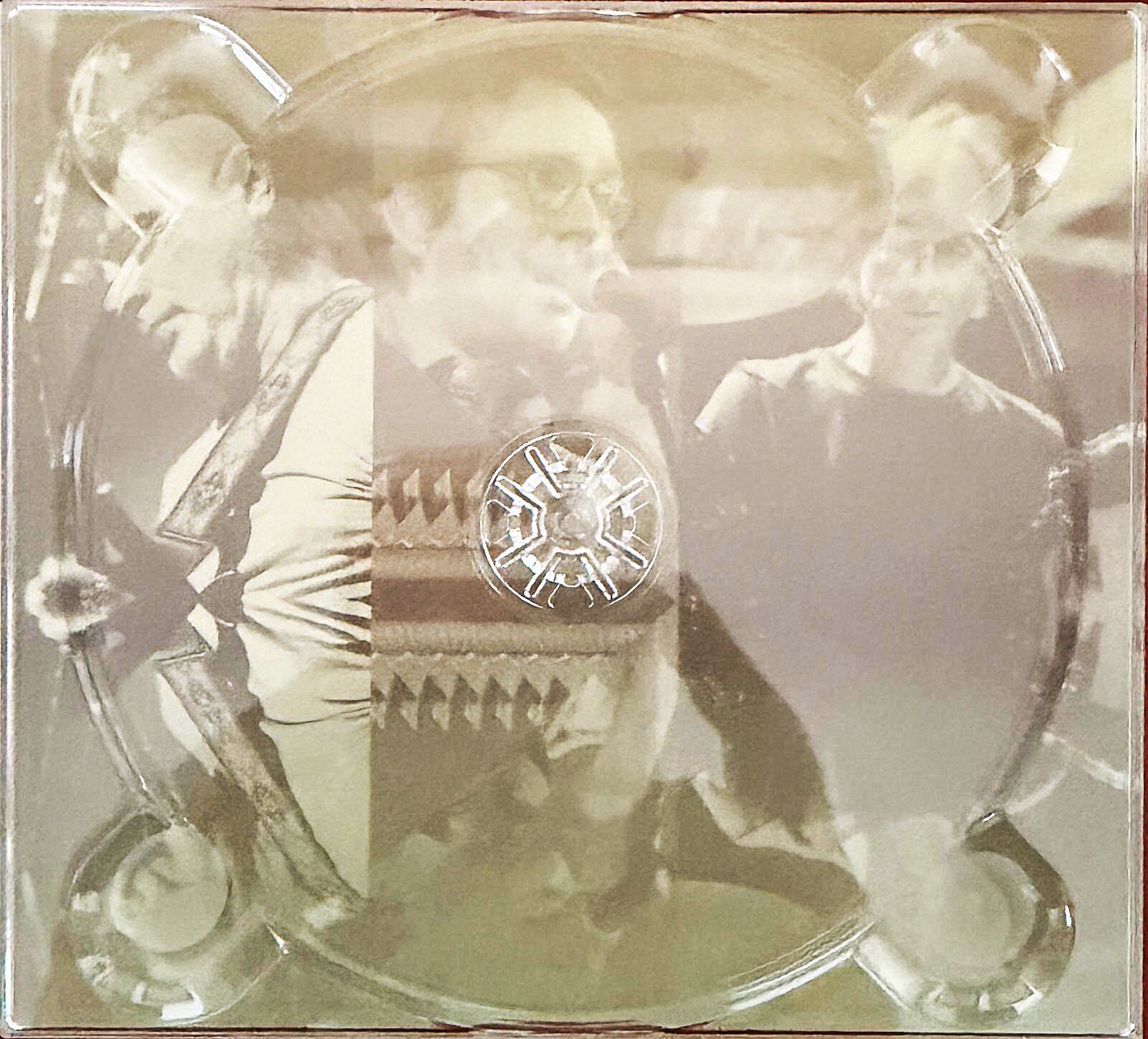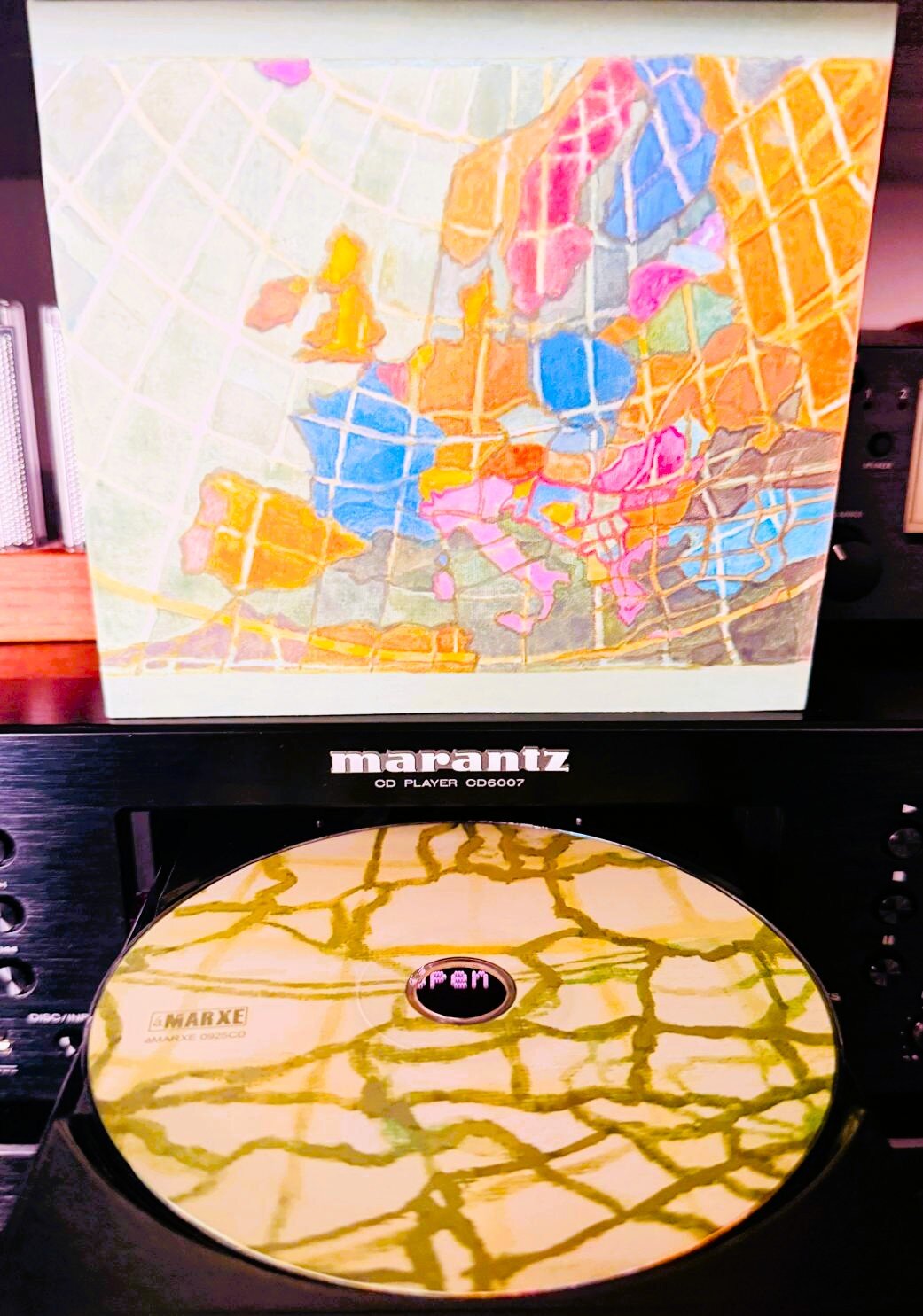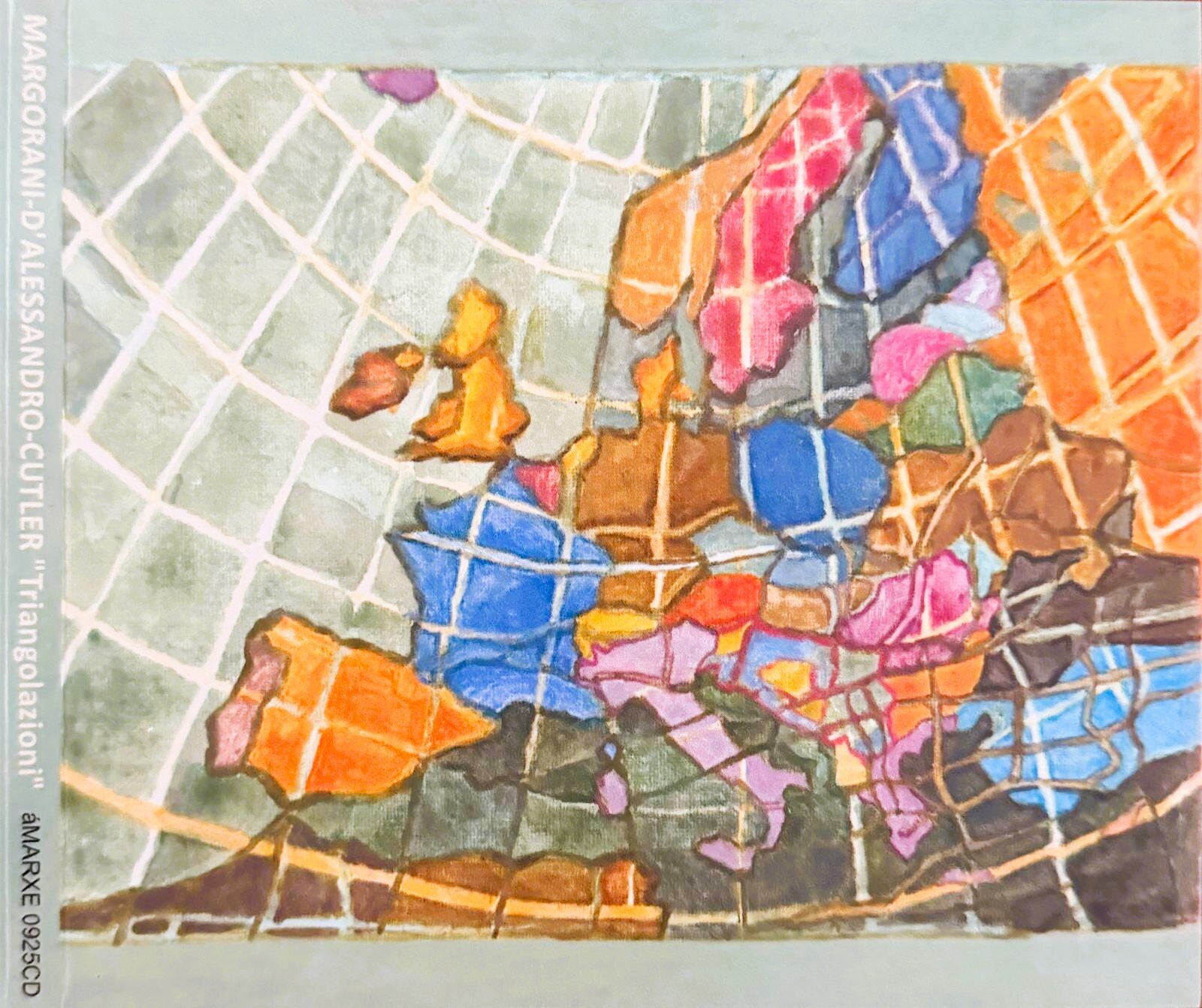
Triangolazioni di Luciano Margorani - Dario D'Alessandro - Chris Cutler, album del 2025.
Come vedremo in dettaglio, è un lavoro basato su tracce di batteria registrate da Chris Cutler nel 2012 e rielaborate nel 2024 da Margorani e D'Alessandro, un disco che considero Eccellente e che fonde Avant-Prog, Scuola di Canterbury e Rock in Opposition.
L’album è una collaborazione fra tre figure chiave della sperimentazione musicale:
Luciano Margorani, chitarrista e polistrumentista milanese, una figura storica del movimento Avant-Prog e Rock in Opposition (RIO) in Italia. È stato l'anima del gruppo La 1919, attivo sin dai primi anni '80 con una proposta che fondeva industrial, sperimentazione e jazz d'avanguardia. Il suo è un approccio non convenzionale allo strumento, utilizza spesso loop, effetti e tecniche di "home recording" per creare paesaggi sonori stratificati.
Dario D'Alessandro, musicista, cantante e artista visivo palermitano, è il leader della band Homunculus Res, tra i principali esponenti moderni del suono Canterburyano con i quali ha pubblicato diversi album con la capacità di unire pop psichedelico e complessità progressiva. La sua collaborazione con Margorani è iniziata formalmente nel 2021 con un album omonimo, portando la sua sensibilità melodica e l'uso di tastiere vintage e glockenspiel nelle trame più ruvide di Margorani. Cura personalmente l'artwork dei suoi dischi, incluso quello di Triangolazioni.
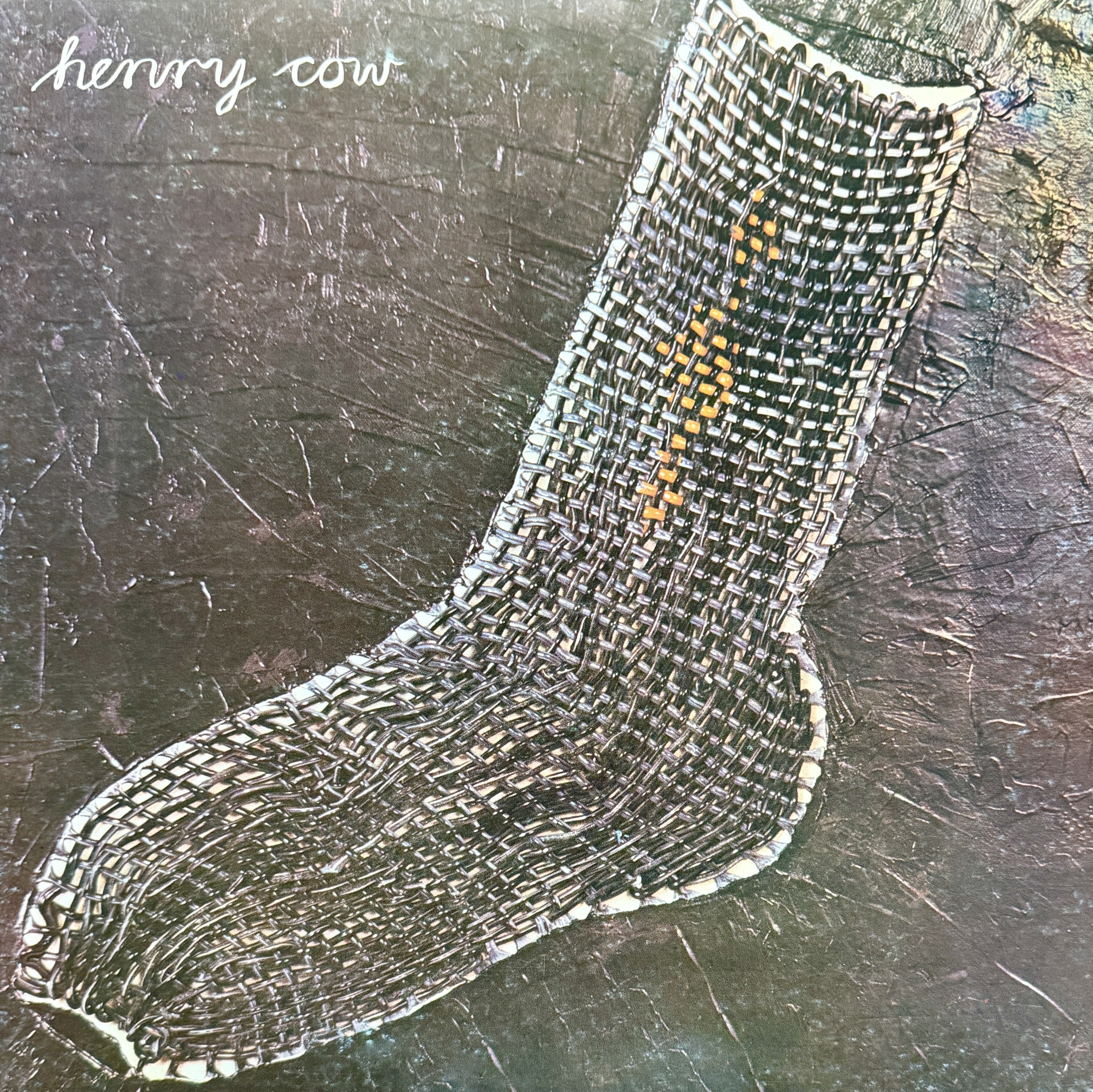
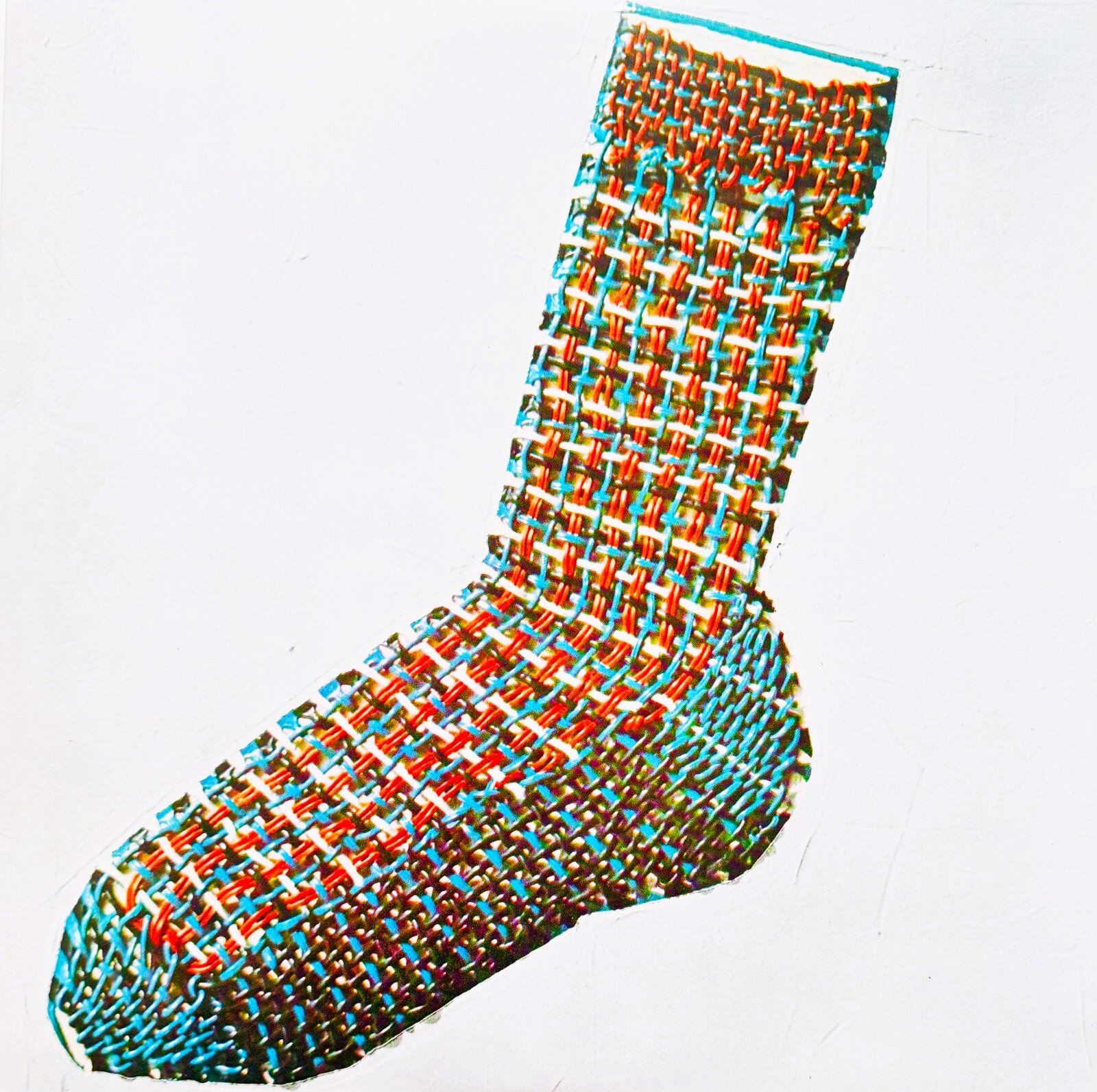
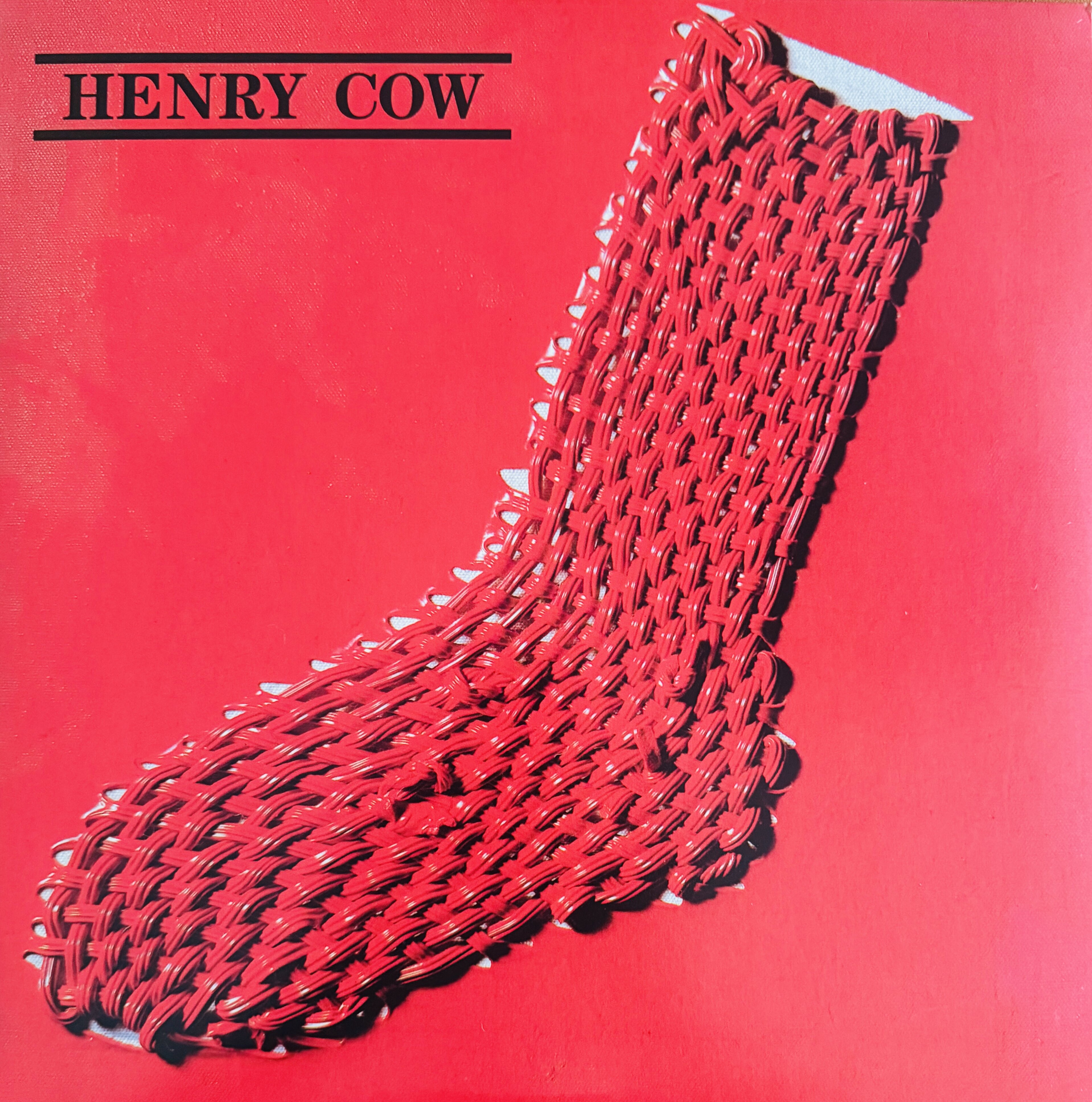
Chris Cutler è uno dei teorici e percussionisti più influenti della musica sperimentale mondiale, fondatore degli storici Henry Cow nel 1968, è stato l'ideatore del movimento Rock in Opposition (1978), nato per promuovere musica al di fuori delle logiche commerciali. Gestisce la Recommended Records (RēR Megacorp), etichetta di riferimento per l'avanguardia internazionale. Autore del saggio File Under Popular, è noto per la sua instancabile attività di conferenziere e creatore di podcast (serie Probes) sulla storia del suono registrato. Utilizza una "batteria elettrificata" e tecniche di improvvisazione libera che lo hanno portato a collaborare con artisti come Fred Frith, Pere Ubu e i Gong.
Prima di passare all'album ecco la descrizione del progetto di Luciano Margorani, che riporto fedelmente:
"Questo progetto è iniziato nell'aprile 2012, quando ho chiesto a Chris di registrare sei parti ritmiche da solo, suggerendogli di suonare sei diverse parti di batteria come se fossero pezzi finiti, seguendo solo la sua ispirazione. Poco dopo gli ho dato alcune istruzioni per ogni pezzo, come: traccia 1 "una marcia", traccia 2 "astratta e tranquilla", traccia 3 "non ritmica che lentamente diventa ritmica", traccia 4 "una canzone con cambiamenti", traccia 5 "un'altra canzone con cambiamenti" e traccia 6 "lenta e ritmica".
Chris ha registrato le sue parti e me le ha rimandate già mixate, mantenendo il controllo dei suoi suoni. Ho poi chiesto al mio amico bassista Luca Pissavini di suonare e registrare alcune parti di basso elettrico improvvisate su queste tracce. Infine, avrei aggiunto le mie improvvisazioni alla chitarra elettrica…
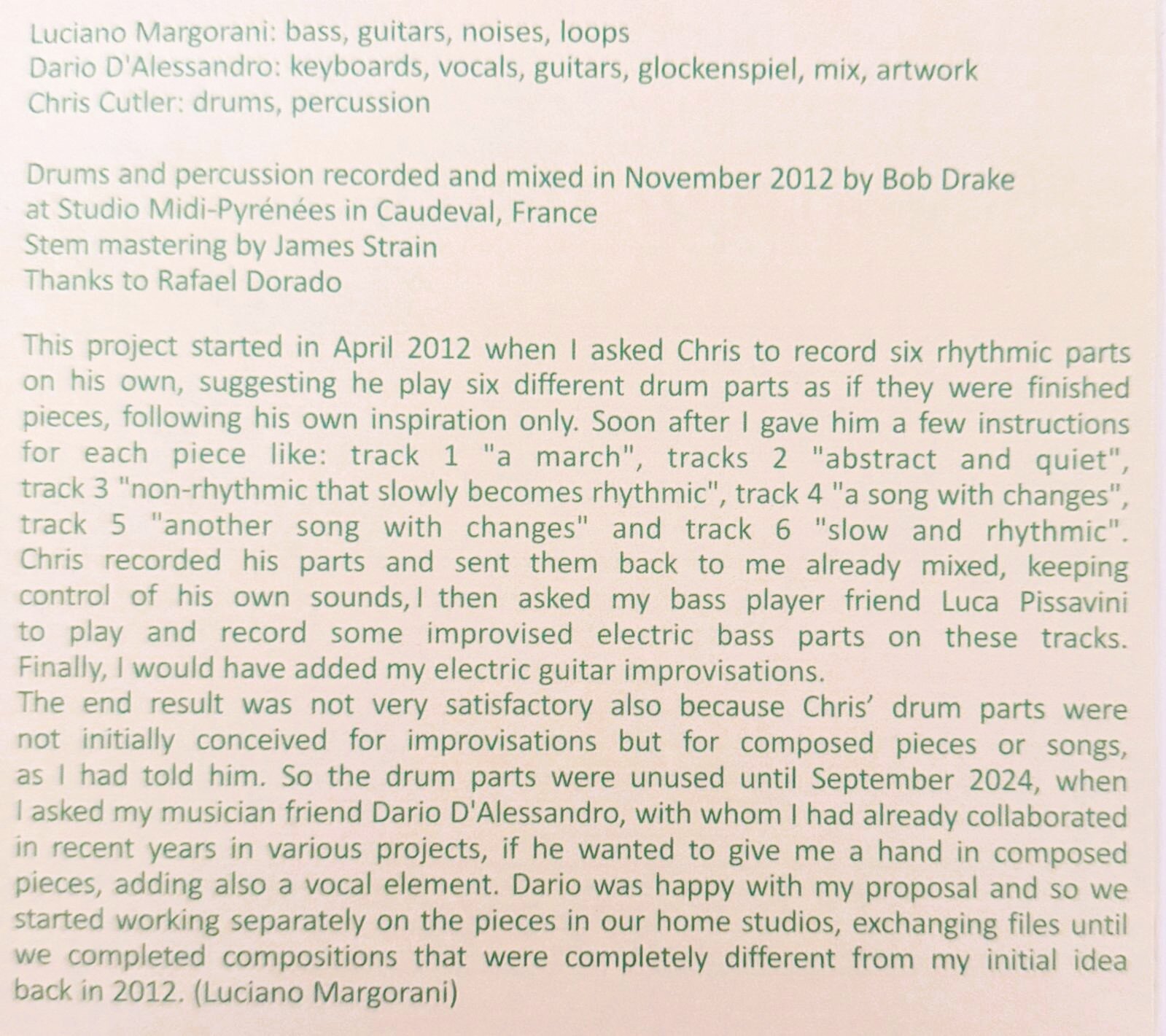
… Il risultato finale non è stato molto soddisfacente, anche perché le parti di batteria di Chris non erano inizialmente concepite per improvvisazioni, ma per brani composti o canzoni, come gli avevo detto. Le parti di batteria rimasero quindi inutilizzate fino a settembre 2024, quando chiesi al mio amico cantante e polistrumentista Dario D'Alessandro, con cui avevo già collaborato negli ultimi anni in diversi progetti, se volesse darmi una mano a comporre dei brani, aggiungendo anche una parte vocale. Dario fu soddisfatto della mia proposta e così iniziammo a lavorare separatamente sui brani nei nostri home studio, scambiandoci file fino a completare composizioni completamente diverse dalla mia idea iniziale del 2012." (Luciano Margorani)
Il titolo dell’album ne rappresenta il concetto che si basa su alcuni aspetti fondamentali
Il titolo richiama direttamente la figura del triangolo e rappresenta l'incontro tra tre artisti provenienti da percorsi differenti con Margorani che rappresenta la sperimentazione "industrial" e l'avanguardia italiana, D'Alessandro con la sua sensibilità melodica e colta del pop psichedelico, Chris Cutler che è la storia del Rock in Opposition e della batteria creativa. La Triangolazione fra tre artisti, tre stili, tre diverse sensibilità.
Il Metodo Compositivo è stato "Inverso", uno scambio asincrono di tracce. L'album infatti non è nato in una sala prove, ma attraverso un processo durato oltre un decennio, come meglio descritto nella presentazione dell’album. Cutler ha fornito la base ritmica nel 2012, registrando tracce di batteria isolate. Margorani e D'Alessandro hanno "triangolato" questi ritmi anni dopo, aggiungendo testi, melodie e strutture, trasformando frammenti improvvisati in brani compiuti.
Evidente la tendenza a superare la divisione tra musica colta (Avant-Garde) e musica accessibile (Pop) con la complessità dei tempi dispari di Cutler e i loop di Margorani che convivono con la melodia e l'ironia apportati dai testi e le tastiere di D'Alessandro.
L’album musicalmente fonde la sperimentazione con la melodia con forti influenze del movimento Avant-Prog e Rock in Opposition (RIO) con Chris Cutler e Luciano Margorani, con le strutture non convenzionali, tempi dispari e dissonanze e rumorismi.
Evidente per me l’influenza della Scena di Canterbury ragione per la quale io classifico questo album in questo genere, con Dario D'Alessandro che porta il “Canterbury sound”, il pop psichedelico, le tastiere vintage, gli organi e i sintetizzatori e fantastici intarsi di glockenspiel.
C’è una continua alternanza di atmosfere solenni con bassi profondi e atmosfere più leggere e ironiche, senza mai perdere la credibilità e la connessione fra loro.
Per quanto molti brani sembrino frutto di una improvvisazione, in realtà la sensazione è quella di una mancanza di struttura ordinata e concettuale, quella di una serie di composizioni “high level” all’interno delle quali ogni artista si esprime ma senza perdere mai le emozioni che vengono generate che sono coerenti all’interni di ogni brano.
Per quanto il titolo dell’album e delle tracce sia in lingua italiana, non ci sono testi, ma la voce è usata come uno strumento e il cantato è senza parole, un cantato sillabico (o Non-lexical vocables) , suoni che hanno una funzione in questo caso prevalentemente melodica e privi di un significato linguistico ma che forti della capacità interpretativa di D'Alessandro l’enfasi si modifica all’occorrenza suscitando emozioni diverse.
Loop, sovrapposizioni, intersezioni, dissonanze, sonorità lontane a volte quasi impercettibili, i rumori, sono costanti e meravigliosi. Lo stile batteristico di Cutler è capace di gestire altissima complessità tecnica ed è fatto di puro gusto, un virtuosismo mai affine a sé stesso.
Parliamo di puro progressive sperimentale contemporaneo.
Sul Farsi apre l’album in puro stile Canterbury con un tempo sostenuto e mood arioso e positivo con una bella parte di chitarra distorta e una base ritmica eccezionale. Il cantato sillabico è emozionante e l’assolo di chitarra bellissimo. La batteria è profonda e precisa. Bellissimi i controcanti nella parte corale. Leggeri e gustosi i ceselli di glockenspiel. Grande il basso di Margorani sui giri di batteria.
Bar Eclisse inizia con batteria profonda e basso potente e muove subito su un tempo rock lento, poi interviene l’organo solenne. Atmosfera sospesa e un mood in stile Canterbury per uno strumentale con una base melodica eccellente.
La batteria è sontuosa. Bello il giro di tastiere insieme al glockenspiel, una sorta di carillon con una eco misteriosa e le tastiere con suoni lunghi e armoniosi. Straordinaria la linea di basso. Brano al contempo misterioso e intenso e potente. Belle le dissonanze, leggere, fra basso e tastiere. Bello anche quando il tempo accelera e l’assolo di chitarra prende la scena con evidenti dissonanze e grande esecuzione. Brano sperimentale e ricco di dettagli e sfumature che richiedono molti ascolti.
Stupidario inizia sincopato con un tempo positivo e arioso di batteria con un mood jazzato, in controtempo su un assolo in dissonanza di chitarra e cori eterei sui quali la chitarra si fa occasionalmente distorta. Il brano è costellato da ceselli di batteria con grandi sfumature e ricchezza. Le pause fanno parte della musica e i suoi i di chitarra e tastiera sono in dissonanza. La seconda parte del brano ha un tempo ipnotico e grande scelta dei suoni, loop di synth inquietanti e suoni che ricordano un organetto. Fase decisamente jazzata di splendida fattura. Sul finale torna il clima disteso ma resta il mood jazz.
Marcia Trionfale inizia come una marcia solenne con un caotico sovrapporsi di suoni di tastiera e chitarra e glockenspiel su un basso lineare e profondo. Diverse linee di tastiera si sovrappongono, con una base acuta distorta sulla quale si muove una linea profonda a scandire il tempo. Poi inizia un assolo di chitarra acuta distorta spettacolare che restituisce emozioni al confine fra il gioco e la tensione. Si tratta di sperimentazione pura. Il brano cresce di intensità come le emozioni che suscita. Una lenta marcia inquietante e sempre in controllo nel mantenere la stessa sensazione di sospensione con interventi di synth e suoni intermittenti acuti e carichi di suspense.
You Don't Have the Cards (frase rivolta da Trump a Zelensky) è una traccia caratterizzata da uno splendido caos di suoni percussivi, glockenspiel e tastiere distorte leggerei, tutto in una disordinata e disarmonica intersezione. Il alcuni momenti il brano ha una musicalità da marcia funebre disturbante e disturbata da una stratificazione spettacolare di suoni percussivi eclettici e complessi. Le tastiere spaziano fra i suoni elettronici e le distorsioni intermittenti a diverse velocità fino ad un giro melodico distorto sul quale la batteria disegna un tempo dritto e ricchissimo di dettagli. L’atmosfera è sospesa e misteriosa, con un grande giro di basso non invadente ma molto incisivo. Uno stile di batteria che adoro con la sua complessità introdotta anche nelle trame più semplici. Suoni interrotti e distorti chiudono il brano.
Nubendi Traditi è la traccia più lunga dell'album, oltre 13 minuti, ed è un Capolavoro che inizia con chitarra acustica, con una ritmica lenta e intensa su suoni lunghi di tastiere e un leggero rullo soffuso di batteria sul charleston. L’atmosfera è diversa, più melodica e l’interazione fra tastiera e chitarra acustica è spettacolare. Siamo nella “zona” più romantica di Canterbury nella prima parte del brano, poi entra un giro ipnotico di chitarra continuo e ripetitivo con interventi di suoni di synth psichedelici. Poi il tempo lo disegnano, lento, i synth e la chitarra accelera in un loop per poi tornare acustica a fare da base alla voce. Bella atmosfera distesa e leggera senza batteria, solo chitarre voci e base di synth che per una fase restano isolati e poi lasciano spazio alla sola chitarra con un arpeggio e poi rientra la batteria con una ritmica leggera nel tocco e nell’andatura. Quando torna la voce torna la melodia e le emozioni distese e positive, ma con un senso di malinconia. Il brano cresce sul finale con pennate echeggianti di chitarra, senza batteria e con suoni eterei di tastiera e la voce si fa strumento ritmico.
L’atmosfera è surreale per la scelta di suoni sulla melodia. Entra poi un assolo pulito di chitarra e subito dopo il tempo accelera su un giro ipnotico di tastiera e il mood si fa più positivo. Grande lavoro di chitarra prima suonata sulle note alte quasi in pizzicato e poi con suoni lunghi e distorti, sempre su un tappeto ipnotico di tastiere in dissonanza. Lungo brano che non stanca, anzi, incuriosisce nell’attesa dei suoi successivi sviluppi. Lavoro di synth sontuoso quando suoni lunghi e continui fanno da base in un assolo di tastiere e poi entra la voce disturbata e interrotta. Spettacolare.
Terra Santa chiude l’album con la batteria che disegna virtuosismi di sottofondo, uno strato di suoni profondi e acuti e lontani come quelli della chitarra che sopraggiunge con il suo assolo “nascosto” fra i suoni mentre la voce che disegna una melodia eterea. Su questa stratificazione di suoni disconnessi ma armonici entra un assolo di tastiere distorte lento e melodico. Atmosfera sospesa e intensa al contempo. Sperimentazione di grande pregio. Raffinatezza e atmosfera. A brevi accenni si intravedono strutture più precise ma sono digressioni, momenti, quando la non-struttura prevale con la sua caotica ma atmosfericamente armoniosa sequenza di suoni.
Album spettacolare ma non per tutti, di certo per gli appassionati di musica sperimentale e della scena di Canterbury. Eccellente, un Must in collezione. Un esempio di come il progressive rock sia ancora in pieno splendore ed evoluzione.
Nota: Tutti i link ai lavori dei musicisti sono nei TAG sotto il titolo dell'articolo o nella pagina "Artisti"
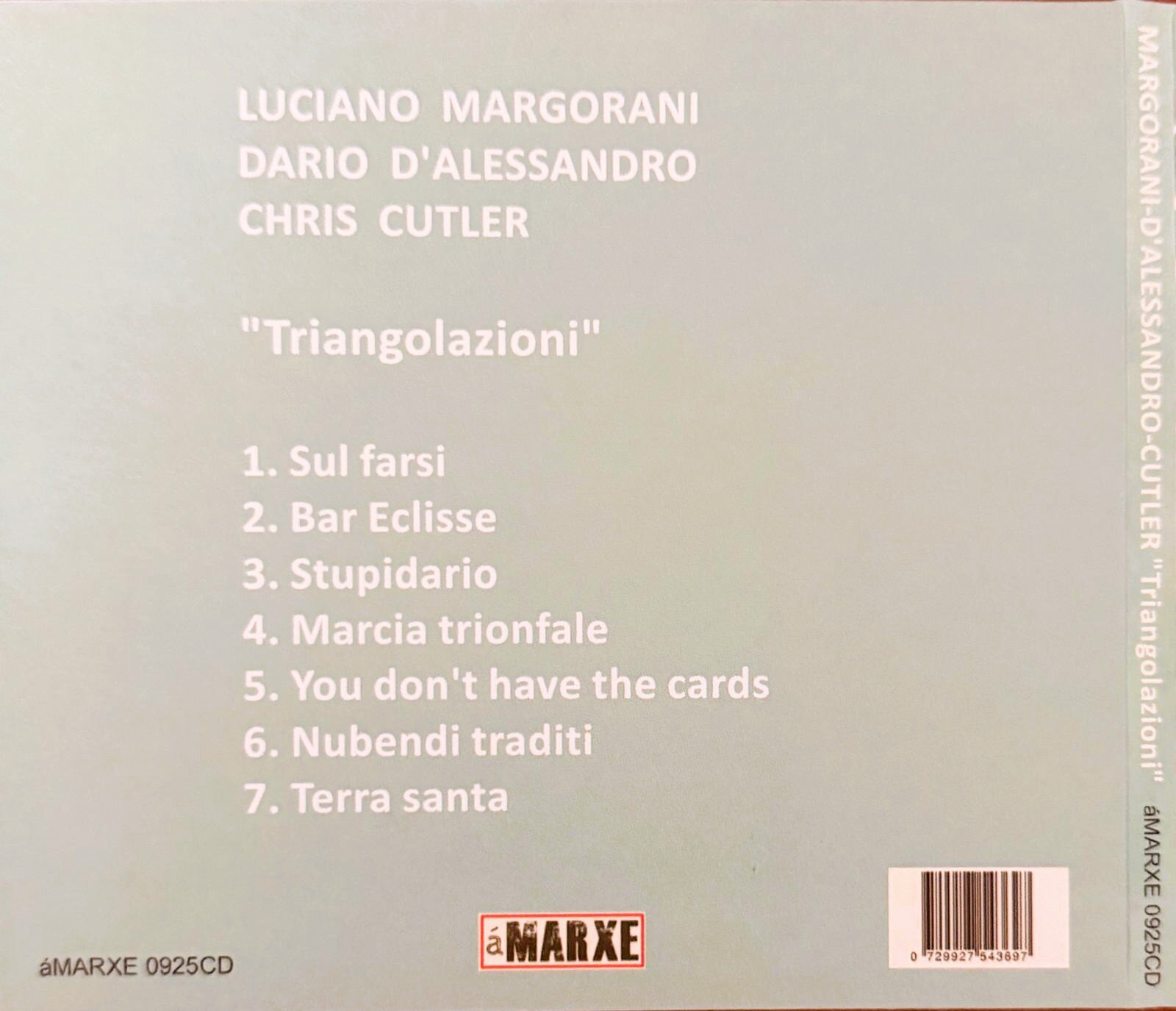
Tracklist
1. Sul Farsi (3:16)
2. Bar Eclisse (4:18)
3. Stupidario (4:10)
4. Marcia Trionfale (3:22)
5. You Don't Have the Cards (4:21)
6. Nubendi Traditi (13:37)
7. Terra Santa (5:14)
Durata 38:18
LineUp
- Luciano Margorani - basso, chitarre, rumori, loop
- Dario D'Alessandro - tastiere, voce, chitarre, glockenspiel, editing, premix
- Chris Cutler - batteria, percussioni