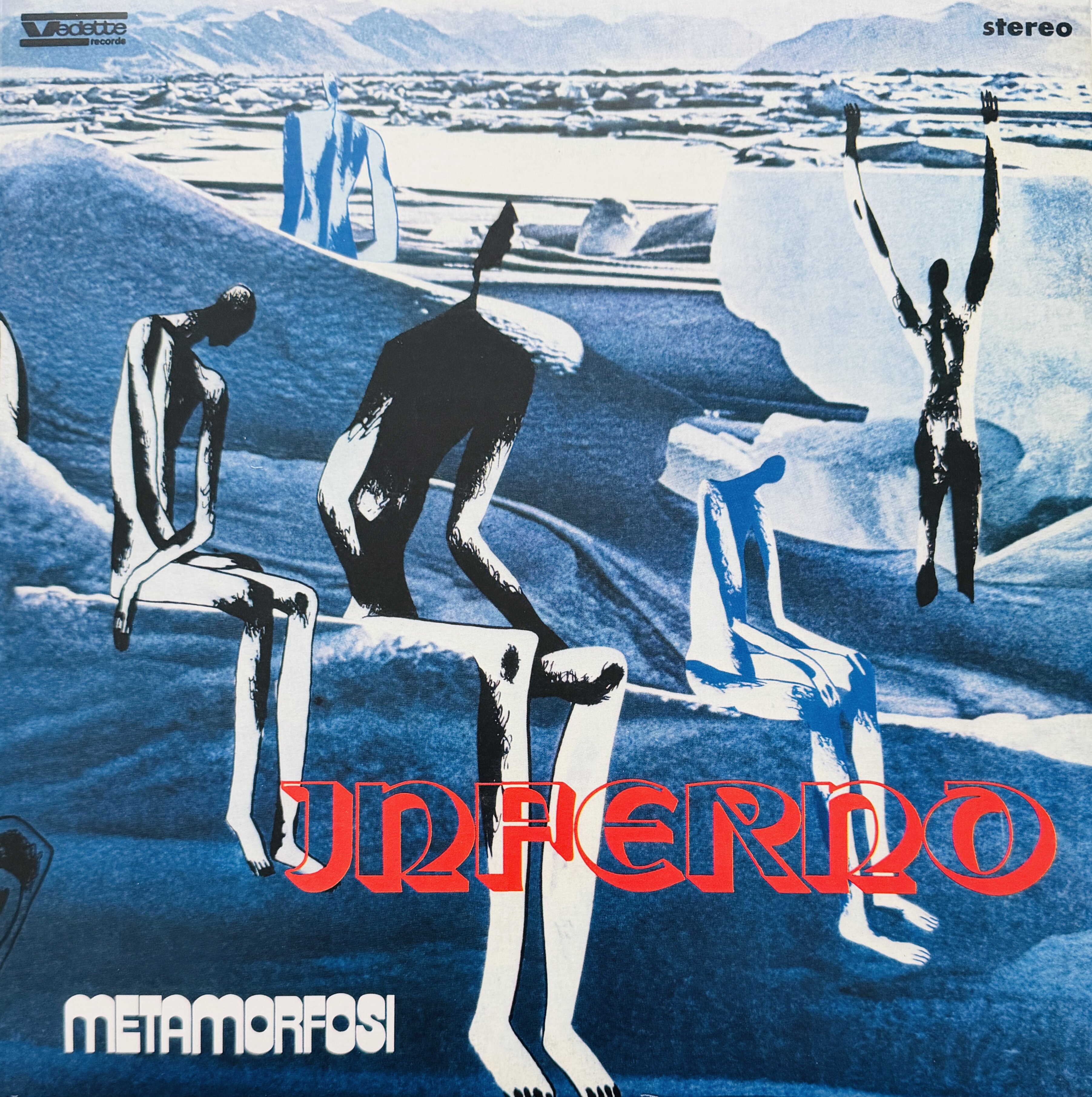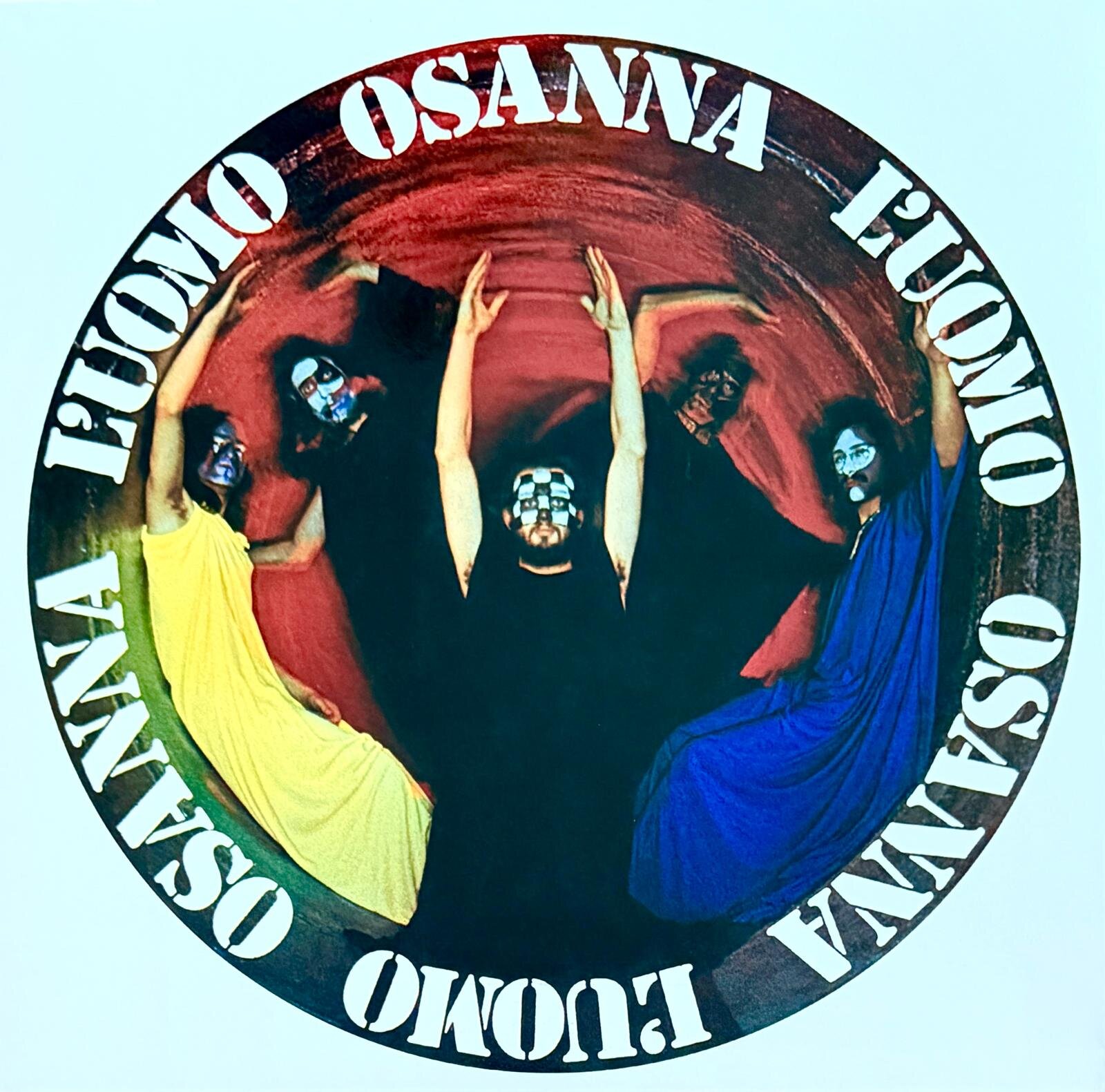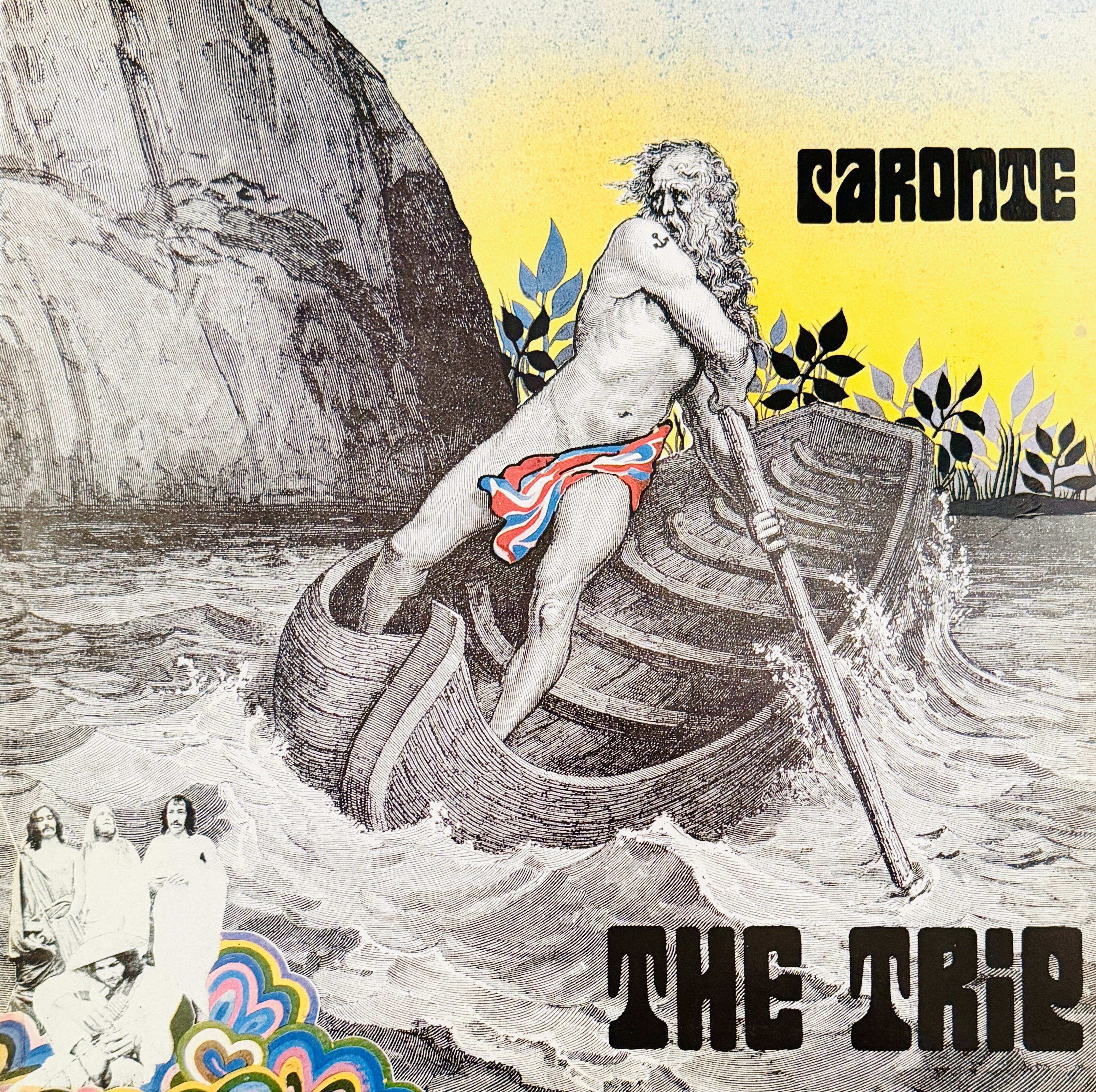

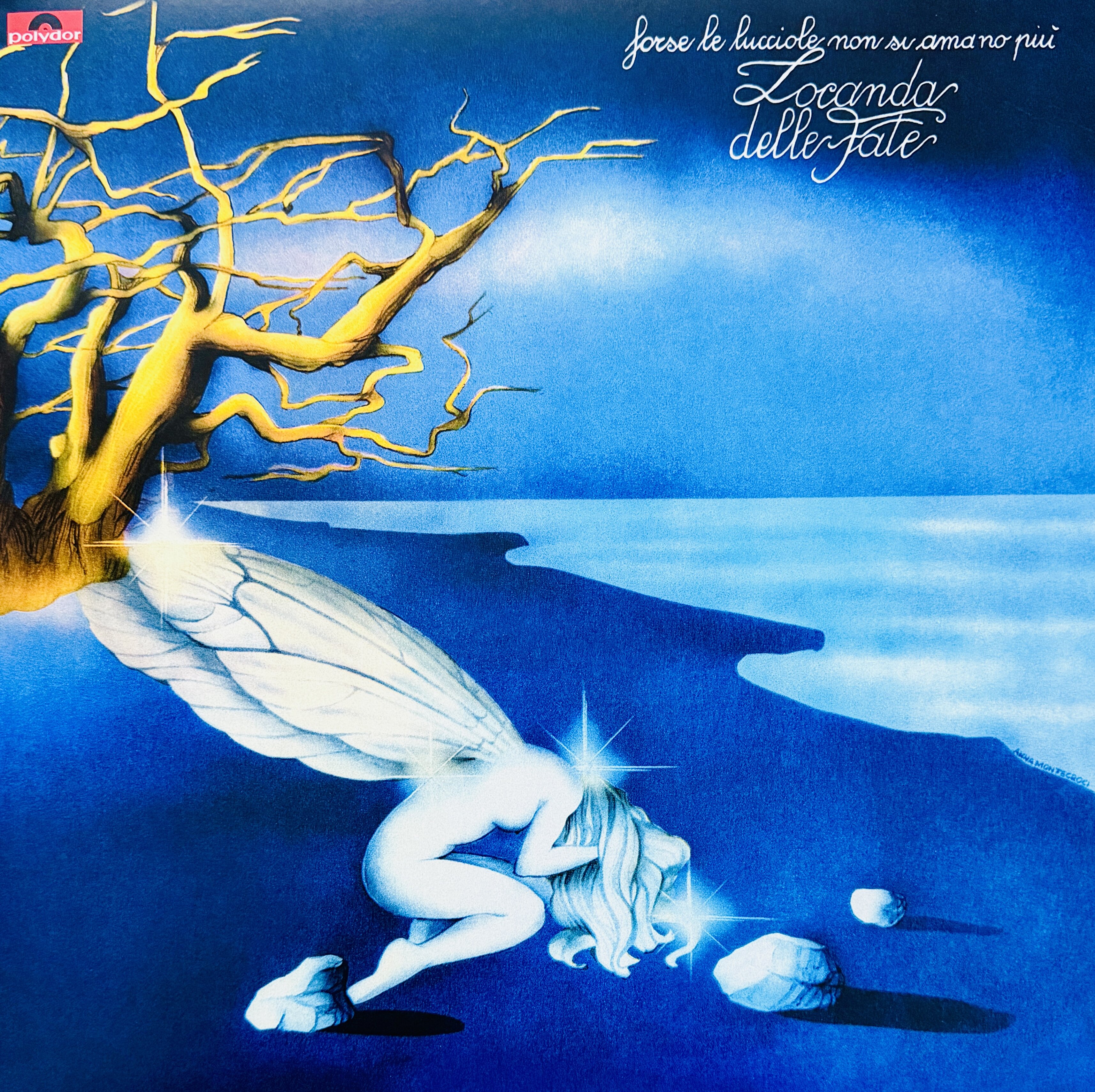
Forse le lucciole non si amano più by Locanda delle Fate, 1977 album.
La Locanda delle Fate, an iconic Italian progressive rock band, was born in Asti in 1971. Their story is that of an incredibly talented band that had to deal with the radical changes in the music market of the 70s.
Initially, they were a septet playing covers. Then, in 1975, the singer Leonardo Sasso arrived, and from there they began to create original music, with those fantastic intertwining keyboards and guitars that made them unique.
In 1977 they released the album "Forse le lucciole non si amano più" for Polydor. Critics welcomed it with open arms, but unfortunately it was not a great commercial success. Blame the explosion of Punk and New Wave, which made the long and complex songs of prog a bit "old".
After Sasso left the band in 1978, they decided to shorten the name to "La Locanda" and try to make more pop music, with simpler singles. Unfortunately, this experiment didn't work either, and in 1980 they broke up.
In 1999 they returned with the album "Homo Homini Lupus". And since 2010 they have started an international reunion tour, which has taken them all the way to Japan.
Unfortunately, in 2017 they decided to retire permanently from the live scene with their "Farewell Tour". A farewell that left a bit of a bitter taste in the mouths of all their fans.
Now let's see the pillars of the classic line-up of the debut album of this mythical band.
Leonardo Sasso, born in Asti in '52, is the deep and theatrical voice that accompanies us on this journey. Unfortunately, in '78 he decided to leave the group because he did not agree with the pop turn that the record company wanted to impose. However, he gave us a nice surprise by returning for reunions from 2010 to 2017.
Then there is Ezio Vevey, a true ace of the lead guitar and also an excellent singer. After the Inn disbanded, he became a super in-demand session player. You may know him for his collaboration with Paolo Conte: he is the one who plays the guitar in "Un gelato al limon". He also played with Krisma, another historic group.
Michele Conta is the brain behind the symphonic structures of the band. After the 70s he retired a bit from the scene, but in 2020 he returned with a solo album, "Endless Night", which is considered a bit of the spiritual heir to the prog of the Locanda.
Alberto Gaviglio, with his acoustic guitar, flute and voice, was fundamental to the folk nuances and choirs of the band. In the 80s he tried to make a solo career and released the single "Qualcosa resterà". Unfortunately, he left us in 2021.
Luciano Boero, in addition to being the bassist, has become an important lyricist. She wrote "Donna con te", which Anna Oxa brought to success in Sanremo in '90. In 2017 he published a book, "Prati di lucciole per sempre", where he tells the whole story of the band.
Oscar Mazzoglio is the Hammond and Mellotron specialist. Together with Conta, he created that unique mix of keyboards that made the group so special (it was not common to have two tenured keyboardists in prog). He has remained active in the Asti music scene.
And finally, Giorgio Gardino, the historic drummer. With his precise and never intrusive style, he was perfectly suited to the symphonic dynamics of the group. He played with the band in all its phases, from the early 70s until the farewell tour in 2017.
"Perhaps the fireflies don't love themselves anymore" is their masterpiece and one of the most elegant and refined albums of Italian progressive rock of the late 70s, unfortunately arrived just when the genre was giving way to new wave and punk. Although it had been ready for some time, the album came out in late '77 and early '78. Unfortunately, due to the radical change in people's tastes, it did not have the success it deserved.
The album is about the contrast between the magic of dreams and the harshness of the world. Fireflies are the symbol of purity, of the wonder we felt as children, of true and sincere feelings. The title of the album evokes a collective disillusionment, as if, growing up or living in an increasingly frenetic society, we lose the ability to amaze and love without reservation.
The lyrics, written mainly by Luciano Boero, tell stories of characters or situations that are halfway between a dreamlike, almost fairytale world, and the rude awakening in gray and everyday reality. There is nostalgia for an ideal past, which is evoked by natural images such as the summer solstice, the fields, the scent of white glue, and which clashes with the loneliness and sense of bewilderment that we often feel today.
The music also reflects this dualism: the sweet and delicate moments of the piano and flute represent the "dream", while the symphonic explosions and electric rides recall the urgency and complexity of real life. An album that invites us to reflect on how the magic of childhood and the purity of feelings can be lost in the chaos of the modern world.
Musically, the album represents one of the highest points of Italian Symphonic Progressive Rock and does not let itself be influenced by the fashions of the time in which it was released but focuses on perfecting the typical elements of the genre with an almost chamber music elegance.
Unlike most prog bands, which had only one keyboardist, the Locanda fielded two professionals, Michele Conta and Oscar Mazzoglio. This made it possible to create fantastic interweaving between classical piano, synthesizers, Hammond organ and the majestic Mellotron, resulting in a rich and dense orchestral sound carpet.
There were also two guitars. Ezio Vevey took care of the gritty solo and electric parts, while Alberto Gaviglio dedicated himself to the acoustic parts and flute, adding a pastoral and folk touch.
The band combined the great Italian melodic tradition, inspired by groups such as PFM and Banco del Mutuo Soccorso, with the structural complexity of English giants such as Genesis (especially in the "Selling England by the Pound" period) and Yes. Each piece is like a small suite. Despite the technical complexity, with tempo changes and polyrhythms, the music is never heavy or self-celebratory, but flows smoothly and dreamy. In addition to Leonardo Sasso's lead vocals, the band used a lot of choirs and well-groomed vocal harmonies, which gave the songs a choral and solemn atmosphere.
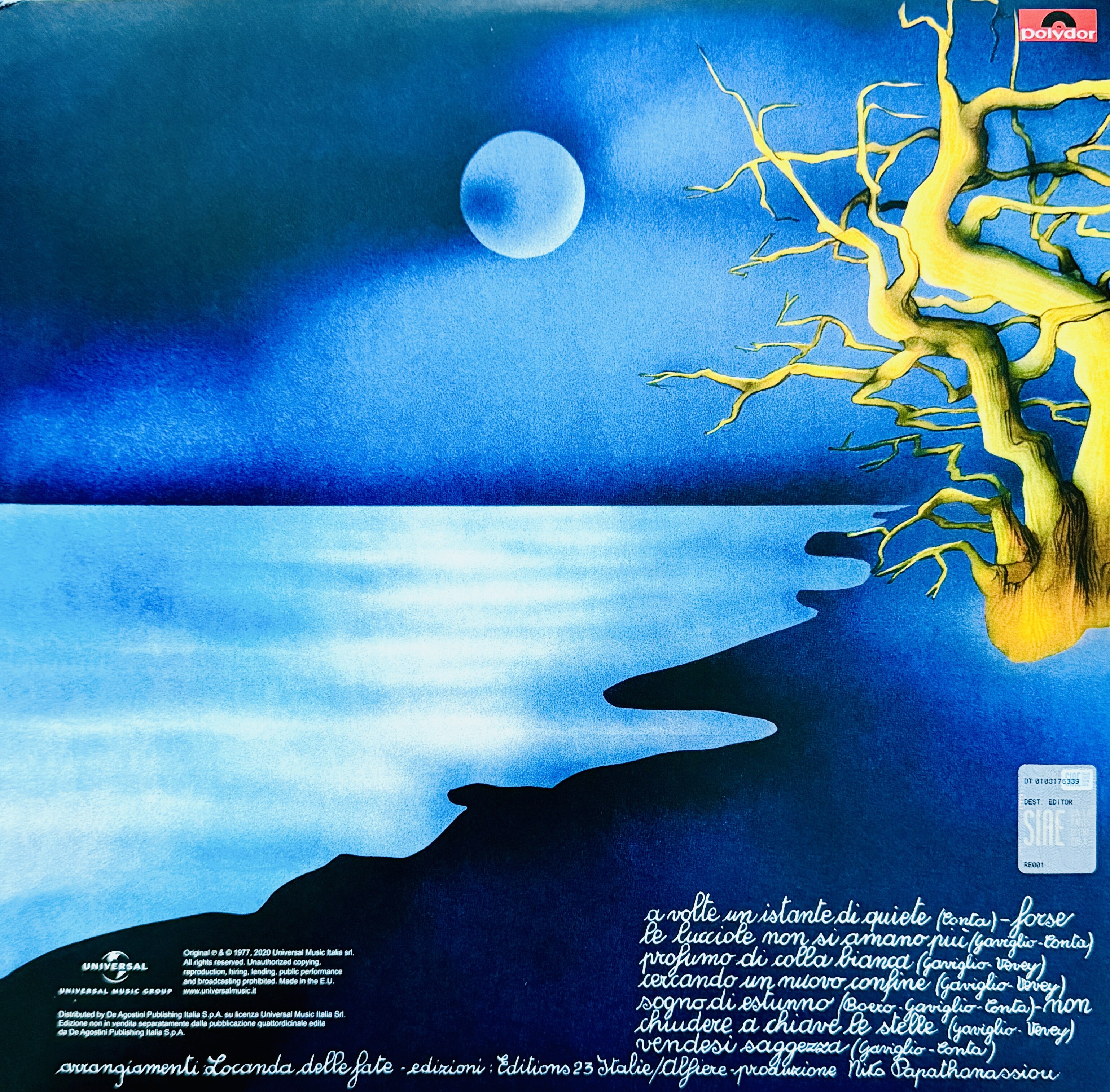
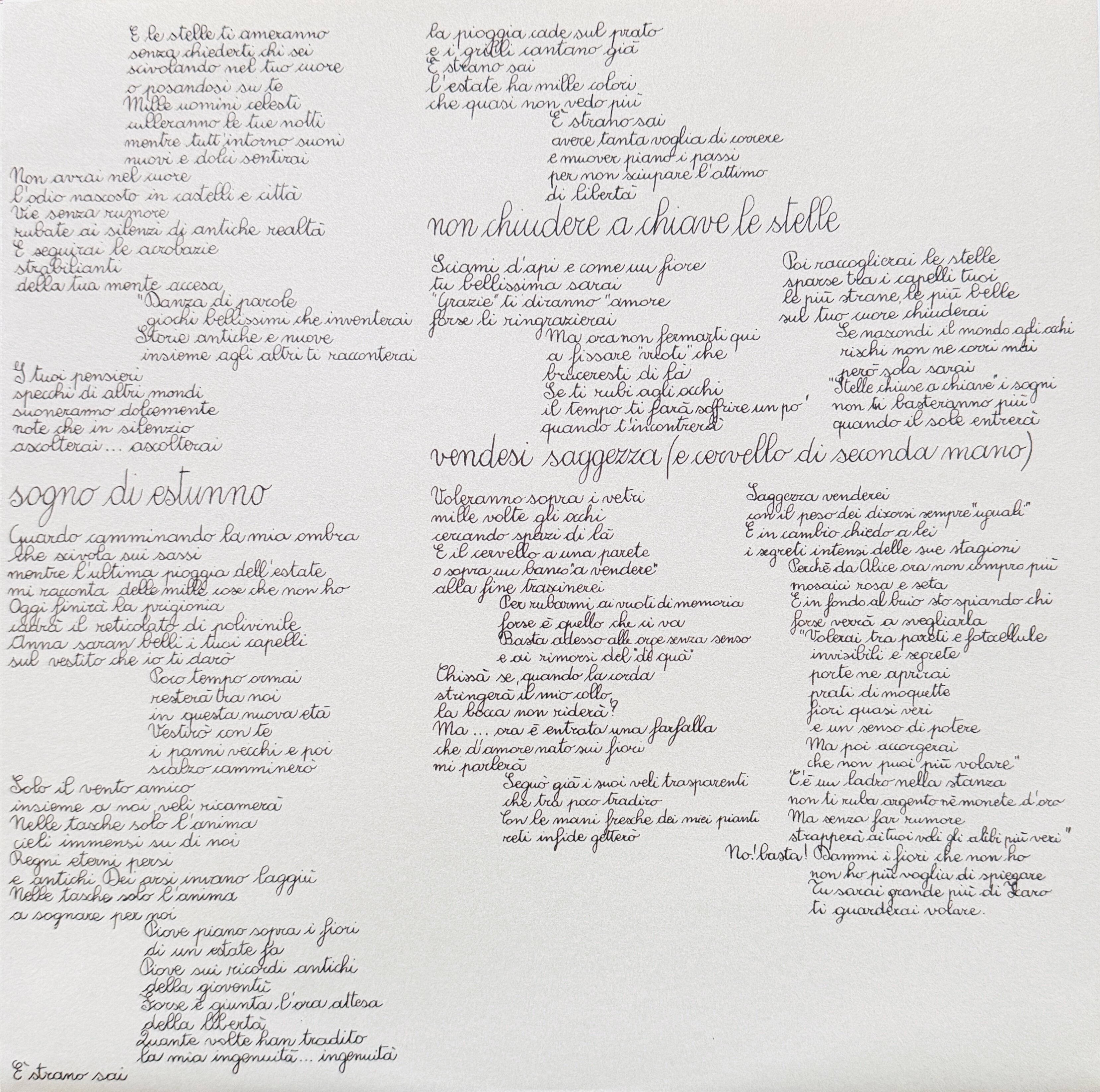
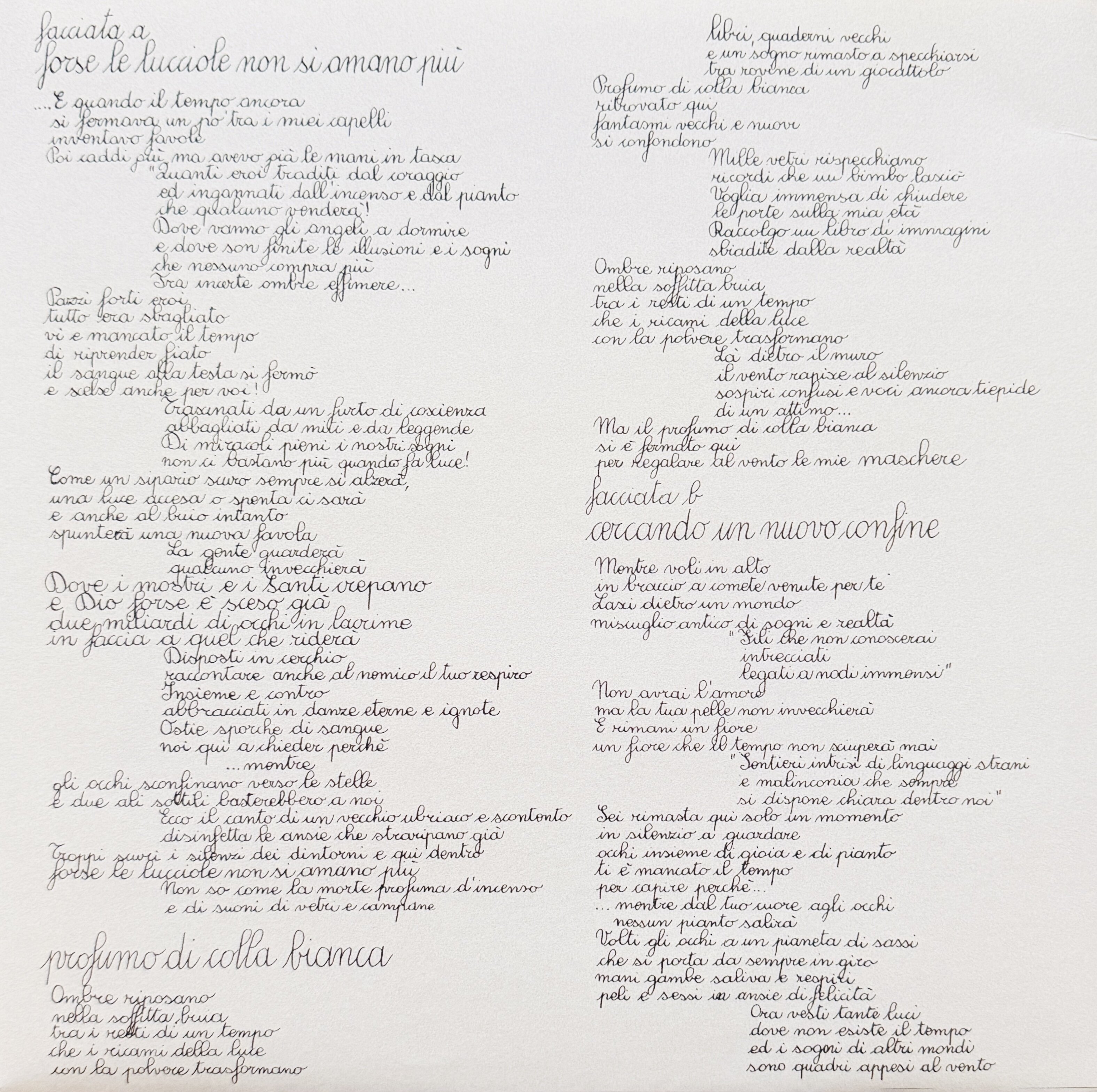
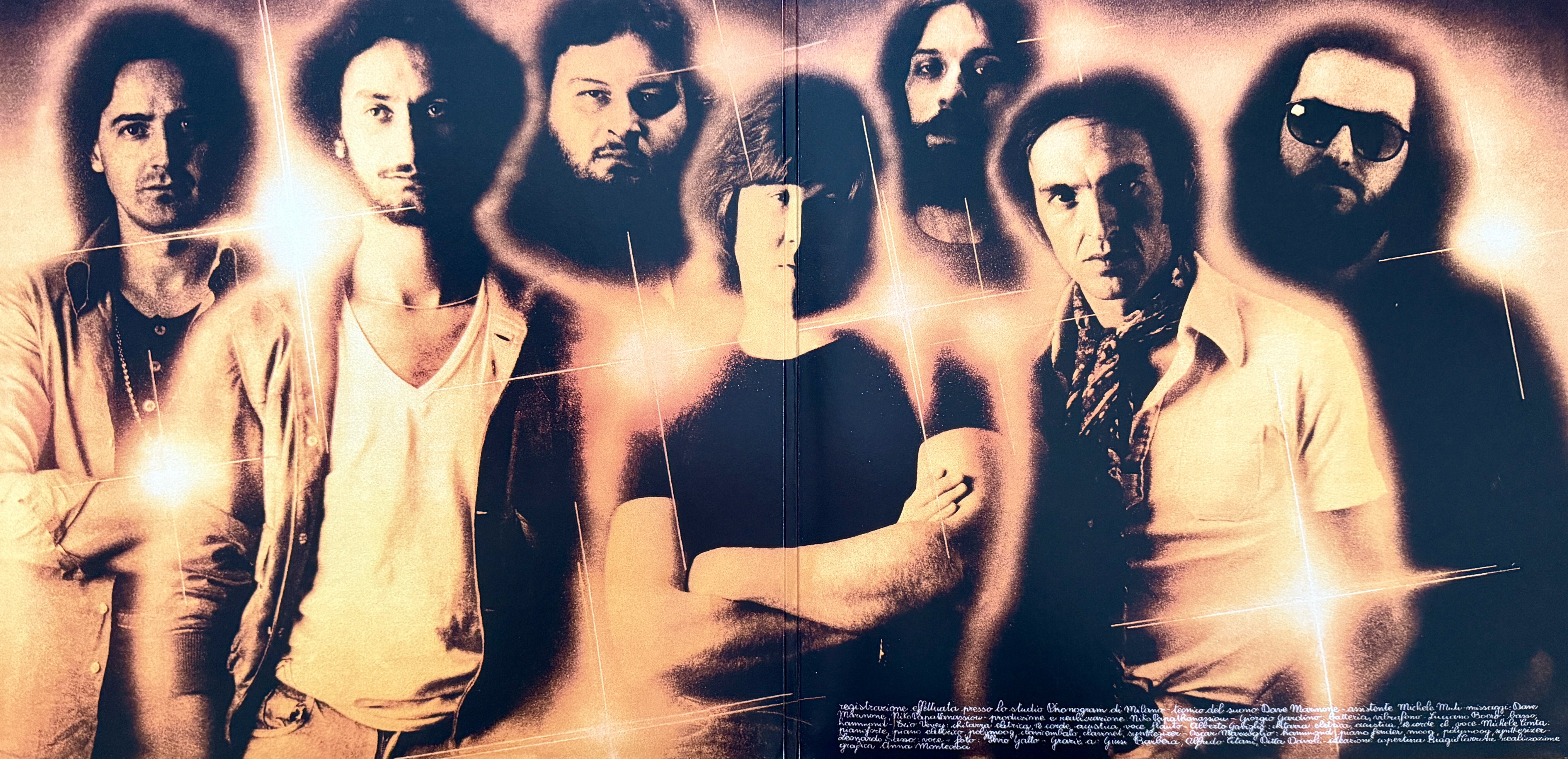
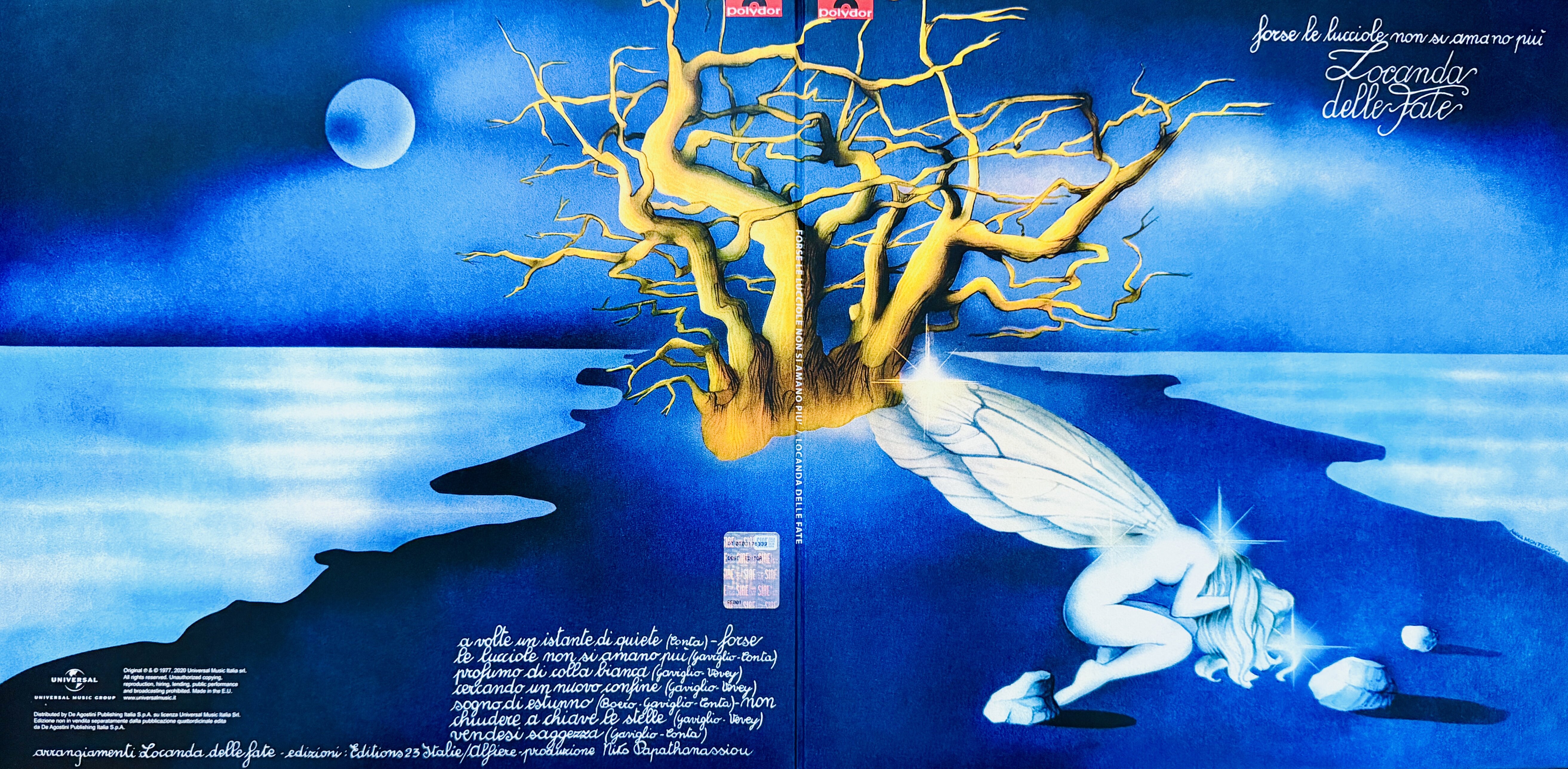
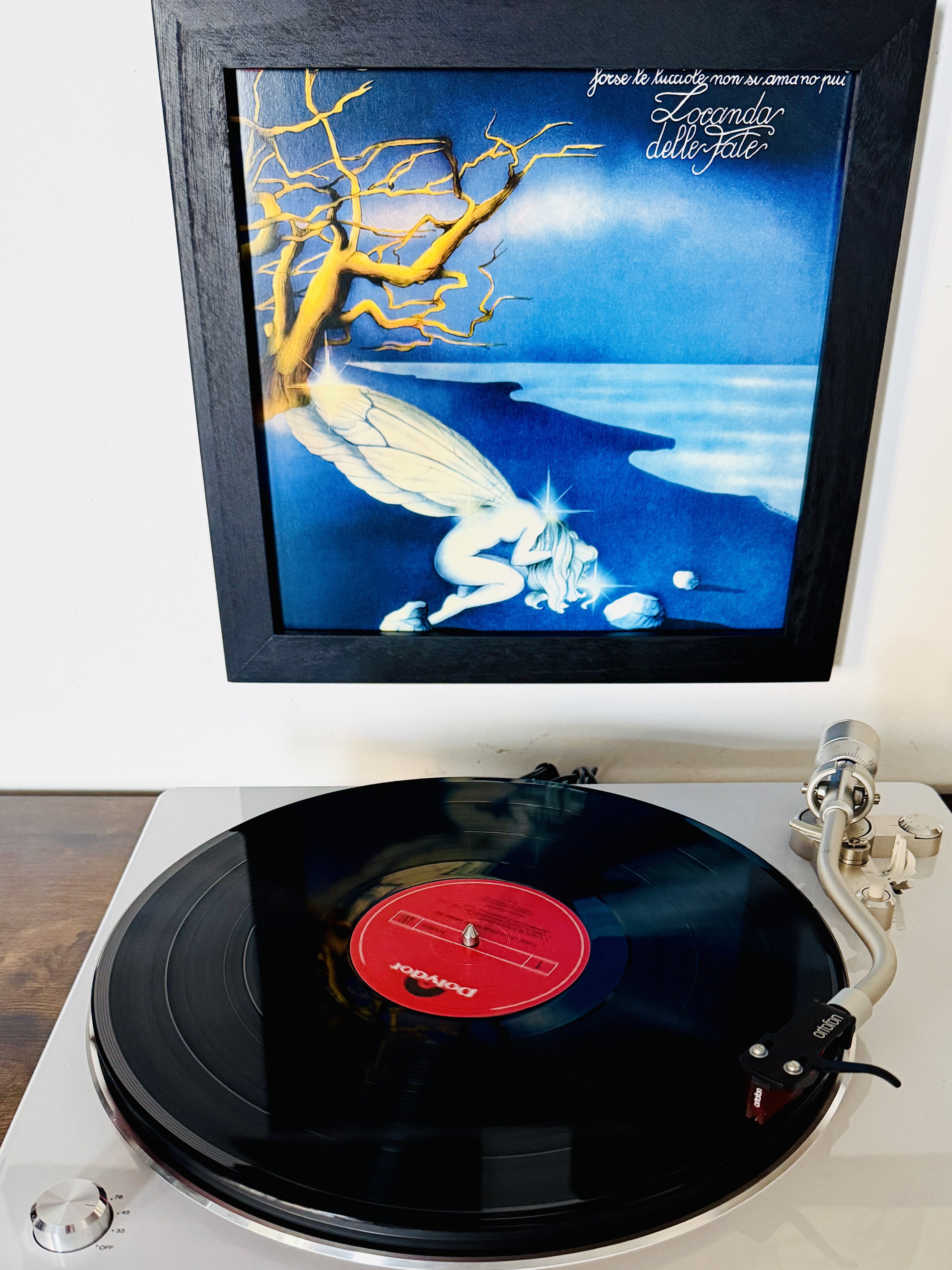
My version is that of the "Italian Prog Rock" series, the issue n. 71 of a collection that has brought back to newsstands and stores the great masterpieces of national prog, on 180 gram vinyl and with gatefold cover that faithfully reproduces the original artwork of 1977, including the splendid interior illustration.
"A Volte Un Istante Di Quiete" is my personal favorite track on the album (not surprisingly chosen in the video), a romantic ballad that turns into an explosion of typically prog energy. Perfect for entering the elegant world of this band. Ezio Vevey does a clean guitar solo full of emotion. Boero's bass is melodic, almost singing along with Sasso's voice, while the keyboards create an enveloping orchestral atmosphere.
"Perhaps the fireflies don't love themselves anymore" is one of the most important pieces on the album, a symphonic suite that alternates moments of pastoral peace with baroque explosions. The duel between Michele Conta's piano and Oscar Mazzoglio's Mellotron is thrilling. Gardino's drums handle complicated tempo changes without ever losing the fluidity of the song. It is Leonardo Sasso's most theatrical vocal performance.
"Profumo Di Colla Bianca" is a melancholic and crepuscular song, with a strong and engaging story. Alberto Gaviglio is the king of flute and acoustic guitar, giving that "folk-prog" touch reminiscent of the most beautiful Genesis. The intertwining of the two electric and acoustic guitars creates a sound depth that is rare in Italian prog.
"Looking for a New Border" is one of the most energetic songs, where rock takes over the symphonic part, while maintaining refined harmonies. The rhythm section (Boero-Gardino) is powerful and the choirs (curated by Gaviglio and Vevey) are essential to give that sense of "new border" and hope that the text tells.
"Sogno Di Estunno" is an instrumental piece (before this version known as Sogno di un solstizio d'estate) with a classical and dreamlike flavor. Michele Conta shows off all his classical training on the piano. A moment of pure atmosphere where the keyboards dialogue in a crescendo that culminates in an epic finale dominated by synthesizers.
"Estunno" is a word invented by the band, a crasis between Summer and Autumn. It represents that moment of magical and melancholic transition in which the sunshine of summer begins to fade into the autumn mists. It is a perfect concept for the style of the Locanda delle Fate, which thrives on contrasts between light and shadow. In the band's original intentions and in the 1977 auditions, the song was to be called Sogno di Estunno. However, at the time of the publication of the first Polydor print, it was decided for a more understandable title: "Dream of a Summer Solstice".
"Non Chiudi A Chiave Le Stelle" is the shortest and most delicate song, almost a poetic pause before the grand finale. Sasso's voice becomes more intimate and whispered. The arrangements are minimal but very accurate, with a skilful use of synthesizers to create a spatial atmosphere.
"Vendesi Saggezza" is the epic closing of the album. A complex song that summarizes all the styles of the previous songs. It is the song where the band shows maximum cohesion. Excellent work on Mazzoglio's Hammond organ, which gives a more scratchy and darker tone than the rest of the album, leading the listener towards a majestic finale.
This album is a jewel of Italian symphonic prog, full of keyboard refinements, evocative flutes and guitars, and poetic lyrics. The songs wind through lyrical moments and more complex sections, highlighting the technical and compositional talent of the musicians, with sounds that evoke dreamy and melancholic atmospheres. Ballads, complex suites and energetic rock pieces alternate, all characterized by a strong melodic component and an intimate and refined atmosphere. The variety of tracks ranges from bucolic suggestions to symphonic explorations, offering a rich and varied listening experience.
A romantic, refined and baroque album, where virtuosity is always at the service of emotion and dreamlike atmosphere.
Excellent!
My Version
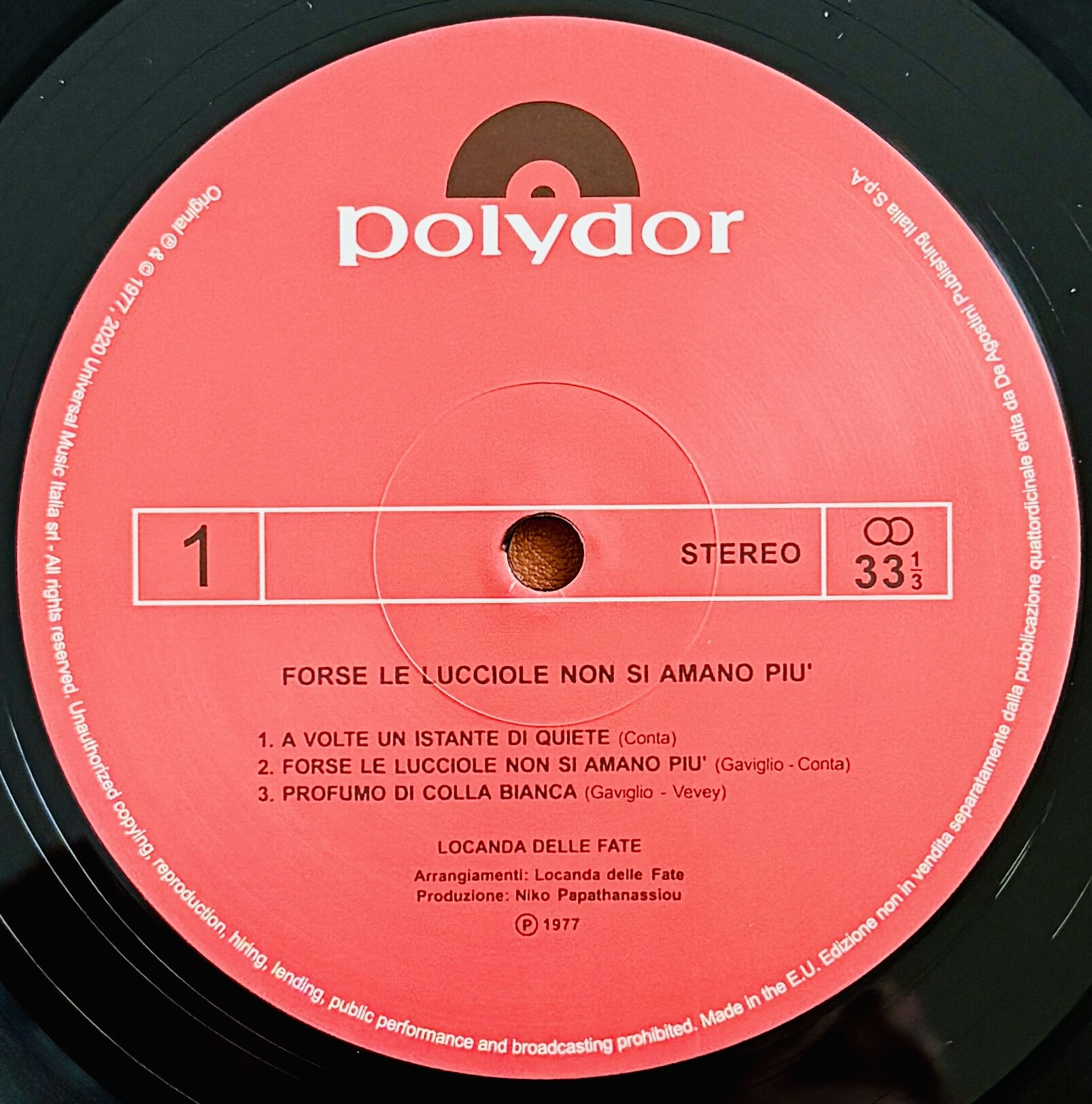
Label: Polydor – 2448 055, Universal Music Group – none
Series: Prog Rock Italiano – 71
Format: Vinyl, LP, Album, Reissue, Gatefold, 180 grams
Country: Italy
Release date: Jun 22, 2020
Tracklist
1. A Volte Un Istante Di Quiete (6:31)
2. Forse Le Lucciole Non Si Amano Più (9:48)
3. Profumo Di Colla Bianca (8:25)
4. Cercando Un Nuovo Confine (6:41)
5. Sogno Di Estunno (4:41)
6. Non Chiudere A Chiave Le Stelle (3:34)
7. Vendesi Saggezza (9:37)
Duration 49:17
LineUp
- Leonardo Sasso - lead vocals - Alberto Gaviglio - electric, 12-string guitars and acoustic, vocals
- Ezio Vevey - electric, twelve-string guitars and acoustic, flute, vocals
- Michele Conta - piano, electric piano, Polymoog synth, harpsichord, clavinette
- Oscar Mazzoglio - Hammond organ, Fender electric piano, Moog and Polymoog synth-
Luciano Boero - bass, Hammond organ
- Giorgio Gardino - drums, vibraphone
Listening link on the main streaming platforms at the following links:
Spotify: Available for free (with ads) or with Premium subscription on Spotify's official album.
YouTube: You can listen to the full album via the official playlist on YouTube or the Remastered 2021 version.
Apple Music: Available with a Remastered subscription.
Deezer: Listenable for free or with a subscription on Deezer.
Amazon Music: Included for users with subscription on Amazon Music.
Note: All links to the musicians’ works are in the TAGS under the article title or on the "Artists"