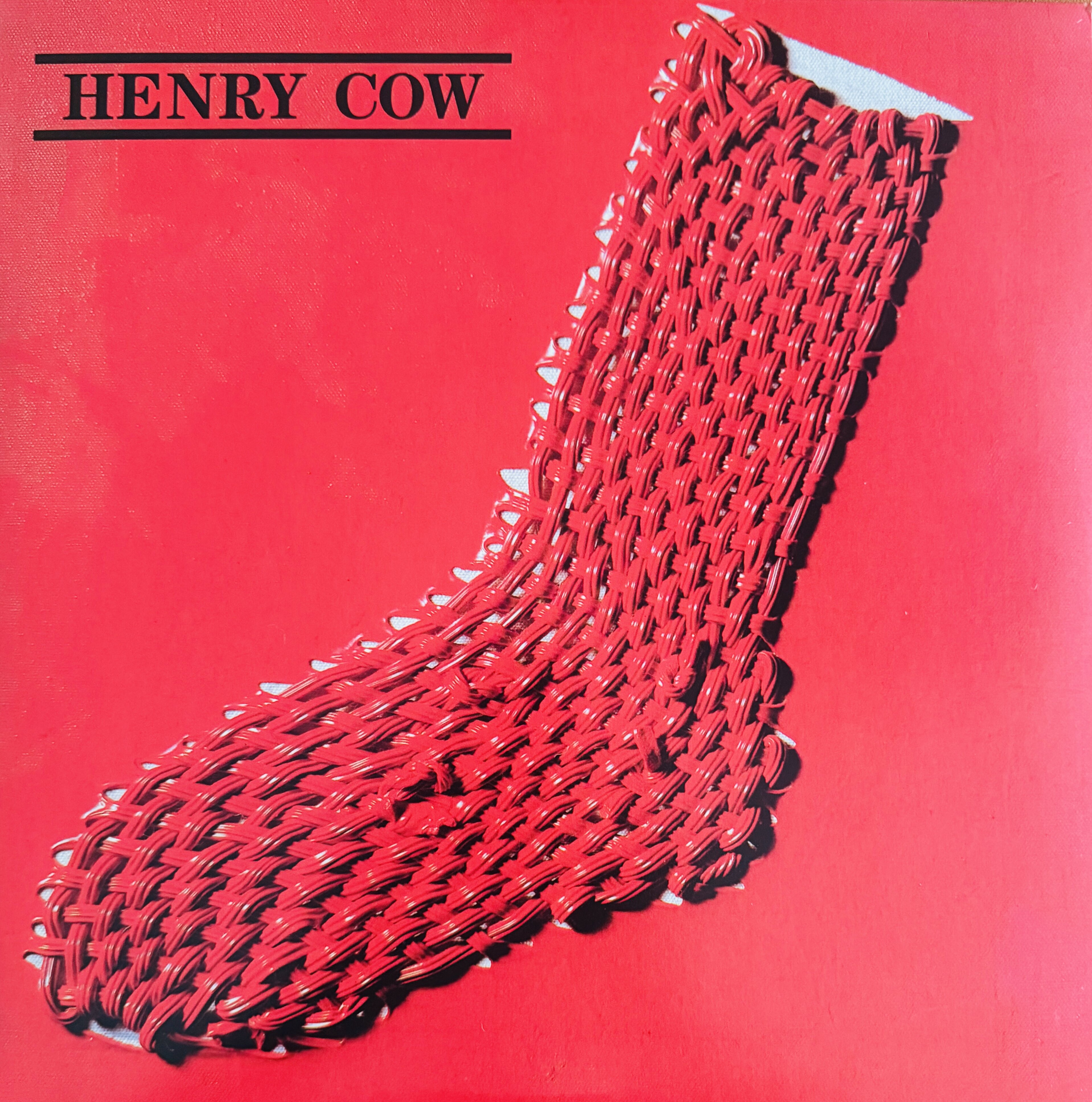
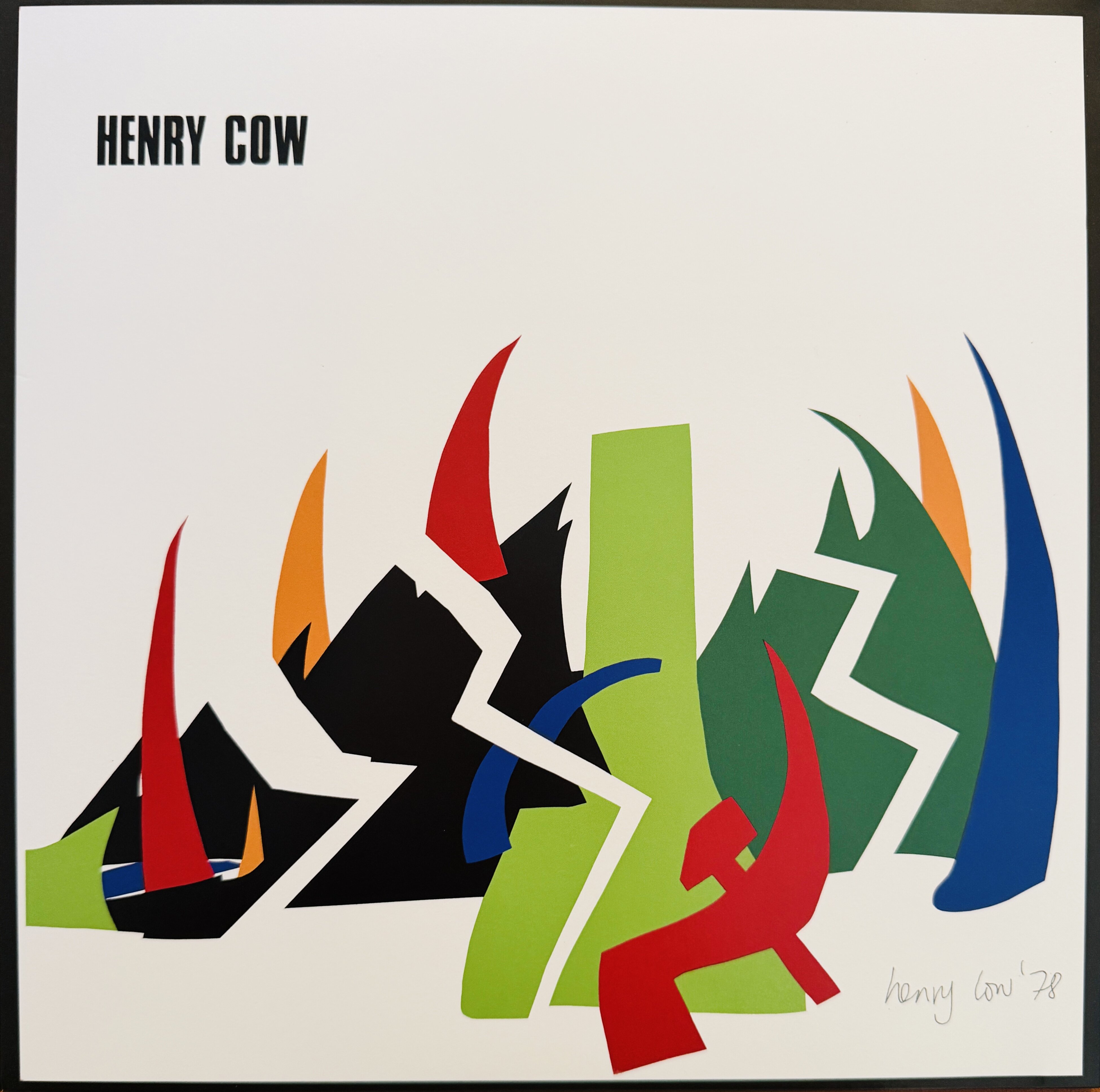
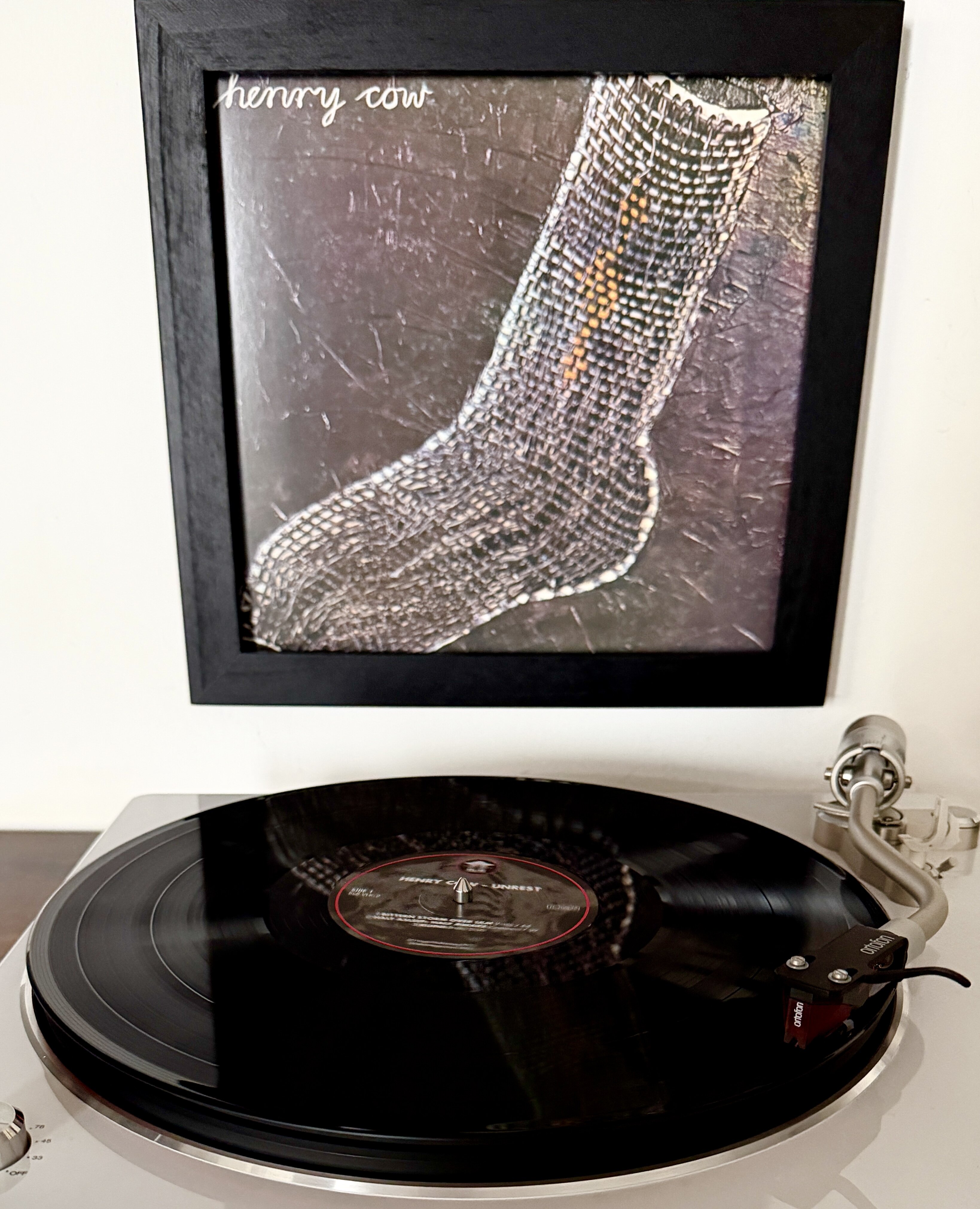
Unrest degli Henry Cow, album del 1974.
Su Progressive Rock World ho dedicato ampio spazio agli Henry Cow, uno dei pilastri della sperimentazione e della scena di Canterbury, in particolare con la recensione del loro album di debutto, The Henry Cow Legend (1973), una complessa miscela di jazz sperimentale, musica classica contemporanea e rock.
Se gli Henry Cow sono tra gli artisti fondamentali del RIO (Rock In Opposition) e dell'Avant-Prog lo devono a Chris Cutler che non ne è solo il batterista, ma è una figura centrale e visionaria dell'avanguardia rock europea.
Parliamo di un Visionario, il principale promotore della rivoluzione di intenti, musicali e ideologici, che portò alla nascita del movimento Rock in Opposition (RIO), batterista dal grande talento tecnico, che abbiamo ascoltato di recente anche nel progetto Triangolazioni (2025), un lavoro basato proprio sulle sue tracce di batteria in collaborazione con Luciano Margorani e Dario D'Alessandro. Di tutto questo ho parlato lungamene nella scheda “Gli Henry Cow, pionieri del movimento Rock in Opposition (RIO)”.
Unrest, pubblicato nel maggio 1974, è uno dei vertici del movimento Rock in Opposition (RIO) per la sua fusione di composizione rigorosa, improvvisazione libera ed esperimenti in studio.
Lindsay Cooper, una polistrumentista di talento che suona oboe e fagotto, si è unita agli Henry Cow per questo album, sostituendo Geoff Leigh, apportando la sua formazione classica che ha dato un tocco unico al sound della band, avvicinandolo alla musica d’arte europea contemporanea.
Nel dicembre del 1973, dopo un tour nei Paesi Bassi, Geoff Leigh ha deciso di lasciare gli Henry Cow. Le sue ragioni? Divergenze musicali e insoddisfazione per come veniva gestito il gruppo. A Geoff piaceva un free jazz ad alta energia, mentre la band si stava orientando verso uno stile più elettronico, d’ambiente e con composizioni più complesse. Insomma, la musica gli sembrava “complicata per il gusto di esserlo”. All’inizio, Geoff non era entusiasta del contratto con la Virgin Records e ha firmato solo per non lasciare subito il gruppo. Era scontento, perché vedeva la scelta come più politica che musicale. In un’intervista successiva, ha ammesso che gli era difficile lavorare in gruppi numerosi, perché soffriva di claustrofobia creativa con più di tre musicisti. Era l’unico a suonare strumenti acustici, il sax e il flauto, ma era anche il più rumoroso sul palco, una situazione che a volte lo frustrava e lo limitava.
Quando gli Henry Cow si misero al lavoro per “Unrest”, si trovarono in studio senza abbastanza materiale per un album completo. Sotto pressione, decisero di usare lo studio stesso come strumento di composizione. Questa scelta fu influenzata dai Faust, con cui avevano appena fatto un tour, e li portò a sperimentare.
Il sound di “Unrest” è un mix denso e senza compromessi di Avant-Rock, Chamber Jazz e Musica Elettronica Sperimentale, ed è considerato il manifesto del Rock in Opposition (RIO). A differenza del prog-rock classico, che spesso si ispira al blues, gli Henry Cow si ispirarono alla musica classica formale. Brani come “Ruins” usano la successione di Fibonacci per definire ritmi e armonie, creando un suono che è allo stesso tempo organico.
Con l’arrivo di Lindsay Cooper, i fiati (oboe e fagotto) si spostarono dai soli jazz verso texture più vicine alla musica classica moderna, dando alla band un’atmosfera colta, che ricorda compositori come Stravinsky o Bartók.
La seconda parte dell’album è fortemente influenzata dalla Musica Concreta. Ancora una volta, l’esperienza del tour con i Faust si fece sentire: usarono loop di nastro, registrazioni a velocità variabile e tagli drastici dei nastri per trasformare le improvvisazioni in paesaggi sonori alieni.
Pur utilizzando una formazione rock classica (chitarra, basso, batteria), gli Henry Cow eliminarono ogni traccia di “swing” o di derivazione blues. “Bittern Storm Over Ulm”, per esempio, prende un riff degli Yardbirds e lo distorce ritmicamente fino a renderlo quasi irriconoscibile.
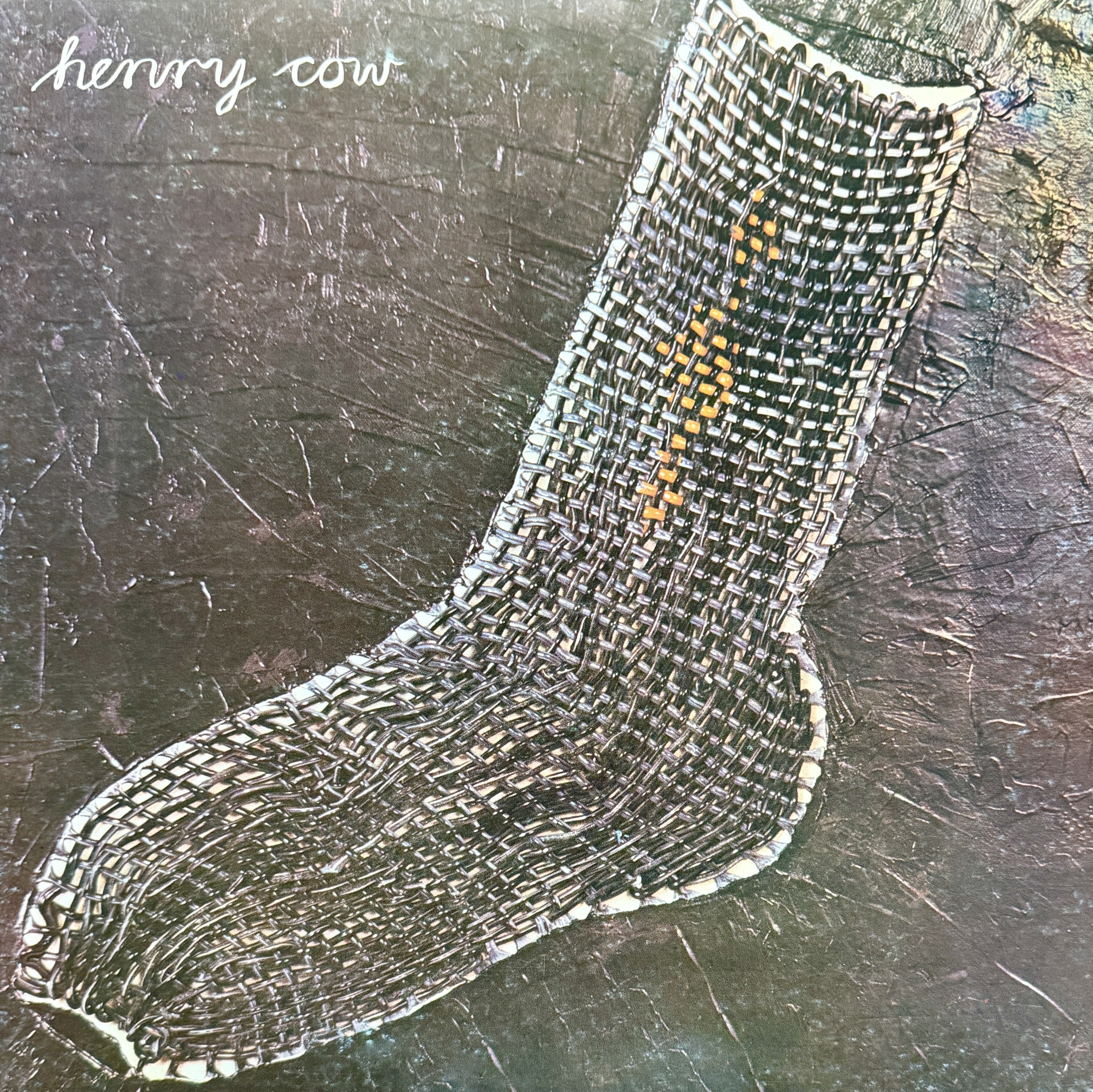
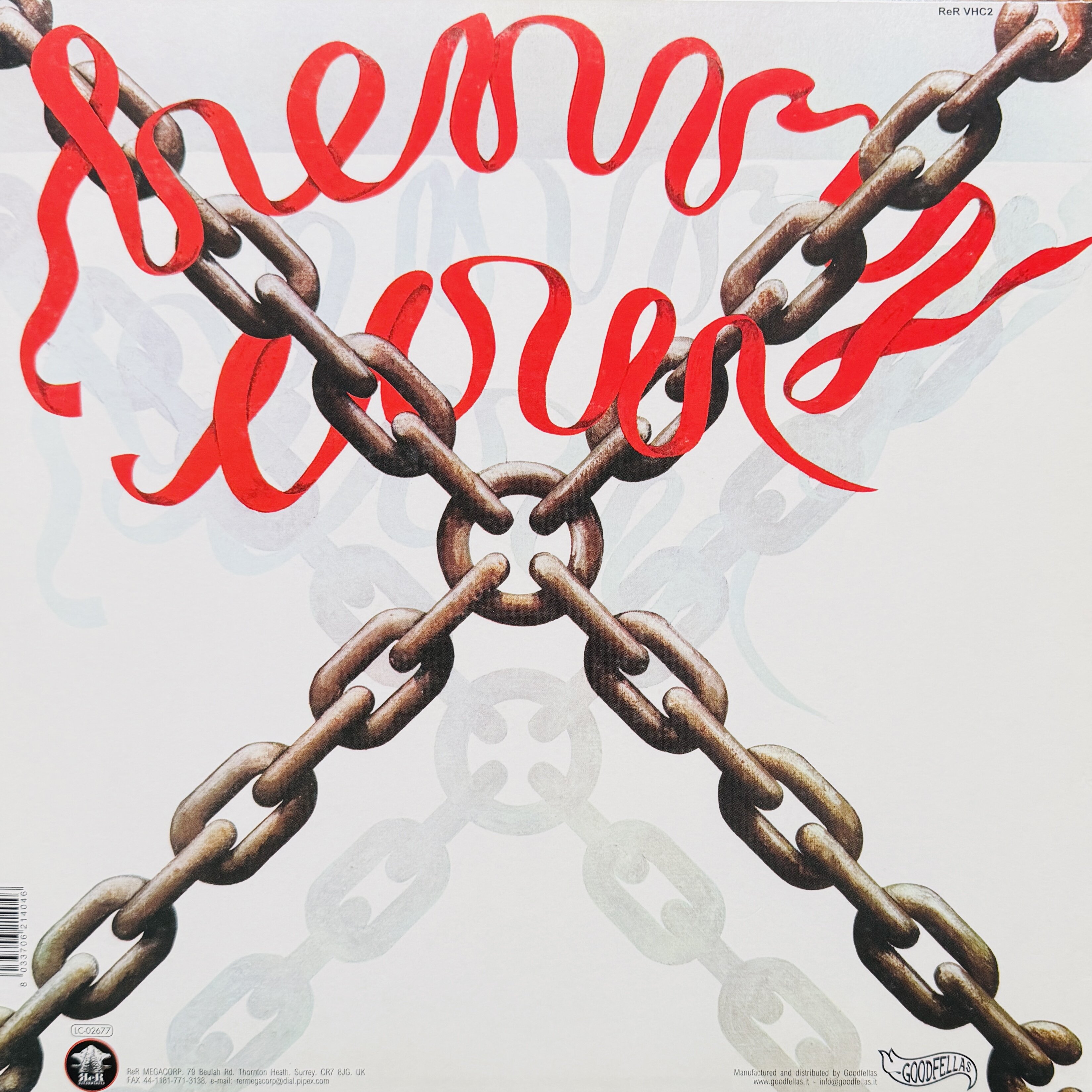
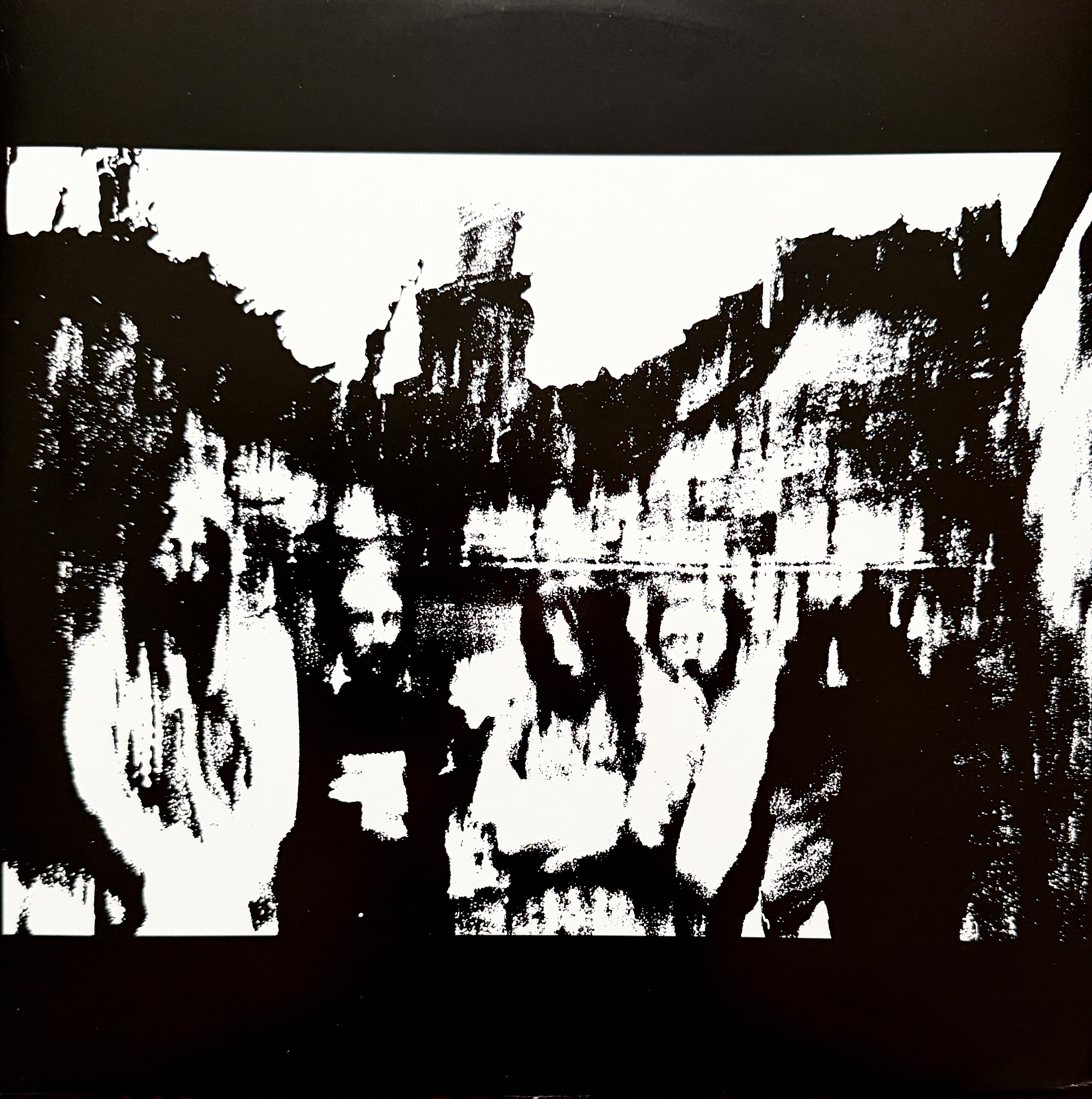
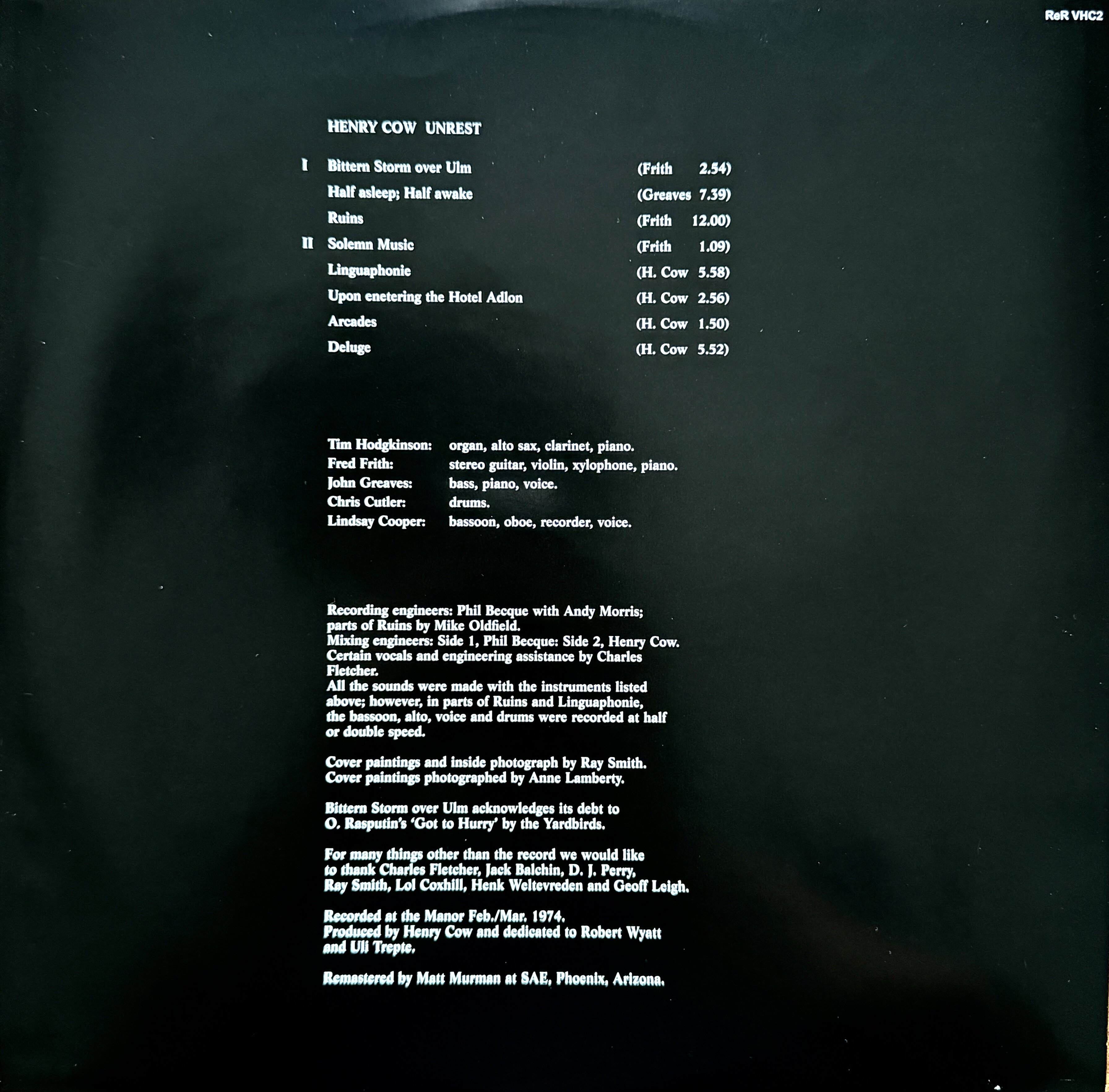
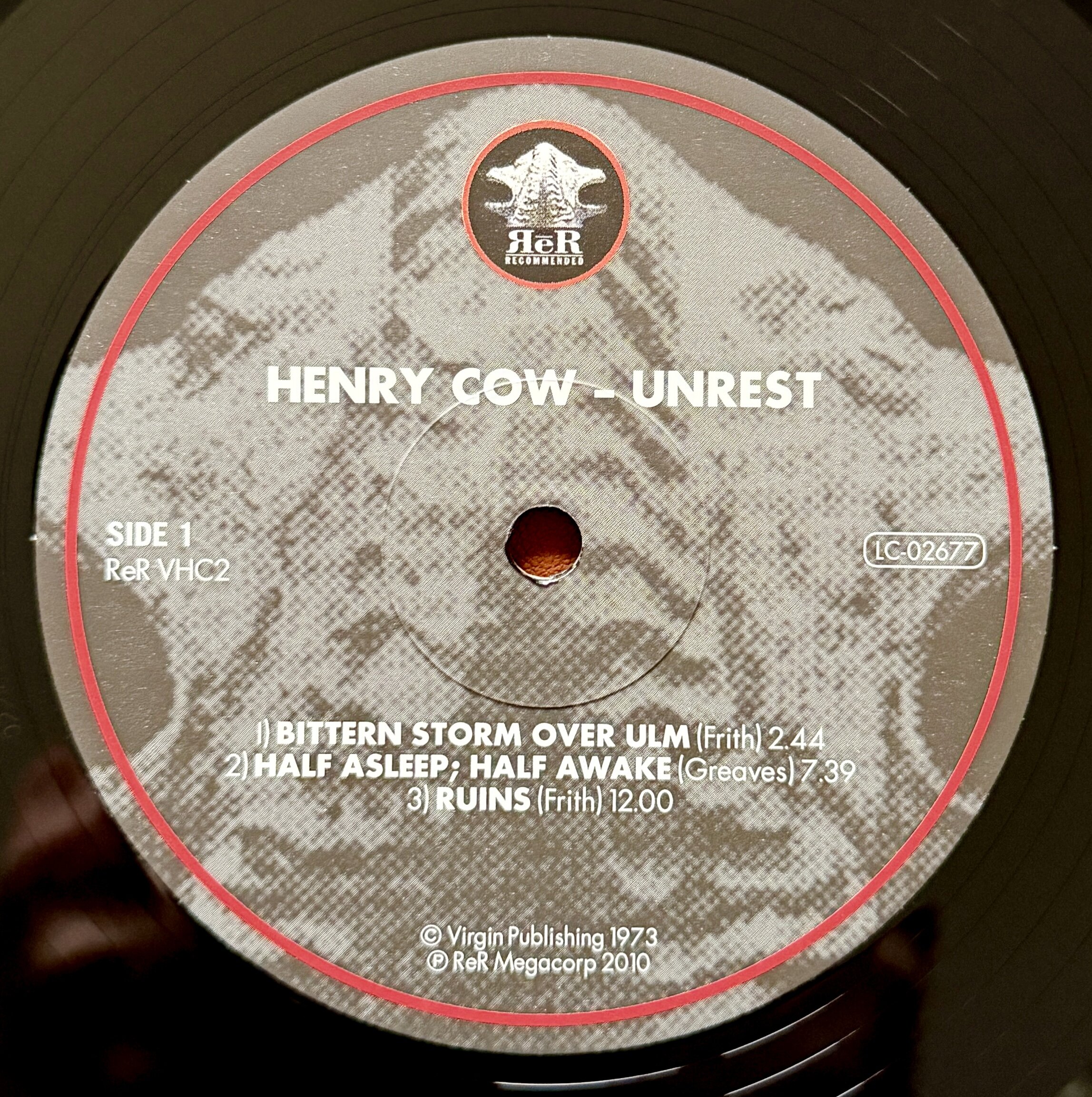
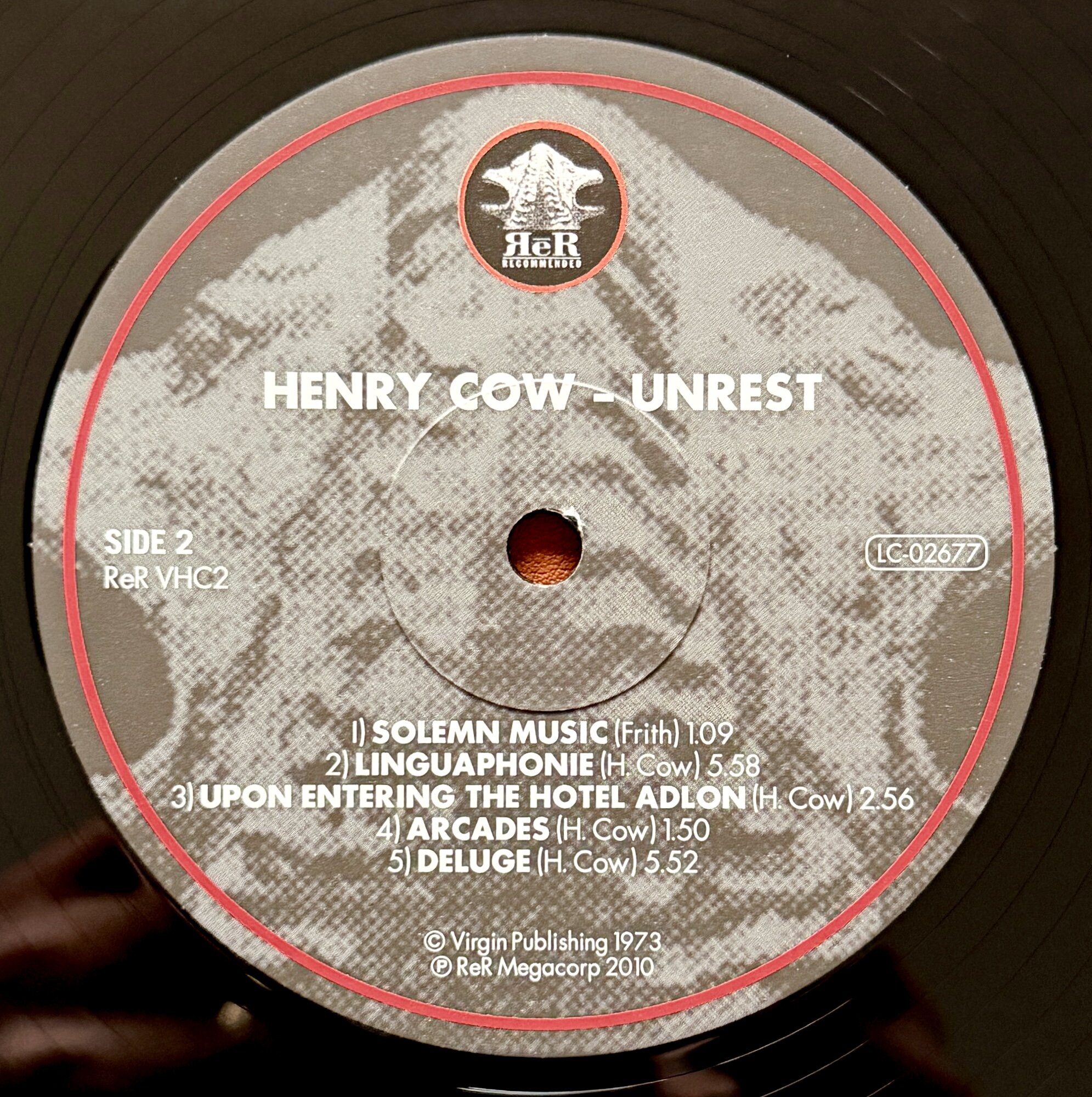
La mia versione è della ReR Megacorp, la label di Chris Cutler (ReR VHC2), pubblicata nel 2017 ed è una ristampa su vinile da 180 grammi ad alta fedeltà in tiratura limitata di 1000 copie. La copertina riproduce fedelmente l'originale e l’album rispetta la tracklist originale del 1974 senza l'aggiunta delle bonus track.
La musica dell’album oscilla tra momenti di quiete spettrale (come il piano in “Half Asleep; Half Awake”) e densi “attacchi” dissonanti di puro rumore organizzato.
Il disco che si divide in due mondi, ognuno con la sua anima. Il Lato A è un viaggio nella composizione, dove ogni brano è un’opera d’arte densa e ben strutturata. “Bittern Storm Over Ulm” è una rivisitazione intricata, quasi una “perversione” (parola di Fred Frith!) di “Got to Hurry” degli Yardbirds. Poi c’è “Half Asleep; Half Awake”, un pezzo delicato guidato dal piano di John Greaves, che evoca atmosfere quasi romantiche. E non dimentichiamoci di “Ruins”, una delle composizioni più famose di Frith, costruita sulla sequenza di Fibonacci per ritmi e armonie.
Passiamo al Lato B, dove l’improvvisazione e lo studio prendono il sopravvento. Qui troviamo brani quasi interamente nati dall’improvvisazione, poi manipolati tecnicamente per creare qualcosa di unico. “Solemn Music” è un breve assaggio delle musiche di scena scritte per La Tempesta di Shakespeare. E poi ci sono “Linguaphonie” e “Upon Entering The Hotel Adlon”, due esempi di “composizione istantanea”, con sovraincisioni frenetiche e voci distorte che creano un’atmosfera surreale.
Insomma, un disco che offre due facce della stessa medaglia, un’esplorazione affascinante tra composizione e improvvisazione.
La copertina riprende il tema del “calzino” (sock-art) che caratterizzava l’esordio “Legend”, ma questa volta in una versione grigio-nera realizzata dall’artista Ray Smith.
L’album è un omaggio a due figure importantissime: Robert Wyatt, che all’epoca aveva subito il grave incidente che lo aveva lasciato paralizzato, e Uli Trepte, il bassista di Guru Guru e Neu!. Nelle registrazioni di “Ruins”, nello stesso studio dove stava lavorando a “Hergest Ridge”, si è unito anche Mike Oldfield, che ha contribuito come ingegnere del suono. Un vero e proprio incontro di menti creative.
Questo album è un mix perfetto (e unico nel suo genere) di disordine e ordine insieme. A differenza del primo disco (Legend), che aveva ancora un po’ di jazz-rock alla Soft Machine, Unrest butta via ogni regola. È un ascolto impegnativo, pieno di spunti e cerebrale, ma con una tensione drammatica che ti tiene incollato. Io lo adoro perché riesce a combinare la precisione della musica colta moderna con l’energia ribelle del rock. Eccellente!
La Mia Versione
Etichetta: ReR Megacorp – ReR VHC2
Formato: Vinile, LP, Album, Reissue, Remastered, Repress
Paese: UK
Uscita: 2017
Tracklist
1. Bittern Storm over Ulm (2:44)
2. Half Asleep; Half Awake (7:39)
3. Ruins (12:00)
4. Solemn Music (1:09)
5. Linquaphonie (5:58)
6. Upon Entering the Hotel Adlon (2:56)
7. Arcades (1:50)
8. Deluge (5:52)
Durata 40:08
LineUp
- Fred Frith - chitarra stereo, pianoforte, violino, xilofono
- Tim Hodgkinson - organo, pianoforte, sassofono alto, clarinetto, voce
- Lindsay Cooper - fagotto, oboe, flauto dolce, voce
- John Greaves - basso, pianoforte, voce
- Chris Cutler - batteria
Con:
- Charles Fletcher – voce
- Ingegnere del Suono, Parts Of Ruins – Mike Oldfield
Link per l’ascolto sulle principali piattaforme di streaming ai seguenti link:
- Bandcamp: Puoi ascoltare e acquistare l'album (versione rimasterizzata) direttamente sulla pagina ufficiale degli Henry Cow su Bandcamp.
- YouTube Music: L'album completo è disponibile gratuitamente (con pubblicità) sulla playlist ufficiale di YouTube Music.
- Deezer: È disponibile per l'ascolto gratuito (con limitazioni per i non abbonati) su Deezer.
- Apple Music: Puoi ascoltare la versione rimasterizzata tramite abbonamento su Apple Music.
- Amazon Music: Disponibile con abbonamento su Amazon Music.
Nota: Tutti i link ai lavori dei musicisti sono nei TAG sotto il titolo dell'articolo o nella pagina "Artisti"