

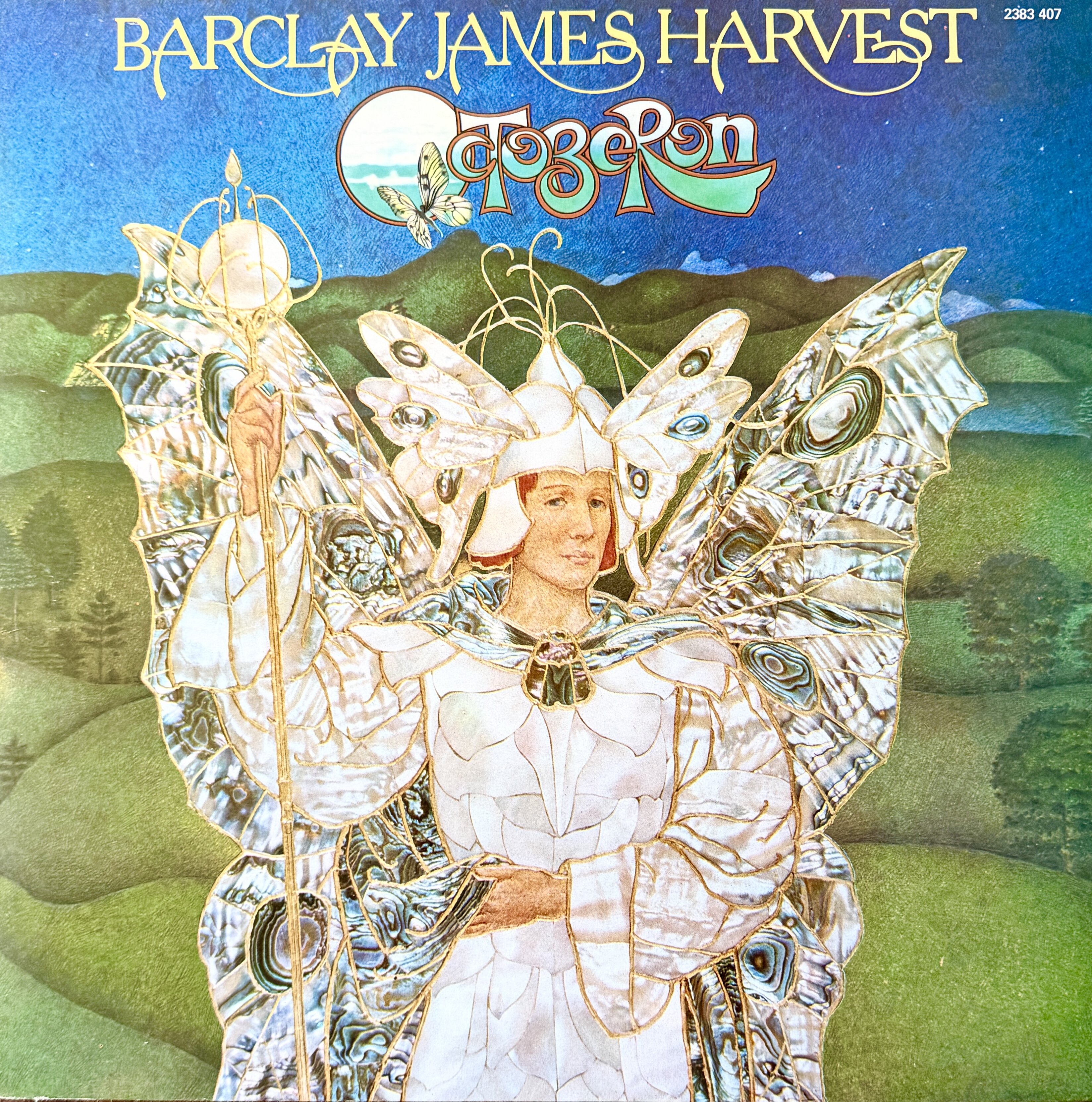
Octoberon dei Barclay James Harvest, album del 1976.
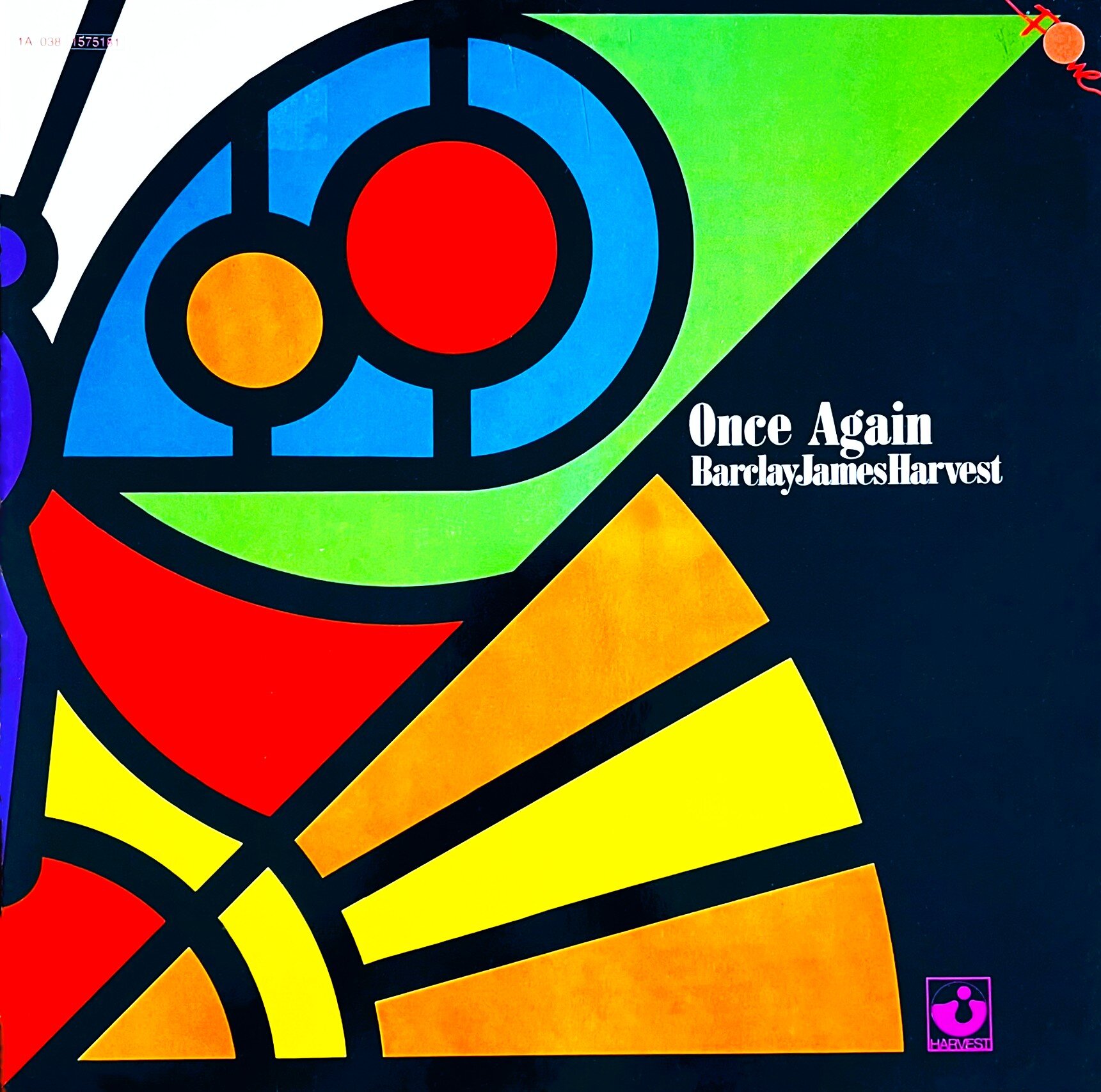
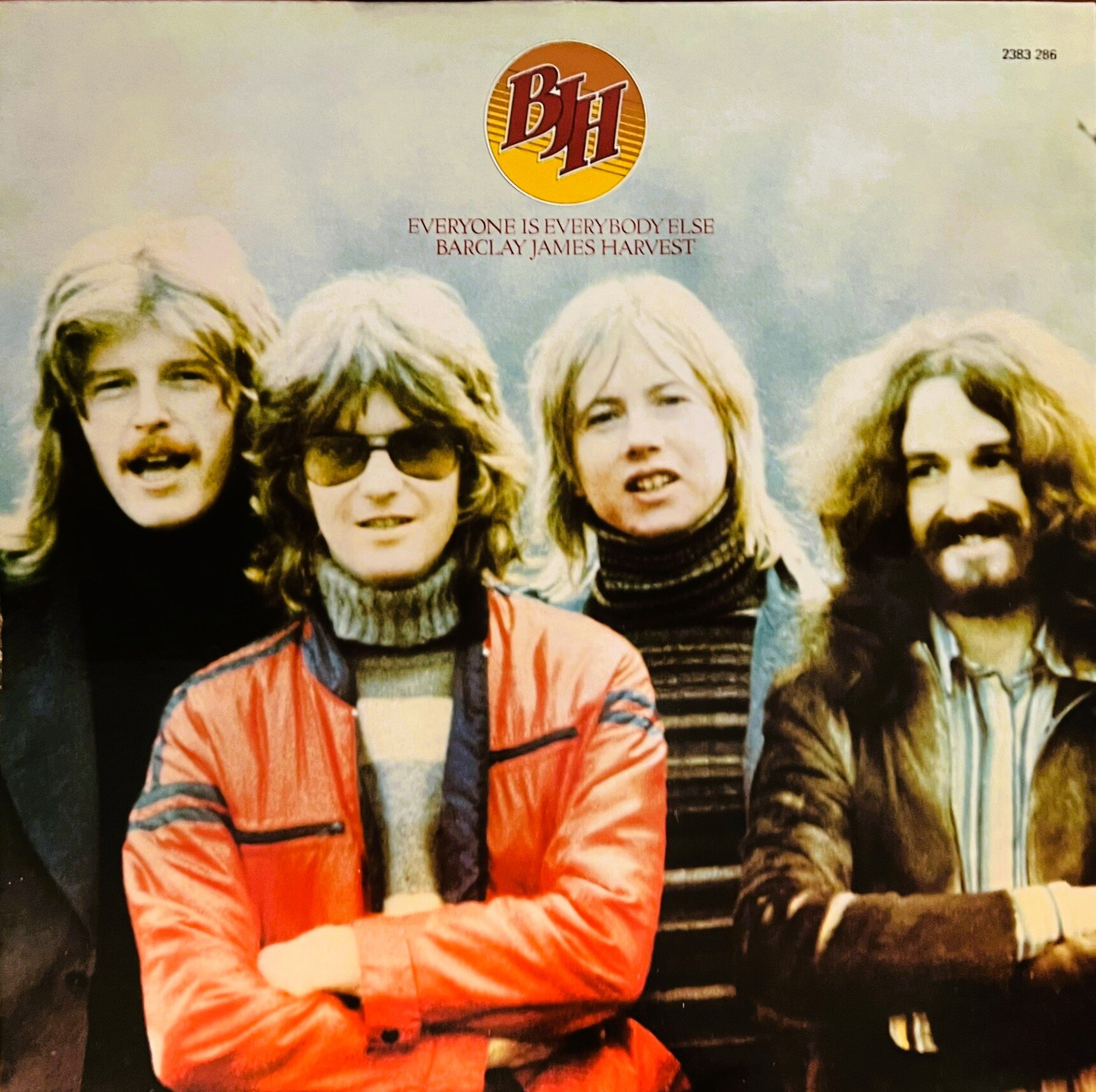
Su Progressive Rock World, i Barclay James Harvest sono riconosciuti come pilastri del rock sinfonico, con le loro raffinate orchestrazioni e il loro sound malinconico. Di questa band ho recensito l’album che ha segnato il passaggio al “suono monumentale”, Once Again, che vede la prima apparizione della Farfalla come logo, ma anche Everyone Is Everybody Else, il picco della loro produzione, il loro capolavoro progressive-rock purtroppo troppo poco considerato, e il loro lavoro più recente, Relativity dei John Lees' Barclay James Harvest, del 2025.
Octoberon, uscito il 1° ottobre 1976, è il loro settimo album in studio, uno dei loro lavori migliori. La realizzazione dell’album è stata caratterizzata da un intoppo imprevisto: il gruppo si era inizialmente recato a San Francisco con l’intento di collaborare con il produttore Elliot Mazer, famoso per il suo lavoro con Neil Young e il suo album Harvest. Purtroppo, dopo sei settimane di attesa senza che nulla accadesse, i Barclay James Harvest decisero di tornare in Inghilterra e di produrre l’album autonomamente.
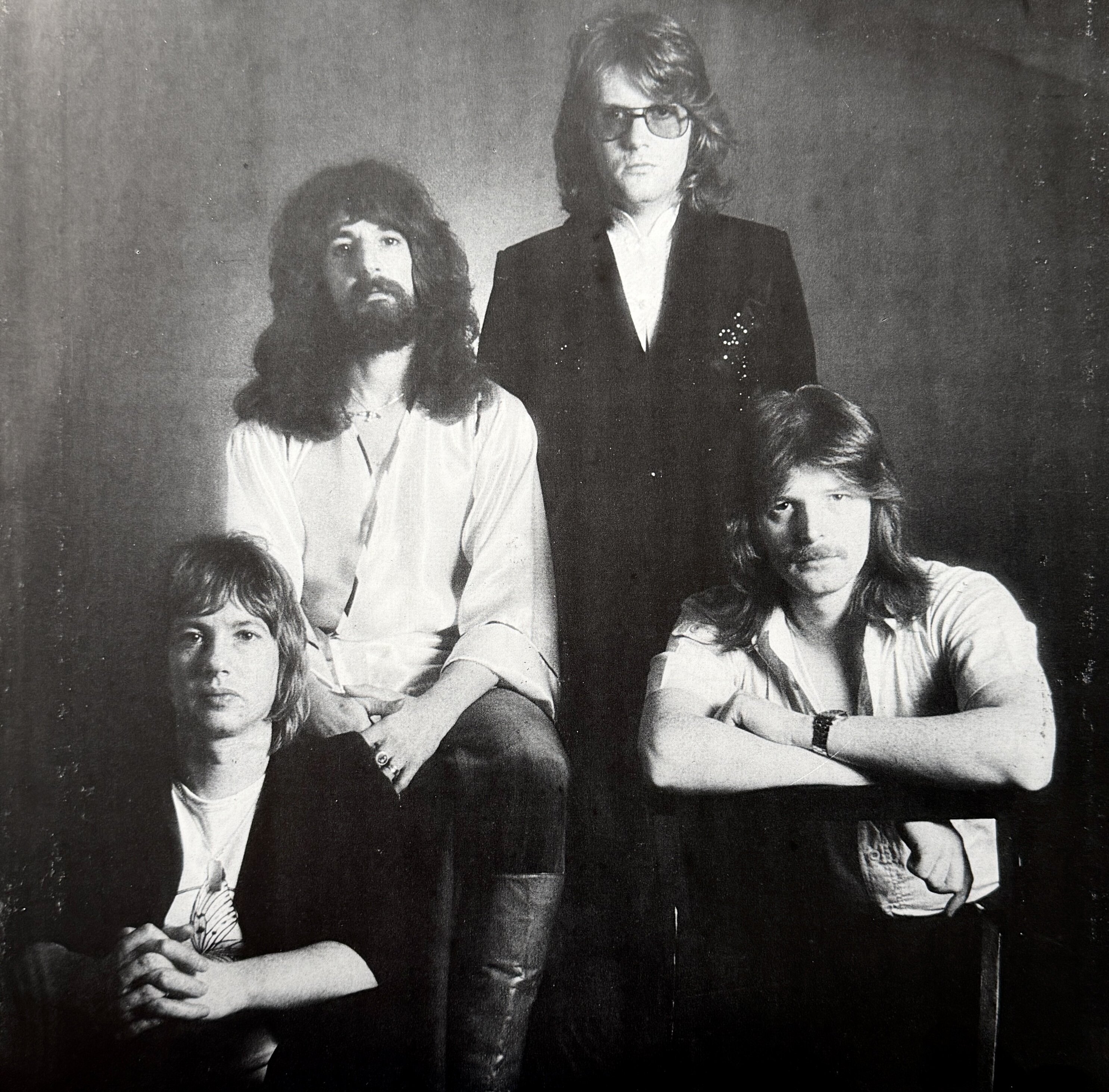
Tra il precedente album, “Time Honoured Ghosts” (1975) e “Octoberon” (1976), la formazione rimase invariata. Il quartetto originale, quello che aveva dato vita al gruppo nel 1966, continuava a suonare insieme: John Lees alle chitarre e alla voce, Les Holroyd al basso, chitarre e voce, Stuart “Woolly” Wolstenholme alle tastiere, Mellotron e voce, e Mel Pritchard alla batteria e percussioni. Un album parte del “periodo d’oro” della formazione classica. Il primo vero stravolgimento arrivò nel 1979, quando Woolly Wolstenholme decise di lasciare la band a causa di disaccordi sulla direzione musicale. Da quel momento in poi, i Barclay James Harvest proseguirono come trio per il resto della loro carriera.
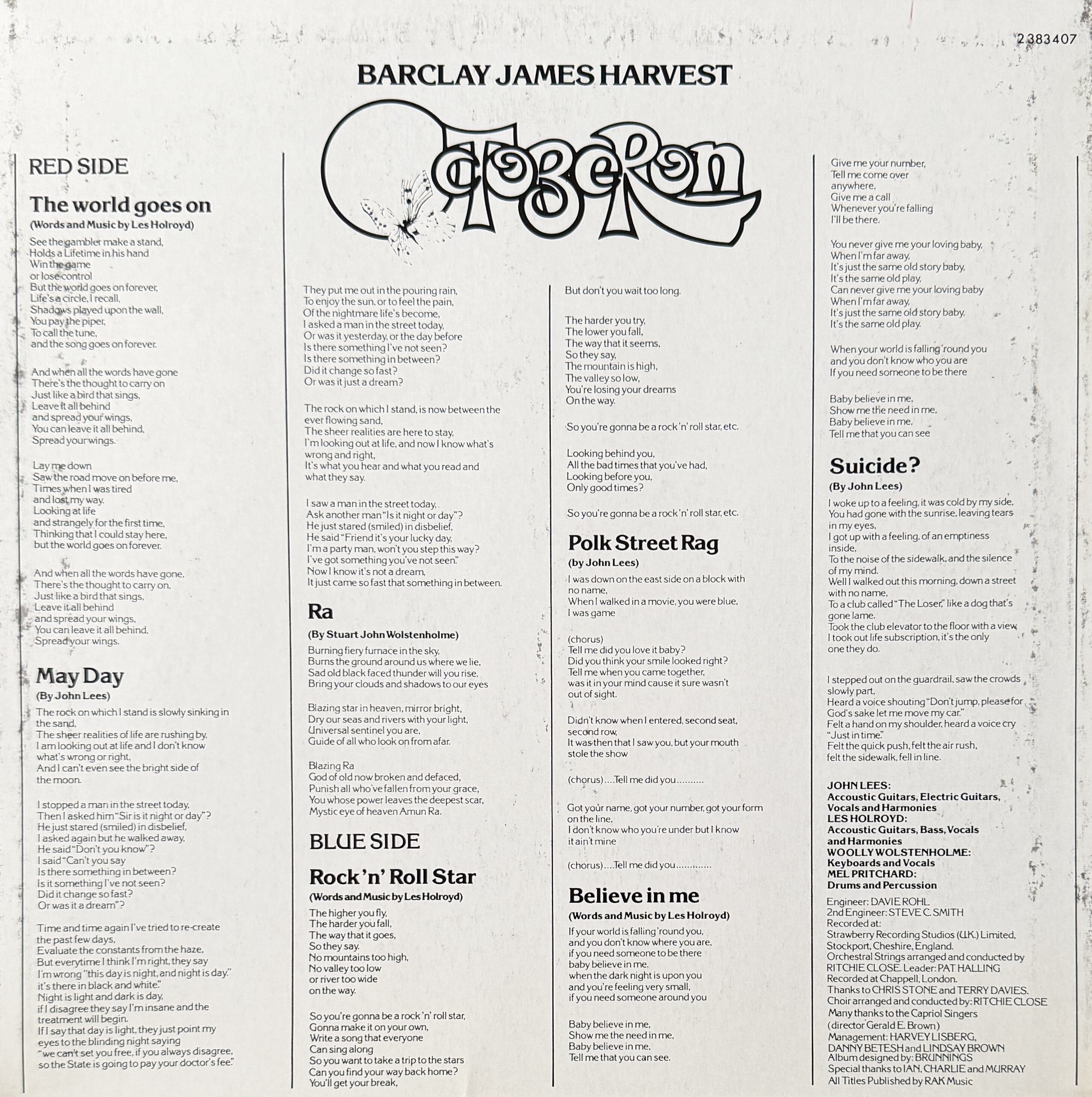
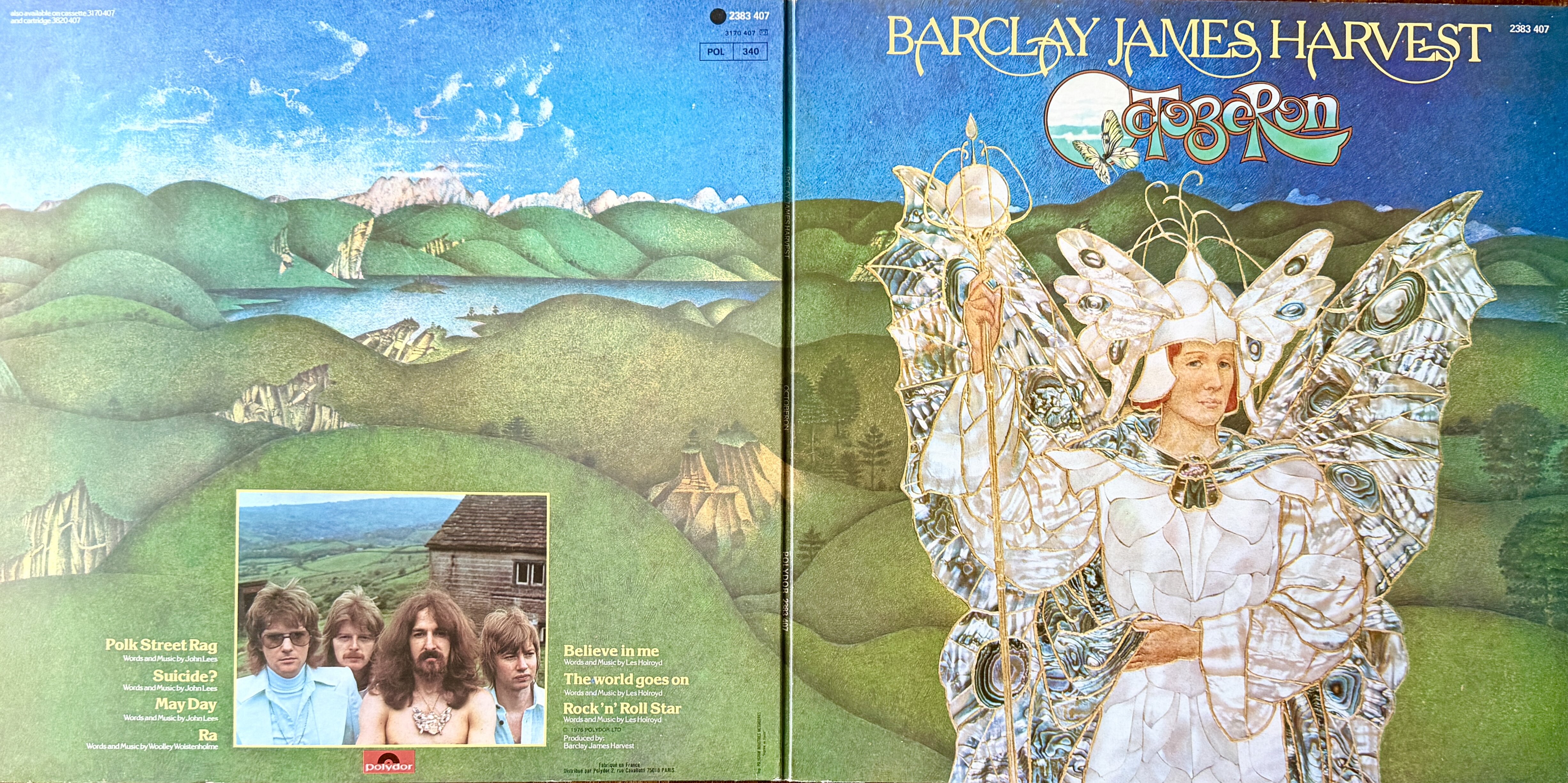
Il titolo “Octoberon” gioca con diversi riferimenti: Oberon, il re delle fate del “Sogno di una notte di mezza estate” di Shakespeare, il fatto che fosse l’ottavo album della band (contando anche una raccolta) e il mese di uscita, ottobre. Anche se non è un concept album nel senso classico, “Octoberon” è unito da un filo tematico e atmosferico ben definito. Il richiamo a Oberon, il sovrano delle fate, evoca un mondo onirico e mitologico, ma i testi contrastano questa evasione fantastica con una lucida analisi della realtà. Canzoni come “Ra” esaltano il mito e il divino, trovando rifugio nella maestosità e nell’antichità. Altre, come “Suicide?” e “Polk Street Rag”, trattano temi del disagio psicologico e del degrado sociale. L’album esplora continuamente gli opposti. L’esempio più lampante è “May Day”, dove il tema centrale è lo scontro tra ideologie politiche contrapposte. Anche la struttura musicale riflette questo caos: il brano parte infatti come una ballata folk-rock e si conclude in una cacofonia orchestrale, dove temi patriottici e rivoluzionari si scontrano, per evidenziare l’incapacità dell’uomo di trovare un punto d’incontro. In quel periodo, i BJH sentivano la pressione di dover affermare la propria identità sonora. Volevano dimostrare di poter essere allo stesso tempo una band di rock sinfonico colto e una pop band di successo. “Octoberon” è un album che riflette infatti sulla condizione di musicisti in bilico tra l’arte pura e le esigenze del mercato discografico.
Octoberon rappresenta l’apice dell’equilibrio tra rock progressivo sinfonico e pop melodico raffinato. Spesso viene definito un “suono orchestrale senza orchestra”, merito dell’uso sapiente dei sintetizzatori. Pur avendo adottato sintetizzatori più all’avanguardia, il Mellotron rimane il cuore pulsante dell’album. Woolly Wolstenholme lo sfrutta per tessere tappeti sonori densi e drammatici che imitano archi e cori, donando all’opera quel tono epico e malinconico tipico del “BJH sound”. L’influenza della musica classica è palpabile. In “Ra”, le dinamiche si alternano tra momenti di silenzio assoluto e esplosioni sonore grandiose, con una struttura che ricorda i poemi sinfonici del tardo Romanticismo. La band non si limita a copiare lo stile classico, ma ne assorbe la maestosità per applicarla al formato della canzone rock.
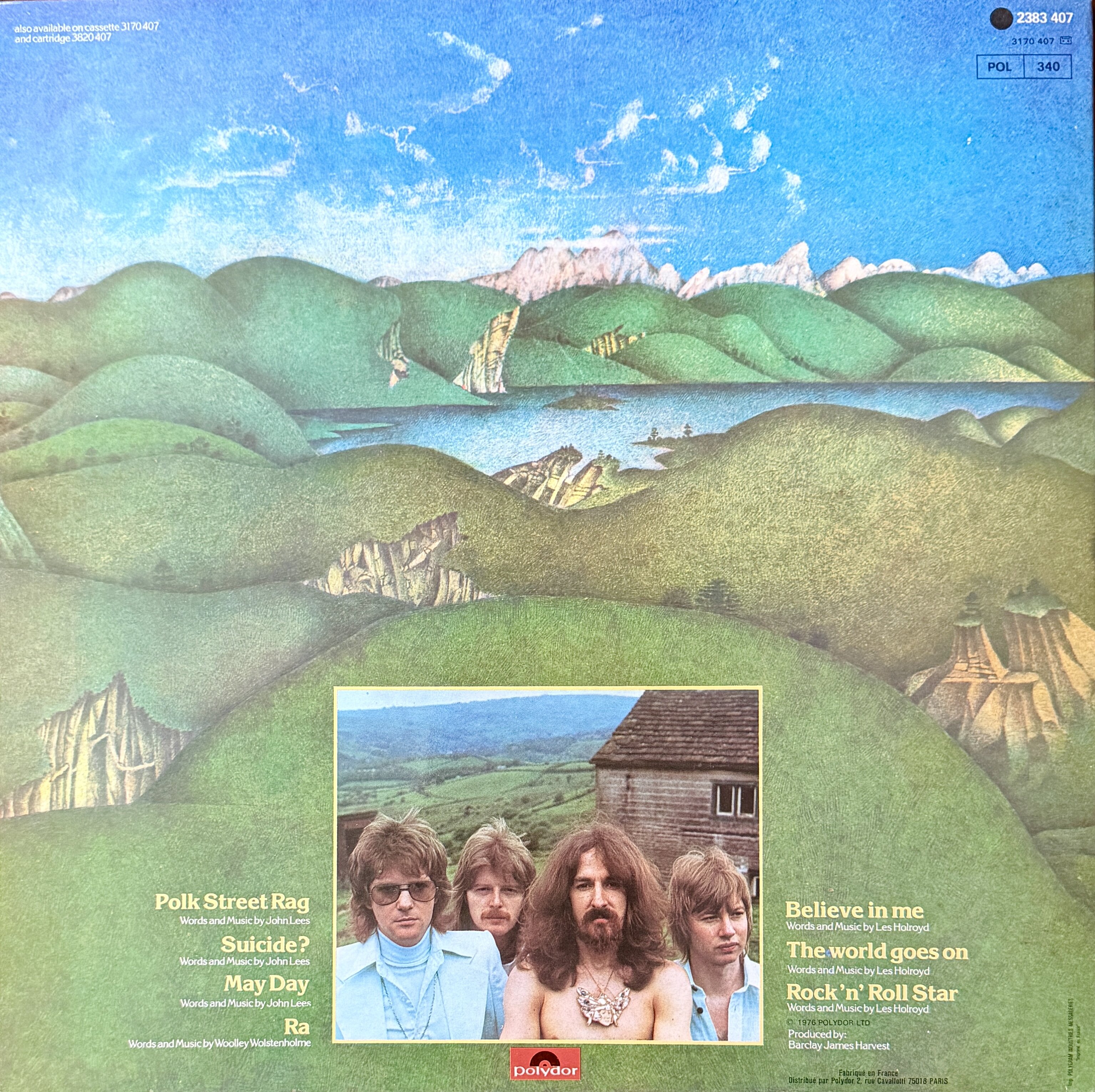
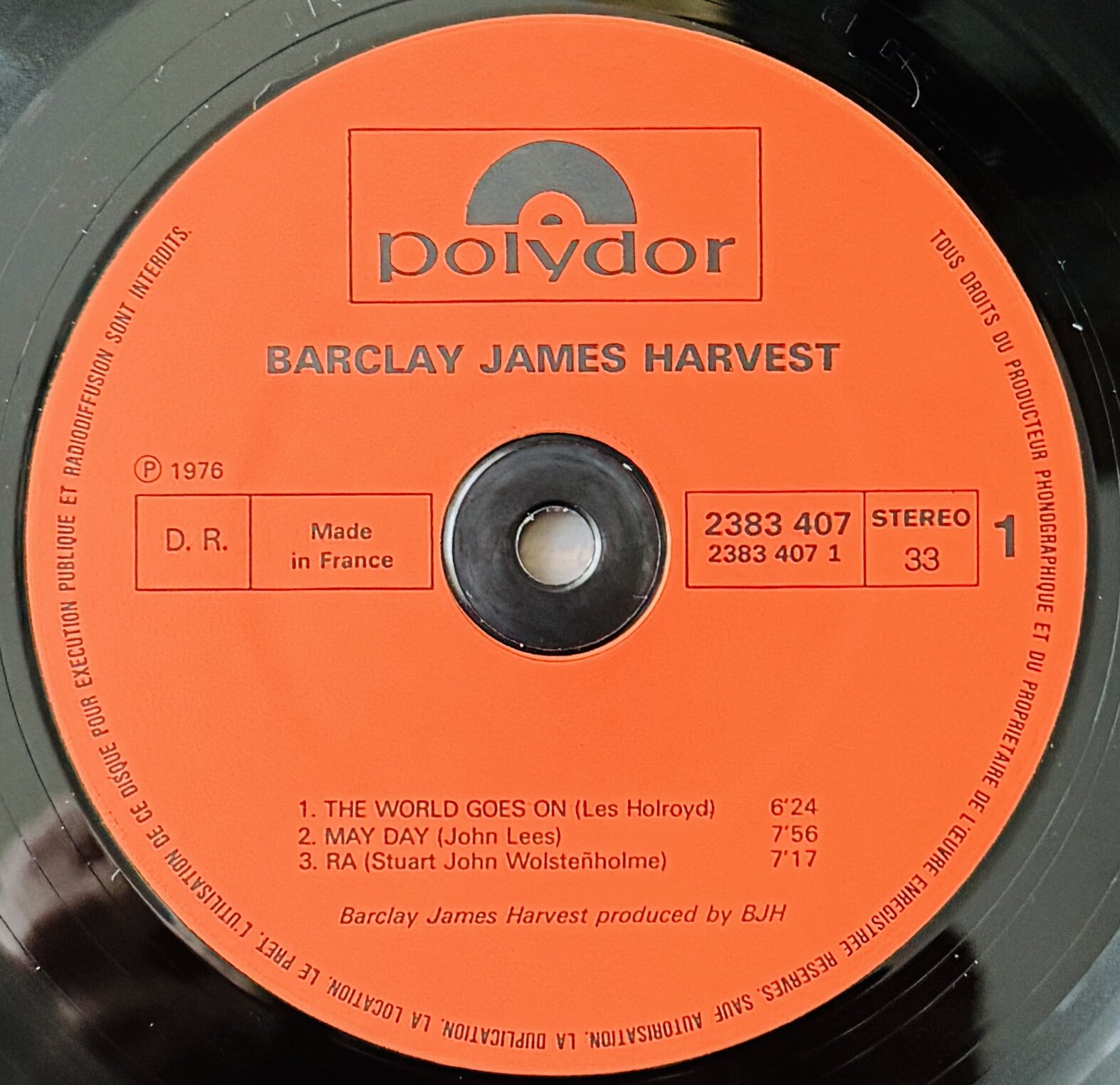
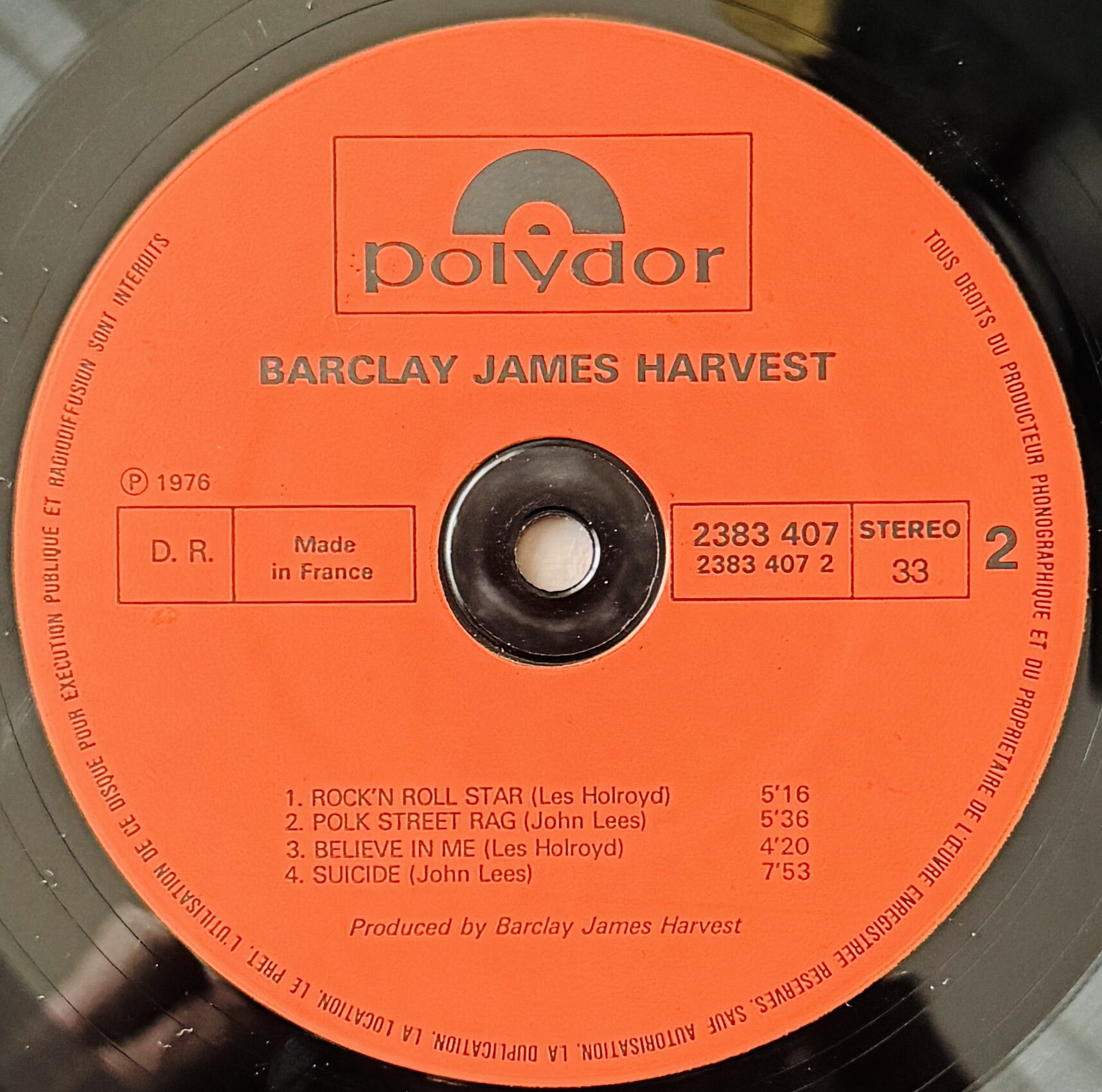
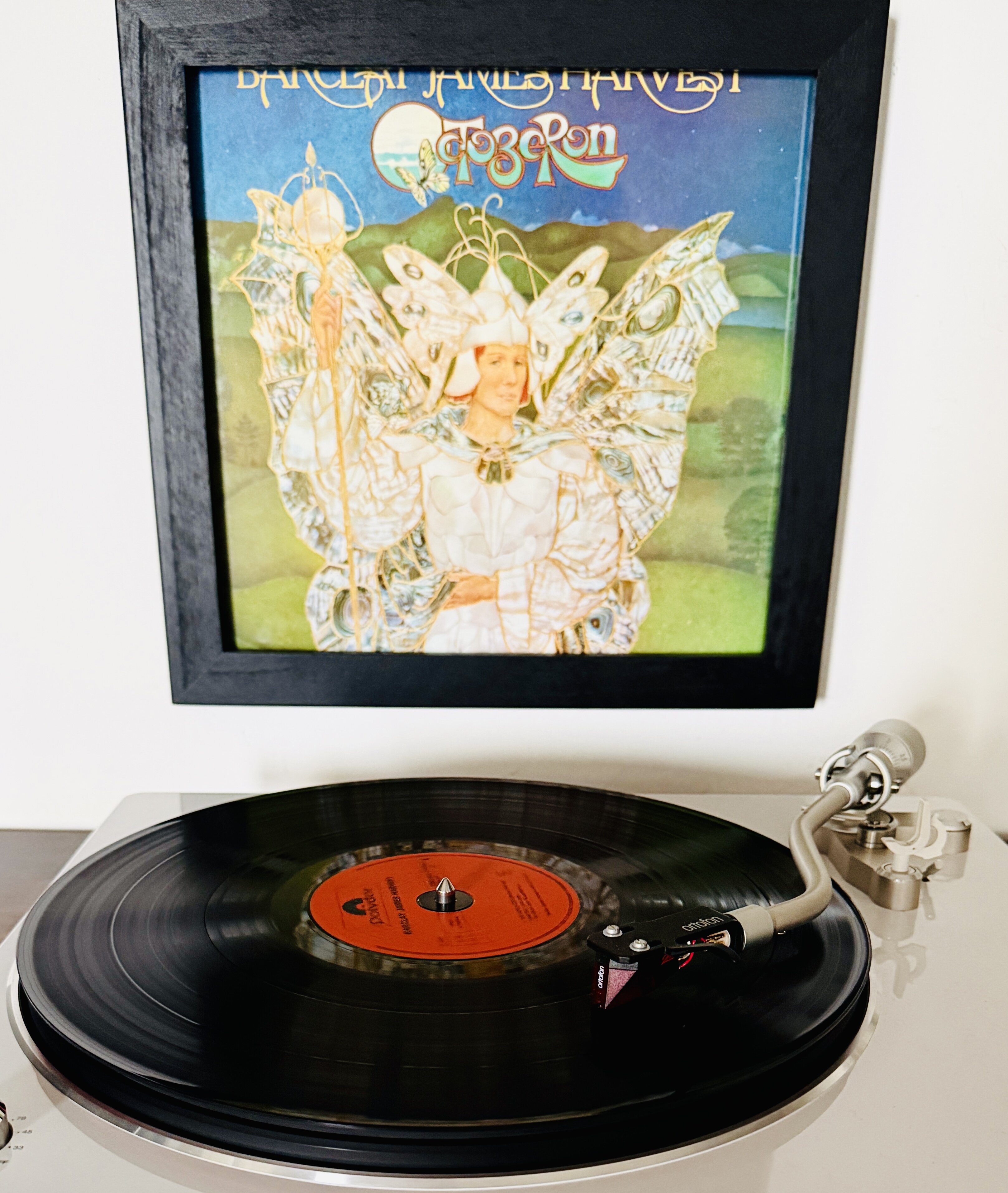
Ho la prima stampa originale in vinile del 1976, la versione Polydor 2383 407.
L’album inizia con “The World Goes On”, una ballata pastorale malinconica che evoca un’atmosfera onirica. La voce di Les Holroyd è in primo piano, mentre Mel Pritchard accompagna con una batteria essenziale ma incisiva. La parte centrale si sviluppa in un’orchestrazione raffinata curata da Ritchie Close.
“May Day” è un brano articolato che indaga il tema dell’estremismo politico. Il testo ambiguo e forte di John Lees è accompagnato da una coda finale memorabile, un’idea di Woolly Wolstenholme, in cui i Capriol Singers eseguono simultaneamente sei diverse canzoni patriottiche e socialiste, creando un effetto di caos unico.
“Ra” è un pezzo drammatico e progressive dedicato al dio del sole egizio. Il brano include un motivo musicale preso in prestito da Mahler e rappresenta il culmine dell’espressione sinfonica delle tastiere di Woolly nell’album.
“Rock ’n’ Roll Star” è il brano più ritmico e orecchiabile del disco, caratterizzato da un eccellente lavoro di armonie vocali collettive. Nonostante il titolo rock, conserva un’eleganza melodica tipica del gruppo.
“Polk Street Rag” è una traccia energica e inusualmente hard per la band, ispirata al film Deep Throat. John Lees offre riff di chitarra elettrica più decisi e un’interpretazione vocale energica.
“Believe In Me” è una ballata melodica e breve, considerata uno dei momenti più pop e accessibili dell’album, che mette in evidenza melodie immediate supportate da sintetizzatori moderni per l’epoca.
“Suicide?” è il brano di chiusura, cupo, fluttuante e profondamente toccante. John Lees crea una struttura che richiama la loro celebre “Child of the Universe”. La traccia si conclude con un design sonoro teatrale (passi, suoni ambientali) che chiude l’album in modo inquietante e originale.
Questo album è il frutto dell’incontro tra tre approcci differenti: quello di John Lees, che porta il lato più chitarristico e rock, con assoli puliti e melodici ma con un tocco pastorale inglese; quello di Les Holroyd, autore delle ballate pop-soft e radiofoniche, caratterizzate da armonie vocali curate e ritmi più lineari; e infine quello di Woolly Wolstenholme, l’anima più sperimentale e magniloquente, che spinge la band verso arrangiamenti complessi e stratificati. Un album pieno di momenti molto coinvolgenti e commoventi, grandissime composizioni, raffinate e appassionanti. Ottimo album!
La Mia Versione
Etichetta: Polydor – 2383 407
Formato: Vinile, LP, Album, Gatefold
Paese: France
Uscita: 1 ott 1976
Tracklist
A1 The World Goes On 6:24
A2 May Day 7:56
A3 Ra 7:17
B1 Rock ' N ' Roll Star 5:16
B2 Polk Street Rag 5:36
B3 Believe In Me 4:20
B4 Suicide? 7:53
LineUp
- John Lees - voce principale e cori, chitarre acustiche
ed elettriche - Stuart "Woolly" Wolstenholme - voce, tastiere
- Les Holroyd - voce principale e cori, basso, chitarra
acustica - Mel Pritchard - batteria, percussioni
Con:
- The Capriol Singers - coro (2)
- Gerald Brown - direttore del coro
- Ritchie Close - coro e archi (1) arrangiatore e direttore d'orchestra
Link per l’ascolto sulle principali piattaforme di streaming ai seguenti links:
YouTube: Playlist completa dell'album su YouTube o la versione deluxe con bonus track su YouTube Music.
Spotify: Album completo disponibile su Spotify o in versione compilation su Spotify Italy.
Deezer: L'album è presente nel catalogo dell'artista su Deezer.
Amazon Music: Disponibile per lo streaming o l'acquisto su Amazon.it. [1, 2, 3, 4, 5, 6]
Nota: Tutti i link ai lavori dei musicisti sono nei TAG sotto il titolo dell'articolo o nella pagina "Artisti"
.jpeg "Relativity dei John Lees' Barclay James Harvest")