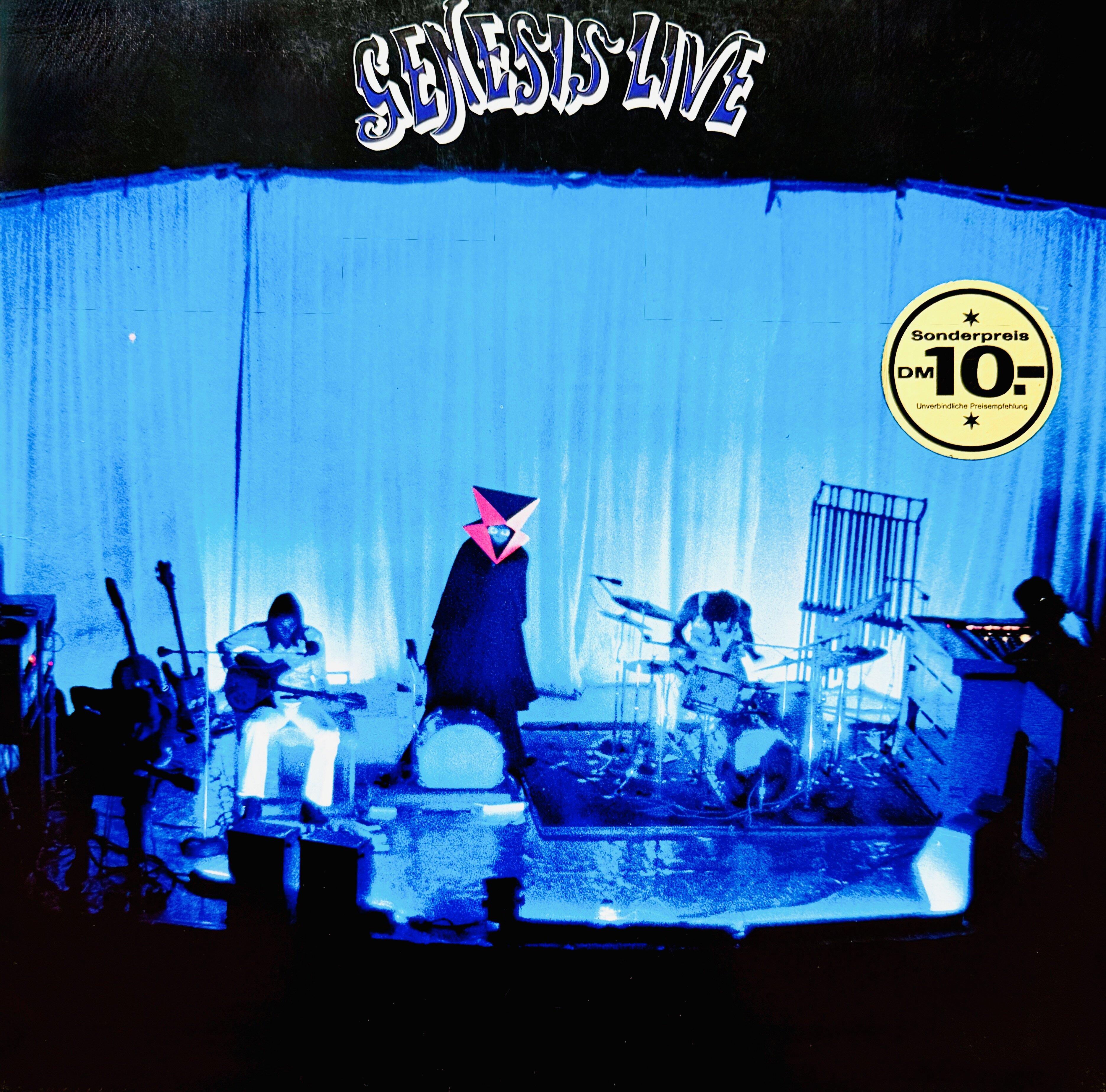
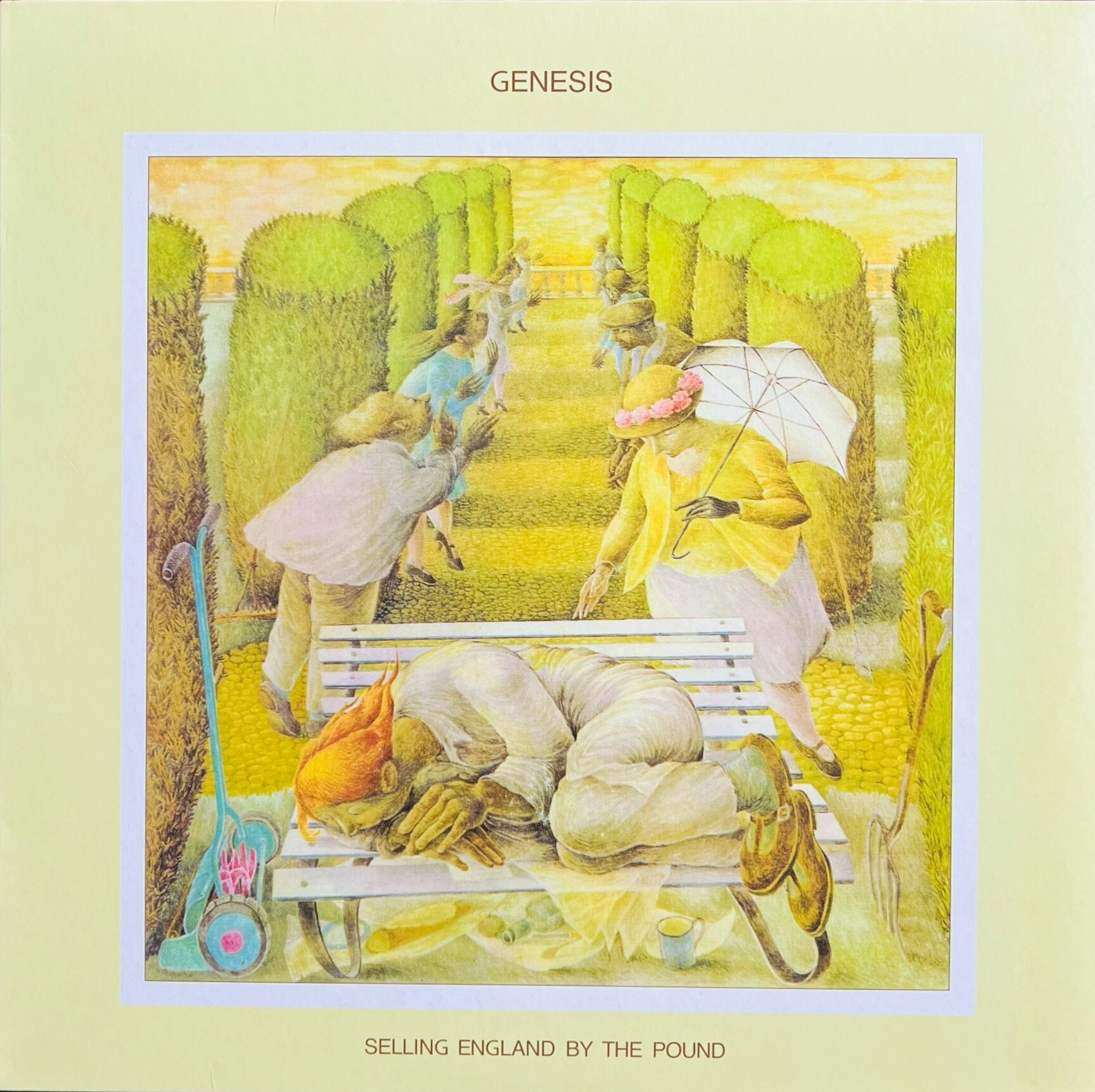
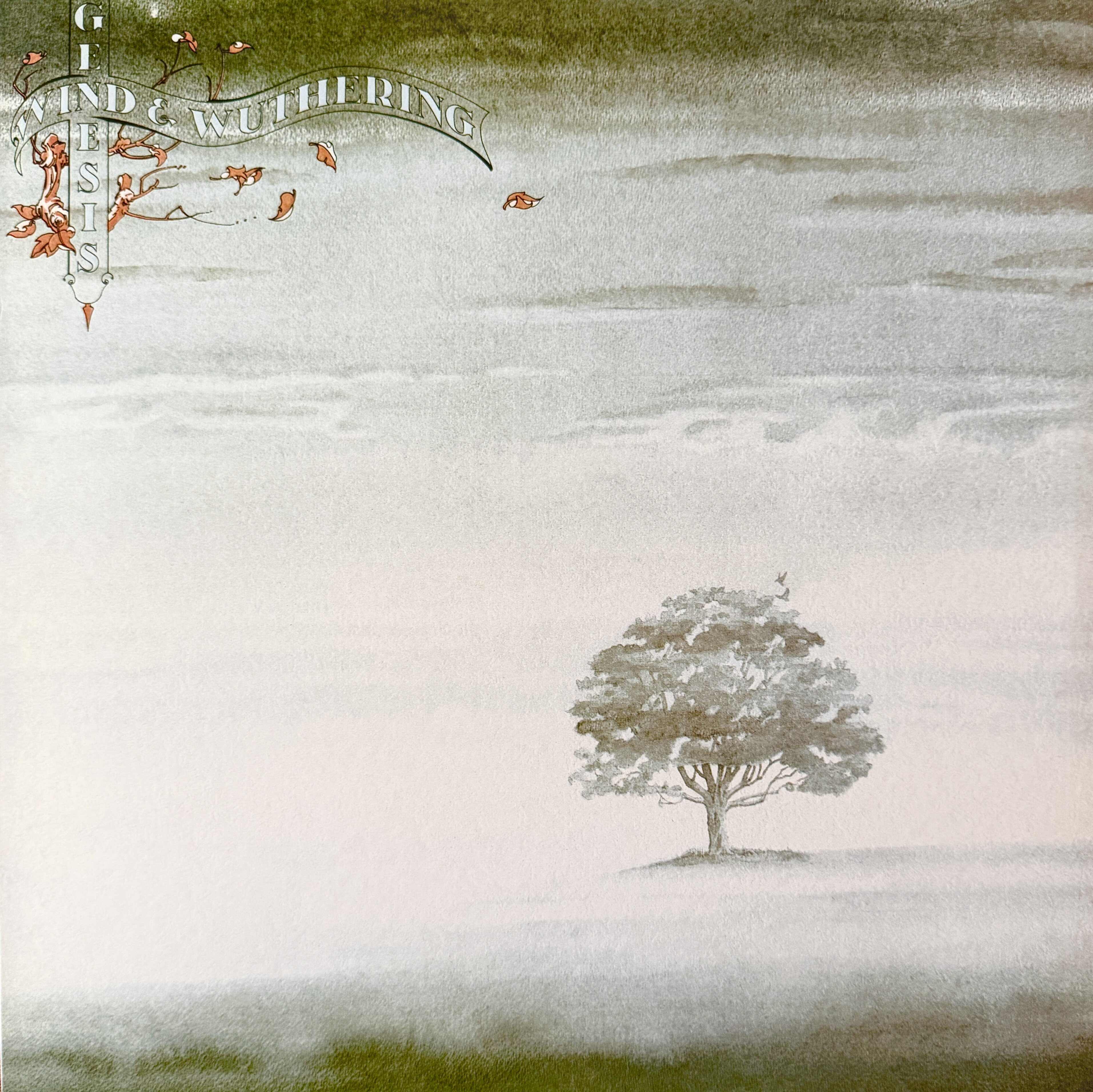
Wind & Wuthering by Genesis (1976) album.
This album is Genesis' second without Peter Gabriel and the last with guitarist Steve Hackett, who decided to leave the group shortly after to pursue his solo career. In 1976, Genesis had just gotten over Peter Gabriel's departure with the release of "A Trick of the Tail." During the recording of this new album, some creative differences began to be felt. Steve Hackett, in particular, felt he didn't have enough space for his songs in Tony Banks' keyboard-rich sound.
Wind & Wuthering is the latest Genesis album that can be defined as truly progressive rock. Compared to A Trick of the Tail, this record is less lively, but deeper, reflective, romantic and, at times, melancholic. The title and the basic idea of the album are closely linked to English literature and the autumn atmosphere. It is a truly evocative work, with a common thread that unites both the lyrics and the music. The title, "Wind & Wuthering," is a tribute to the famous novel "Wuthering Heights" by Emily Brontë. "Wuthering" means the fury of the wind, while "Wind" is the continuation of it, as if to represent the breath and the melancholic and autumnal atmosphere that pervades the whole album.
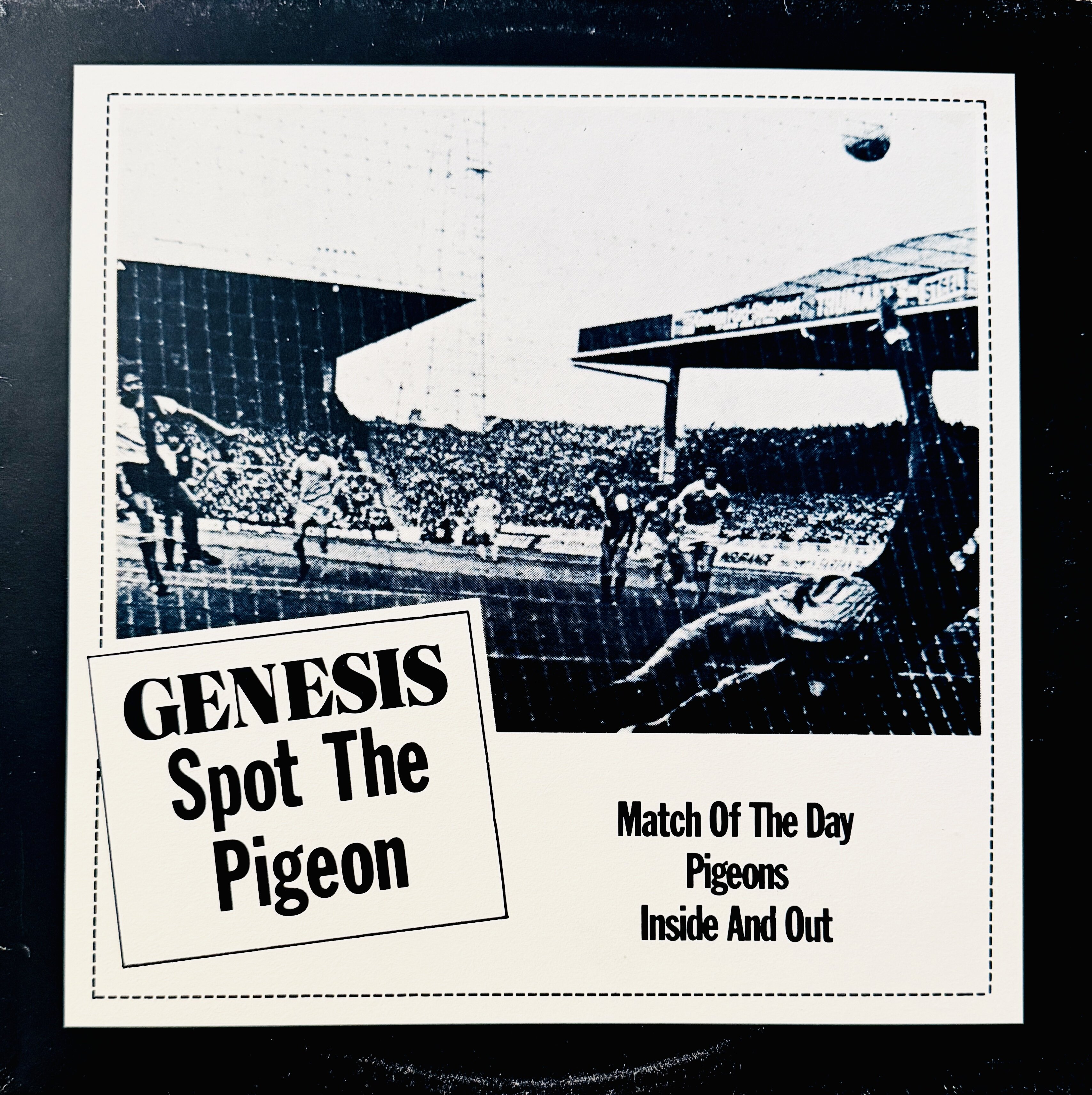
The recording sessions were very productive. The band ended up with a lot of material, more than could fit on a single LP. In the end, three songs were set aside for the album, mainly due to space issues and because not everyone agreed on the musical direction. These tracks were released in May 1977 on the EP "Spot the Pigeon". These are "Inside and Out", "Pigeons" and "Match of the Day", which I will tell you about in a dedicated review.
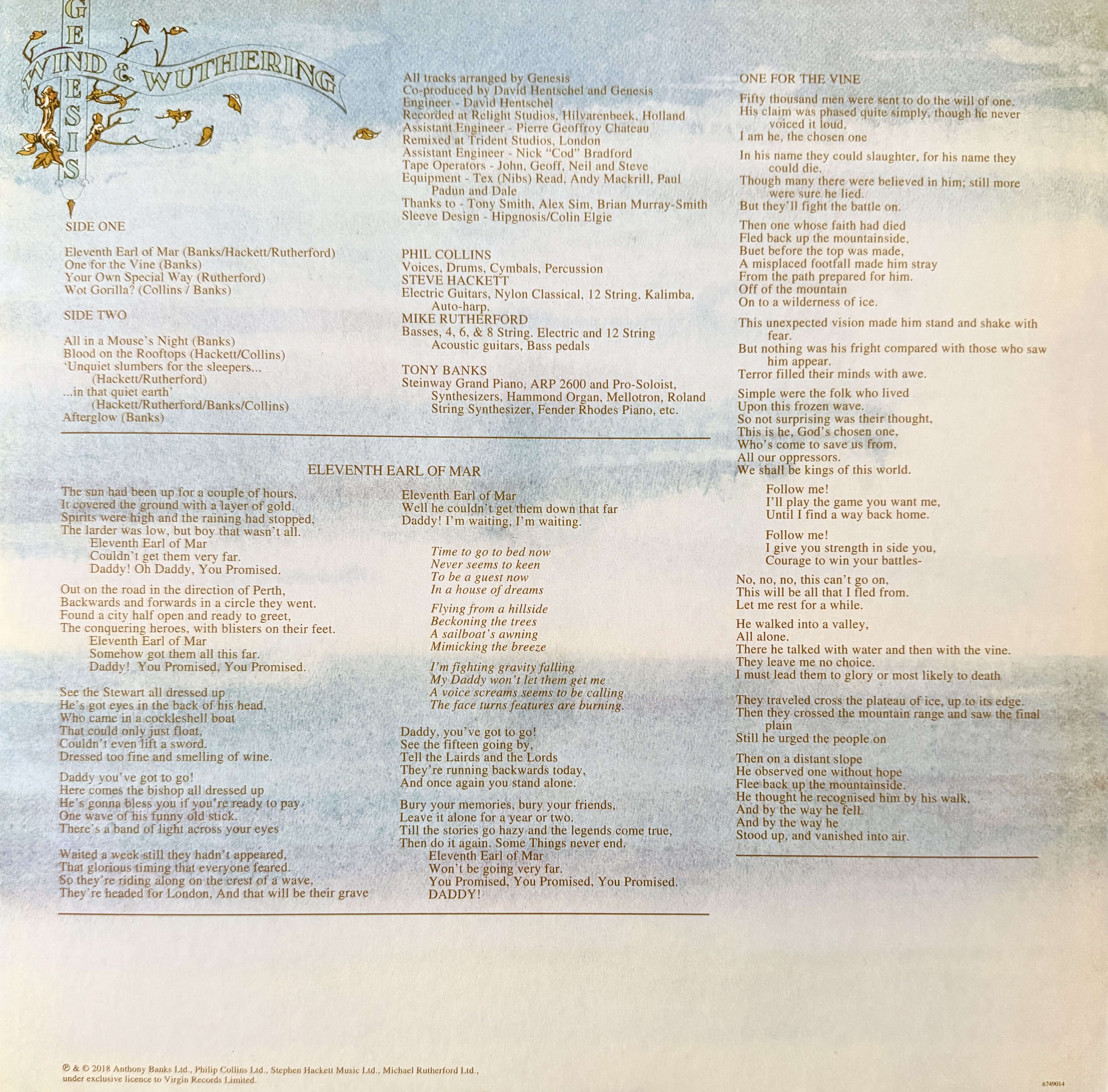
Wind & Wuthering is not a classic concept album but it is united by a really strong theme and atmosphere. The entire record is filled with melancholy, twilight romance, and a sense of loss that touches the heart. The music makes you feel the change of seasons and the end of an era. Tracks like "One for the Vine," which talks about the loneliness of a spiritual leader, and "Blood on the Rooftops," which compares nostalgia for the past with the boredom of modern TV, explore disenchantment and memories. The beginning of the album, "Eleventh Earl of Mar", is inspired by true historical events, such as the Jacobite Rebellion of 1715, and links the album to the tradition of English historical tales. It is an exciting journey through the English moors, where the wind and autumn cold become metaphors for human loneliness and the passing of time.
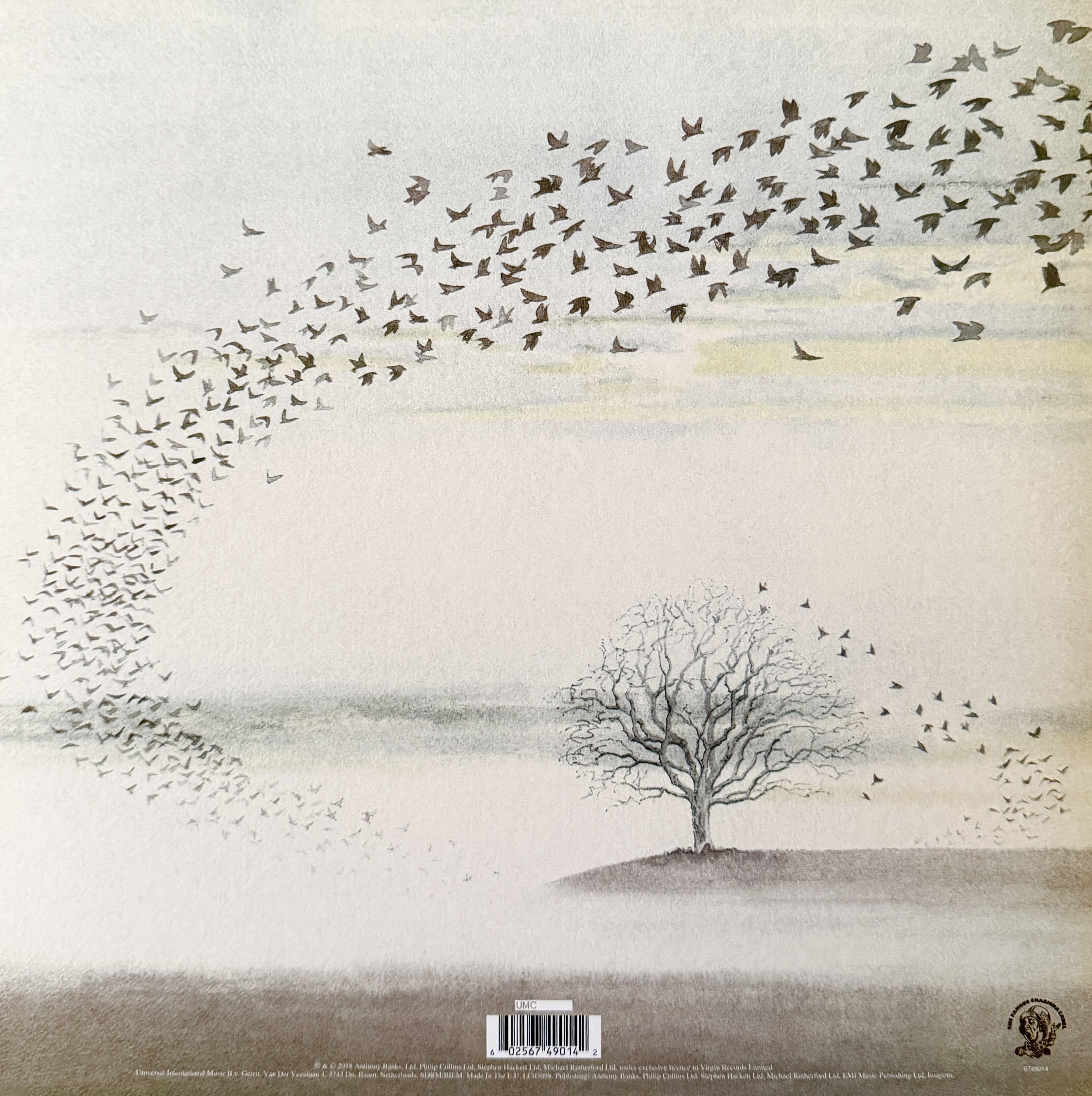
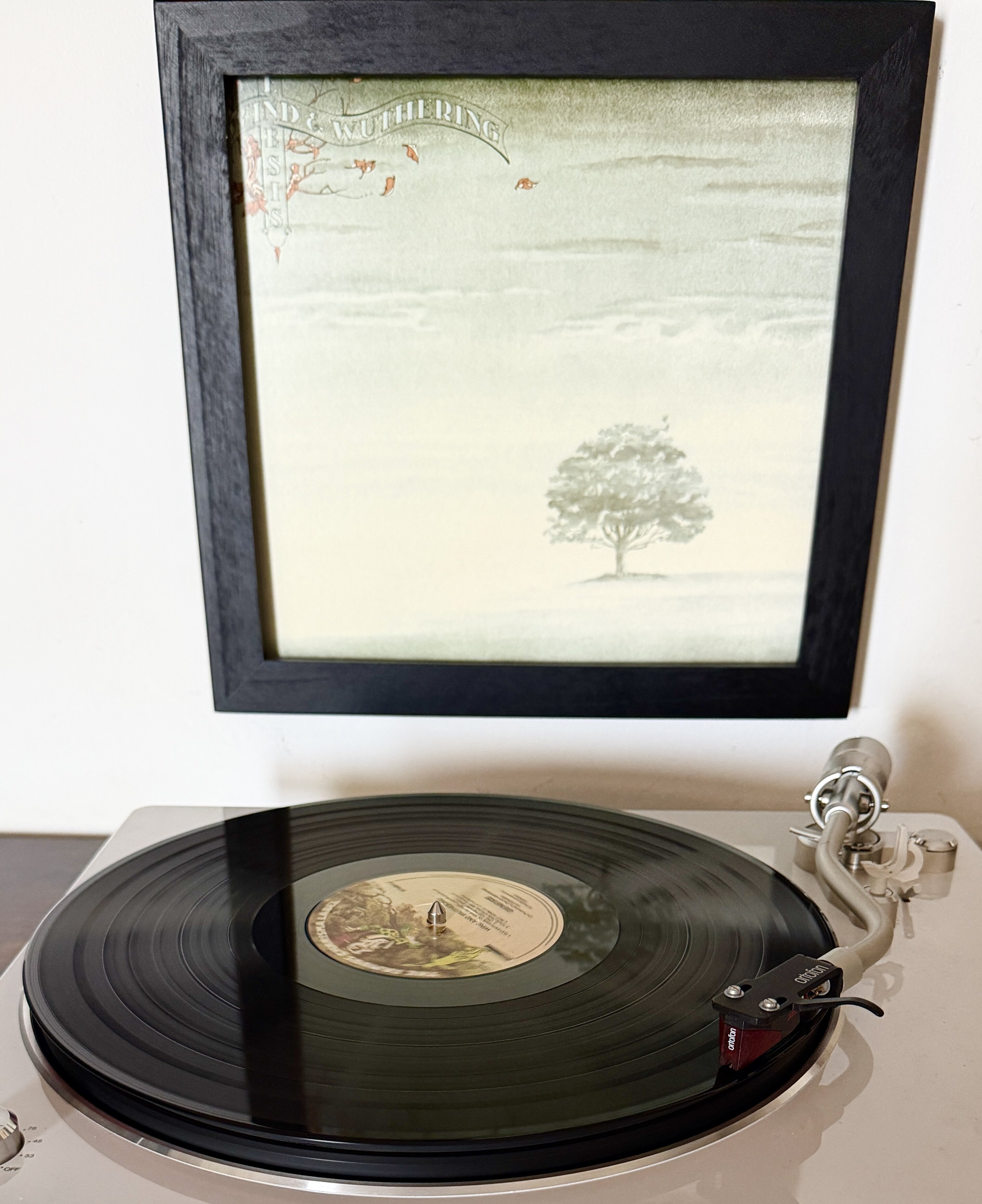
The cover of this album is one of the most famous and evocative of Genesis, and perfectly reflects the twilight sound found in the album. It was designed by the historic British graphic design studio Hipgnosis and illustrated by freelance artist Colin Elgie, who had already worked on the graphics of the previous album, "A Trick of the Tail". Years later, Elgie said that while he was proud of the work, he would have preferred to use a little more color and make it less monochromatic. I agree with him!
Wind & Wuthering is an album that represents both the culmination and farewell of Genesis' romantic and symphonic progressive rock. After the departure of Peter Gabriel, Tony Banks takes over the reins of the band. The album is full of orchestral textures created with the Mellotron, ARP Pro Soloist synthesizer solos that leave you speechless, and Hammond organ sound carpets that envelop the listener. Songs like "One for the Vine" show complex, almost classical arrangements, which demonstrate the mastery of the band. Steve Hackett's influence is strong, giving the album a folk-pastoral flavor. The use of classical and acoustic 12-string guitar creates intimate and delicate atmospheres, such as the introduction of "Blood on the Rooftops", which then explode into sudden distorted electric guitar solos full of sustain. The rhythm section, consisting of Phil Collins and Mike Rutherford, is at its best. By this time, Collins was very much influenced by his jazz-fusion side project, Brand X, and this influence can be heard in Wind & Wuthering through odd time signatures, syncopated rhythms and super dynamic and aggressive instrumental passages, especially in the middle section of "All in a Mouse's Night" and the instrumental "... In That Quiet Earth". Phil Collins' voice is definitively consolidated. Compared to the previous A Trick of the Tail, here the singing is even warmer, nuanced and melancholic, perfect for the autumnal atmospheres of the album. The vocal harmonies are layered and rich, culminating in the emotional power of the final ballad "Afterglow". Wind & Wuthering is a perfect balance between the complexity of the most technical progressive rock and an almost cinematic melodic sensibility, capable of painting desolate and majestic soundscapes.
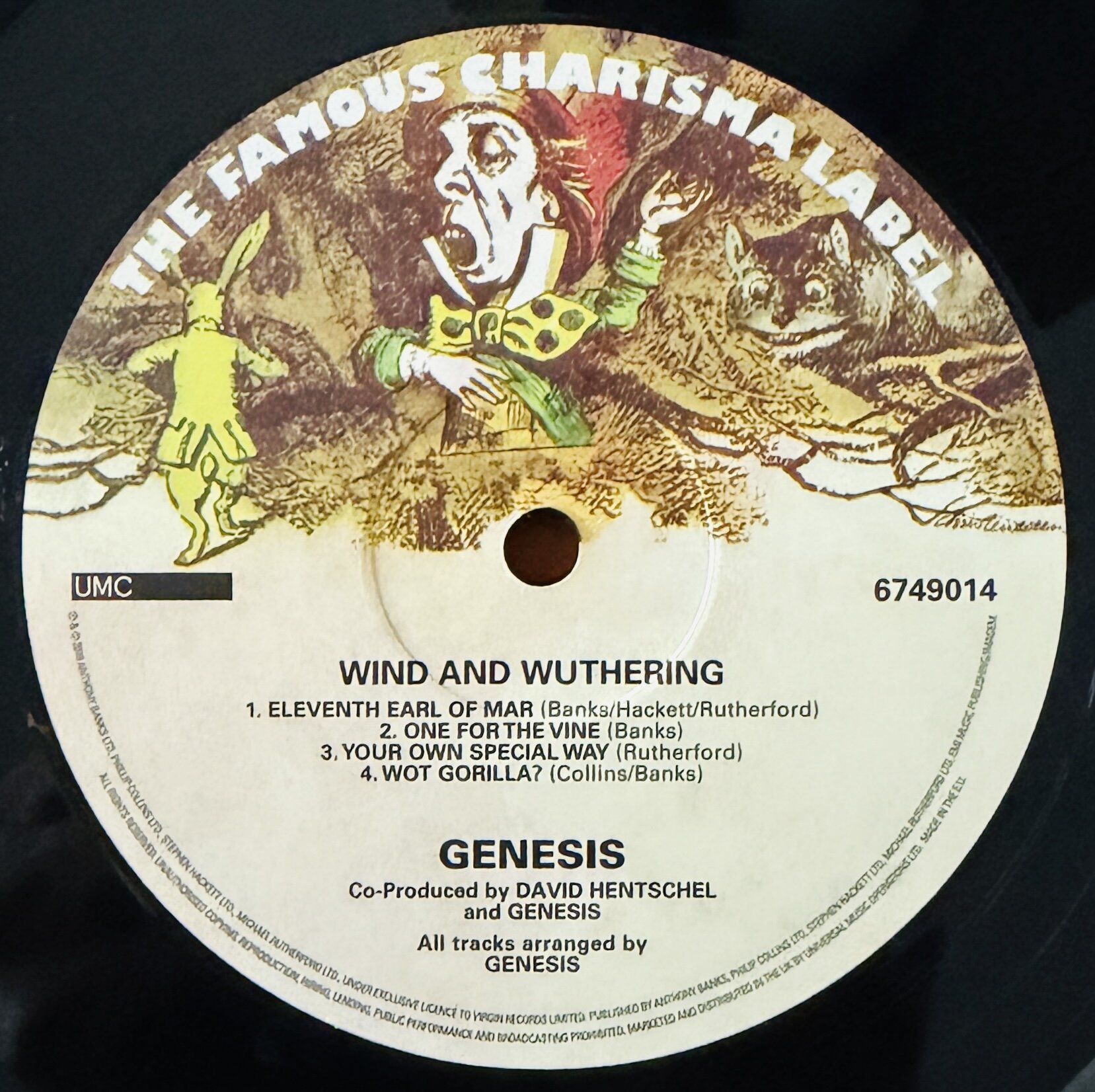
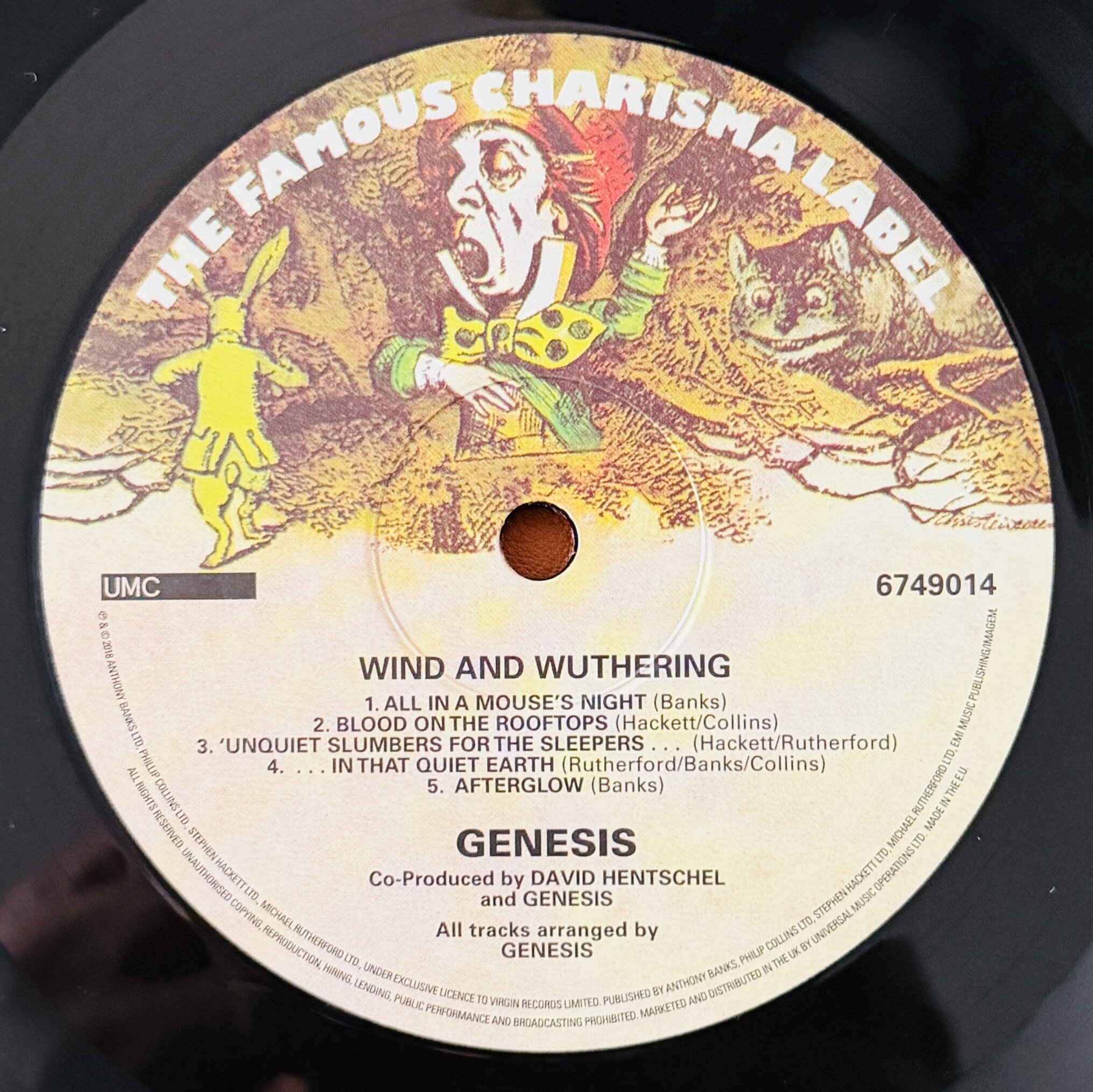
I have a copy of the 602567490142 version, a 180 gram vinyl reissue from 2018. It was mastered using the Half-Speed process at Abbey Road studios, a method that is known to ensure exceptional sound quality. This edition is based on the fantastic 2007 remix by Nick Davis.
"Eleventh Earl Of Mar" is the dynamic and epic opening track, inspired by Nigel Tranter's historical novel about the Jacobite Rebellion of 1715. The transition between the more energetic and the more acoustic sections is handled impeccably. The song moves between symphonic progressive rock, with folk-rock influences and a theatrical touch. Tony Banks creates a rich and enveloping atmosphere with his keyboards, between Mellotron and ARP Pro Soloist synthesizer. Phil Collins gives us a powerful and syncopated drums, accompanied by a scratchy voice. Mike Rutherford holds the reins of the rhythm section with a distorted and deep bass, while Steve Hackett enriches everything with acoustic and electric twelve-string phrasing.
"One For The Vine" is a nearly ten-minute suite, one of the masterpieces of the band's four-piece era. It tells the story of a man who, somewhat reluctantly, becomes a spiritual leader and prophet, only to realize that he has only fueled a cycle of illusions. The song is a mix of multi-structured symphonic prog, with complex tempo changes and jazz-fusion interludes. A particularly striking moment is the sudden central rhythmic explosion driven by synthesizers, followed by a high-impact classical piano passage. This piece is the solo masterpiece of Tony Banks, who composed it entirely. Banks weaves together piano, Hammond organ and synthesizers with incredible precision. Phil Collins manages the rhythmic transitions perfectly, going from the most delicate lyricism to very tight rhythms. Mike Rutherford supports the complex harmonic architecture with his bass, while Steve Hackett adds arpeggios and ambient sound embroidery.
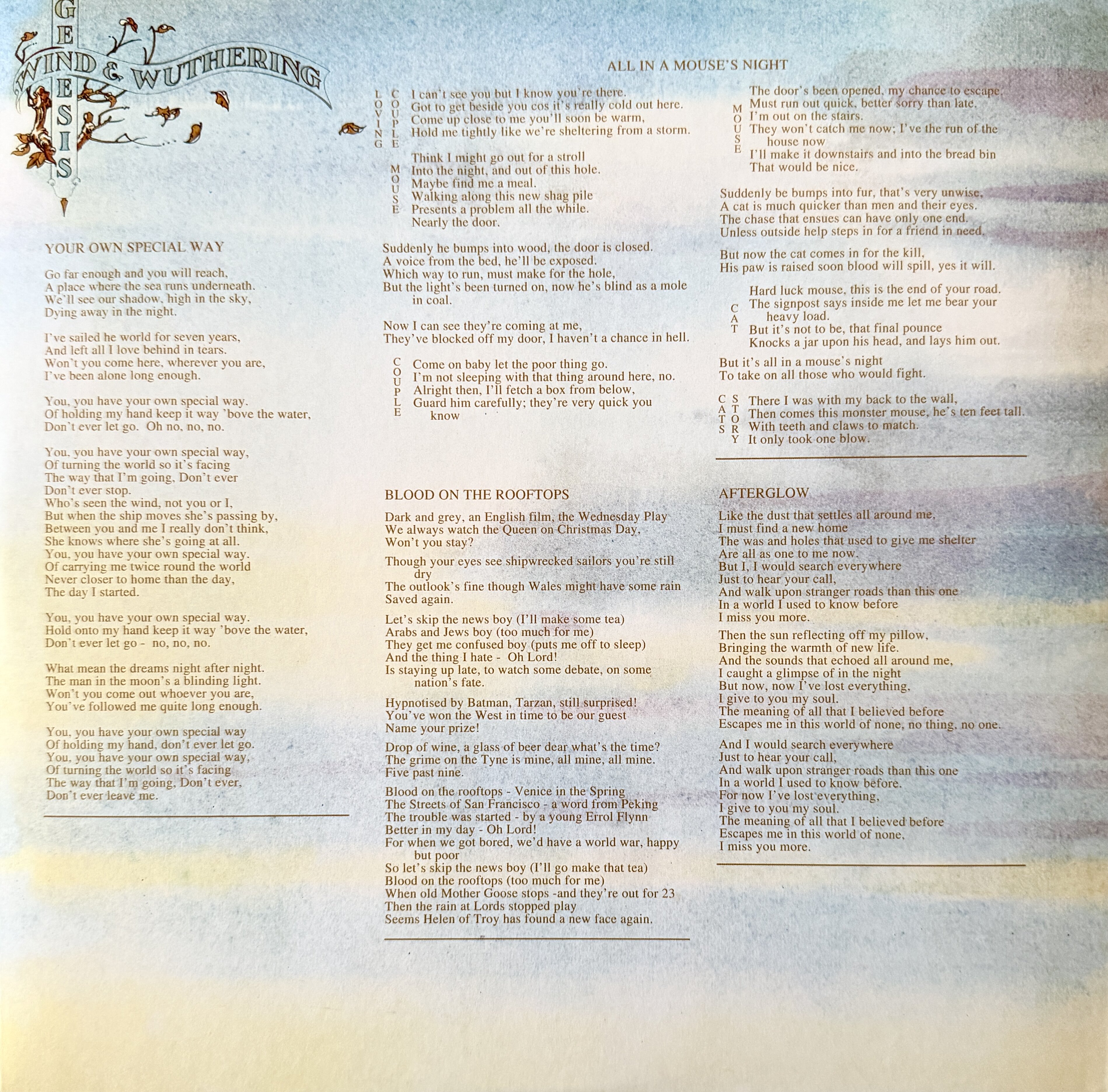
"Your Own Special Way" is a romantic and accessible ballad, marking the band's first real foray into a more conventional pop-rock sound. Although some prog purists have not welcomed it with enthusiasm, it offers a moment of melodic and pleasant breath. The song moves between acoustic pop-prog and pastoral soft rock. The chorus is open and catchy, and the middle section is led by a crystal-clear-sounding Fender Rhodes electric piano. It was written entirely by Mike Rutherford, who created the backbone with the 12-string acoustic guitar. Phil Collins delivers a warm and velvety vocal interpretation, anticipating his future solo style. Tony Banks enriches the finale with a string-synth carpet, while Steve Hackett remains more secluded, focusing on the harmonic support.
Then there is "Wot Gorilla?", a short and frenetic instrumental track that closes the first side. It was a burst of pure energy that, apparently, divided the band (Hackett would have preferred to insert his "Please Don't Touch" instead). The style is avant-garde jazz-fusion combined with progressive electronic rock. The syncopated riff between keyboards and percussion is intricate and very fast, and Phil Collins is the absolute protagonist, showing off syncopated rhythms derived from his parallel experience with Brand X. Tony Banks saturates the sound space with fast ARP synthesizer phrasing, while Mike Rutherford freezes time with precision on bass. Steve Hackett's contribution, in this song, is reduced to a minimum.
Moving on to the B-side, we find "All In A Mouse's Night", a whimsical and ironic song that tells, in a theatrical and comic key, a hunt between a cat and a mouse in a house, which ended with the comic intervention of humans. The style is melodic art-rock with strong references to the theatrical prog of the early 70s. The final electric guitar solo is beautiful, melancholic and majestic, which contrasts sharply with the ironic tone of the lyrics. Tony Banks here has outdone himself with a musical script full of sound effects and changes of register on keyboards that keep the attention high. Phil Collins, with his incredibly expressive voice, brings the different characters in the story to life, making it a truly immersive experience. And let's not forget Steve Hackett, who in the end gives us one of his most iconic and touching solos of the album. Mike Rutherford, on the other hand, ensures a solid and constant rhythm, alternating between bass and Moog Taurus pedalboard.
"Blood On The Rooftops" is one of the strongest songs on the album, both lyrically and emotionally. He pungently criticizes the superficiality of British television, comparing it with the international tragedies of the time. The style is an intimate and melancholic Folk-prog, which then explodes in a rock orchestral crescendo. The introduction, all instrumental with the classical guitar, is one of the most beautiful ever. Steve Hackett (who co-wrote the song with Collins) opens with a nylon-string guitar introduction that gives you chills. Phil Collins sings with extraordinary vulnerability and emotion, and is also the author of the lyrics. Tony Banks backs up the chorus with a majestic Mellotron arrangement that simulates a string orchestra, while Mike Rutherford gently accompanies on acoustic bass.
"'Unquiet Slumbers For The Sleepers..." It is the first part of an instrumental suite that connects to the next. It evokes a misty, desolate and typically Romantic-English landscape. The style is Ambient prog, progressive rock pastoral and ethereal. The transition between the two songs is smooth and dreamy, without interruptions. Steve Hackett and Mike Rutherford create a dense network of distorted acoustic and electric guitars. Tony Banks adds fluffy synthesizer textures that mimic the wind from the moors. Phil Collins tops it all off with nuanced cymbals and minimal percussive effects.
“… In That Quiet Earth" is the second part of the instrumental, which differs sharply from the first. Here the atmosphere becomes more intense, energetic and decidedly engaging, a real instrumental show. The style is energetic and symphonic Prog-fusion. The lead duet between the electric guitar and synthesizer is simply fantastic, tight and sharp. Steve Hackett is in great shape, with masterful use of tapping and volume swells on his electric guitar. Phil Collins unleashes a rhythmic storm on the drums with complex fills and odd time signatures. Tony Banks responds with sharp solos from ARP, while Mike Rutherford pushes the track with tight, punchy basslines.
"Afterglow" is the closing track, unforgettable, which gradually fades back to the harmonic tails of the previous piece. It will become a highlight of all future concerts of the band. It expresses a sense of liberation, peace, and rebirth after a catastrophic event. The style is Prog-pop in crescendo, symphonic rock anthems. The final climax is monumental, supported by multi-layered choirs and solemn rhythm. A triumph for Tony Banks (author of the piece), who creates a celestial wall of sound by combining the organ with the choirs of the Mellotron. Phil Collins delivers one of his best vocal performances ever, powerful and full of emotion. Mike Rutherford gives an epic boost to the song thanks to the seismic frequencies of his Moog Taurus pedals. Steve Hackett floats in the background with dilated ambient chords, gracefully closing his final farewell to Genesis.
"Wind & Wuthering" is a progressive rock album, Genesis' last truly prog album. After this, with the departure of guitarist Steve Hackett, the band will change course towards a more pop, commercial and radio-friendly sound. The songs do not follow the classic "verse-chorus" pop structure. The songs often exceed 10 minutes and contain continuous changes in tempo, tonality and atmosphere, developing as classic suites. More than a third of the album is dominated by instrumental parts, such as the transition between "Unquiet Slumbers for the Sleepers..." e “… In That Quiet Earth", where the musicians show incredible technical virtuosity. The sound is led by the Mellotron (which simulates strings), the Hammond organ and Tony Banks' synthesizers, fundamental elements of symphonic prog rock of the 70s. The lyrics do not talk about everyday things, but draw inspiration from British literature (Emily Brontë), historical events (the Jacobite revolt in "Eleventh Earl of Mar") and fantastic tales. Although it already contains some more accessible and catchy melodies, the complexity of the arrangements and conceptual approach make it a true classic of prog rock. A fantastic album.
My Version
Label: Charisma – 602567490142, UMC – 602567490142
Format: Vinyl, LP, Album, Reissue, Remastered, Stereo, 180 gr.
Country: Europe
Release date: 3 Aug 2018
Tracklist
A1 Eleventh Earl Of Mar 7:43
A2 One For The Vine 9:58
A3 Your Own Special Way 6:18
A4 Wot Gorilla? 3:15
B1 All In A Mouse's Night 6:38
B2 Blood On The Rooftops 5:27
B3 'Unquiet Slumbers For The Sleepers... 2:20
B4 ...In That Quiet Earth' 4:53
B5 Afterglow 4:10
LineUp
Bass [4 6 & 8 String Basses], Electric Guitar, 12-String Acoustic Guitar, Bass [Pedals] – Mike Rutherford
Electric Guitar, Acoustic Guitar [Nylon Classical], Guitar [12 String], Kalimba, Autoharp – Steve Hackett
Piano [Steinway Grand Piano], Synthesizer [ARP 2600], Synthesizer [Pro-Soloist], Synthesizer [Roland String], Synthesizer, Organ [Hammond], Mellotron, Piano [Fender Rhodes Piano] – Tony Banks
Vocals, Drums, Cymbal, Percussion – Phil Collins
Listening link on the main streaming platforms at the following links:
Listen to the album in streaming on Spotify.
Listen to the full disc on Apple Music.
Note: All links to the musicians’ works are in the TAGS under the article title or on the "Artists"