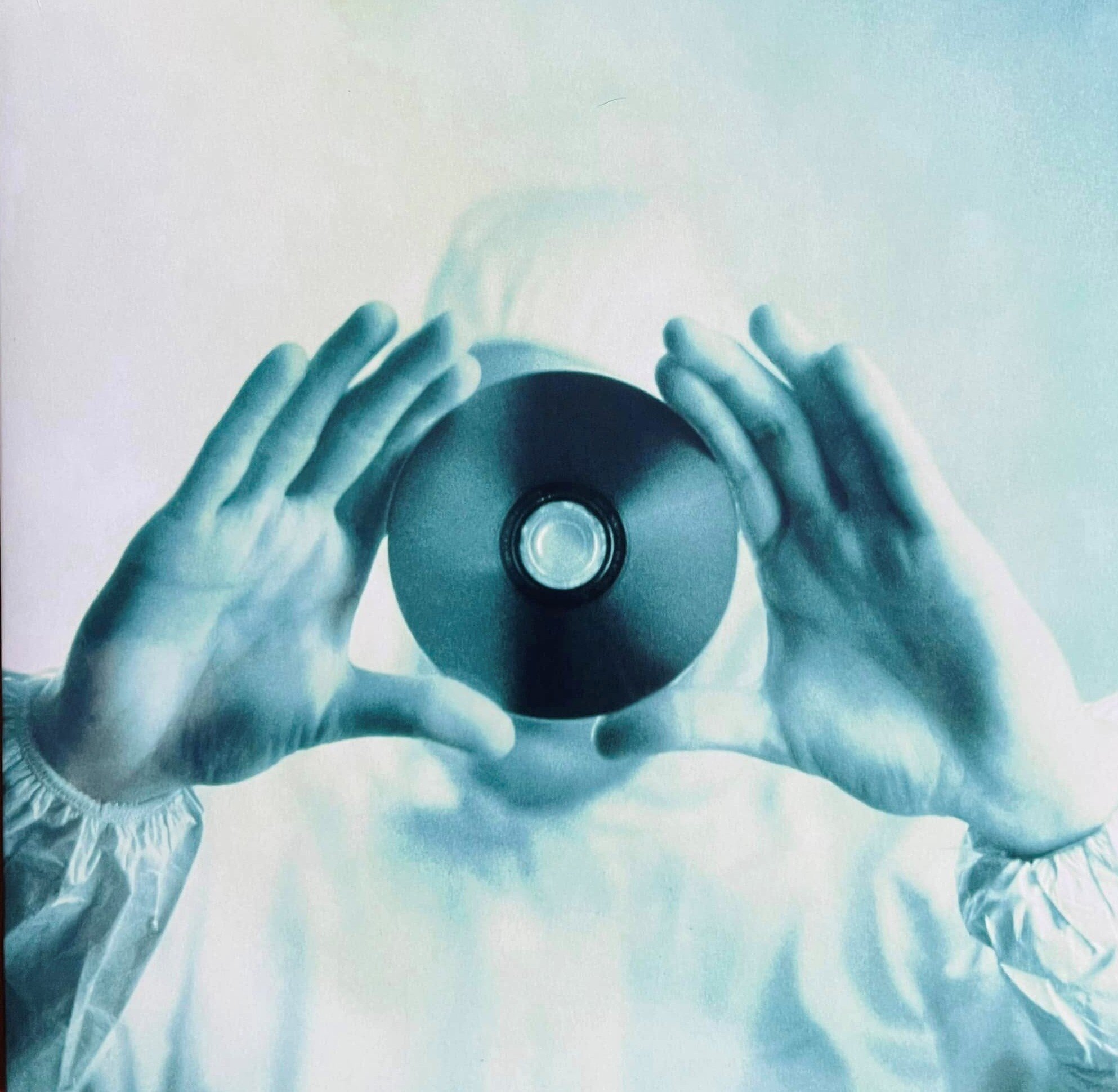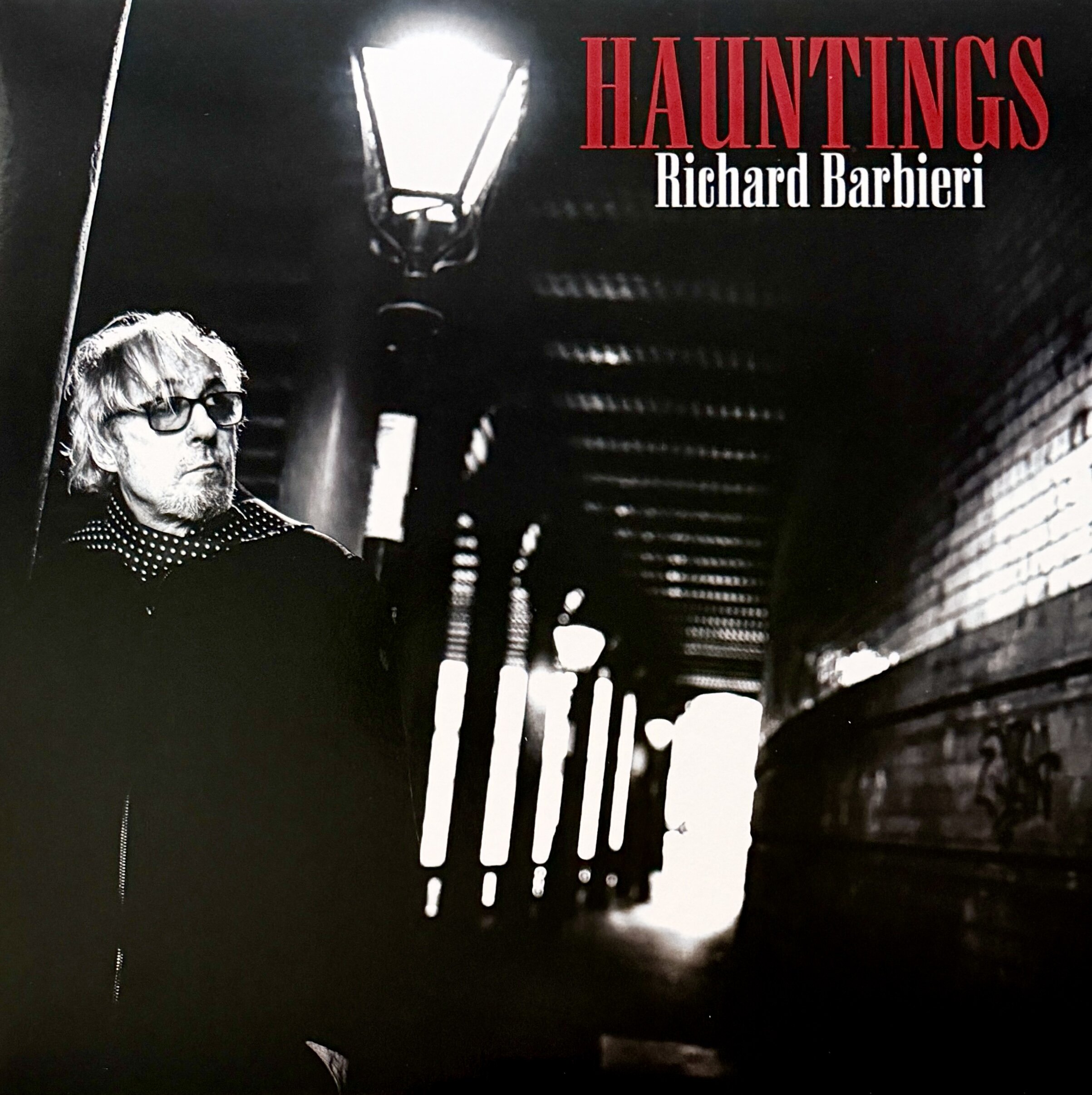
Hauntings by Richard Barbieri, 2026 album.
Richard Barbieri, British keyboardist, composer and sound designer, is best known for being one of the founders of the new wave band Japan and, later, for his key role in progressive rock with Porcupine Tree.
Some biographical notes on this great artist:
He is a true genius of sound design and synth manipulation, and his unique style stands out for its attention to detail rather than traditional melodies.
He began his musical adventure in 1976 with Japan, becoming a true pioneer of the electronic, synthetic and atmospheric sounds that shaped the music scene of the ’80s.
In 1993, he brought his unconventional touch to the arrangements and his passion for soundscapes to Porcupine Tree, helping to define their so distinctive progressive/ambient sound. He also returned to the studio for the band’s reunion album.
Richard Barbieri has had an incredible career, especially with Japan and Porcupine Tree. With Japan, from 1978 to ’83, he recorded all their landmark studio albums, which helped define the new wave sound. We’re talking “Adolescent Sex” (1978), “Obscure Alternatives” (1978), “Quiet Life” (1979), “Gentlemen Take Polaroids” (1980), “Tin Drum” (1981) and, later, “Rain Tree Crow” (1991), the album from the band’s temporary reunion under another name.
Since 1993, Richard has been Porcupine Tree’s official keyboardist, starting with their second album, “Up the Downstair” (1993). With them, he created a run of memorable albums, including “The Sky Moves Sideways” (1995), “Signify” (1996), “Stupid Dream” (1999), “Lightbulb Sun” (2000), “In Absentia” (2002), “Deadwing” (2005), “Fear of a Blank Planet” (2007), “The Incident” (2009) and, more recently, “Closure/Continuation” (2022), their comeback album.
Richard is also a solo artist, known for his sonic and electronic research. His albums under his own name include “Things Buried” (2004/2005), “Stranger Inside” (2008), “Planets + Persona” (2017), “Under a Spell” (2021) and “Hauntings” (2026), his latest studio album.
Beyond his work with Japan and Porcupine Tree, Richard has collaborated with many other leading artists. With Steve Jansen, former Japan drummer, he recorded “Worlds in a Small Room” (1985), “Stories Across Borders” (1991) and “Stone to Flesh” (1995). With JBK (Jansen, Barbieri, Karn), he released “Beginning to Melt” (1993) and “ISM” (1999). He also worked with Tim Bowness on “Flame” (1994) and with Steve Hogarth, Marillion’s singer, on “Not the Weapon but the Hand” (2012) and “Arc Light” (2013). As a special guest, he also played on cult records by David Sylvian, such as “Brilliant Trees” and “Gone to Earth”, and by Mick Karn, “Titles”.
“Hauntings” was released on April 10, 2026 via Kscope. This record explores and expands the reflective, evocative and dark instrumental atmosphere of his previous 2021 work, “Under A Spell”. It’s a gallery of “small sonic worlds” that envelop you, between shadowy atmospheres and brighter moments.
The heart of “Hauntings” is nostalgia: for the past, for the future and even for things that never happened, yet still haunt us. Barbieri said that much of his inspiration comes from a nostalgia for historical eras he never lived through and, above all, from his recurring dreams. In his dreams, in fact, he often finds himself in the same places and meets the same people, even though he knows he has never been there in real life. That’s why the title “Hauntings” (“Ghosts” or “Haunted places”), dreamlike places that keep returning in sleep.
The record is a sonic journey through time, an adventure between past and future.
The Past is portrayed with historical landscapes wrapped in fog. We find an original wax-cylinder recording of the chimes of London’s Big Ben, from 1890, to which storm noises and old radio broadcasts have been added, creating a dark atmosphere typical of Victorian London.
The Future is in tracks that offer a sharp contrast, projecting us toward future visions, a sound that mirrors modern anxiety, typical of Barbieri’s style.
Although it’s a project entirely centered on synthesizers, keyboards and Barbieri’s innovative sound design, the album features top-level musicians to enrich the sonic textures.
Richard Barbieri is the core of the project, handling keyboards, synthesizers, sampling and effects.
Morgan Ågren, an eclectic and technically outstanding drummer, is recognized worldwide for his versatility, ranging from math-rock to avant-garde jazz. His career took off when, very young, he was spotted and hired by Frank Zappa in 1988 for some memorable concerts. He is the founder of the progressive and mystical Mats/Morgan Band (with the blind keyboardist Mats Öberg) and was a steady member of Kaipa. He has also collaborated with Devin Townsend and Meshuggah’s Fredrik Thordendal.
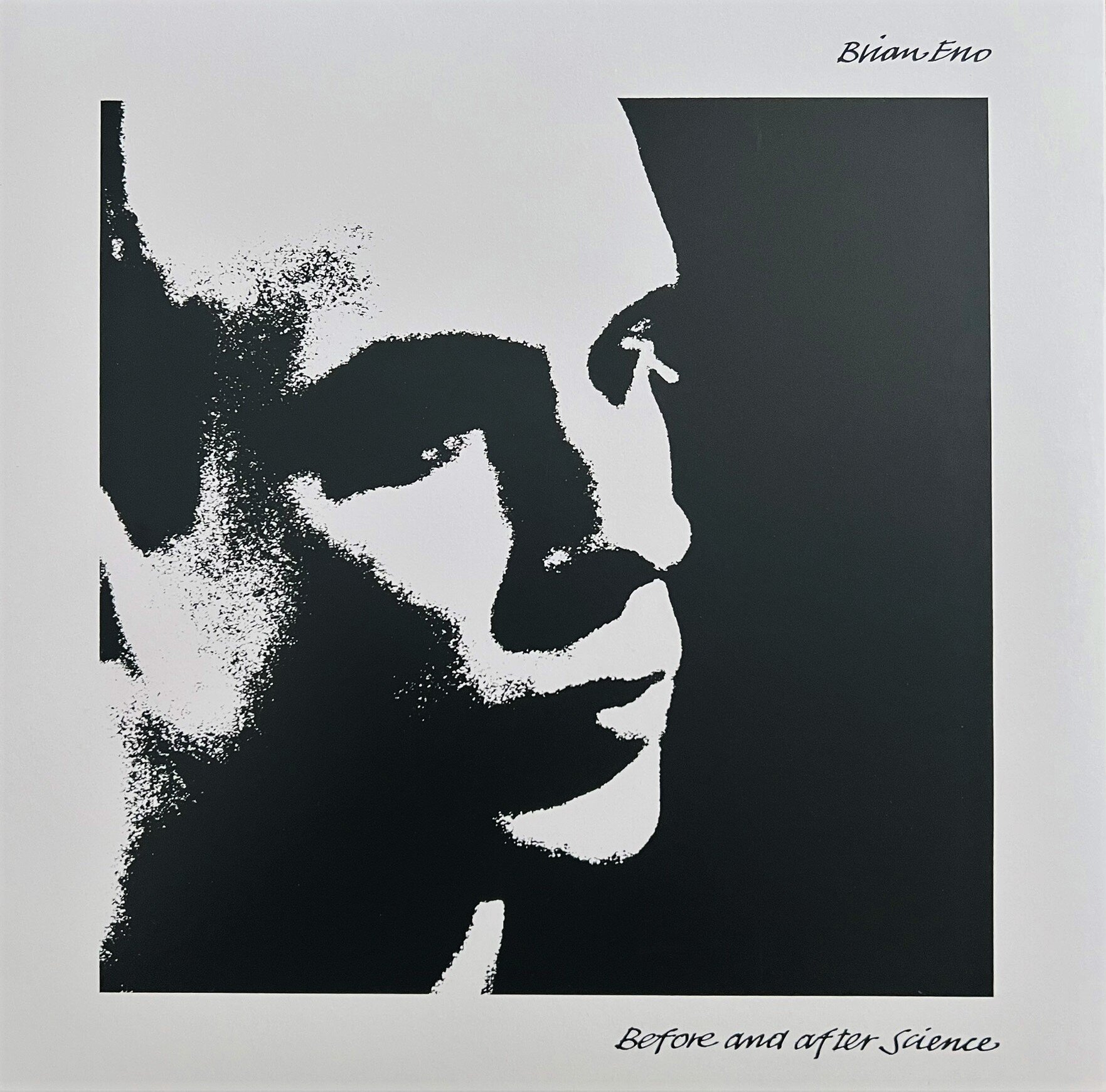
Percy Jones is a fretless-bass legend and one of the most influential figures in British fusion. He’s best known for founding the ’70s jazz-fusion band Brand X with drummer Phil Collins (Genesis). His bass style—fluid lines, slides and heavy use of harmonics—revolutionized the way the instrument is played. Beyond Brand X, he played on avant-garde and pop masterpieces, including the early solo albums by Brian Eno (Another Green World, Before and After Science) and records by David Sylvian and Suzanne Vega.
Luca Calabrese, an Italian musician, composer and trumpeter with a strong jazz and experimental background, is known in the avant-garde scene for his lyrical, evocative use of the trumpet, often enhanced by electronic effects—an approach that fits perfectly with the ambient and cinematic landscapes created by Barbieri. He has collaborated for years with Richard Barbieri and other members of the Porcupine Tree universe. He also contributed significantly to the English keyboardist’s previous solo works, such as the acclaimed 2017 album Planets + Persona.
Anemoia—nostalgia for a past never lived—is the central theme. Barbieri uses modular synths and sound beds to create dark, creeping, almost unsettling auditory landscapes, yet punctuated by sudden moments of uplift and euphoria.
Many tracks on the album feature drones, ambient currents and minimalist electronic pulses that recall the cosmic pioneers of the Berlin School, such as early Tangerine Dream, Klaus Schulze and Popol Vuh. Thanks to the musicians involved, some pieces are built on very restrained, elegant jazz rhythms. Percy Jones’s liquid fretless bass and Luca Calabrese’s lyrical trumpet solos blend with the digital sound design, creating an experimental, refined fusion.
The style takes on a documentary feel through the creative insertion of period recordings, processed with modern filters, to heighten the sense of anxiety and technological simulation typical of Barbieri’s aesthetic.
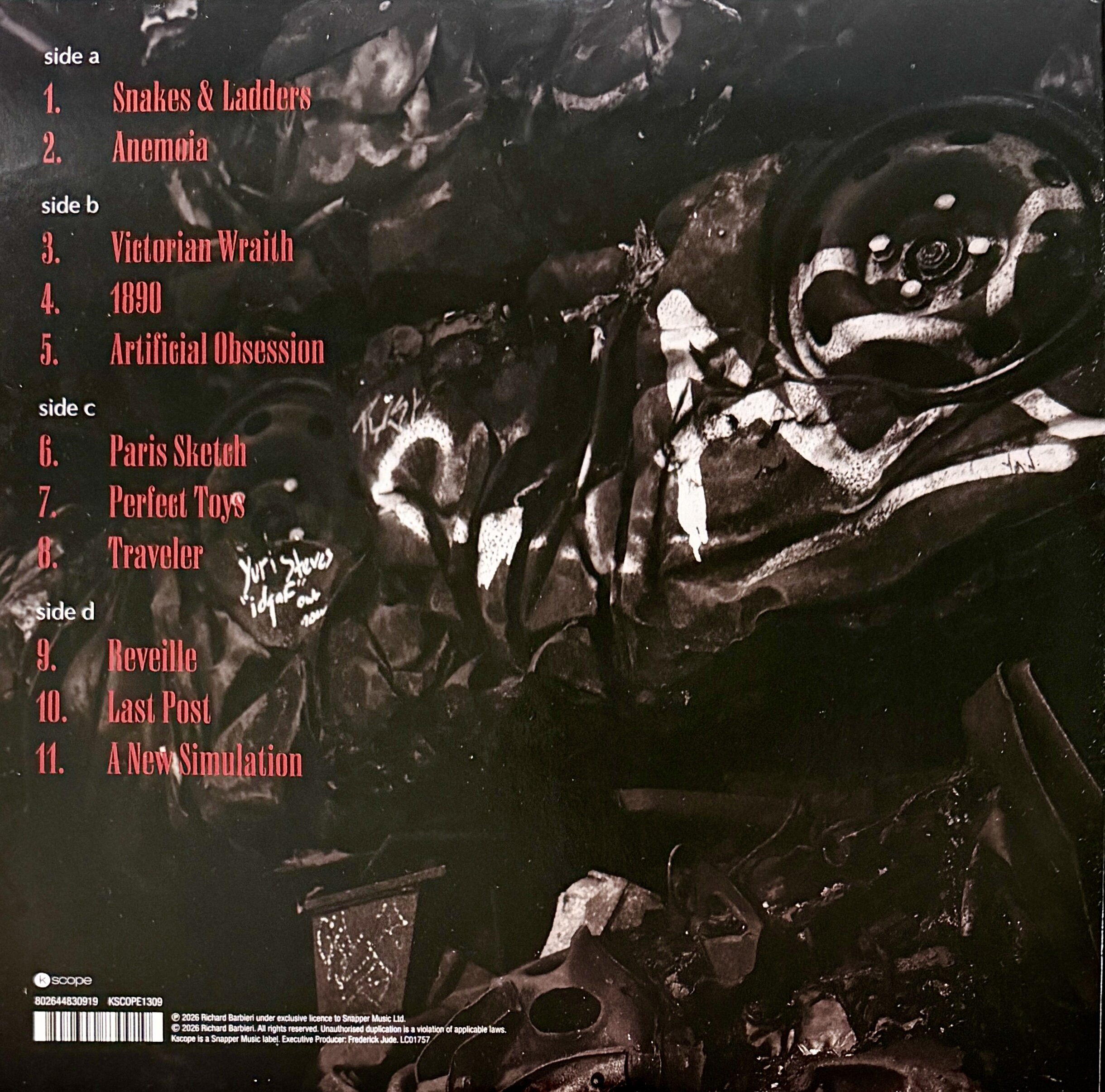
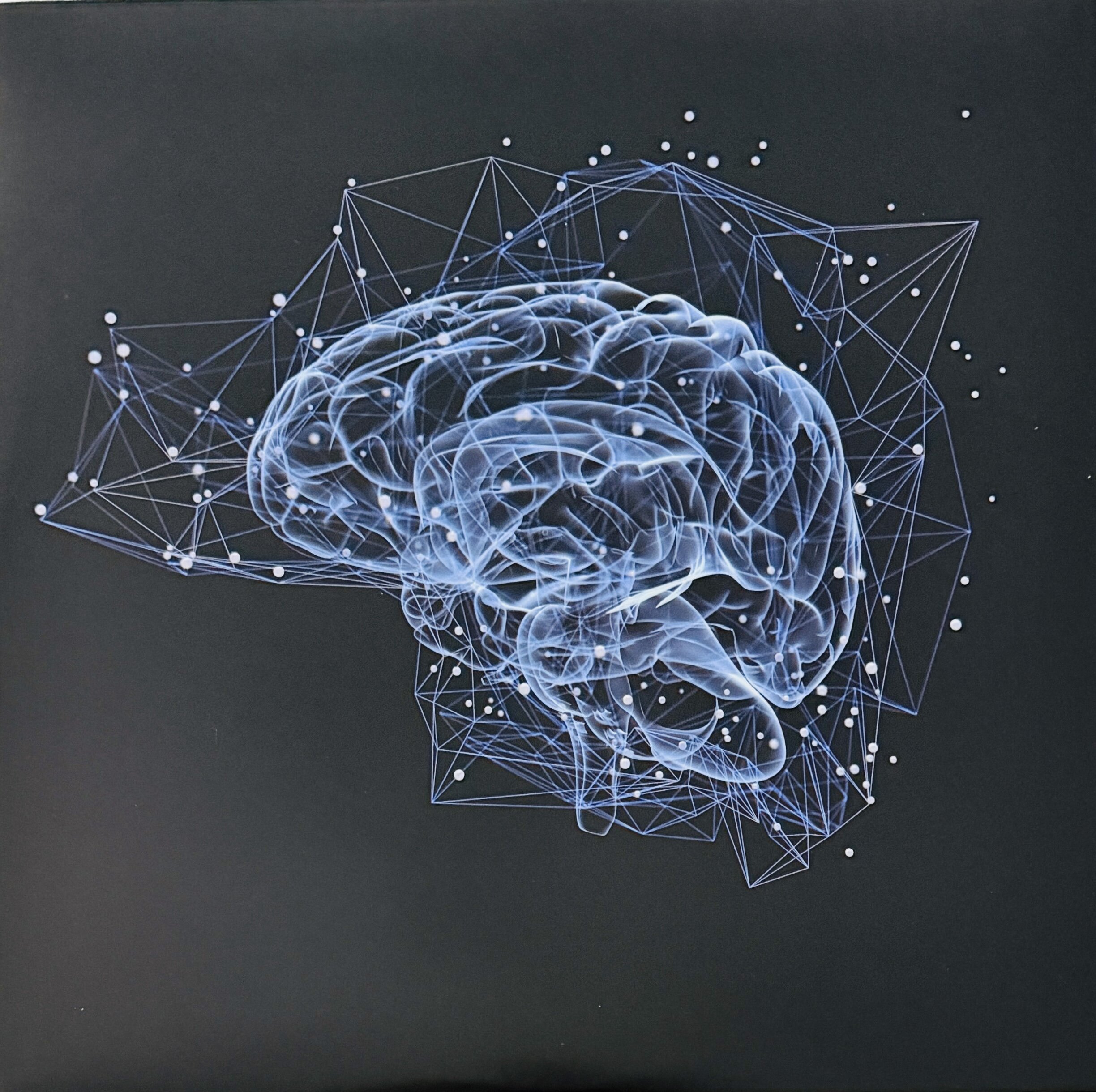
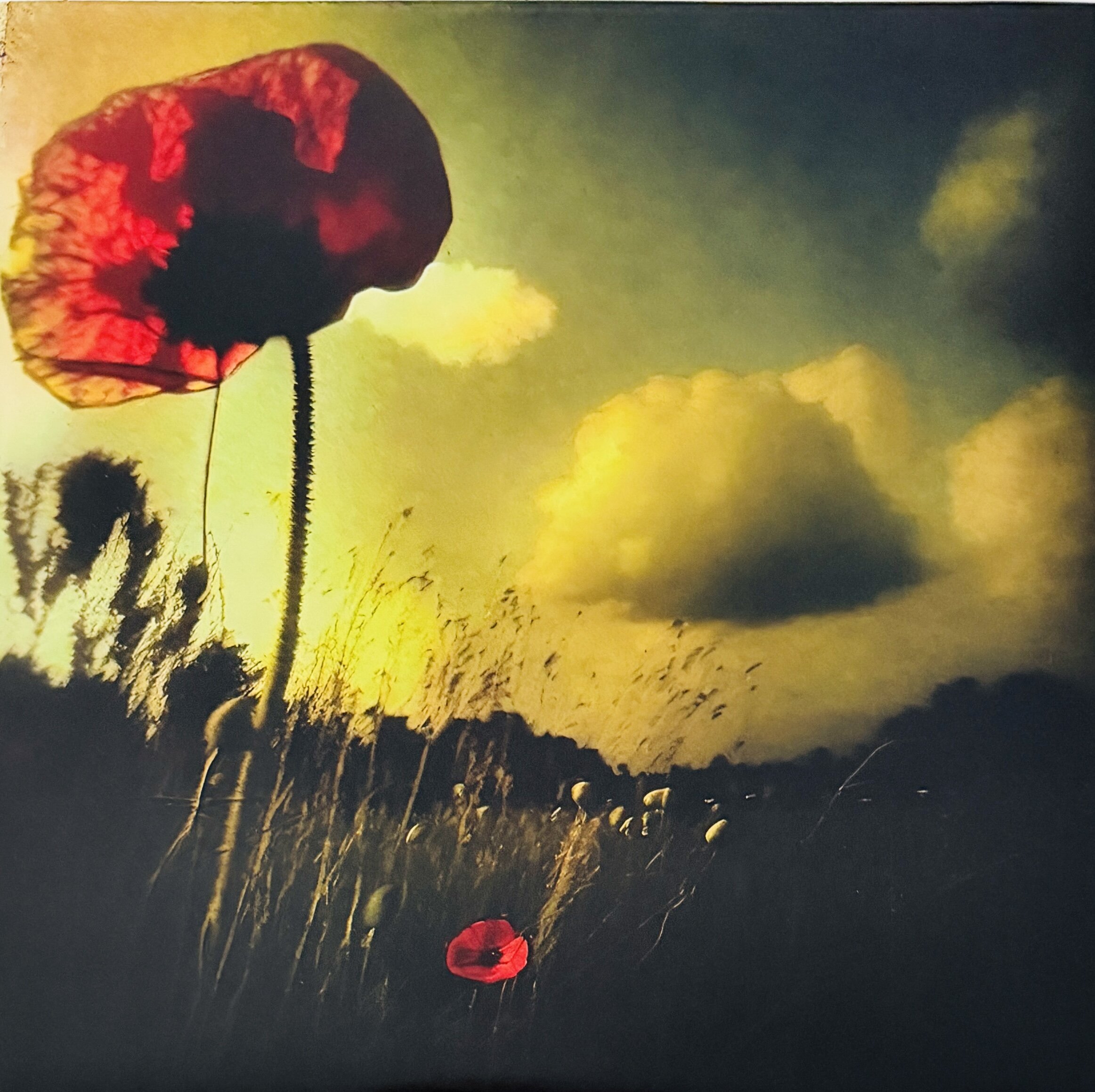
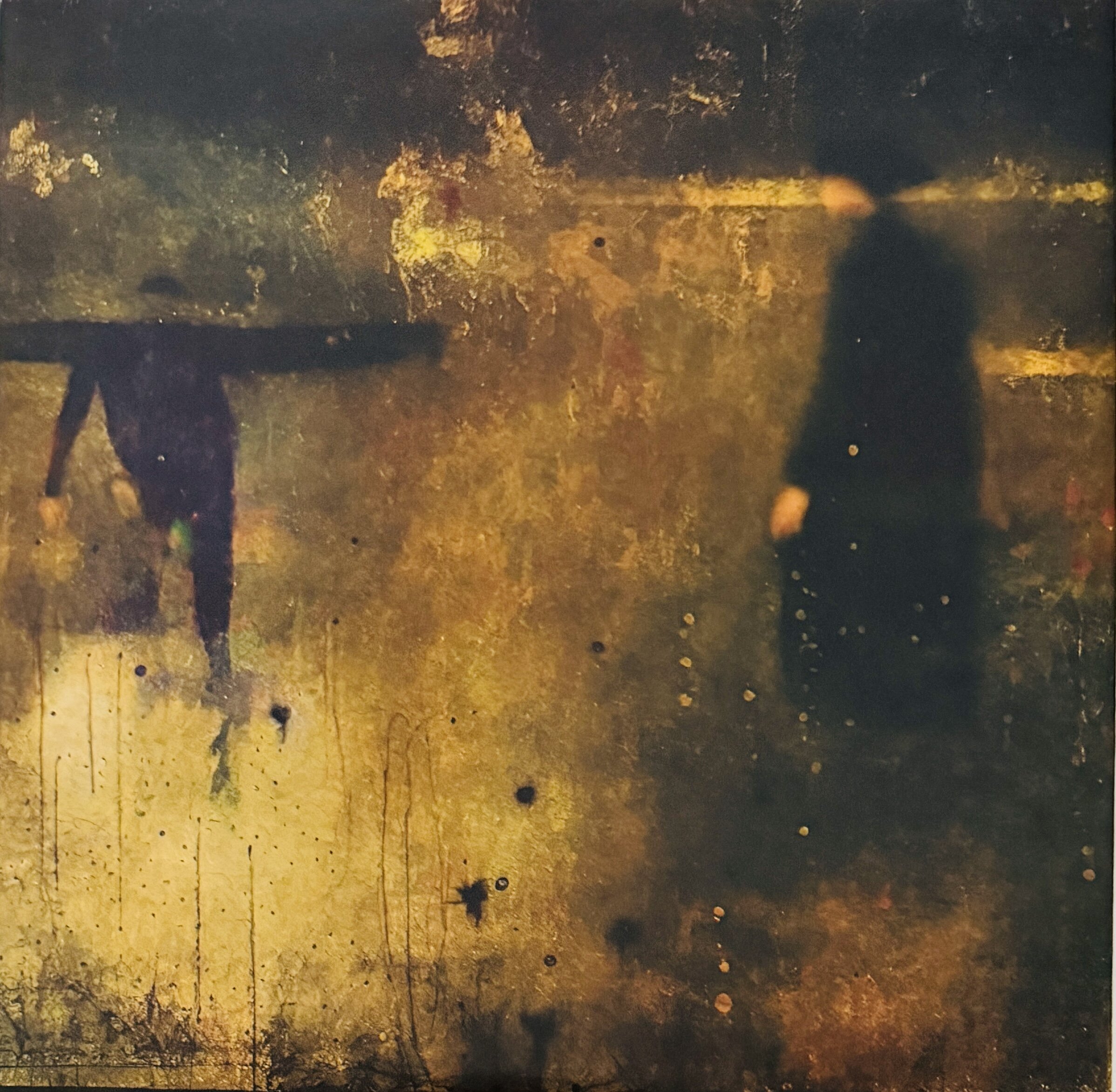
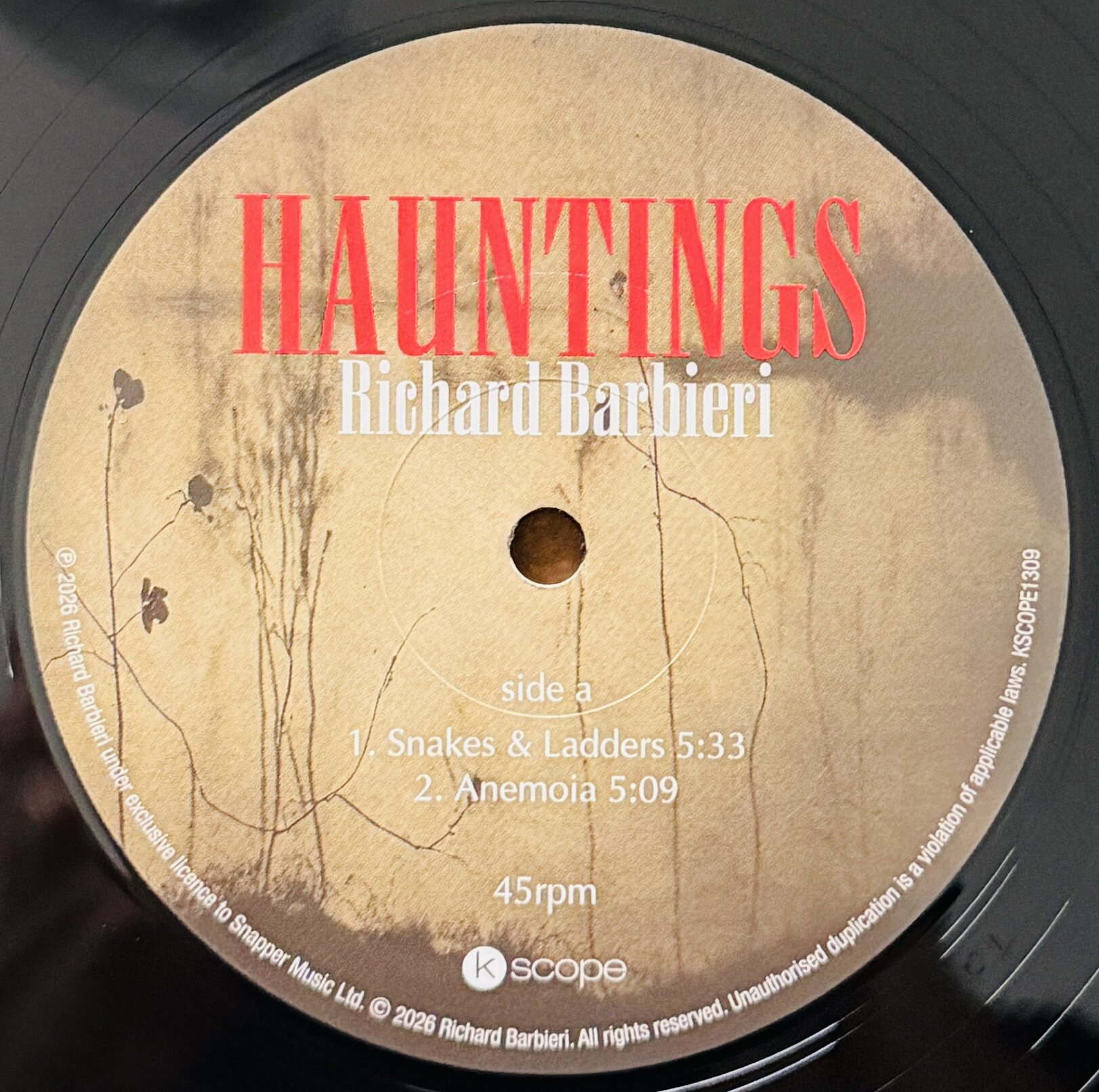
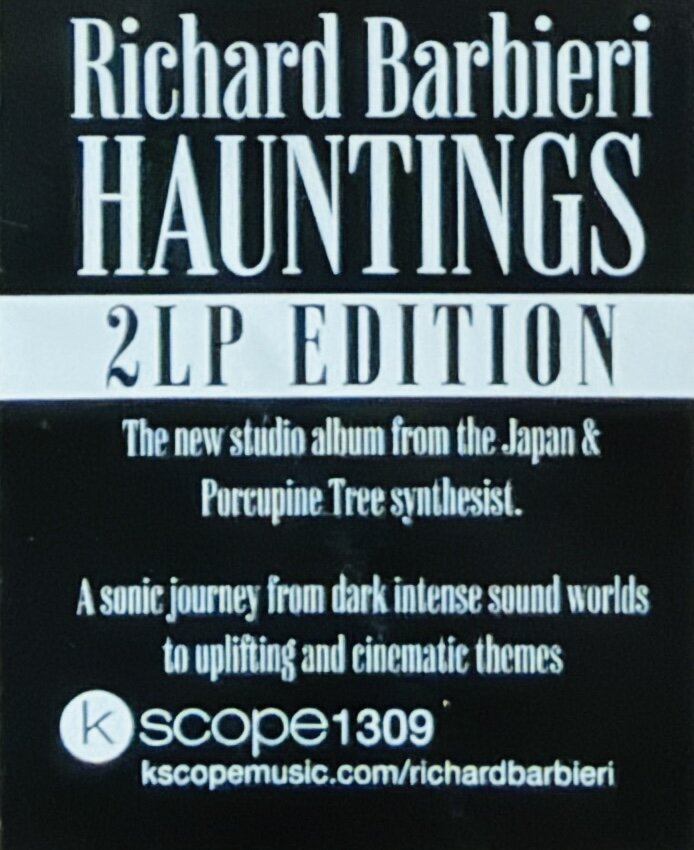
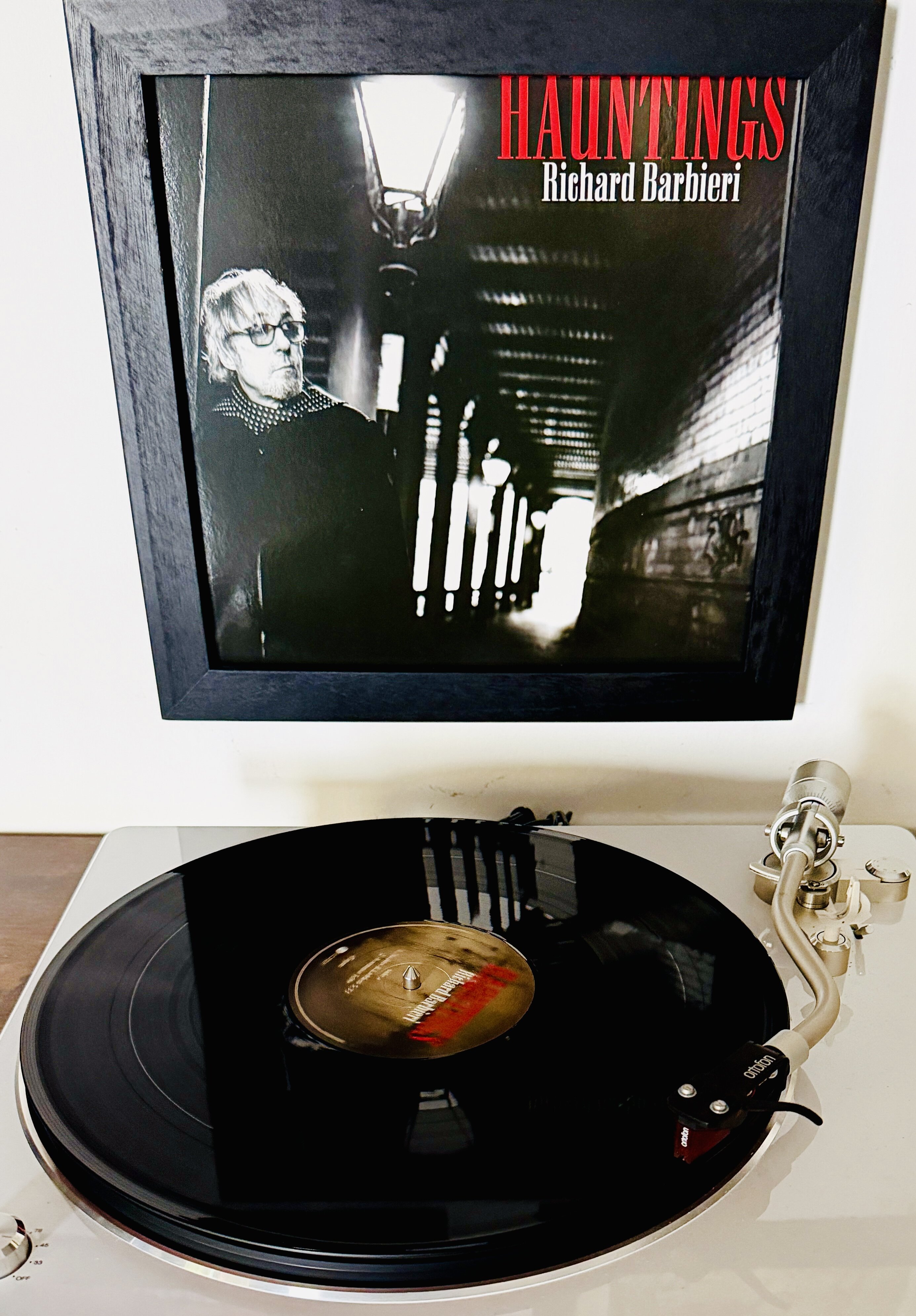
Mine is the double 45 RPM vinyl edition released by Kscope (catalog KSCOPE1309), offering exceptional stereo separation and dynamic depth. The album consists of 11 instrumental tracks.
“Snakes & Ladders” is the track that opens the record, instantly hurling you into a rhythmic, hypnotic world. It’s like entering a labyrinth: the piece blends avant-garde trip-hop with touches of drum and bass, all well balanced. There’s an interesting contrast between the rhythmic base and the synths floating lightly above. Morgan Ågren’s drums create a geometric, broken beat, while Percy Jones’s soft bass lays the carpet.
“Anemoia” is an intimate, suspended piece that perfectly captures the album’s central theme: nostalgia for a time never lived—anemoia. With its expansive, cosmic ambient style, it’s strongly influenced by ’70s German electronic music. The evocative analog pads create an atmosphere of solitude and old-time warmth, while Richard Barbieri’s solitary sound design dominates the entire track.
“Victorian Wraith” is a ghostly track of just three minutes that throws you into the foggy alleys of a 19th-century London. With its dark-ambient and atmospheric musique concrète approach, it creates a truly immersive experience. Barbieri did an exceptional job with filters and low frequencies, which give a sense of constant, almost claustrophobic threat. Binary micro-frequencies evoke the feeling of a “ghost simulation”—a brilliant touch. A track that leaves you with chills.
Imagine taking a trip back in time with “1890”, a suite of pure sonic archaeology that is one of the work’s most fascinating moments. Here, the style is a perfect mix of sound design and historical recordings. A real gem is the authentic wax-cylinder sample of Big Ben’s chimes from 1890. Barbieri is a master at blending old radio broadcasts with modern synthesizers, creating a time-bridge that links past and present in an incredibly harmonious way.
“Artificial Obsession” is a truly unique and fascinating track, mixing sacred and technological elements in a hypnotic, esoteric way. It draws on ritual electronics and the avant-garde. A highlight is the synthetic vocalizations—evocative and hallucinatory—which weave perfectly into the rhythmic sequences. Ågren’s drums and Jones’s fretless bass form a complex, polyrhythmic rhythm section that supports the entire structure of the piece.
"Paris Sketch" is a nocturnal sonic journey that captures the essence of Paris during the Belle Époque, with grainy, evocative images. The piece uniquely fuses a retro-futurist style. In the second half, there’s a surprising harmonic evolution, with Barbieri’s melodies opening up to welcome small acoustic percussive hints and synthetic modulations.
"Perfect Toys" is a track that takes you on a captivating sonic trip, exploring the thin line between reality and artificial simulation. With its abstract IDM (Intelligent Dance Music) and experimental electronic style, the song creates a unique, engaging atmosphere. Listening, you’ll notice the prominent I and the distorted vocalizations rising from the mix, like rickety mechanical toys. A true masterpiece of syncopated rhythmic interlocking, expertly orchestrated by Morgan Ågren.
“Traveler” is the album’s longest track, taking you on a fascinating, claustrophobic journey toward future scenarios. With a blend of sci-fi ambient and future jazz, the song has a hypnotic atmosphere that perfectly captures the anxiety of technological modernity thanks to powerful drones. Percy Jones’s sinuous bass adds drive and jazz expressiveness to this entirely synthetic landscape.
“Reveille” is a short interlude of just a minute and a half that acts as a delicate dreamlike awakening, bridging toward the album’s conclusion. Its style is minimalist and abstract, with isolated notes and synth refractions thinning out like morning fog. Barbieri crafted this piece entirely solo, using modular synths.
“Last Post” is a brief, moving track that manages to hit straight to the heart despite its brevity. The atmosphere is that of a nocturnal, intimate ambient jazz, perfect for moments of reflection. The slightly rarefied melody softens the otherwise somewhat dark tone of the work, creating a really interesting contrast. And I can’t not mention Luca Calabrese’s trumpet solo: it’s simply essential. It brings a touch of lyricism, pathos and human warmth that makes everything special.
“A New Simulation” is the track that closes the album beautifully, blending futurist euphoria with a hint of existential anxiety, leaving us with a few more questions about the record. It’s a mix of avant-garde nu-jazz and post-rock electronics, with a perfect balance between acoustic instruments and digital sounds, culminating in a truly evocative orchestral finale. It’s a choral piece where Calabrese’s trumpet shines once again, enriching everything with its rhythmic textures, while Ågren and Jones keep the pulse with great flexibility.
A record running about 47 minutes with short tracks, half of them under 5 minutes and never reaching 6 minutes, yet all of great intensity.
The album’s sound is a fascinating blend of dark ambient, abstract electronic music and future jazz, with a strong cinematic imprint and a structure reminiscent of an instrumental suite. Unlike previous works, the album doesn’t focus on technical virtuosity or sonic explosions, but rather on the layering of synthetic textures, on tension, and on the management of sonic space.
The album will especially appeal to lovers of cinematic soundtracks, perfect for those who enjoy instrumental music suited to late-night listening or headphones, in the style of Brian Eno and Vangelis, but also to fans of Electronic Music and the Berlin School, lovers of analog synthesizers, modular synths and electronic pulses in the style of Tangerine Dream, Klaus Schulze and Kraftwerk.
While not a rock record in the classic sense (no distorted guitars or hard tempos), it perfectly captures that psychedelic, dreamy and dark side typical of modern prog and at times evokes Porcupine Tree or early-’70s Pink Floyd. But given Barbieri’s background, that was inevitable. Thanks to Luca Calabrese’s trumpet and Percy Jones’s fretless bass, the album will also satisfy lovers of abstract, deconstructed jazz, with acoustic melody blending into digital coldness.
A surprise: a superb but niche work, refined and strongly atmospheric. It’s not a record of traditional songs, but a sonic journey (as I’ve often said, not by chance, repeating myself in this article) ideal for those who love getting lost in the details of sound design. Excellent work from this (musically) rich 2026. Highly recommended. Absolutely on headphones.
My Version
Label: Kscope – KSCOPE1309
Format: 2 x Vinyl, LP, 45 RPM, Album, Stereo
Country: Europe
Released: 10 Apr 2026
Tracklist
Side A
Snakes & Ladders – 05:33
Anemoia – 05:09
Victorian Wraith – 03:02
Side B
1890 – 03:58
Artificial Obsession – 05:07
Paris Sketch – 05:47
Side C
Perfect Toys – 03:48
Traveler – 05:41
Side D
Reveille – 01:54
Last Post – 02:23
A New Simulation – 04:38
LineUp
Richard Barbieri – Keyboards, analog and modular synths, sampling, effects and sound design
Morgan Ågren – Drums, acoustic percussion and polyrhythms
Percy Jones – Fretless electric bass
Luca Calabrese – Trumpet
Listening links on the main streaming platforms at the following links:
Note: All links to the musicians' works are in the TAGS under the article title or on the "Artists"
.jpeg "The Sky Moves Sideways by Porcupine Tree")