

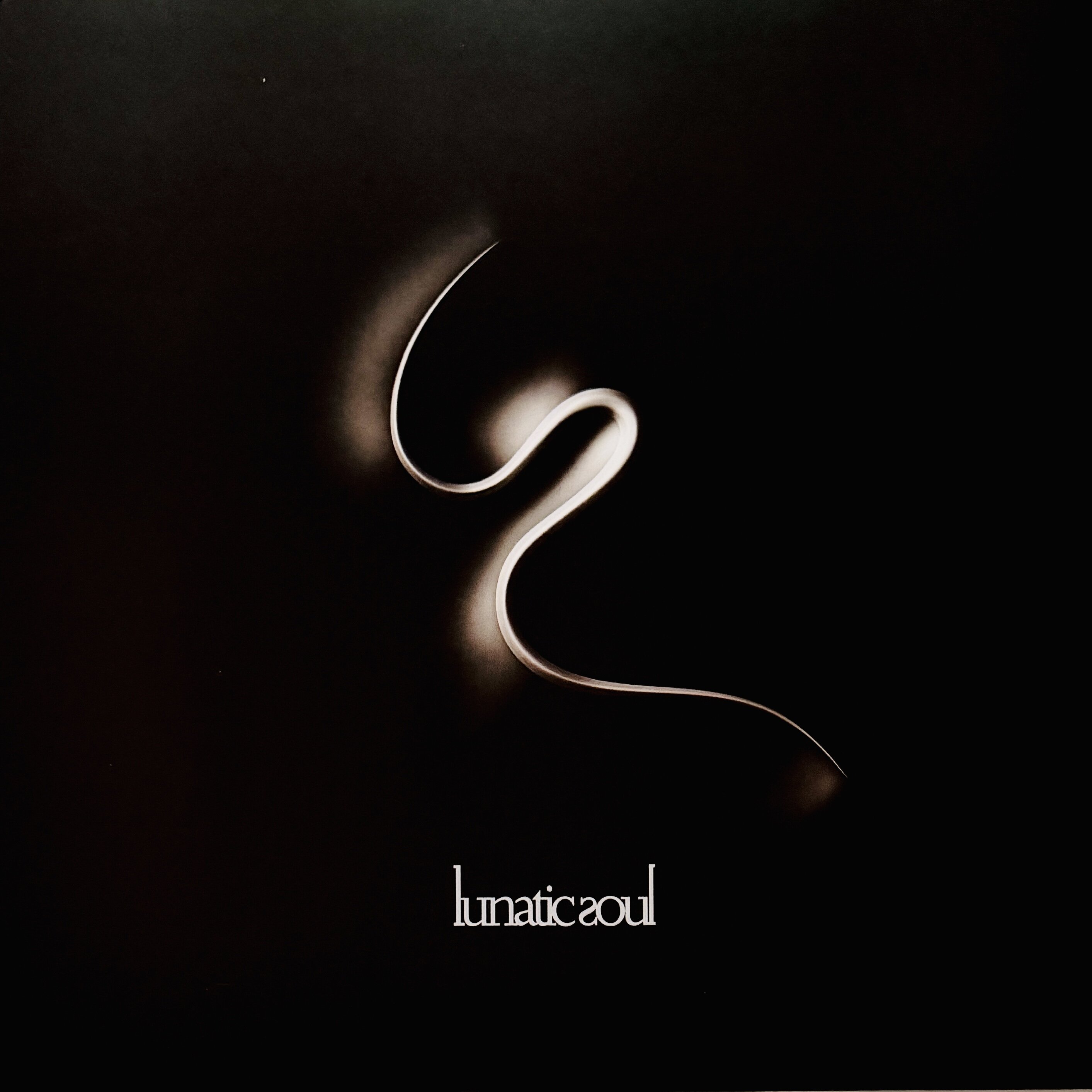
Lunatic Soul, album di debutto omonimo, del 2008.
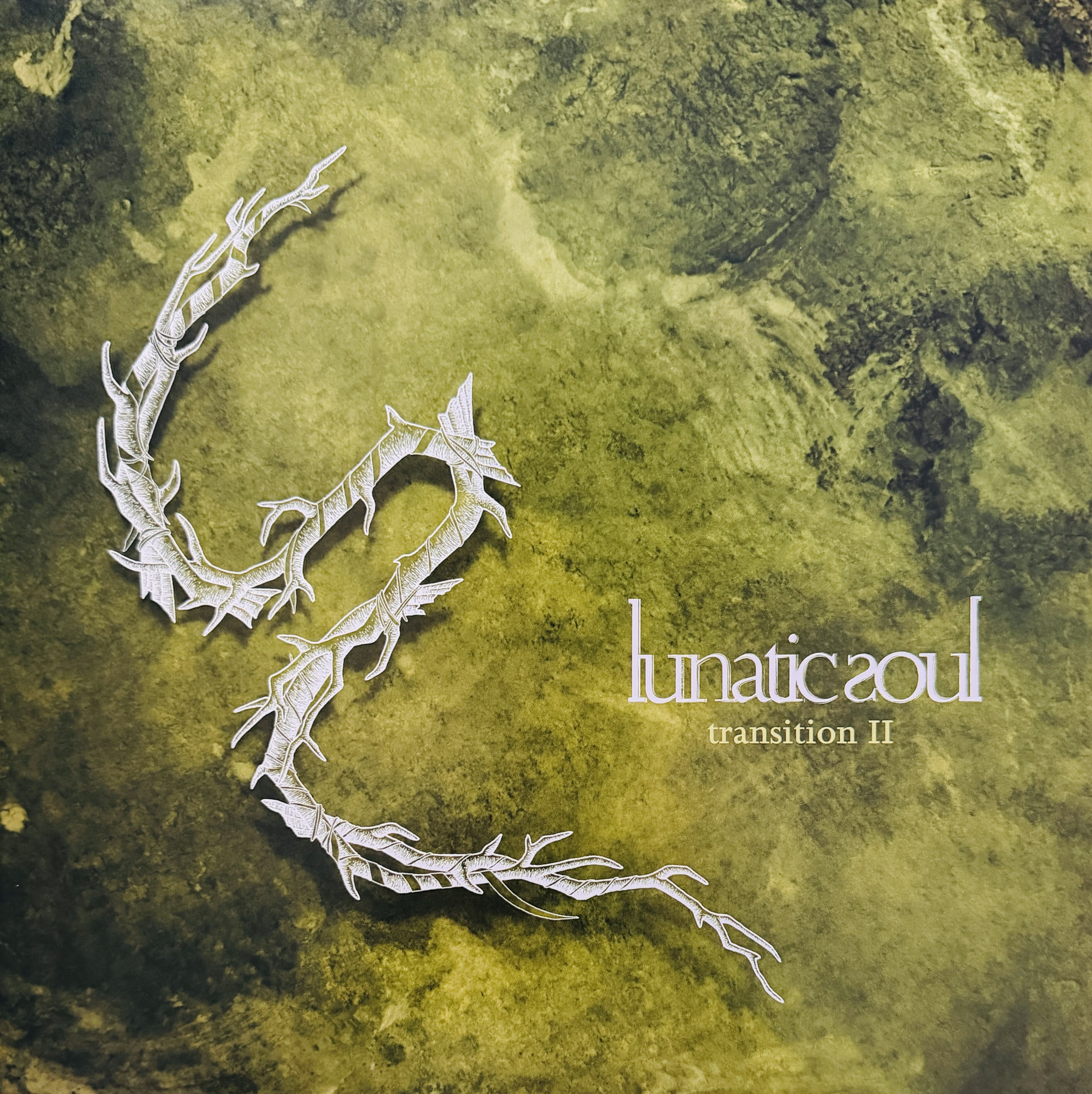
Aspettando l’uscita del nuovo album Transition II, ripercorriamo la storia di questo progetto partendo dall’album di debutto.
Su Progressive Rock World ho già parlato del progetto Lunatic Soul di Mariusz Duda nella recensione dell’album The World Under Unsun (2025), un disco davvero notevole, un esempio perfetto di progressive moderno, con un sound che mescola ambient, elettronica e folk in modo intimo e sperimentale, creando atmosfere cupe e ipnotiche.
L’album di debutto omonimo dei Lunatic Soul segna l’esordio del progetto solista di Mariusz Duda, frontman e bassista della band progressive polacca Riverside che nel giugno 2008 ha sentito il bisogno di creare un progetto musicale diverso, lontano dal sound tipico di una rock band. Non voleva lasciare i Riverside, ma voleva esplorare un lato più intimo e sperimentale della sua musica, così sono nati i Lunatic Soul.
Prima che Mariusz Duda lanciasse il suo progetto solista Lunatic Soul aveva già registrato tre album in studio con i Riverside, album che formano la famosa trilogia concettuale iniziale della band, conosciuta come “Reality Dream Trilogy”. Si tratta di tre capolavori assoluti:
Out of Myself (2003) – L’album di debutto.
Second Life Syndrome (2005) – Il secondo album.
Rapid Eye Movement (2007) – L’ultimo album della trilogia, uscito un anno prima di Lunatic Soul.
Il nuovo progetto di Duda si allontana dalle classiche dinamiche di una rock band e dalle chitarre elettriche distorte, mescolando progressive rock, ambient, musica elettronica, folk oscuro e influenze etniche. Tutta la musica dei Lunatic Soul fa parte di un’epica saga concettuale chiamata “The Circle of Life and Death” (Il Cerchio della Vita e della Morte). Questa saga si sviluppa attraverso otto album in studio, che raccontano il viaggio spirituale e trascendentale di un artista-viaggiatore solitario tra il mondo dei vivi e l’aldilà.
Il progetto è partito con l’album omonimo, conosciuto anche come The Black Album. A seguire, nel 2010, è uscito Lunatic Soul II, o The White Album. Questi due dischi hanno definito il sound del progetto: niente chitarre elettriche, ma tante percussioni, flauti e tastiere ipnotiche. Nel 2011 è arrivato Impressions, un album quasi tutto strumentale con tracce ambient perfette come colonna sonora e per completare i primi due album.
Dopo una pausa di tre anni, nel 2014 è uscito Walking on a Flashlight Beam, un album cupo che parla di solitudine profonda e isolamento volontario. Nel 2017 è arrivato Fractured, l’album più elettronico e accessibile fino ad allora, influenzato da lutti importanti subiti da Duda, tra cui la perdita del chitarrista dei Riverside, Piotr Grudziński. Le canzoni che non sono entrate in questo album sono diventate Under the Fragmented Sky (2018), un disco sognante e sperimentale.
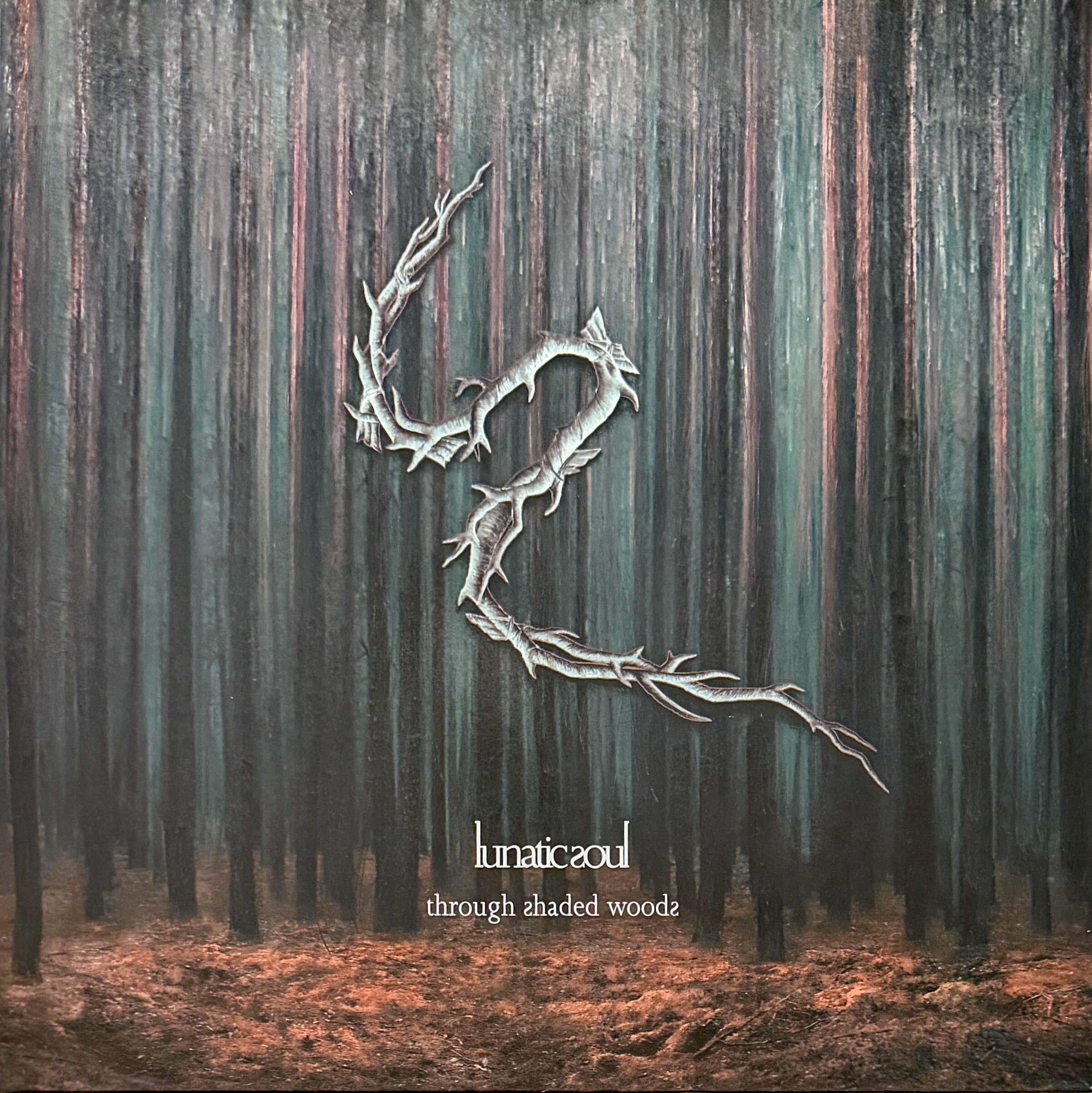
Nel 2020 Duda ha cambiato completamente direzione con Through Shaded Woods. L’album ha abbandonato l’elettronica cupa per un sound folk rituale, sciamanico e slavo, ispirato ai boschi e alla natura della Polonia.
Il viaggio si conclude nell’ottobre del 2025 con il doppio album The World Under Unsun. Questo ottavo disco chiude la storia del Cerchio della Vita e della Morte e parla dei tormenti personali e dei contrasti che hanno portato Duda a lasciare i Riverside.
Mariusz Duda ha deciso di salutare i Riverside dopo 25 anni insieme, a causa di tensioni interne che gli impedivano di vivere appieno la sua passione per la musica e di quello che ha percepito come un clima di falsità che gravava sulla band.
I dischi pubblicati con i Riverside in questo periodo di collaborazione artistica sono tutti di altissimo livello. Eccoli:
Anno Domini High Definition (2009)
Shrine of New Generation Slaves (2013)
Love, Fear and the Time Machine (2015)
Wasteland (2018)
ID.Entity (2023) – L’ultimo album registrato in studio con la band
L’annuncio, arrivato nell’aprile 2026, ha lasciato il segno nel mondo del progressive rock europeo.
Attraverso i suoi social, Duda ha spiegato le ragioni di questa scelta difficile: non riusciva più a inseguire il suo sogno di creare nuova musica liberamente. Ha confessato di essere stanco di “fingere e mostrare un’immagine di band felice e spensierata”, che non rispecchiava affatto la realtà e i rapporti interni.
I media hanno parlato di forti attriti, soprattutto tra Duda e il batterista Piotr “Peter” Kozieradzki, tanto da influenzare i testi dell’ultimo album dei Lunatic Soul e in particolare la canzone d’addio “The New End”.
Duda ha precisato di essere in buoni rapporti con la maggior parte dei membri, ma ha escluso che i Riverside possano continuare, sia con la formazione attuale sia con nuovi membri, chiudendo così il capitolo. Da ora in poi, si dedicherà completamente al suo progetto solista Lunatic Soul e alle sue altre sperimentazioni elettroniche.
Uscito il 13 ottobre 2008 per Kscope, l’album “Lunatic Soul” si allontana dal metal/rock dei Riverside per esplorare sonorità più intime ed elettroniche.
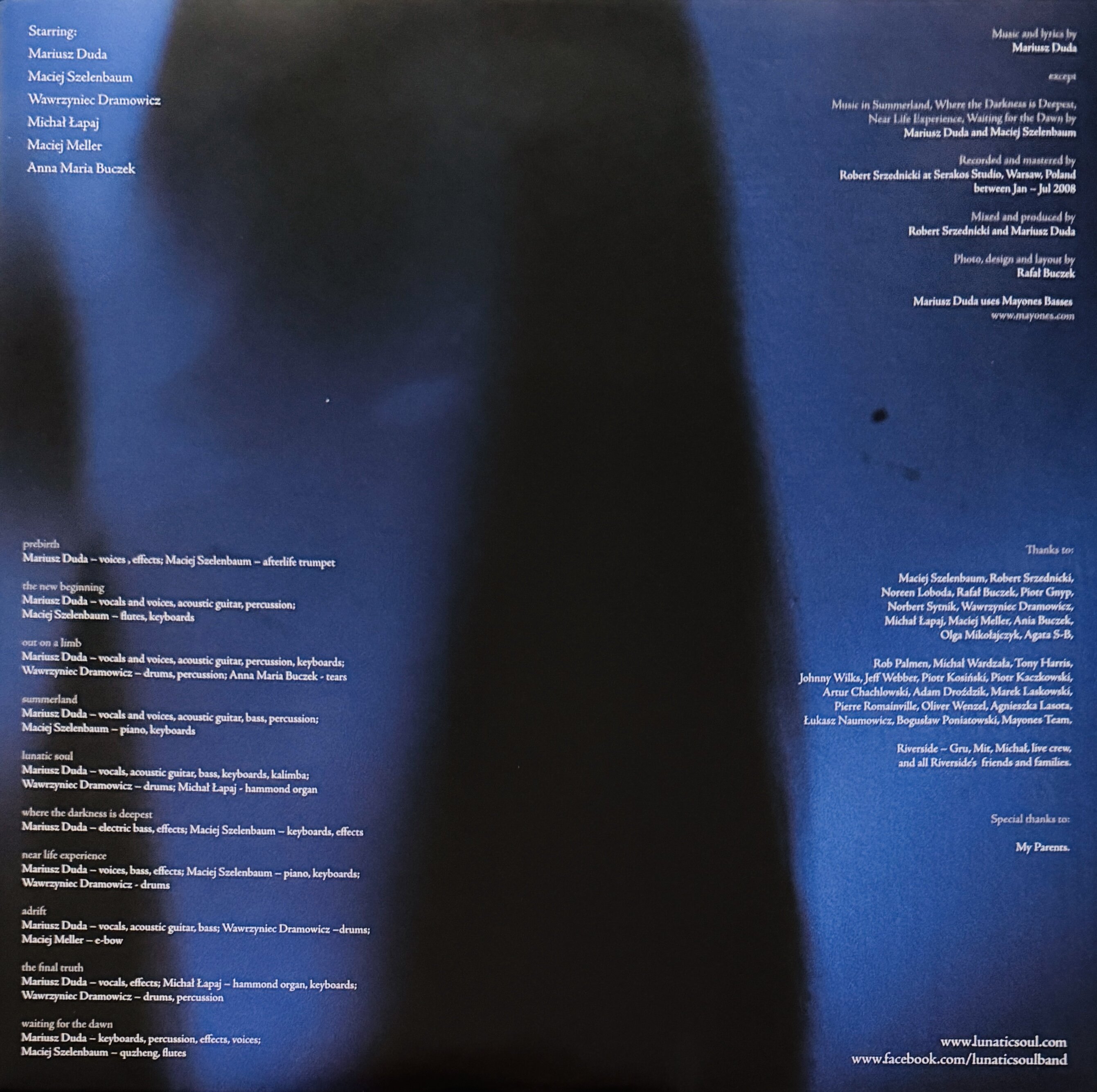
Registrato e masterizzato tra gennaio e luglio 2008 al Serakos Studio di Varsavia, l’album è unico nel suo genere per l’assenza totale di chitarre elettriche. Duda ha scelto un approccio più acustico ed etnico, utilizzando strumenti come chitarre acustiche, pianoforte, tastiere, percussioni, flauti e organo Hammond. Per arricchire il sound, ha collaborato con musicisti come Michał Łapaj (Riverside), nella sua unica apparizione con i Lunatic Soul, e Wawrzyniec Dramowicz (Indukti).
Questo primo album è il primo capitolo di una storia sul Cerchio della Vita e della Morte (The Circle of Life and Death). Racconta le avventure di un artista-viaggiatore solitario tra vita e aldilà attraverso atmosfere orientali, ambient e folk oscuro.
“Prebirth” apre con un’atmosfera Ambient, piena di rumori intriganti. L’intro è breve e misteriosa, con respiri, battiti cardiaci filtrati ed effetti elettronici. Il battito cardiaco iniziale che sfuma nell’oscurità è davvero bellissimo.
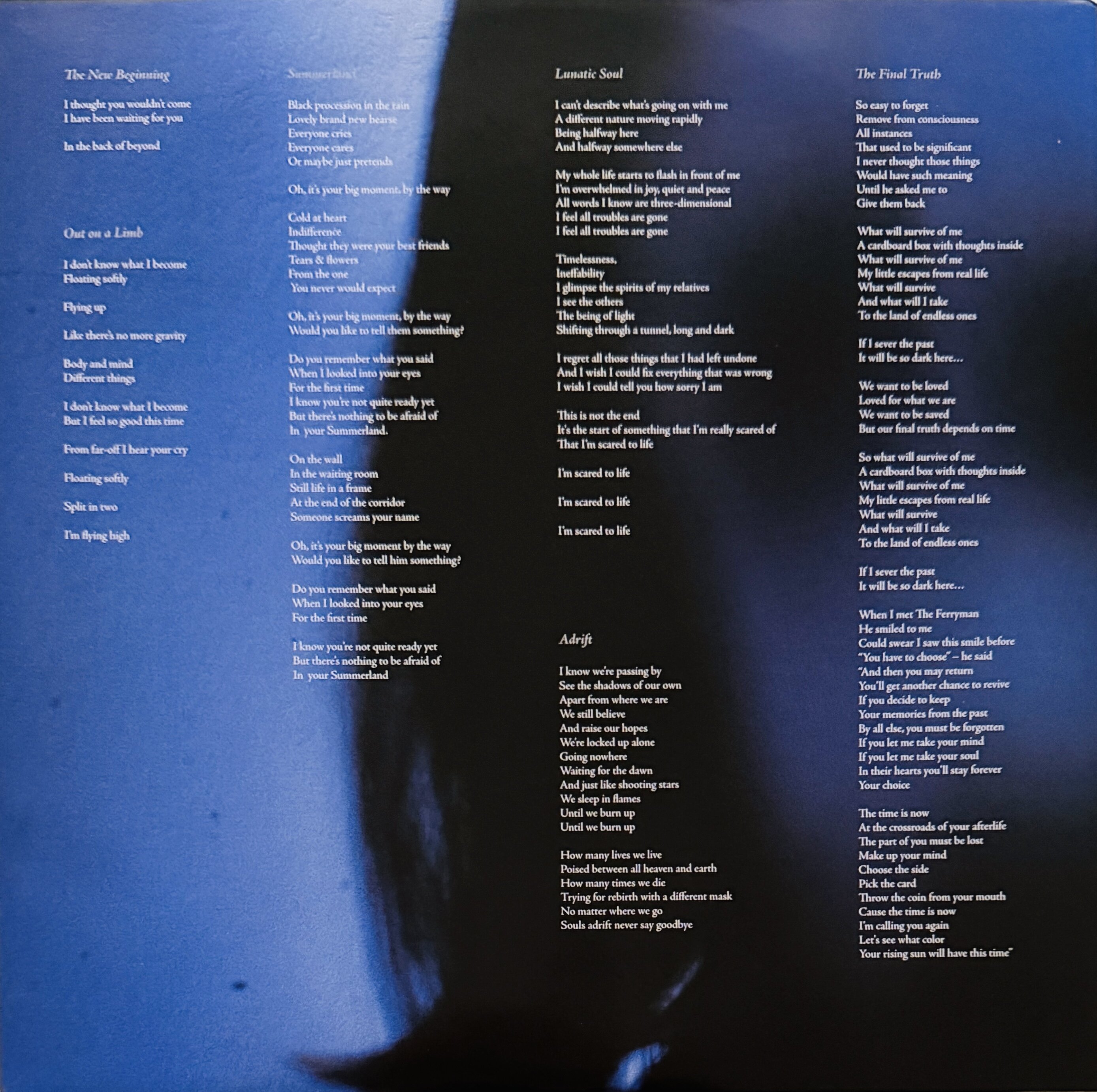
“The New Beginning” è un brano in stile Dark, ambient e acustico, che segna l’inizio vero e proprio del disco. Chitarre acustiche ipnotiche si intrecciano con il canto di Duda, creando un’atmosfera magica. Il pezzo cresce gradualmente, arricchendosi di synth analogici e un basso caldo e pulsante. Grande l’ingresso della melodia vocale, malinconica e avvolgente.
“Out on a Limb” è un mix affascinante di post-rock e psichedelia con influenze orientali. Le percussioni etniche spiccano, creando un’atmosfera mediorientale con tempi dispari e tastiere drammatiche che evocano un senso di smarrimento. L’intreccio tra percussioni acustiche e un loop elettronico in sottofondo è davvero notevole.
“Summerland” è una ballata atmosferica, uno dei momenti più melodici ed emozionanti dell’album. La voce di Duda è pulita, limpida e sognante, mentre le tastiere dipingono un paesaggio infinito, proprio come il “Summerland” del titolo. Il ritornello è struggente e rimane impresso fin dal primo ascolto.
“Lunatic Soul”, la title-track, è una suite in miniatura di progressive con un accento etnico una andatura ambient. Inizia con un giro di basso monumentale, tipico di Duda, e si sviluppa attraverso vocalizzi sciamanici e stratificazioni strumentali che culminano in un finale trascinante. Potentissimo il riff di basso centrale.
“Where the Darkness is Deepest” è una traccia strumentale dal sound dark e ambient. Campionamenti industriali si fondono a tastiere dense, creando un’atmosfera spettrale degna di una colonna sonora horror.
“Near Life Experience” è un brano ritmato, pieno di elettronica d’avanguardia e sound tribale senza perdere la connotazione prog, guidato da percussioni incalzanti e da un uso magistrale dei cori campionati. Ha un incedere quasi ritualistico, che simula il tentativo dell’anima di aggrapparsi ai ricordi della vita terrena.
“Adrift” è un brano acustico, folk, semplice e delicato, una ballata intima, con la chitarra acustica che fa da padrona e una voce che si svela in tutta la sua vulnerabilità. È un momento di pausa, un respiro profondo prima del gran finale. La voce di Mariusz Duda è semplicemente stupenda, con una purezza interpretativa molto toccante.
Poi arriva “The Final Truth”, un pezzo epico che dura oltre 7 minuti. È la traccia più lunga e complessa dell’album, un vero e proprio viaggio che racchiude tutto il disco: il groove potente del basso distorto, le percussioni che sembrano un rito sacro, le melodie disperate e i synth spaziali. È l’accettazione finale della propria condizione ultra-terrena, un momento di consapevolezza profonda. Nella sezione centrale, strumentale, i sintetizzatori creano un climax emotivo e travolgente.
Infine, “Waiting for the Dawn”, un pezzo ambient di soli 55 secondi che chiude l’album. Pochi secondi di tastiere soffuse e rumori bianchi che lasciano un senso di pace e di attesa. Bella la dissolvenza finale nel silenzio assoluto, un finale che chiude il cerchio del concept.
Il debutto dei Lunatic Soul è un concept album profondo e introspettivo, che porta in un viaggio affascinante attraverso l’anima dopo la morte. Duda e Robert Srzednicki creano spazi sonori quasi claustrofobici in cui la decisione di escludere la chitarra elettrica ha dato vita a un capolavoro della musica d’atmosfera contemporanea. Un album da ascoltare con calma, lasciandosi trasportare dalle sue sonorità suggestive. Ottimo Album!
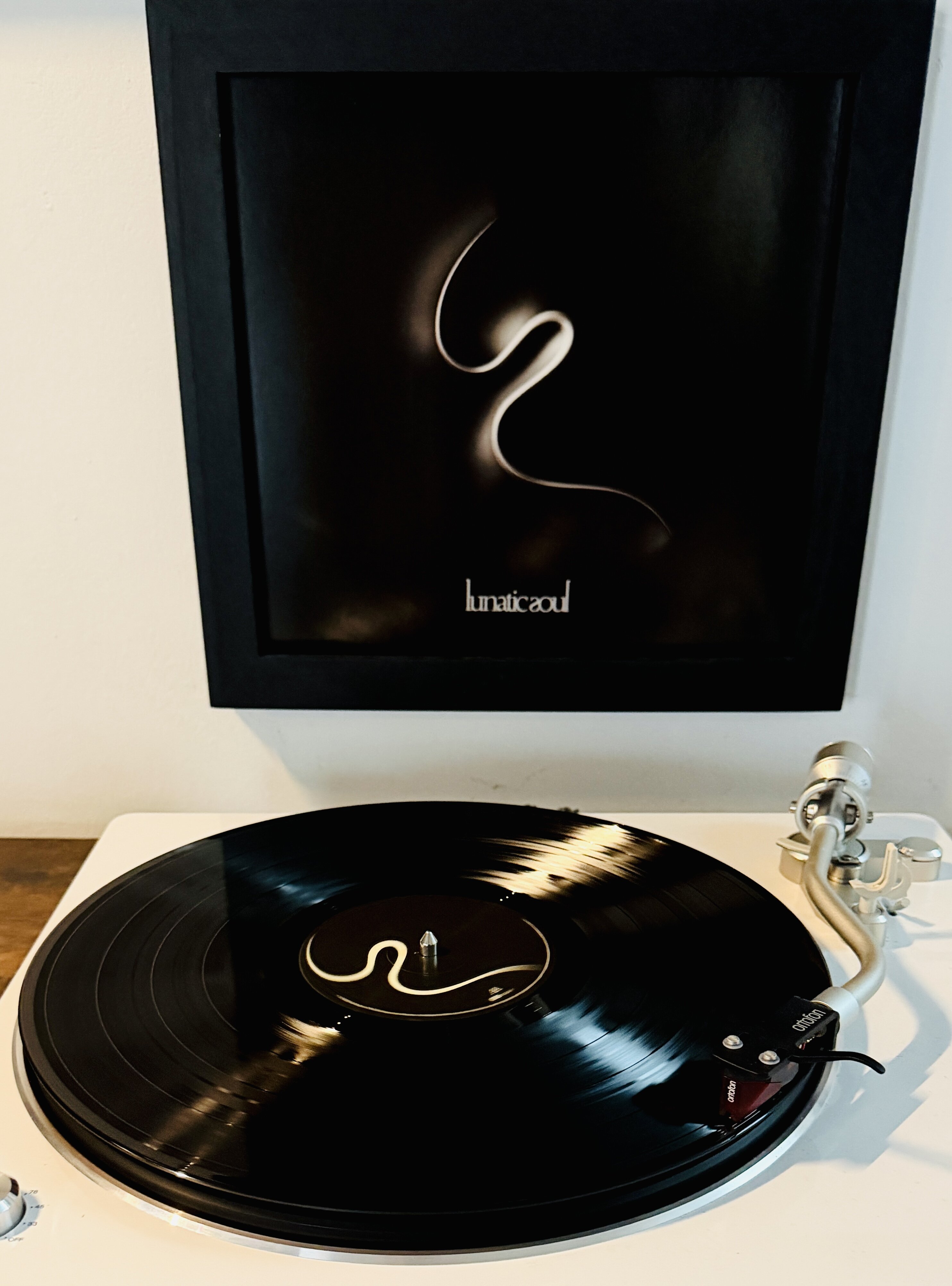
La Mia Versione
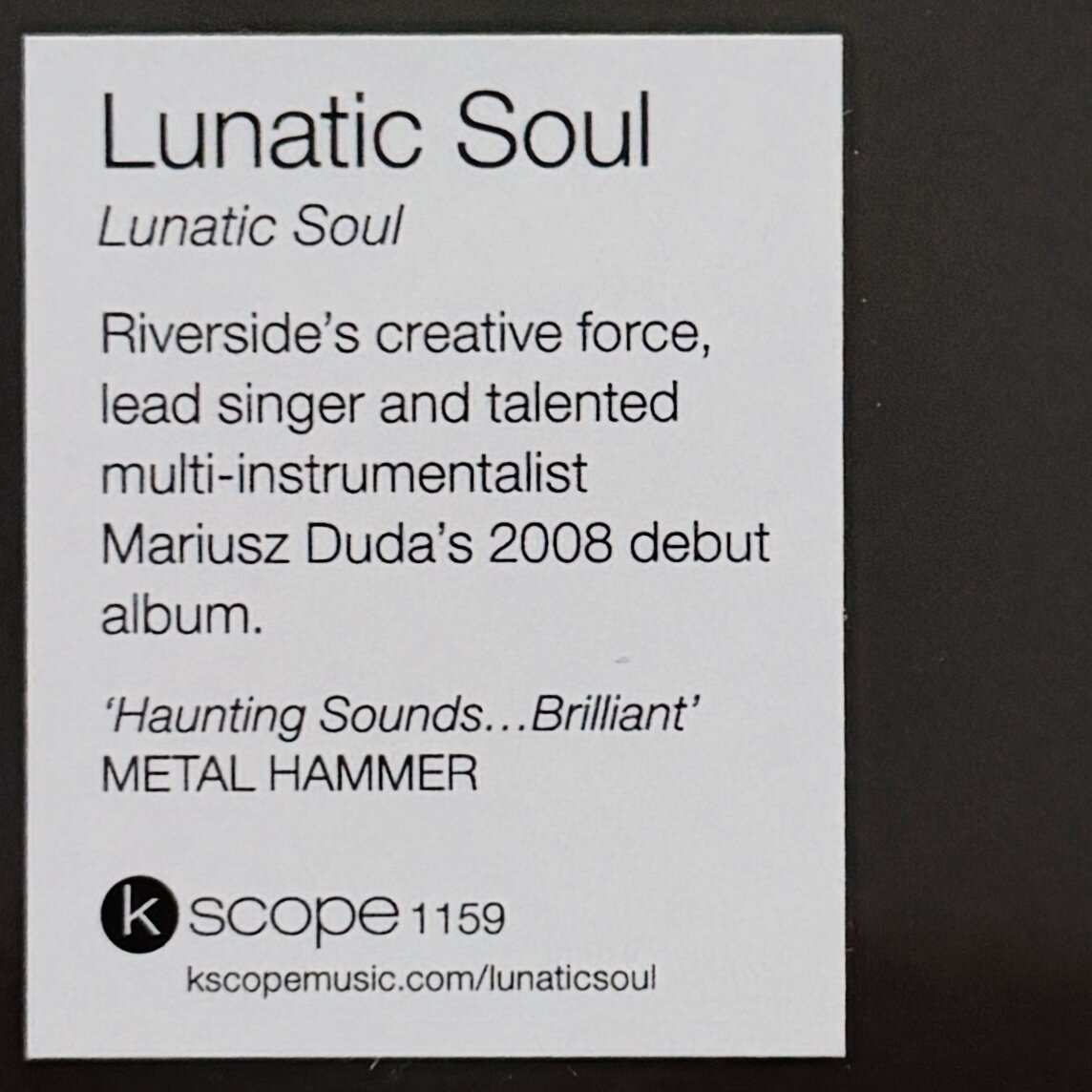
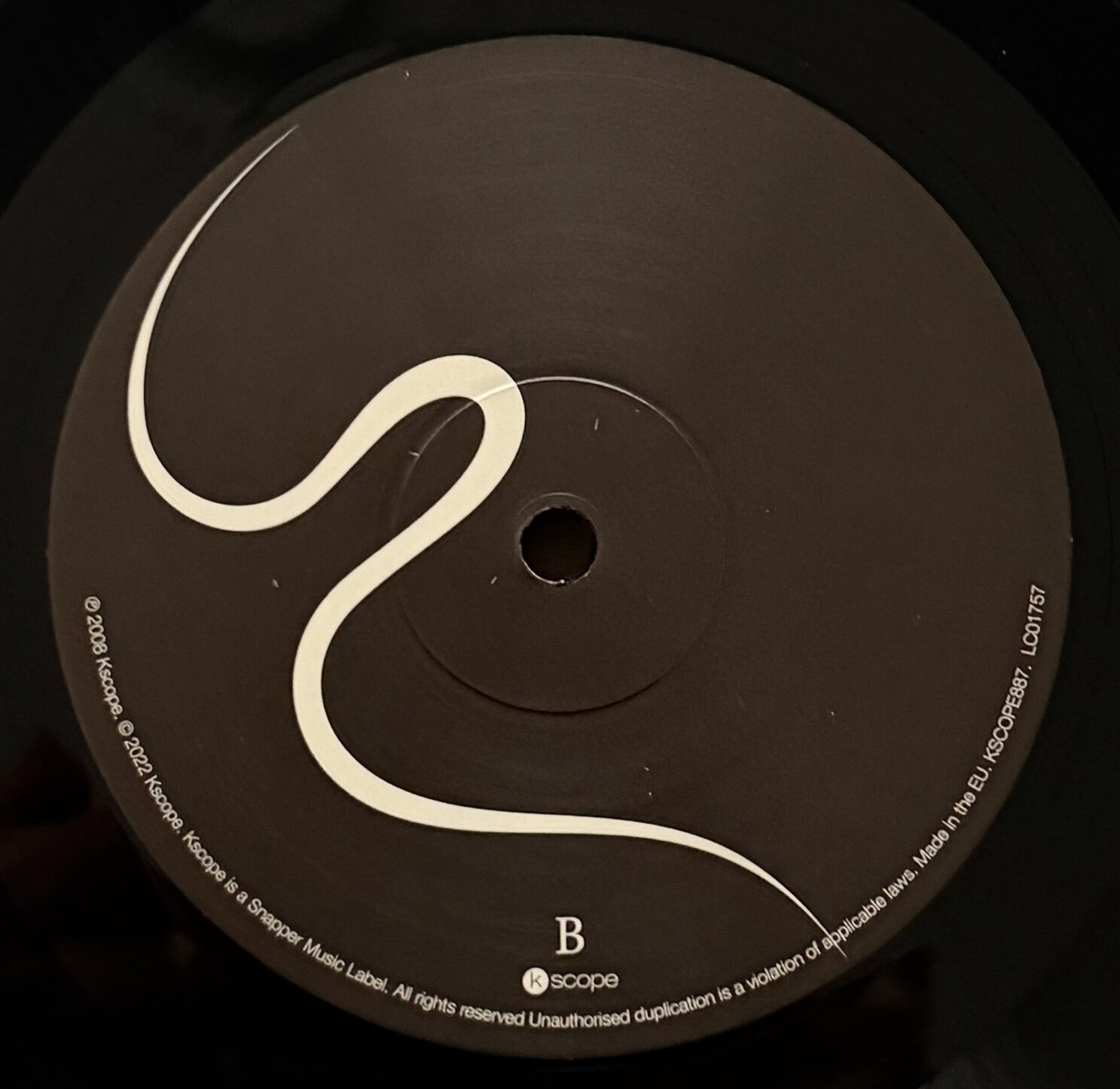
Etichetta: Kscope – KSCOPE1159
Formato: Vinile, LP, Album, Reissue
Paese: Europe
Uscita: 24 giu 2022
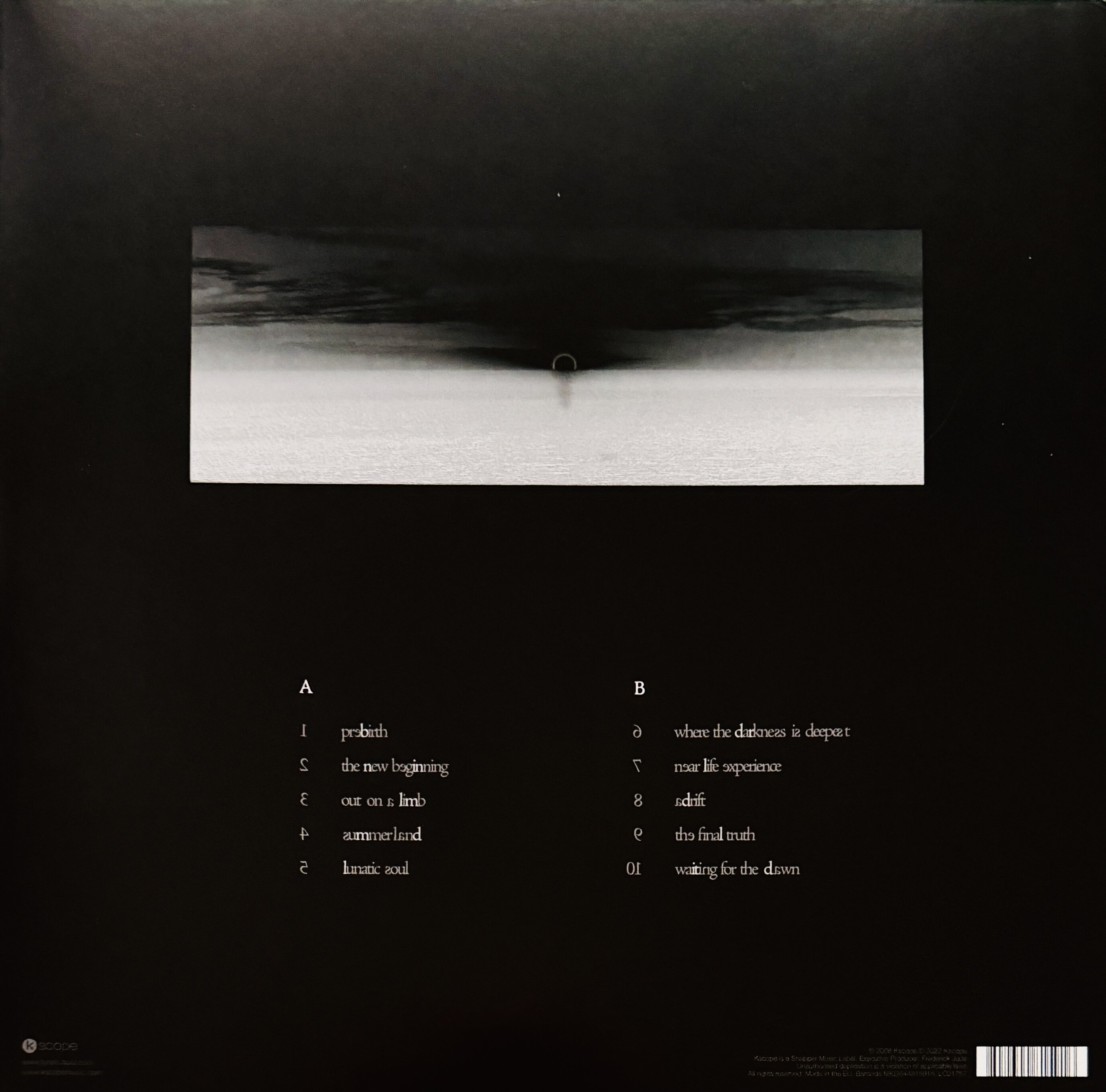
Tracklist
A1 Prebirth
A2 The New Beginning
A3 Out On A Limb
A4 Summerland
A5 Lunatic Soul
B6 Where The Darkness Is Deepest
B7 Near Life Experience
B8 Adrift
B9 The Final Truth
B10 Waiting For The Dawn
LineUp
Mariusz Duda: voce, basso, chitarra acustica, kalimba, percussioni ed effetti
Maciej Szelenbaum: pianoforte, tastiere, flauto, armonica e altri strumenti tradizionali
Wawrzyniec Dramowicz (membro degli Indukti): batteria e percussioni
Michał Łapaj (tastierista dei Riverside): organo Hammond e tastiere (solo nelle tracce 5 e 9)
Maciej Meller (chitarrista dei Quidam): EBow (solo nella traccia 8)
Anna Maria Buczek: voce aggiuntiva/sussurri (nella traccia 3)
Produzione condivisa tra Duda e Robert Srzednicki.
Link per l’ascolto sulle principali piattaforme di streaming ai seguenti link:
Spotify: puoi riprodurre l'intero album sulla pagina dedicata di Spotify - Lunatic Soul.
Apple Music: il disco è accessibile in formato digitale su Apple Music - Lunatic Soul.
Deezer: la discografia e il primo album sono presenti nel catalogo dell'artista su Deezer - Lunatic Soul.
Nota: Tutti i link ai lavori dei musicisti sono nei TAG sotto il titolo dell'articolo o nella pagina "Artisti"
.jpeg "The World Under Unsun dei Lunatic Soul")