

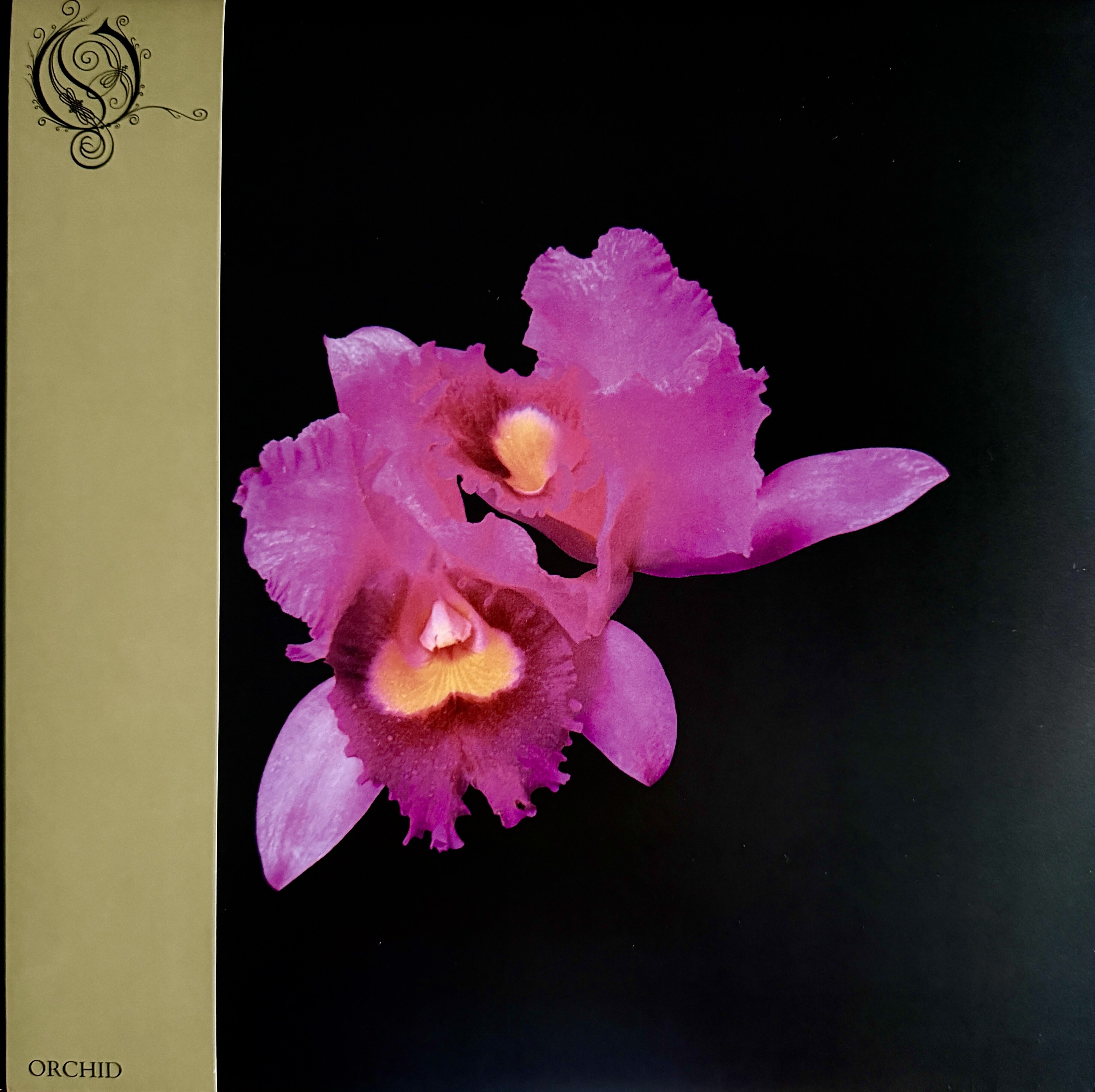
Orchid, debut album by Opeth, from 1995.
This album revolutionized extreme metal, blending the ferocity of death metal with the complex structure of progressive rock, acoustic melodies and dark atmospheres typical of black metal.
Lee Barrett, founder of Candlelight Records, offered the band a contract based only on word of mouth, without ever having heard any of their recordings. The album was recorded in March 1994, produced by the great Dan Swanö, whom I’ve already mentioned for his pioneering progressive death metal band, Edge of Sanity, and the masterpiece album Crimson (a single 40-minute track).
The official lineup that recorded the album consisted of:
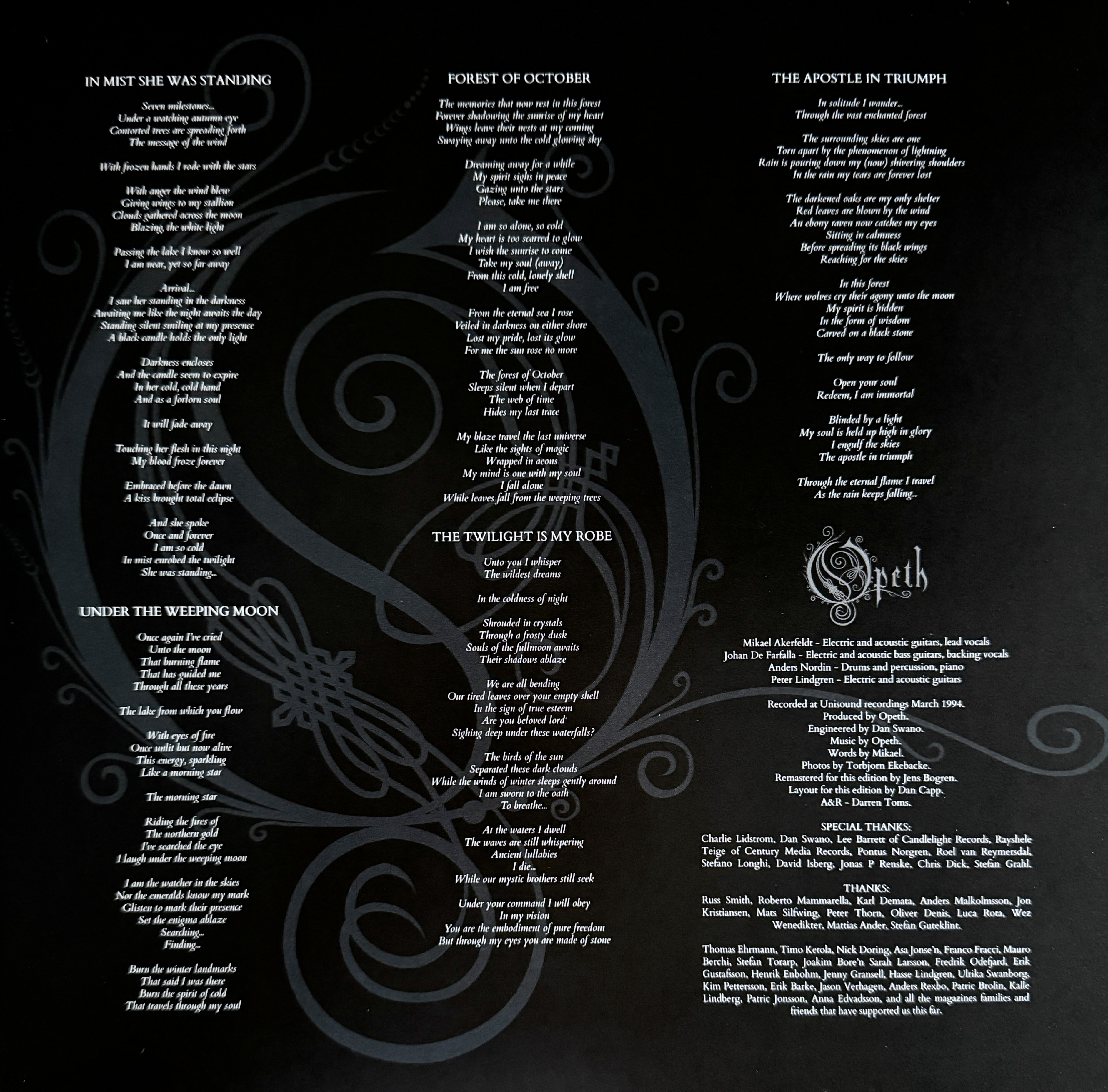
Mikael Åkerfeldt – Vocals (growl and clean), lead, rhythm and acoustic guitar
Peter Lindgren – Lead, rhythm and acoustic guitar
Johan De Farfalla – 6-string electric bass, fretless and backing vocals
Anders Nordin – Drums, percussion and piano (on the acoustic track “Silhouette”)
This lineup stayed stable until the second album, Morningrise, after which internal tensions led to the departure of the original rhythm section: Johan De Farfalla (bass) and Anders Nordin (drums) left the band. They were replaced by Martin Mendez on bass and Martin Lopez on drums, who became the band’s most iconic and long-running rhythm section, helping define the sound of masterpieces like Blackwater Park and Ghost Reveries.
Unlike its successors, “Orchid” is not a concept album. The idea behind the record is purely atmospheric, aesthetic and abstract. Mikael Åkerfeldt wanted to create a work as dark, “evil” and mystical as possible. At first, Åkerfeldt and co-founder David Isberg had lyrics in mind that were true satanic and occult hymns. Over time, however, Mikael himself toned down that era, ironically describing the lyrics of “Orchid” as “pure black metal nonsense”.
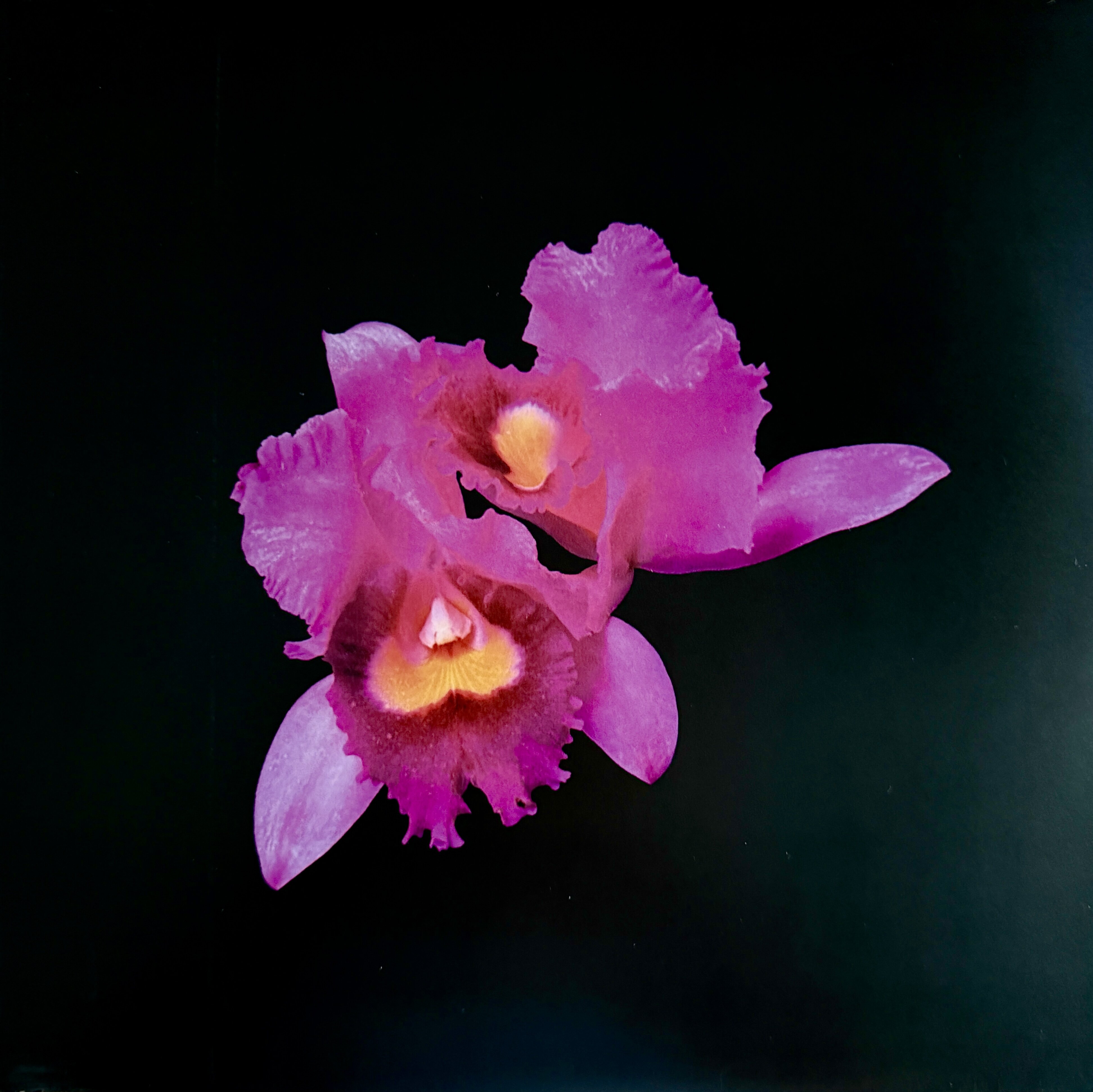
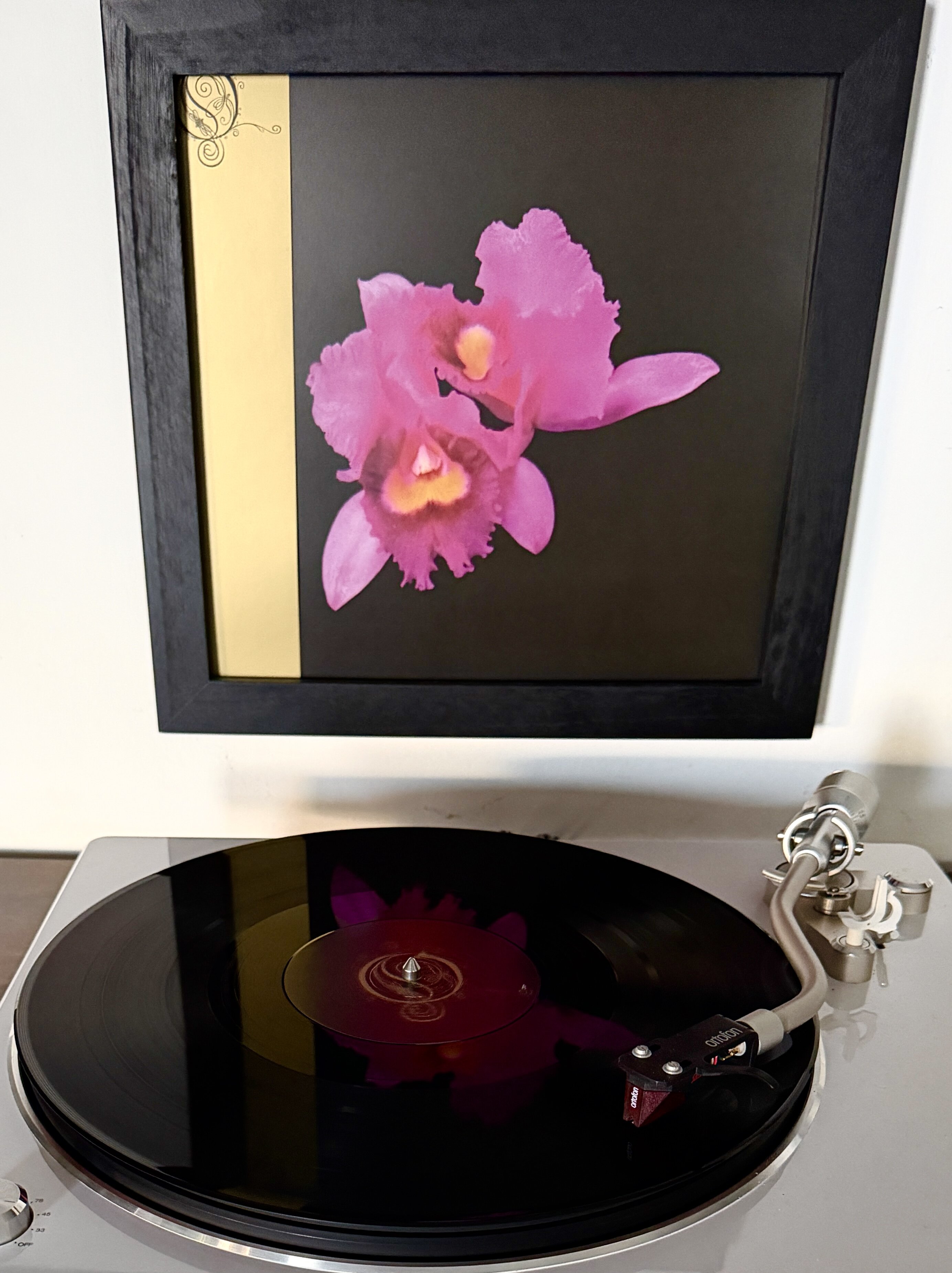
Despite the occult references, the lyrics avoid the splatter clichés typical of American death metal of the time. The visual and lyrical concept draws inspiration from Scandinavian Romanticism and autumnal nature. The album plays heavily on contrast, as also seen in the famous cover: choosing “Orchid” as the title and using a close-up photo of a blurred pink flower on a dark background was a revolutionary and provocative choice for extreme metal in 1995, dominated by violent or monstrous covers.
Even if it isn’t an official concept, the strong consistency of the atmospheres has led many to look for a common thread. One of the most widespread interpretations sees the album as the spiritual and tormented journey of an Apostle of darkness (mentioned in the final track “The Apostle in Triumph”) who wanders through forests and nightmares in search of an ethereal female figure (from “In Mist She Was Standing”), getting lost in the twilight.
The musical style lays the groundwork for what will become the Opeth “sound”, but it keeps its own identity, rougher, wilder and more tightly tied to ’90s extreme metal than the later works. While later records will move toward progressive death metal, Orchid is deeply influenced by Swedish melodic black metal. The guitar riffs often use the tremolo picking typical of black metal. The atmospheres are icy, mystical, bleak and closely connected to naturalistic and nocturnal imagery. Åkerfeldt’s growl on this album is also higher, raspier and more “acidic”, closer to black metal screams, compared to the deep, cavernous tone he would develop later.
The work of Mikael Åkerfeldt and Peter Lindgren is outstanding: the guitars don’t split into rhythm and lead, but constantly play parallel melodic lines that intertwine, a direct influence from Iron Maiden’s galloping guitar work, but carried into an extreme context. The songs are long (three exceed ten minutes) and unfold like suites. There are no choruses and the tempo changes are sudden, almost unexpected.
Already on this debut you can hear the band’s famous trademark: the dramatic alternation between the violence of metal and the delicacy of acoustic folk. Distorted passages are interrupted by medieval-tinged, melancholic classical-guitar arpeggios. Unlike Morningrise, where the transitions will be smoother, on Orchid the shifts between acoustic and electric are sharp, sudden and disorienting, creating a strong sense of dynamism and tension.
The album includes “Silhouette”, a fully instrumental piano piece with a classical and neoclassical flavor, played by drummer Anders Nordin. Johan De Farfalla’s bass introduces elements completely foreign to extreme metal of the time. His style, rich in jazz influences, ranges from fretless bass to independent melodic lines and even hints of slap (a very rare technique in death/black metal).
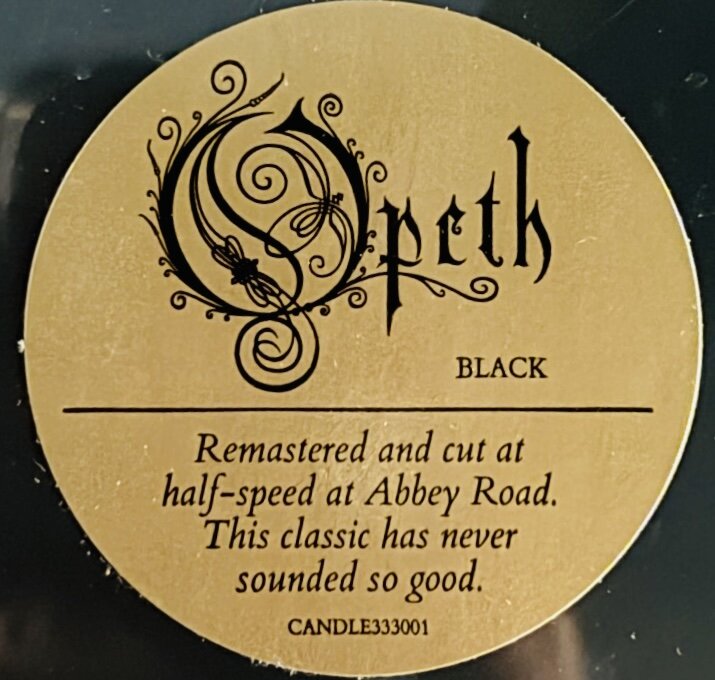
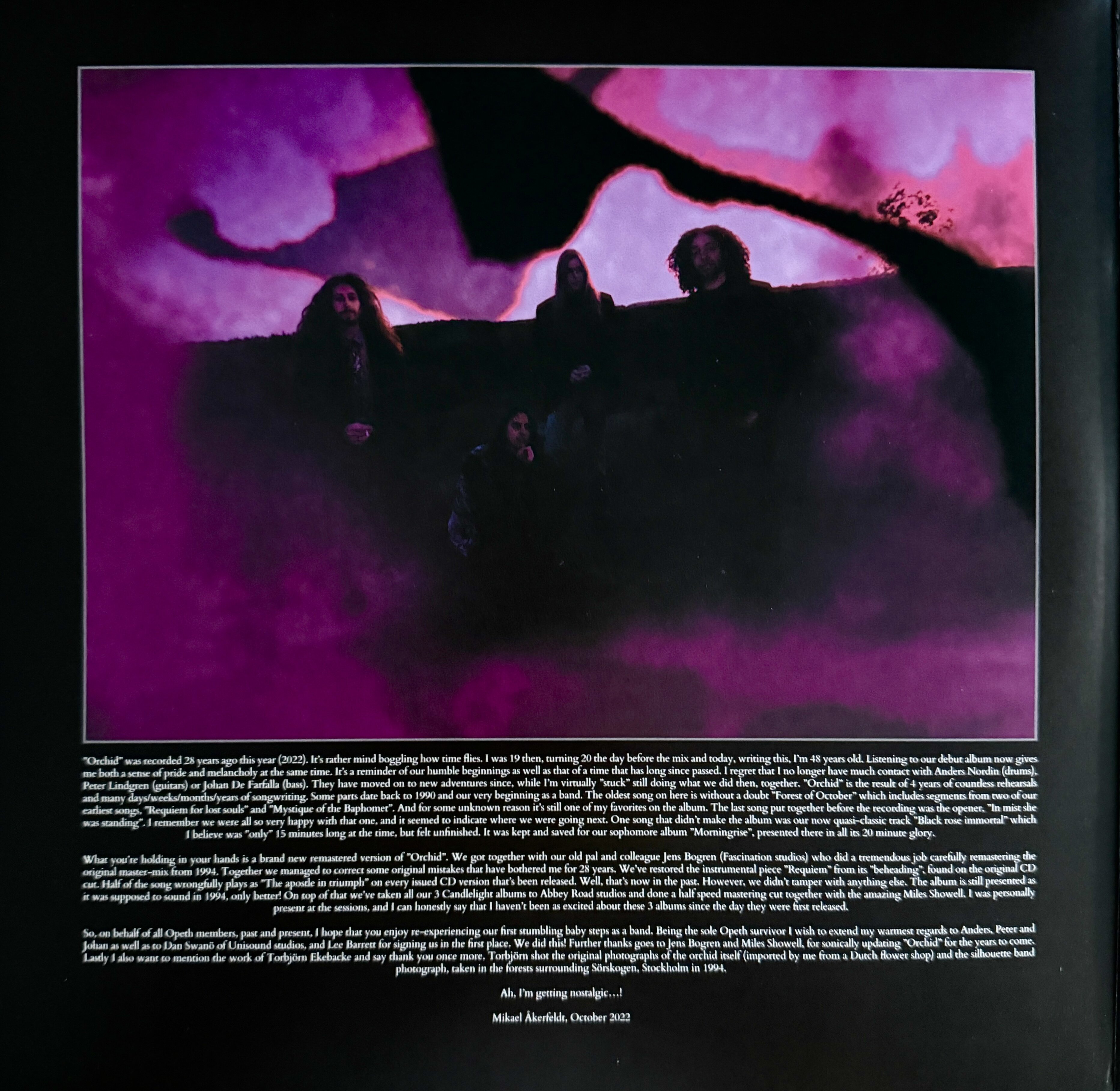
A curiosity: due to a mix-up during production, the final part of the acoustic instrumental "Requiem" was mistakenly cut and placed at the beginning of the following track, "The Apostle in Triumph". This historic mistake was officially corrected only many years later with the 2023 Abbey Road remaster. My version is CANDLE333001, which contains the corrected version free of the historic mastering error. The acoustic track "Requiem" and the following "The Apostle in Triumph" were finally separated and properly restored for the first time on vinyl, removing the mix-up present since 1995.
Orchid is an album where the brutality of Scandinavian extreme metal meets the refinement of ’70s progressive rock, all filtered through a grand production, that of Dan Swanö. I personally thank Lee Barrett, founder of Candlelight Records, for his courage and foresight.
My Version
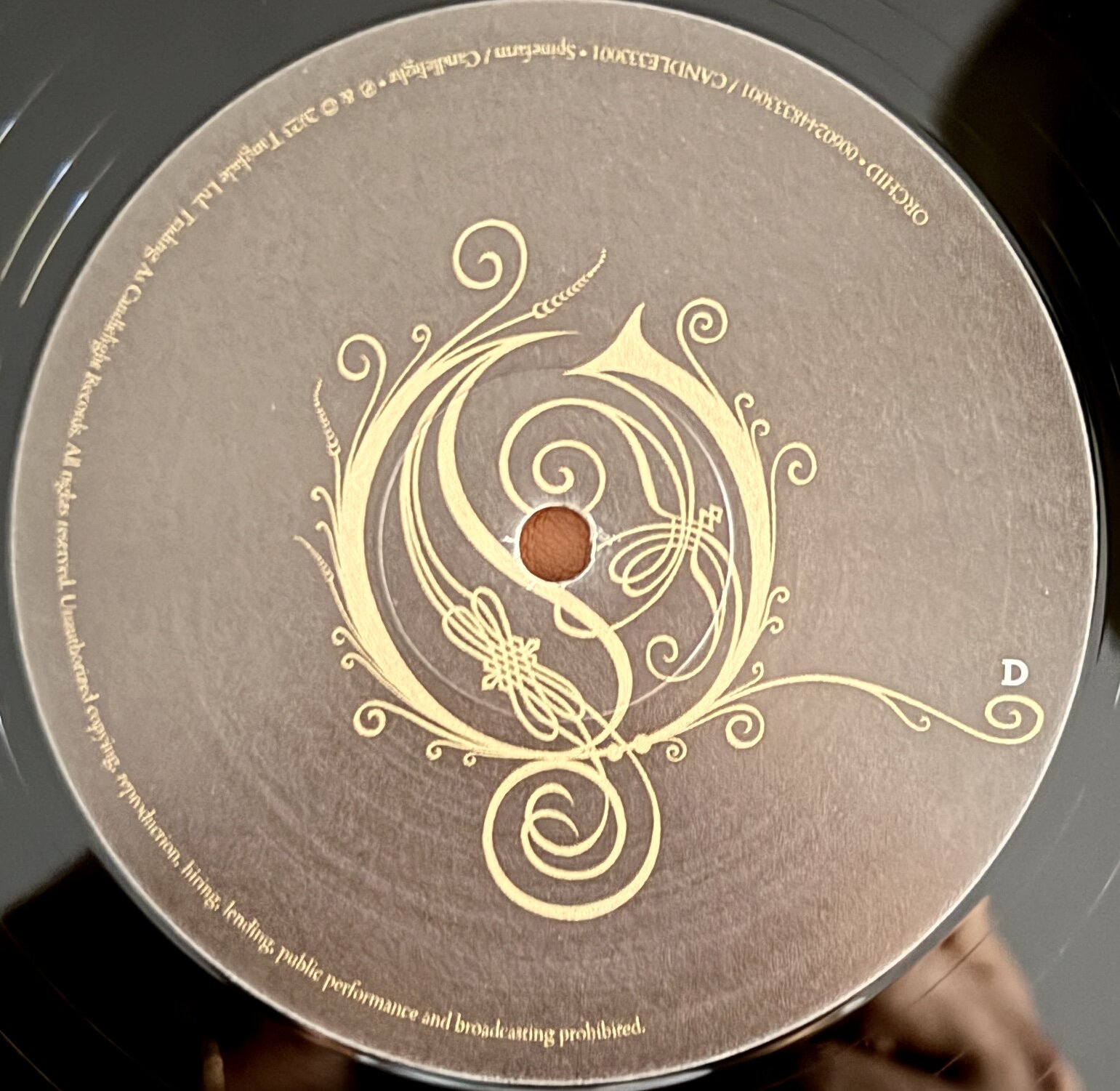
Label: Candlelight Records – CANDLE333001, Spinefarm Records – CANDLE333001
Format: 2 x Vinyl, LP, Album, Reissue, Remastered, Half-Speed Master
Country: Europe
Released: 19 May 2023
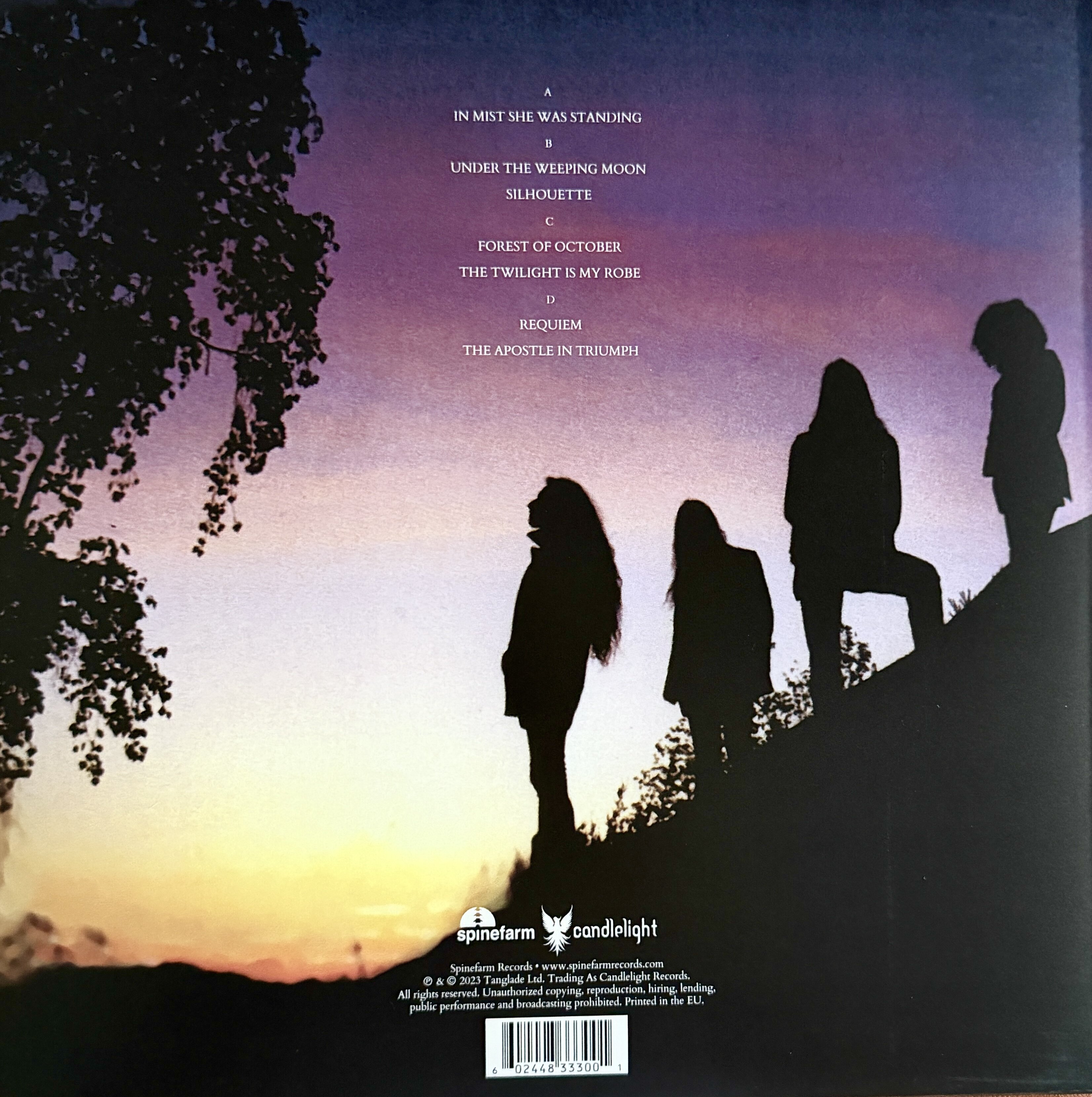
Tracklist
A In Mist She Was Standing
B1 Under The Weeping Moon
B2 Silhouette
C1 Forest Of October
C2 The Twilight Is My Robe
D1 Requiem
D2 The Apostle In Triumph
Lineup
Drums, Percussion, Piano – Anders Nordin
Electric Bass, Acoustic Bass, Backing Vocals – Johan De Farfalla
Electric Guitar, Acoustic Guitar – Peter Lindgren
Electric Guitar, Acoustic Guitar, Lead Vocals – Mikael Åkerfeldt
Engineer – Dan Swanö
Note: All links to the musicians’ works are in the TAGS under the article title or on the "Artists"
Here is the biographical entry Scandinavian Progressive Metal of Opeth
.jpeg "Heritage by Opeth")